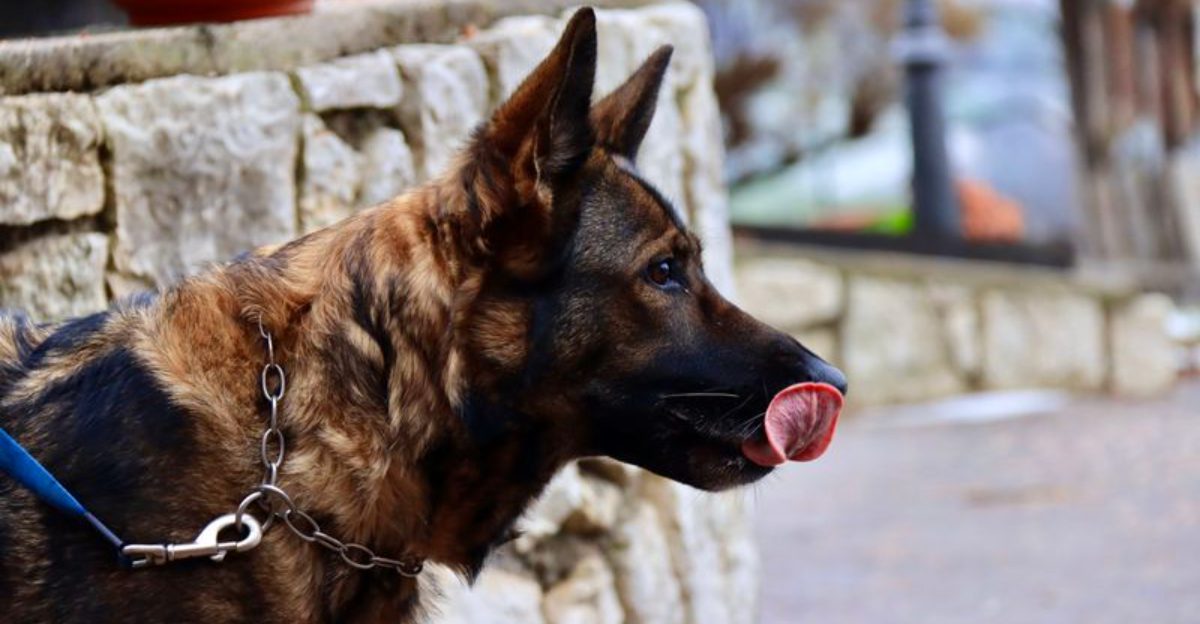
Before you write off a breed because of headlines or hearsay, pause and look closer. So many so called scary dogs are actually soulful, trainable companions with specific needs.
With the right match, structure, and patience, these breeds can become your most reliable partners. Let’s unpack the real story so you can choose with confidence.
American Pit Bull Terrier
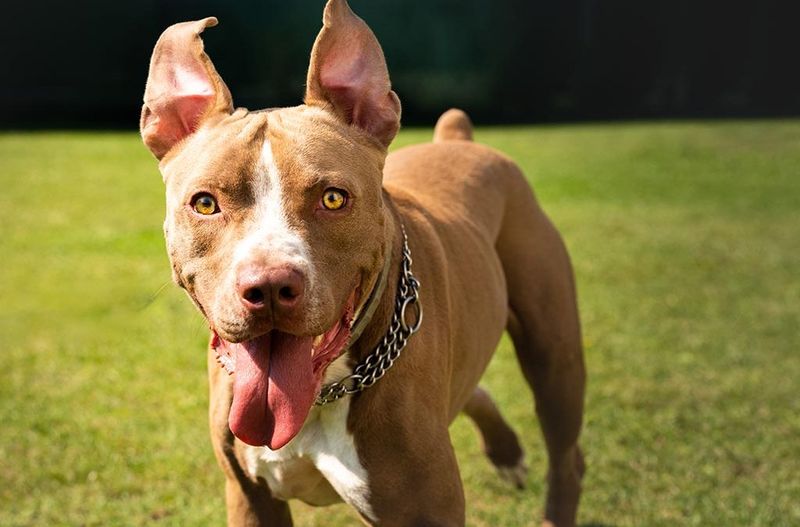
American Pit Bull Terriers are powerful, goofy companions that thrive with structure and kindness. Many were bred for tenacity, which today translates into determination during training and play.
With early socialization, consistent boundaries, and daily exercise, their famous smile shows up often.
They can be dog selective, so thoughtful introductions matter and sturdy leashes help. Energy is moderate to high, meaning brisk walks, flirt pole sessions, or puzzle games keep minds calm.
Judge the individual, not the headline, and you may discover a loyal couch cuddler who adores children and lives to please.
Adopt from reputable rescues that temperament test and offer support. Invest in training classes, proper insurance, and secure fencing.
With commitment, you will gain an ambassador everyone admires.
Staffordshire Bull Terrier
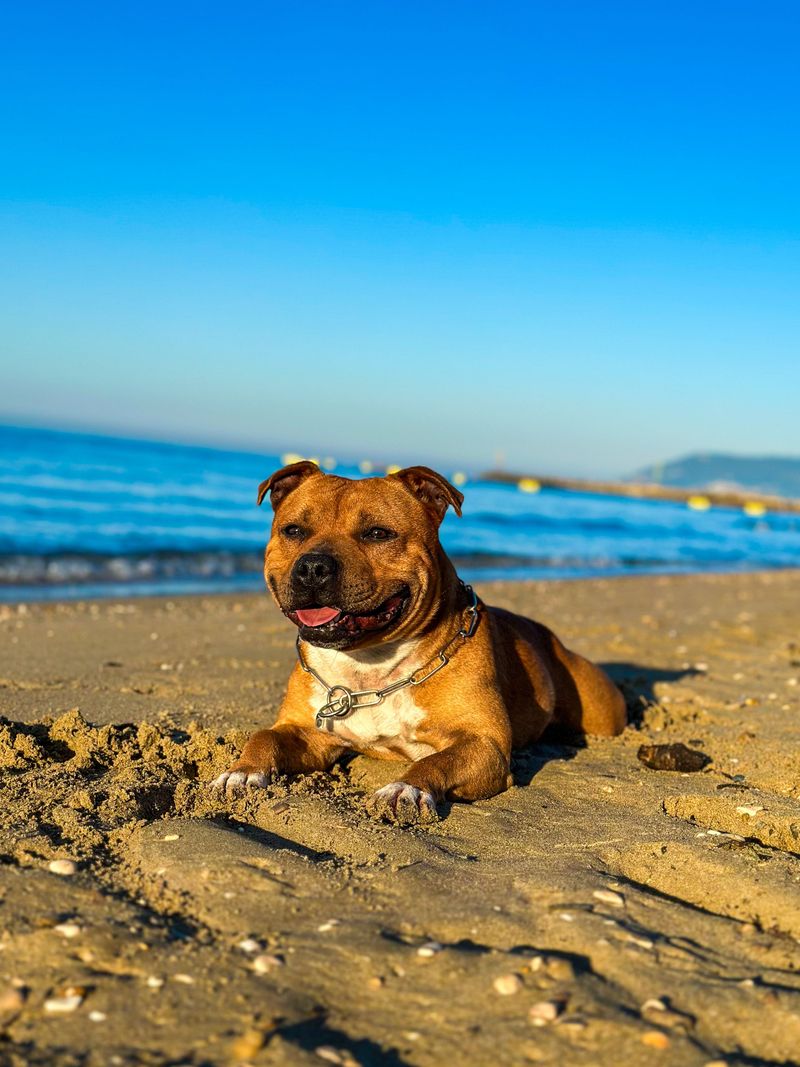
Staffordshire Bull Terriers are compact athletes with enormous hearts and clownish charm. Historically developed for grit, they now channel that bravery into family loyalty and silly play.
Early socialization and positive reinforcement bring out biddability, self control, and polite manners.
Despite their nickname nanny dog, supervision with children is still essential, as with any breed. Staffies can be energetic, mouthy, and strong, so tug toys, boundaries, and mental enrichment help.
They are often dog selective, making careful introductions and management crucial in busy neighborhoods.
Choose ethical breeders or rescues that prioritize health testing, temperament, and support. Short coats mean easy grooming, but they crave connection and hate isolation.
Provide training, insurance, and secure containment, and you will gain a grinning shadow who thrives beside you.
Rottweiler

Rottweilers are confident guardians with a thoughtful, watchful nature behind those soulful eyes. They mature slowly, balancing goofiness with seriousness as training progresses.
Clear rules, fair corrections, and rewards based methods shape impulse control and reliable obedience.
These dogs bond deeply and can be wary of strangers, so socialization must be intentional and ongoing. Strong bodies demand secure fencing, quality leashes, and daily mental work like tracking or obedience games.
Without outlets, boredom and pushiness appear, but structure quickly restores calm confidence.
Select breeders who health test hips, elbows, and hearts, or adopt from knowledgeable rescues. Maintain insurance, prioritize bite inhibition, and teach relaxed neutrality in public.
With time and fairness, you will meet a tender housemate who protects wisely and loves completely.
Doberman Pinscher
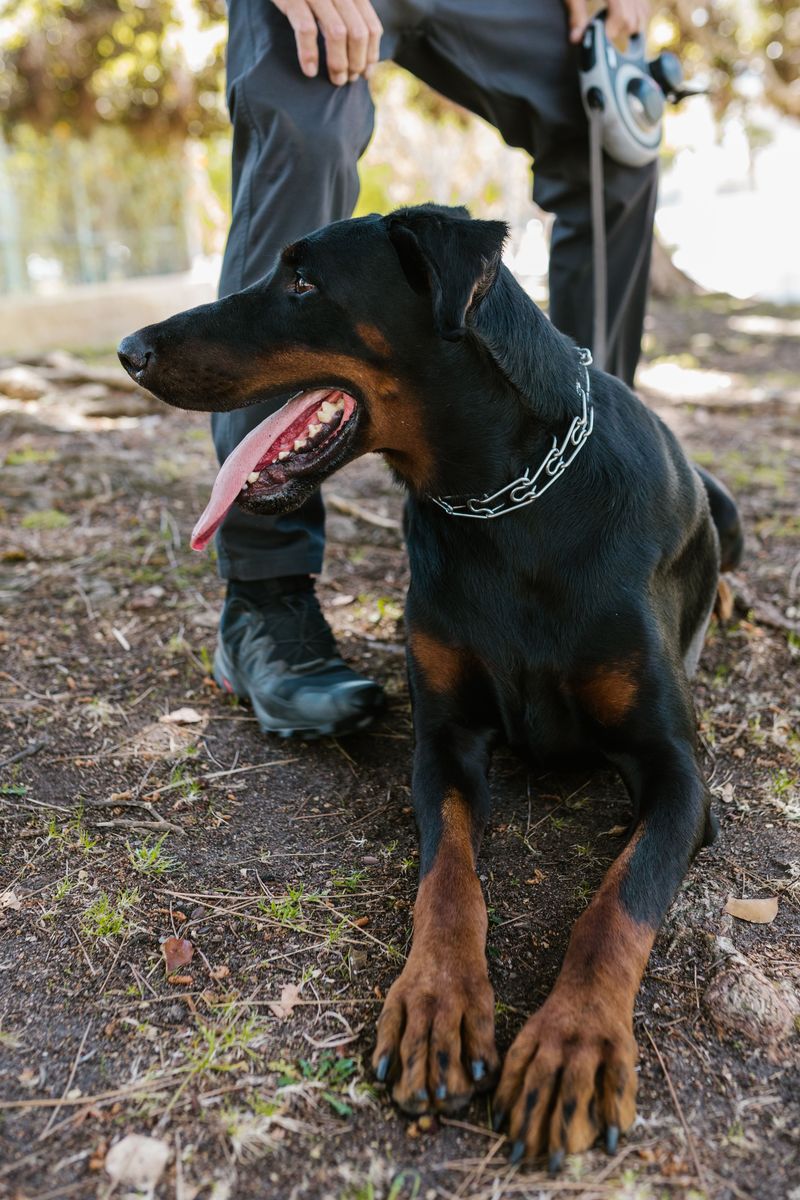
Doberman Pinschers are sleek, sensitive athletes bred to work closely with people. That sensitivity is a gift when training uses clarity, softness, and consistent expectations.
Many need steady exposure to the world to prevent reactivity and build resilient optimism.
Exercise should include sprinting, nosework, and problem solving, not only fetch. Because they are velcro dogs, teach calm independence, restful crates, and polite greetings.
A securely fitted collar, GPS tag, and insurance are smart investments for these brave, affectionate companions.
Look for breeders who health test for heart, thyroid, hips, and eyes, or partner with a rescue that offers support. Train daily in tiny sessions, celebrate wins, and keep things fun.
Given patience and partnership, you will uncover a noble friend who reads your heart.
Boxer
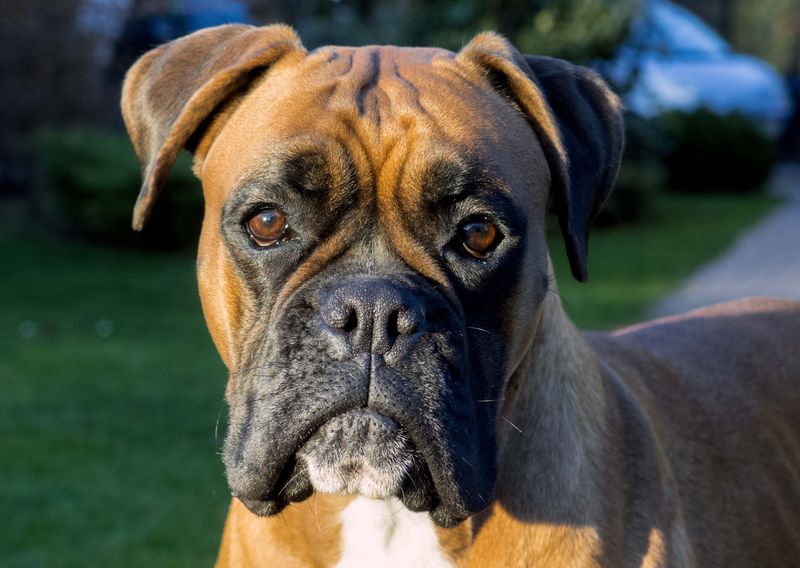
Boxers are joyful, bouncy comedians who mature slowly and love interactive play. Their expressive faces and boxer wiggles make training entertaining when rewards flow generously.
Because they are brachycephalic, watch heat, choose harnesses wisely, and keep exercise smart and safe.
Behaviorally, expect exuberance, mouthiness, and short attention spans that improve with structure. Food puzzles, flirt poles, and scent games burn energy while sharpening focus.
They bond hard with people, so plan crate training and alone time to prevent separation issues.
Reputable breeders screen hearts, hips, and thyroid, while rescues evaluate temperament carefully. Keep pet insurance, schedule regular vet checks, and prioritize gentle, upbeat methods.
If you appreciate goofball charm and genuine devotion, you will find a tireless partner ready for adventure.
Greyhound
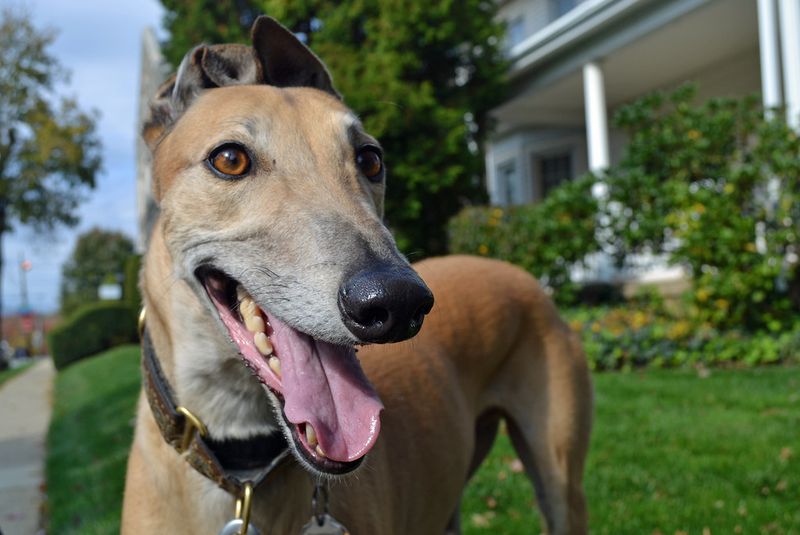
Greyhounds are elegant sprinters with surprisingly lazy house manners and tender souls. Many come from racing backgrounds, so patience with acclimating to stairs, glass doors, and pet life is key.
Their thin skin and low body fat demand cozy coats and cushioned beds.
Prey drive can be strong, so cat testing and secure fencing are essential. Leashed walks, short zoomies, and mental games satisfy needs without overdoing joints.
They are quiet, sensitive companions who value gentle handling and predictable routines.
Adopt through reputable greyhound groups that offer guidance, trial sleepovers, and support. Dental care, warm pajamas, and soft martingale collars keep them comfortable.
Offer patience, and you will uncover a regal goof who naps hard, sprints briefly, and steals hearts daily.
Great Dane
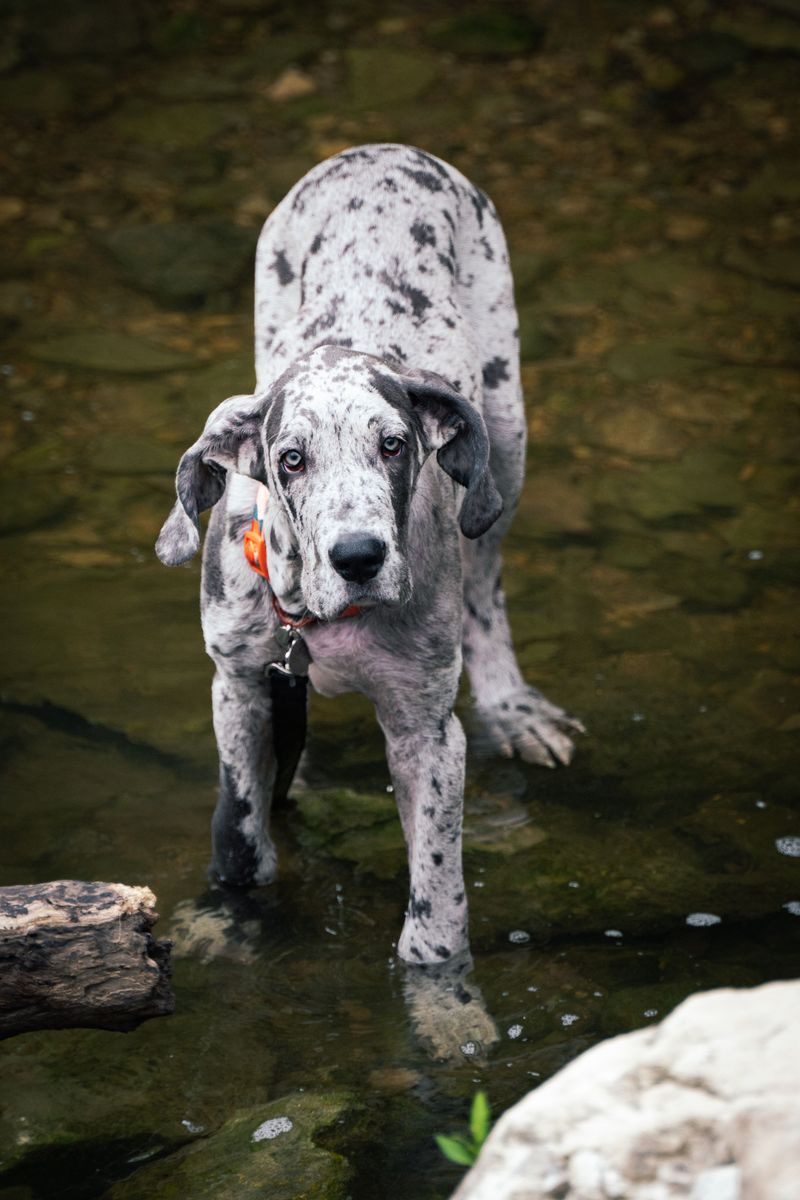
Great Danes are gentle giants with surprisingly sensitive temperaments and short bursts of playful energy. Rapid growth and giant size require careful nutrition, joint protection, and non impact exercise early on.
Despite stature, they crave closeness and think sofas were invented for leaning.
Training should emphasize impulse control, polite greetings, and relaxed leash skills to protect aging joints later. Expect drool, counter surfing risks, and the need for sturdy gear sized appropriately.
Early socialization prevents fearfulness in such huge bodies.
Choose breeders who health test hearts, hips, and thyroid, or adopt through knowledgeable rescues. Budget for giant dog insurance, enormous beds, and a vehicle that actually fits them.
Give steady love and structure, and you will earn a tender shadow with comic timing.
Newfoundland
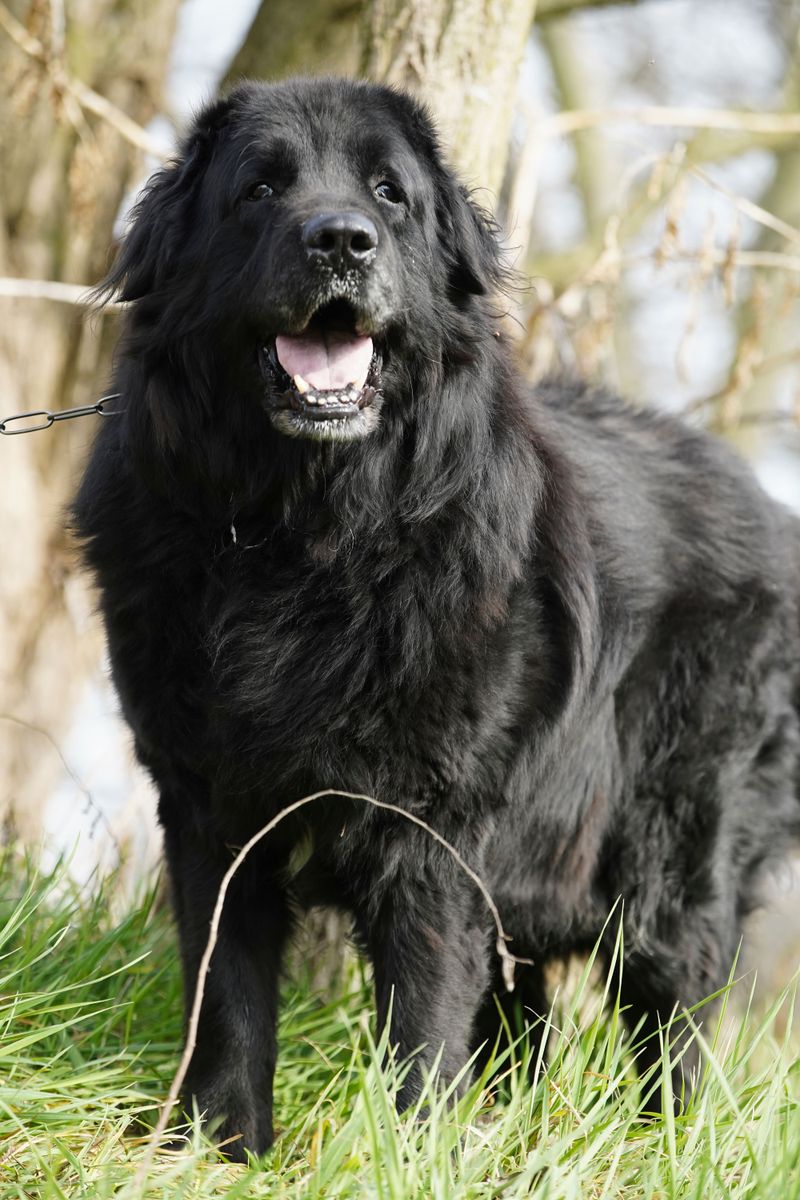
Newfoundlands are sweet natured water dogs famous for lifesaving instincts and massive, shaggy frames. Their calm demeanor hides strength, so training must be kind and clear from puppyhood.
Heat sensitivity is real, requiring shade, cool water, and summer schedules that avoid midday exertion.
Grooming is a commitment, involving undercoat rakes, dryers, and regular ear care to prevent infections. Slobber is part of the package, along with sturdy towels near water bowls.
They adore children, yet supervision and boundaries keep interactions respectful for such enormous dogs.
Seek breeders who screen hearts, hips, and cystinuria, or partner with rescues. Invest in insurance, nonslip flooring, and a vehicle ramp.
Offer patience, swim time, and teamwork, and you will meet a heroic marshmallow who leans, drools, and loves deeply.
Bull Terrier
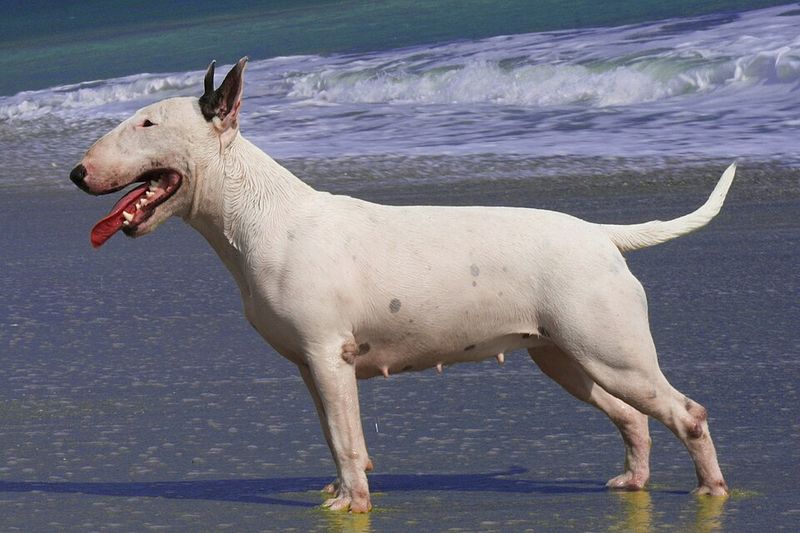
Bull Terriers are egg headed clowns with explosive enthusiasm and a mischievous sparkle. They thrive on engagement, but without structure they invent wild hobbies like couch parkour.
Early socialization and clear routines build impulse control while preserving their signature humor.
Expect mouthiness, chasing instincts, and stubborn moments that soften with games and food rewards. Durable toys, trick training, and scent puzzles channel energy productively.
Because they are people focused, prioritize alone time practice and crate training to prevent separation problems.
Responsible breeders health test kidneys, hearing, hearts, and skin, or rescues offer guidance and support. Provide insurance, stable routines, and patient coaching.
Then you will share life with a hilarious original who cuddles hard, zooms daily, and learns faster than expected.
Chow Chow
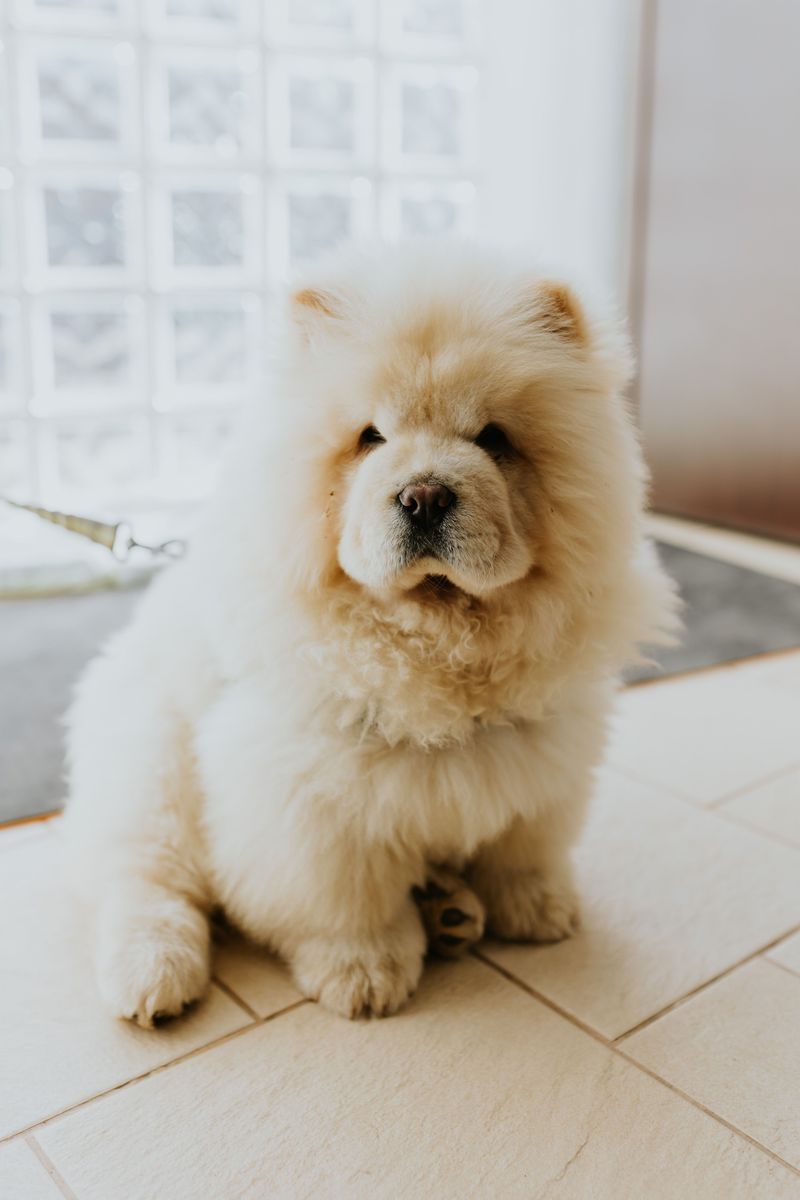
Chow Chows are dignified, catlike dogs with strong opinions and minimal tolerance for rough handling. Their plush coats and blue black tongues draw attention, but aloofness is normal.
Early, gentle socialization prevents defensive behavior while preserving their calm, independent charm.
Training should be brief, respectful, and reward based, avoiding repetitive drills. Grooming is significant, involving line brushing, blow drying, and routine sanitary trims to prevent matting.
They are excellent watchdogs, yet good fences and leashes keep everyone comfortable.
Choose breeders who health test eyes, elbows, hips, and thyroid, or work with specialized rescues. Insurance, cooling mats, and cooperative care training are wise plans.
Respect boundaries, and you will gain a serene housemate who prefers quiet loyalty over clingy affection.
Akita
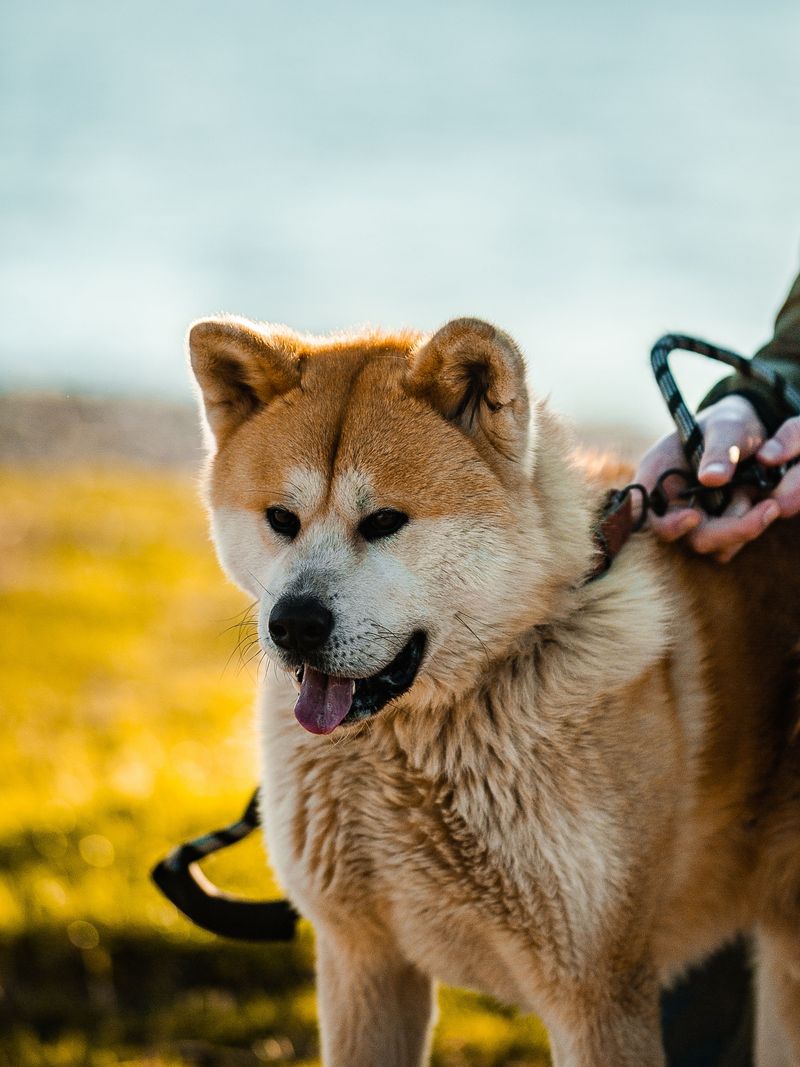
Akitas are imposing, dignified guardians with quiet intensity and deep devotion to family. Their independence and strong prey drive require experienced handling and consistent, fair training.
Socialization must be thorough, starting early and continuing thoughtfully through adulthood.
Most do best as single dogs and need secure fencing, leashes, and polite distance from unfamiliar animals. Calm, structured routines help them relax and make wise choices.
Reward based methods paired with clear boundaries prevent power struggles and nurture trust.
Seek breeders who test hips, elbows, eyes, and thyroid, or collaborate with rescues that understand the breed. Insurance, muzzle training, and cooperative care are practical safeguards.
With respect and steadiness, you will discover a noble partner who guards quietly and loves fiercely.
German Shepherd
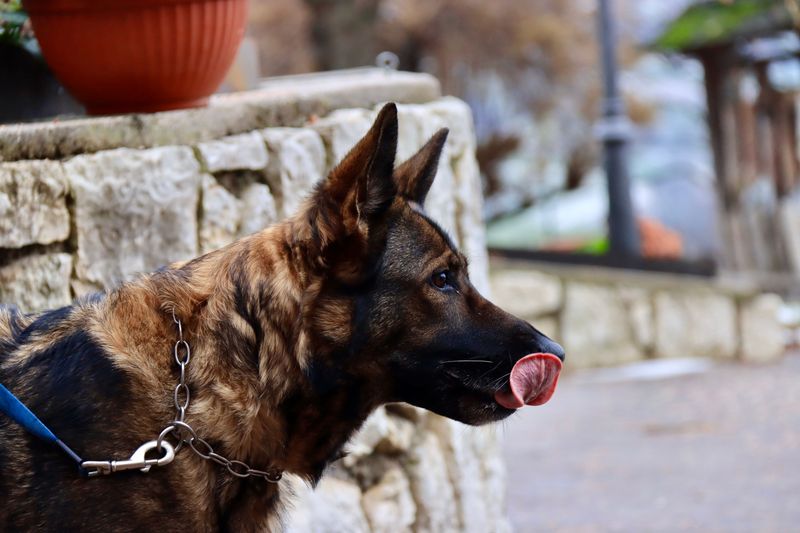
German Shepherds are versatile working dogs with sharp minds, athletic bodies, and keen noses. They learn quickly, which is wonderful when training is consistent, fair, and engaging.
Without structure and outlets, anxiety, reactivity, and destructiveness can appear.
Daily needs include obedience, tracking or scent games, and purposeful walks that practice neutrality. Teach off switch behaviors at home, plus crate training and alone time to prevent clinginess.
They often excel in sports like IGP, agility, and nosework.
Select breeders who screen hips, elbows, and spines, or adopt through rescues that evaluate temperament. Maintain insurance, structured play, and clear on leash manners.
With patient leadership, you will enjoy a steady partner who works joyfully and relaxes at your feet.