
Before you call any dog low maintenance, look past the cute face and quick reputation. Many popular breeds hide daily challenges that creep into your routine, budget, and energy.
From sneaky health quirks to grooming and training surprises, the trouble often shows up in ordinary days. Let’s look honestly so you can plan smart and keep your dog happy without burning out.
French Bulldog
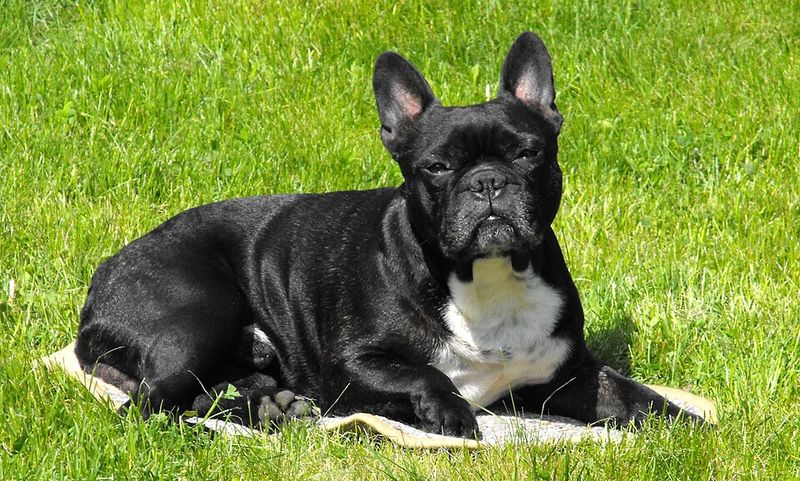
French Bulldogs look easygoing, but their daily needs can surprise you. Short snouts mean noisy breathing, heat sensitivity, and vet visits for stubborn ear and skin issues.
Add eye care, wrinkle cleaning, and careful exercise planning to prevent overexertion.
Feeding needs close attention because many Frenchies battle allergies, gas, and weight creep. Training can feel slow without patience and short sessions that respect their stubborn streak.
If you work from home, expect clinginess, separation worry, and snoring that turns meetings into comedy.
Budget time for daily wipe downs, seasonal vet checks, and insurance that cushions surprise bills. They are lovable companions, but low maintenance is not the right label for this charming gremlin.
Plan accordingly.
Bulldog
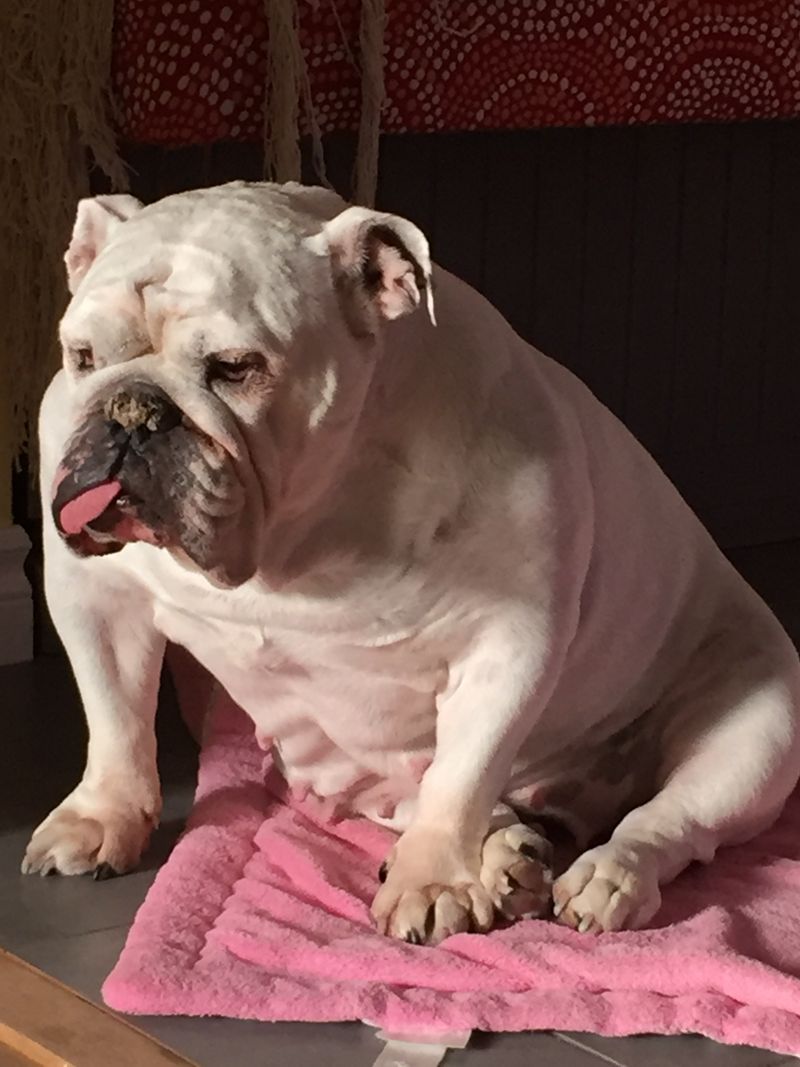
Bulldogs win hearts, yet everyday life with one can feel like constant maintenance. Their brachycephalic build brings labored breathing, intolerance to heat, and limits on vigorous play.
Skin folds trap moisture that needs routine cleaning to prevent infections.
Allergies are common, so food trials, medication, and frequent laundry for drool towels may become your norm. Joint and spine issues often require ramps, supportive beds, and moderated stairs.
Short walks are fine, but mental enrichment is essential to avoid boredom and weight gain.
Dental care, tail pocket hygiene, and regular vet checkups stack up quickly. Insurance or a health savings plan is smart.
A Bulldog’s charm is real, but “set and forget” caregiving is not.
Dachshund
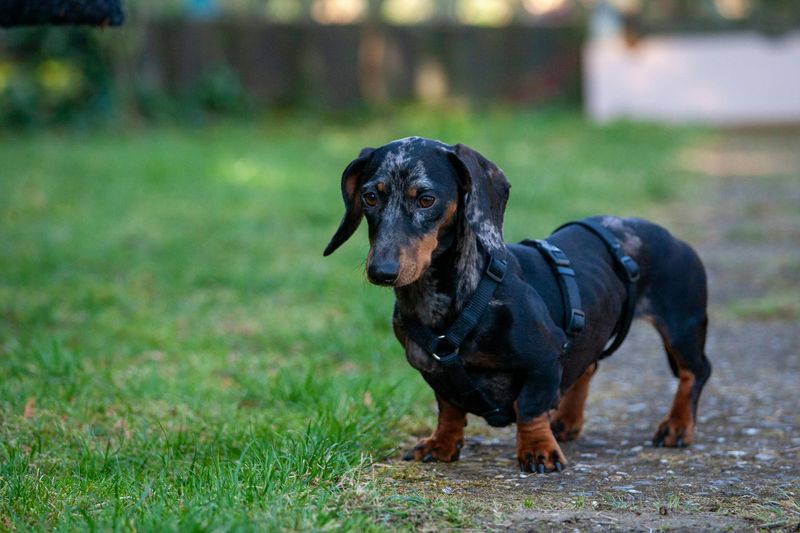
Dachshunds look compact and simple, yet their long backs change everything. Jumps off couches, rough play, or too many stairs can risk painful disc injuries.
You will rearrange furniture, add ramps, and learn to lift carefully.
They are smart and stubborn, which makes training equal parts fun and negotiation. Barking at every sound is common, so impulse control and enrichment are daily tasks.
Crate rest after minor tweaks may become routine as they age.
Weight management is nonnegotiable to protect the spine. Nail trims, dental care, and regular core strengthening walks add to the list.
Embrace structure, and a Dachshund rewards you with humor, loyalty, and surprising athleticism.
Beagle

Beagles are friendly, but their nose rules the day. Scent obsession makes recall unreliable, so long lines, fenced yards, and daily sniff walks are standard.
Without structured outlets, they will follow smells straight into mischief.
Vocalizing is part of the package, from baying to frustrated howls when bored. Food motivation helps training, yet it also fuels counter surfing and weight gain.
Expect to puppy proof trash cans and practice impulse control games often.
Mental work is essential, like tracking games, hidden treats, and scent puzzles. Grooming is simple, but ear infections and seasonal shedding still need attention.
Give their brain a job and your Beagle becomes a cheerful partner, not a chaos engine.
Cocker Spaniel

Cockers enchant with soft eyes, while grooming quietly rules your calendar. Silky coats mat behind ears and legs without frequent brushing and scheduled trims.
Long, heavy ears trap moisture and debris, inviting infections if you slack.
They are sweet but sensitive, so harsh training backfires and stress shows in behavior. Energy sits in the middle, yet boredom still becomes barking, chewing, or anxious fussing.
Eye issues and allergies are not rare, bringing drops, wipes, and special shampoos.
Household management matters, like keeping ears out of food and water dishes. Regular nail care, dental routines, and positive handling practice pay off.
With attention and gentleness, a Cocker flourishes, but set-and-forget care does not exist.
Boxer
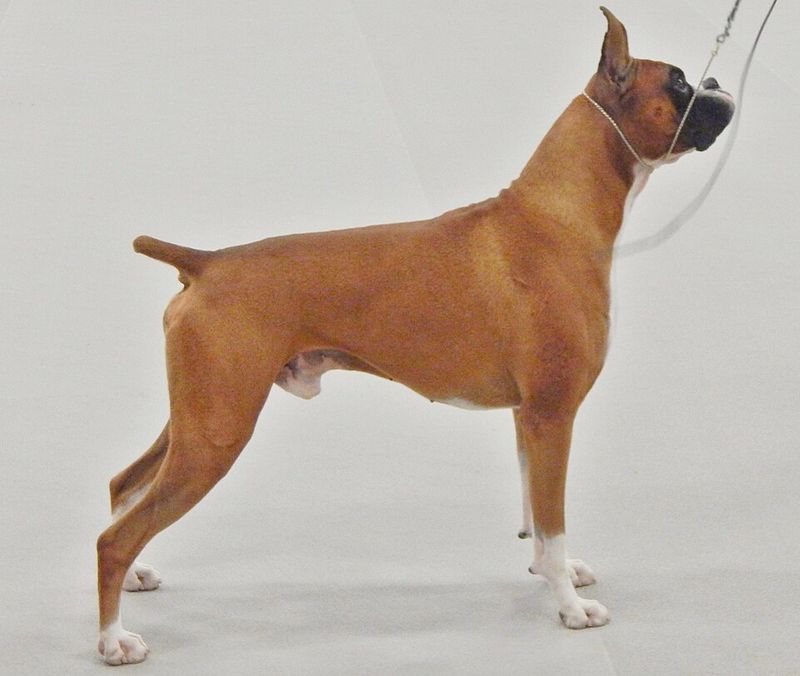
Boxers bring joy and jet fuel energy that needs steering every day. Without structured outlets, they invent chaos, from zoomies indoors to rough play outside.
Heat can hit them hard, and their short coats offer little insulation.
They drool, they wiggle, and they forget manners when excitement spikes. Consistent training, impulse control games, and calm greetings are daily work.
Sensitive stomachs and potential allergies often push you toward careful diet choices.
Grooming is simple, yet nail care, dental routines, and skin checks still matter. Expect vet visits for lumps, bumps, and sports injuries over an active life.
Give them jobs and boundaries, and a Boxer becomes a hilarious, loyal teammate.
German Shepherd
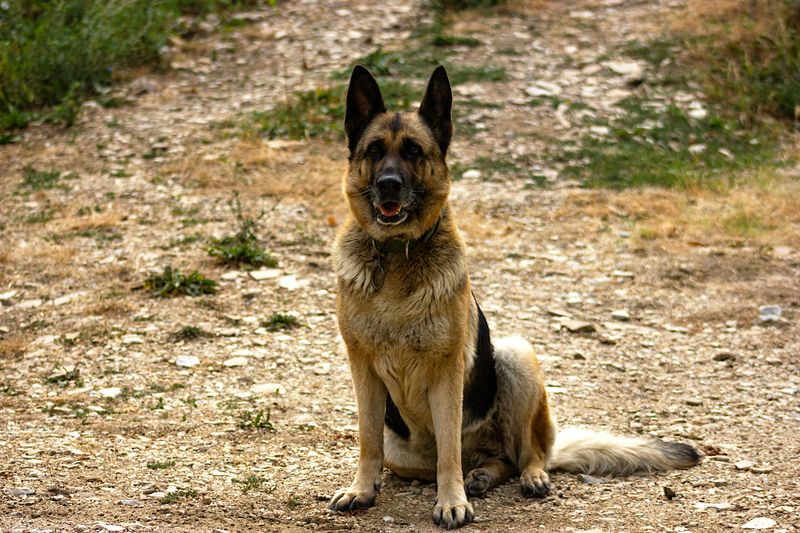
German Shepherds thrive on purpose, which means you must provide it daily. Without mental work, they channel intelligence into guarding the window or herding the kids.
Undercoats explode seasonally, and routine brushing becomes a serious commitment.
They are strong, sensitive learners who need fair, consistent training and clear rules. Skipping exercise and structure invites reactivity, pulling, and stressed behavior.
Hip and elbow concerns call for weight control, joint friendly surfaces, and thoughtful conditioning.
Grooming, nail care, and dental upkeep are standard, but lifestyle management is the heavy lift. Scent work, obedience, tracking, or agility help balance their busy mind.
Give direction, and your Shepherd repays you with devotion and capable partnership.
Dalmatian
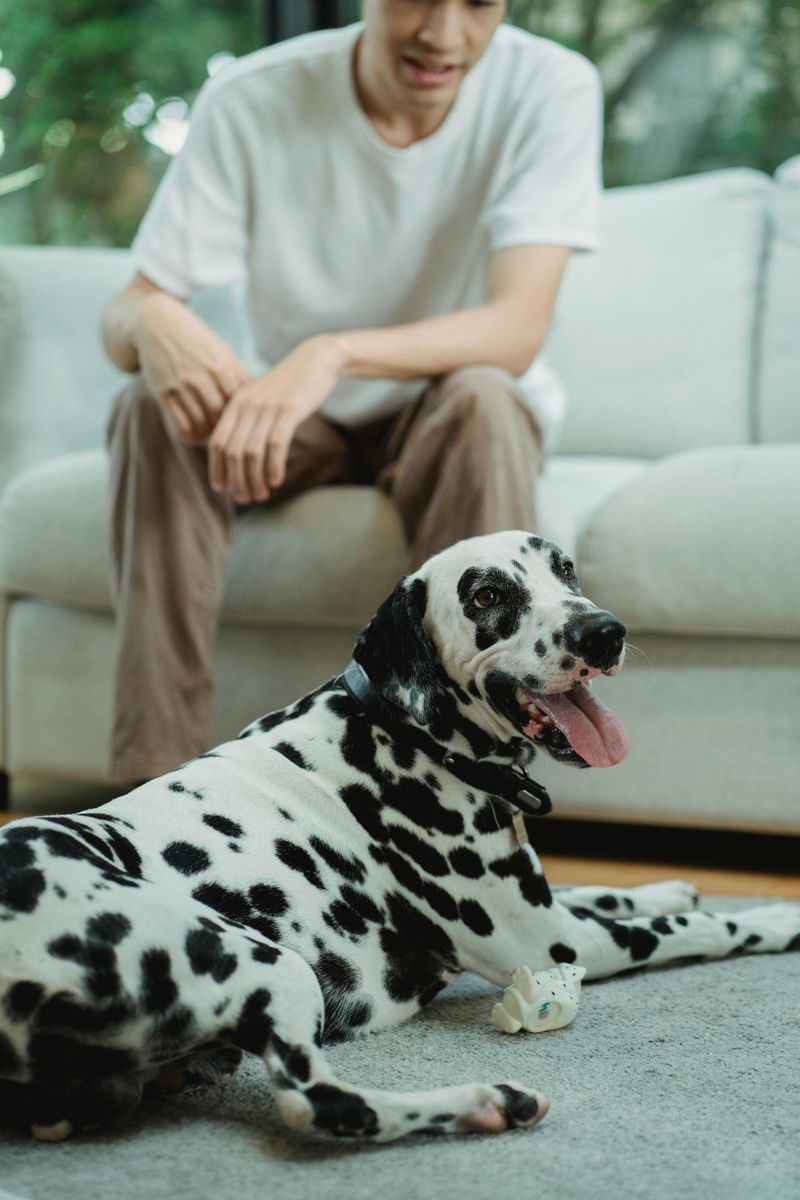
Dalmatians are sleek athletes with a to-do list built into their spots. Energy and endurance require smart outlets, or restlessness becomes redecorating with teeth.
Strong prey drive and curiosity challenge recall unless you invest in training.
They shed tiny needles of fur that cling to everything, despite the short coat. Some have urinary issues linked to purines, so diet choices and water access matter.
Skin sensitivities and sun exposure may require protection and gentle products.
They bond tightly and can protest boredom or isolation with noise. Routine socialization, impulse control games, and structured runs balance their spark.
With planning and patience, a Dalmatian shines, but daily effort underpins that polish.
Shiba Inu

Shibas look like foxes and act like CEOs of their own world. Independence plus a dash of stubborn means recall and cooperation need creative, reward based training.
They are clean dogs, but that does not equal easy.
Seasonal coat blowouts transform your home into a fur storm for weeks. Nail trims can be dramatic without early handling practice and patience.
Sensitive to rough treatment, they shut down fast if training lacks clarity and respect.
They are vigilant and may voice opinions about strangers or dogs. Enrichment, decompression walks, and calm routines keep them balanced.
Love a challenge and boundaries, and a Shiba will meet you halfway, not carry you.
Chow Chow
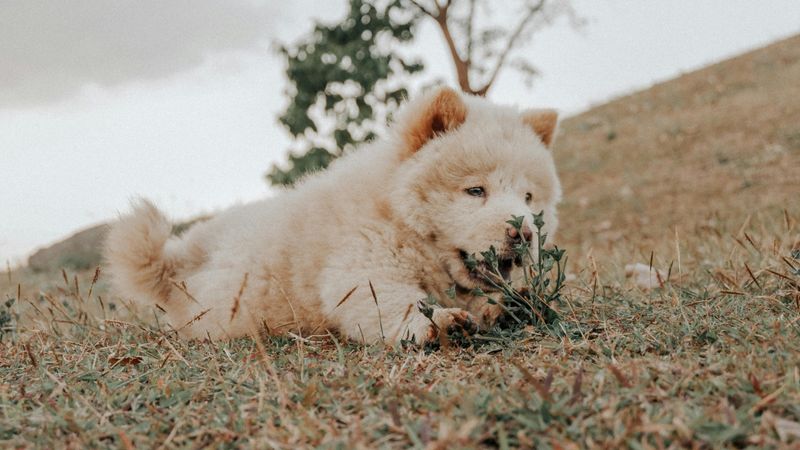
Chows are dignified and stunning, but that lion mane hides real work. Dense double coats mat without frequent brushing and careful drying after baths.
Heat and humidity can be rough, so plan cool walks and shade.
They are reserved by nature and need early, respectful socialization to navigate busy lives. Pushy training backfires, while steady routines and boundaries build trust.
Skin and eye issues require monitoring, plus regular cleaning around folds and corners.
Grooming costs add up if you outsource, and home care still takes time. Nail trims, dental routines, and coat checks become weekly habits.
Keep expectations realistic, and a Chow’s quiet companionship feels deeply rewarding.
Vizsla
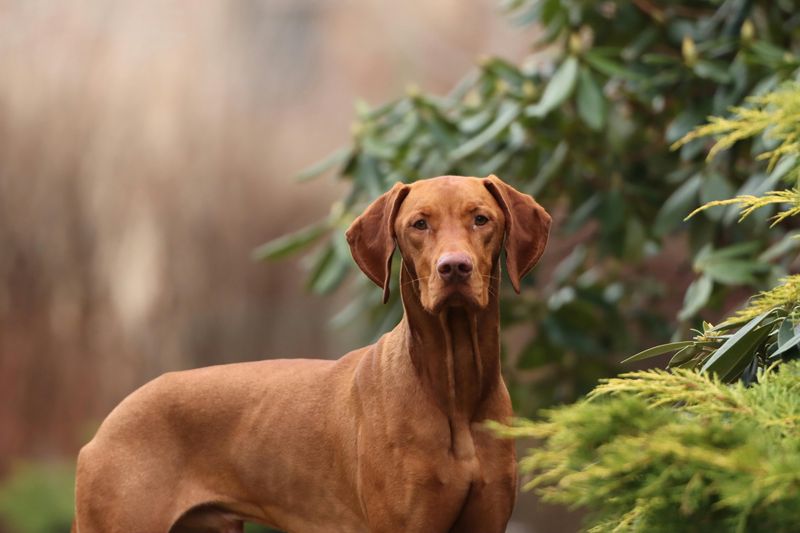
Vizslas are affectionate athletes who read your schedule better than a calendar. Energy and sensitivity demand exercise plus connection, or anxiety bubbles into destruction.
They do not love being left alone, and boredom shows quickly.
Short coats still shed, and skin can react to harsh products or allergens. Nails grow fast on soft surfaces, and regular trims help avoid splits.
Training thrives on kindness and games because corrections crush their spirits.
Plan daily runs, field work, or scent games to satisfy their drive. Crates, chews, and recovery naps keep balance after big days.
If you want a shadow who moves, a Vizsla delights you, but autopilot care fails.
Weimaraner
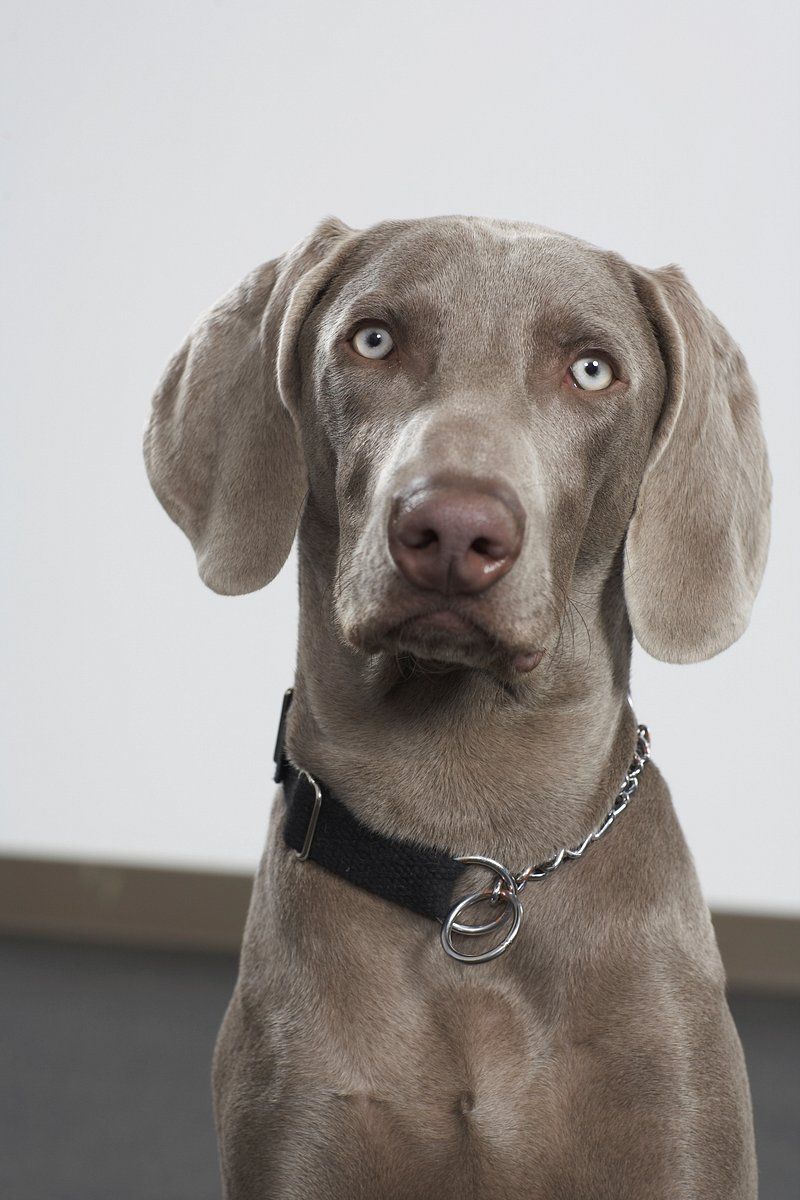
Weimaraners are intense companions who crave purpose and proximity every day. Without work, their curiosity and energy morph into counter raids and creative escapes.
Separation can trigger loud protests if you do not build independence carefully.
They are smart enough to outwit lazy training, so consistency is everything. Lean bodies need steady exercise, yet overdoing it risks injuries.
Short coats shed, and skin may react to rough environments or pests.
Mental jobs like tracking, retrieving drills, and obedience polish their edge. Structure, enrichment, and calm decompression time protect household peace.
With commitment, a Weimaraner shines, but calling them low maintenance sets you up for regret.
Great Dane

Great Danes are gentle giants with needs that scale with their size. Short walks can be enough, yet joint friendly flooring, supportive beds, and careful play matter.
Vet bills, food costs, and vehicle space grow alongside your dog.
They are sensitive souls who wilt under harsh handling, so patient training is key. Bloat risk means meal management, slow feeders, and awareness of warning signs.
Their tails sweep coffee tables, and their heads surf counters without trying.
Grooming is light, but nail care and dental routines still add up. Plan for shorter lifespans and proactive health checks.
A Dane fills your heart and home, and both require thoughtful, daily stewardship.
Bernese Mountain Dog
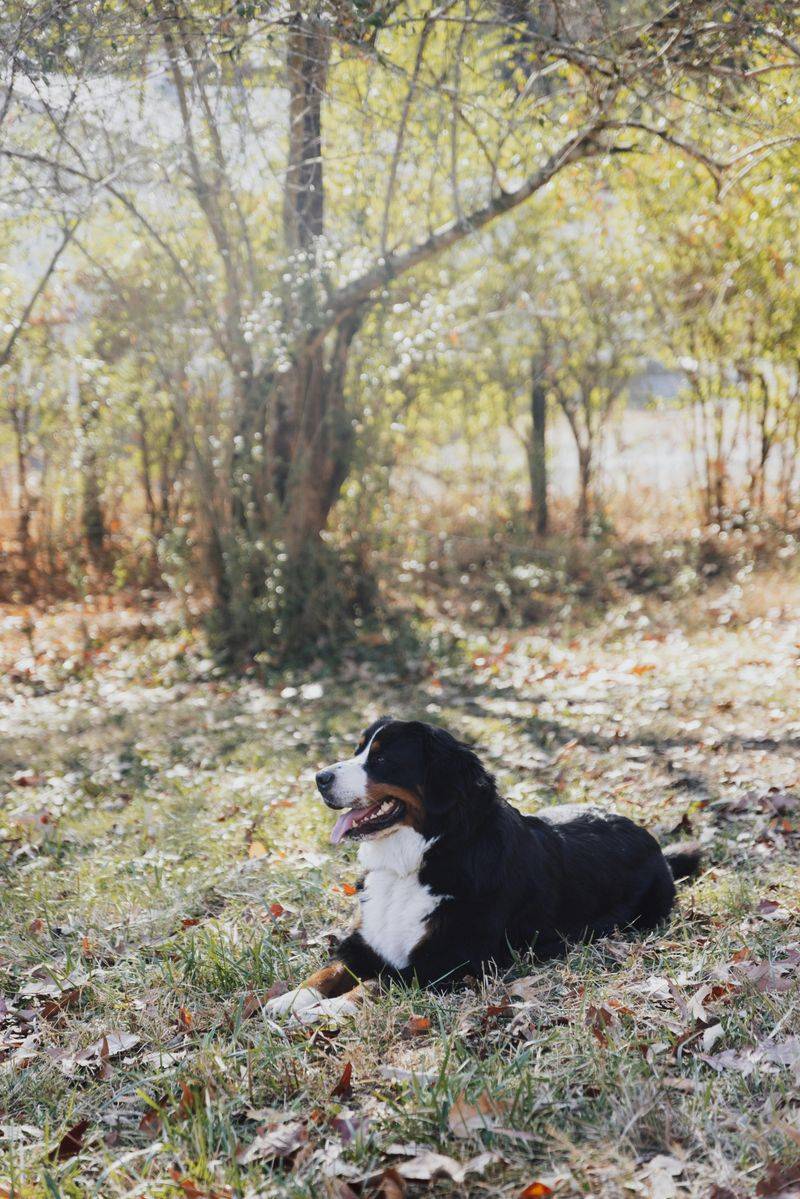
Berners bring warmth and gravity, but routine care is not small. Thick tri-color coats shed heavily and mat without regular brushing.
Heat tolerance is limited, so cool walks and shade become standard planning.
They are sweet, sometimes sensitive, and benefit from calm, positive training. Big frames mean joint care through weight management, soft landings, and moderated stairs.
Slobber and paw mud are frequent guests on floors and pants.
Grooming appointments, high quality food, and preventive vet checks inflate the budget. They thrive on companionship and purposeful tasks like carting and obedience.
With steady structure and tenderness, a Berner flourishes, but “low maintenance” does not fit.