
Some dogs melt hearts with charm, then quietly unravel without the right emotional support. Before you fall for a sweet face or lively personality, remember that many sensitive breeds need far more time, structure, and presence than new owners expect.
You can absolutely meet those needs if you know them in advance. Let this guide help you decide with clarity and compassion.
Cavalier King Charles Spaniel
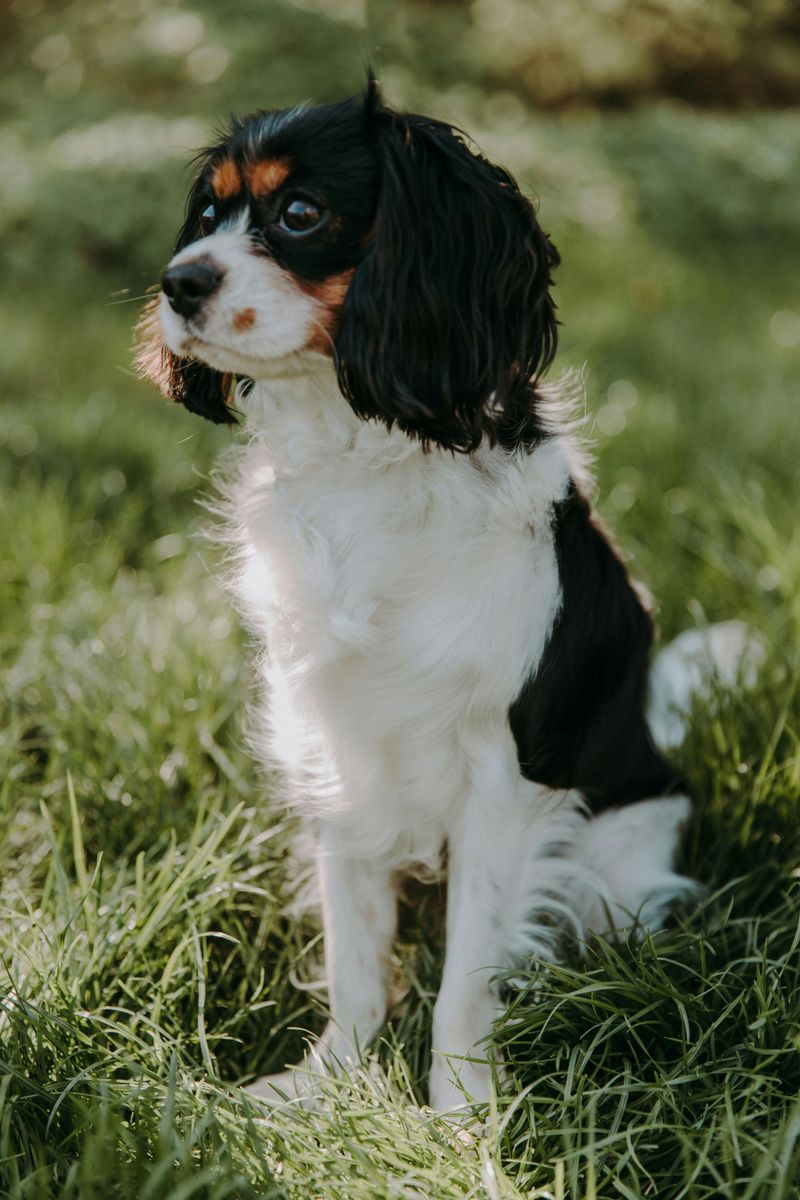
Cavaliers crave closeness and notice every emotional shift at home. You get a shadow dog who needs daily cuddles, gentle reassurance, and predictable routines to feel safe.
Without company, stress can show up as barking, pacing, or clingy behavior that does not fade with casual fixes.
Short cheerful walks, sniffy exploration, and soft training games keep them confident. Leaving a Cavalier alone for long hours invites anxiety, so plan sitters, daycare, or flexible schedules.
You will also manage heart health checks and regular grooming, which become bonding rituals. With steady affection and calm structure, their easy sweetness blossoms.
If you want a portable companion, be ready to be present.
Havanese
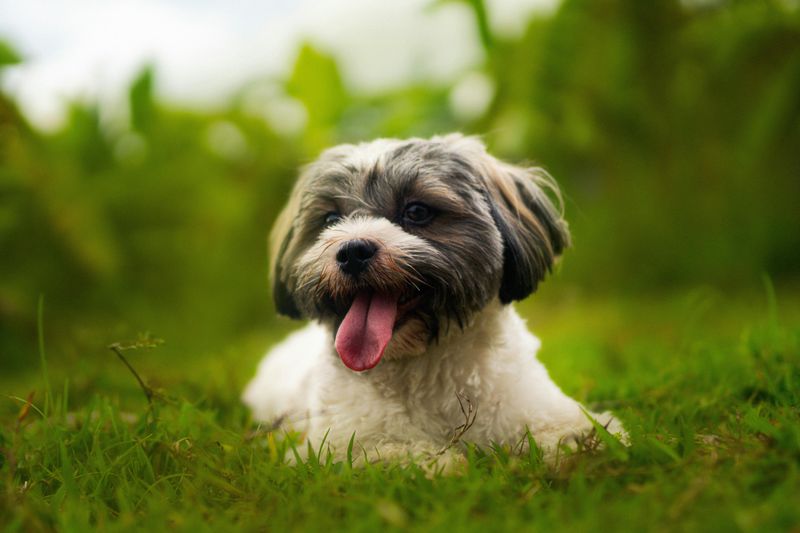
Havanese thrive on people-centered days and emotional feedback. They read your mood, follow from room to room, and wilt if left alone too long.
Expect a bubbly spirit that still needs structure to avoid nuisance barking and hyper attachment. Quiet crate training, gradual departures, and comforting scent items prevent panic.
Mental work matters as much as walks. Rotate puzzle toys, short trick sessions, and calm mat training to channel their smarts.
Grooming is frequent and can be a soothing routine when paired with treats and patient handling. If you want constant company, this breed delivers joy, but you must plan for companionship coverage.
Balanced attention turns their sparkle into lasting confidence.
Maltese
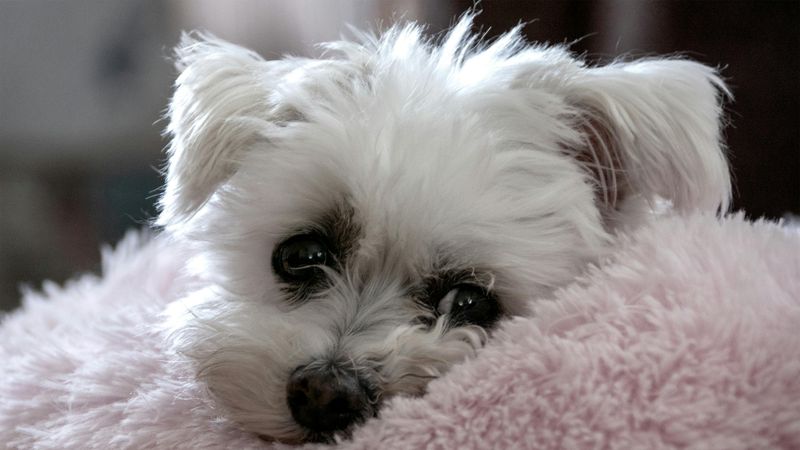
Maltese dogs adore being held and included in every small ritual. They can spiral into shrill alerts or velcro clinging if routines feel chaotic.
You will prevent that by teaching relaxed independence early, using short calm alone-time and predictable comings and goings. Their eyes search your face for cues, so steady tones and soft handling go a long way.
Grooming is a major emotional anchor. Gentle brushing, frequent baths, and careful detangling shape trust, especially if paired with treats and breaks.
Walks are light, but sniffing and tiny training games matter. They are small, not low maintenance.
If you promise daily presence, they return it with luminous affection and surprising bravery.
Bichon Frise
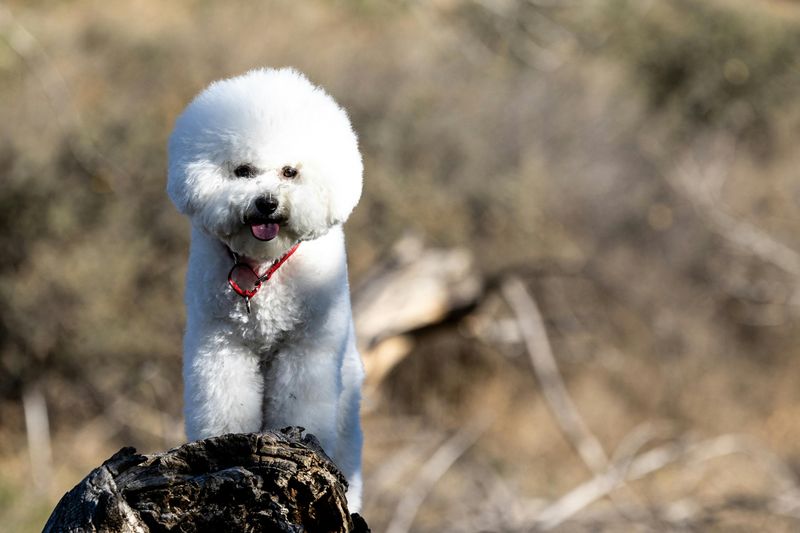
Bichons sparkle socially and feel adrift without a steady audience of family moments. They can become loud greeters or anxious chewers if alone too long.
You will prevent that with bite-sized training, cheerful departures, and structured greetings. They thrive on comedy but also need rest cues so excitement does not tip into mania.
Grooming is frequent and should feel like pampering not restraint. Pair brushing with scatter feeding and calm breathing from you.
Enrichment like nosework and novelty walks gives their busy minds an outlet. If you want a joyful roommate who thrives on attention, plan for daily connection.
Balanced routines turn their showy charm into peaceful companionship.
Papillon
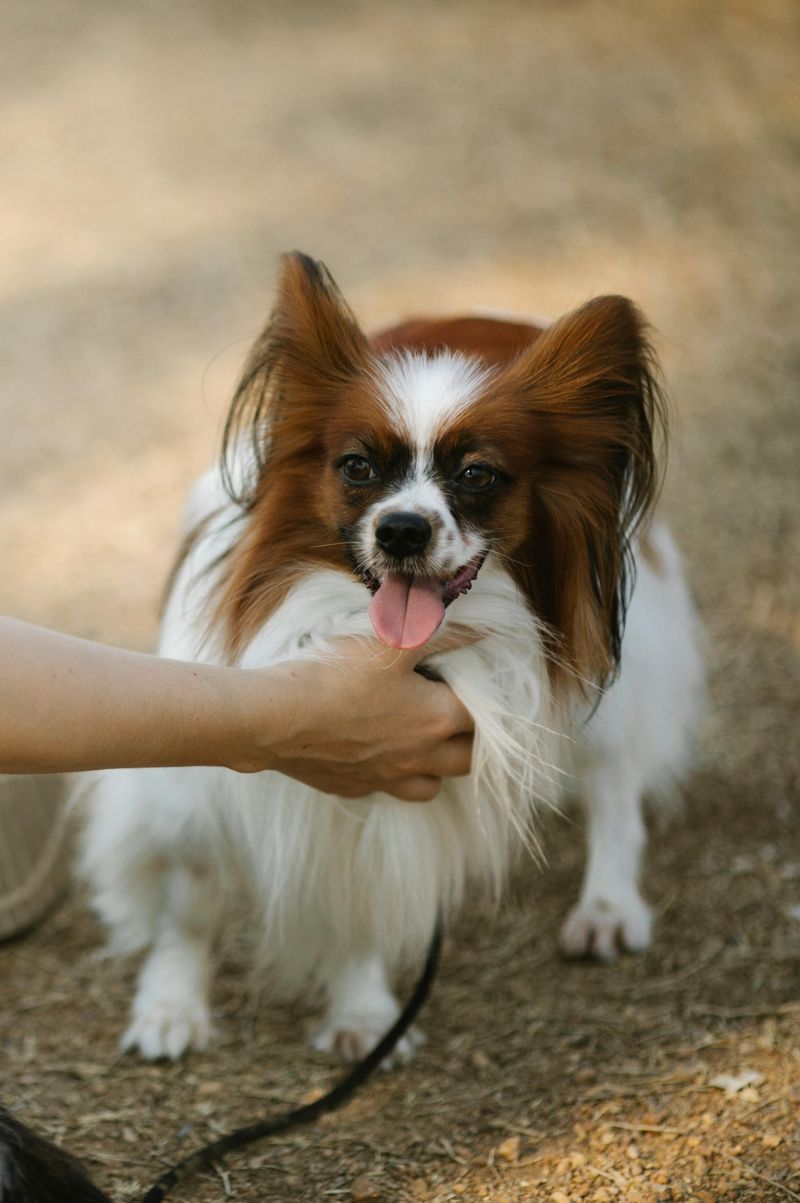
Papillons are tiny athletes with massive feelings. They scan for your approval and need brain work daily to stay balanced.
Boredom invites yappy alerts and restless pacing. Short, clever sessions of tricks, rally, or agility keep their confidence high and energy productive.
They attach closely and can struggle with sudden solitude. Build independence with mat training, easy food puzzles, and gradually longer separations.
Socialization must be gentle, not overwhelming crowds. Grooming is light, yet brushing can be a bonding ritual if you move slowly and praise often.
If you want small size with big talent, prepare to show up mentally every day. Papillons reward effort with bright, joyful devotion.
Shetland Sheepdog
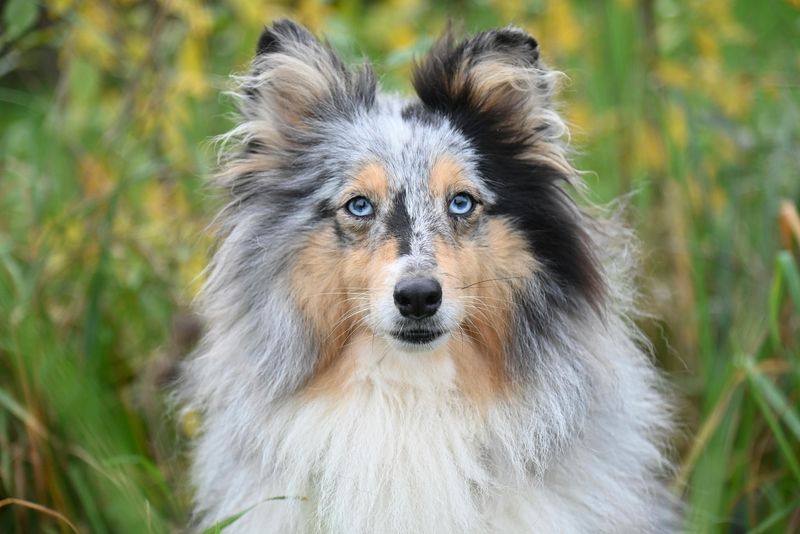
Shelties are sensitive sentinels who notice everything. Sound and routine changes can rattle them unless you provide structure and calm exposure.
They want to learn, anticipate your cues, and feel secure through predictable patterns. Without guidance, watchfulness becomes reactivity or endless barking at life.
Daily mental work beats brute mileage. Use shaping games, obedience sequences, and nosework to soothe their busy brains.
Teach off switches through place training and decompression walks in quiet spaces. Grooming is frequent and should be cooperative with consent cues.
Gentle voices matter more than pressure. If you respect their feelings and give them jobs, Shelties flourish.
Expect a devoted partner who reads you like a book.
Vizsla

Vizslas are velcro athletes who need contact and purpose. Long lonely days can unravel them into anxious chewing or frantic greetings.
Plan for exercise with meaning, not just laps. Field drills, recall games, and varied terrain hikes feed body and mind while deepening your bond.
Inside, teach rest after effort. Calm crate time, place training, and food puzzles help them settle.
They are highly responsive to your tone, so choose steady guidance over sharp corrections. Expect soulful eyes asking what is next, often.
If you crave a companion for miles and snuggles, commit to daily engagement. With structure and closeness, Vizslas radiate confidence and affection that feels almost human.
Flat-Coated Retriever
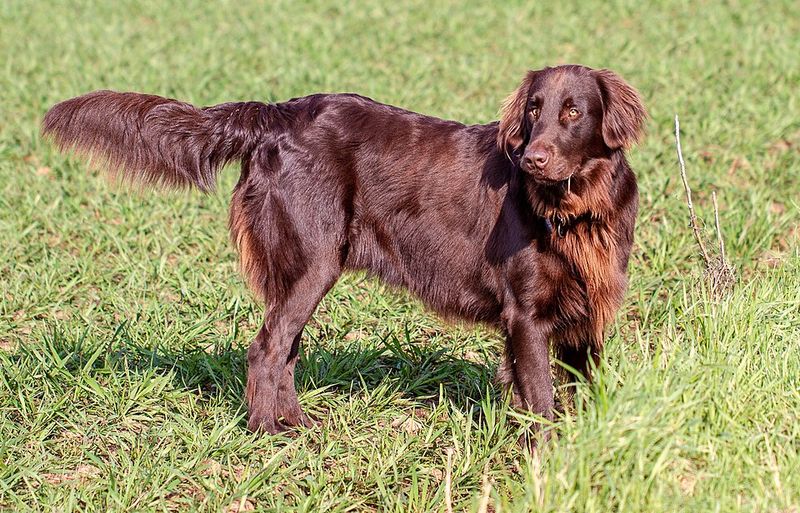
Flat-Coats are exuberant optimists with deep social tanks. They need people time plus meaningful retrieve work to feel complete.
Without outlets, their joy spills into jumping, grabbing, and chaos. Teach impulse control through games like sit before fetch and gentle holds, keeping it upbeat.
These dogs can mask stress with goofiness. Build decompression into the day with quiet walks and chew time.
Training must stay positive and clear because they shut down under harsh tones. Grooming is moderate but becomes connection time if you move slowly.
If you want a happy clown who also thinks, give them purpose and presence. With that, Flat-Coats mature into affectionate, thoughtful partners.
Brittany
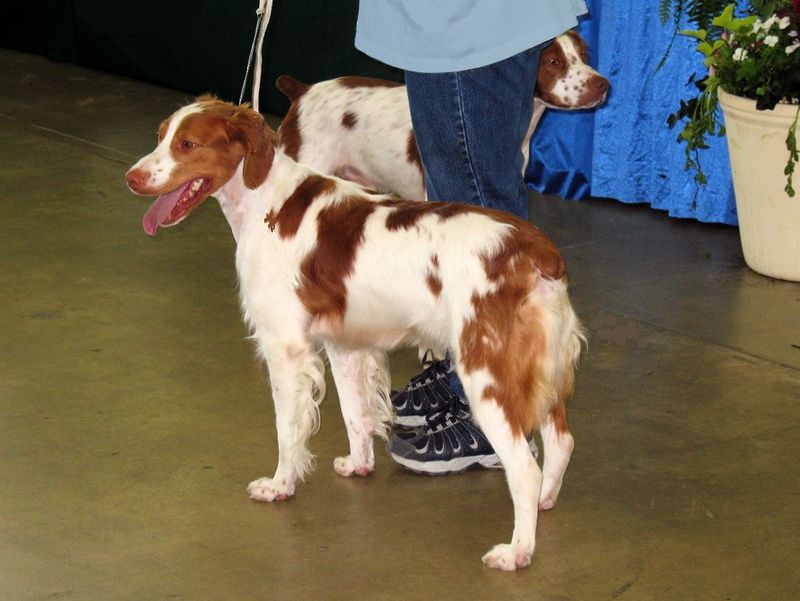
Brittanys blend sensitivity with intense drive. They crave joint projects and become restless ornaments if confined without brain work.
Expect pacing and vocalizing if exercise lacks variety. Field-style games, long-line recalls, and scent grids channel their instincts gracefully.
They look to you for direction and wilt under chaotic rules. Keep training short, upbeat, and consistent across family members.
Teach calm downs after excitement with place work and food mats. Social sweetness can hide worry, so introduce novelties at their pace.
Grooming is light but regular. If you want a spirited partner who reads your eyes, plan daily missions together.
Then a Brittany settles into warm, focused devotion.
Belgian Sheepdog
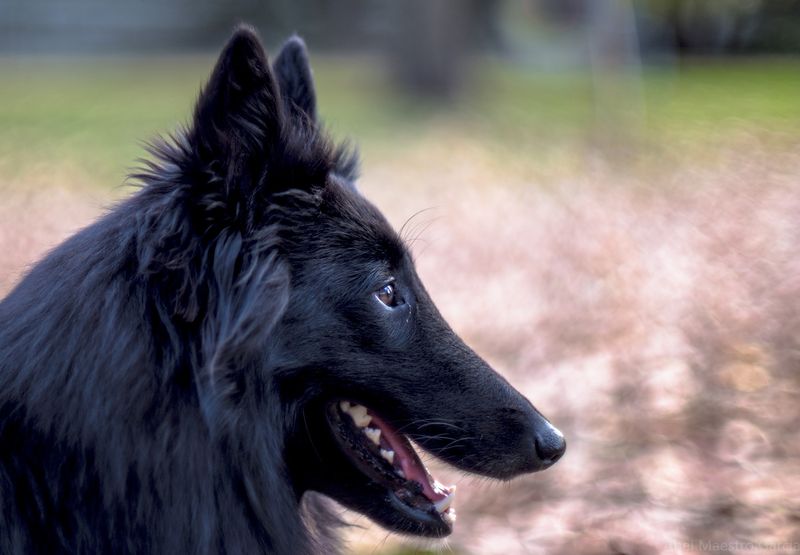
Belgian Sheepdogs are high sensitivity guardians with busy minds. They need respectful social exposures, clear job descriptions, and daily brain outlets.
Without them, watchfulness mutates into reactivity or control games. Fair boundaries, impulse work, and calm leadership provide emotional safety.
Training should be precise and upbeat, never harsh. Use pattern games, scent work, and obedience sequences to organize their thoughts.
Decompression is essential after stimuli heavy days. Grooming is moderate but should be cooperative with start buttons and rewards.
If you love a dog who studies your every move, commit to structure and time. Then their fierce devotion feels harmonious, not overwhelming.
Finnish Lapphund
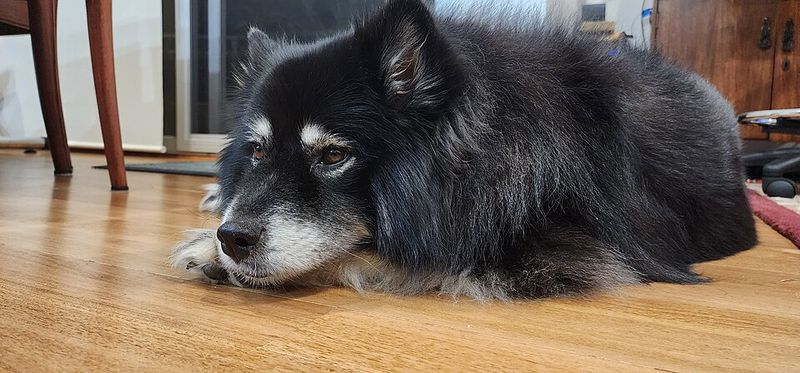
Finnish Lapphunds bring gentle warmth and thoughtful independence. They prefer inclusive routines, predictable friendships, and respectful handling.
Without engagement, boredom shows as barking or casual stubbornness. Soft structure, steady cues, and family time keep emotions smooth.
They enjoy variety more than speed. Mix sniffy hikes, herding style games, and cooperative care sessions.
Teach settle after fun to prevent restlessness indoors. Coat care is regular and should be framed as teamwork, not restraint.
These dogs watch you closely yet handle the world kindly if prepared. If you want a friendly companion with a steady heart, offer presence and patient training.
They respond with loyalty that feels comforting and calm.
Eurasier
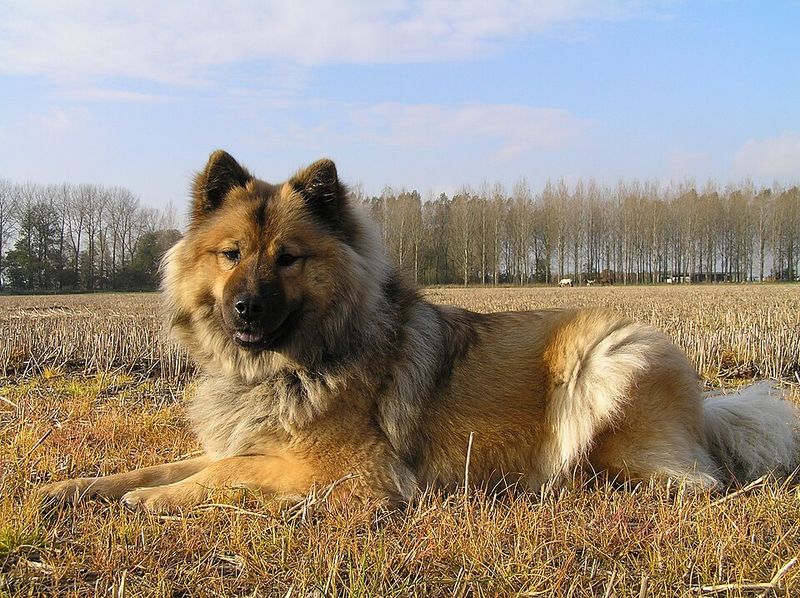
Eurasiers are thoughtful companions who value peaceful homes and steady bonds. They dislike chaotic schedules and harsh handling.
Push too fast socially, and you may see shut downs or aloofness. Slow, positive exposures and consistent routines help them blossom.
They need moderate activity paired with mental games like scent searches and simple shaping tasks. Independence should be taught gently, because they attach strongly and can stress when left suddenly.
Grooming is regular but can become a relaxing ritual if you go slowly and reward cooperation. If you appreciate quiet devotion over showy enthusiasm, this breed fits.
Offer presence, respect, and predictability, and you will get calm, enduring loyalty.
Tibetan Terrier
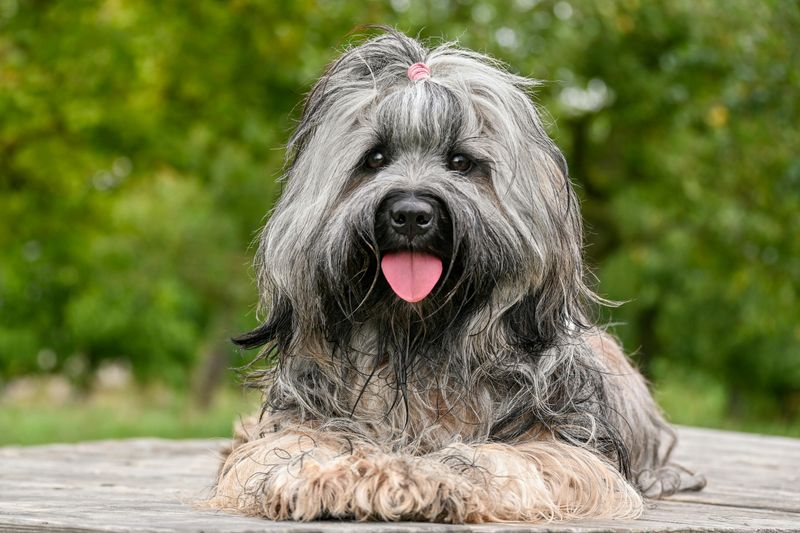
Tibetan Terriers are sensitive observers who thrive on stable routines and familiar people. Sudden changes or rough handling can fray their nerves.
You will build trust by pairing new experiences with choice and distance. They bond deeply and can fret with abrupt separations, so practice calm independence.
Daily enrichment matters more than pure mileage. Try nosework, light agility, and foraging games to keep minds happy.
Grooming is significant and should be cooperative with breaks. They interpret your energy quickly, so keep your guidance clear and kind.
If you can offer gentle leadership and time, their quirky humor and loyalty shine. Expect a companion who wants involvement, not overwhelm.
Kooikerhondje
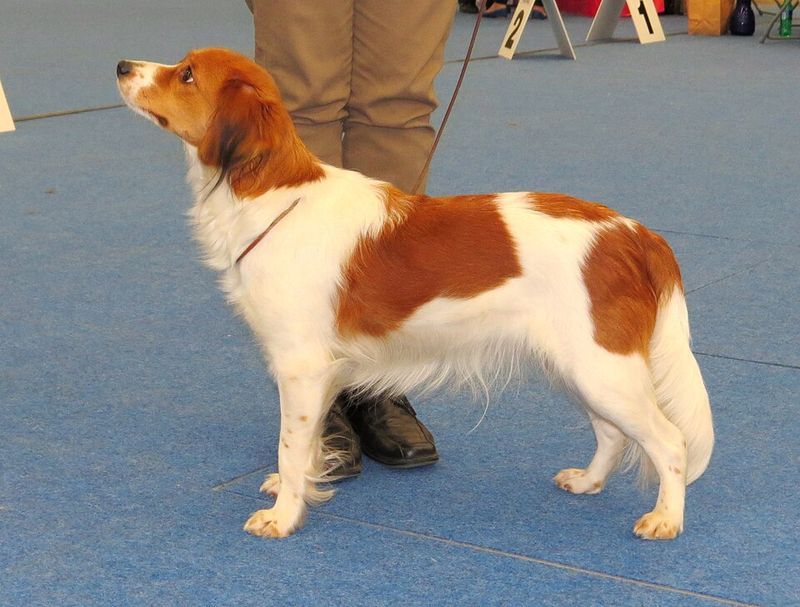
Kooikerhondjes are sensitive duck decoy dogs with sharp minds. They track your emotions and need clear, consistent rules.
Without structure, stress can show as noise sensitivity, guarding, or intense fixations. Fair training, predictable routines, and calm exposures prevent spirals.
They thrive on purpose. Use retrieve games, shaping tasks, and scent puzzles to channel instincts.
Teach on and off switches so arousal does not linger indoors. Grooming is moderate and should be cooperative from puppyhood.
Harsh corrections backfire, while thoughtful guidance builds trust. If you want a bright partner who values subtle communication, invest time daily.
Then a Kooikerhondje becomes a steady, affectionate teammate.