
Bringing home a puppy feels magical, but those first weeks can shape a lifetime. A few avoidable mistakes can snowball into stress, costly fixes, and confusing routines.
Learn what to avoid so you build confidence, trust, and great habits from day one. Here are the missteps to skip and what to do instead.
Skipping early socialization
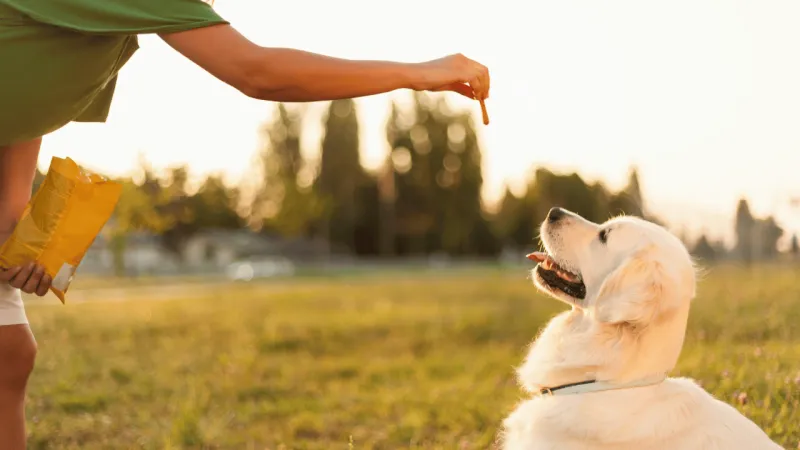
Early socialization shapes your puppy’s confidence, curiosity, and calm. Missing this window can create fear around strangers, noises, or new places.
You want a pup who looks to you for guidance instead of shutting down.
Start gentle exposures between eight and sixteen weeks using short, positive sessions. Pair new sights, sounds, and handling with treats, play, and distance that keeps your puppy relaxed.
Track progress, invite kind friends, visit safe stores, and enroll in a well-run puppy class. Skip dog parks at first to avoid rough play and illness.
If something scares your pup, increase distance and let them watch quietly. Reward curiosity and soft body language, then leave before they tire.
Consistency now prevents future reactivity, vet stress, and leash drama.
Using inconsistent training rules
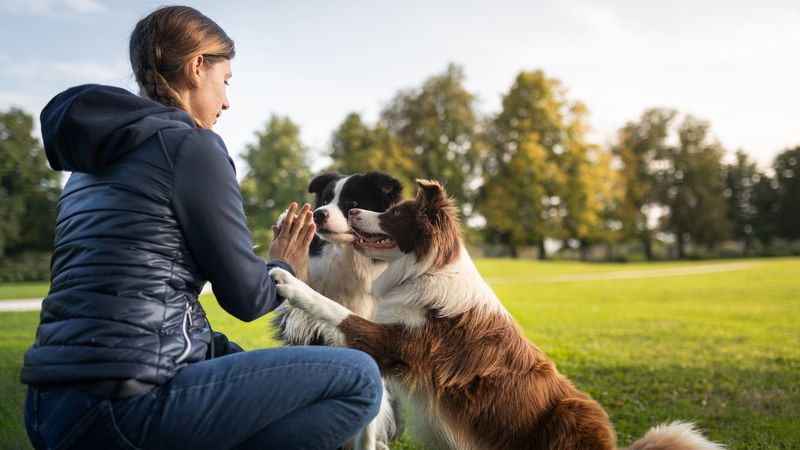
Mixed messages confuse puppies, slow learning, and strain trust. If jumping sometimes gets attention, jumping becomes the default.
Clear rules make life simpler for you and your dog.
Decide household standards now: where the puppy sleeps, potty spots, furniture access, and greeting manners. Write them down, share with family, and post reminders.
Use the same cues, reward desired choices, and prevent mistakes with leashes, baby gates, and well-fitted harnesses.
Consistency does not mean rigidity. Adjust criteria gradually, celebrate small wins, and keep sessions short.
When everyone follows the plan, your puppy learns faster and settles into good habits without conflict. Confusion fades, focus grows, and training becomes genuinely fun.
Track progress in a simple log to keep everyone aligned.
Expecting too much too soon
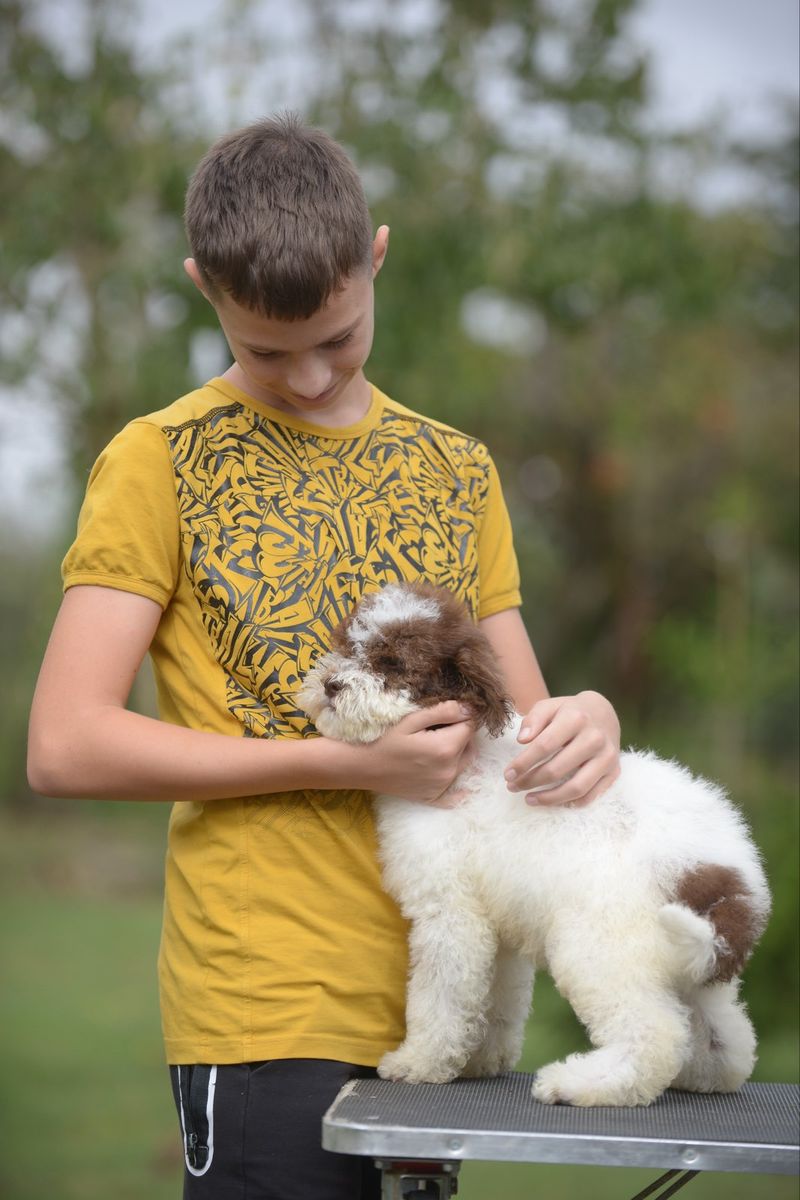
Puppies are babies with sharp teeth and short attention spans. Unrealistic expectations lead to frustration and unfair corrections.
Think minutes, not hours, and teach one small skill at a time.
Use tiny steps: look at you, sit, touch a hand target, then take a break. Reinforce generously, quit while ahead, and allow naps after training.
Keep environments easy, reduce distractions, and protect confidence by setting achievable goals.
Progress is not linear, especially during growth spurts and teething. Celebrate micro improvements and return to basics when things wobble.
With patience and smart structure, your puppy will outpace expectations without burnout. End sessions on a success, then play or sniff to decompress.
Short, frequent reps build reliability faster than marathon drills. Trust the process.
Punishing normal puppy behavior
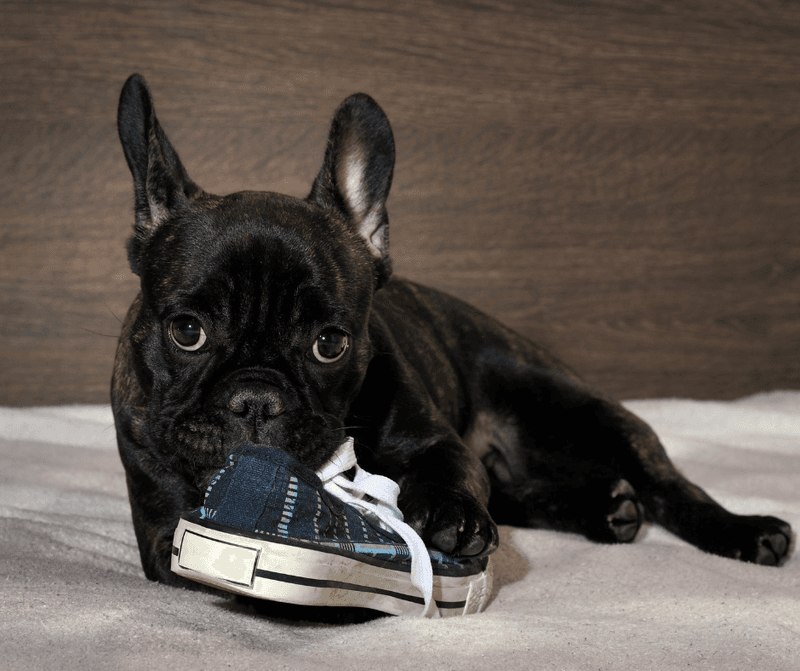
Chewing, barking, exploring, and accidents are normal puppy behaviors, not moral failures. Punishment often suppresses signals without teaching better options.
It can also damage trust and create sneaky, anxious habits.
Instead, manage the environment, provide chew toys, and reward quiet moments. Redirect energy to tug, fetch, food puzzles, and sniffy walks.
Supervise closely, use baby gates, and give frequent potty breaks to prevent mistakes.
Teach what you want with clear cues and tasty reinforcers. Mark good choices, pay generously, and practice daily.
When needs are met and guidance is kind, problem behaviors fade into workable puppy quirks. Compassion speeds learning while keeping everyone safer and happier.
Harsh tools belong nowhere near curious, sensitive youngsters. Guide, do not scare.
Model calm choices.
Leaving the puppy alone for too long
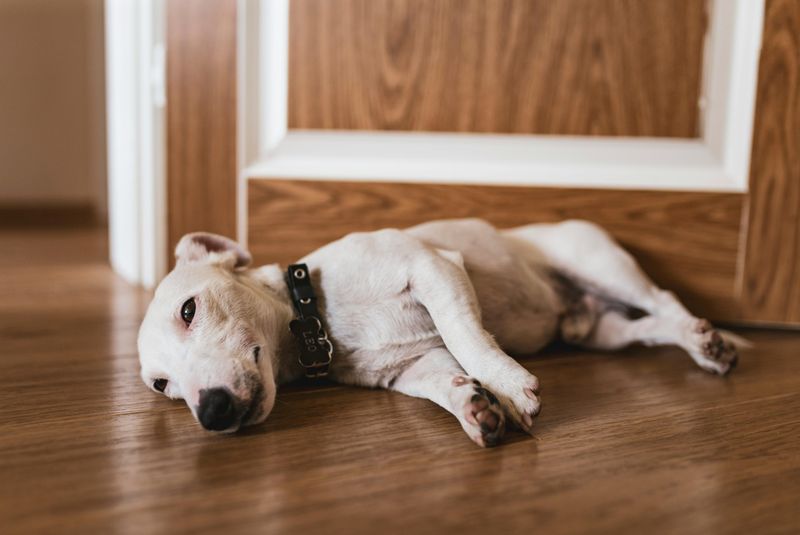
Alone time is important, but overdoing it can breed anxiety, barking, or house soiling. Young puppies have tiny bladders and big feelings.
They need gradual departures that teach confidence, not sudden isolation.
Build independence in small steps using short absences with chews, snuffle mats, or food-stuffed toys. Return before whining escalates, then slowly increase duration.
Arrange midday potty breaks, crate practice, and calm background sounds to reduce stress.
Ask neighbors, walkers, or reputable sitters to help during workdays. If signs of panic appear, consult a certified trainer or vet to design a plan.
Compassionate pacing now prevents separation issues that are much harder to fix later. Your schedule should match your puppy’s developmental stage.
Adjust generously.
Overfeeding treats and snacks
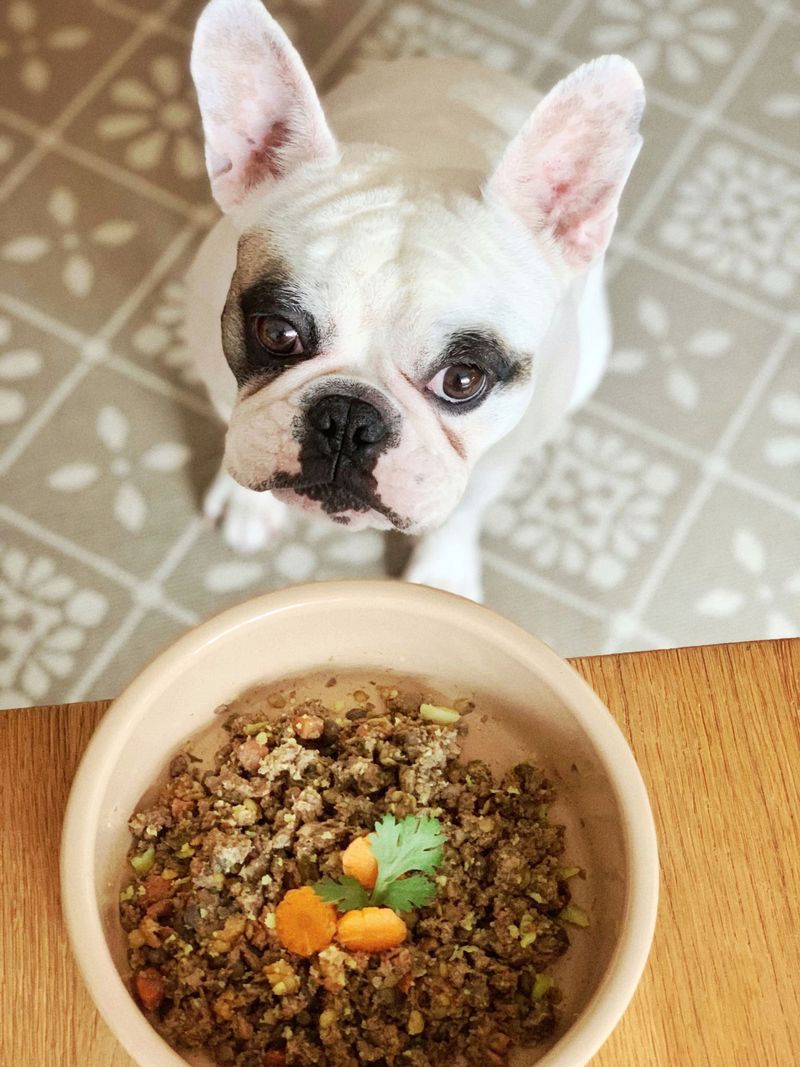
Treats power training, but too many can upset bellies, add weight, and dull motivation. Portion control matters from day one.
Think of treats as part of the daily food budget, not extras piled on top.
Choose tiny, soft pieces and rotate flavors to keep interest high. Use kibble for easy reps, saving richer options for harder tasks or scary moments.
Balance meals, monitor body condition, and adjust calories during growth spurts.
Track treats in a jar or notes app so the family does not double feed. If stools loosen, scale back and simplify ingredients.
Feeding with intention builds a healthy metabolism and preserves training value. Hydration and slow chewing time also matter for satiety.
Measure, do not guess.
Ignoring nipping and biting habits

Puppy teeth explore everything, including hands, clothes, and leashes. Ignoring the habit can turn play into painful patterns.
Address mouthiness kindly so your puppy learns bite inhibition and calmer ways to interact.
Provide legal chews, tug toys, and frozen washcloths for teething relief. When teeth touch skin, calmly stop play, offer a toy, or take a brief timeout.
Reinforce gentle behavior, sniff breaks, and four paws on the floor.
Use long toys to protect hands, and avoid rough wrestling that amps arousal. Track triggers like fatigue or frustration, then prevent them.
Over time, consistent responses build a soft mouth and thoughtful self control. A calm puppy practices safer choices and enjoys better play.
Teach consent in games.
Not creating a daily routine

Puppies thrive on predictable rhythms for sleep, meals, potty, training, and play. Without a routine, needs get missed, energy spikes, and chaos grows.
Structure makes it easier to meet goals and notice patterns.
Create anchors: morning potty, breakfast, nap, walk, training, afternoon rest, and evening wind down. Batch short sessions, rotate enrichment, and protect quiet time.
Consistent timing smooths digestion, improves behavior, and keeps expectations clear.
Use reminders on your phone, share calendars with family, and prepare supplies the night before. Adjust for growth stages, weather, and busy days while preserving the overall flow.
Routines reduce decision fatigue so you can relax and enjoy your puppy. Predictability turns training into a friendly habit loop.
Start simple today.
Skipping crate or house training basics

Crate and house training are foundations for safety, travel, and sanity. Skipping basics leads to messes, stress, and damaged belongings.
Teach your puppy that the crate is a cozy den and the yard is the bathroom.
Start with open doors, soft bedding, and scatter feeding in the crate. Close briefly while you sit nearby, then build duration calmly.
Use schedules, confinement, and frequent outdoor trips after sleep, play, and meals to prevent accidents.
Reward outdoor potty with praise and treats, and clean mistakes with enzymatic cleaner. If progress stalls, shrink freedom, revisit timing, and consult a trainer.
Patience and repetition make these skills automatic for daily life. Comfort predicts success more than pressure ever will.
Waiting too long to start vet care
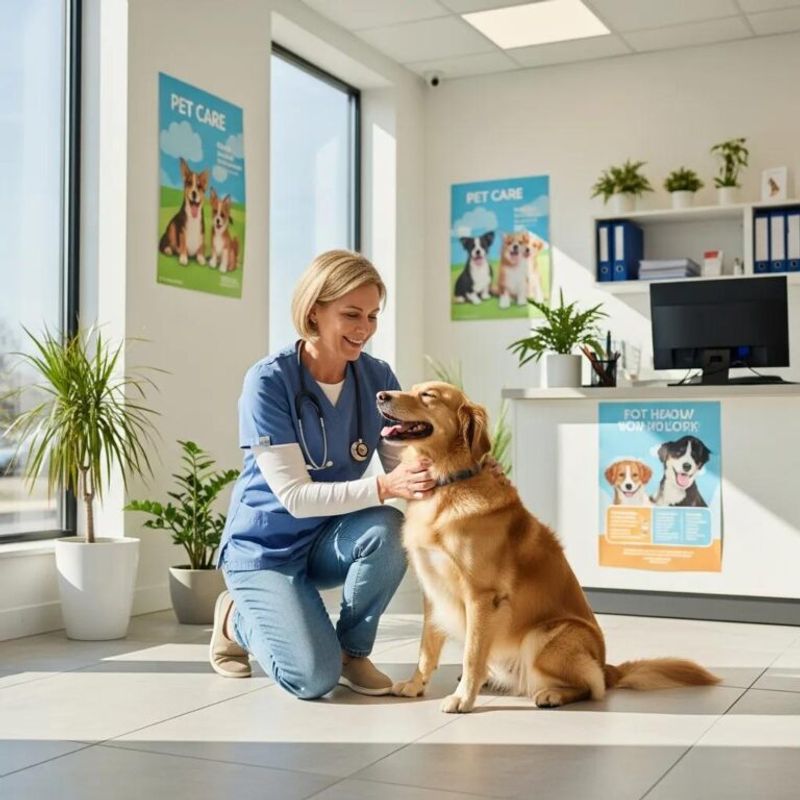
Early veterinary care sets the stage for lifelong health. Waiting invites preventable illness, parasites, and missed growth milestones.
You also lose chances to pair the clinic with positive experiences during critical periods.
Schedule an exam within days of arrival, then follow the vaccine and deworming series your vet recommends. Bring treats, a mat, and a calm voice to build happy associations.
Ask about nutrition, spay or neuter timing, microchips, and region specific risks.
Set reminders for boosters and wellness visits, and keep records organized. If anything seems off, call early instead of waiting.
Proactive care protects your puppy, your wallet, and your peace of mind. Healthy habits now prevent bigger problems later.
Partnership with your vet saves time.