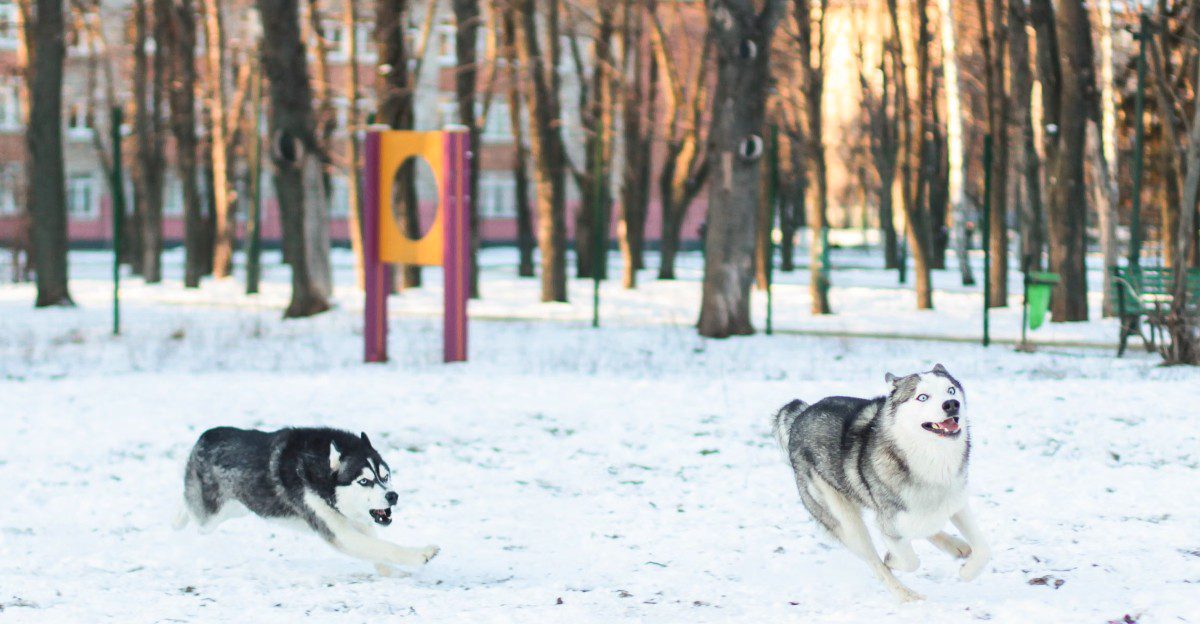
Some dogs look peaceful by your side, then turn into quick athletes the moment they feel free. That sudden change can catch new owners off guard and lead to tough walks or escapes.
Knowing which breeds switch gears fast helps you plan better exercise and safer play. With the right games and training, their wild side becomes a joy, not a headache.
Siberian Husky – snow quiet, park rocket
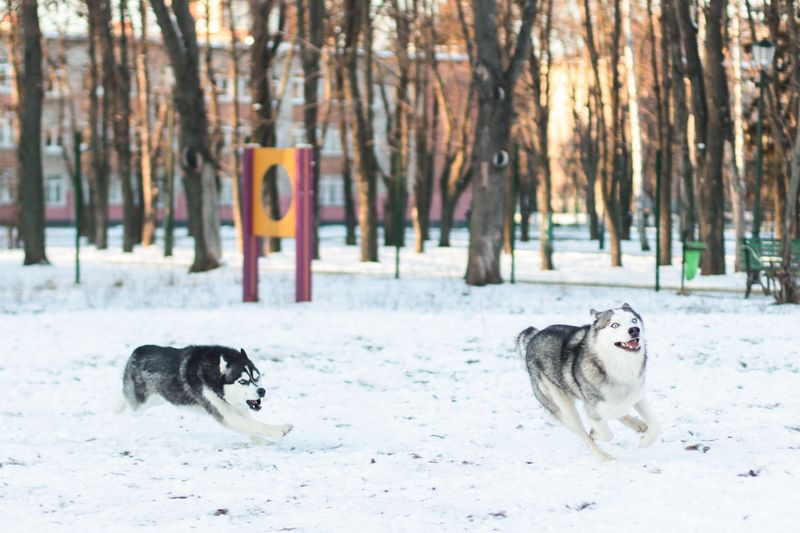
Snow quiet, park rocket. A Husky naps like a cat at your feet, but a loose lead wakes its inner explorer.
Bred to pull, it shifts from mellow to unstoppable in seconds.
Plan long runs, secure fences, and teach a strong recall early. Mental work helps too, like urban mushing, scent games, and puzzle feeders.
Cold-friendly coats love winter, so schedule icy adventures instead of fighting their drive. Sing when the howls begin at home.
Beagle – nose on, turbo engaged
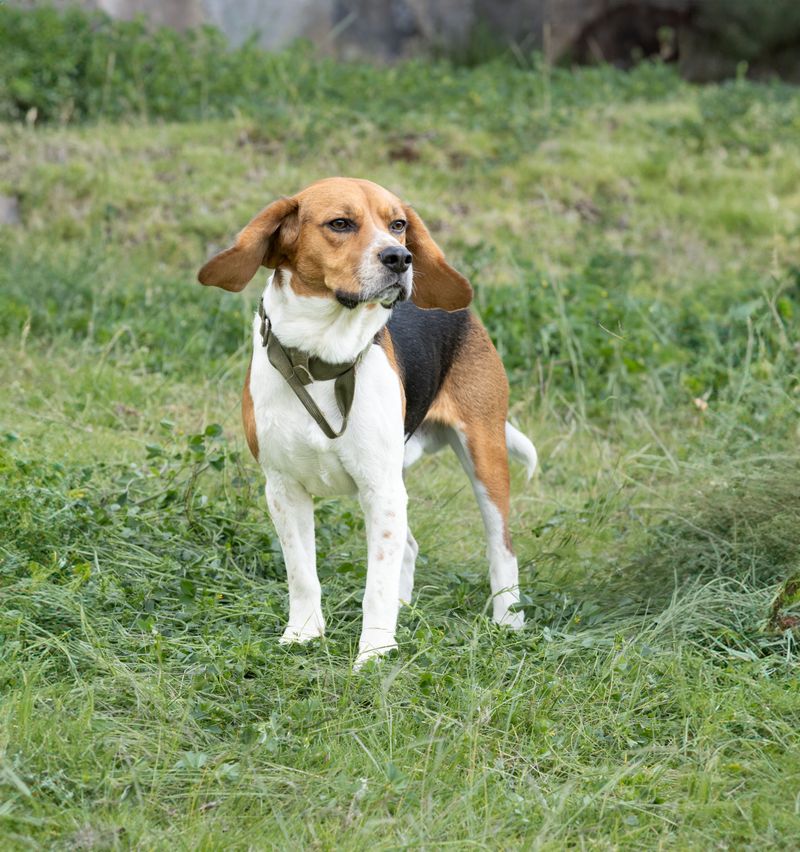
Follow the nose, find the sprint. Lounging by the couch is easy for a Beagle, yet one scent trail flips a switch.
Suddenly that calm buddy surges forward, ears flying, tail drumming like a metronome.
Use a long line in open spaces and anchor recall with high-value snacks. Daily sniff walks, hide-and-seek treats, and beginner tracking classes give that busy brain a job.
For harmony, fence the yard and avoid off-leash near roads and traffic.
Dachshund – tiny body, big mission
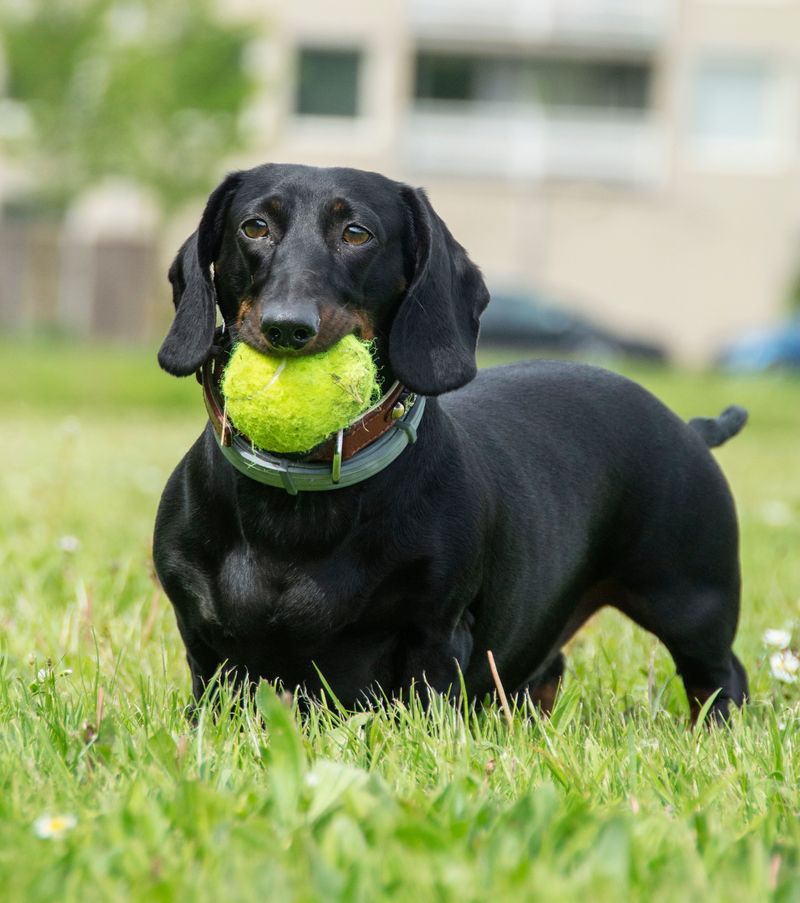
Small frame, giant mission mindset. The Dachshund warms your lap, then bolts after yard shadows like a tiny torpedo.
Bred for badgers, confidence runs hot, and independence shows when a hole needs digging immediately.
Channel that spark with scent games, short agility tunnels, and sturdy chew toys. Teach gentle stairs use, protect the long back, and keep jump heights low.
A snug harness, not a collar, supports the neck during training walks. Especially on weekends.
Shiba Inu – fox look, freestyle spirit
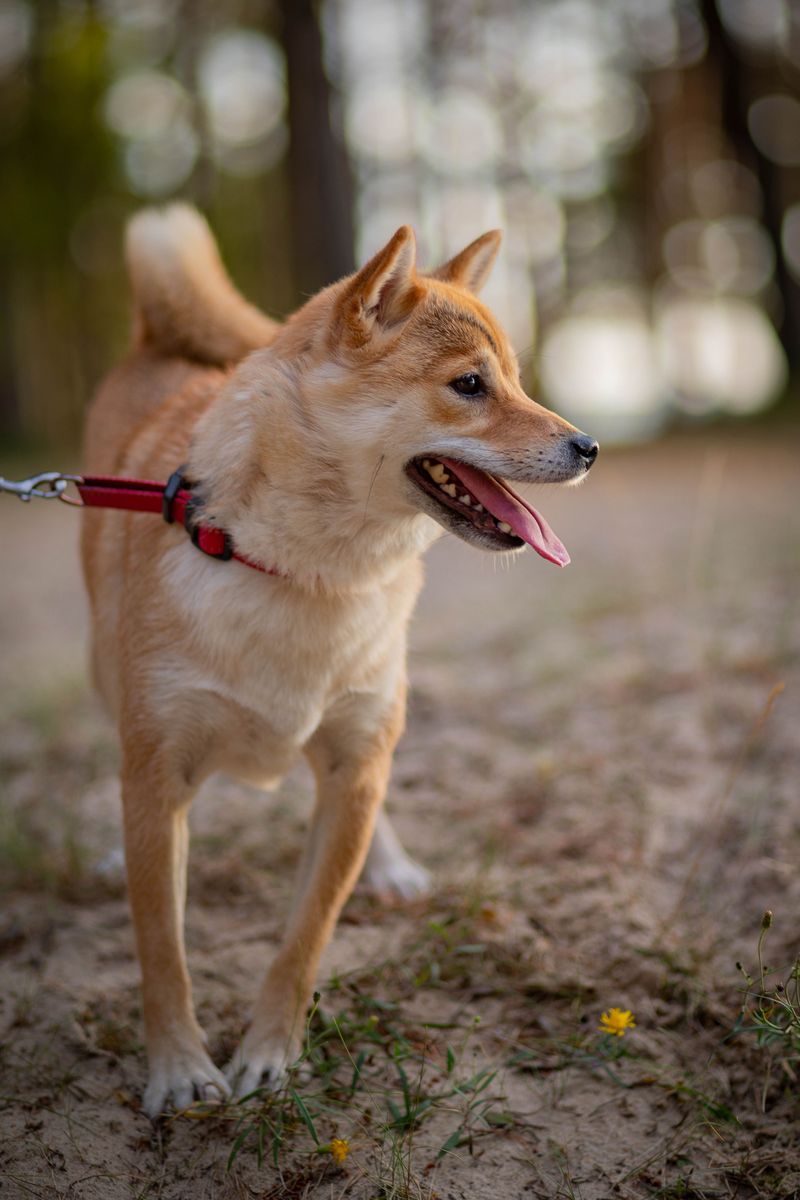
Foxlike face, secret comedian inside. A Shiba seems aloof and tidy indoors, but open space invites zoomies and surprise parkour.
That catlike spirit loves choice and quickly ignores dull routines.
Trade repetition for variety. Short training bursts, novel routes, and squeaky jackpots keep attention.
Use double leashes or a well-fitted harness to prevent the famous slip-out move, and add trick training like spin, bow, and target touch to build teamwork. Respect space during grooming sessions.
Jack Russell Terrier – pocket dynamite with jokes
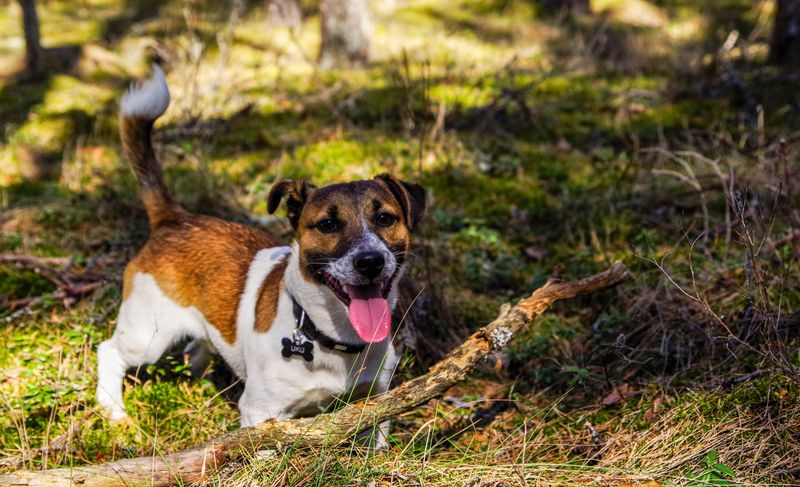
Pocket dynamite with jokes. Calm cuddles vanish once a squirrel appears, and the Jack Russell becomes a blur of muscle and wit.
Quick problem-solving means doors, gates, and latches invite experiments.
Sign up for flyball or mini agility to spend that energy wisely. Daily fetch with rules, like sit before throw, builds manners.
Rotate toys, practice impulse control games, and provide digging zones so flowerbeds survive. Crate training supports naps and safer travel between events.
Whippet – couch statue, field sprinter
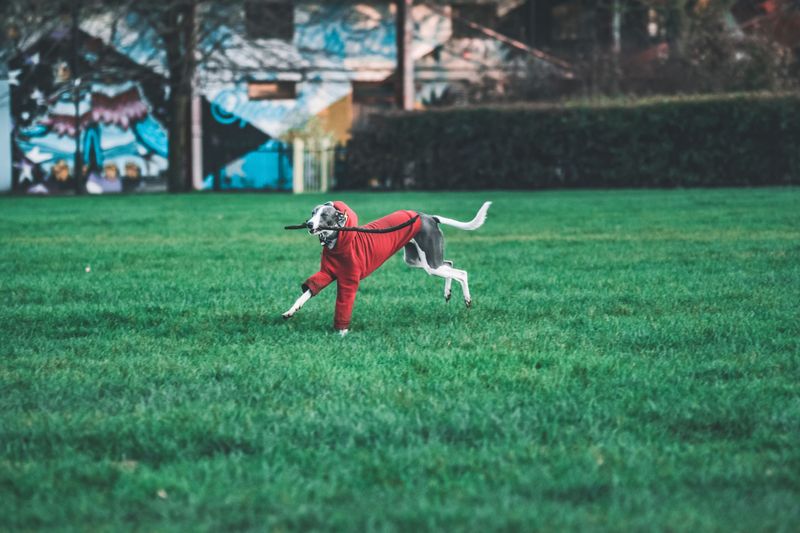
Couch statue, field sprinter. The Whippet melts into blankets, then unlocks turbo speed the second a lure moves.
Sensitive hearts prefer kindness over pressure, and soft voices work best.
Try controlled sprints at a safe lure coursing club. Warm-ups, fitted coats, and non-slip indoor rugs protect slim frames.
For fun at home, practice calm starts before fetch and teach a settle spot so switching gears feels easy. Skip rough play with bigger dogs when necessary.
Afghan Hound – glamour with trampoline legs
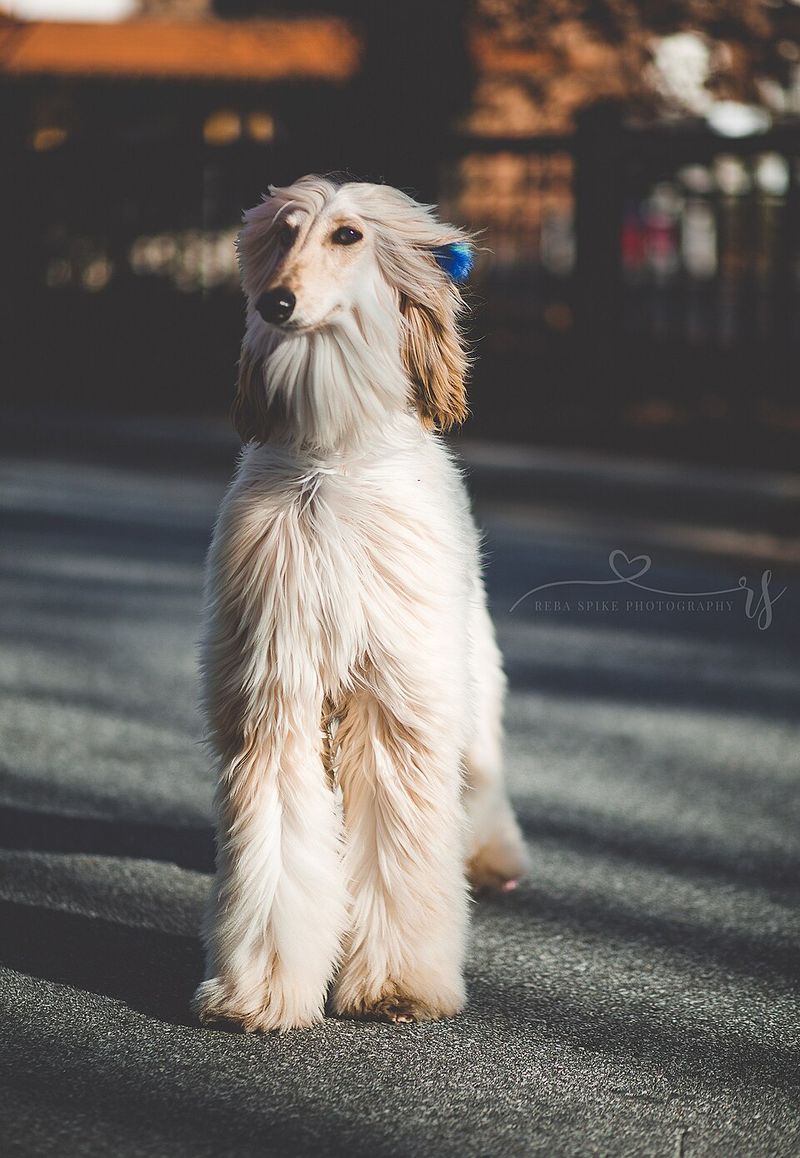
Glamour outside, goofball inside. An Afghan Hound lounges like royalty, then explodes into elastic leaps once released.
Those long legs love space and speed, guided by keen sight.
Gentle, steady training suits their independent streak. Keep coats tangle-free with routine brushing sessions and positive handling.
Safe fenced fields, flirt poles, and recall games from short distances build reliability without crushing that breezy spirit. History note, they hunted across mountains.
High vantage points still tempt today.
English Setter – feathered grace in motion
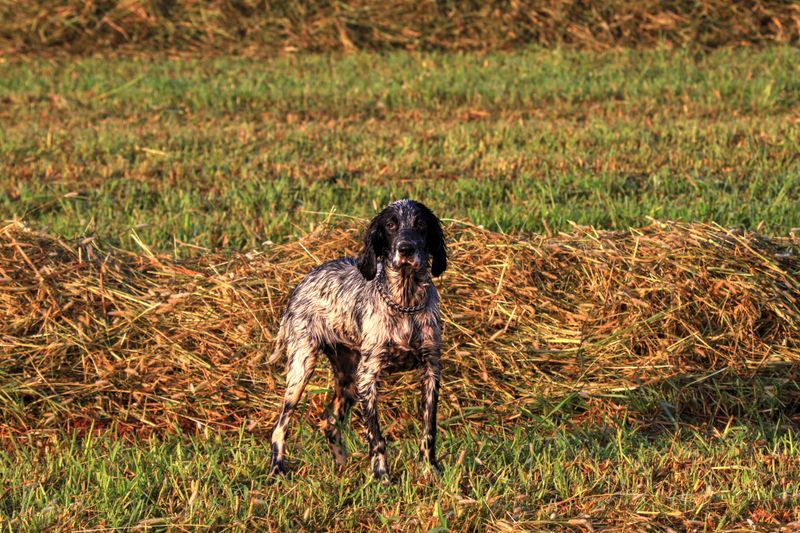
Feathered athlete with soft eyes. Indoors they curl quietly, yet in fields the English Setter ranges wide, gracefully scenting air like a dancer.
That shift can surprise first-time owners.
Map longer hikes and train a pause cue before chasing birds. Gentle endurance work, nosework boxes, and tennis-ball retrieves burn energy while keeping focus.
Regular brushing, ear checks, and calm crate time after workouts support recovery and comfort. Try orange vests for visibility in tall grass.
Brittany – sunrise starter, sunset snuggler
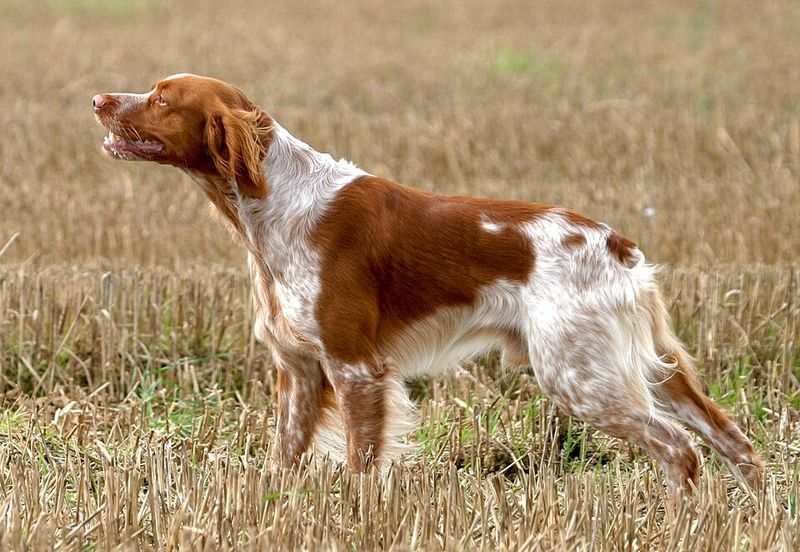
Sunrise starter, sunset snuggler. A Brittany waits politely indoors, then hits turbo when feet touch a trail.
Birdy instincts make every breeze feel like a message.
Plan varied workouts: intervals, fetch in cover, and beginner field drills with a pro. Keep training upbeat, rotate rewards, and invite teen helpers for fun runs.
GPS tags, bright collars, and a rock-solid whistle recall keep adventures safe. Fun fact, many excel in canicross during cooler morning temperatures too.
Borzoi – poetry in motion
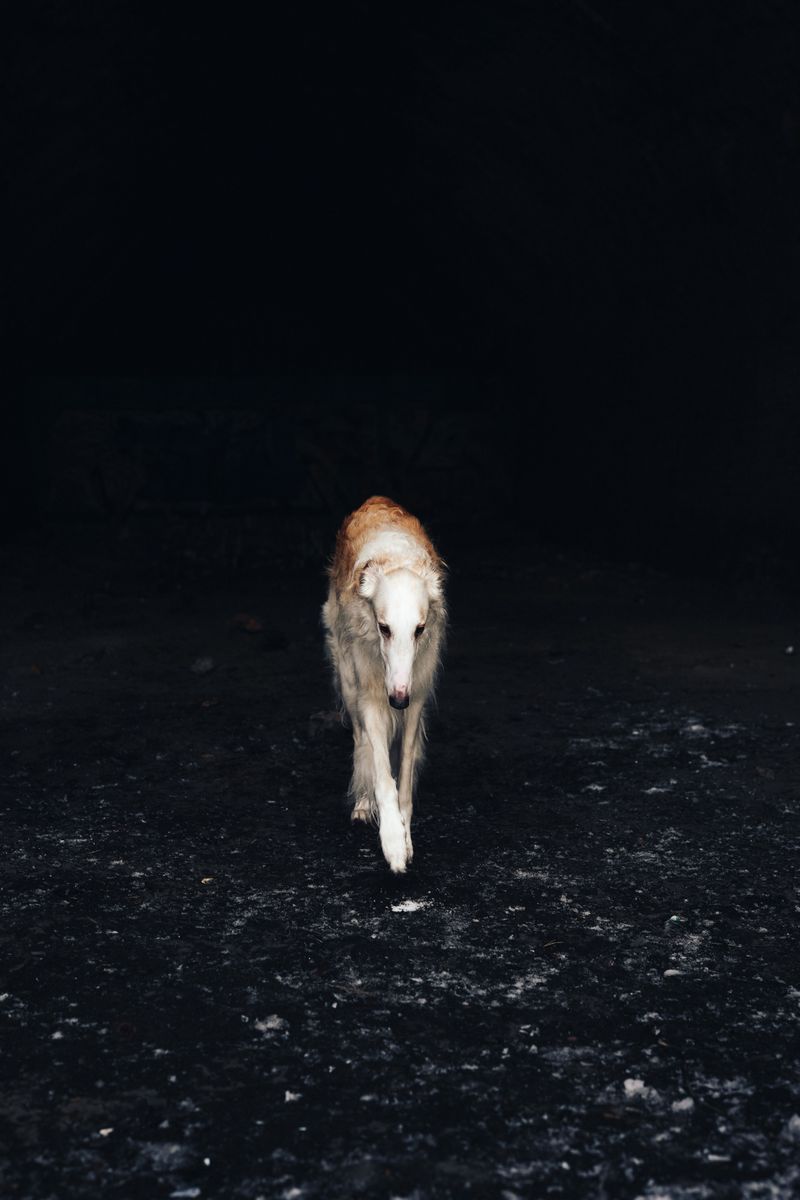
Poetry in motion, surprisingly silly. A Borzoi may loaf like a throw rug, yet once released, it glides after movement with breathtaking flow.
That sighthound focus can ignore your calls.
Practice recalls on long lines, then reward with high value treats and freedom. Choose spacious, secure areas, and avoid small pets near chase practice.
Comfy beds, calm grooming, and gentle stretching after runs help those long backs stay happy. Quiet praise beats harsh corrections always.
Basenji – almost barkless, always curious
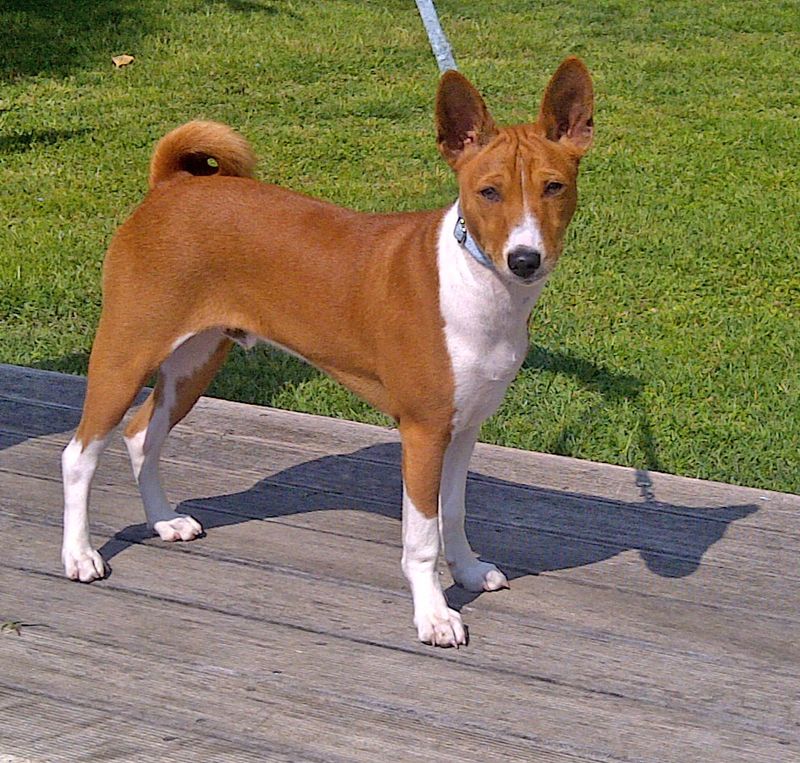
Almost barkless, never boring. The Basenji curls like a fox at home, yet outside turns nimble and daring, climbing or zigzagging with catlike balance.
Curiosity rules every choice.
Teach games that trade items for treats, and practice leash skills daily. Puzzle feeders, lure coursing, and short scent trails bring out talents while saving your shoes.
Because they dislike rain, keep a fitted coat ready and plan fast bathroom breaks. History tidbit, Congo hunting roots endure.