
Calm is not a one-size-fits-all promise. Many breeds earn a chill reputation, yet their serenity shows up only when their needs truly fit your lifestyle.
Before you fall for a couch potato label, look deeper at exercise, training, and daily structure. Get the match right and you unlock a peaceful companion who actually relaxes with you.
Greyhound
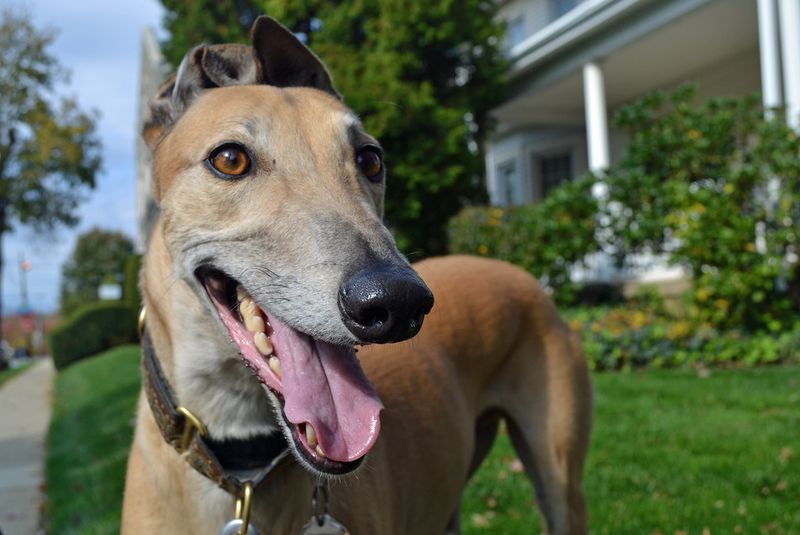
Greyhounds look like sprinters, and they are, but they are famous for loving naps. The calm you want arrives when their sprint needs are met with short daily bursts and sniffy walks.
Without that outlet, restlessness or destructive chewing can sneak in and surprise you.
Apartment living suits them if stairs are manageable and neighbors accept occasional zoomies. Thin skin means cozy coats, soft beds, and moderate indoor temperatures help them unwind.
Give predictable routines, kind training, and opportunities to chase safely in secure areas.
Watch for separation stress. Gentle mental enrichment, like food puzzles, prevents boredom and keeps minds content.
Meet their quiet social needs, and you get an elegant, serene roommate who happily shares the sofa.
Whippet

Whippets can be dreamy lounge partners, but only after sprint cravings are satisfied. Think short, intense play sessions, flirt pole fun, or controlled fetch, followed by quiet cuddles.
Without that routine, you may see zooms at inconvenient hours or persistent fidgeting.
They are sensitive souls who thrive on gentle handling, predictable schedules, and warm sleeping spots. Drafts and cold floors make them tense, so sweaters and cushy beds help.
Training should be light, kind, and food-forward to keep confidence steady.
Secure yards matter because sight hounds chase fast when instincts kick in. Indoors, enrichment toys and calm music encourage rest.
Meet their emotional and physical needs, and your whippet melts into a silky, peaceful shadow beside you.
Basset Hound

Basset Hounds have a laid-back look, but calm comes from steady routines and scent work. Those noses need jobs, like sniff walks or hide-and-seek treats, to keep brains satisfied.
Without that, you may get stubbornness, baying, or garden excavations that test patience.
They are heavy-boned with long backs, so manage stairs and weight carefully. Comfortable beds, gentle exercise, and vet-guided nutrition support joints.
Training should be upbeat and scented, tapping into their tracking joy rather than fighting it.
Social time matters because they bond deeply and dislike isolation. Provide chew outlets, food puzzles, and quiet family presence for real relaxation.
Meet their scent-driven needs and you will discover a mellow, delightfully comedic companion.
Clumber Spaniel
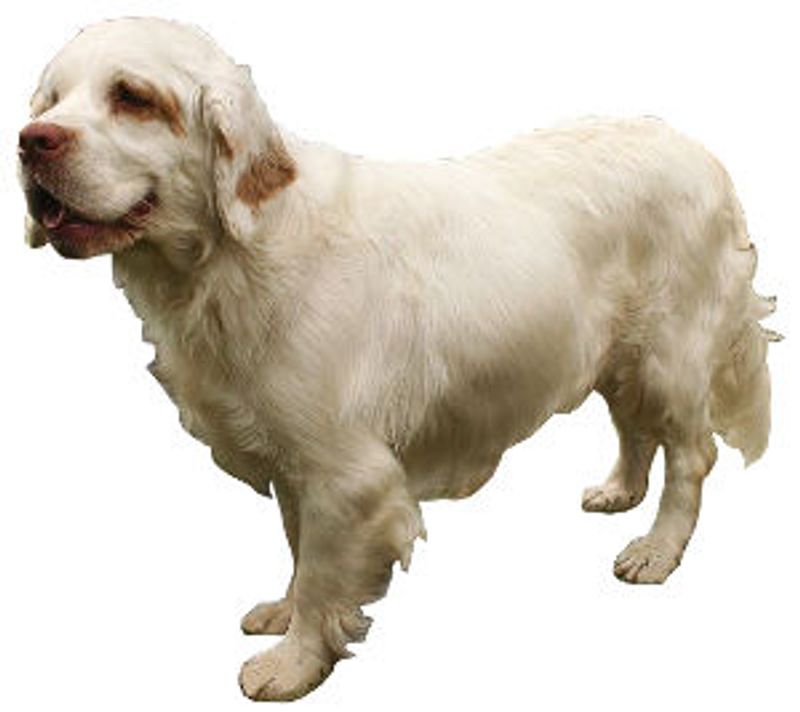
Clumber Spaniels often seem naturally mellow, yet their calm depends on thoughtful outlets. Moderate daily walks, low-impact games, and scent puzzles keep this gentle worker content.
Skip those, and pent-up energy can show as awkward zoomies, scavenging, or clingy behaviors.
They are heavier spaniels, so joint-friendly floors and supportive beds matter. Keep exercise steady but not extreme, and monitor weight to protect hips and elbows.
Training works best with warmth, consistency, and fun retrieves in soft grass.
Clumbers bond hard and appreciate unhurried companionship. Plan grooming for their thick coat and drool-friendly towels.
With structure, light field games, and calm household vibes, a Clumber settles into a wonderfully placid, teddy bear presence at home.
Sussex Spaniel
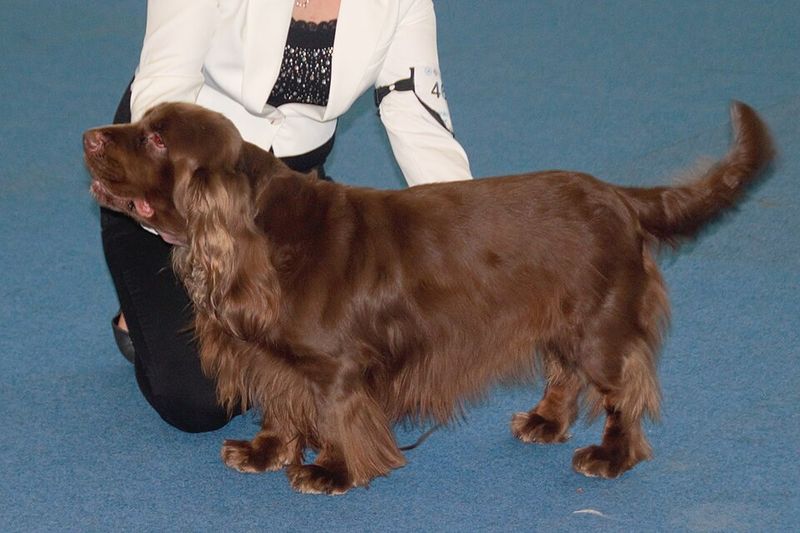
Sussex Spaniels look sleepy-sweet, but they are slow-burning athletes under that coat. Calm follows when you provide daily country-style walks, sniffing sessions, and gentle retrieves.
Without that work, they may vocalize, pace, or turn stubborn about cues you thought they knew.
Their long backs and solid frames need careful conditioning and non-slippery floors. Keep nails short, add supportive beds, and avoid too many stairs.
Training feels best when playful and scent-rich, with plenty of praise and tasty rewards.
They thrive on closeness, so long stretches alone can be stressful. Food puzzles and easy nosework classes help them relax.
Meet their mellow-but-working-dog needs and you will enjoy a deeply affectionate, reliably calm housemate.
Field Spaniel

Field Spaniels are thoughtful workers who unwind best after purposeful activity. Calm emerges with steady walks, light field games, and scent-search tasks that challenge their minds.
Without that structure, you can see whining, shadowing your every move, or frustrated energy bursts.
They are sensitive, bonding closely yet benefiting from independence training. Teach settle on a mat, provide chews, and rotate toys for novelty.
Soft, consistent training builds confidence and helps them exhale indoors.
Grooming and ear care keep them comfortable, which supports calm behavior. Slippery floors and chaotic schedules can make them edgy.
Give predictable routines and gentle enrichment, and a Field Spaniel becomes a quiet, sweet presence around the home.
Great Dane
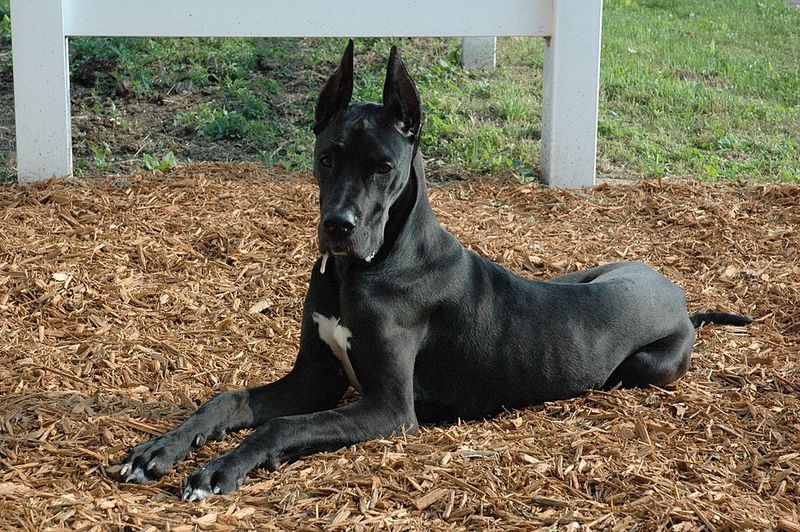
Great Danes are famed gentle giants, yet serenity requires thoughtful management. Growth plates and joints demand soft surfaces, controlled exercise, and high-quality nutrition.
When needs are ignored, you might face rowdy greetings, anxiety, or furniture-shaking zoomies.
They crave company and clear rules. Teach loose-leash skills early, reinforce calm door manners, and provide extra-large beds so resting feels good.
Short, frequent walks and puzzle feeders help them settle afterward.
Space matters for turning and stretching. Regular training keeps their size from becoming a problem in tight quarters.
Meet social, physical, and comfort needs, and you will discover a relaxed, velvety couch-leaner who adores being near you without overwhelming your day.
Newfoundland

Newfoundlands project a tranquil aura, but real calm follows diligent care. These water-loving workers need steady exercise, swim opportunities when safe, and structured training.
Skip that and you may see clinginess, drool-flinging excitement, or door-rushing chaos.
Giant coats require grooming to prevent matting and discomfort that makes rest hard. Orthopedic beds, cool temperatures, and joint-conscious routines protect big bodies.
Use positive reinforcement to build polite manners that make their size feel manageable.
They are social and protective in a gentle way. Teach relaxed settle behaviors, reward quiet choices, and offer slow sniff walks.
When their exercise, grooming, and companionship boxes are checked, a Newfoundland becomes an exceptionally calm, nurturing housemate.
Chow Chow
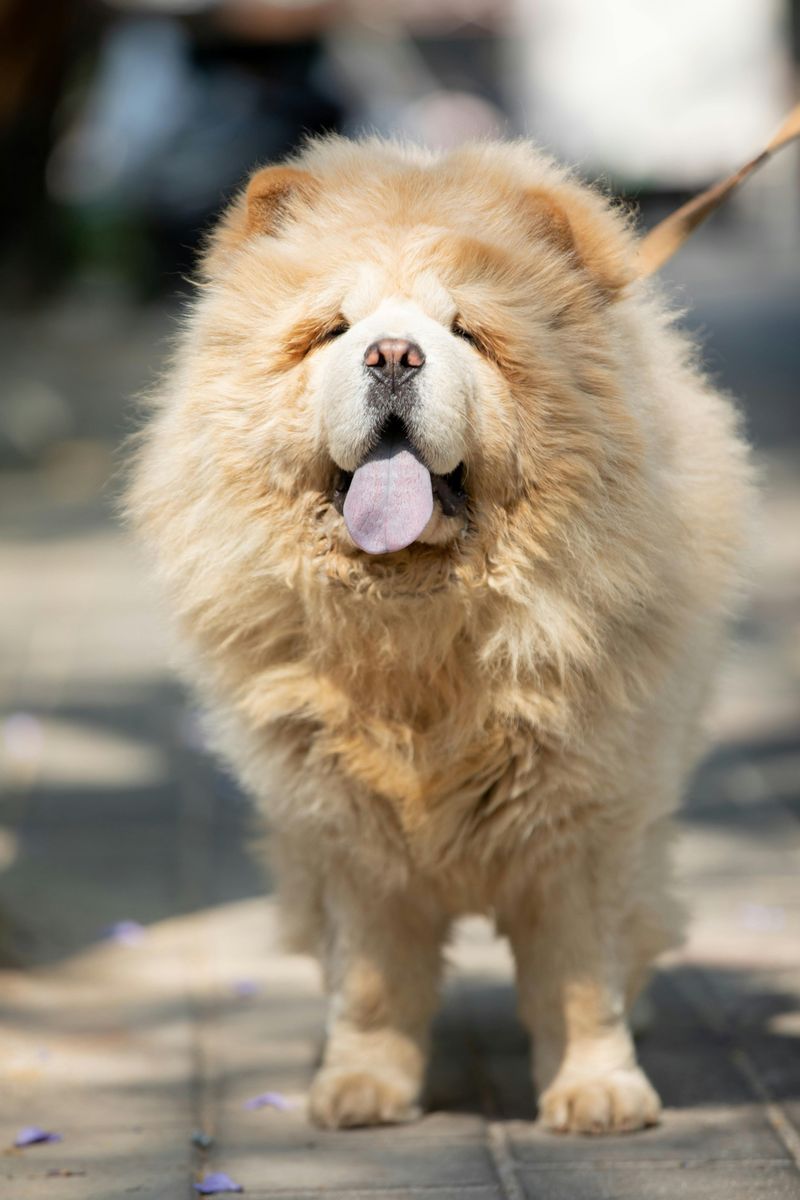
Chow Chows can appear stoic and calm, but that composure needs careful socialization and structure. They are independent and may guard space without guidance.
Regular, respectful training, predictable routines, and early exposure to sights and sounds create true relaxation.
Grooming comfort matters, or irritations can fuel crankiness. Brush often, manage heat, and provide cool resting spots.
Leash manners and polite greetings reduce tension on busy sidewalks.
They value personal space, so teach household boundaries clearly and reward quiet choices. Mental work like scent games or shaping tasks satisfies their serious minds.
With fair leadership and low-drama environments, a Chow Chow becomes dignified company that lounges peacefully and minds their own business.
Shar Pei
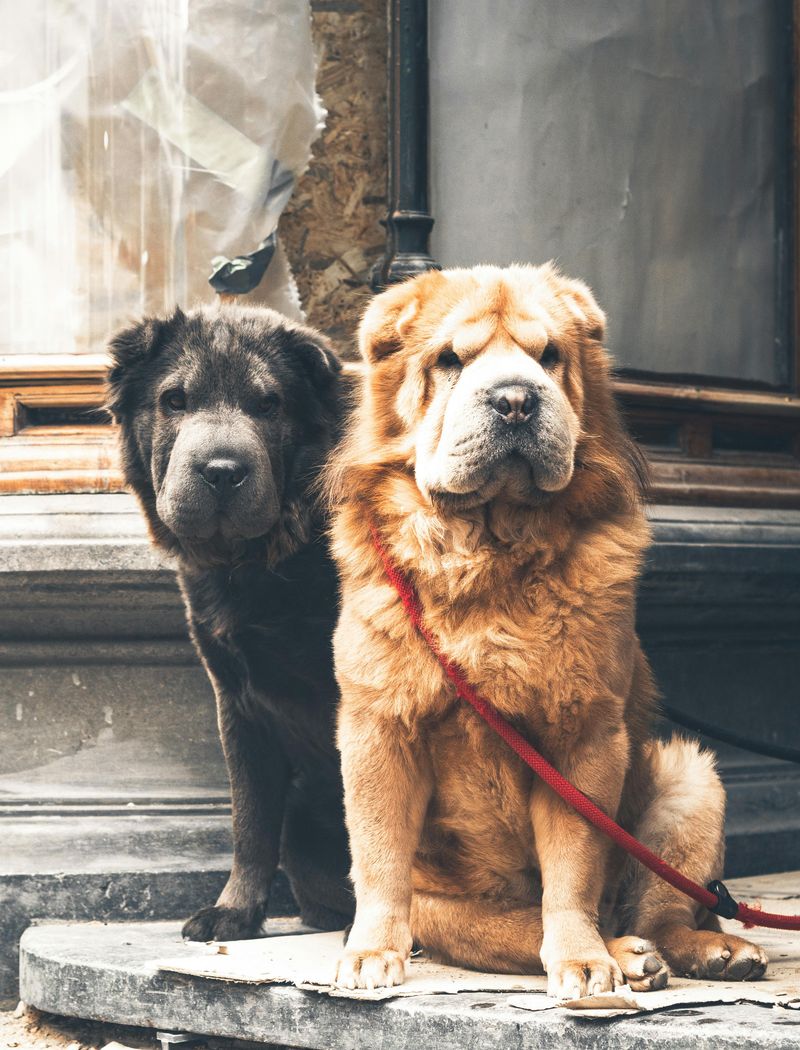
Shar Pei dogs are often reserved, which many misread as calm. True ease appears when they feel safe, well-socialized, and comfortably exercised.
Without that foundation, you can get reactivity, territorial fuss, or pacing during household commotion.
Skin and ear care are crucial, as discomfort undermines relaxation. Keep routines predictable, use kind training, and avoid rough handling that breaches trust.
Short, thoughtful walks and enrichment games let them decompress.
They prefer clarity, not chaos. Teach settle cues, reward neutrality around visitors, and provide quiet resting zones.
Meet health, structure, and social needs, and a Shar Pei becomes a composed, low-drama companion who enjoys calm evenings by your side.
Shih Tzu
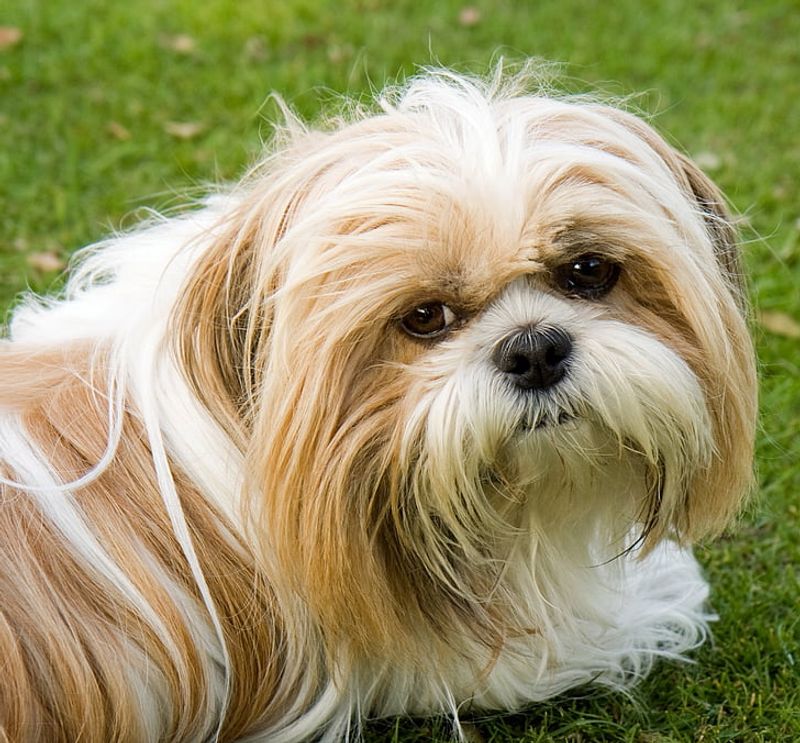
Shih Tzus are marketed as lap-ready, but calm depends on grooming comfort and boredom relief. Short daily walks, simple training games, and gentle play tire minds and bodies.
Neglect those and the small package can bark excessively or guard laps and furniture.
Regular grooming prevents tangles that cause fussiness. Keep routines predictable and teach polite settle on a mat.
Use food puzzles and scent boxes to encourage quiet focus.
They bond closely and do best with company throughout the day. Crate training and independence skills help prevent clingy behavior.
When needs for care, enrichment, and companionship are met, a Shih Tzu turns into a sweet, reliably calm snuggler.
Cavalier King Charles Spaniel

Cavaliers are affectionate companions who seem naturally serene, yet calm relies on health, exercise, and company. Daily sniff walks, play bursts, and basic training help them settle afterward.
Without this, you may see vocalizing, clinginess, or anxious pacing when left alone.
Watch heart health and weight, as comfort supports relaxation. Soft beds and quiet nap zones matter because they love to be near you.
Teach independence through short absences and rewarding self-settling.
They shine with gentle people and predictable schedules. Enrichment toys and nosework keep minds content indoors.
Meet their social, physical, and medical needs, and a Cavalier becomes the warm, calm shadow that happily snoozes nearby while you read or work.