
So many “calm” dogs are praised for being polite when they are actually overwhelmed and shutting down. If you have ever wondered why a dog seems quiet yet oddly tense, this guide will help you see what is really going on.
Knowing the difference between true relaxation and stress can prevent bites, burnout, and broken trust. Let us decode these misunderstood signals together so you can advocate for your dog with confidence.
Not moving when approached

When a dog does not move as someone approaches, it can look respectful, but it often signals freeze. Freezing is part of the fight-flight-freeze sequence and means the dog feels trapped.
You might notice tight muscles, a closed mouth, or the head turning slightly away.
Instead of pushing in, pause and give space. Ask the dog to approach you, not the other way around.
Toss a treat to the side to create a small arc so the dog can move and breathe.
Teach consent cues like “Want to say hi?” and watch for soft eyes, loose body, and self-initiated steps. Calm does not equal comfortable.
Movement tells the real story.
Allowing handling but looking away or stiff
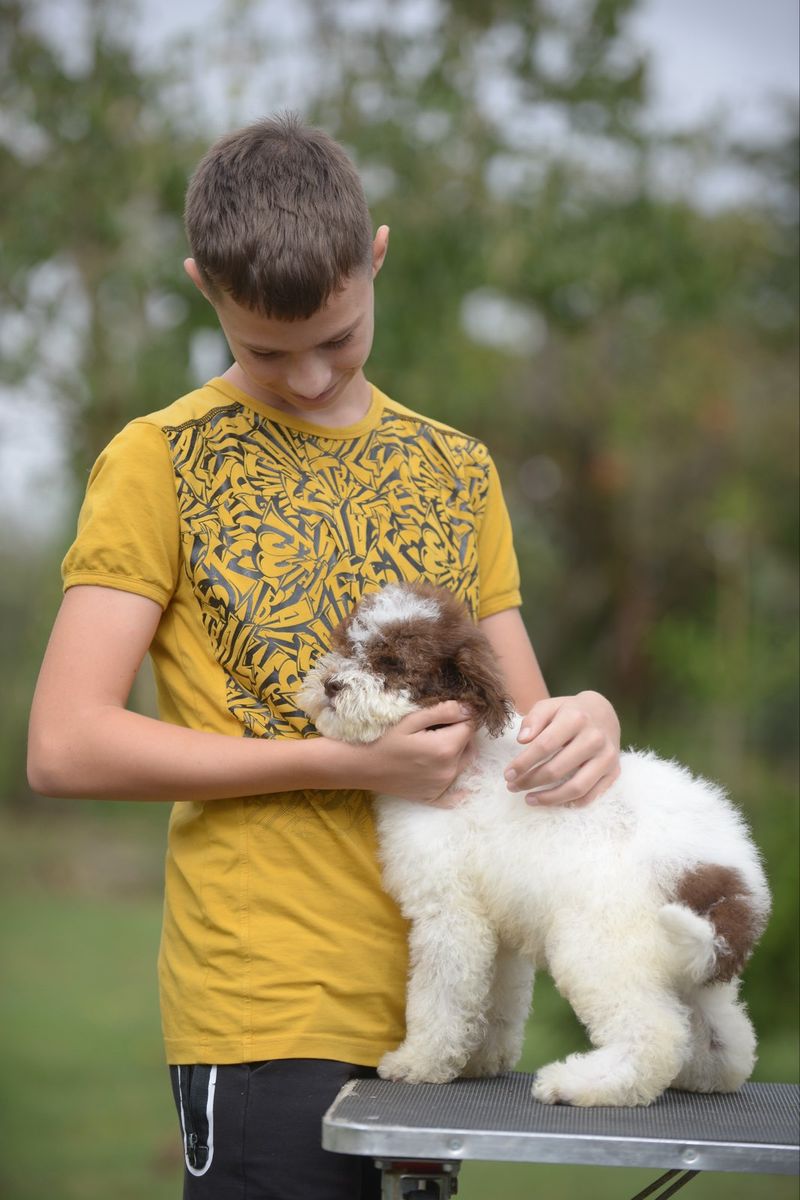
A dog that tolerates petting while turning the head away is not being polite. That head turn, combined with stiffness, is a classic appeasement and discomfort signal.
The dog might be saying, “I am coping, please stop.”
Look for softening signs before continuing: loose shoulders, squinty eyes, gentle tail sweeps. If the body stays rigid, pause and invite choice.
Offer your hand, then wait for approach or withdrawal.
Build trust with brief touches followed by breaks and rewards for re-engagement. Teach a “consent start-stop” routine.
Respecting no dramatically increases yes later. Real calm looks curvy and fluid, not statue-like or braced.
Taking treats without enthusiasm (“mechanical eating”)
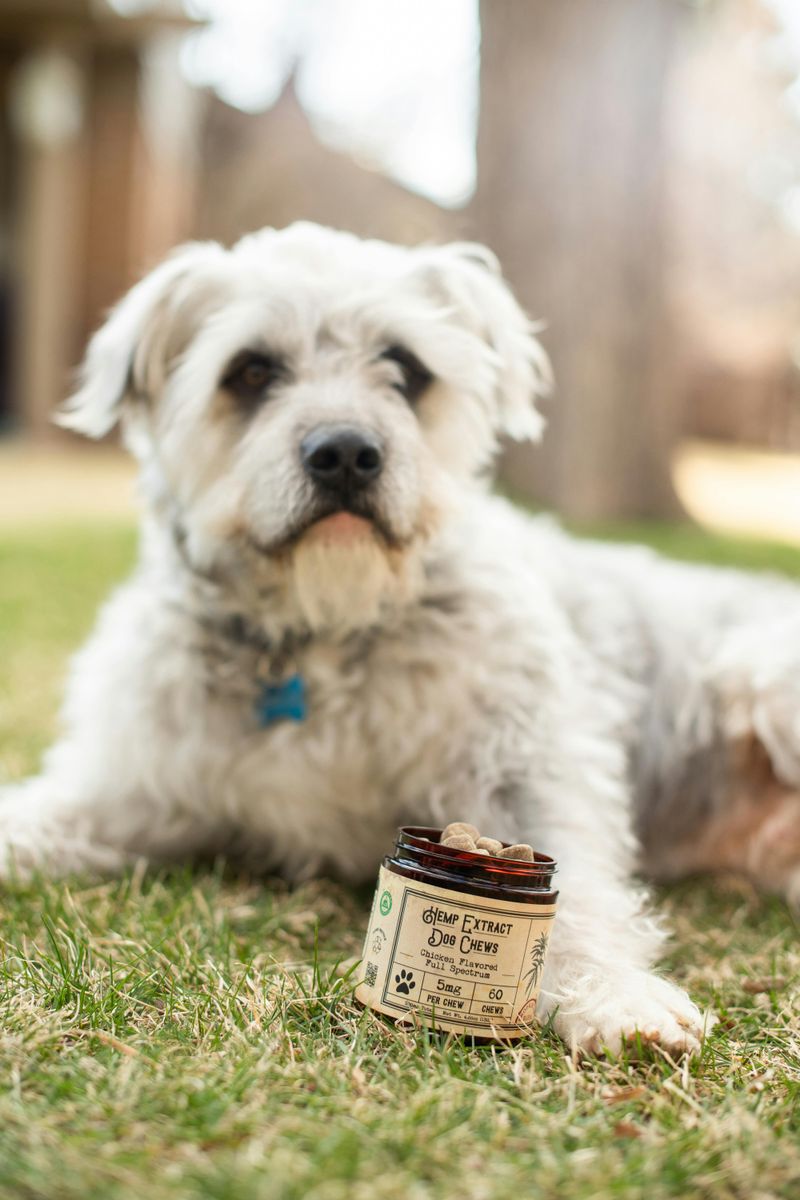
Mechanical eating looks like a dog accepting food robotically, with a tight mouth and no sparkle. There is little tail motion, no sniffy interest, and sometimes a delayed chew.
Stress can suppress appetite and turn treats into mere tasks.
Compare that to an eager nibble with soft eyes and wiggly posture. If enthusiasm is missing, lower the intensity: increase distance, simplify the environment, or switch to snuffle scatter feeding.
Let the dog choose pace and position.
Track changes across contexts to spot patterns. Mechanical eating often means the dog is over threshold.
Adjust the plan before asking for more. Food should signal safety, curiosity, and fun, not obligation under pressure.
Sitting/lying down immediately when pressure appears

Some dogs drop into a sit or down the moment someone leans in or pressure appears. It can look wonderfully trained, but it is often a displacement or appeasement behavior.
The dog is trying to defuse the situation, not offering happy compliance.
Notice the details: tucked tail, lowered head, or a frozen smile. Reduce social pressure by turning sideways, crouching, and inviting approach.
Reward voluntary movement toward you rather than looming over.
Teach pressure off cues: when you step back, good things happen. Pair human motion with predictable outcomes so the dog feels safe.
True obedience shines when the body stays loose and the choices are freely made.
Very slow tail wags with stiff body
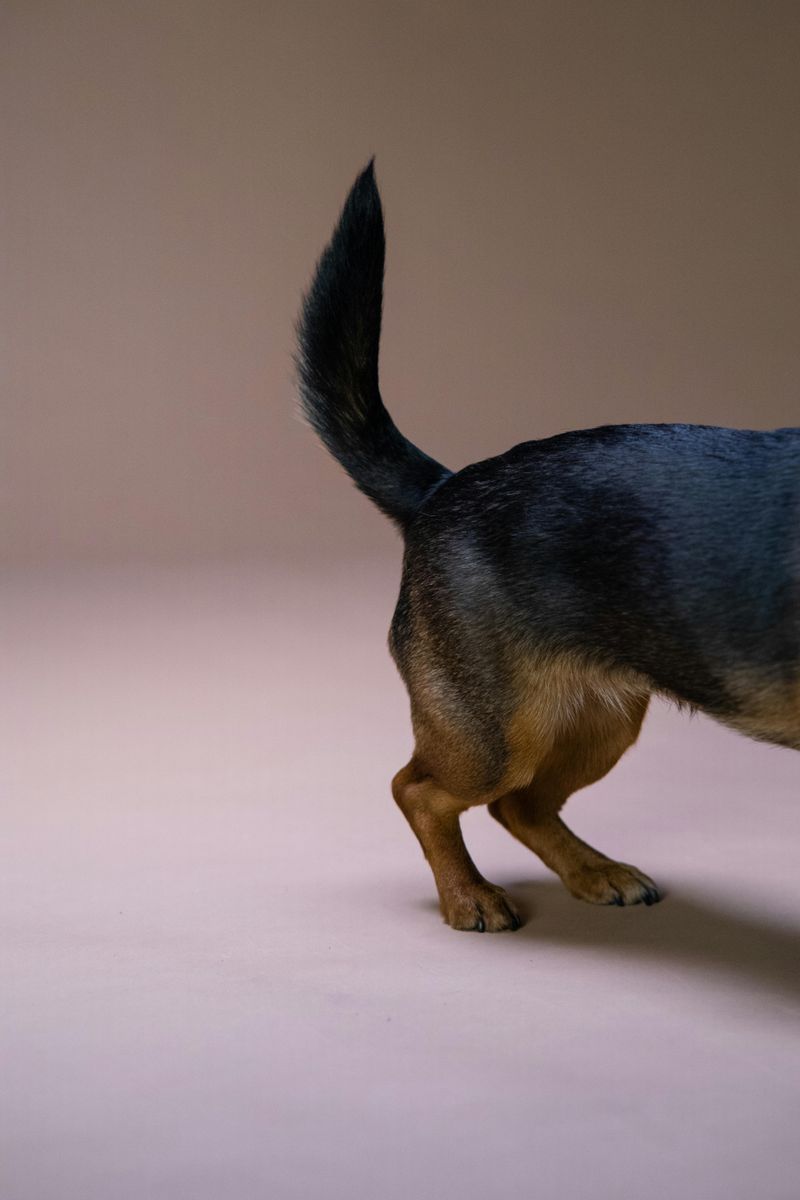
Not all tail wags mean happy. A very slow wag paired with a stiff frame often signals conflict or uncertainty.
The body reads like a board while the tail ticks metronome-slow at mid or low height.
Check the whole dog: soft curves and bouncy movement suggest joy, while straight lines and tight muscles hint stress. Create distance, let the dog sniff, and avoid reaching over the head.
Lateral approaches help enormously.
Teach hand targets and treat tosses to empower choice. If the wag speeds up and the spine loosens, engagement is safer.
If stiffness remains, advocate for space. Your job is to notice the difference before trouble starts.
Blinking slowly and frequently while tense
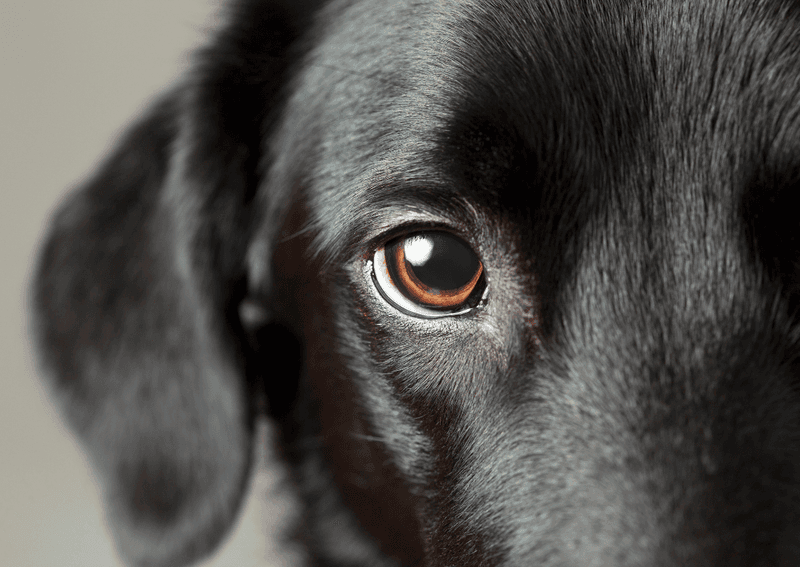
Frequent slow blinks can look sweet, but in a tense dog they are a coping mechanism. The eyelids soften momentarily while the rest of the face stays tight.
It is like tapping the brakes on stress without leaving the scene.
Pair blinks with other clues: lip corners pinned, forehead creases, or stillness through the neck. Offer a break and a sniffy reset.
A short decompression walk can turn cautious blinking into relaxed squints.
Practice pattern games that build predictability. Keep sessions brief, then reassess the whole picture.
Comfort shows up as overall softness, not just eyelids doing overtime. When the body melts and the tail swings, you can proceed.
Ears pinned back with still posture
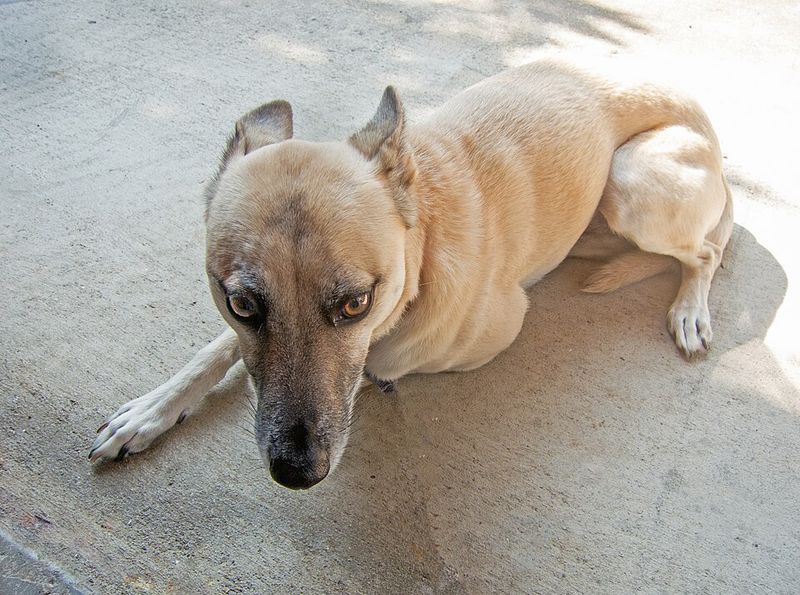
Ears slicked hard against the head signal worry or conflict, especially with a still frame. People often read it as humble or obedient, but the dog might be bracing.
With pinned ears, the mouth usually tightens and weight shifts back.
Help by softening your body language: turn sideways, lower your height, and speak gently. Give the dog time to choose contact.
If the posture loosens, you are on the right track.
Rehearse predictability with simple cues followed by breaks. Reinforce check-ins and voluntary approaches.
Safety grows when the dog learns that retreat is allowed and pressure ends. Confident dogs carry ears that move, not lock in place.
Closed mouth, tight corners of lips
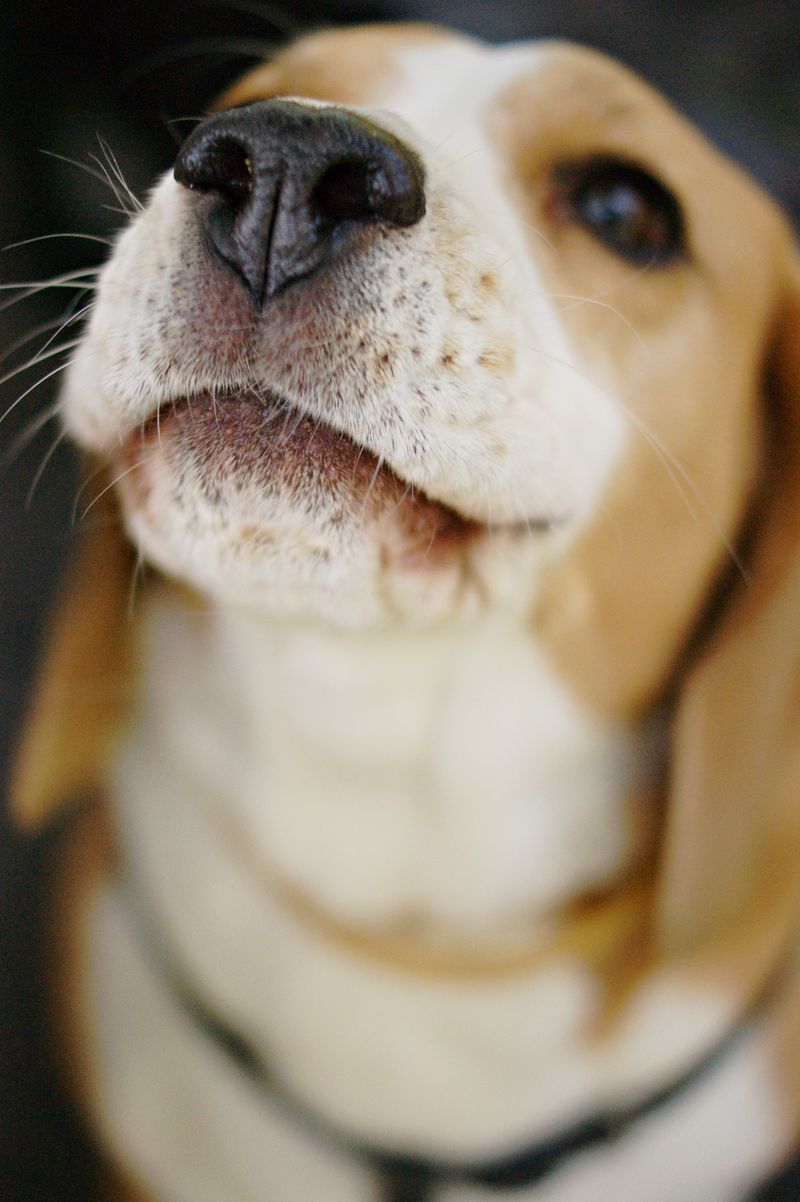
A closed mouth is not always calm. When the lip corners pull tight and the muzzle hardens, the dog is likely processing stress.
Breathing turns shallow, and the tongue disappears for long stretches.
Look at the whole picture: does the body sway or lock up? Invite a reset with a sniff-and-seek game or calm scatter feeding.
Keep interactions short and let the dog opt in again.
Track recovery speed. If the lips soften and the breath deepens quickly, great.
If tension sticks, increase distance or end the session. Small choices stack up to big trust.
Relaxed dogs let their faces move and their tongues peek out.
Avoiding eye contact while being petted
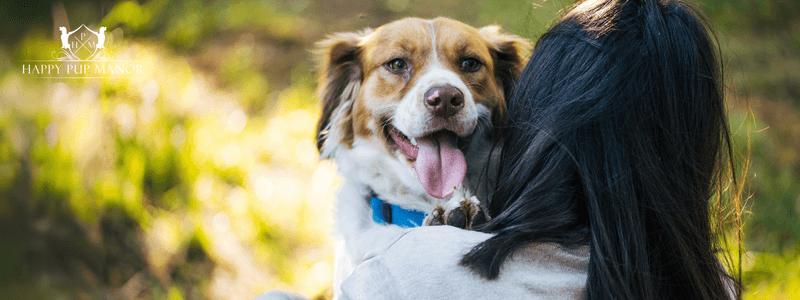
Averting gaze during petting is often politeness under pressure, not comfort. The dog may be saying, “I will not challenge you, please ease up.” Watch for paired signs like stillness, shallow breaths, and a tail that barely moves.
Try pausing your hand and waiting. If the dog leans back in or offers a nose nudge, resume briefly.
If the body stays tight or the dog shifts away, thank them and stop.
Teach a “tap to pet” cue and celebrate re-approach. Build routines where opting out is rewarded.
When you see soft eyes, curvy posture, and shared engagement, that is true yes. Anything else deserves space.
Sudden “statue mode” around strangers
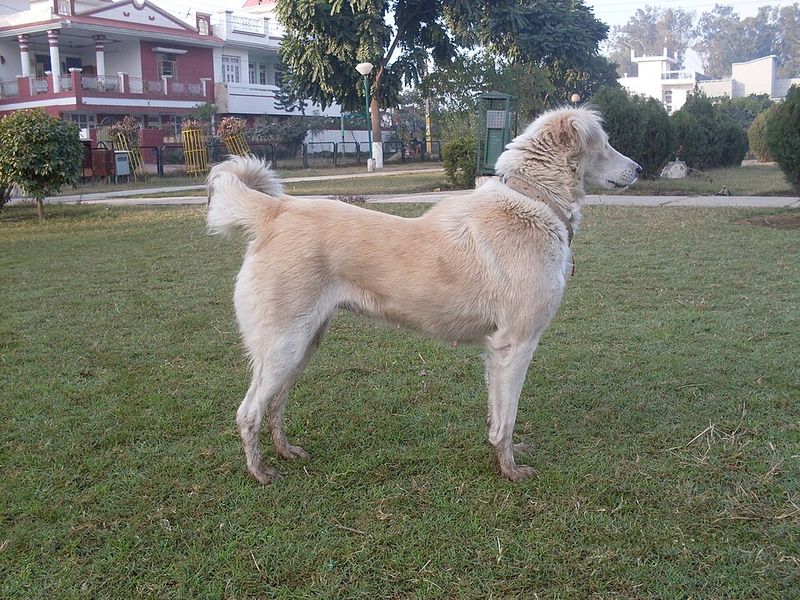
When a dog flips into statue mode near strangers, the nervous system is screaming hold. The freeze buys time to assess threat.
People often praise the stillness as polite, missing the tight jaw, hard eyes, and locked shoulders.
Advocate immediately: increase distance in an arc, reward looking away, and skip forced greetings. Allow sniffing and lateral movement to reintroduce safety.
Quiet does not mean fine.
Practice controlled setups far from triggers, pairing presence with predictability. Build up approach only when the dog stays loose.
Confidence grows through choice, not pressure. Your dog is not being rude.
They are asking for help regulating.
Refusing to engage in play in new places
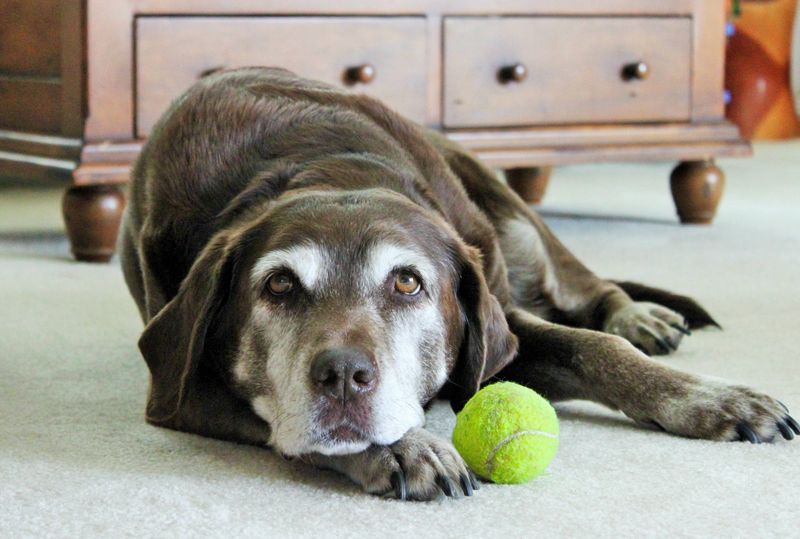
Skipping play in a brand new spot is not stubbornness. It usually means the exploration system is overloaded by novelty.
The dog is scanning, sniffing, and mapping exits rather than feeling goofy and free.
Respect that priority. Start with decompression: slow sniff walks, treat scatters, and quiet observation.
When the body loosens, invite light play with easy wins like short chases or hand targets.
Use familiar toys and predictable games. Keep sessions brief and end on success.
Over time, the dog will generalize fun to new contexts. Play thrives where safety lives.
Let curiosity lead before asking for party mode.
Shaking off right after interaction ends
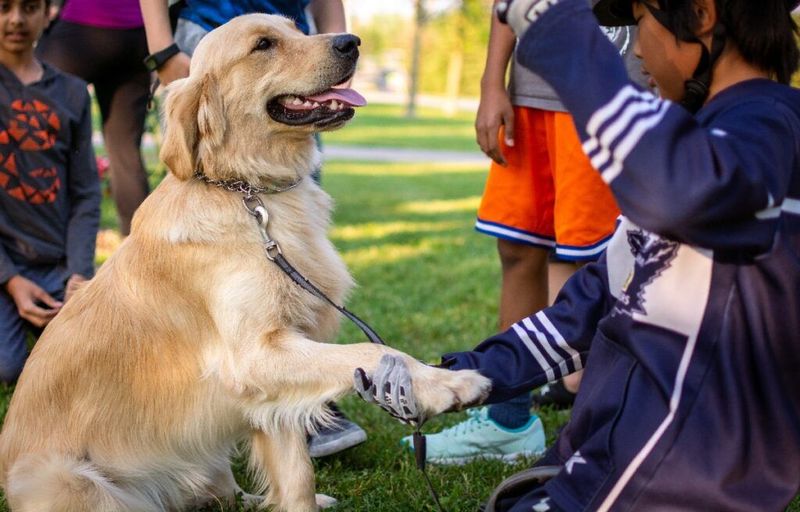
A shake-off looks like a post-bath wiggle, but after social contact it often releases tension. The dog is resetting the nervous system, not making a mess.
You will see it after hugs, vet handling, or intense greetings.
Use shake-offs as data. If they happen frequently, the interactions might be too much.
Shorten sessions, add predictability, and give breaks before the dog needs them.
Celebrate the shake with space and sniffing. Then invite re-engagement and see what the body says.
If posture softens and the dog chooses contact, great. If not, honor the no. Resets are wise, not rude.