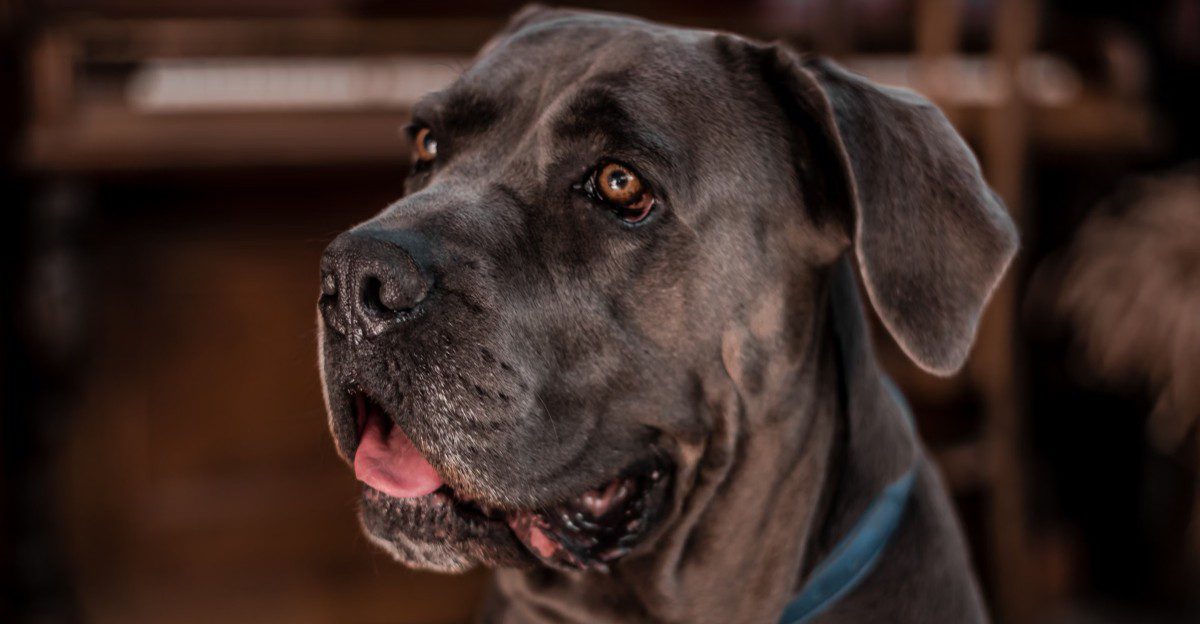
A dog can be relaxed at home and still notice when something seems unusual. For many people, that balance makes a dog feel like a reassuring companion.
Breed traits can offer clues, but training, exercise, and each dog’s personality matter just as much. Here are breeds known for combining quiet moments with watchful habits.
Rottweiler: A Quiet Observer
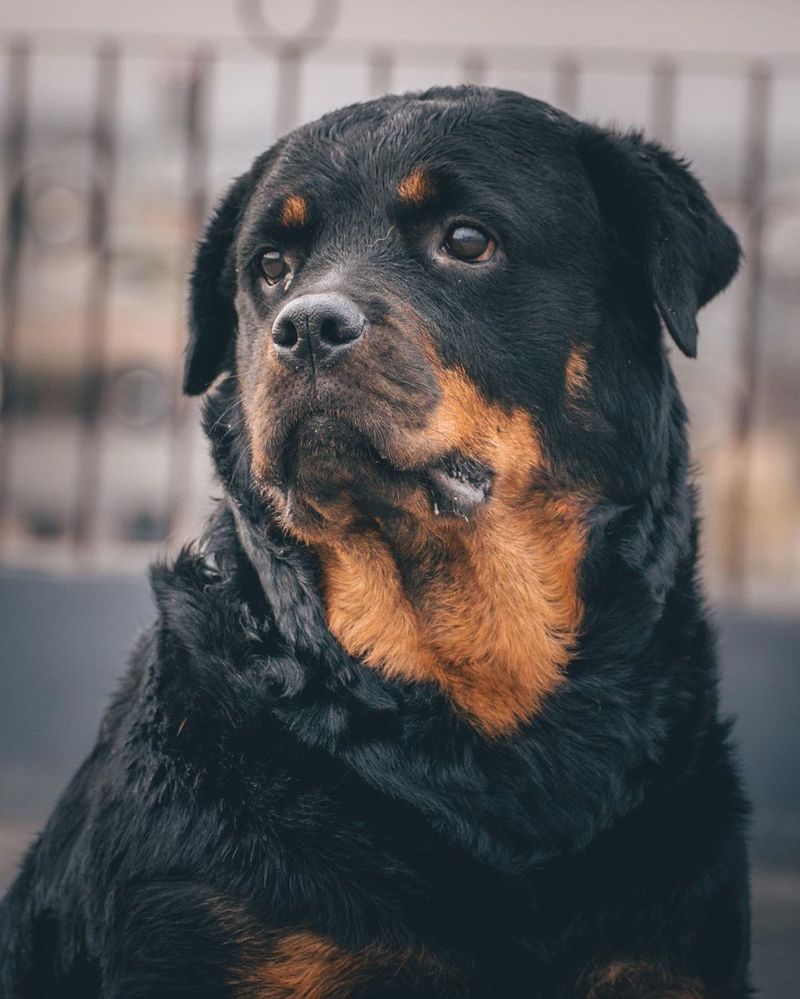
A Rottweiler may spend a quiet evening sprawled near the sofa, then lift its head when a strange sound breaks the routine. Many are deeply devoted to their families and naturally aware of their surroundings.
Give this strong dog daily walks, clear rules, and reward based training from an early age. Introduce new people and places calmly.
A well cared for Rottweiler should learn when to settle, not treat every visitor as a threat.
Doberman Pinscher: Sleek and Attentive
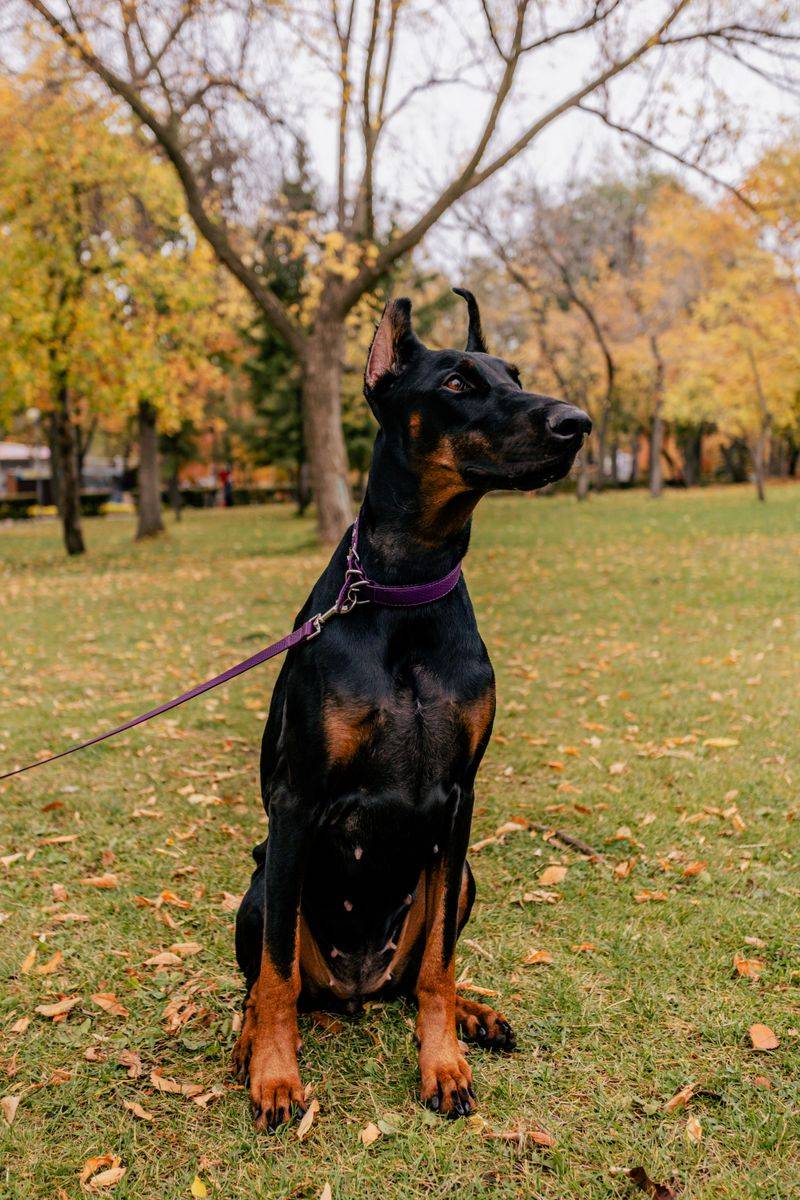
Few dogs look as ready for action as a Doberman, even while dozing on a rug. Its close bond with people often makes it quick to notice a change in the household.
That alert mind needs an outlet. Practice short training games, offer brisk exercise, and reward calm behavior around ordinary noises.
Dobermans usually prefer being near their people rather than left alone for long hours. Good social experiences help them judge unfamiliar situations without overreacting.
German Shepherd: A Watchful Housemate
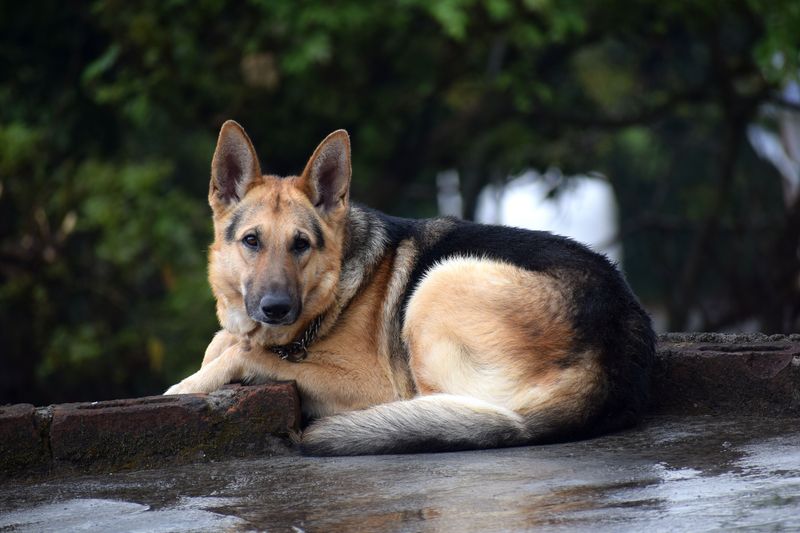
A German Shepherd might nap through a movie yet notice the moment someone approaches the front gate. Bred for demanding work, this dog often enjoys having a job and staying close to its family.
Make room for walks, training, and activities that use its nose and brain. Teach a quiet cue so alerts do not become nonstop barking.
Early, positive introductions to people and places can build confidence, while a steady routine helps it relax indoors.
Boxer: The Playful Lookout

One minute a Boxer is making everyone laugh with a silly bounce; the next, it is listening closely to a noise outside. Many Boxers are affectionate at home and alert when something changes.
Their energy needs a daily plan, including active play and walks. Teach polite greetings, since an excited Boxer can knock someone over without meaning to.
Reward quiet resting as well as good listening, and provide a comfortable spot near family activity.
Standard Schnauzer: The Curious Sentinel
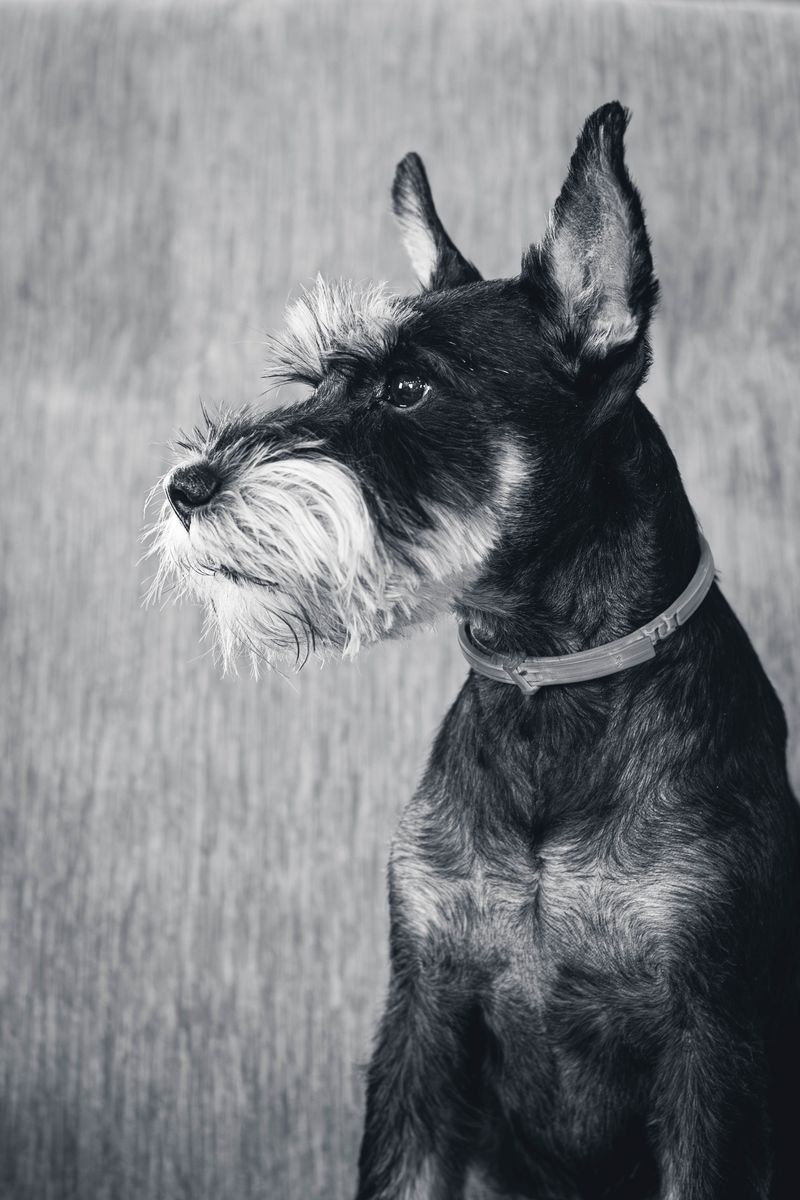
Those bold eyebrows can make a Standard Schnauzer look as though it is investigating every sound. Curious and lively, this midsize breed can enjoy quiet time while keeping track of activity nearby.
Without enough to do, however, its sharp attention may turn into extra barking. Try scent games, walks, and brief training sessions that reward checking in with you.
Teach visitors to offer space at first, and give the dog praise for settling after an alert.
Bullmastiff: The Steady Presence
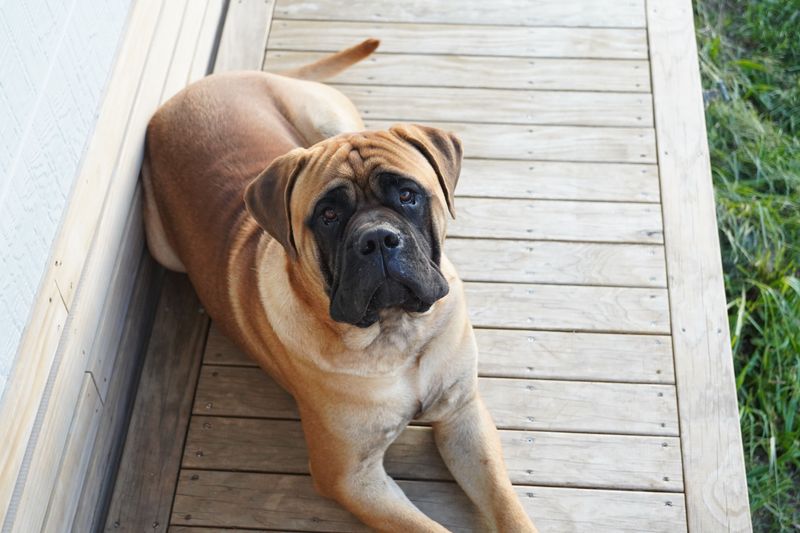
Picture a large dog sleeping soundly beside your bed, then calmly looking up when the doorbell rings. A Bullmastiff can have that steady presence, but its size calls for thoughtful handling.
Start manners early, especially leash walking and greeting guests without pushing forward. Keep exercise gentle and suited to the dog’s age and health, particularly in hot weather.
Although Bullmastiffs may seem laid back, positive social experiences help them stay comfortable with ordinary visitors and new situations.
Rhodesian Ridgeback: Calm With a Keen Eye
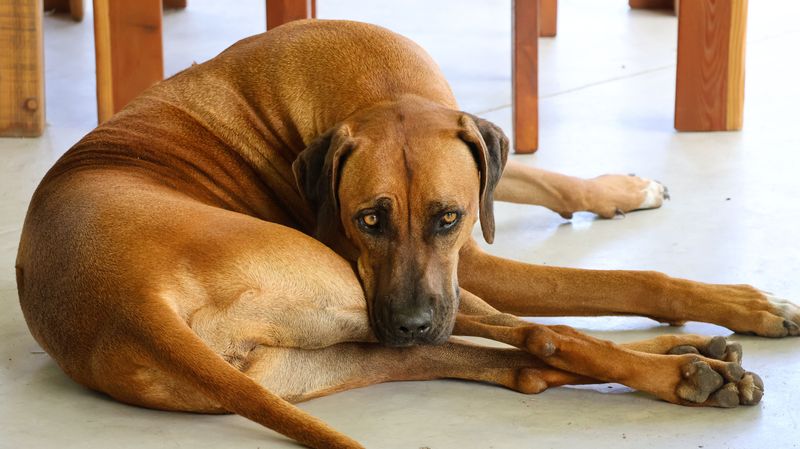
A Rhodesian Ridgeback can look wonderfully unbothered while stretched across a sunny floor. Still, movement in the yard may catch its eye right away.
This athletic breed was developed for demanding work and often has an independent streak.
Plan for regular exercise and a securely fenced space, since chasing wildlife can be tempting. Use patient, reward based training instead of expecting instant obedience.
When its needs are met, a Ridgeback may be a calm indoor companion.
Great Pyrenees: The Gentle Night Watcher
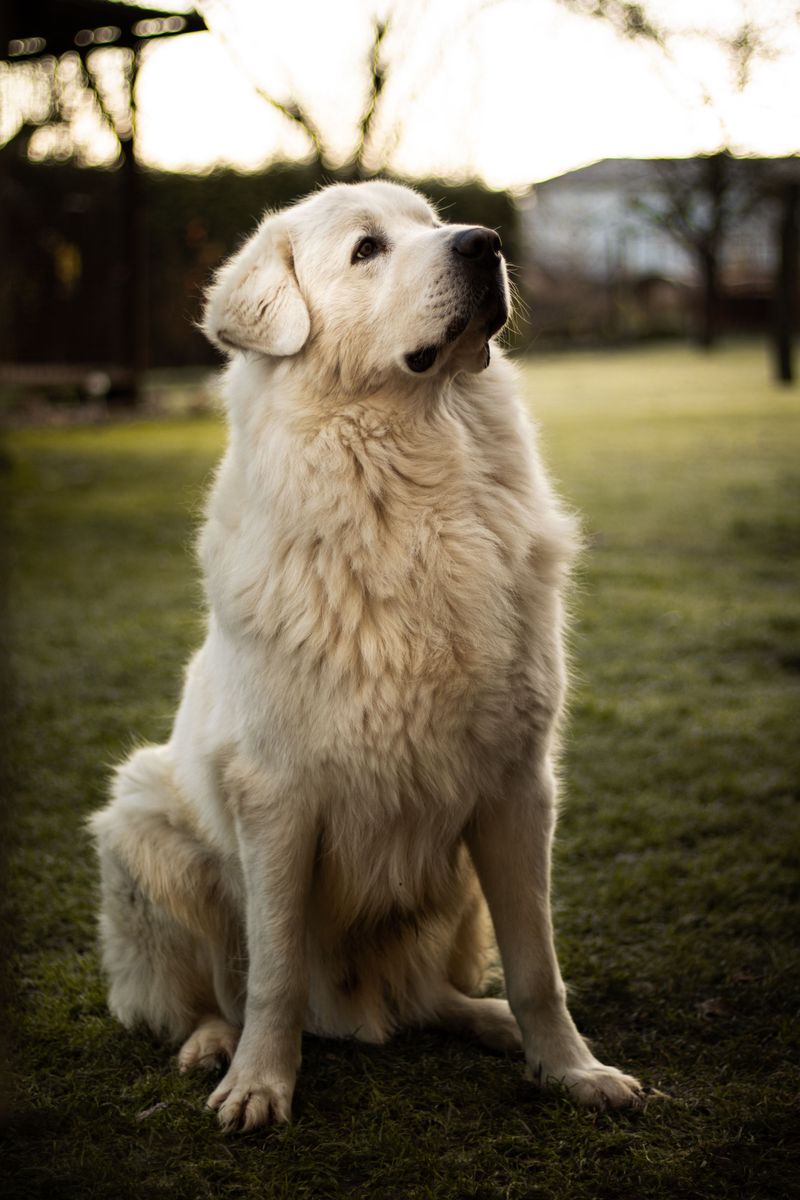
After a quiet day, a Great Pyrenees may still pay close attention to sounds after dark. Bred to watch over livestock, these fluffy dogs often make their own decisions about what deserves an alert.
Expect some barking, especially at night, and be honest about whether your home and neighbors can handle it. Secure fencing and patient training are essential.
Brush the thick coat often, and introduce everyday sights and sounds early so watchfulness stays manageable.
Akita: A Reserved Companion
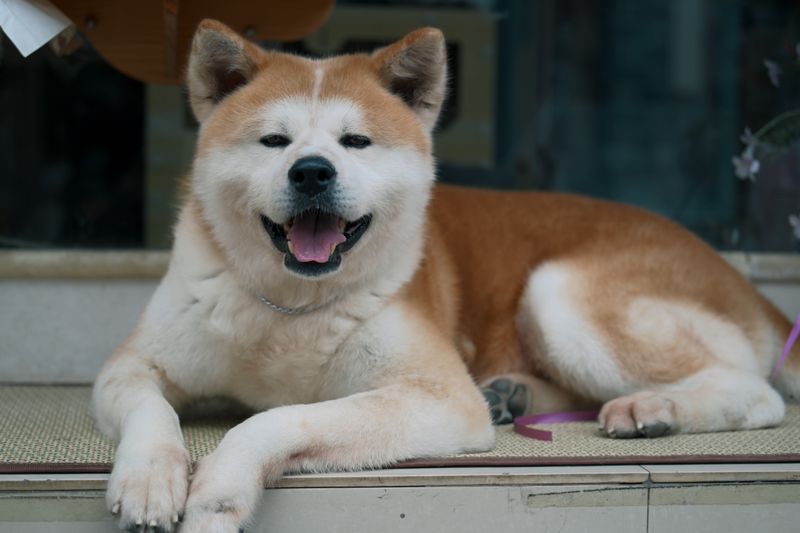
An Akita may seem perfectly content resting nearby without asking for constant attention. That quiet manner can come with a strong awareness of unfamiliar people and animals.
Because Akitas can be independent and selective with other dogs, careful management matters. Begin positive social experiences early, supervise interactions, and follow local leash rules.
Keep training clear and fair rather than forceful. An Akita suits someone prepared to respect its boundaries while guiding its behavior consistently at home.
Giant Schnauzer: Busy Mind, Quiet Breaks
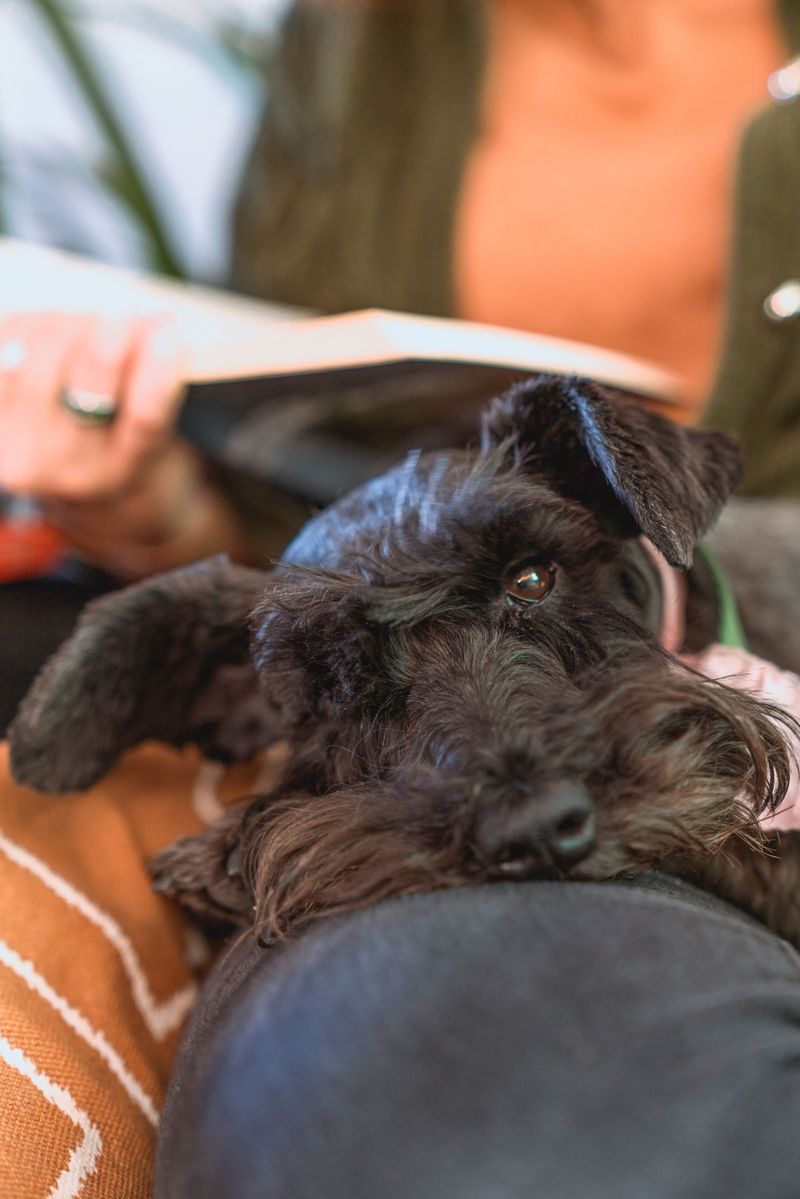
Rest time feels earned for a Giant Schnauzer after a day of work and play. This large, clever dog may settle beside you, yet quickly notice a new sound at the door.
Its energy and strong opinions are not a match for every household. Offer plenty of exercise, problem solving games, and ongoing training with clear rewards.
Practice relaxing on a mat, too. Grooming is part of the deal, since its wiry coat needs regular care.
Cane Corso: Composed but Aware
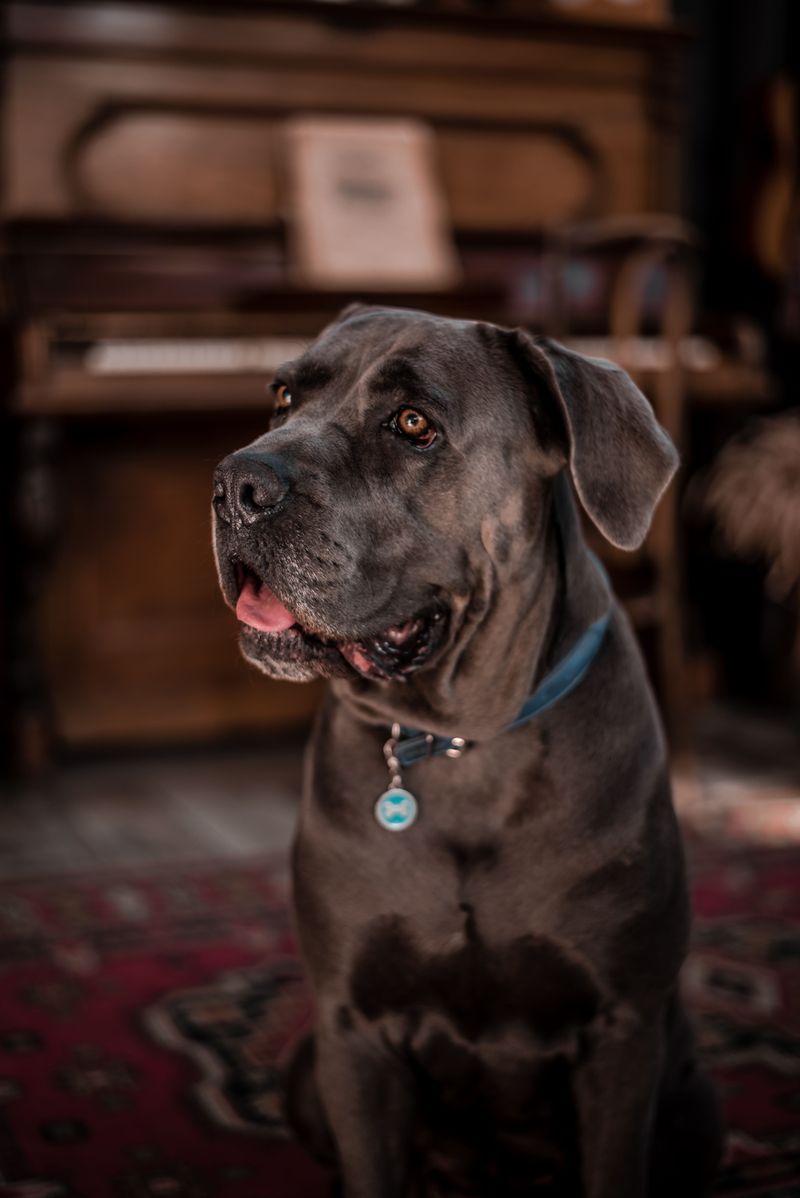
A Cane Corso can be impressively still indoors, watching family life from a favorite spot. When something unusual happens, this powerful breed may respond quickly, so good judgment must be taught early.
Choose responsible breeding, start positive social experiences young, and work with a skilled trainer if needed. Practice leash manners and calm greetings before the dog reaches full size.
Daily exercise and mental challenges help, but never rely on a dog as your only security plan.