
Dogs can seem calm and easy during normal daily routines. Yet a sudden noise or surprise visitor can show a very different side.
Knowing both sides helps keep everyone safe and happy. Here are ways to guide strong, smart breeds through quiet times and surprise moments.
German Shepherd
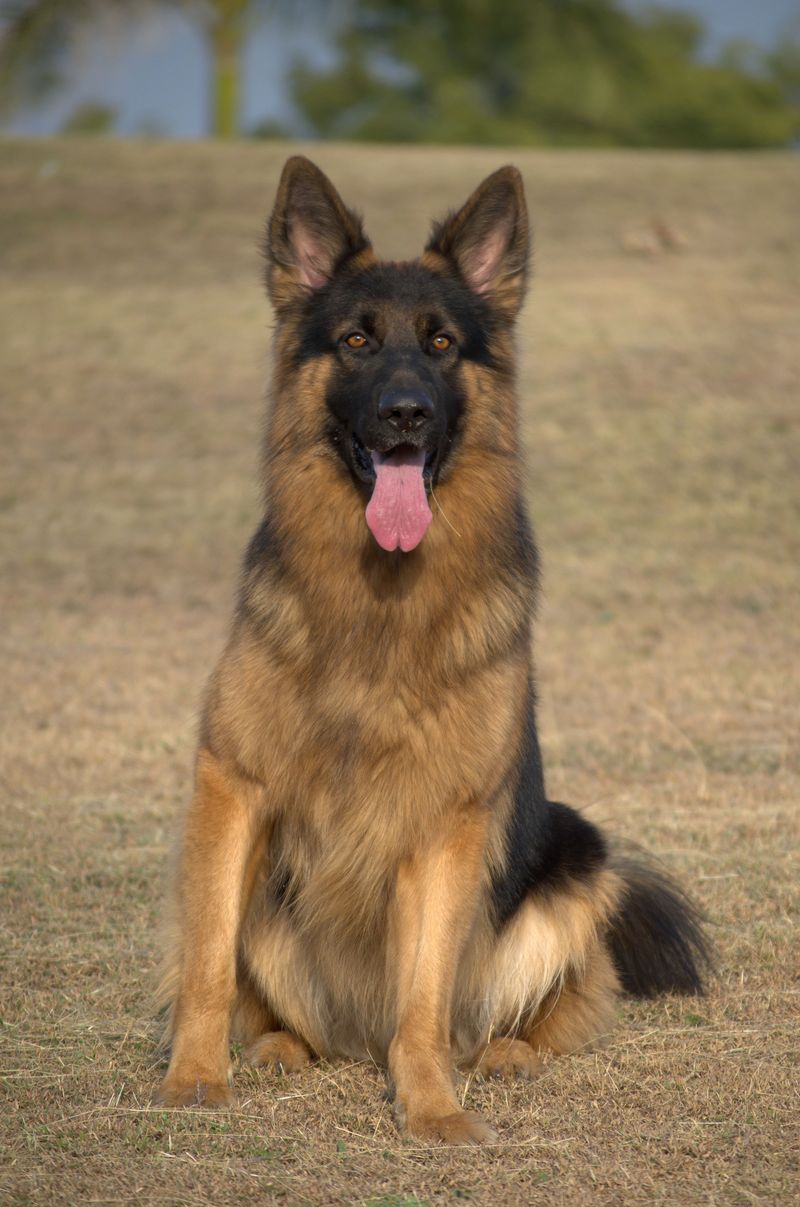
Early mornings show a tidy German Shepherd padding beside you, matching your steps like a metronome. Calm chores, simple walks, and predictable schedules keep the mind focused and the ears relaxed.
Surprise a door slam or a sudden cry, and that same dog flips to guardian mode, reading the room fast. Train impulse control, practice neutral greetings, and reward re-centering, so protective instincts stay helpful instead of hectic.
Rottweiler
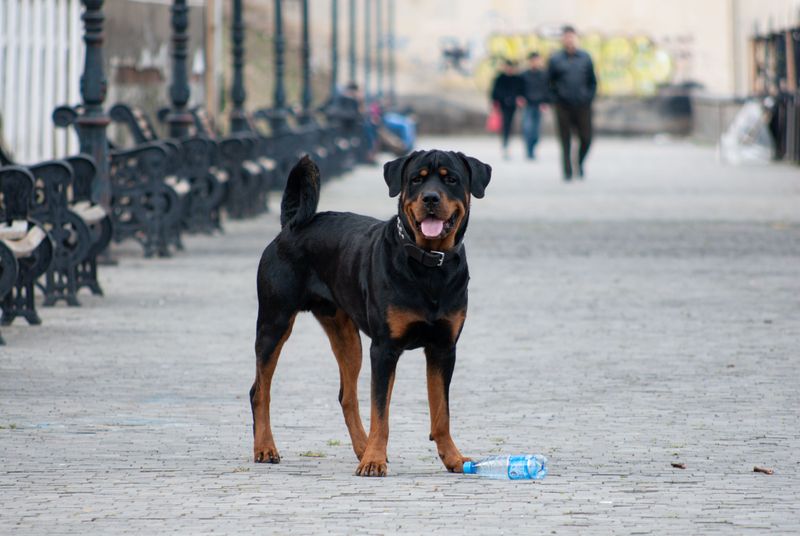
Quiet afternoons reveal a Rottweiler lounging like a sun-soaked boulder, breathing slow and steady. Predictable feeding, steady exercise, and calm check-ins turn big strength into mellow confidence.
Drop a metal pan or meet a stranger at the gate, and instincts can light like a spark. Practice settle on a mat, teach hand-targets, and pair new faces with treats, so curiosity leads, and suspicion cools quickly.
Doberman Pinscher
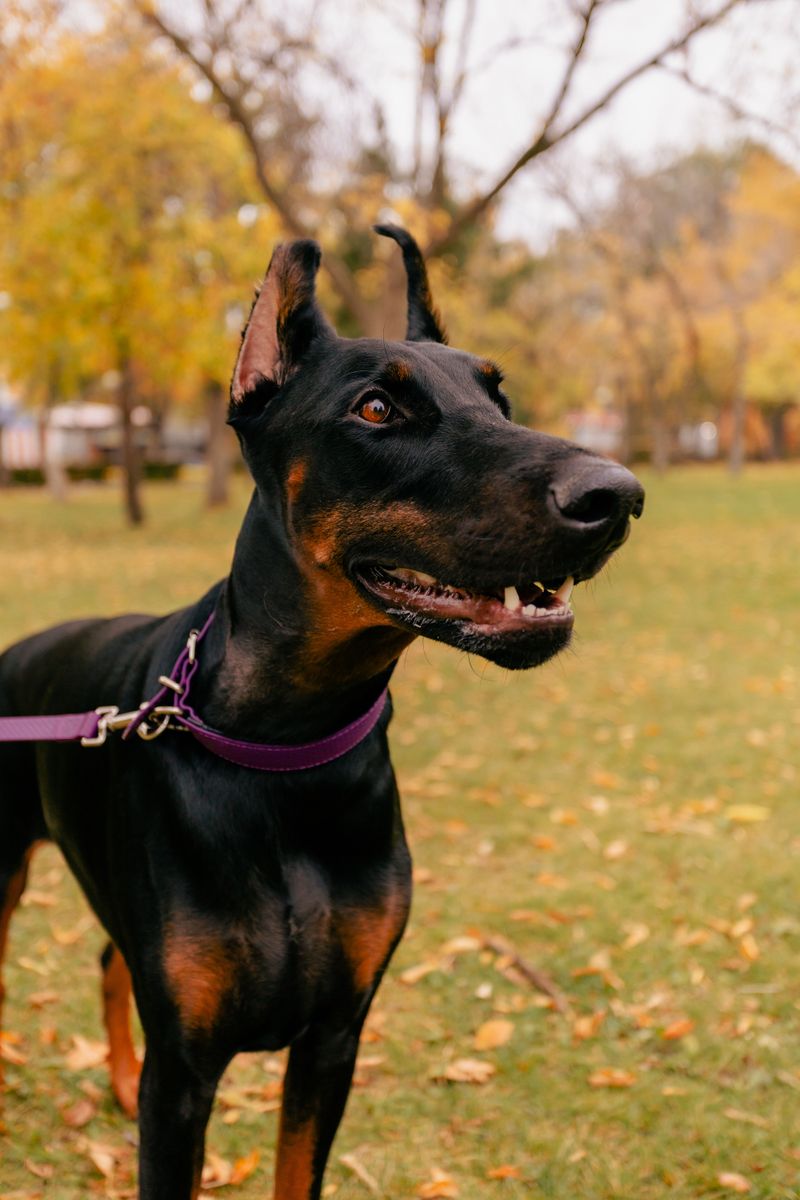
On a planned route, a Doberman Pinscher floats at heel, eyes checking in like clockwork. Structure gives this athlete peace, turning sharp senses into quiet awareness.
Yet a surprise shout or fast-moving bike can fire up the turbo. Build recovery: pattern games, look-at-that with rewards, and a practiced U-turn keep choices thoughtful, so power stays under guidance and confidence grows through every curveball ahead today.
Boxer
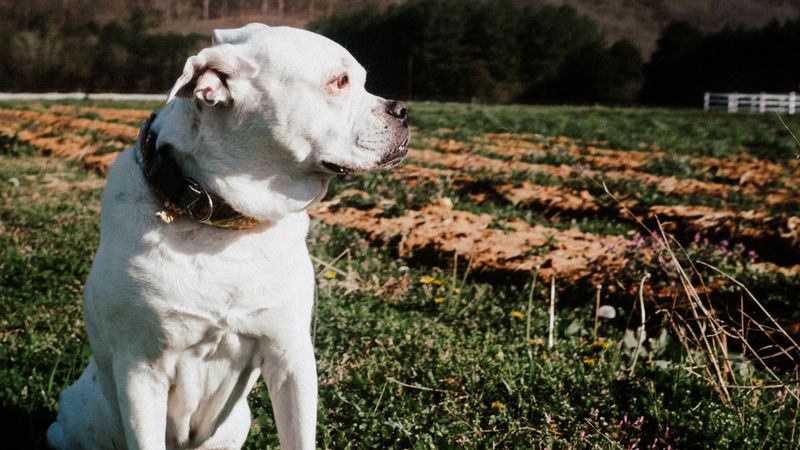
Goofy grins and wiggle-butts tell the Boxer story during calm routines. Regular fetch, nap windows, and short training bursts keep energy balanced and moods bright.
Predictability lets silliness feel safe.
But throw in an unexpected skateboard, and excitement can rocket into barking. Channel it with scatter-feeding, sniff breaks, and an easy cue like sit to earn hello, so playful spirit stays friendly, and big feelings land softly.
Standard Schnauzer
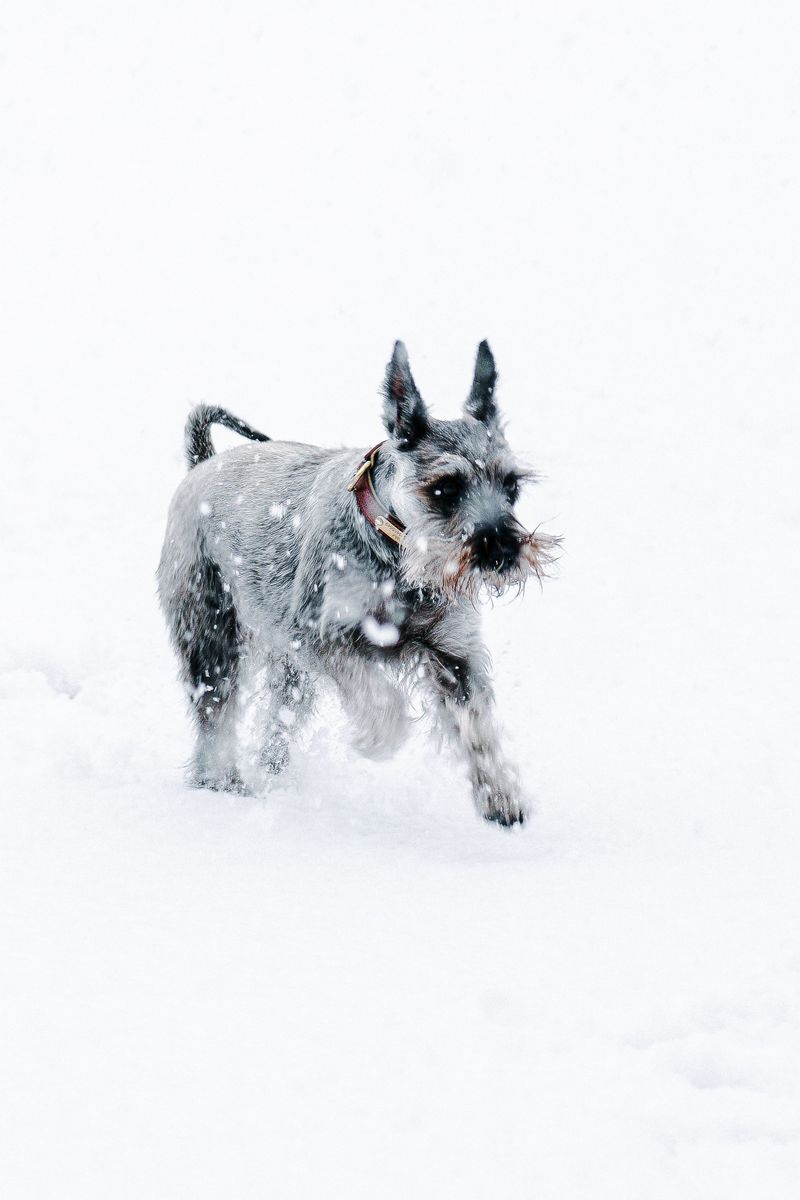
Neighbors say the Standard Schnauzer looks like a wise uncle with eyebrows. Routine grooming, puzzle toys, and brisk walks turn that clever brain toward calm jobs.
However, a sudden delivery or clattering scooter can switch on watchdog commentary. Train a quiet cue, reward check-ins at windows, and give a sniffy yard tour after alerts, so curiosity gets satisfied, and the voice returns to inside volume.
Akita
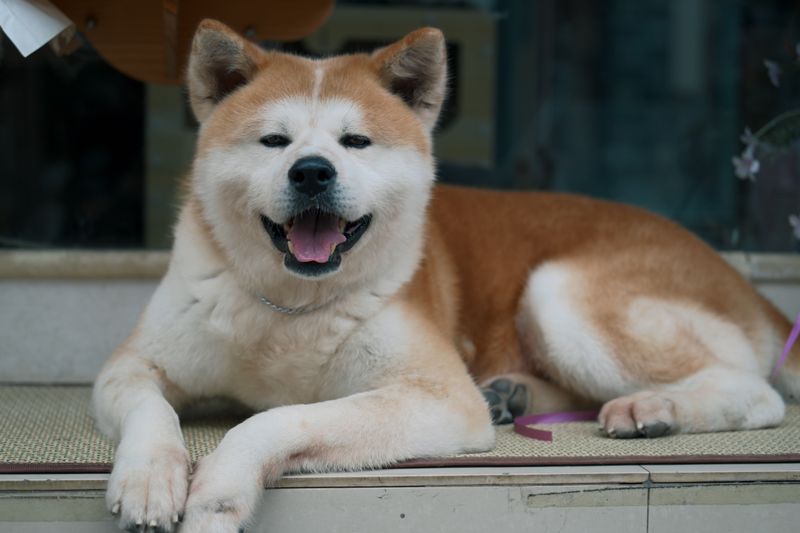
Like a mountain at rest, the Akita thrives on calm, consistent habits. Measured walks, thoughtful greetings, and clear rules build trust without fuss.
Quiet spaces let loyalty breathe.
A fast hug from a stranger or a loose dog rushing up can feel too much. Rehearse side-by-side passes, use distance as a reward, and practice a smooth turn-away cue, keeping dignity intact while choices stay safe.
Bullmastiff
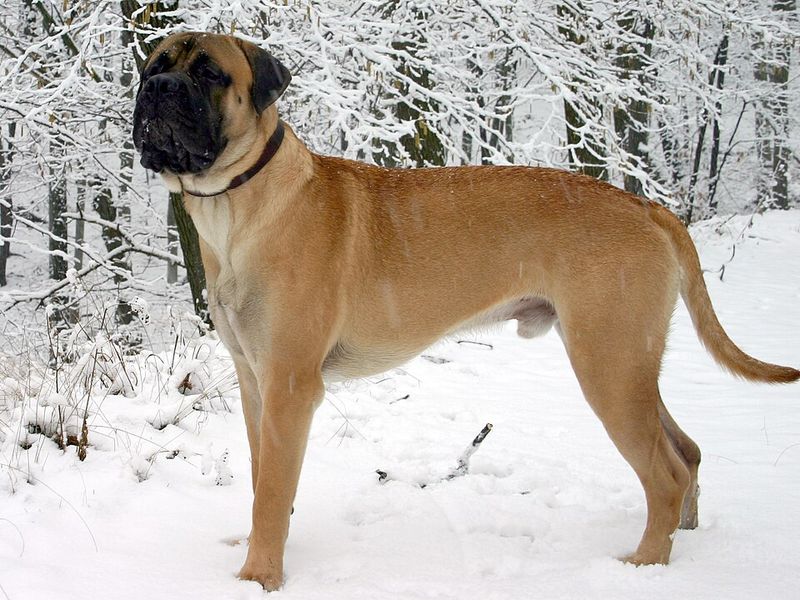
Picture a Bullmastiff snoring like a gentle tractor after an orderly day. Short training, steady leash manners, and calm household rhythms shape easy confidence.
Routine really fits big bodies.
Then an unexpected knock may wake a serious sentinel. Teach a go-to-place at the first sound, reward a quiet wait, and invite guests only after a sit, so protection feels coordinated with you, not powered by adrenaline.
Rhodesian Ridgeback
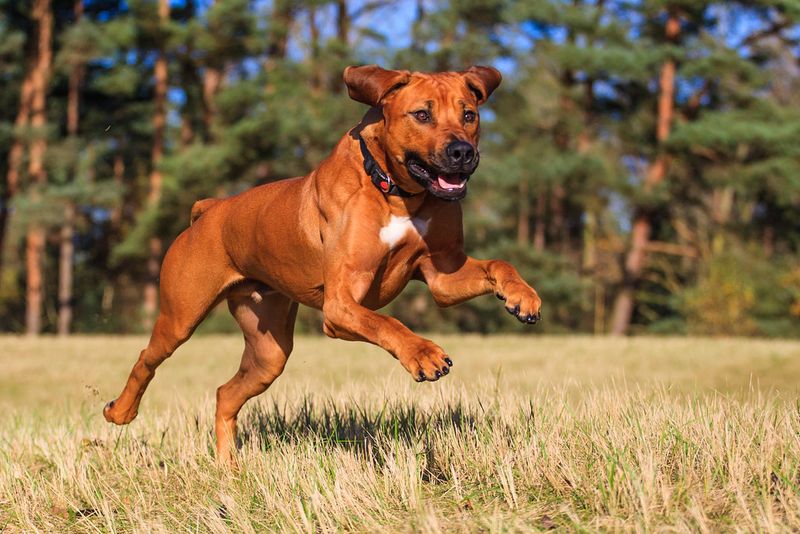
Sunlit runs and planned hikes make a Rhodesian Ridgeback a calm adventurer at home. Clear exercise goals and chill evenings keep the engine smooth.
Predictability settles that brave heart.
But a sprinting squirrel can trip the chase switch. Practice long-line recalls, reinforce a whistle with high-value rewards, and play find-it games before walks, so hunting instincts get healthy outlets and sudden temptations lose their grip.
Great Pyrenees
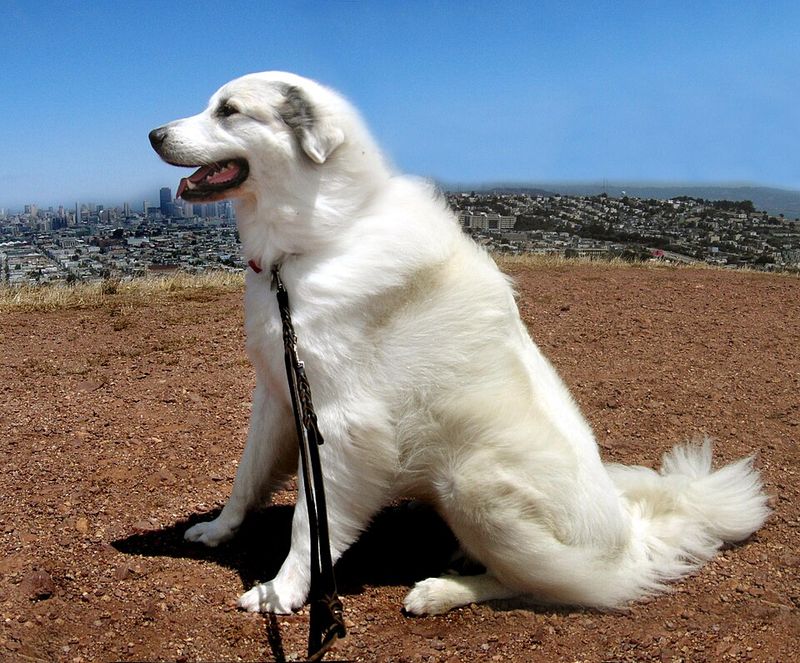
In quiet yards, a Great Pyrenees moves like drifting snow, patient and calm. Steady routines, gentle brushing, and night check-ins honor natural guardian habits.
Slow evenings keep thinking soft.
Still, a distant bark or coyote yip can spark a patrol. Train a come-inside cue, reward settling on a porch bed, and use white noise at bedtime, so watchfulness stays responsible and neighbors sleep through the night.
Cane Corso
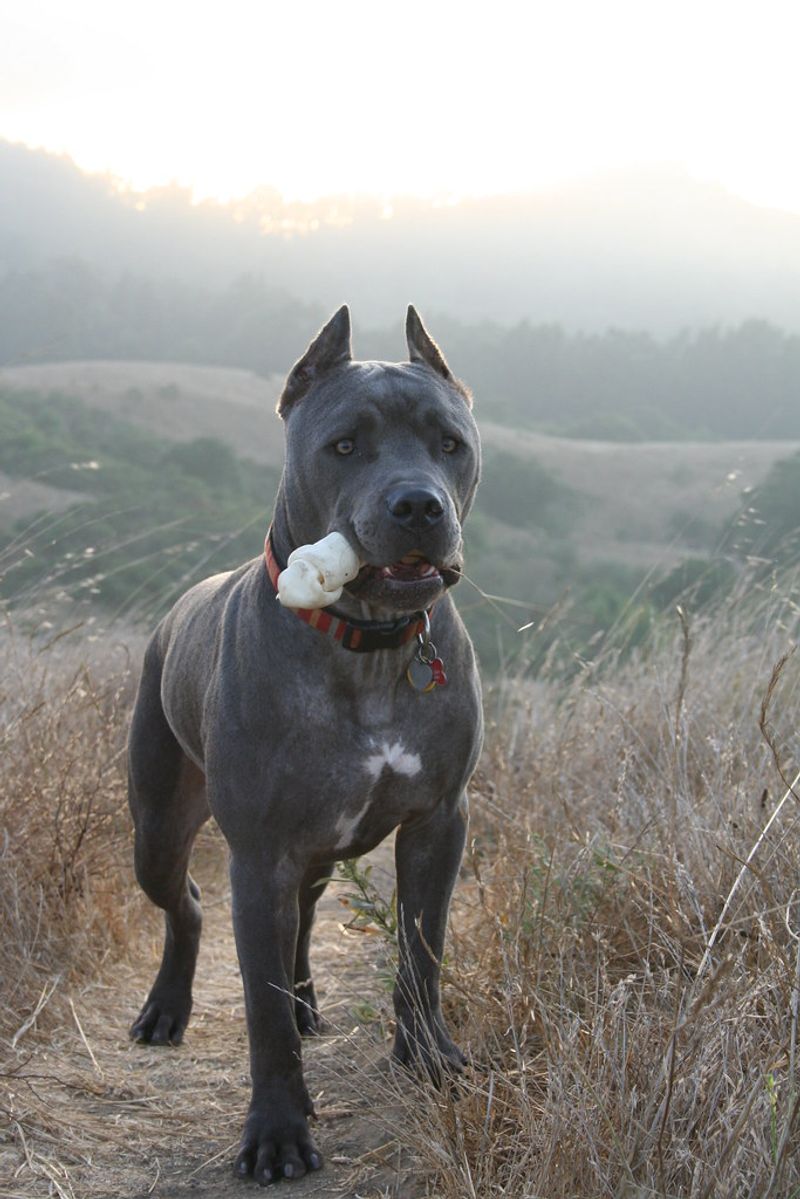
Confidence shines in a Cane Corso that knows the daily plan. Clear leadership, structured play, and calm door routines create steady nerves.
Predictable choices grow calm courage.
Introduce a chaotic park or rowdy stranger, and judgment must stay cool. Build focus with heelwork games, teach a watch-me cue, and practice consent-based greetings, so the big frame communicates politely while the brain stays anchored to you.
Giant Schnauzer
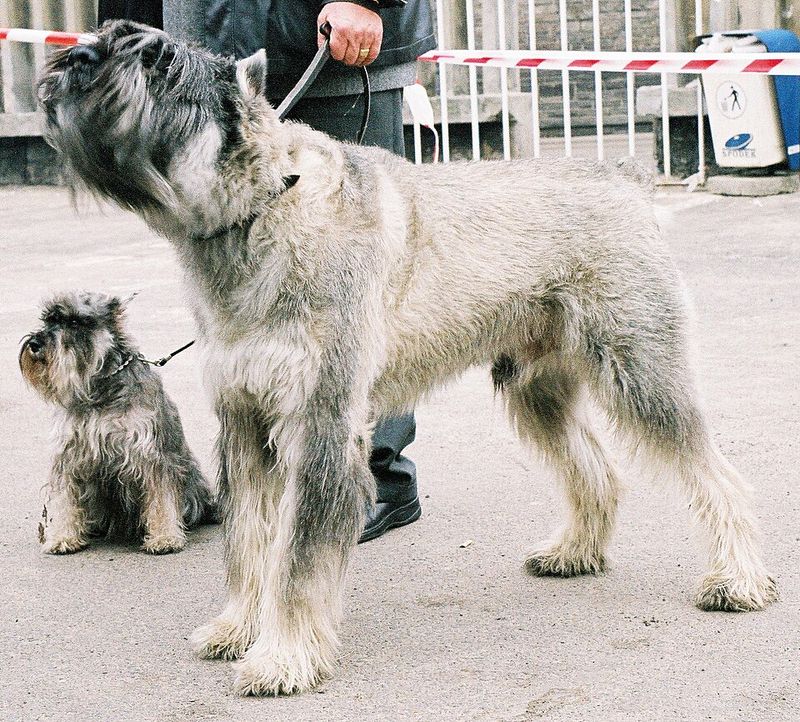
Give a Giant Schnauzer a job chart, and watch calm confidence bloom. Planned workouts, thinking games, and daily tidy routines steer that turbo brain toward useful tasks.
Toss in unpredictable crowds or flashing bikes, and intensity can spike fast. Rotate decompression sniff walks, teach a middle position between your legs, and use pattern feeding after stress, so the mind resets and power returns to partnership.