
Calm dogs do not magically happen. They are built day by day with simple, repeatable habits that teach the body and brain how to relax.
If your pup seems wired or reactive, small shifts can change everything. Use these proven routines to help your dog exhale and finally settle.
Following a consistent daily routine
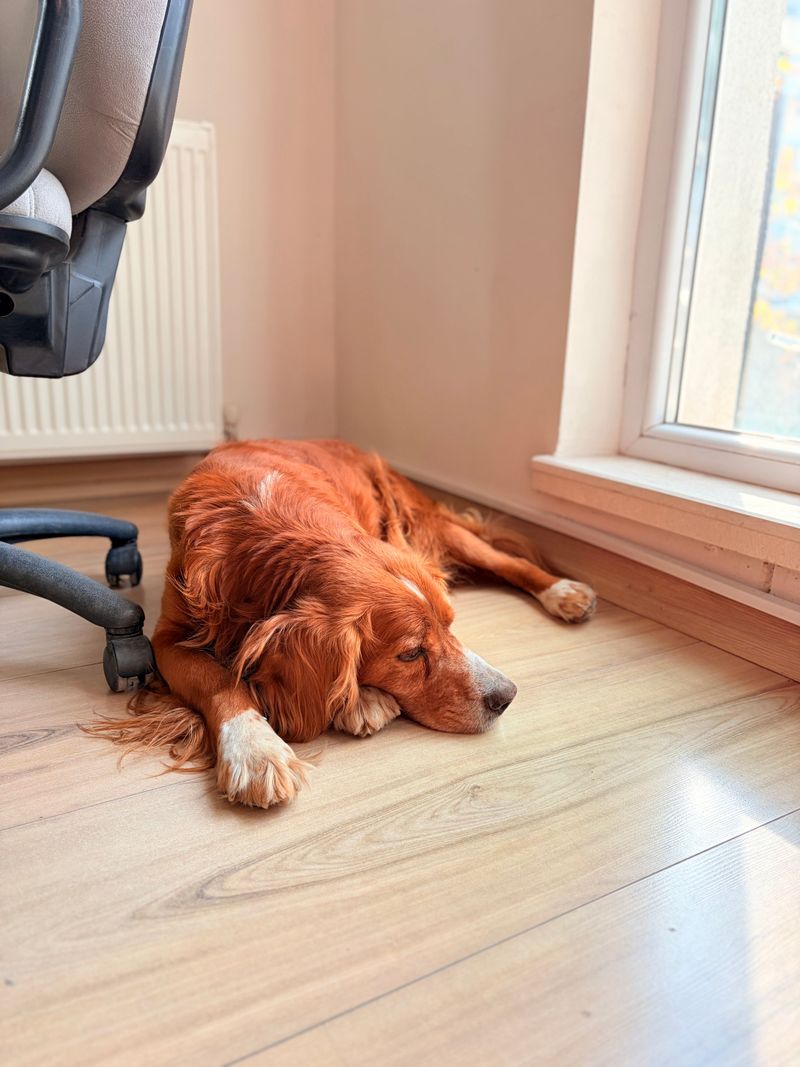
Dogs relax when life feels predictable. A steady morning, mealtime, walk, and wind-down pattern teaches their nervous system what comes next.
You reduce uncertainty, and their baseline arousal naturally drops.
Start small: choose anchor points you can keep most days, like potty breaks, feeding windows, and a brief training slot. Use alarms and a simple calendar to keep everyone aligned.
When the schedule slips, keep the order similar so your dog still feels secure.
Track patterns in a notebook for two weeks and watch how quickly rest improves. If mornings are hectic, move high-energy activities to later, and keep early hours calm.
Consistent cues like a mat, a phrase, and a closing routine will make relaxation easier every day.
Providing regular mental enrichment
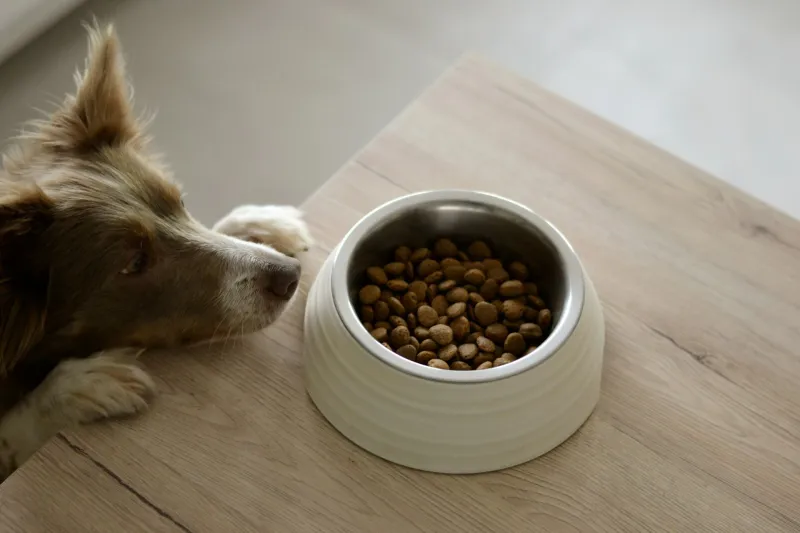
Calm dogs have busy brains that get healthy outlets. Daily puzzles, snuffle mats, scatter feeding, and short shaping sessions bleed off mental steam without overtaxing the body.
Ten thoughtful minutes can beat an hour of frantic fetch.
Rotate activities so novelty stays high but pressure stays low. Try cardboard box searches, frozen lick mats, easy nosework hides, or teaching a fun trick that ends on success.
Keep reps brief, reward generously, and stop while your dog still wants more.
On busy days, pair enrichment with meals to keep the habit alive. Prep a weekly bin so choices are effortless when energy is gone.
You will notice calmer post-dinner naps, smoother evenings, and fewer attention grabs because their mind feels satisfied.
Rewarding calm behavior instead of excitement
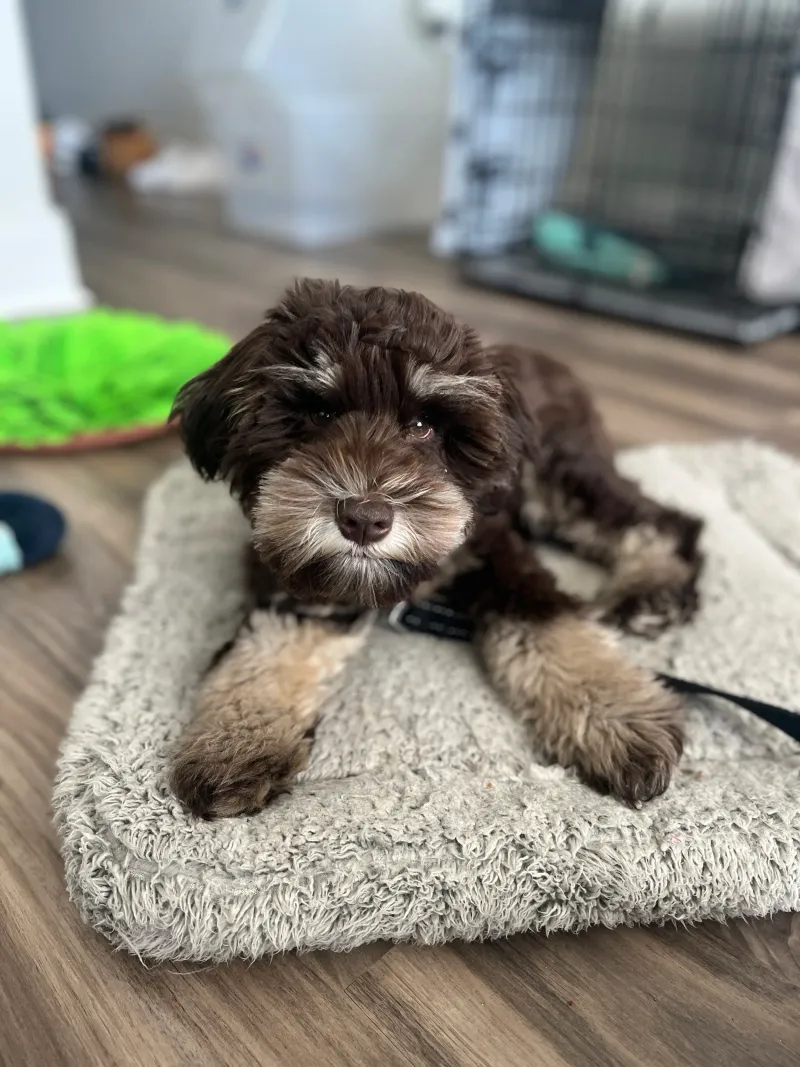
Energy you reward is energy you grow. Spot the quiet sit, the soft eyes, the loose body, and pay them with praise, food, or access to life.
Skip feeding the jumpy whirls and you will see fewer of them.
Keep treats stashed in tiny jars around the house so timing stays sharp. When your dog lies down on their own, calmly mark it, walk over, and deliver.
If things escalate, pause the party and wait for a breath before reengaging.
Over a week, micro-rewards add up to dog offering chill by default. You are sculpting behavior with small choices, not lectures.
Celebrate stillness during doorbell drills, TV time, and meal prep, and that vibe will start to feel like home.
Teaching a reliable “settle” cue

A taught settle gives your dog a roadmap to relax on cue. Pick a mat, pair it with rewards, and name the behavior when the body looks loose and still.
Practice in low-distraction rooms before trying cafes, patios, or busy living spaces.
Use a clear release word so your dog knows when to move again. Keep sessions short, end successful, and gradually lengthen duration with tiny increments.
If they break, gently guide back, reduce criteria, and reward the next calm breath.
Over time, the mat becomes a portable chill zone for waiting at appointments, dinners, or hotel rooms. You are not forcing stillness, you are teaching a reliable skill.
That language lowers stress for both of you in everyday life.
Giving adequate physical exercise
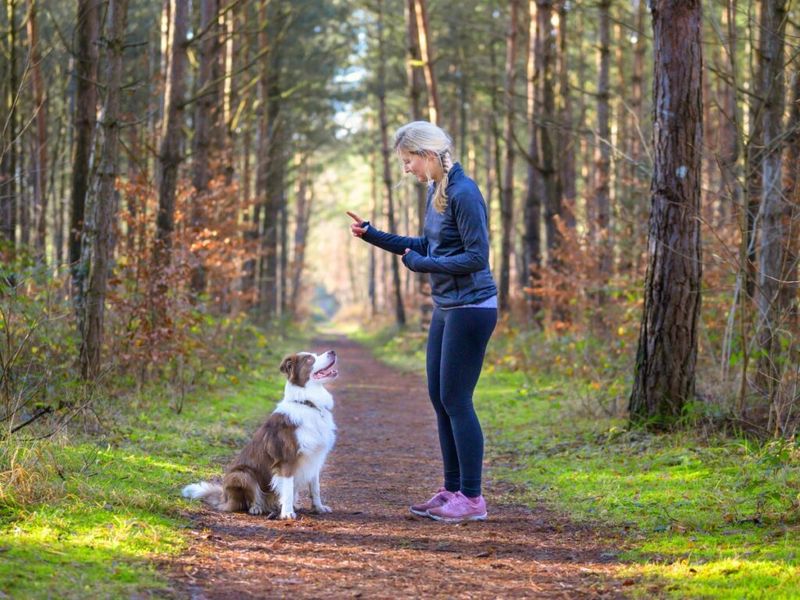
Calm does not mean under-exercised. Balanced movement trims edgy energy and supports brain chemistry that makes relaxation possible.
Think varied workouts: brisk walks, gentle jogs, hill climbs, fetch with rules, and free sniffing breaks built into the route.
Match duration to your dog, not your calendar. Young athletes may need intervals and decompression, while seniors thrive on shorter, kinder sessions.
Watch tongue shape, gait, and focus to decide when to pivot from cardio to cool-down.
After movement, offer water, a chew, and a quiet corner so the nervous system can settle. Pair exercise with training only if attention stays present.
The real win is a body that feels spent in a healthy way, not wired and frantic afterward most days.
Scheduling predictable rest periods

Rest is a trainable rhythm, not a lucky accident. Build daily quiet windows after meals, exercise, and training so adrenaline can taper.
When naps become part of the plan, reactivity drops and recovery speeds up.
Use environmental cues like dim lights, soft music, and a chew to signal downtime. Make it family policy that the dog is off-duty during these blocks.
If a visitor arrives, redirect to a crate or mat rather than restarting the excitement cycle.
Track rest like you track steps. Many dogs need more sleep than you expect, especially after big days.
Protecting these pockets makes the calm you love stick around, because the nervous system finally gets space to reset. Most households underestimate true downtime daily.
Using positive reinforcement consistently
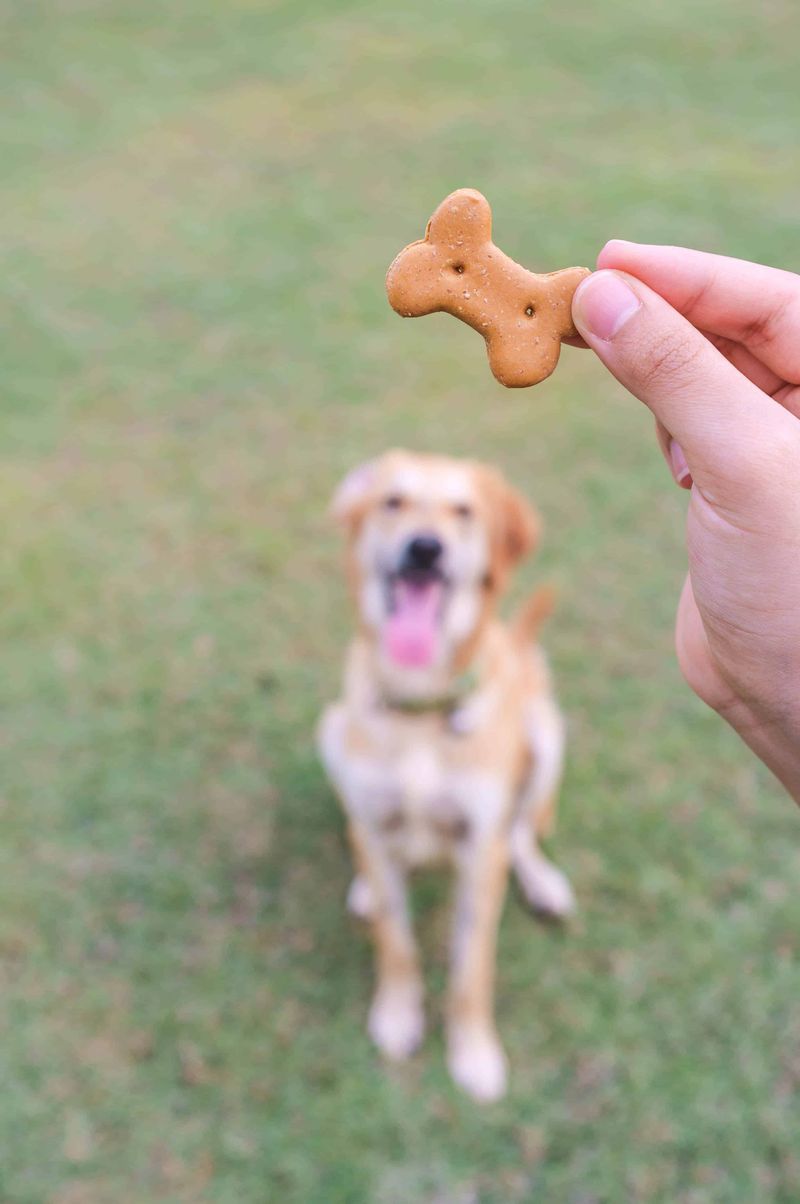
Consistency beats intensity. Reward the behaviors you want every time they appear, and your dog will repeat them more often.
Positive reinforcement is clear, kind information that builds trust and predictability.
Keep treats tiny and frequent so communication flows without sugar-bombing your pup. Pair food with life rewards like sniffing, greeting, access to the couch, or a tossed toy.
When mistakes happen, change the setup instead of scolding, and show the right answer.
Over days and weeks, you will see a calmer default because good choices reliably pay. This approach does not mean permissive.
It means you teach with clarity and encouragement so your dog feels safe enough to learn under pressure. Results stack faster when everyone participates every day.
Gradually exposing dogs to new situations

Confidence grows with graded exposure, not heroic leaps. Introduce novelty at a distance where your dog can still eat, think, and breathe.
Slowly close the gap as their body language stays loose and curious.
Bring backup: tasty treats, a long line, and an exit plan. If stress spikes, retreat early and finish with an easy win.
You are building a library of good first impressions that compound into calm confidence.
Vary environments slowly: quiet streets, mellow parks, dog-free stores, then busier spaces. Keep sessions short, track a stress score, and prioritize recovery days between harder outings.
Progress is not linear, but gentle reps will carry you forward without big setbacks. Celebrate tiny wins with calm praise and a slow exhale.
Avoiding constant overstimulation
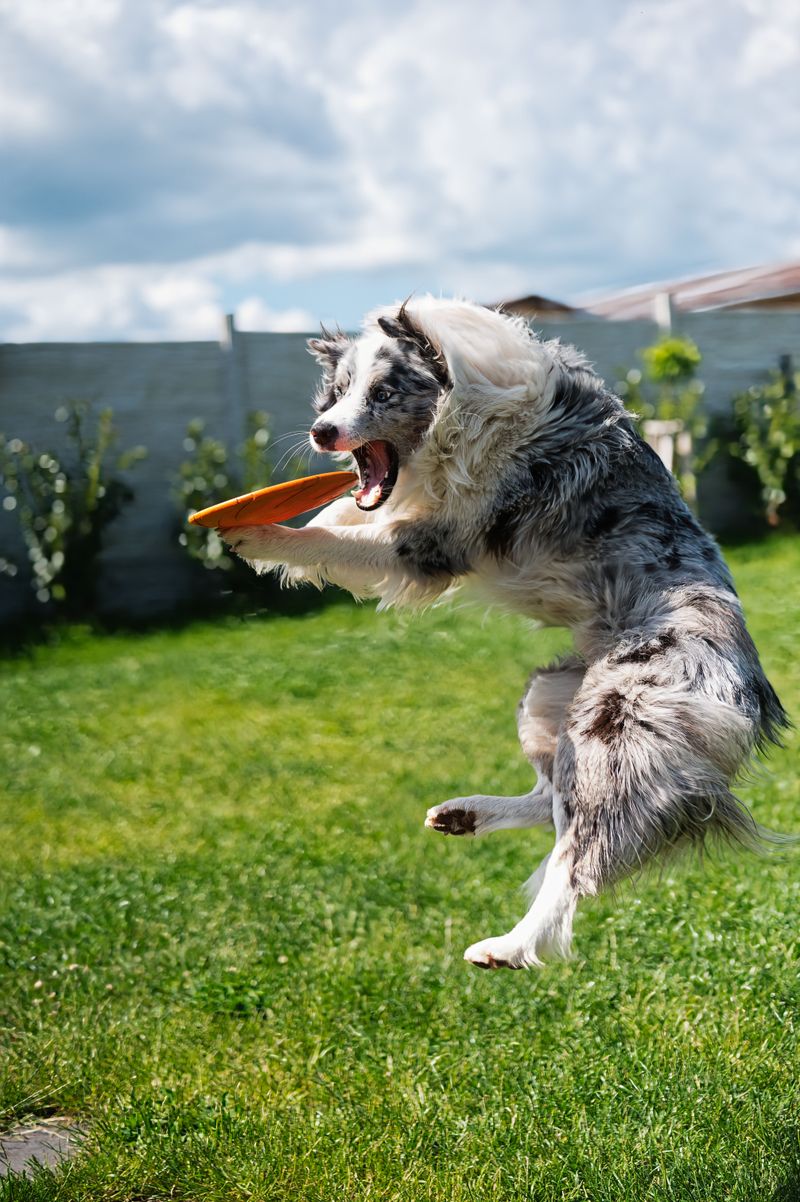
Nonstop excitement teaches the nervous system to chase chaos. Background TV, loud play, endless fetch, and frequent visitors keep arousal stuck in the red.
Calm dogs get boredom on purpose so their bodies can reset.
Create quiet hours where toys go away and the doorbell stays off. Move playdates to earlier slots and protect evenings for rest.
If kids are wild, rotate the dog behind a gate with a chew until the storm passes.
Teach guests how to greet low and slow. Ask for sniffing walks instead of fetch when energy looks frazzled.
Protecting that calm bubble during growth phases prevents dramatic meltdowns later when life gets messy again. Light routines beat noisy thrills for building real emotional regulation habits.
Offering a quiet, safe place to relax
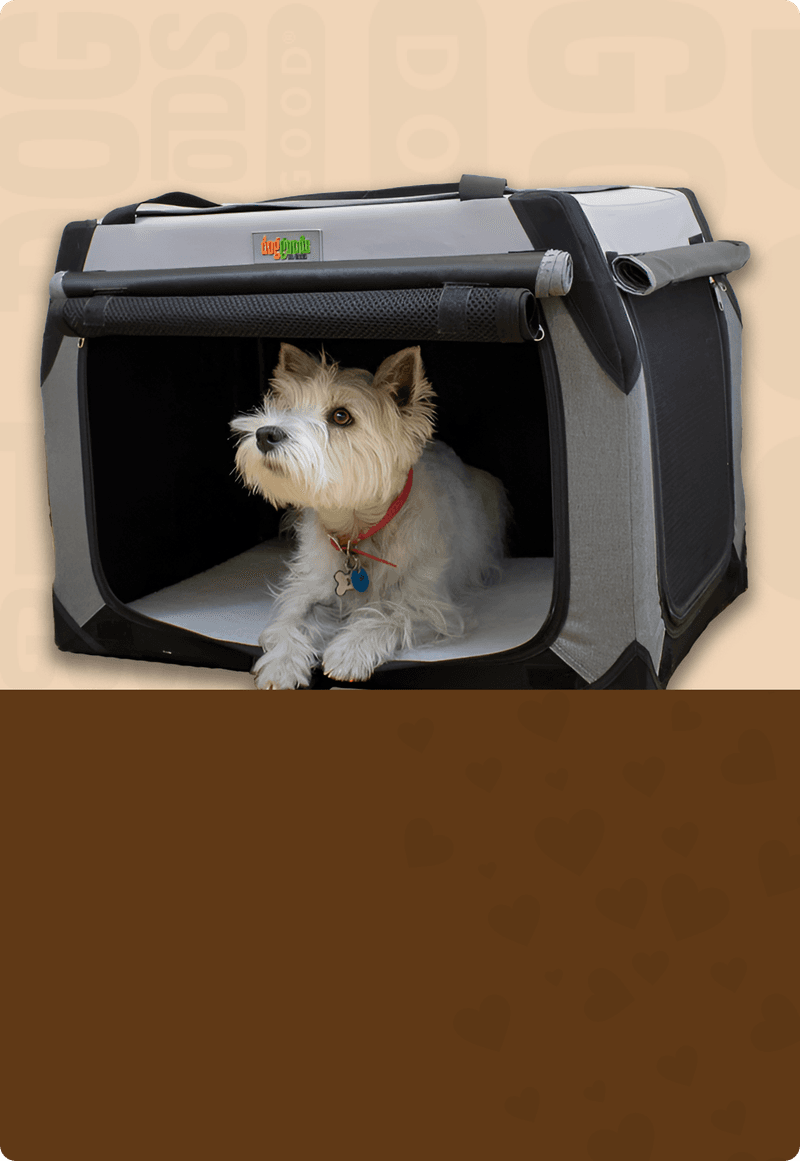
Every dog deserves a sanctuary. Choose a low-traffic corner for a crate, pen, or bed, and make it cozy with a cover and chew.
The rule is simple: if your dog retreats there, everyone gives space.
Load the area with positive associations using treats, scatter feeding, and calm praise. Never use the spot for time-outs or arguments.
Over time, just seeing it will cue the body to downshift and breathe.
Traveling? Pack the bed and a familiar blanket to bring the safe place with you.
Hotel noise and family gatherings feel smaller when your dog has a known refuge. That portable comfort becomes your secret weapon for reliable relaxation anywhere.
Add scent items that smell like home for extra reassurance.
Practicing impulse-control games
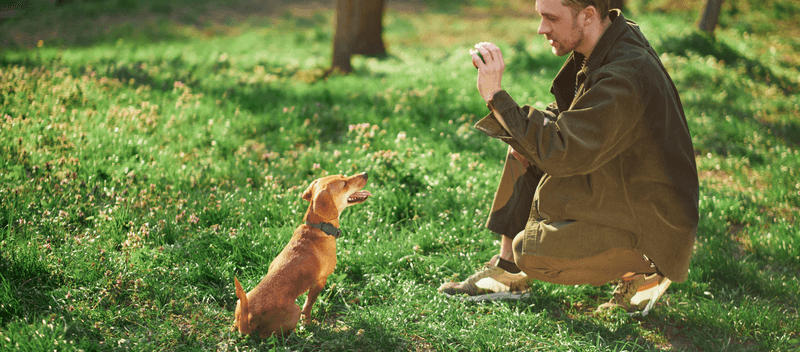
Impulse control is a muscle you can train gently. Play games like It is Your Choice, wait at doors, and slow bowl releases.
You are not crushing enthusiasm, you are teaching brakes that create safety.
Start with easy wins, then add distractions, duration, and distance one at a time. Mark calm choices, reset quickly after slips, and keep the vibe upbeat.
Five thoughtful minutes beats a frustrating marathon.
Translate skills to real life: pause before the leash goes on, wait for a look before tossing the toy, breathe before opening the car. Soon you will see eyes checking in instead of impulsive launches.
That tiny gap is where calm can grow. Practice in multiple rooms to strengthen generalization and outdoors.
Allowing regular sniffing walks
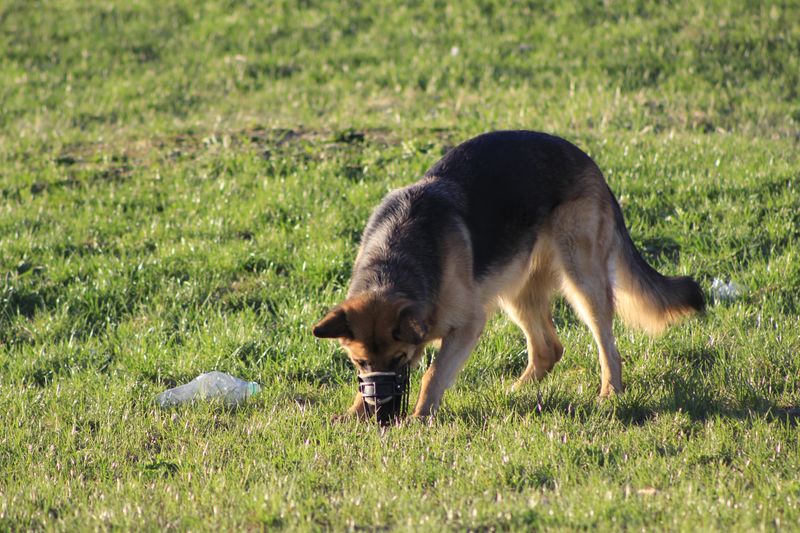
Sniffing is yoga for dogs. It lowers heart rate, satisfies curiosity, and releases feel-good chemistry that settles the mind.
Trade some mileage for meandering and watch tension melt.
Use a longer leash, give a sniff cue, and follow their nose for blocks at a time. Skip heelwork and let them read the news under bushes and fence lines.
Reward check-ins, then invite more exploration.
On busy days, move the sniffari to the yard, scatter treats in grass, or roll a snuffle ball. You will see softer movement, easier focus afterward, and deeper naps.
Calm often starts at the end of the leash, one nose breath at a time. Let the walk be about them today, not your step count goals.
Keeping household rules consistent
Mixed messages create mixed behavior. If the couch is sometimes allowed, your dog will gamble and push harder.
Clear, consistent rules remove guesswork and make calmer choices easier.
Decide as a family what is okay and what is not, then write it down. Post the plan where babysitters and visitors can see it.
Dogs relax when humans stop changing the goalposts every weekend.
Combine rules with reinforcement so choices feel worthwhile, not just enforced. If the floor is the rule during dinner, pay calm downs and give a chew.
Consistency turns boundaries into habits, and habits turn into a peaceful household. Share quick updates in a group chat so everyone rewards the same behaviors with timing that stays consistent daily.