
Calming protocol threads are everywhere right now, and it is not by accident. Certain breeds keep popping up whenever people swap tips on decompression walks, pattern games, and soothing routines.
If you are navigating reactivity, separation stress, or sound sensitivity, you will recognize these familiar faces. Let’s break down why these breeds show up so often and how you can support them better.
Shetland Sheepdog
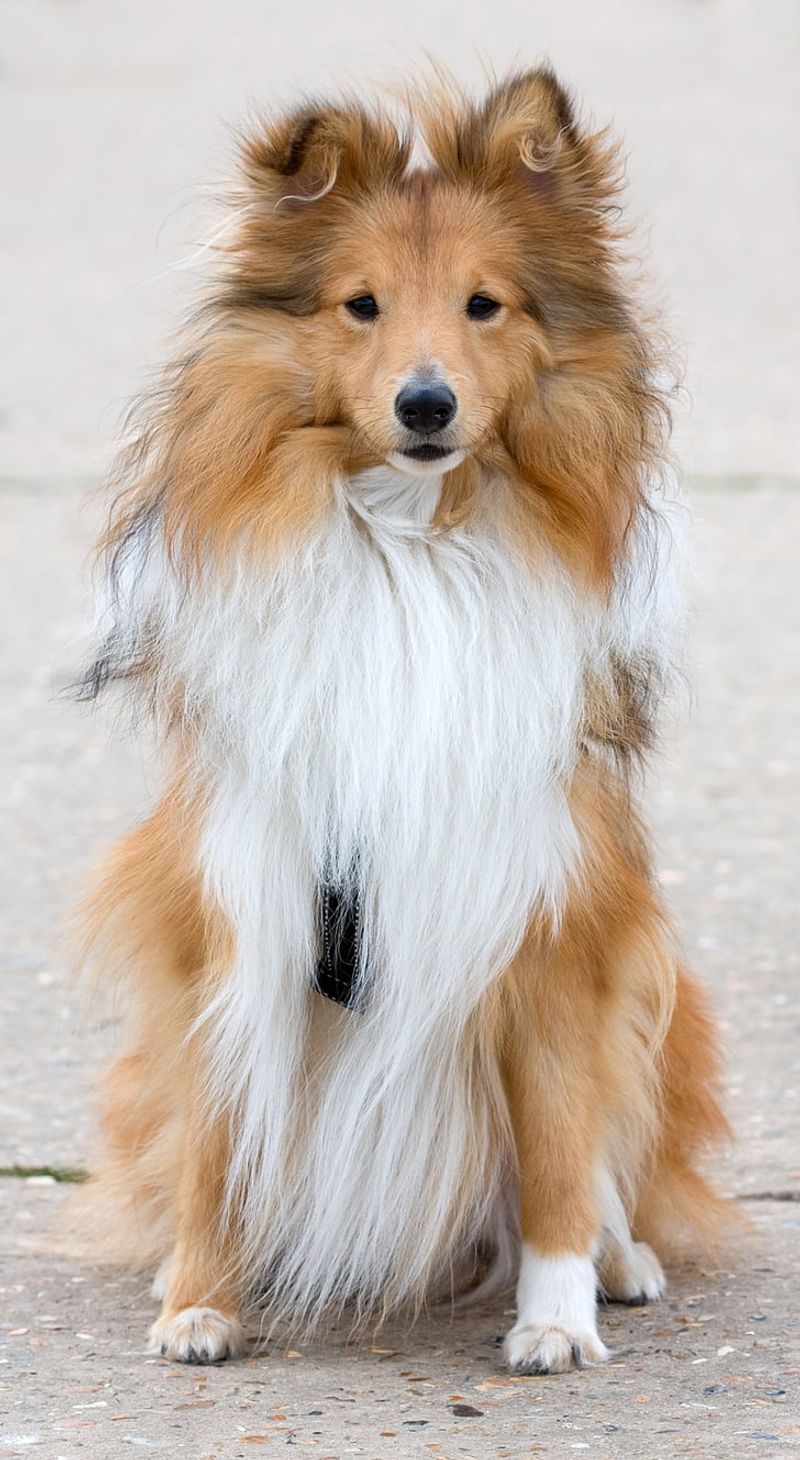
Shetland Sheepdogs are brilliant, sensitive herders that tune into every change in your voice or routine. That sensitivity can tip into anxiety, especially with sudden noises or chaotic environments.
You will often see Shelties in calming protocol threads because structure, gentle decompression walks, and predictable patterns help them settle.
Use scatter feeding, snuffle mats, and slow stationing to reduce scanning. Teach a chin rest and a default down on a mat, then reward breathing and stillness.
Rotate low intensity enrichment like cardboard shredding and lick mats to encourage relaxing behaviors.
Noise sensitivity can be managed with gradual sound desensitization and distance from triggers. Keep sessions short, successful, and upbeat.
Your consistency builds confidence slowly but surely.
Papillon

Papillons pack big drive into tiny frames, which can spill into frantic alerting and restlessness. In calming protocol threads, you will find advice on impulse control games, mat relaxation, and predictable routines.
They thrive when you channel their sharp brains into nose work and easy shaping sessions.
Start with quiet settle cues and reinforce long exhales, soft eyes, and relaxed posture. Keep outings short to avoid overstimulation, then decompress with slow sniff walks.
Provide chew options that last to cycle arousal down after training or play.
Sound sensitivity can benefit from gradual recorded noise exposure while doing low effort enrichment. Avoid harsh corrections, which increase tension.
Celebrate micro wins so confidence grows without pressure.
Italian Greyhound

Italian Greyhounds are delicate and affectionate, often velcro with their favorite person. Separation stress shows up frequently, which is why calming protocols and independence training are common suggestions.
Build a soothing routine with predictable feeding, gentle exercise, and a comfortable warm resting spot.
Condition alone time in tiny steps using scattered treats and a radio playing soft talk. Teach stationing on a bed away from you, then slowly increase distance and duration.
Use lick mats during short departures to create positive associations.
Because they can be sensitive to cold and noise, optimize their environment. Soft sweaters, warm bedding, and stable routines reduce baseline arousal.
Keep handling gentle and your expectations clear.
Whippet
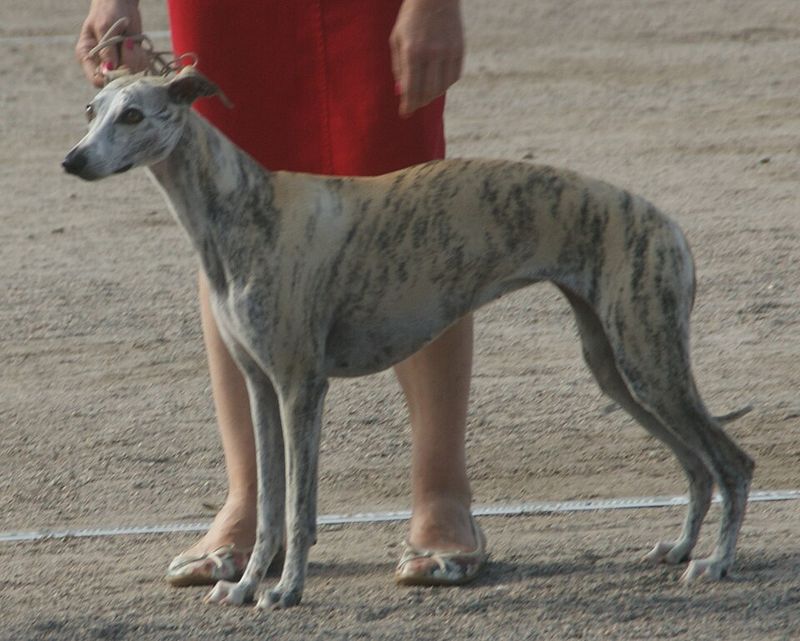
Whippets are soft natured sprinters that love comfort and predictability. Many are sound sensitive and can worry with abrupt changes, so calming protocols appear often in community advice.
You will help most by meeting exercise needs without flooding them in busy environments.
Use decompression walks on long lines in quiet spaces to reduce scanning. Reinforce calm on a mat and pair gentle touch with slow breathing.
After zoomies, offer a chew or food puzzle to settle the nervous system.
Social pressure can overwhelm some Whippets. Let them opt out of greetings and give choice at every step.
The more control you provide, the safer they feel.
Border Collie
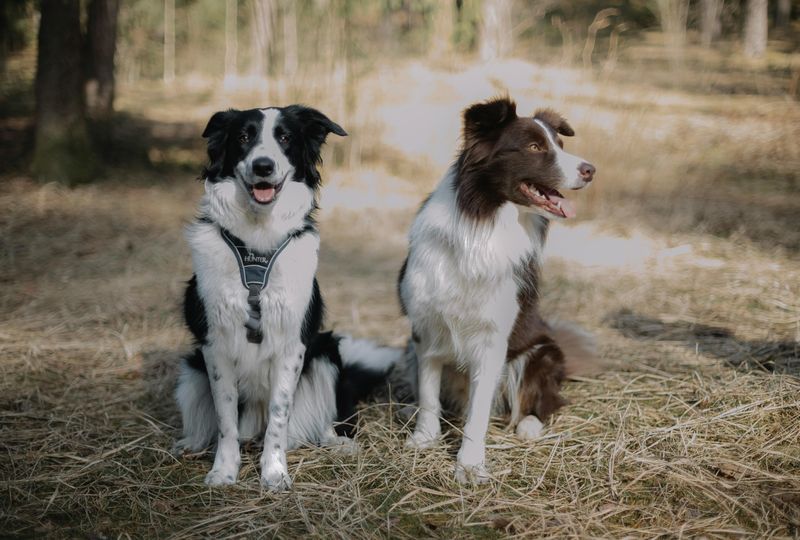
Border Collies are working geniuses built to notice everything, which means overarousal and obsession can snowball. Calming protocol threads constantly mention mat training, patterned walks, and cueing off environmental changes.
Your job is to give their brain meaningful outlets without spinning them up.
Structured sniffing, search games, and slow herding style movement patterns create rhythm. Reinforce quiet eye softening and head lowering.
Split tasks into tiny reps and end before intensity spikes to maintain success.
For motion triggers like bikes, use look at that with distance and food to keep thinking brains online. Daily decompression is not optional for this breed.
Invest in rest as much as work.
Australian Shepherd
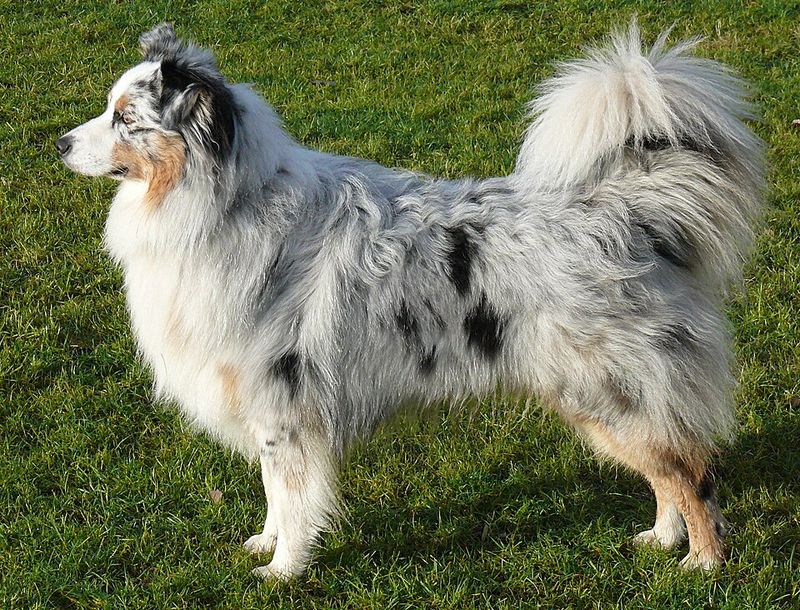
Australian Shepherds bring intensity, big feelings, and loyalty, which can look like reactivity or clinginess. Calming protocols show up often because these dogs benefit from structure, clarity, and decompression.
You will see success by teaching off switches, not just more drills.
Start with mat relaxation, chin rest, and slow breathing reinforcement. Use patterned walking to create predictability, then add controlled novelty in tiny doses.
After hikes or training, give chews or sniffy scatter feeding to land the arousal plane.
Guardians should build independence with short settle stations behind baby gates. Protect sleep and keep social introductions low pressure.
When you honor their need for clear jobs and recovery time, anxiety softens.
German Shepherd Dog
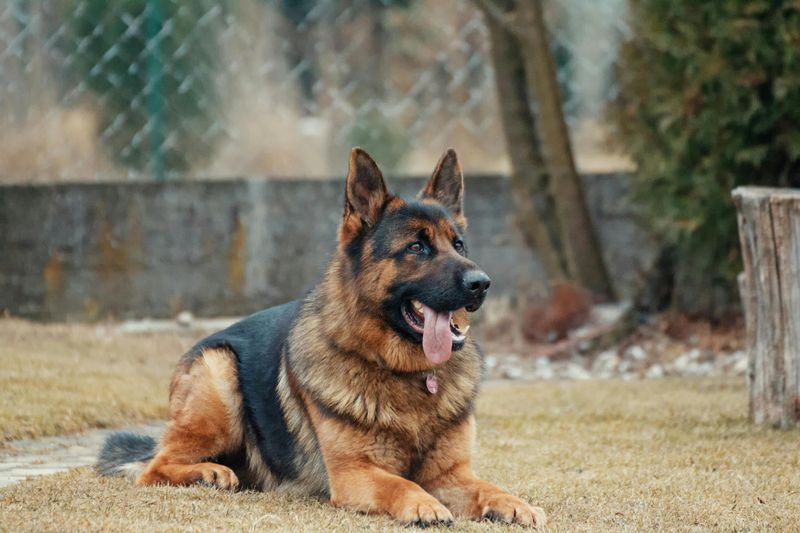
German Shepherd Dogs are vigilant guardians that can default to scanning. Anxiety appears as pacing, vocalizing, or overprotectiveness, so calming protocols emphasize structure and predictability.
You can lower baseline arousal with consistent routines and distance from hot triggers.
Teach a solid chin rest and mat settle, then rehearse look at that with generous food for staying under threshold. Decompression walks on quiet trails help them process the world without crowding.
Provide purposeful chewing after activity to complete the stress cycle.
Clear criteria and fair reinforcement matter. Avoid stacking stress with chaotic dog parks or pushy greetings.
Confidence grows when leadership is calm, kind, and consistent.
Miniature Schnauzer
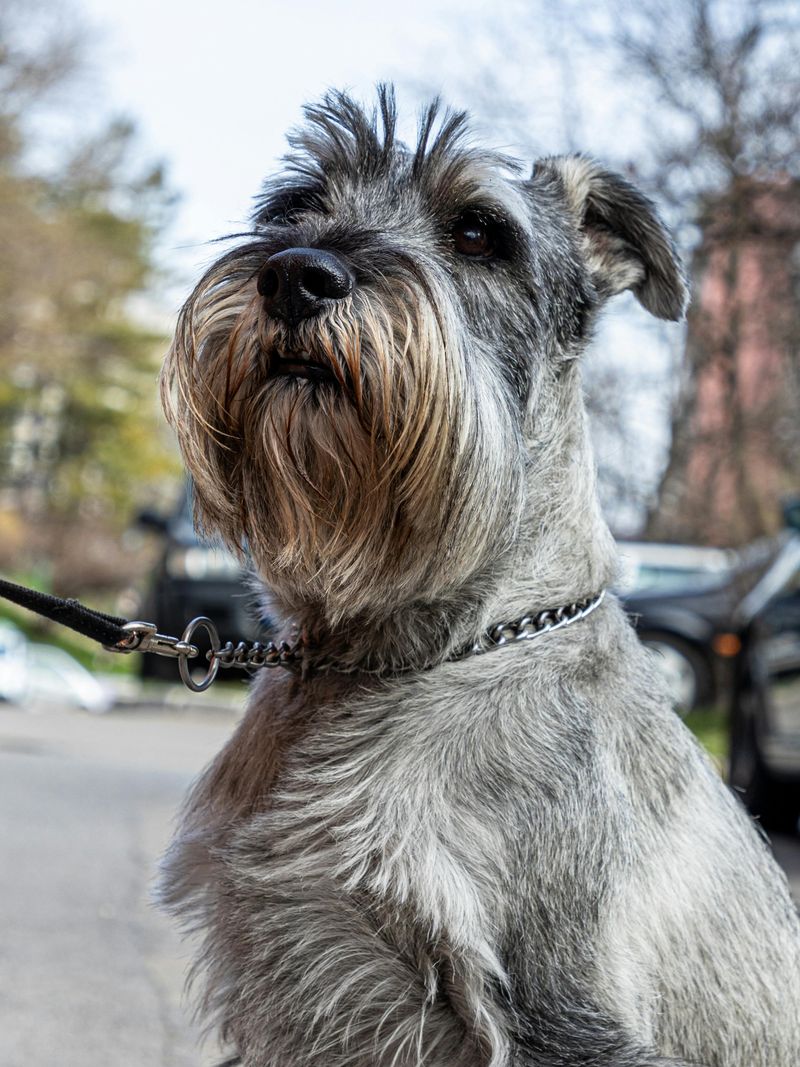
Miniature Schnauzers are alert and vocal, which can tip into anxious barking at every sound. Calming protocols often focus on reinforcing silence, teaching a place cue, and offering structured sniff breaks.
You can channel that sharp focus into simple scent games to reduce scanning.
Practice relax on a mat and reward soft eyes, still paws, and slow breaths. Use predictable door routines with treats for quiet when guests arrive.
Rotate chews and food puzzles to meet needs without amping arousal.
Grooming sensitivity is common, so pair tools with high value food and very short sessions. Keep exposures bite sized and end on success.
Consistency and kindness turn the volume down.
Cocker Spaniel
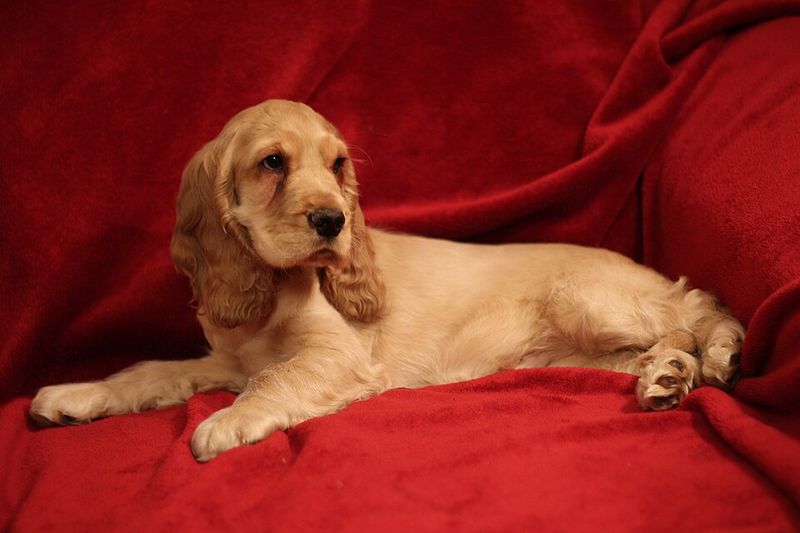
Cocker Spaniels are affectionate companions with big feelings, and anxiety may surface during grooming, noise events, or separation. Calming protocols center on predictable routines, consent based handling, and gradual exposure.
You will see progress by recognizing early stress signals before escalation.
Teach a chin rest for ear care and nail trims, rewarding stillness generously. Add sniff walks and low stakes search games to bring arousal down gently.
Reserve high octane play for days when recovery time is available.
Sound sensitivity responds to careful desensitization paired with relaxation. Keep departures easy, short, and boring.
When trust and choice lead the way, confidence blossoms and worry fades.
Vizsla
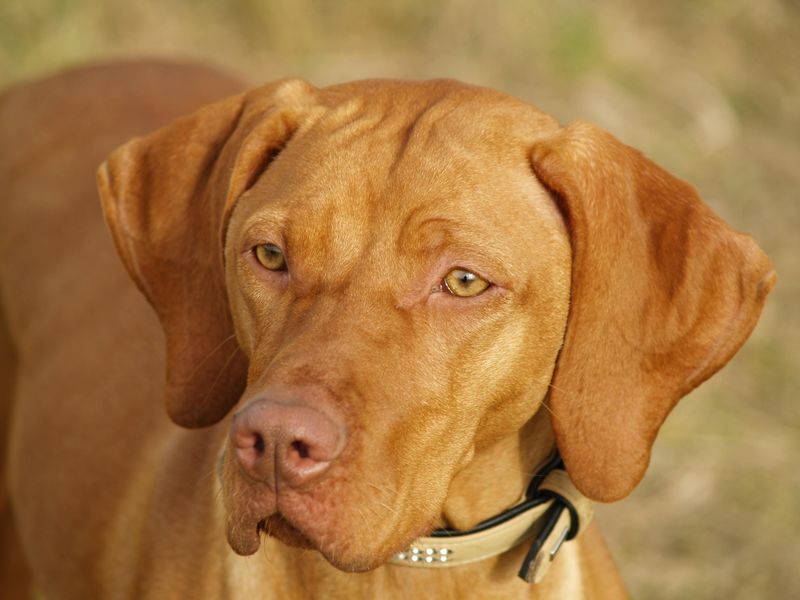
Vizslas are affectionate, high energy, and famously velcro, which can drift into separation stress and restlessness. Calming protocols often emphasize independence training, scent based enrichment, and predictable exercise.
You can help by building quiet routines that end in restful sleep.
Practice short place stays with barriers like baby gates so proximity is not always contact. Pair alone time with food puzzles and soft music to keep arousal low.
Use long line sniff walks instead of constant fetch that spikes adrenaline.
Teach a cue for settling on a mat after activity and reward exhaling. Keep greetings calm and departures neutral.
Consistency is your best friend with this tender soul.
Weimaraner
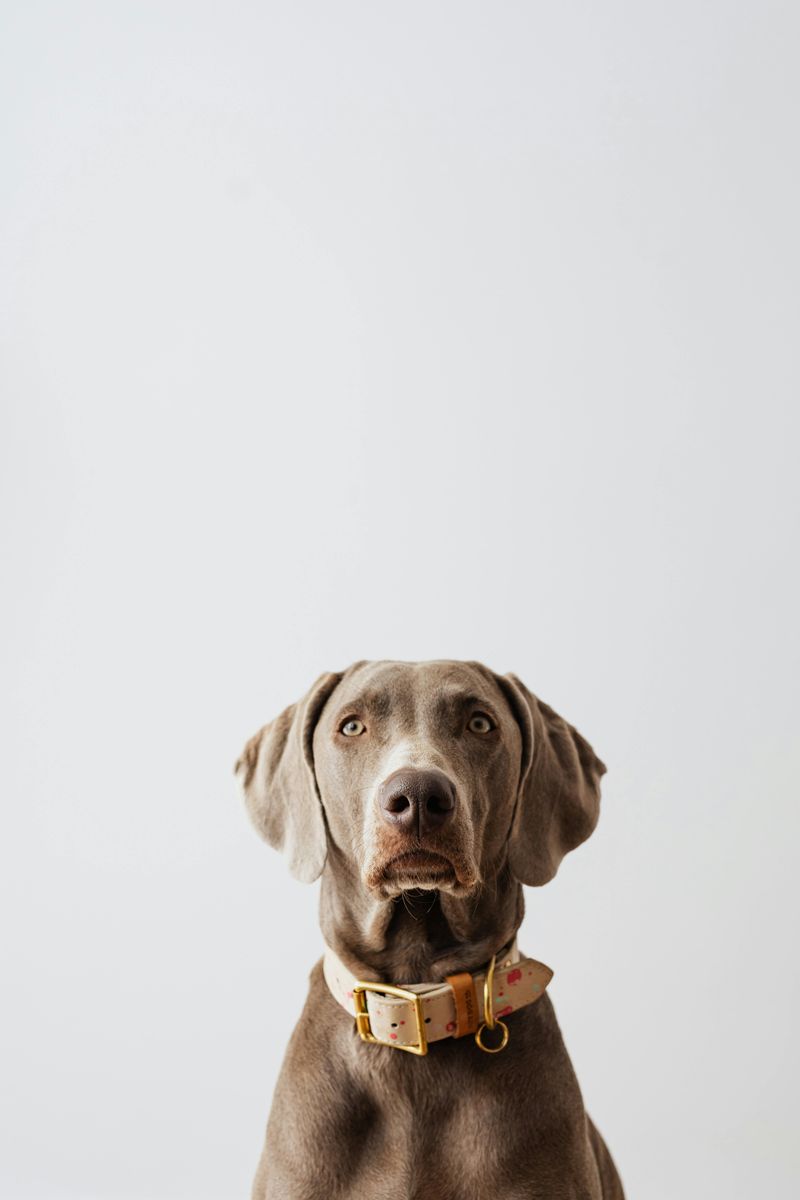
Weimaraners are intense, people focused athletes that can stress when bored, alone, or under stimulated. That mix shows up in calming protocol threads with advice on structured exercise and careful recovery.
You can create balance by pairing physical work with mental decompression.
Use tracking games, slow sniff trails, and scatter feeding to shift from frantic to thoughtful. Reinforce long duration relaxation on a mat and reward head lowering.
After runs, offer chews to complete the cycle and avoid rebound agitation.
Independence training matters: short departures, predictable returns, and zero theatrics. Manage triggers by controlling distance and advocating during greetings.
With clear routines, their confidence and calm grow steadily.
Dalmatian
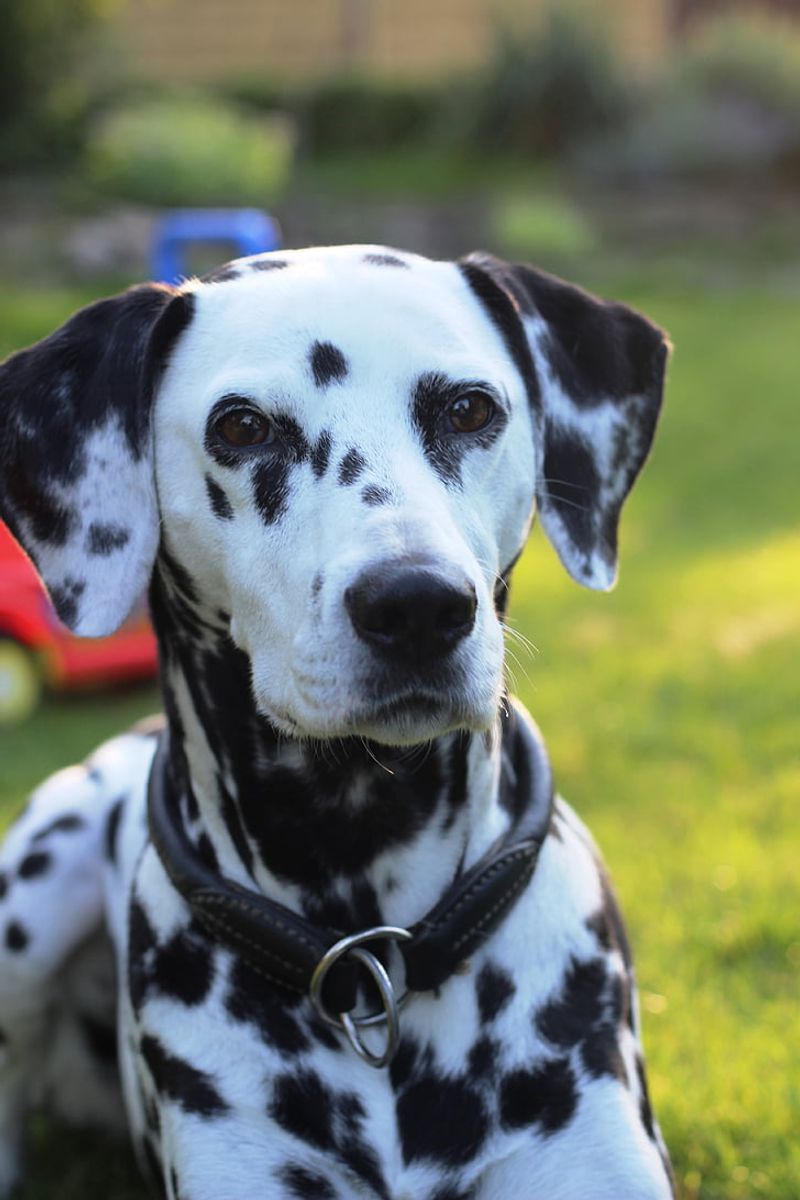
Dalmatians are energetic, intelligent, and often on the go, which can spiral into restlessness or reactivity. Calming protocol discussions recommend predictable routines, decompression walks, and strategic enrichment.
You will see better results when arousal management is built into daily life.
Teach a reliable settle on a mat with generous reinforcement for quiet moments. Swap constant fetch for scent games, tracking, or puzzle feeders to engage the brain.
After exercise, provide long lasting chews to downshift.
Some Dalmatians are sound sensitive or wary of chaotic spaces. Advocate with distance and let them choose whether to greet.
Calm, consistent handling makes everything easier for this spotted athlete.