
Dogs are living longer, and with those extra golden years comes a clearer picture of cognitive decline. Veterinarians now have sharper screening tools, making it easier to spot subtle changes before they snowball.
You deserve to know what to watch for, especially in breeds where owners commonly notice senior shifts. Let us walk through the telltale signs so you can act early and keep your best friend comfortable.
Border Collie
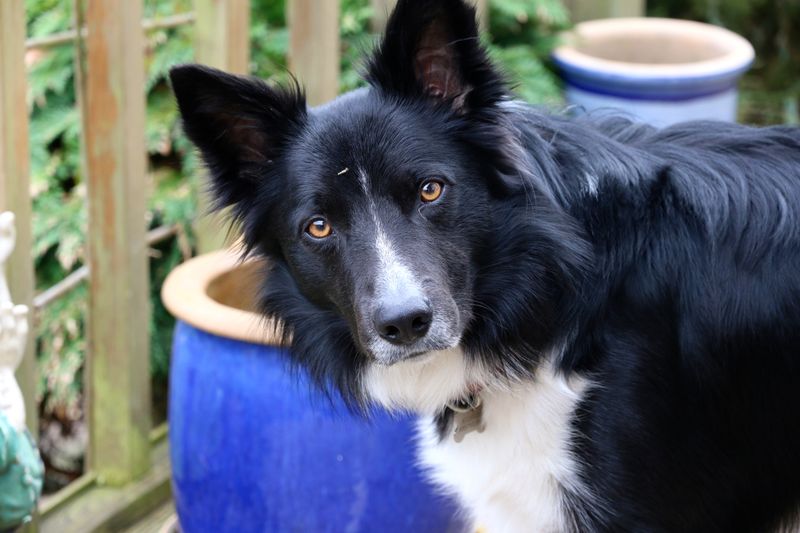
Border Collies thrive on mental challenges, so subtle slowdowns can be easier to spot. You might notice your dog hesitating at familiar doorways or staring at walls longer than usual.
Nighttime restlessness, reduced interest in puzzles, and occasional pacing can signal cognitive changes.
Because this breed is so sharp, even minor lapses stand out. Keep routines predictable, use short training refreshers, and add scent cues to help with navigation.
Low impact enrichment like snuffle mats and easy herding games can keep their mind engaged without stress.
Ask your vet about new screening questionnaires and bloodwork that support earlier detection. Supplements, diet tweaks, and sleep hygiene often help.
Early adjustments let you preserve that bright Border Collie spark longer.
Miniature Poodle
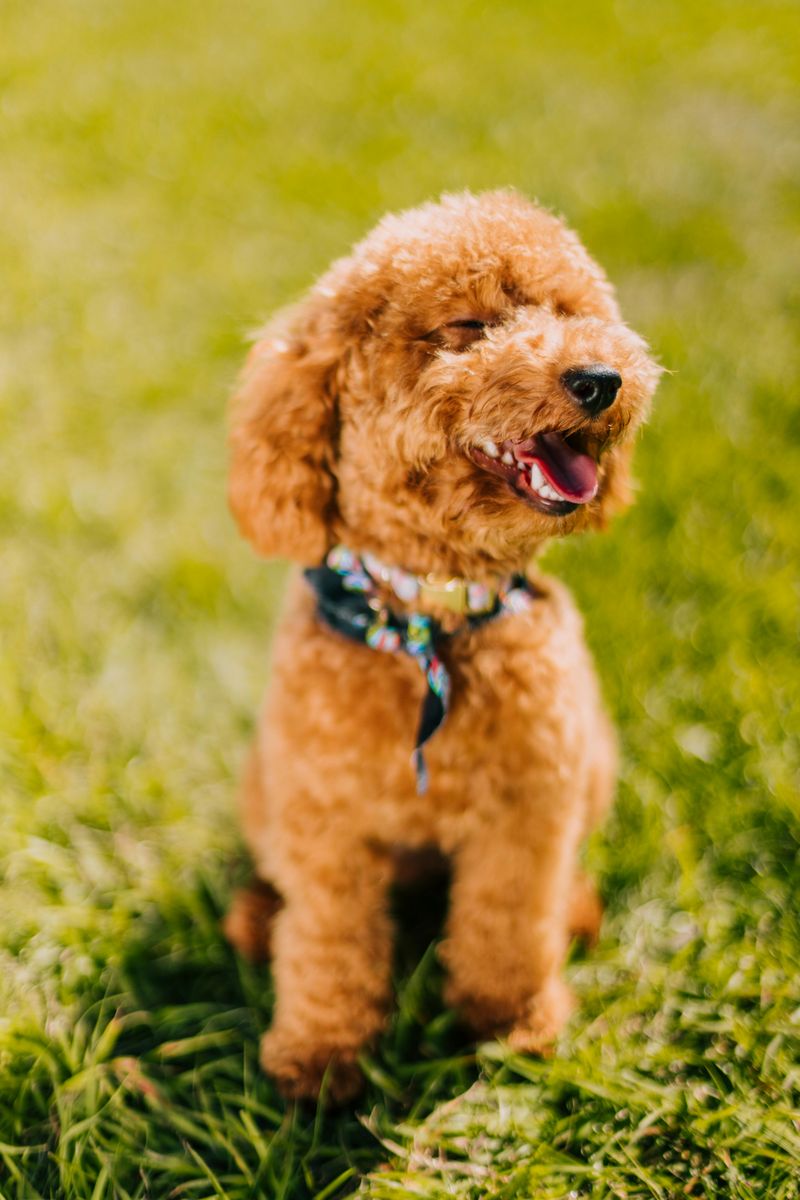
Miniature Poodles often show small changes first in routine behaviors. You might see confusion at bedtime, extra vocalization, or reluctance to jump onto familiar furniture.
Some dogs pace in quiet circles or wake earlier, looking unsure where to settle.
Gentle structure helps. Keep meal times precise, use night lights in hallways, and add tactile mats to mark important spots.
Brain games should be simple and short to avoid frustration, with frequent praise and treats.
Veterinarians can now combine cognitive checklists with lab tests to rule out lookalikes like thyroid issues. A balanced senior diet with omega 3s and antioxidants may support brain health.
Consistency, patience, and kind redirection make daily life smoother for everyone.
Standard Poodle
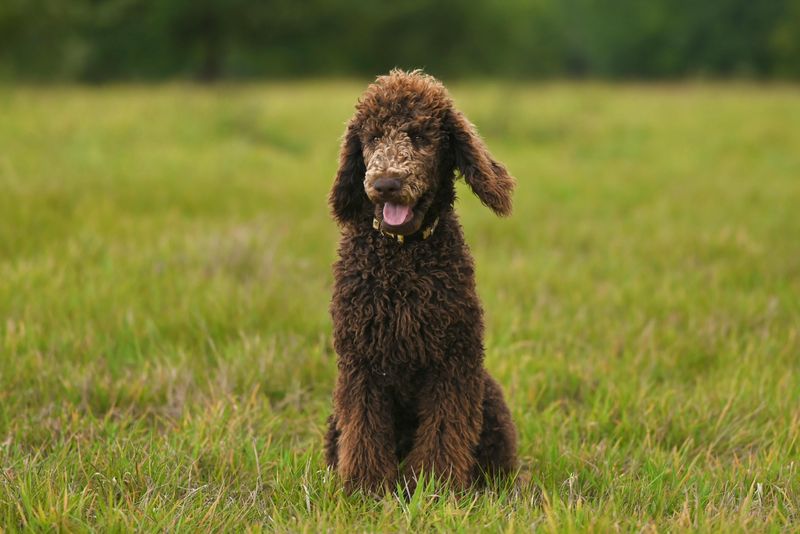
Standard Poodles can mask decline with polite manners, so watch for subtle detours on walks or hesitation at stairs. Increased startle responses, especially at dusk, may reflect sensory and cognitive overlap.
Sleeping more during the day and getting restless overnight is also common.
Predictable exercise and gentle stretching keep joints comfortable, reducing confusion caused by pain. Use clear verbal cues paired with hand signals for backup.
Short training refreshers reinforce confidence and prevent anxiety when routines shift.
Talk to your vet about cognitive screening tools that track changes quarterly. Diets enriched with MCT oils, omega 3s, and antioxidants may help.
Calming soundscapes, night lights, and scent markers create a reassuring map your dog can follow.
Cocker Spaniel
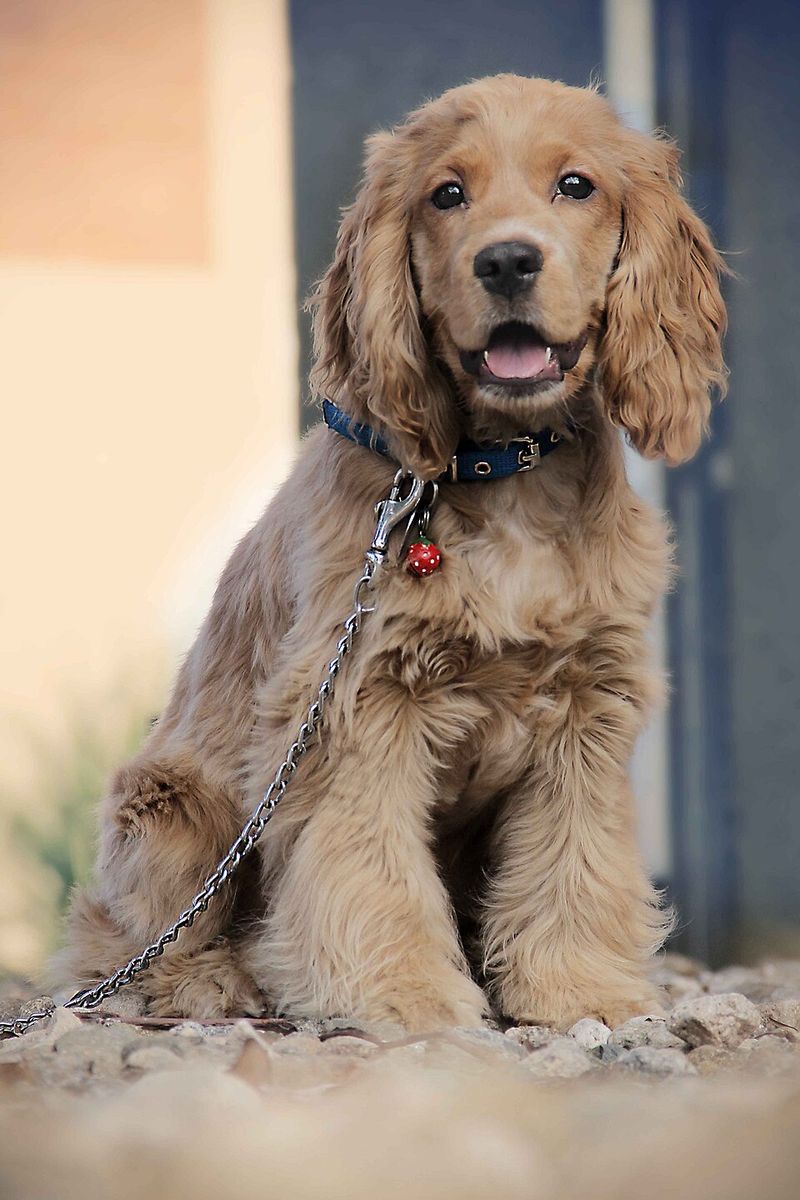
Cocker Spaniels may show clinginess, pacing, or vocalizing when you move between rooms. Some lose interest in favorite toys, then rediscover them with guidance.
House training slips can happen despite long standing habits, especially at night or after naps.
Keep bathroom breaks frequent and predictable. Use enzymatic cleaners and praise successful outdoor trips to rebuild confidence.
Soft grooming sessions double as bonding and sensory enrichment, helping calm anxious minds.
Because Cockers can have ear and eye issues, rule out medical causes that mimic confusion. Your vet can use cognitive checklists and updated labs to clarify the picture.
Gentle cue cards, scent trails, and short sniff walks help maintain focus without overwhelming your companion.
Dachshund

Dachshunds can become reluctant to navigate steps or ramps they once conquered. You might notice pauses before doorways, forgetting which side opens, or wandering in familiar rooms.
Nighttime pacing and early morning restlessness are common as sleep cycles shift.
Back friendly arrangements help reduce pain confusion overlap. Use low ramps with grippy surfaces, add floor runners, and keep rooms clutter free.
Short scent based games and gentle snuffle mats provide satisfying mental work without strain.
Veterinarians now pair cognitive questionnaires with pain assessments to separate spine issues from brain changes. Diets with brain supportive nutrients, plus routine sunlight and calm evenings, can steady rhythms.
Celebrate small wins with patient guidance and predictable routines.
Beagle

Beagles love scent, so cognitive decline may show as disorganized sniffing or losing the trail quickly. Some dogs seem less responsive to recall or stand quietly in corners, unsure what to do next.
Night vocalization and changes in greeting rituals are also common.
Harness that nose with simple, structured sniff games. Scatter feeding in small areas and short tracking lines keeps engagement high without frustration.
Use gentle, upbeat cues paired with hand signals to maintain connection.
Ask your vet about updated screening tools and how to track baseline behavior weekly. Omega 3s, antioxidants, and steady routines may support brain function.
Keep outings shorter, with familiar routes and predictable stops, to reduce confusion and build confidence.
Boxer
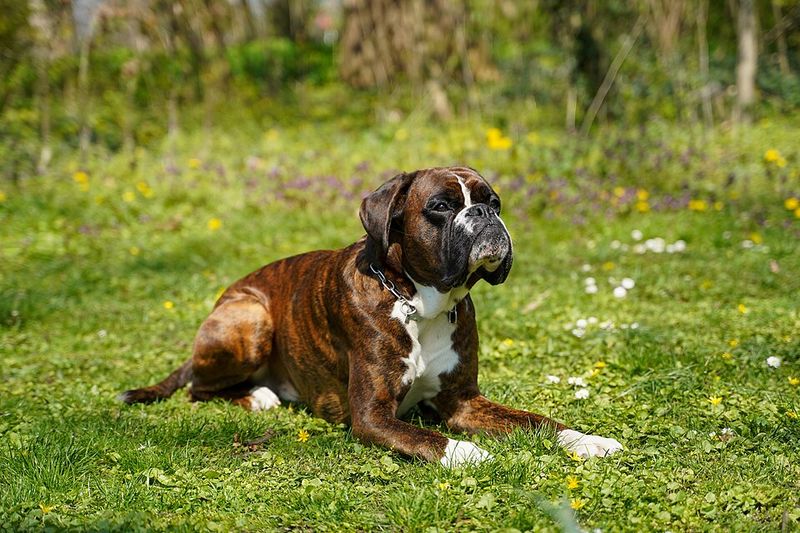
Boxers often stay playful, which can mask early cognitive shifts. You might see slower responses to commands, restless evenings, or confusion moving between rooms.
Some dogs stare into space or seem startled by routine household sounds.
Gentle structure reduces stress. Keep cues short and consistent, and use calm transitions at dusk when sundowning behaviors may appear.
Low impact play, like short fetch on soft ground, keeps spirits up without overtaxing attention.
Work with your vet on a cognitive checklist and bloodwork to rule out metabolic issues. Consider dietary support and soothing routines, including massage and predictable bedtime rituals.
Small, steady adjustments help your Boxer feel secure and engaged day to day.
Labrador Retriever
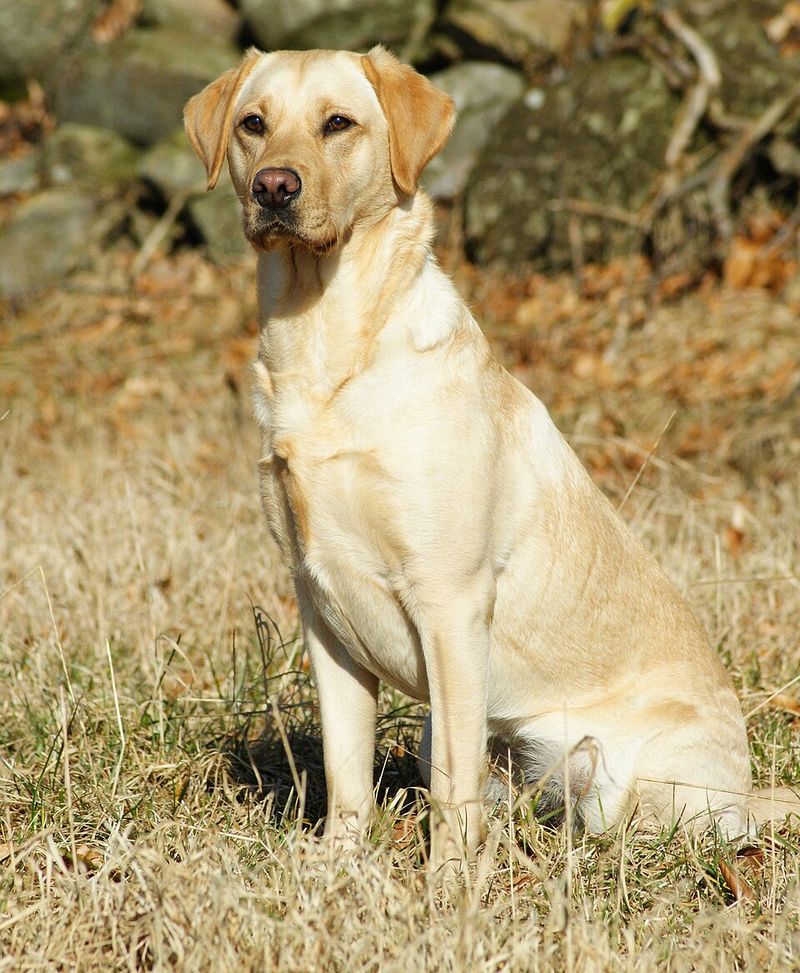
Labradors are friendly optimists, which can make subtle confusion easy to miss. Watch for slower hallway navigation, standing still after entering a room, or forgetting familiar cues.
Sleep wake changes and nighttime pacing are common as rhythms shift with age.
Offer low stress enrichment like food puzzles with wide openings and short training refreshers. Use night lights in hallways and rugs for traction.
Keep walks familiar and shorter, ending on positive, predictable notes.
Modern diagnostics include cognitive scales and lab screening to exclude pain or metabolic contributors. Talk with your vet about diet modifications and supplements that may support brain health.
Consistent routines, gentle praise, and quiet evenings help keep your Lab comfortable.
Golden Retriever
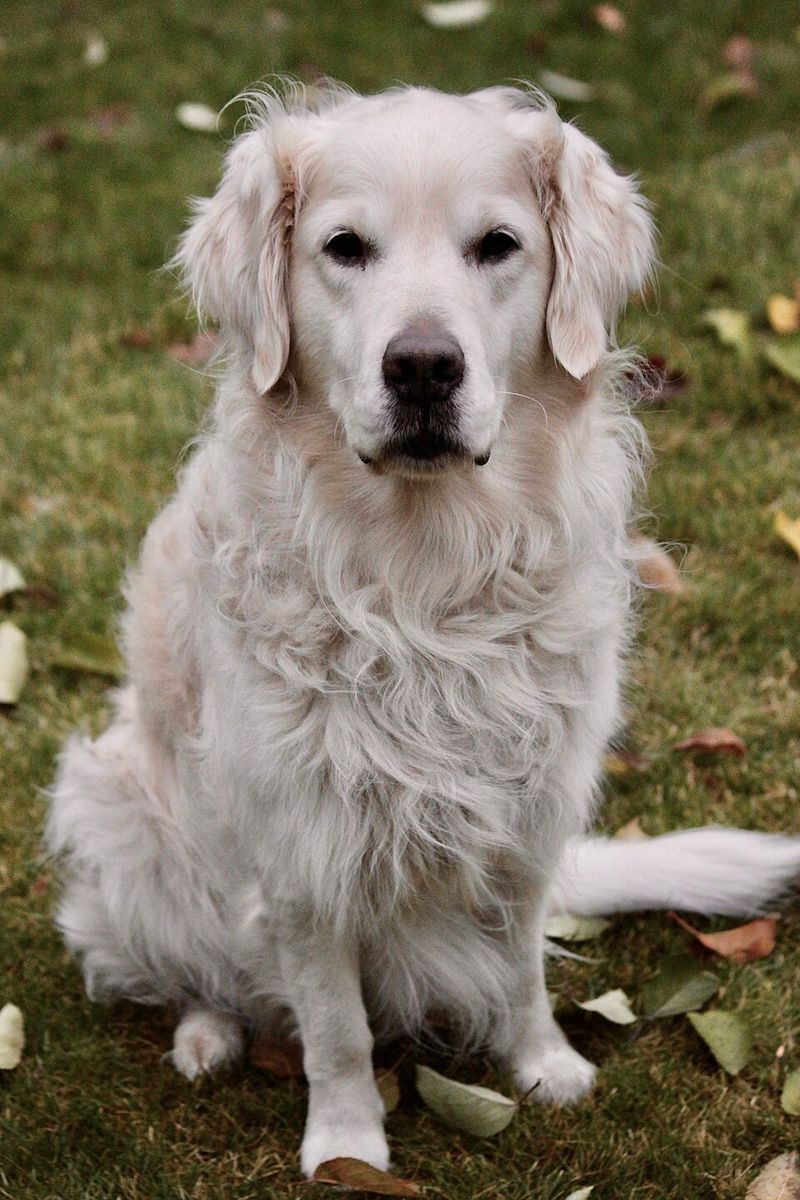
Golden Retrievers often show sweet clinginess as they age, then moments of uncertainty. You might see them pausing at doorways, circling before lying down, or losing interest in complex games.
Nighttime wandering, vocalizing, and early waking can strain everyone.
Keep evenings calm with dim lights and gentle background music. Use scent markers at key spots like water bowls and beds.
Short, predictable walks and simple training refreshers maintain confidence without overload.
Ask your veterinarian about new screening questionnaires to catch changes early. Diets enriched with MCTs and omega 3s may help cognition.
Celebrate small successes, keep routines steady, and lean into comforting rituals that remind your Golden they are safe and adored.
German Shepherd Dog
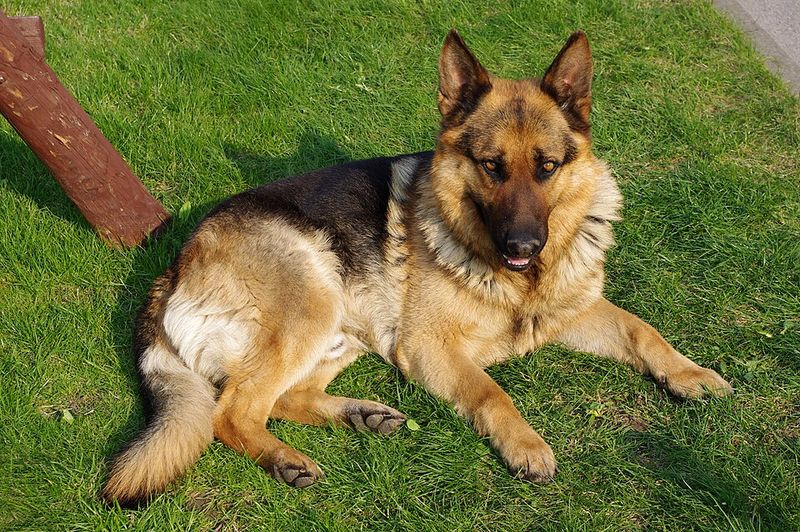
German Shepherd Dogs are vigilant, so changes in patrol routines can be telling. You might notice hesitating at gates, forgetting familiar commands, or pacing narrow paths repeatedly.
Startle responses may increase, especially at dusk, as sensory and cognitive shifts interact.
Provide clear structure and calm, brief training touch ups. Use floor runners, night lights, and scent markers at thresholds to guide movement.
Short sniff walks and gentle nosework keep engagement high without frustration.
Veterinarians now use standardized cognitive scales alongside pain assessments to separate orthopedic issues from brain changes. Discuss diet, supplements, and sleep strategies tailored to your dog.
With steady routines and kind redirection, your shepherd can stay confident and comfortable longer.