
Some dog breeds get judged before people even meet them. A strong body, serious face, or scary rumor can make a good dog seem dangerous.
But dogs learn from the world around them, and people shape that world every day. Training, social time, and kind, steady care can change behavior in a big way.
Rottweiler
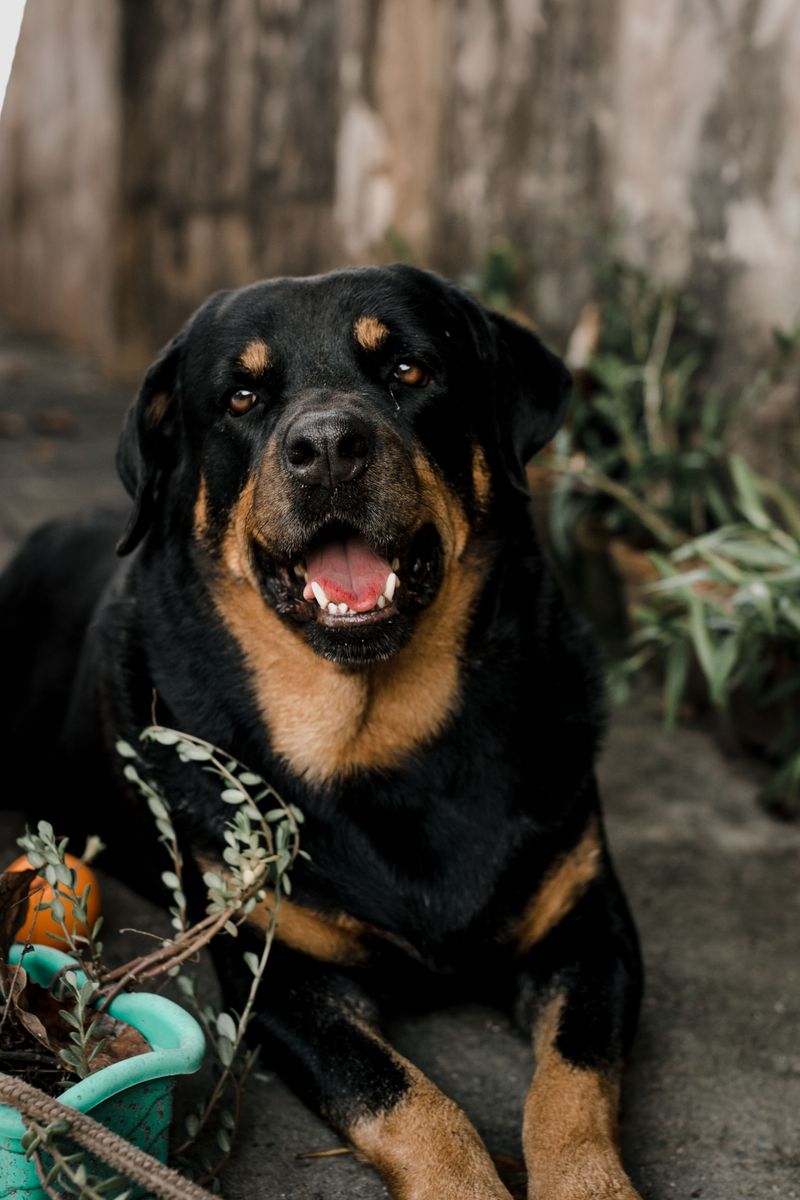
Many people see a Rottweiler and expect trouble right away. Yet this breed often shines when owners set calm rules, offer daily exercise, and reward polite behavior.
Early social time with friendly people and steady dogs helps build confidence instead of fear. Clear training games also give that strong body and sharp mind a job to do.
A bored Rottweiler can act pushy, but a guided one is usually loyal, steady, and attached to family.
American Staffordshire Terrier
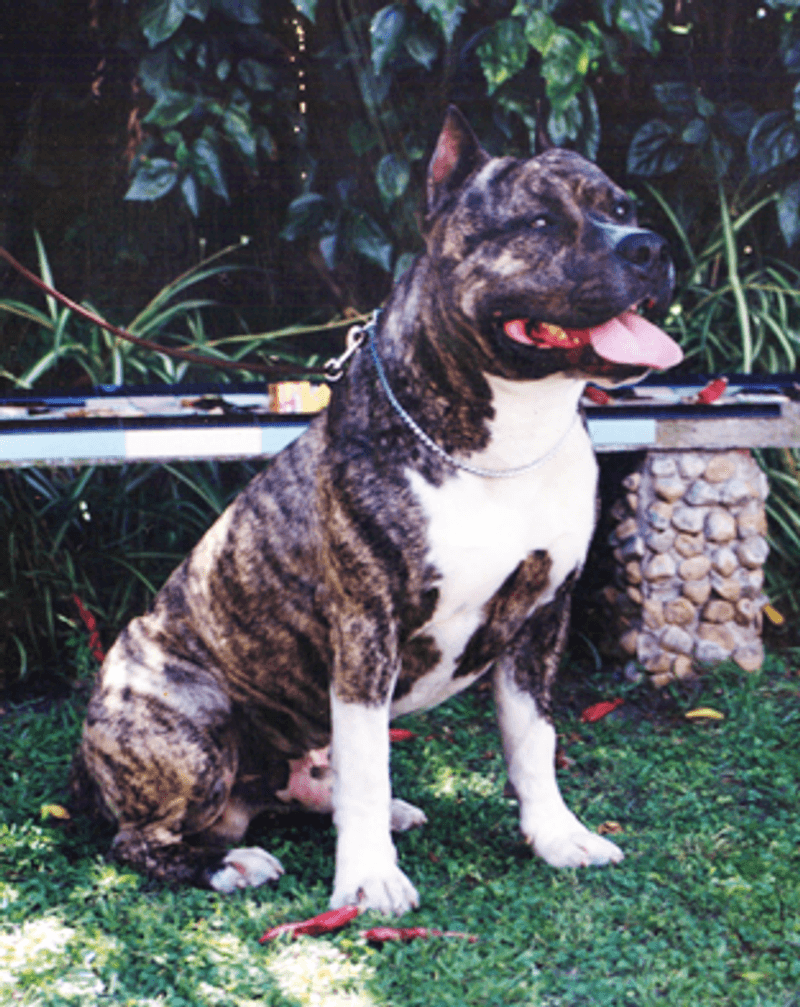
Bad headlines have followed the American Staffordshire Terrier for years, even though many are playful, eager learners. Their people need patience, safe introductions, and fun routines that teach self-control in busy places.
Praise works far better than harsh corrections with this sensitive breed. Strong chew toys, walks, and short practice sessions can prevent frustration from spilling into rough behavior.
When trust grows, an AmStaff often shows goofy charm, muscle, and a real wish to please.
German Shepherd
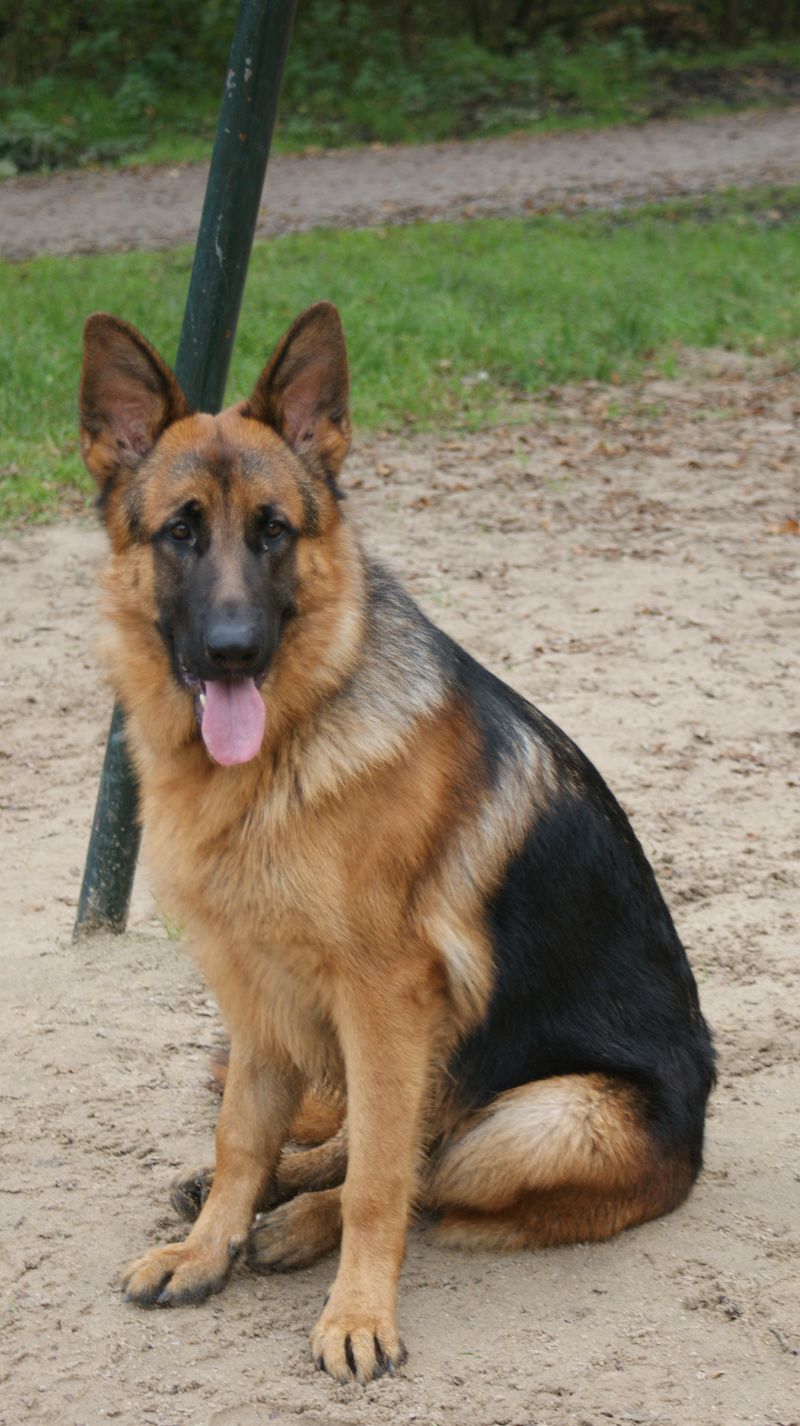
A German Shepherd can look serious, which makes some strangers nervous before they know the dog. Under good leadership, that alert nature becomes focus, teamwork, and impressive problem solving.
Because this breed loves having a task, training should be active and regular. Families who mix obedience, scent games, and daily movement often see fewer behavior troubles.
Without direction, energy may turn into barking or guarding, but structure helps this dog relax and make thoughtful choices.
Doberman Pinscher

Nothing about a Doberman Pinscher is halfway. The breed notices everything, reacts fast, and bonds closely, so careless handling can create stress or overprotection.
Steady boundaries and kind lessons teach the dog when to settle and when to ignore harmless surprises. Visitors, bikes, and loud sounds should be introduced early in calm ways.
Given enough exercise and a confident owner, many Dobermans become watchful housemates who stay polite instead of suspicious around children and neighbors.
Staffordshire Bull Terrier
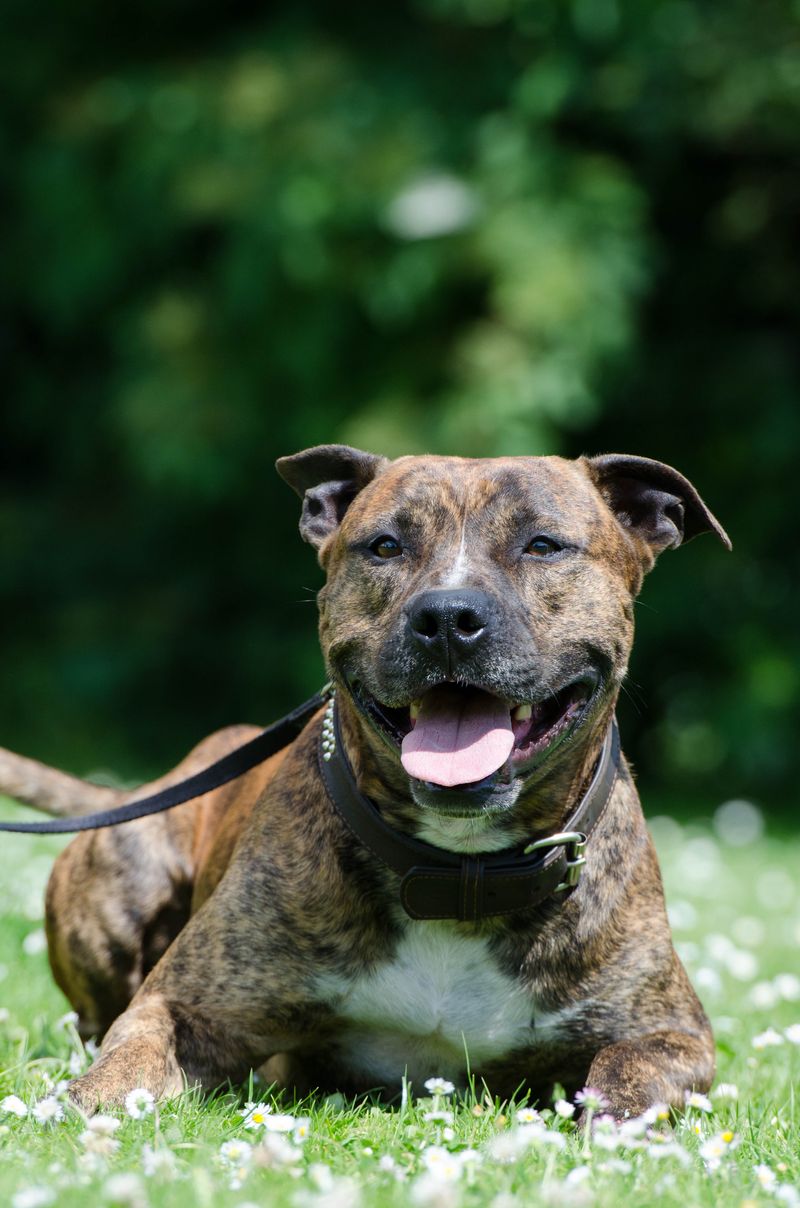
A Staffordshire Bull Terrier often carries a giant smile and a heavy reputation at the same time. That mismatch fades when owners channel excitement into manners, games, and calm greetings.
Because this breed is sturdy and enthusiastic, teaching polite leash skills early makes daily life much easier. Friendly supervision around other animals matters, especially during young, bouncy months.
With fair rules and plenty of affection, many Staffies grow into cheerful, people-loving dogs with impressive self-control.
Bull Terrier
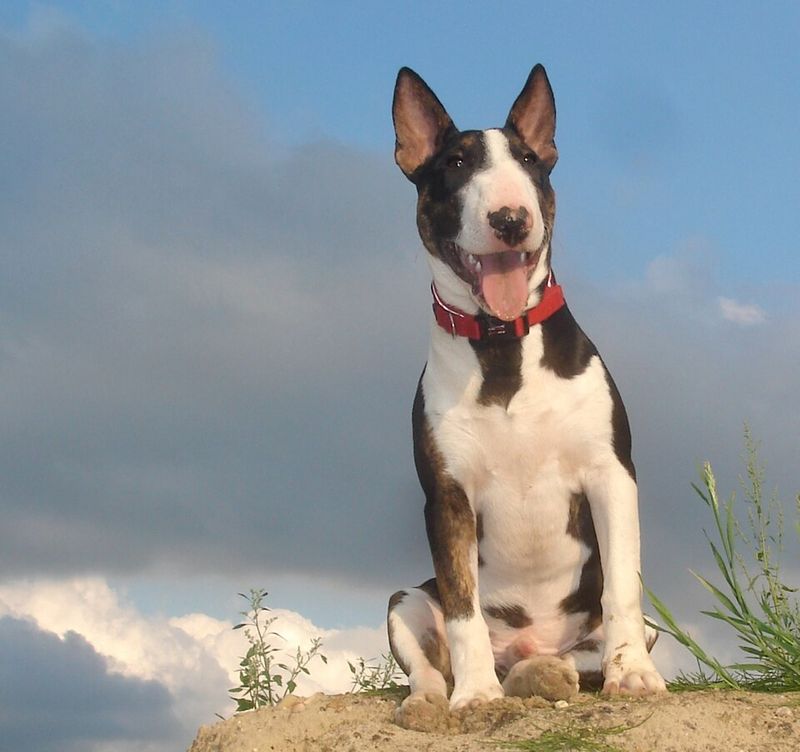
The Bull Terrier has a clownish face, bold attitude, and a habit of making people stare. Looks can fool people, because silly energy without training may seem stubborn or unruly.
Short lessons, puzzle toys, and clear routines help this breed understand what earns attention. Owners who laugh, stay patient, and keep rules consistent usually get better results than those who argue.
A Bull Terrier can be funny, affectionate, and surprisingly tuned in to home life.
Boxer
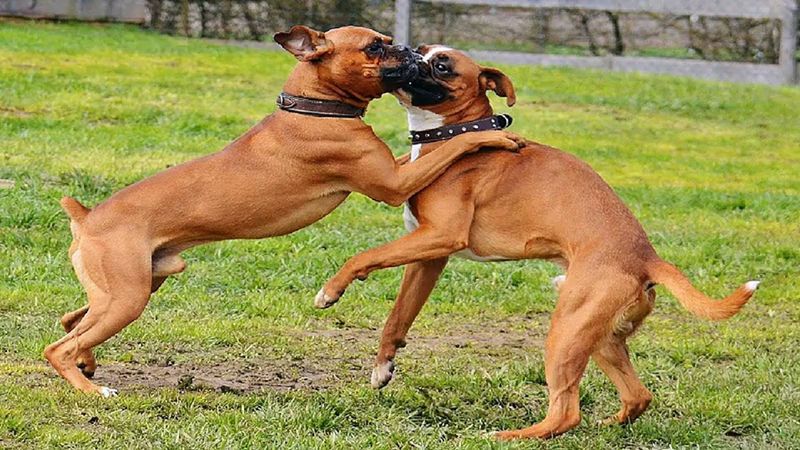
Boxers bounce into rooms like they missed the best part of the party. All that springy energy can look wild, yet smart training turns it into self-control and good manners.
Regular exercise, greeting practice, and simple cues help Boxers avoid jumping on guests or pulling hard. They also crave human company, so long lonely days may lead to mischief.
When families stay active and consistent, this breed often becomes a comic and dependable friend.
Cane Corso
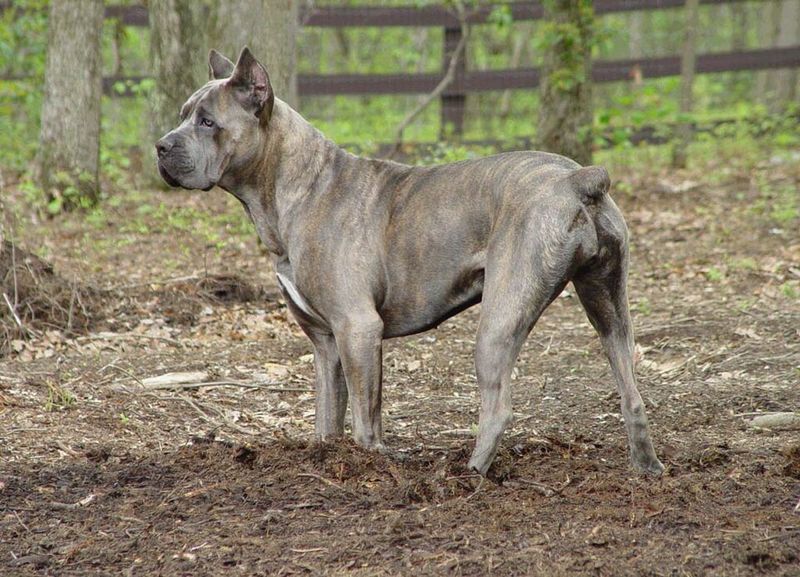
A Cane Corso may act like a silent bodyguard, watching first and deciding later. That powerful presence needs a skilled owner who teaches calm responses before problems begin.
Early exposure to visitors, traffic, and everyday sounds can reduce fear-based reactions as the dog matures. Because this breed is big and strong, loose rules become risky quickly.
Consistent training, secure fencing, and respectful handling help a Cane Corso become a steady protector, not an overwhelming one.
Akita
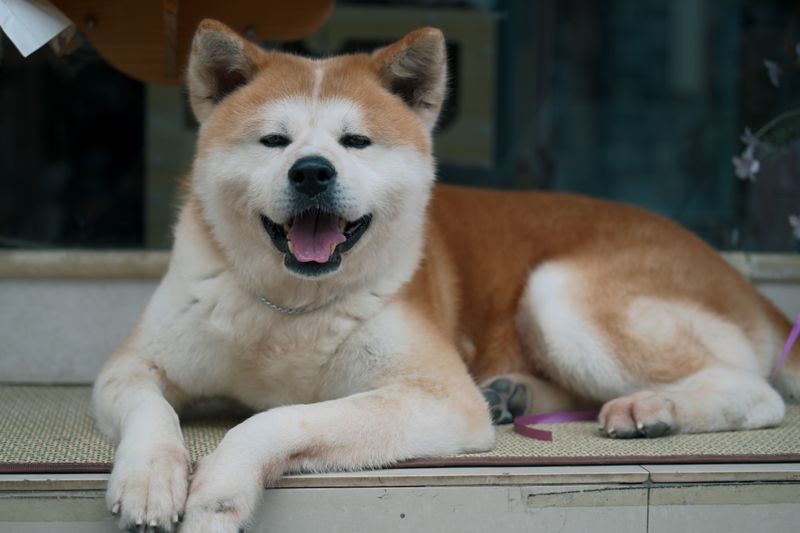
Quiet does not always mean easy, and the Akita proves that well. Many Akitas are deeply devoted, but they can be reserved, intense, and selective about who enters their circle.
Patient social practice from puppyhood helps them read new situations without jumping to defense. Owners should respect the breed’s independence while still setting firm expectations.
With daily structure, careful introductions, and honest understanding, an Akita can show dignity and calm rather than distance and conflict.
Chow Chow
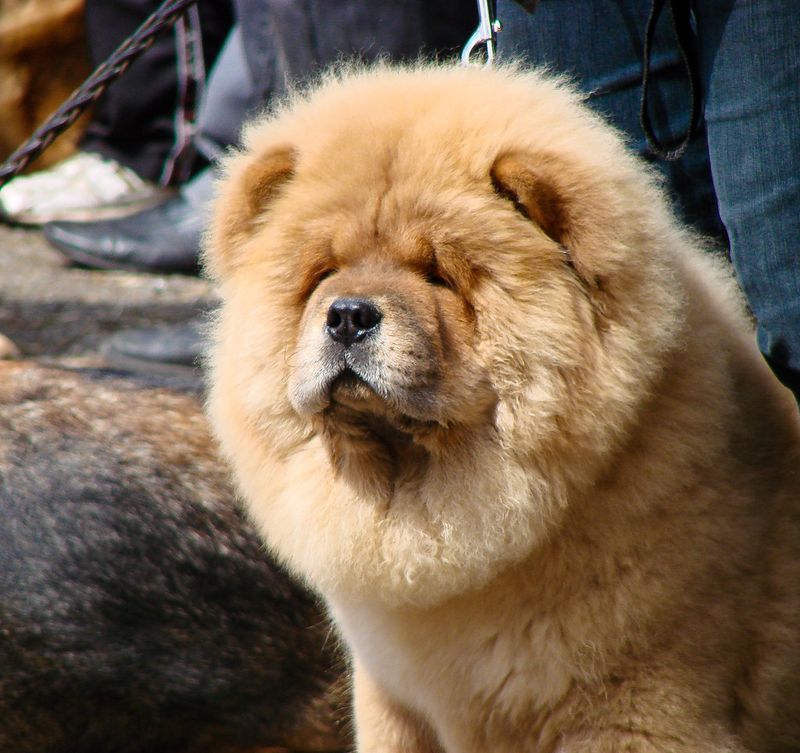
Like a serious old soul in a fur coat, the Chow Chow keeps its feelings close. People sometimes mistake that reserved style for meanness, especially when strangers rush in too fast.
Gentle handling and patient social lessons help this breed feel safer in changing situations. Owners who learn canine body language can spot stress early and avoid pushing too much.
A Chow with space, routine, and respectful training often becomes loyal and confident at home.
American Bulldog
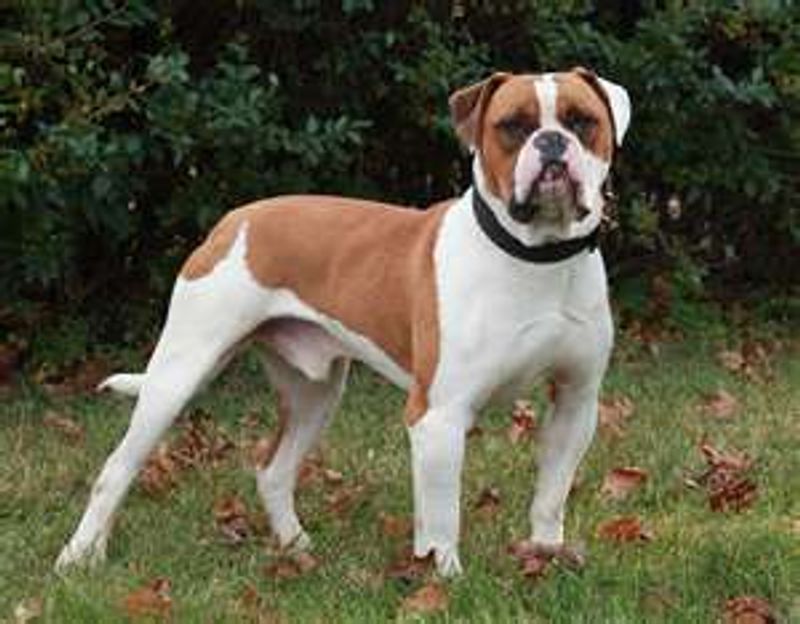
An American Bulldog brings power, enthusiasm, and a huge desire to be part of family life. Without guidance, that strength can overwhelm people, but good habits make a major difference.
Early training should focus on impulse control, polite greetings, and comfort around new places and faces. Plenty of exercise and clear household rules help prevent rough play from becoming a problem.
When owners stay involved, many American Bulldogs grow into affectionate companions with strong manners.