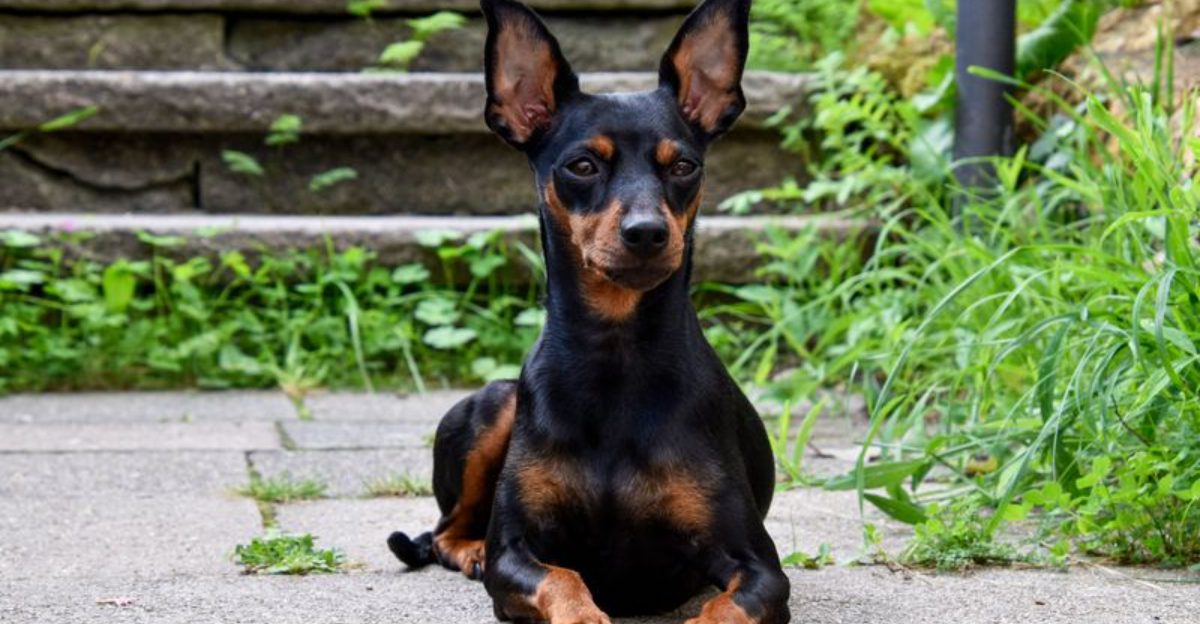
Dogs are amazing friends, but some stay sturdy while others need more care. Knowing which breeds are hardier helps you plan for exercise, grooming, and vet costs.
Families can choose a dog that fits their budget and lifestyle. Let’s explore which breeds tend to be tough and which ones may need extra attention.
Rat Terrier – small athlete with grit
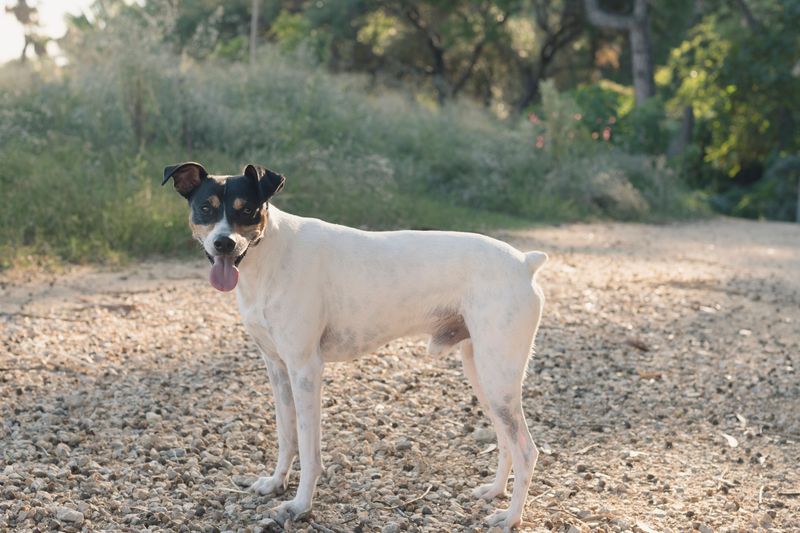
Born to chase pests, the Rat Terrier thrives on quick games and brisk walks. Many owners notice few vet problems when diet is lean and muscles stay engaged.
Basic brushing and nail trims are usually enough.
Watch for patellar luxation and dental tartar. Daily chew toys and occasional knee checks help.
Because they love puzzles, swap simple treat toys to prevent boredom. A warm coat in winter keeps their short fur functional without fuss.
Border Terrier – cheerful and sturdy worker
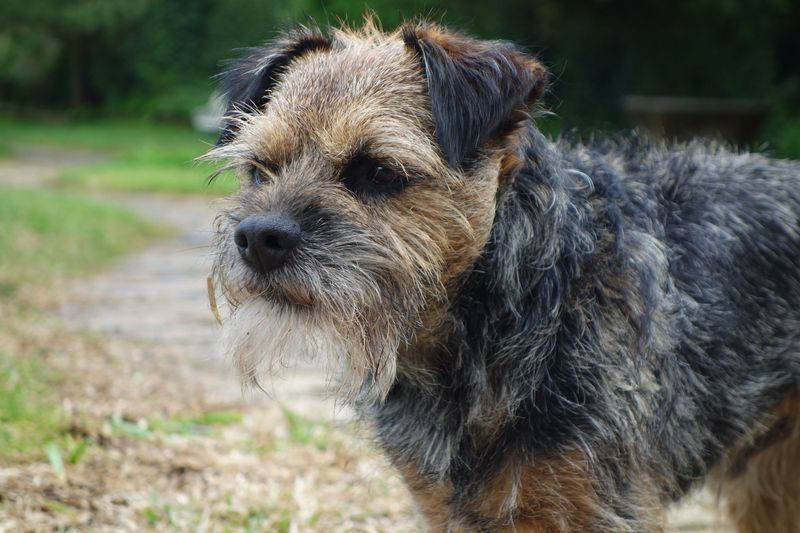
Farm roots gave the Border Terrier a steady body and steady mind. Many handle long hikes and cool weather thanks to a tough, wiry coat.
Weekly hand-stripping or a groomer visit keeps skin healthy.
Screen for hip issues and check teeth, since tartar can sneak up. Keep weight trim with measured meals.
A snuffle mat or scent games in the yard tap into their hunting past, which supports fitness without constant high-impact running.
Miniature Schnauzer – bright, bold, and manageable
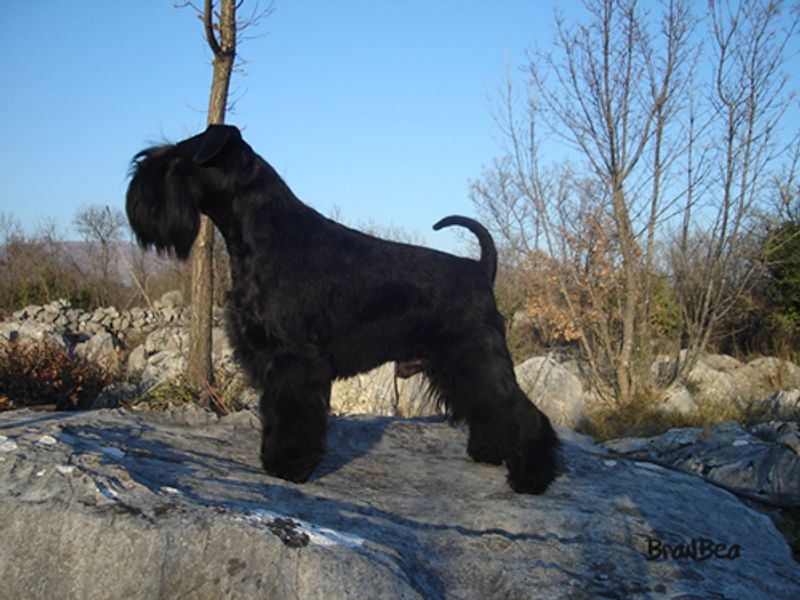
Those famous eyebrows hide a clever problem-solver who loves family life. Miniature Schnauzers often stay robust when fed a heart-smart diet and given lively walks.
Their double coat needs regular brushing and scheduled clips.
Keep an eye on pancreatitis risk and potential bladder stones. Small, frequent meals and steady water access help.
A brisk game of fetch in the hallway builds muscle without pounding joints. Training sessions mix exercise with brain work, cutting stress.
Australian Kelpie – tireless partner built for work
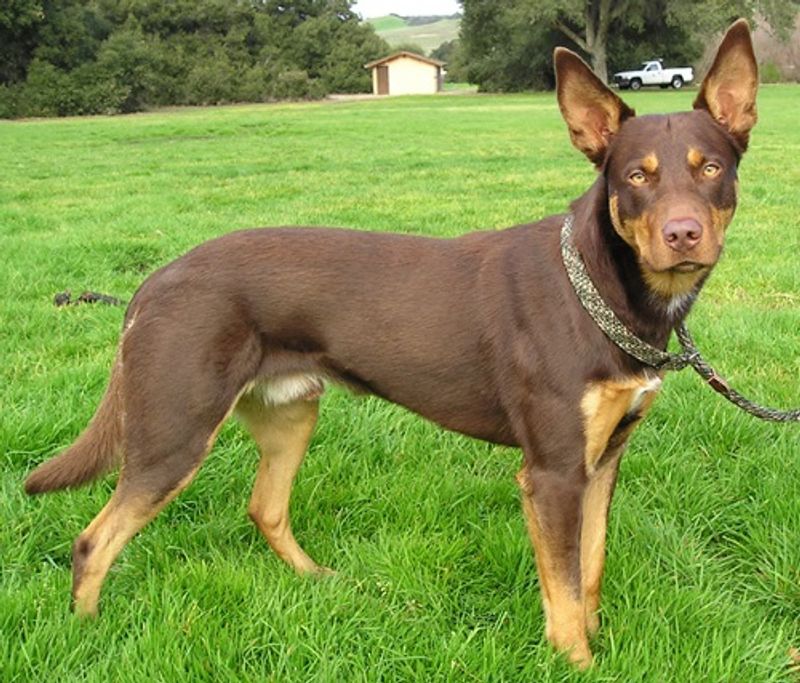
Built for herding, the Kelpie carries grit in every stride. Long runs, agility, and mental games keep this athlete balanced.
Many remain healthy with lean diets and strong conditioning.
Because they go hard, monitor paws, shoulders, and hydration. Warm-ups before fetch and cool-down trots help prevent strains.
Rotate jobs, like herding balls or scent work, to spread stress across muscles. With structure and purpose, a Kelpie’s toughness shines while risk stays manageable.
Manchester Terrier – sleek, sharp, and spry
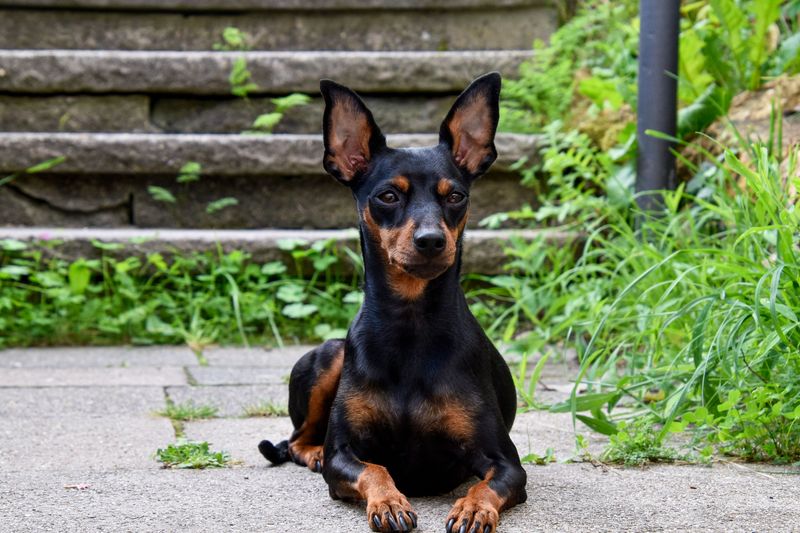
Speed and style meet in the Manchester Terrier. Many enjoy long, healthy lives with steady exercise and tooth care.
A short coat keeps grooming simple, which suits busy owners.
Because lean builds can hide weight changes, weigh monthly and adjust meals. Consider jackets in winter to protect from chill.
Watch for dental buildup and potential eye issues. Short, focused training sprints plus quiet cuddle time create balance that supports overall health and calm behavior.
Parson Russell Terrier – bold heart, boundless spring
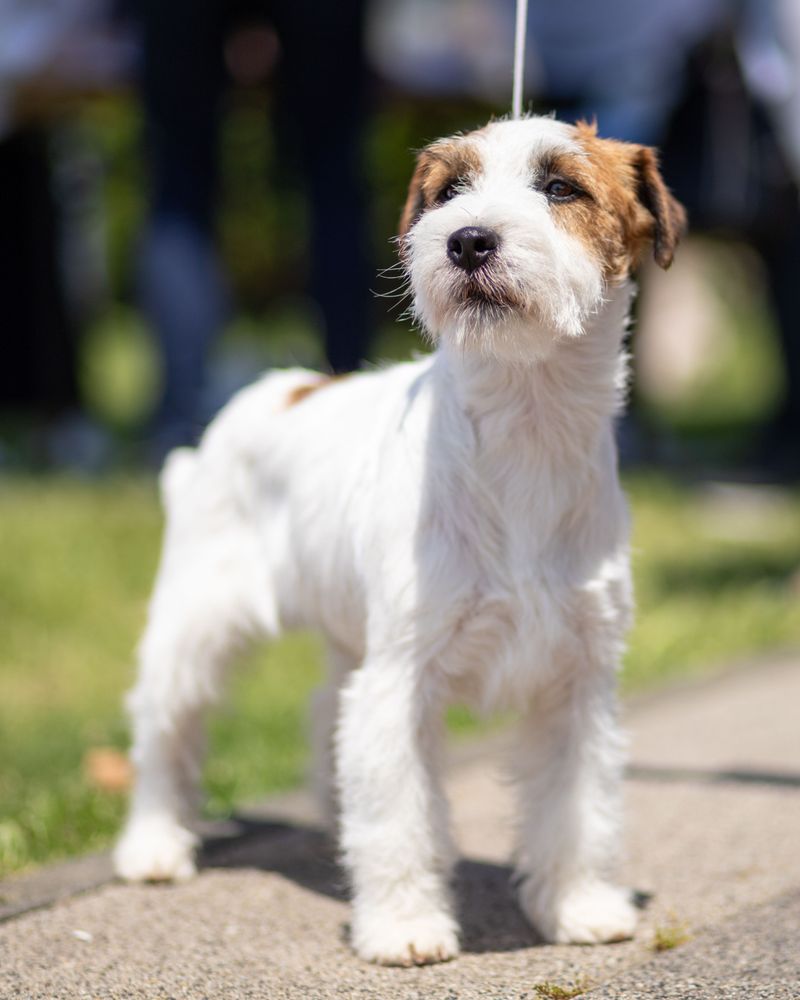
Energy like a coiled spring makes the Parson Russell a fun project. Many stay sound with regular conditioning, core work, and smart play.
A balanced diet and clear boundaries curb over-the-top antics.
Check knees and skin, especially if allergies run in the line. Structured fetch sessions on grass protect joints.
Enrichment like digging boxes saves flowerbeds and satisfies instincts. With clear routines, this plucky dog delivers big laughs and steady health.
Norwegian Buhund – cheerful helper from the north
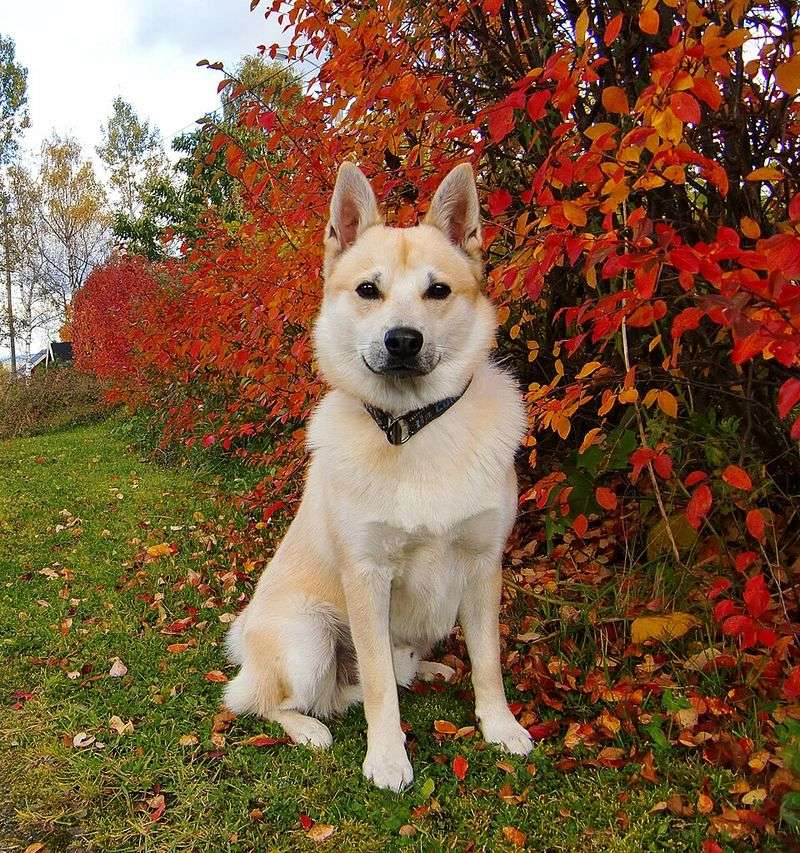
Farm chores and Viking history gave the Buhund stamina and optimism. Many remain hardy with daily hikes and moderate play.
Their double coat sheds seasonally, so a good brush routine keeps air flowing and skin happy.
Screen for hips and eyes through breed clubs and your vet. Because they love tasks, add backpack walks or trick training.
Rotate proteins if food sensitivities appear. Joyful teamwork keeps body and brain strong through the years.
Poodle – smart elegance with mindful care
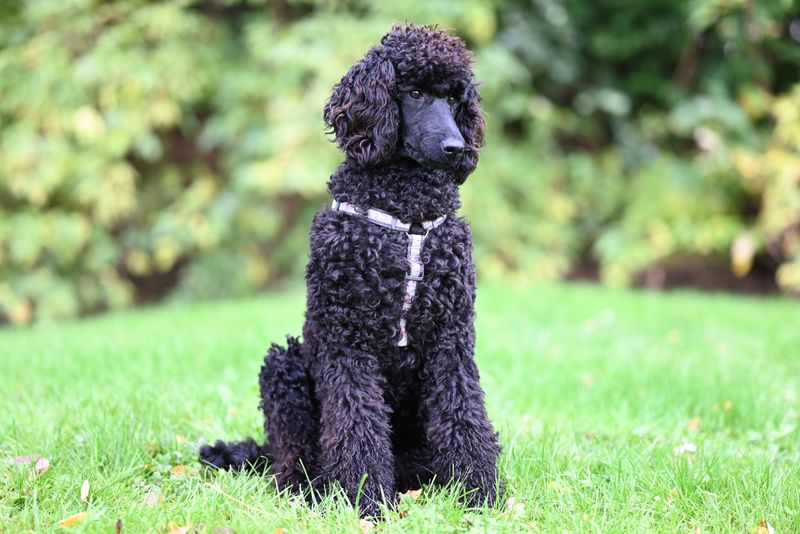
Brains and bounce make the Poodle a standout partner. With regular grooming and ear checks, many enjoy excellent vitality.
Daily walks plus training games meet both mind and muscle needs.
Ask breeders about hips, eyes, and thyroid history. Keep ears dry after swims to deter infections.
Trim nails often to protect posture. Whether Toy, Miniature, or Standard, a predictable routine, smart enrichment, and quality food create a strong foundation for lasting health and sparkle.
French Bulldog – charming companion with special needs
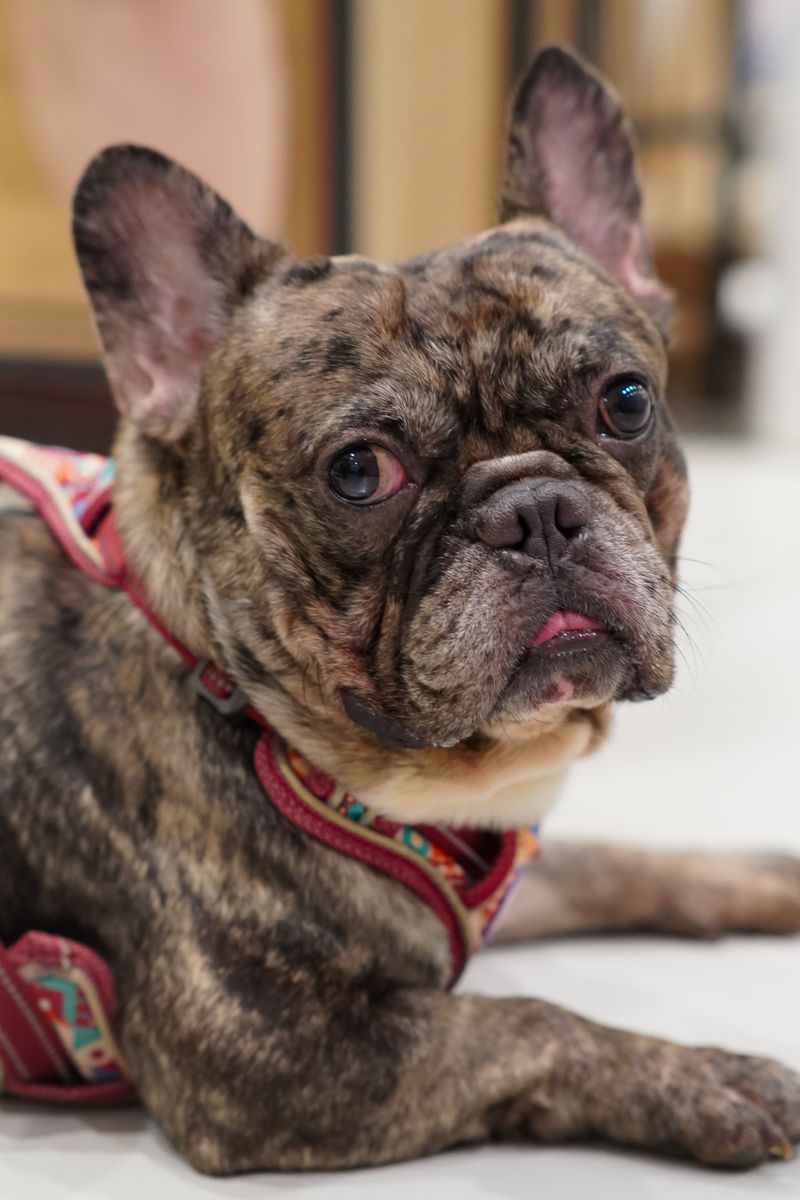
That sweet face comes with responsibilities. French Bulldogs often need help staying cool because short snouts limit airflow.
Choose gentle walks at sunrise or sunset and keep water handy. Watch body weight to ease breathing and joint load.
Work closely with a vet on airway, skin folds, and spine checks. Use a harness instead of a collar.
Short training bursts keep them engaged without overheating. Comfort and caution go a long way here.
English Bulldog – lovable soul, careful planning
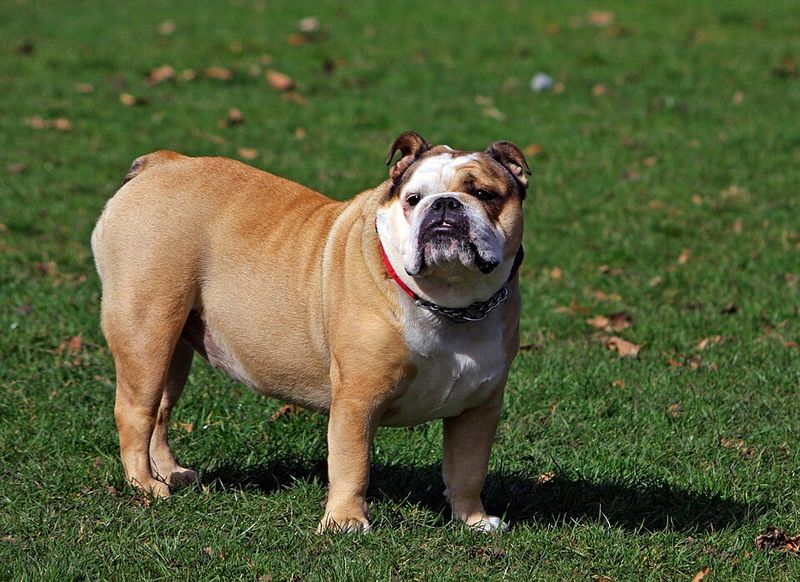
A gentle clown at home, the English Bulldog benefits from thoughtful routines. Heat is a major risk, so seek shade, use cooling mats, and keep walks short.
A healthy weight and slow, steady play protect joints and breathing.
Budget for regular vet visits focused on skin folds, airway, eyes, and hips. A well-fitted harness and non-slip floors help mobility.
Calm enrichment, like food puzzles, brings joy without strain. Love paired with planning keeps them comfortable.