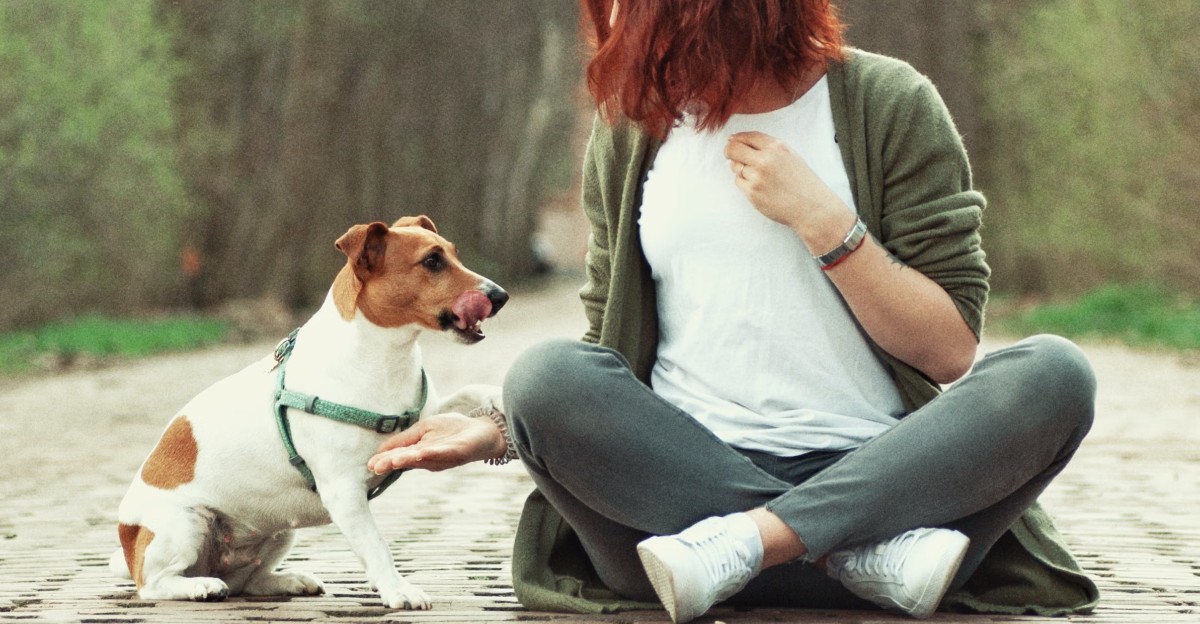
Some dogs shrug off mixed messages, but others notice every little change in your house rules. If the couch is allowed on Monday and banned on Friday, a smart or stubborn pup may decide the rules are just suggestions.
Knowing which breeds need steady routines can save you a lot of frustration. Here are ten dogs that do best when everyone in the family sticks to the same plan.
Border Collie
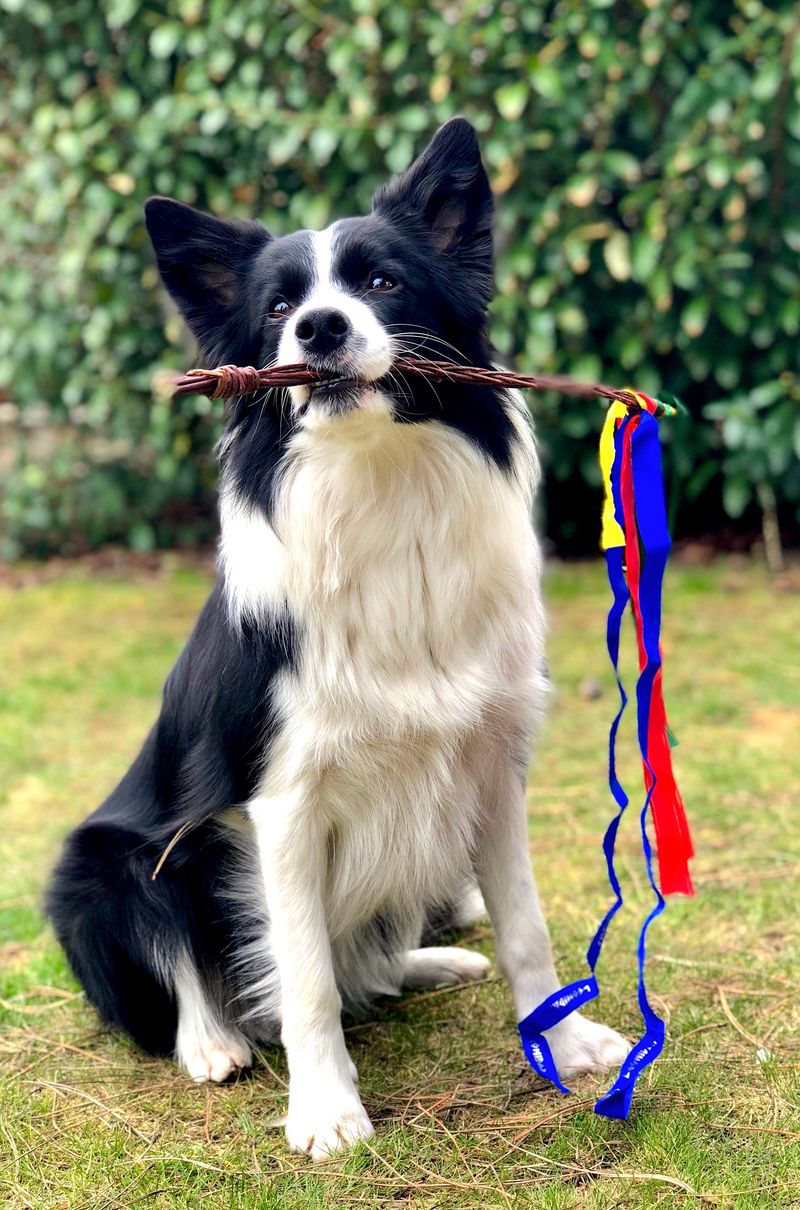
Picture a dog that remembers the one time you let it sneak a fry from the table. Border Collies are famous problem solvers, and they treat loose rules like a puzzle to crack.
Bred to herd sheep across Scottish hills, they crave clear jobs and clear limits. Pick simple commands, use the same words every time, and make sure the whole family agrees.
Consistency turns their brilliant brain into your best helper instead of your biggest challenge.
Siberian Husky
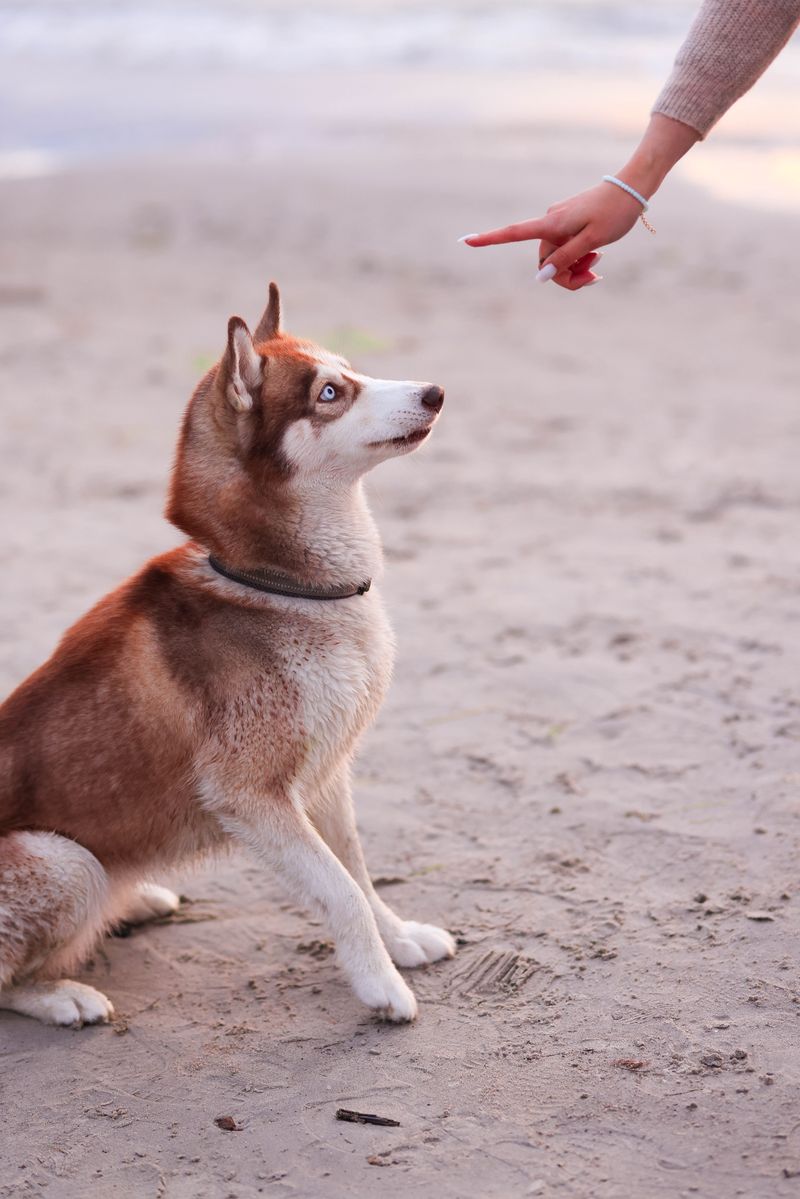
Huskies are the escape artists of the dog world. Give one an inch, and it will happily take a mile, sometimes literally, over your fence.
These sled dogs were bred to run long distances and make some choices on their own. When rules wobble, a Husky quietly decides it is in charge.
Keep leash rules firm, never skip recall practice, and reward good choices fast. Steady boundaries help this free spirit trust your lead.
Beagle
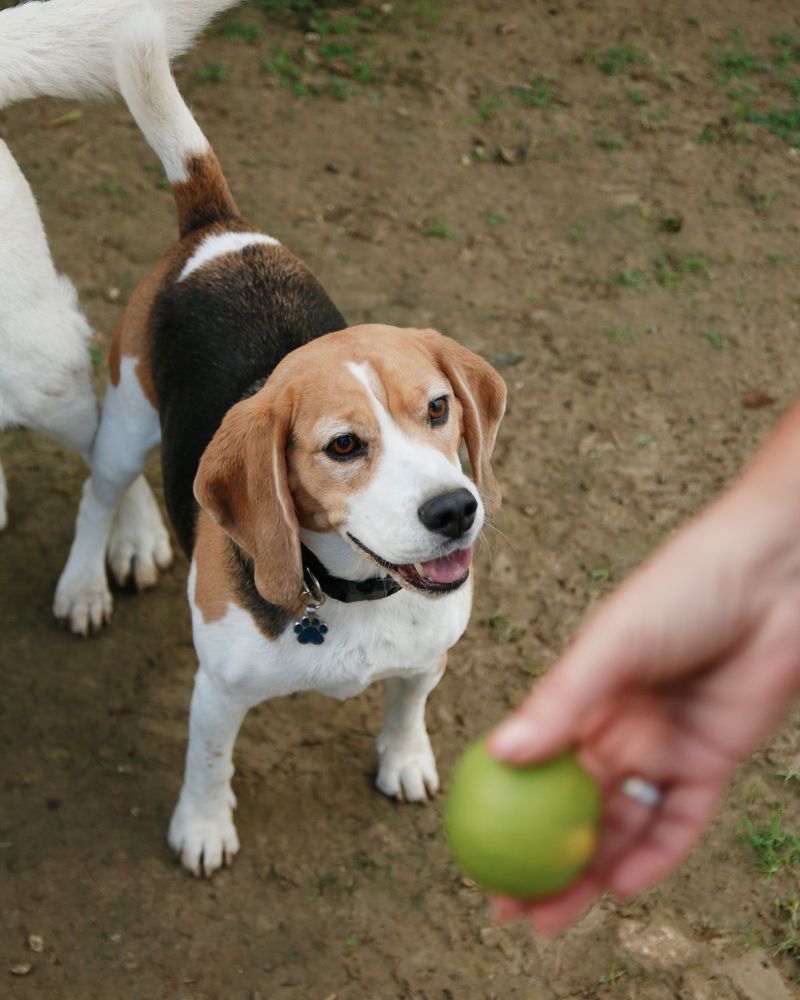
Ever watched a Beagle ignore you completely because it found an interesting smell? That nose has over 200 million scent receptors, and it often wins arguments.
Beagles are cheerful and food motivated, which is great news for training. The catch is that one table scrap teaches them begging works forever.
Decide on food rules early and stick with them. Short, tasty training sessions, repeated the same way daily, keep this happy hound listening.
Dachshund
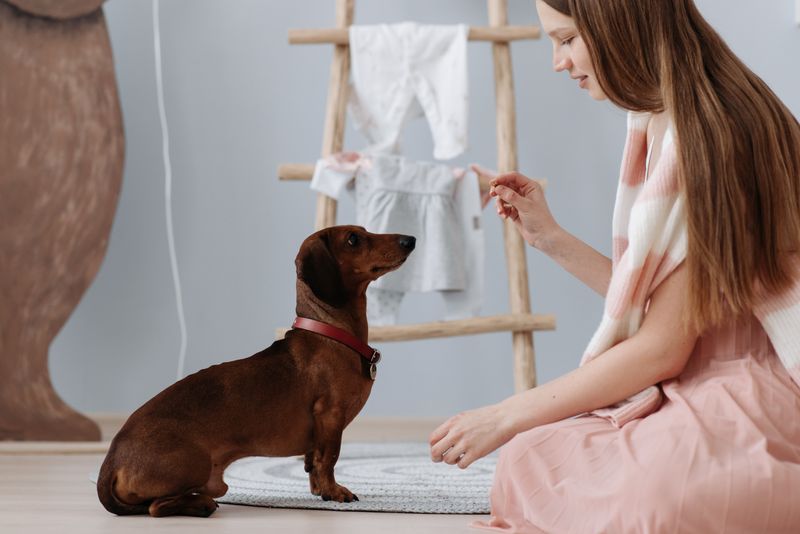
Small body, giant opinions. Dachshunds were bred in Germany to chase badgers into tunnels, so bravery and independence come built in.
Potty training is where mixed rules really hurt. If outside trips happen at random times, a Doxie may pick its own spot indoors.
Set a fixed schedule and praise every success like it won a trophy. Fun fact: their name literally means badger dog in German, and they still act the part.
Shiba Inu
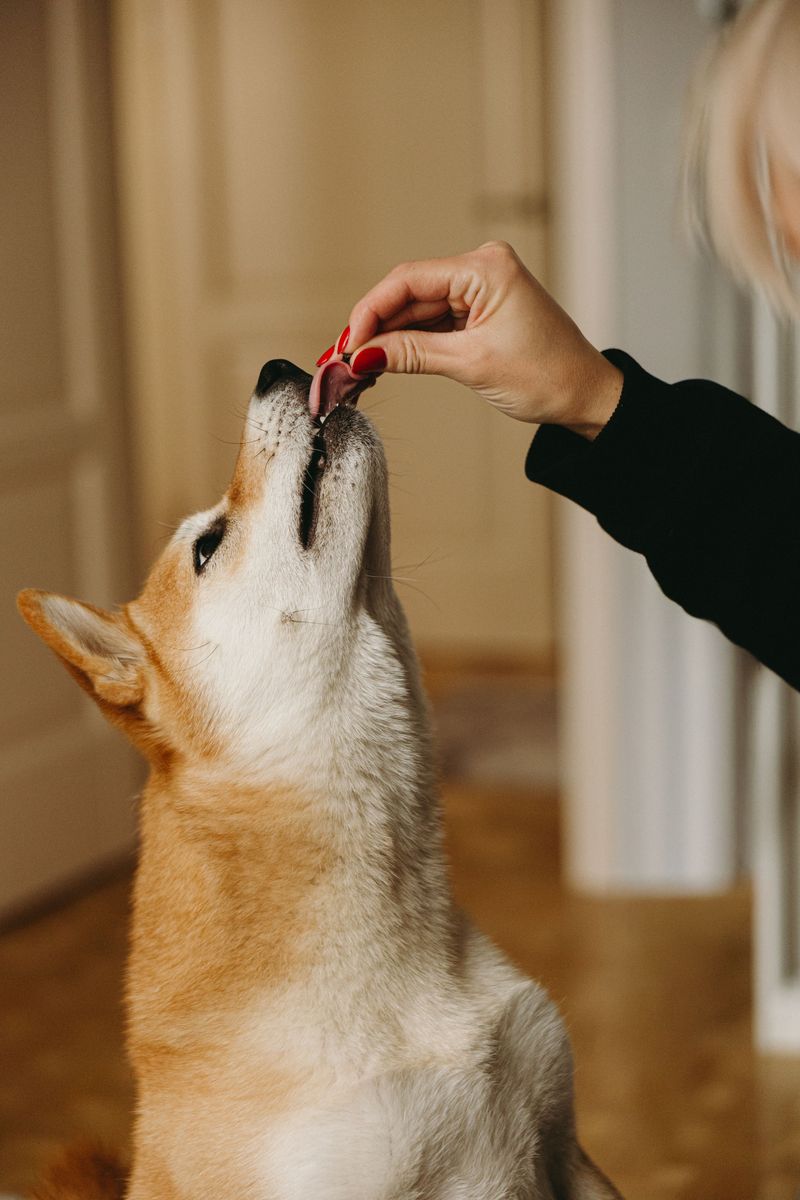
Many owners joke that a Shiba Inu is a cat in a dog costume. This ancient Japanese breed is clean, clever, and very sure of itself.
Shibas test boundaries just to see if they still exist. Change a rule once, and they will remember that loophole for weeks.
Stay calm, keep sessions short, and never use harsh punishment, since it breaks their trust. Gentle, predictable routines earn respect from this proud little fox-like dog.
German Shepherd
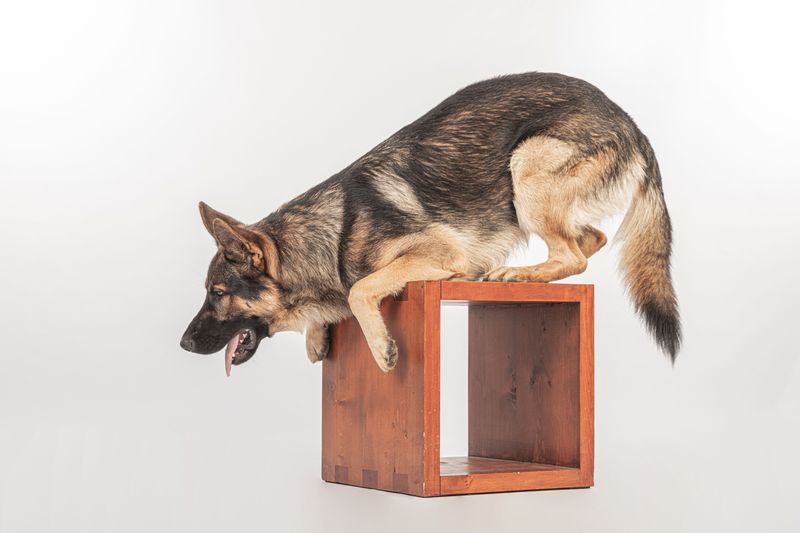
Police departments around the world trust German Shepherds for a reason. These dogs love structure and thrive on knowing exactly what is expected.
Without steady leadership, though, their loyalty can turn into anxiety or overprotection. A Shepherd confused about the rules may start guarding the house a little too seriously.
Give it daily tasks, clear commands, and calm confidence. When everyone at home trains the same way, you get a focused, devoted partner.
Jack Russell Terrier
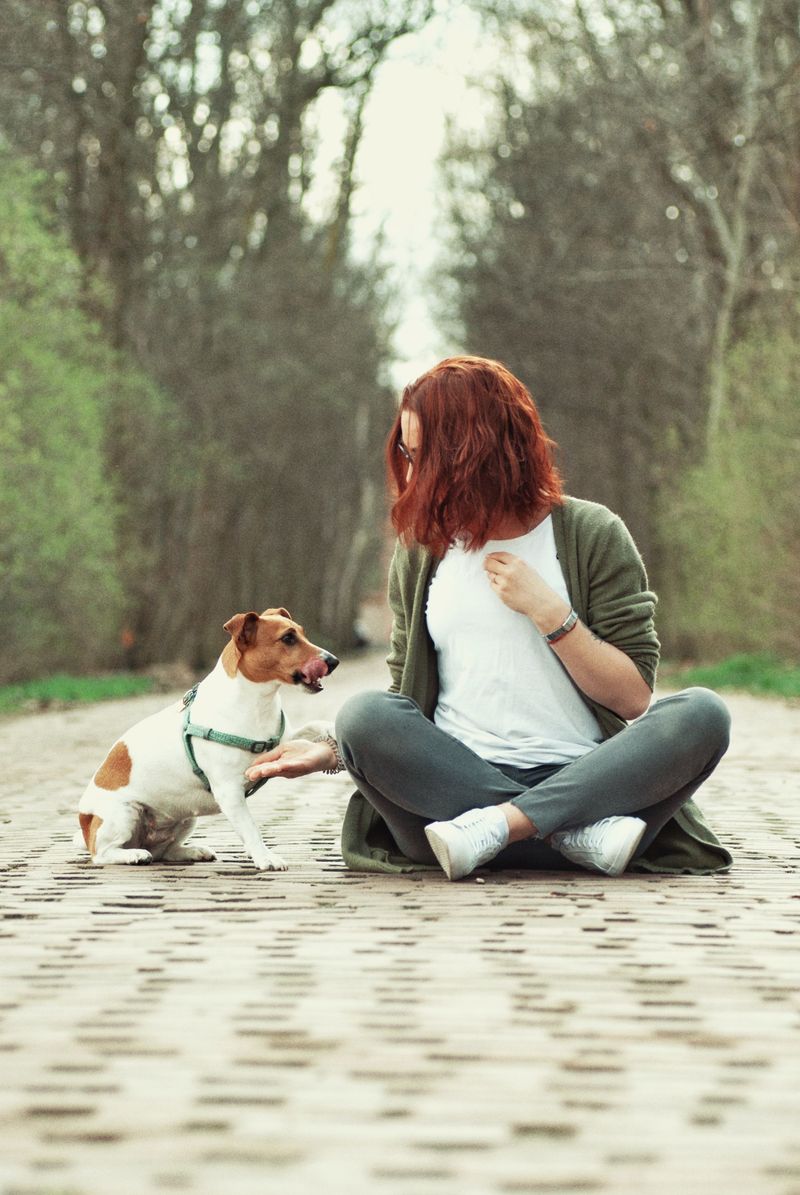
Boing! If you have ever met a Jack Russell, you know they seem powered by springs and coffee.
Bred to hunt foxes, they are fast, fearless, and endlessly busy.
A bored Jack will invent games, like digging up your garden. Mixed rules about jumping or chewing just add fuel.
Burn energy with daily play, then keep house manners the same every single day. Structure gives that wild spark a healthy outlet.
Chow Chow
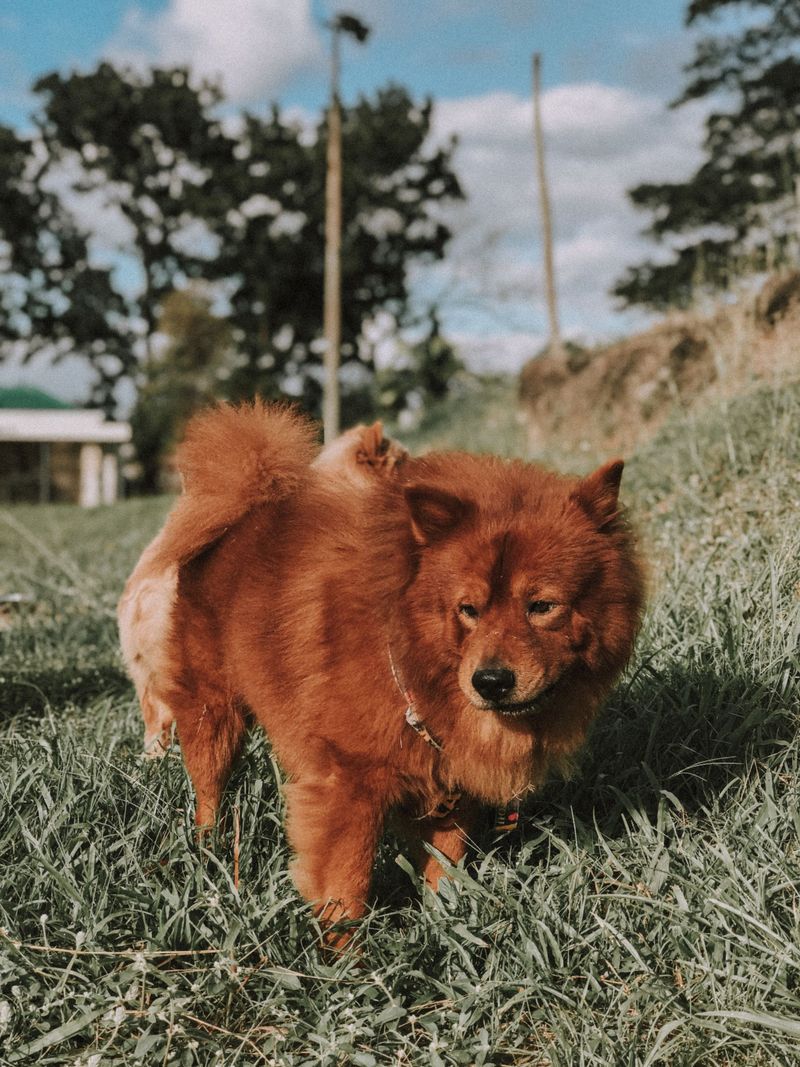
With its lion mane and blue-black tongue, the Chow Chow looks like royalty, and it often acts that way too. This breed from China is dignified, reserved, and quite stubborn.
Chows do not respond well to flip-flopping. If permission changes from day to day, they may simply stop cooperating.
Start socializing early, keep commands polite and firm, and repeat them consistently. Earn this dog’s respect slowly, and you gain a calm, loyal friend.
Australian Cattle Dog
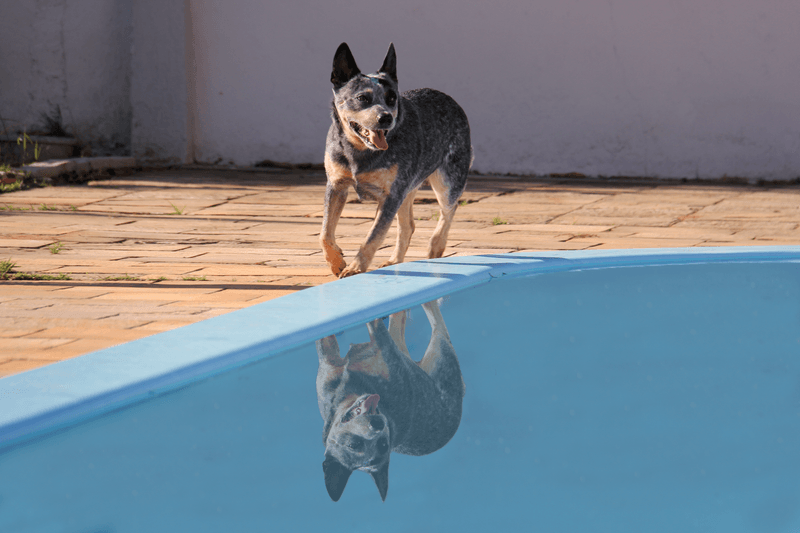
Tough enough to move cattle across the Australian outback, Blue Heelers have energy that never seems to quit. One famous heeler named Bluey lived almost 30 years!
These dogs nip at heels when unsure who is boss, a leftover herding habit. Fuzzy rules make that worse.
Offer puzzle toys, long runs, and a training plan everyone follows. Once a heeler knows its job and limits, it becomes a hardworking, devoted buddy.
Afghan Hound
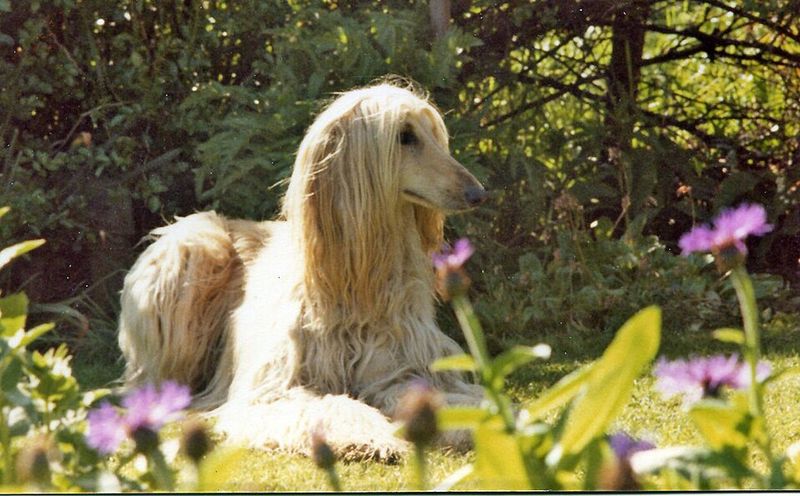
Gorgeous flowing hair, model-like poses, and a mind of its own. Afghan Hounds were bred to chase prey through mountain terrain, often far ahead of their hunters.
That history means they think for themselves and may ignore commands that seem pointless. Changing expectations only convinces them you are not serious.
Stay patient, use upbeat rewards, and keep routines identical. Progress may feel slow, but steady practice with this graceful sighthound truly pays off.