
Weather swings are getting wilder, but your dog does not have to struggle through every heat spike or cold snap. Small, science smart changes can keep paws comfy and tails wagging year round. From cooling tech to routine tweaks, these ideas help you stay one step ahead of the forecast. Ready to feel prepared instead of panicked when the weather app turns red or blue?
Cool-core bandanas

Cool-core bandanas use moisture and airflow to pull heat away from your dog’s neck. You soak the fabric, wring it lightly, then let evaporation do the work on walks or backyard breaks. The goal is gentle temperature relief without bulky gear.
Choose light colors that reflect sun, and fabrics labeled hyper-evaporative or PVA free. Fit should be snug but not tight, letting two fingers slide underneath easily. Rewet every 20 to 40 minutes during peak heat for consistent comfort.
Pair the bandana with shade and frequent water offered in small, steady sips. Watch for signs of overheating like glazed eyes, thick drool, or wobbling. If noticed, pause activity immediately and move to a cooler area.
Heat-wave walk timing
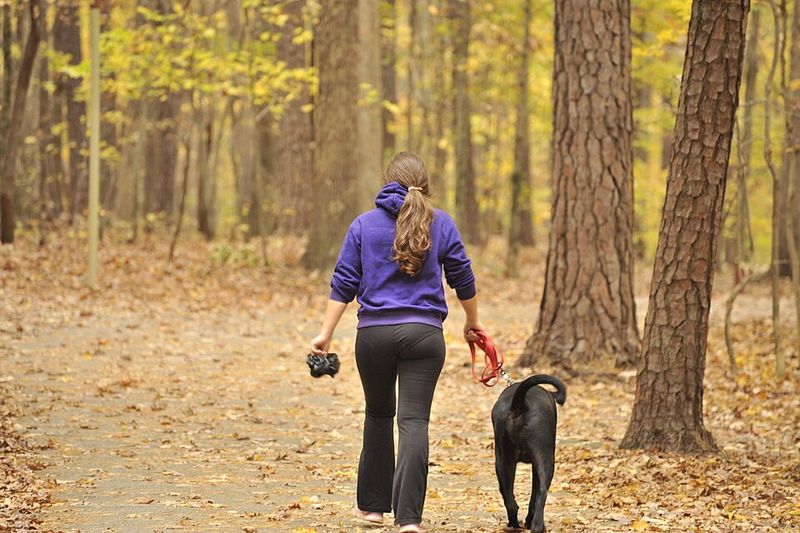
Shifting walk times is the simplest climate hack you can make. Aim for sunrise or late evening when pavements cool and UV intensity drops. Your dog’s paws and lungs will thank you with easier breathing and relaxed movement.
Use a reliable weather app to track hourly temperature, humidity, and the wet bulb globe temperature if available. High humidity blocks sweat evaporation, so your dog overheats faster. Shorten routes and add shady loops on dangerous days.
Carry water and rest often, avoiding dark asphalt that stores heat. Test surfaces with your hand for seven seconds before stepping off. If it is too hot for you, it is too hot for paws, so reschedule or switch to indoor games.
UV-protective dog coats
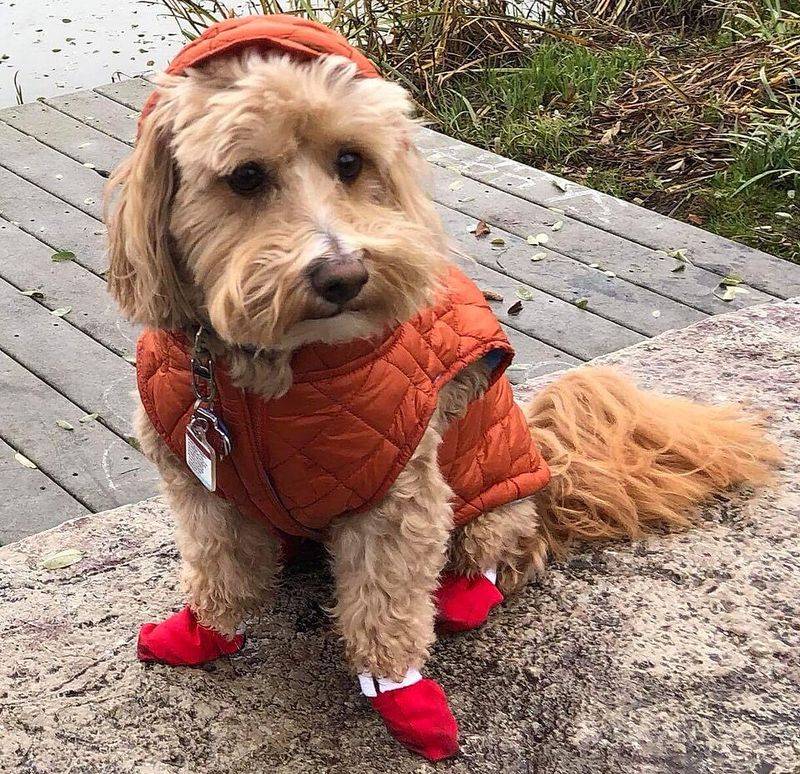
Short coats or light fur do not guarantee UV safety, and many dogs get sunburned along spines and bellies. UV-protective dog coats use UPF rated fabric to block harmful rays without trapping heat. They are ideal for midday travel or high altitude hikes.
Look for UPF 40 plus ratings, breathable mesh panels, and reflective trim for added visibility. A contoured fit prevents chafing while allowing shoulder freedom. Light colors keep the coat cooler and easier to spot in crowds.
Pair with pet safe sunscreen on ears and nose for added defense. Wash gently to preserve the UPF treatment over time. In extreme heat, combine with shade breaks and cool water spritzes to prevent overheating and fatigue.
Hypo-allergenic hydration gels
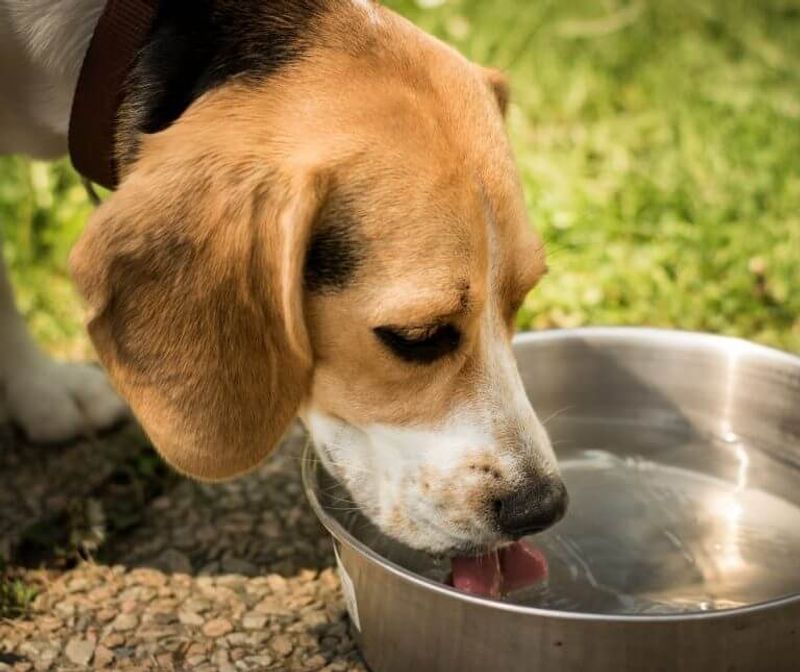
When drinking slows under stress, hydration gels can bridge the gap. These palatable gels offer water, light electrolytes, and sometimes amino acids in an easy lick form. Sensitive stomach formulas reduce risk of diarrhea during heat events.
Choose vet reviewed options free from artificial dyes and common allergens. Portion by weight and activity level to avoid overloading sodium. For picky drinkers, mix a small dab into a water bowl to encourage sips.
Use gels as a supplement, not a replacement for fresh water access. Store pouches in a cool bag on outings and discard leftovers after opening. If vomiting, lethargy, or sticky gums appear, consult a veterinarian and pause strenuous activity immediately.
Climate-adaptive bedding
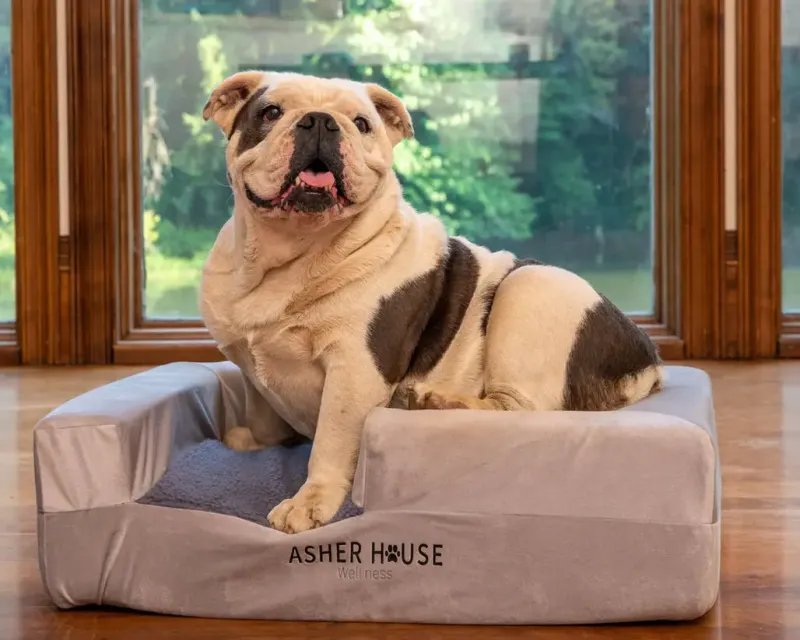
Dogs overheat or chill quickly on the wrong surface, so bedding that adapts by season is a smart upgrade. Reversible beds with a cool-touch side and insulating side help regulate temperature without constant gear changes. Orthopedic foam adds joint relief.
Look for gel infused foams, breathable covers, and removable liners for easy washing. A raised edge blocks drafts while giving head support. Non-slip bottoms keep the bed steady on tile during zoomies or quick turns.
Place the bed away from vents, windows, and direct sun to stabilize microclimate. In summer, rotate to the cool side and add airflow. In winter, switch to the plush side and pair with a light throw for extra warmth.
Cold-soak cooling mats
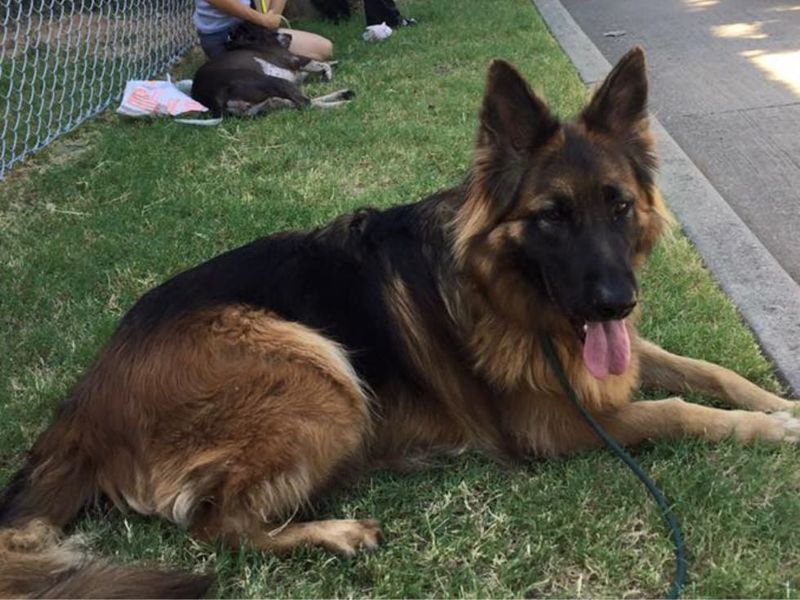
Cold-soak mats lower body temperature through conductive cooling. You soak the mat or place it briefly in the fridge, then set it on tile or shaded deck for maximum effect. Dogs learn quickly to seek it out during heat spikes.
Pick puncture resistant materials if your dog nests or scratches. Avoid extreme freezer temperatures which can shock skin or stiffen the fill. Clean with mild soap to prevent mildew and odors after each use.
Offer short sessions first and monitor for shivering or reluctance. Combine the mat with fresh water and slow activities like puzzle feeders. If your dog pants heavily despite resting, end heat exposure and contact your vet for guidance.
Reflective outdoor gear
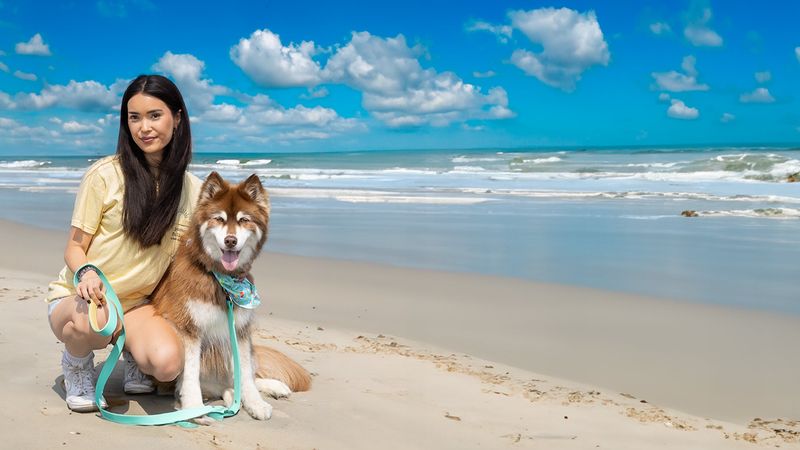
Wild weather often shifts walk windows to dawn or dusk, so visibility becomes safety. Reflective harnesses, collars, and leashes bounce headlights back to drivers. Pairing passive reflectivity with small LED clips creates a bright moving outline.
Choose gear that wraps around the chest and sides where light hits most. Test visibility by stepping away and shining a flashlight from car height. Replace worn straps that dull or fray after heavy use.
Keep tags readable and secured with a quiet ring. Add a reflective rain shell for extra contrast in drizzle or fog. When trails get dark early, stick to familiar routes and keep your dog leashed to prevent startle related dashes.
Seasonal skin guards
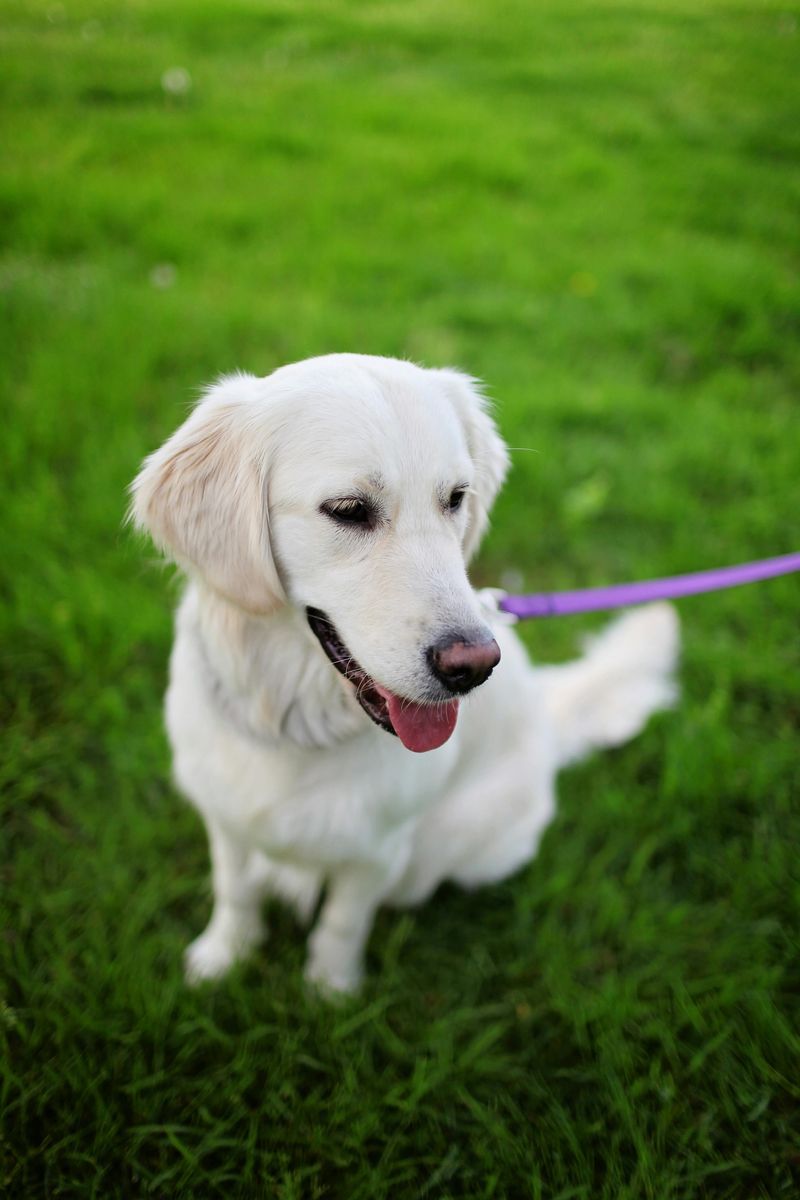
Skin takes the brunt of climate stress, from sun to windburn to salt. Seasonal balms and sprays create a protective barrier on noses, paw pads, and bellies. Many include soothing ingredients like calendula, shea, and zinc oxide alternatives safe for pets.
Patch test any product on a small area and wait 24 hours. Avoid human sunscreens with zinc or salicylates that can harm dogs if licked. Reapply after swimming, rain, or heavy snow exposure to maintain coverage.
Keep nails trimmed so pads land evenly on ice and hot ground. Rinse paws after walks to remove salt and grit. If redness, cracking, or persistent licking shows up, pause outdoor time and consult your veterinarian promptly.
Weather aware feeding
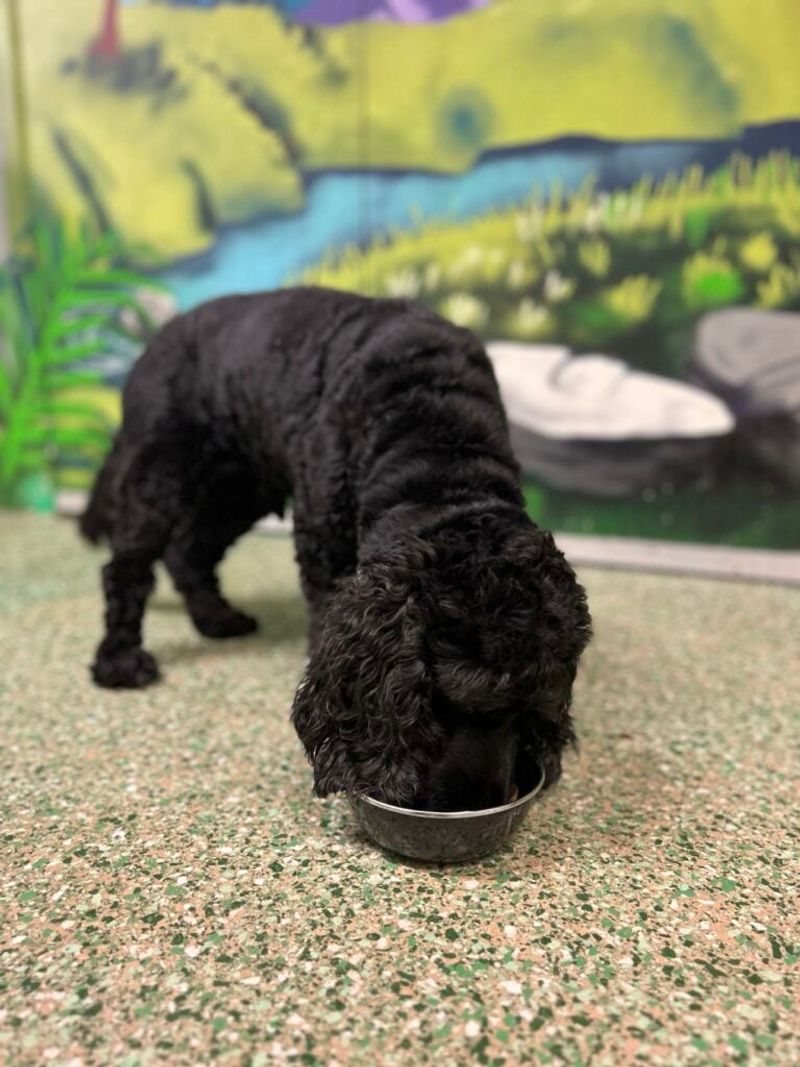
Dogs burn energy differently in heat versus cold, so feeding should flex with weather. In summer, lighter meals with hydration rich toppers like cucumber or broth can help. In winter, working breeds might need modest calorie bumps for warmth.
Use a smart bowl or simple notebook to track appetite, stool, and activity changes. Any sudden drop in interest can signal heat stress or dehydration. Split meals to avoid heavy post dinner panting on hot nights.
Introduce changes gradually over several days to protect digestion. Confirm any major adjustments with your vet, especially for puppies or seniors. Avoid salty human foods which worsen thirst and can upset electrolyte balance during extreme temperatures.
Fog-free scent walks
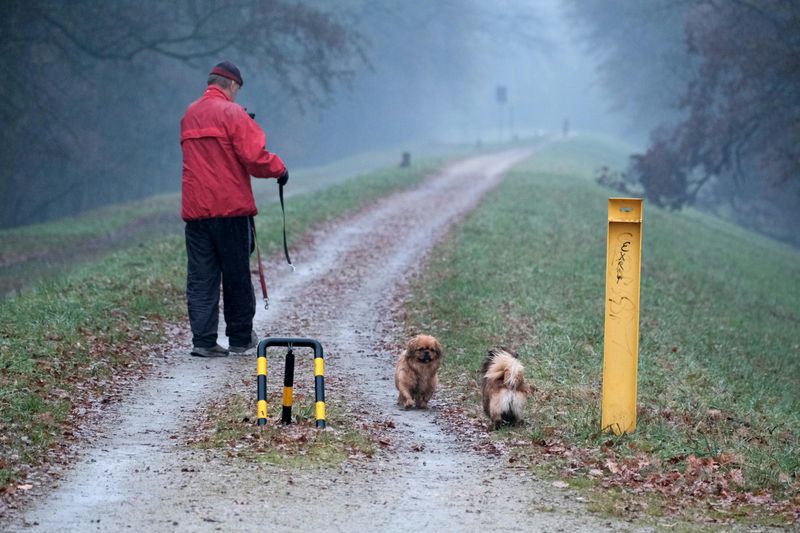
When visibility drops, think nose first not distance. Scent walks let dogs work olfactory muscles with short, mindful routes and sniff breaks. This mental workout reduces frustration when conditions limit exercise time.
Use a longer leash and give permission to investigate safe areas. Scatter treats in grass, place scent swabs on tree bases, or use a simple snuffle mat. Keep communication steady with calm voice and gentle guidance.
Wear reflective gear and choose familiar paths in fog. Avoid busy roads where drivers may not see you early. End with a cozy towel dry to prevent damp chill, and offer water to clear mucus and keep nasal passages comfortable.
Snow-traction gear
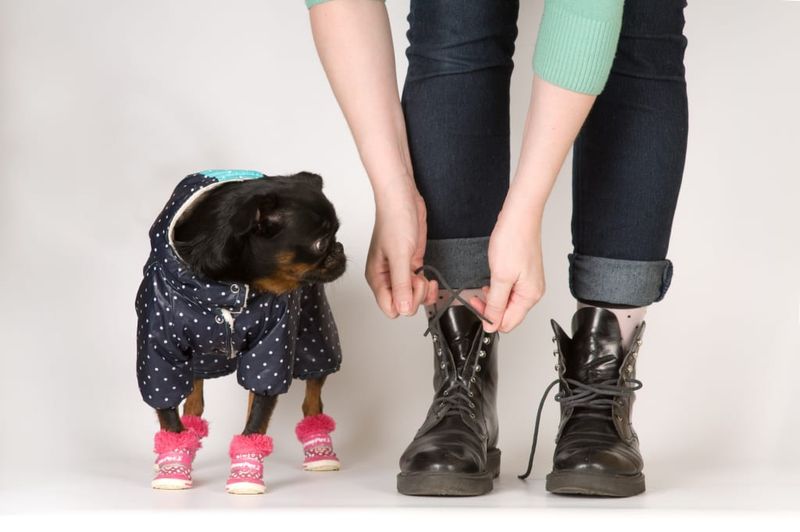
Ice can shred pads and strain joints, so traction booties are winter essentials. Look for snug cuffs, textured soles, and insulation without bulk. Practice indoors first so your dog learns the new feel and does not fling them off.
Measure paws carefully, then secure straps evenly to prevent rubbing. Apply a paw wax layer for extra grip and moisture resistance. After outings, rinse salt and check between toes for packed snow or small cuts.
Pair booties with a lightweight coat for wind protection. Keep sessions shorter during deep cold and watch for lifted paws or stiffness. Warm up at home with a soft blanket and a slow stretch routine to keep muscles happy.
Hydration tracking bands
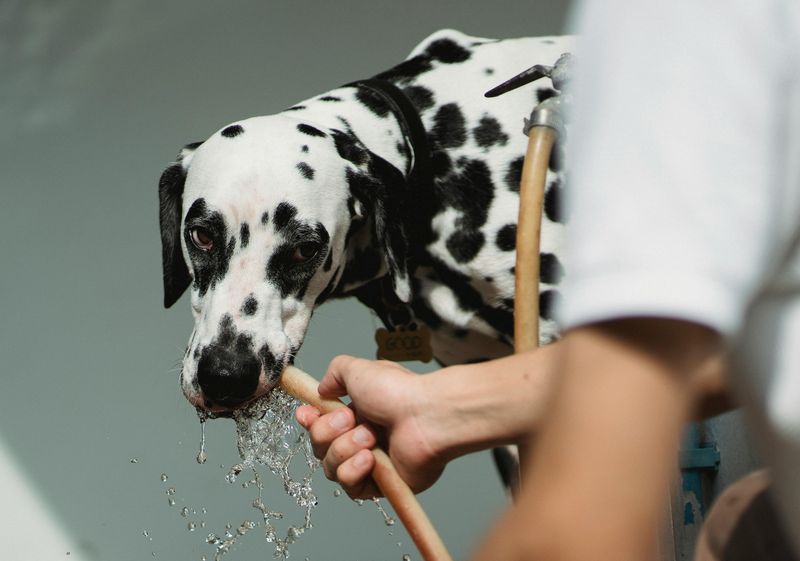
Smart bands estimate hydration needs by combining temperature, activity, and sometimes heart rate. Paired apps nudge you when it is time to offer water or rest. This can be invaluable during heat waves or road trips without routine cues.
Pick devices with durable, water resistant housings and long battery life. Calibrate fit to avoid chafing under the collar. Review weekly trends and adjust walk intensity or rest windows based on data.
Tech is a guide, not a diagnosis. If gums feel tacky or urine turns dark, prioritize immediate fluids regardless of the app. Always confirm unusual readings with real world checks and contact your vet if dehydration signs persist.
Heat-acclimate swimming
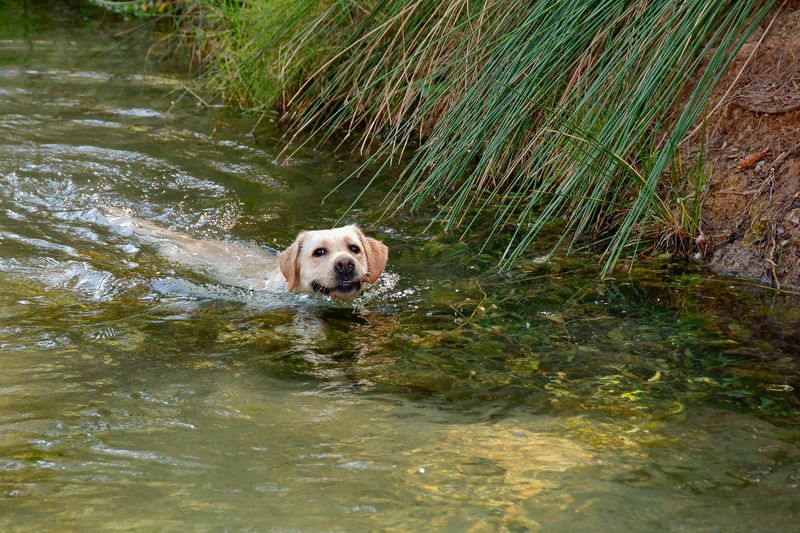
Water work builds conditioned cooling, teaching your dog to settle heart rate while staying refreshed. Choose shaded lakes or slow streams and start with short, supported sessions. A well fitted buoyancy vest keeps posture balanced and confidence high.
Rinse coat after to remove algae, pollen, or pool chemicals. Offer breaks on a towel to prevent overcooling during breezes. Avoid fast rivers, blue green algae blooms, and midday heat that bakes shorelines.
Bring fresh water so your dog does not drink from questionable sources. Teach a solid recall before off leash swims. If coughing, lethargy, or head tilting appears after water time, call your vet to rule out aspiration or ear issues.
Wind-calm rest zones
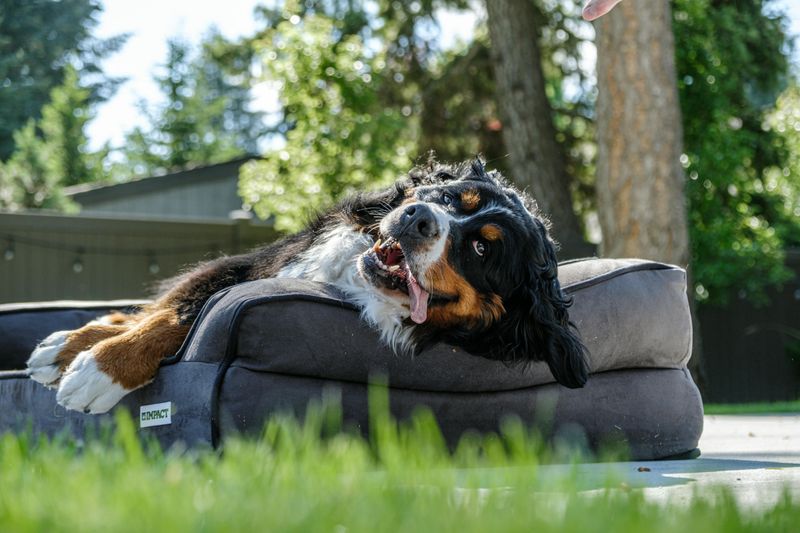
Gusty fronts rattle nerves and push cold drafts across floors. Create a wind-calm zone with a covered crate or nook lined with breathable fabric. White noise masks whistling windows and reduces stress for sound sensitive pups.
Seal gaps with simple draft stoppers and lift beds off tile using a platform. Place water nearby so your dog does not avoid drinking. A familiar chew adds positive association and helps release tension.
Introduce the space during quiet times first, rewarding voluntary visits. Rotate blankets seasonally and keep airflow gentle, not stuffy. When storms roll in, you will have a ready retreat that helps your dog settle and conserve energy comfortably.