
Hot weather changes what a dog needs every day. Some breeds handle warm sidewalks, bright sun, and humid afternoons better than others.
Choosing with climate in mind can help your dog stay safer, happier, and more active. Before falling for a cute face, think about how that dog will feel in your local weather.
Chihuahua: Tiny Dog, Big Heat Advantage
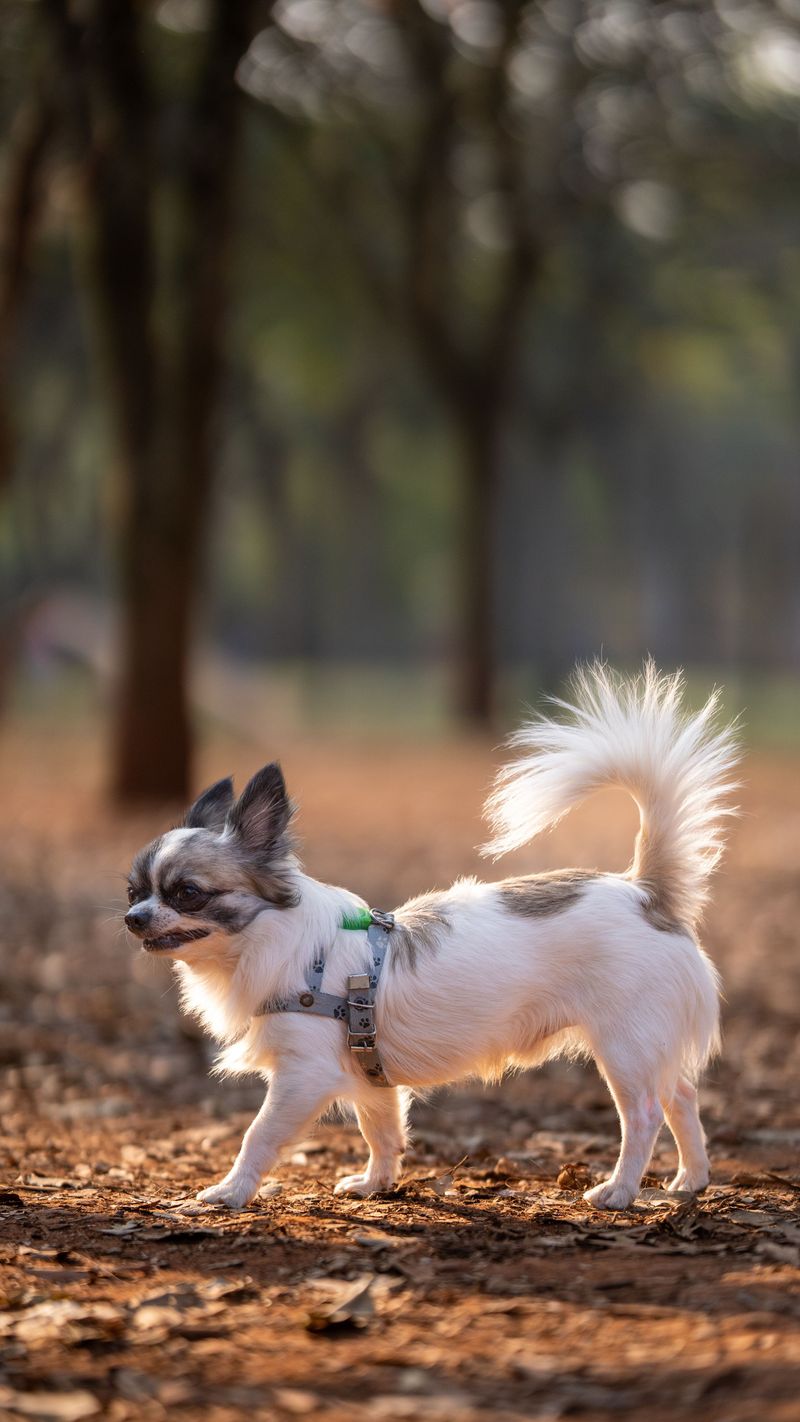
A Chihuahua may look fragile, but warm places often suit this tiny dog well. Its small body and short coat can make heat easier to manage than for heavy, thick-coated breeds.
Still, size does not make it sun-proof. Walk early, protect paws from hot pavement, and offer shade often.
Many Chihuahuas enjoy lounging in sunny spots, but they still need cool indoor breaks and fresh water during long summer days.
Dalmatian: Spotted Athlete With Sun Needs
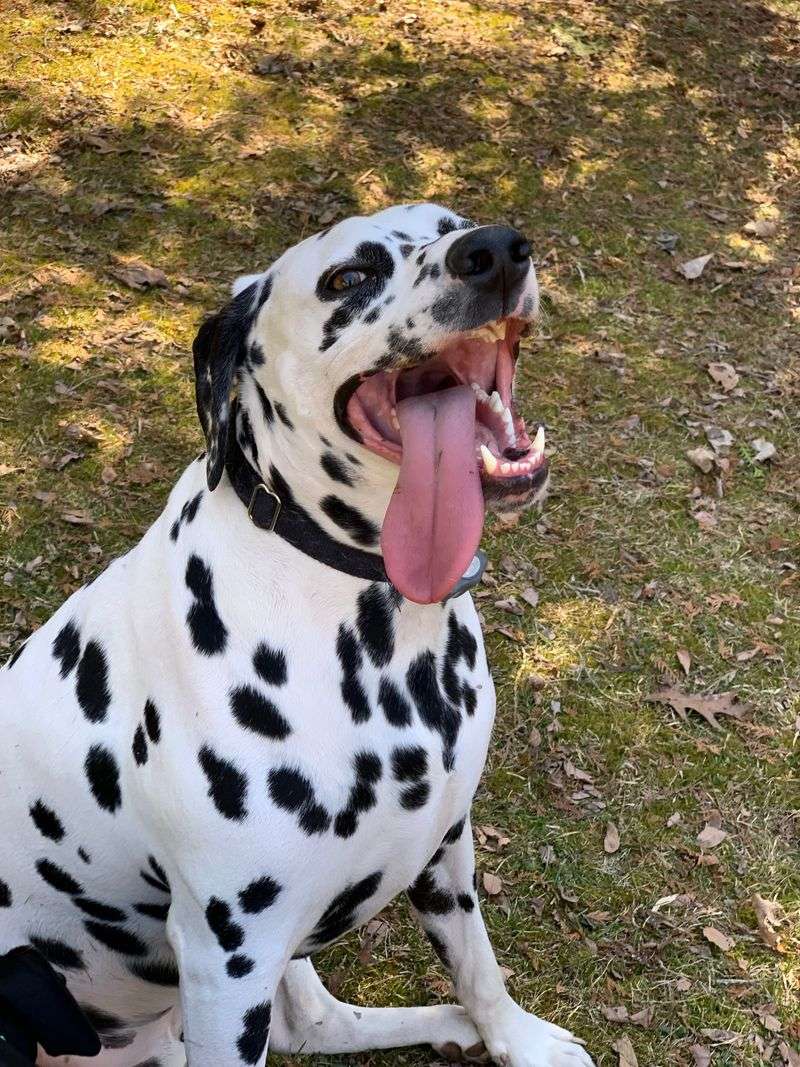
Spots, speed, and style make the Dalmatian hard to miss. This active breed can live in warm areas, but its energy means owners must plan exercise wisely.
A white coat may reflect some sunlight, yet thin fur can leave skin sensitive. Early morning runs are better than noon walks.
Watch for panting that does not settle, slow steps, or glassy eyes. A shaded yard is helpful, but air conditioning after play matters too.
Greyhound: Built for Speed, Not Long Heat
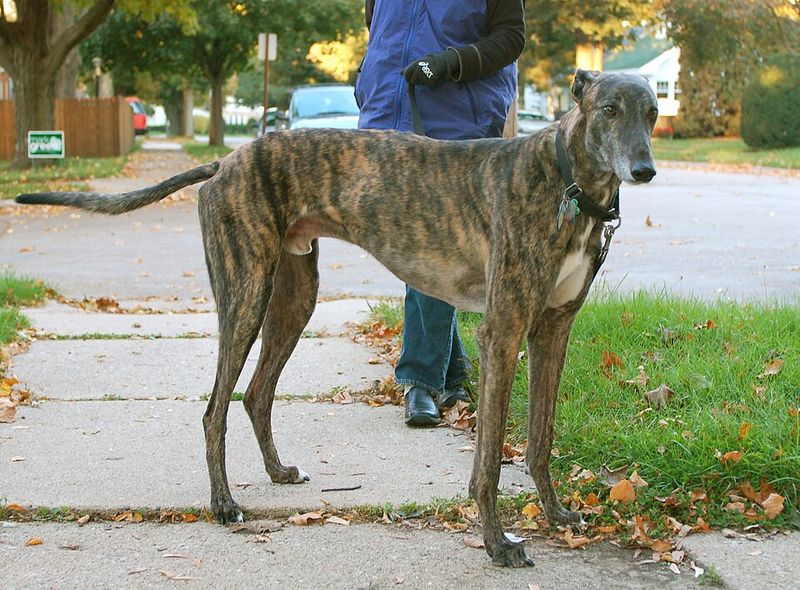
The Greyhound looks like a racing machine, yet at home it often becomes a quiet couch fan. Its short coat and lean body can help in warm climates, as long as heat exposure stays brief.
Because Greyhounds carry little body fat, they may struggle with harsh sun and sudden temperature swings. Short walks, soft bedding, and indoor cooling are smart.
After a sprint, give water and rest before another burst of play.
Whippet: A Sun-Loving Sprinter With Limits
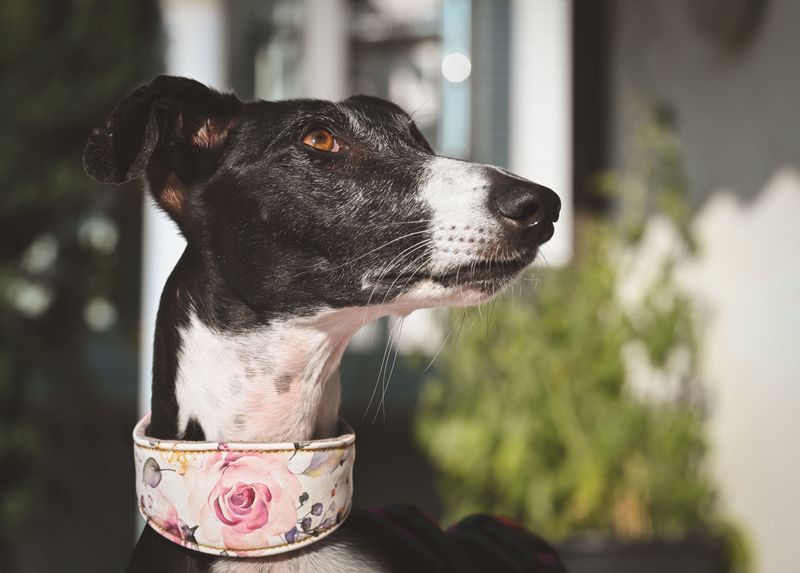
Quick as a breeze, the Whippet can seem made for sunny neighborhoods. Its sleek coat dries fast and does not trap much warmth, which helps during mild heat.
That sporty body also overheats if play turns into nonstop chasing. Keep fetch sessions short, use grass instead of pavement, and carry water on outings.
Whippets love comfort, so a cool sofa after exercise is not spoiling them. It is good climate care.
Doberman Pinscher: Sleek Guardian, Careful Cooling
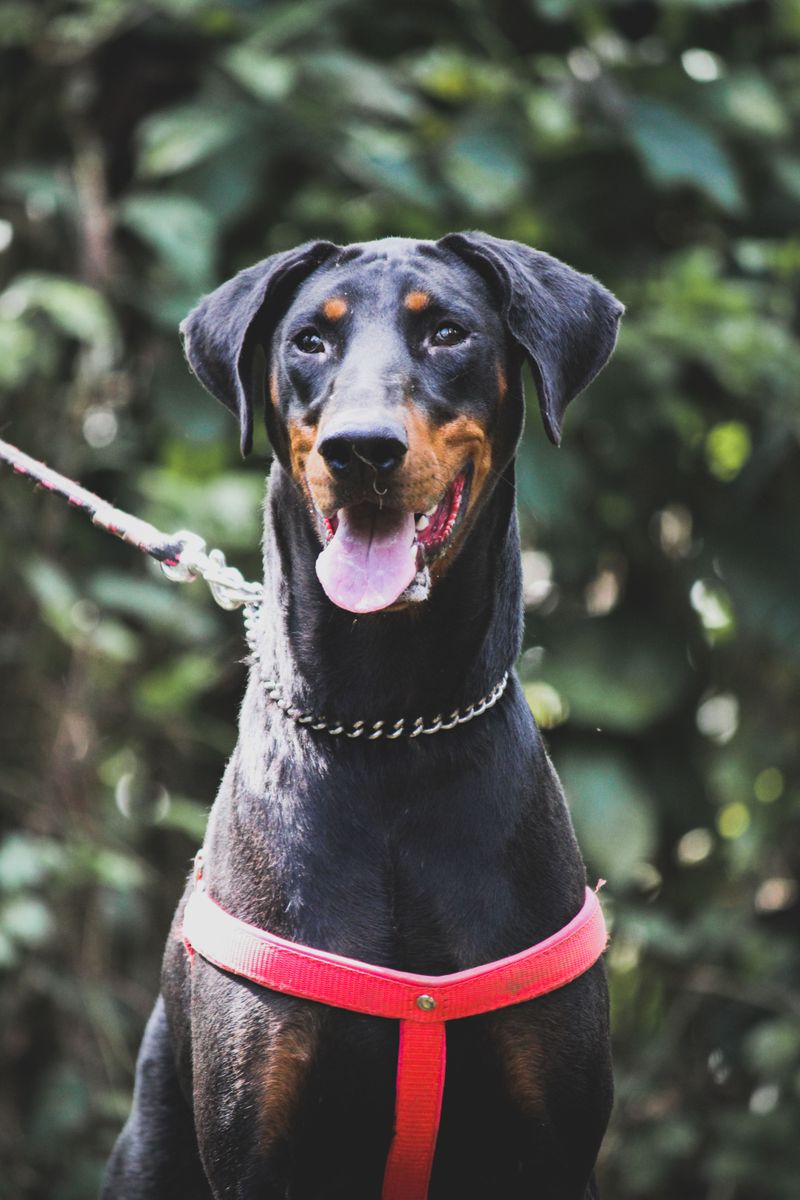
A Doberman often moves with proud confidence, like it knows every corner of the yard. Its short coat can be an advantage in warm regions, but dark coloring can soak up sunlight fast.
Plan training during cooler hours and skip hard work on steamy afternoons. This breed enjoys having a job, so try indoor obedience games when the heat rises.
Check ears, gums, and breathing after activity, and never leave it outside without shade.
Great Dane: Giant Size, Giant Heat Concerns
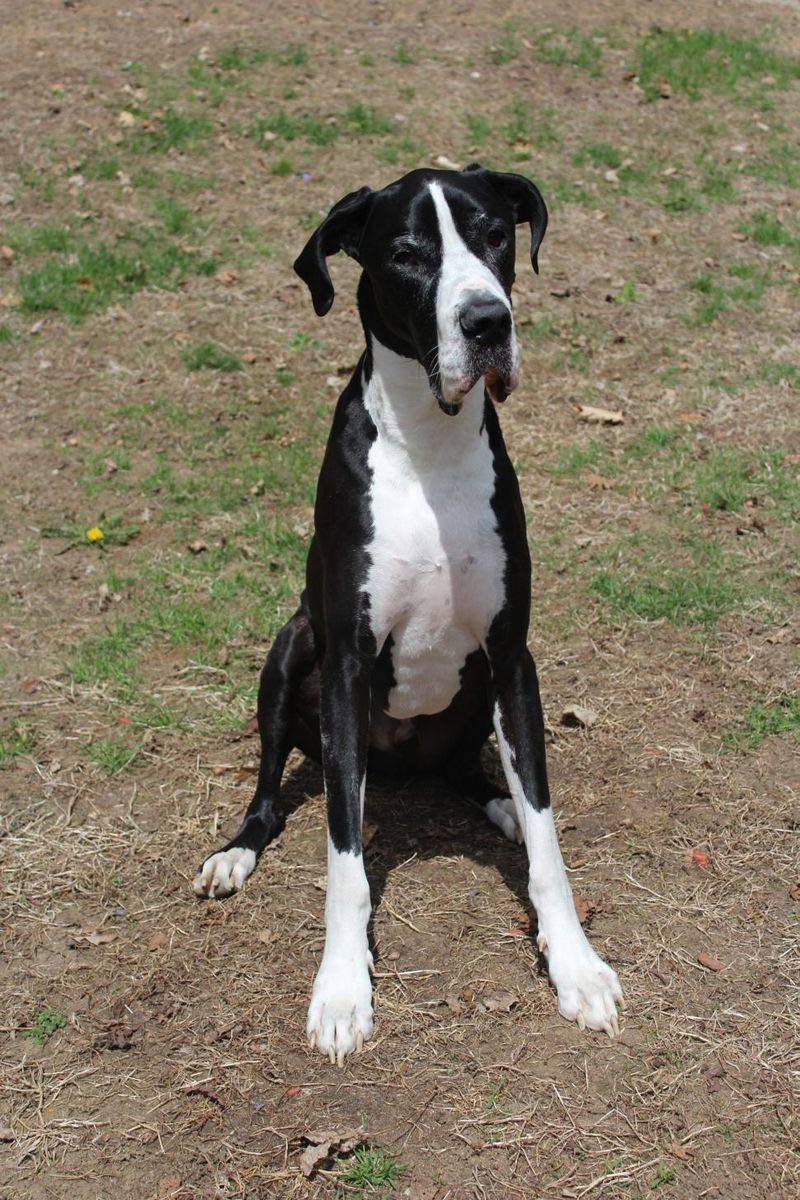
A Great Dane fills a room with long legs, sleepy eyes, and a whole lot of charm. Warm weather can be tough, though, because large bodies hold heat longer.
Even with a short coat, this giant needs careful cooling. Slow walks beat long hikes, and tile floors may become a favorite resting place.
Watch for heavy drooling, weakness, or noisy breathing. Big dogs can decline quickly in heat, so plan summer days around comfort.
Beagle: Nose First, Weather Second
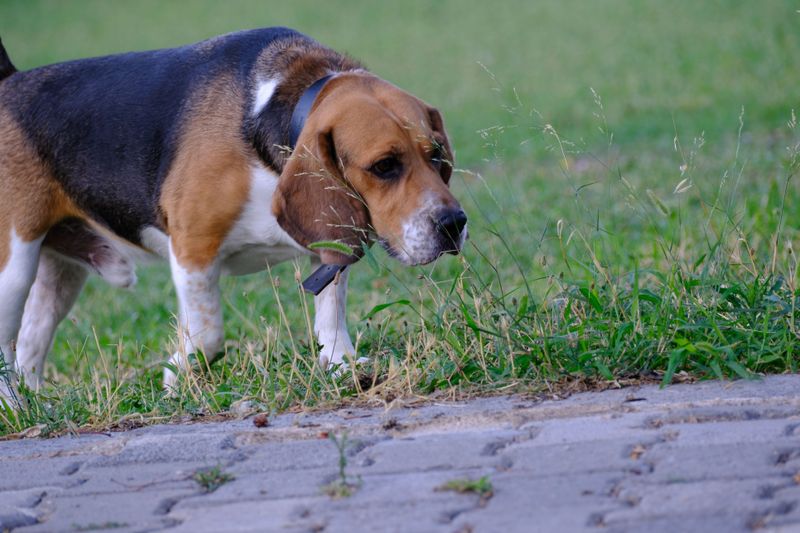
A Beagle following a scent may forget the sun completely. That famous nose can lead it across yards, trails, and sidewalks long after the day has grown too hot.
This sturdy breed can manage warm weather with sensible routines. Use a harness, bring water, and choose shady sniff walks instead of fast runs.
Beagles can gain weight easily, which makes heat harder, so steady meals and gentle exercise help keep summer adventures safe.
American Staffordshire Terrier: Muscular Friend With Heat Rules
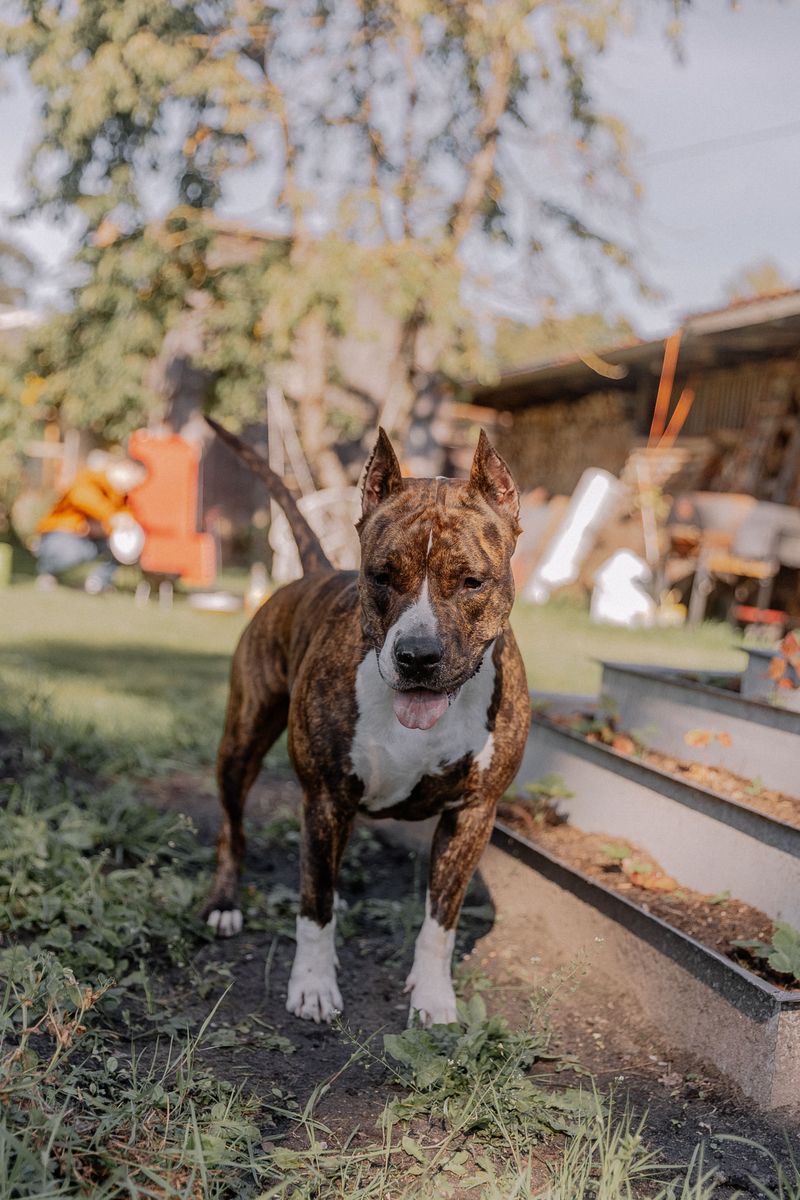
With a broad smile and strong body, the American Staffordshire Terrier brings plenty of heart to an active home. Short fur may seem heat-friendly, but muscle creates warmth during play.
Many love tug, running, and training games, so owners need firm stopping points. Use shaded areas, cooling mats, and calm breaks between bursts of fun.
Light-colored dogs may need sun protection on thin-haired spots. In humid weather, keep sessions short and watch breathing closely.
Miniature Pinscher: Little Firecracker in Warm Weather
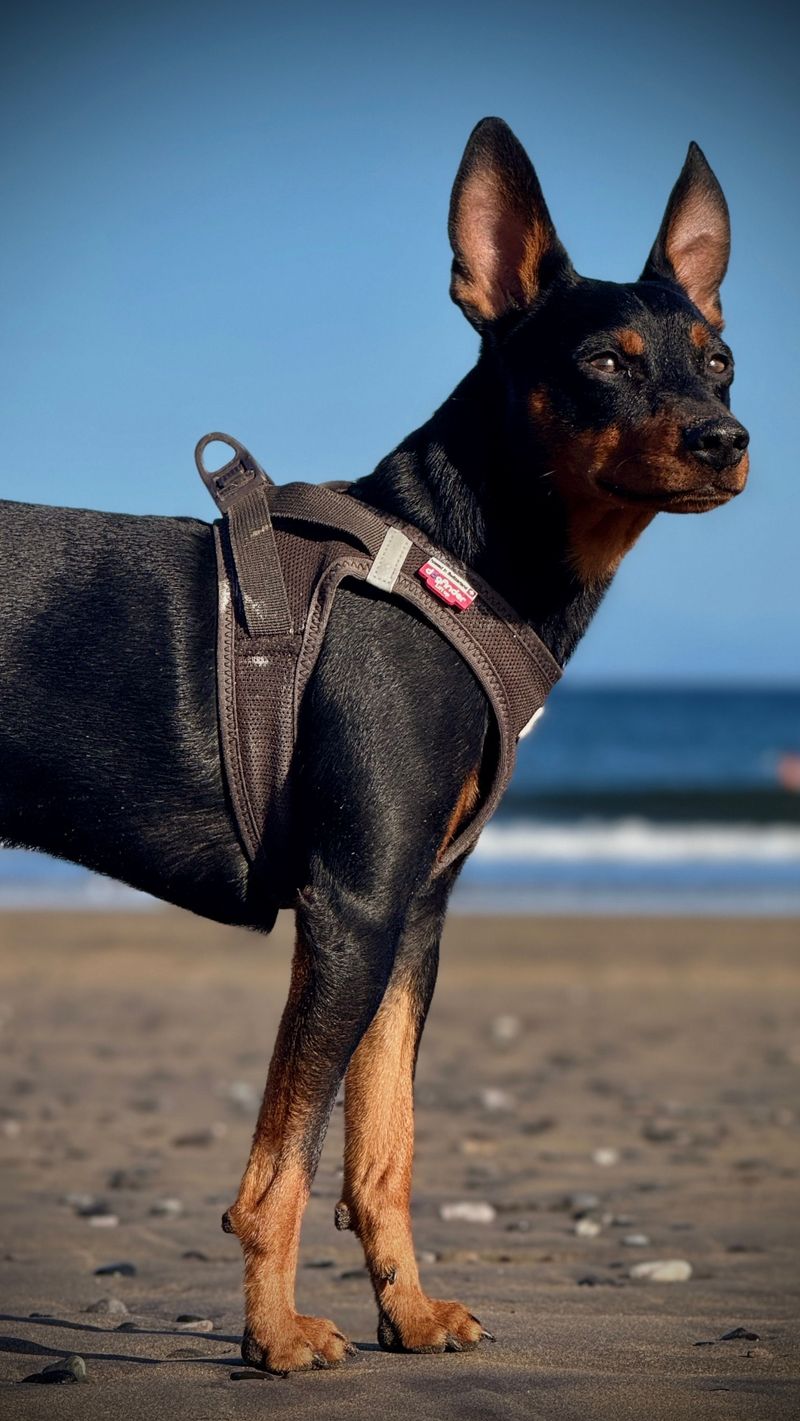
The Miniature Pinscher struts like a tiny parade leader, full of bounce and opinion. Its smooth coat can make warm climates easier, especially compared with fluffy little dogs.
Energy is the tricky part. Min Pins may race around even when the air feels heavy.
Offer puzzle toys indoors during the hottest hours and save walks for sunrise or evening. Because small paws heat up fast, test pavement with your hand before heading out.
Italian Greyhound: Delicate Elegance Under the Sun
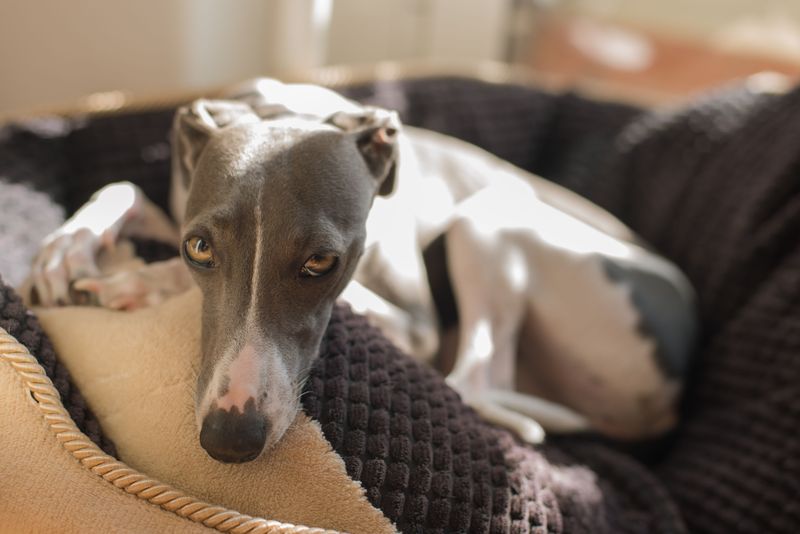
An Italian Greyhound can look like fine art curled on a cushion. Warm rooms often please this thin-coated breed, but outdoor heat still requires care.
Its slim frame warms and cools quickly, so sudden changes matter. A short sunny stroll may be enough before indoor rest.
Protect delicate skin from harsh rays, and avoid rough hot surfaces. Because this breed can be sensitive, gentle routines work better than pushing through uncomfortable weather.
Boxer: Playful Clown, Heat-Sensitive Face
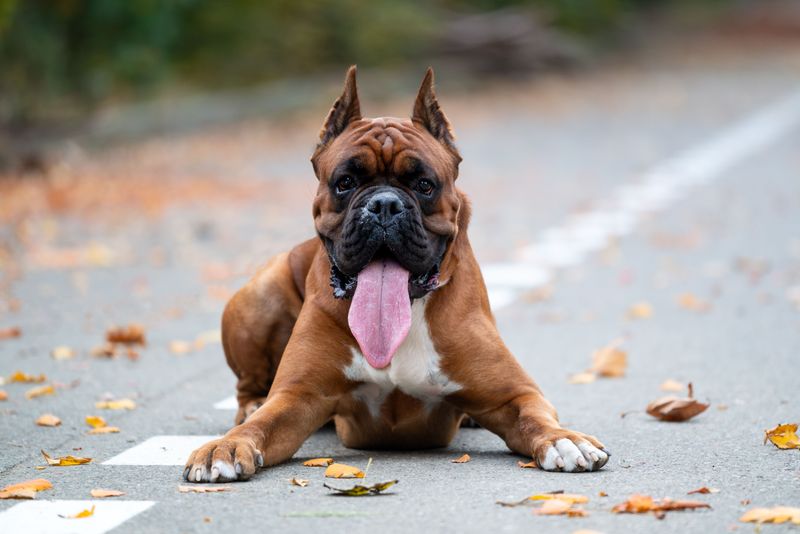
A Boxer can turn any yard into a comedy show, bouncing, wiggling, and inviting everyone to play. Hot climates demand extra caution because the breed has a shorter muzzle.
Short-faced dogs often have more trouble cooling themselves through panting. Even fit Boxers can overheat during rough games or humid walks.
Choose brief play times, offer water often, and avoid midday outings. If breathing sounds strained or the dog seems wobbly, seek veterinary help right away.
Dachshund: Low Rider, Hot Ground Problem
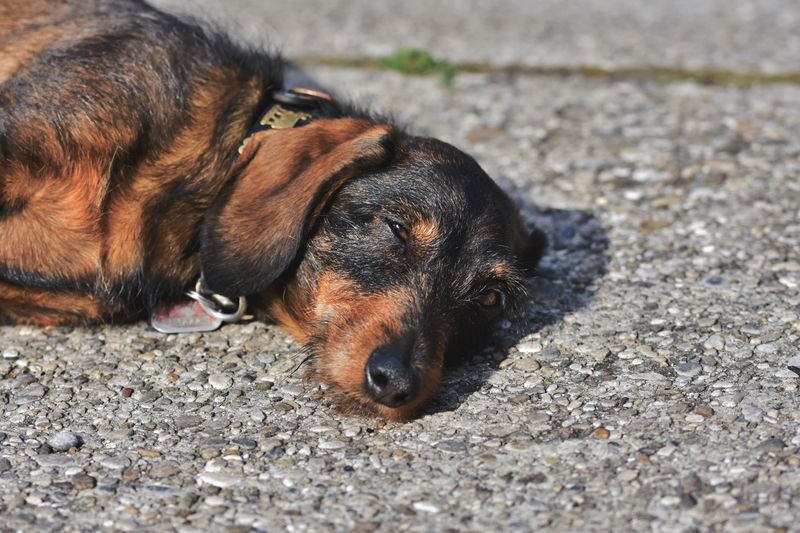
A Dachshund sees the world from ankle height, which makes hot ground a bigger deal. Its belly rides close to pavement, sand, and dry trails that can radiate heat.
Short-haired Dachshunds may handle warmth better than long-haired ones, but body shape still affects comfort. Pick grassy routes, use ramps instead of long stair climbs, and prevent extra weight that stresses the back.
Summer walks should be slow, shaded, and planned around cooler parts of the day.