
Dog consent tests are everywhere right now, and for good reason. Learning to pause, offer a hand, and let a dog opt in builds trust and lowers stress.
Some breeds thrive with this cooperative approach, turning grooming and vet care into calm routines. If you want a happier, braver companion, these are the small dogs owners practice opt-in handling with the most.
Bichon Frise
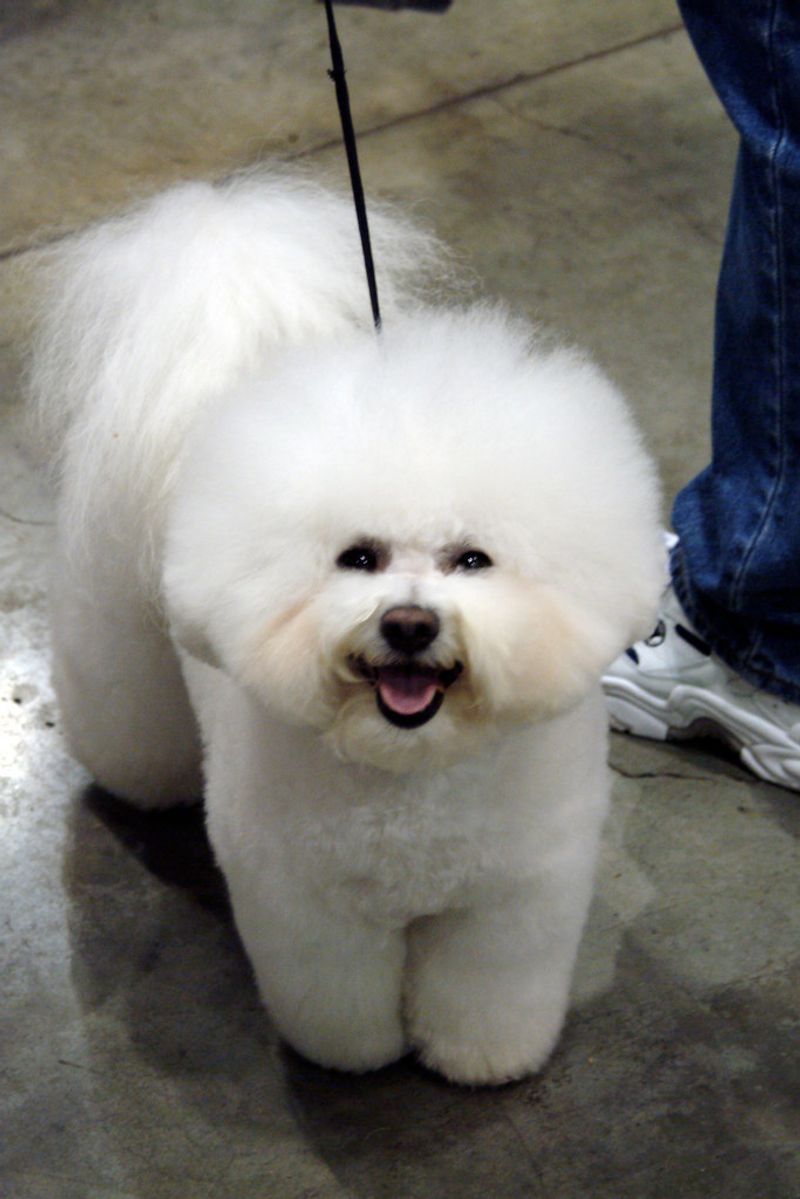
Bichon Frise dogs are famously people focused, yet they still benefit from clear consent cues. Hold up the brush, wait for the bounce forward, then gently groom under the chin and chest.
If the body shifts away or the tail tucks, pause and invite again. You will see softer eyes and a wagging, low tail when they are ready.
Bath time works similarly. Present the towel, let them step in, and reward tiny choices like placing a paw.
Their curly coat needs frequent care, so opt-in handling reduces stress and knots. Use light pressure and many breaks.
Over time, your Bichon anticipates grooming as a predictable, cooperative ritual.
Maltese
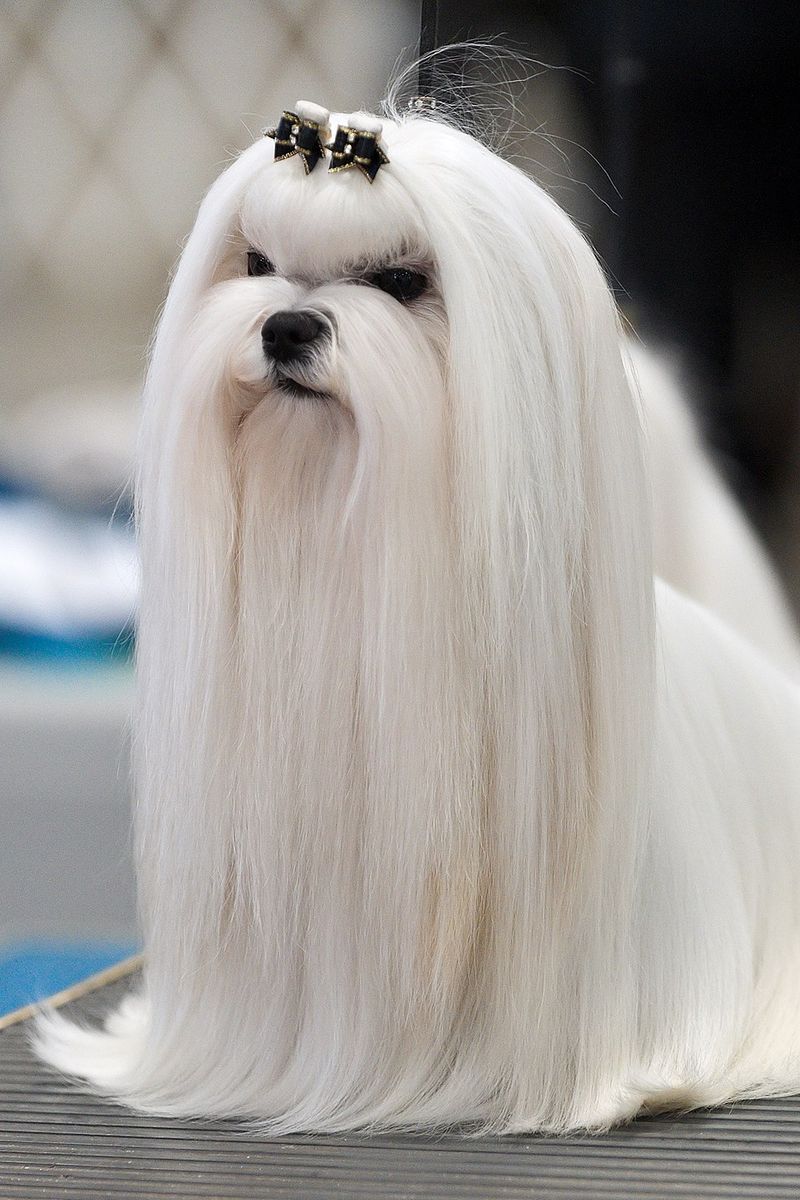
Maltese coats tangle fast, making cooperative care essential. Start with a consent test: present the brush at chest level, hand still.
When your Maltese steps closer or nudges the tool, softly groom for a few seconds, then pause. If they lean away, reset and offer again.
Use treats against the brush handle to build positive associations.
Nail trims are easier with a chin rest. Teach a stationary chin target, then touch a paw briefly, mark, and reward.
Keep sessions short to maintain curiosity and control. Maltese thrive on gentle predictability.
With consistent opt-in handling, you will see them position themselves for care, silky coat flowing, confidence shining, and the grooming table becoming their chosen stage.
Shih Tzu
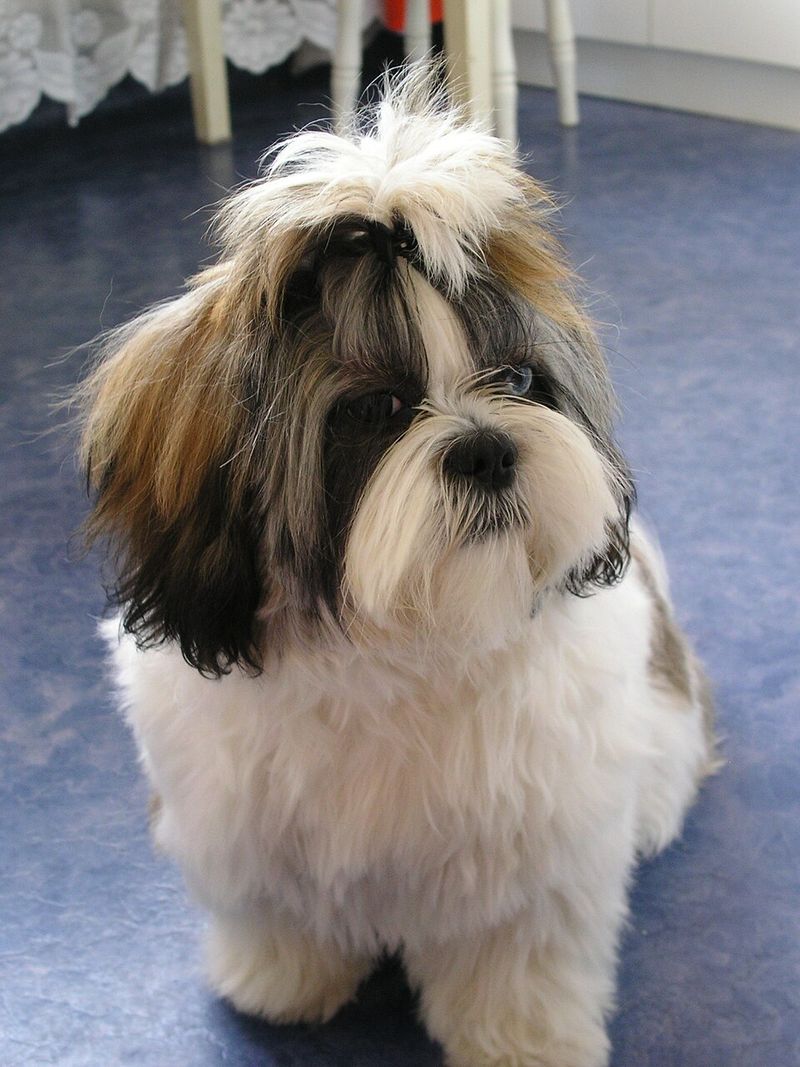
Shih Tzus often carry lush facial hair that needs daily attention. Invite participation by showing a comb near the muzzle and waiting for a step forward.
Reward the first sniff, then a brief stroke. If eyes widen or head pulls back, stop and let them reapproach.
Build a routine of chin rest, comb, break, and treat, keeping everything predictable.
For eye-area care, swap pressure for patience. Use a warm cloth, present it, and allow your Shih Tzu to opt in by leaning.
Pair with a comfortable platform mat that signals grooming time. As consent grows, many dogs actively place their chin to request more.
The result is smoother trims, fewer tangles, and true teamwork in every session.
Lhasa Apso
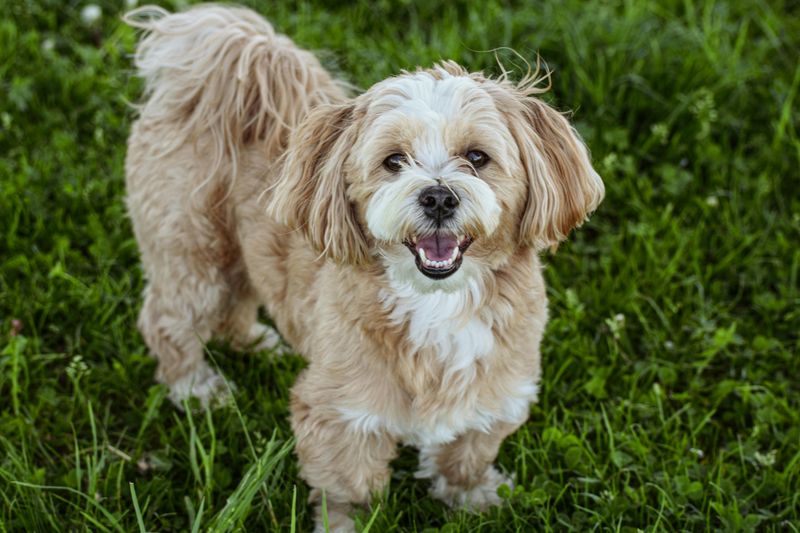
Lhasa Apsos are independent and thoughtful, so cooperative care respects their careful nature. Begin with stationing on a mat, then present a brush at shoulder height.
Wait for a head dip or step toward the tool before touching. Keep strokes brief and purposeful.
If your Lhasa shifts away, pause, invite back, and reward reengagement to reinforce agency.
Muzzle and paw handling improve with slow desensitization. Introduce a lotion or wipe scent, let them sniff, then choose contact by leaning in.
Their long coat tangles without regular maintenance, but consent transforms grooming into partnership. With consistency, you will see calmer posture, relaxed tail carriage, and willingness to participate, turning what once felt obligatory into a shared, respectful ritual.
Pekingese
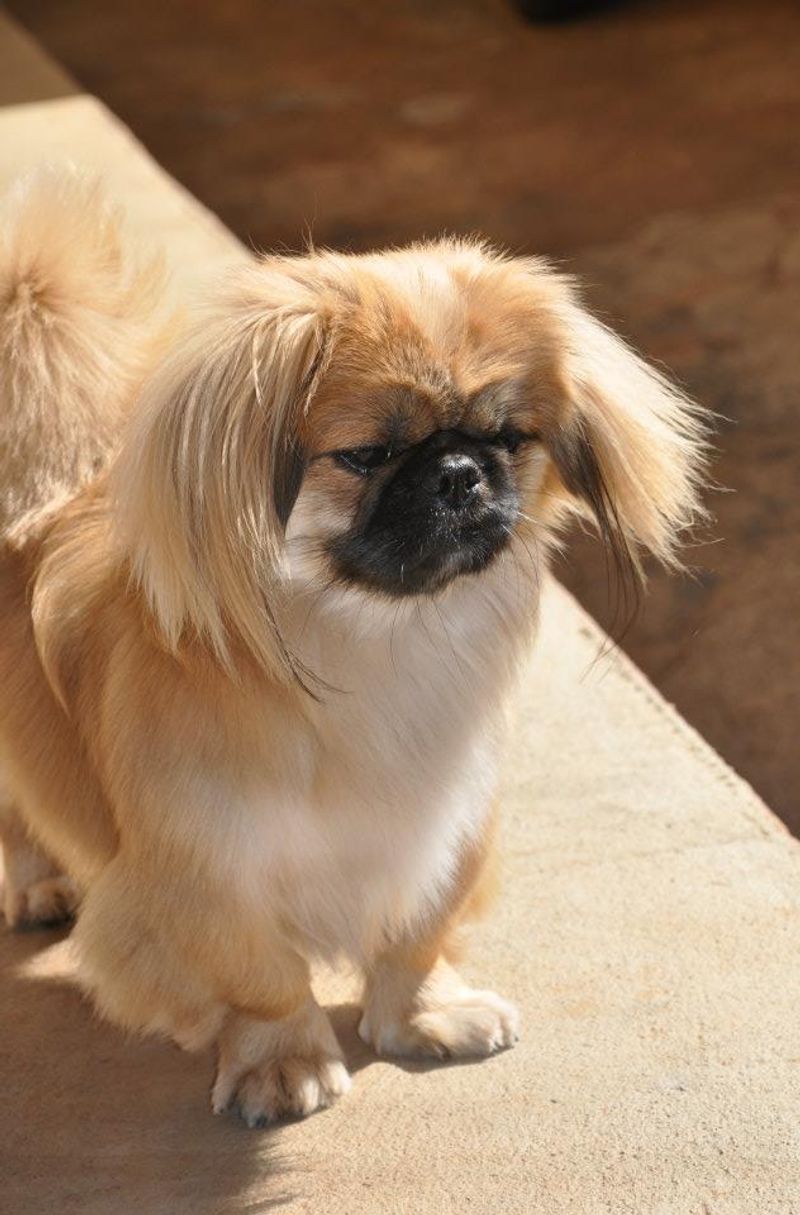
Pekingese carry a regal vibe and appreciate being asked, not told. Use a consent test by placing a brush in your palm and holding it still.
When they step forward or nose tap, begin with short, light strokes along the sides. Avoid the back until comfortable.
Watch for soft eyes and relaxed breathing as green lights to continue.
Feathered coats need methodical care. Present a comb for tail and pantaloons, then pause frequently.
If your Pekingese shifts weight away, give a break and reset. High value rewards keep motivation strong.
Over time, many Pekingese initiate sessions by offering proximity, making grooming feel like a collaborative ceremony rather than a chore, preserving dignity and comfort beautifully.
Yorkshire Terrier
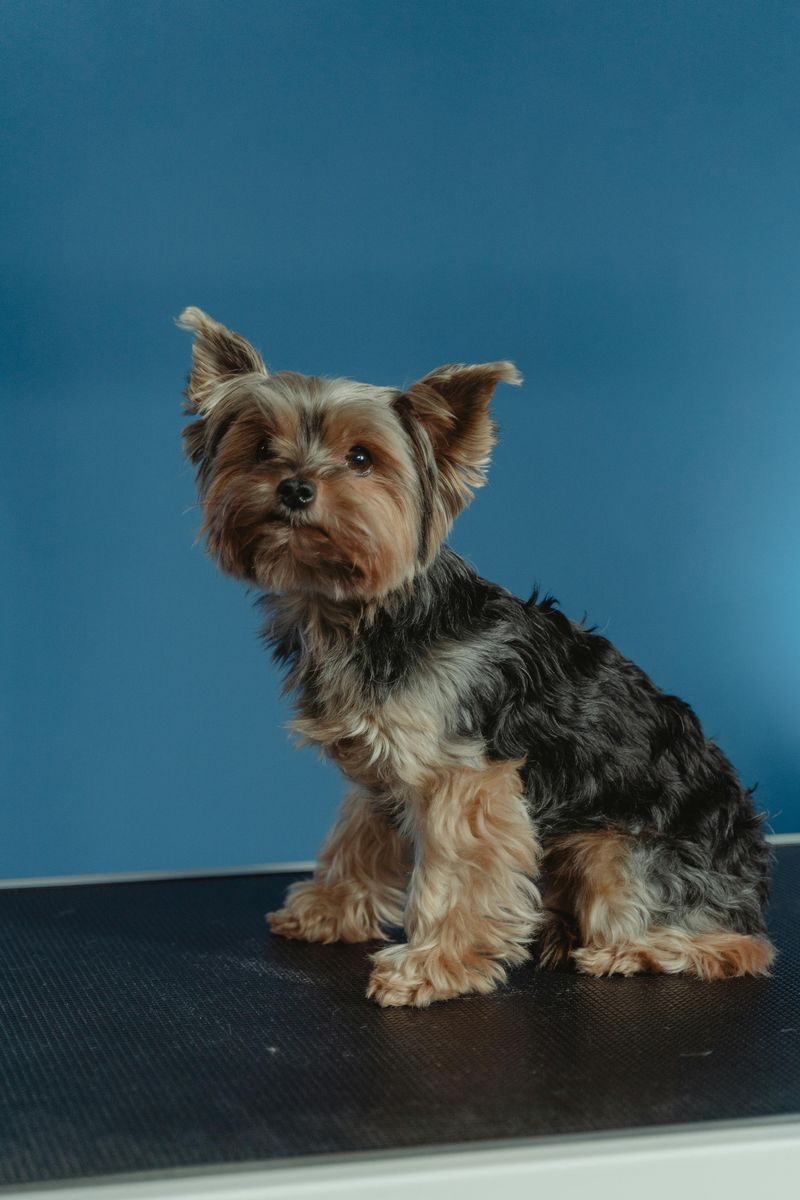
Yorkshire Terriers are clever and kinetic, which makes structured choice vital. Start with a stationing mat.
Present the brush or clipper at a distance, and wait for your Yorkie to step closer. Mark and reward the approach, then touch for one second and pause.
These micro reps build trust fast while preventing overwhelm and fidgeting.
For topknots and face trims, show the comb first and let them lean in. Reinforce the chin rest position generously.
If your Yorkie backs up, simply invite again. Their silky coat requires frequent maintenance, but with opt-in handling, they often hurry to the mat enthusiastically.
Expect brighter eyes, calmer paws, and a huge reduction in protest vocals or squirms.
Coton de Tulear
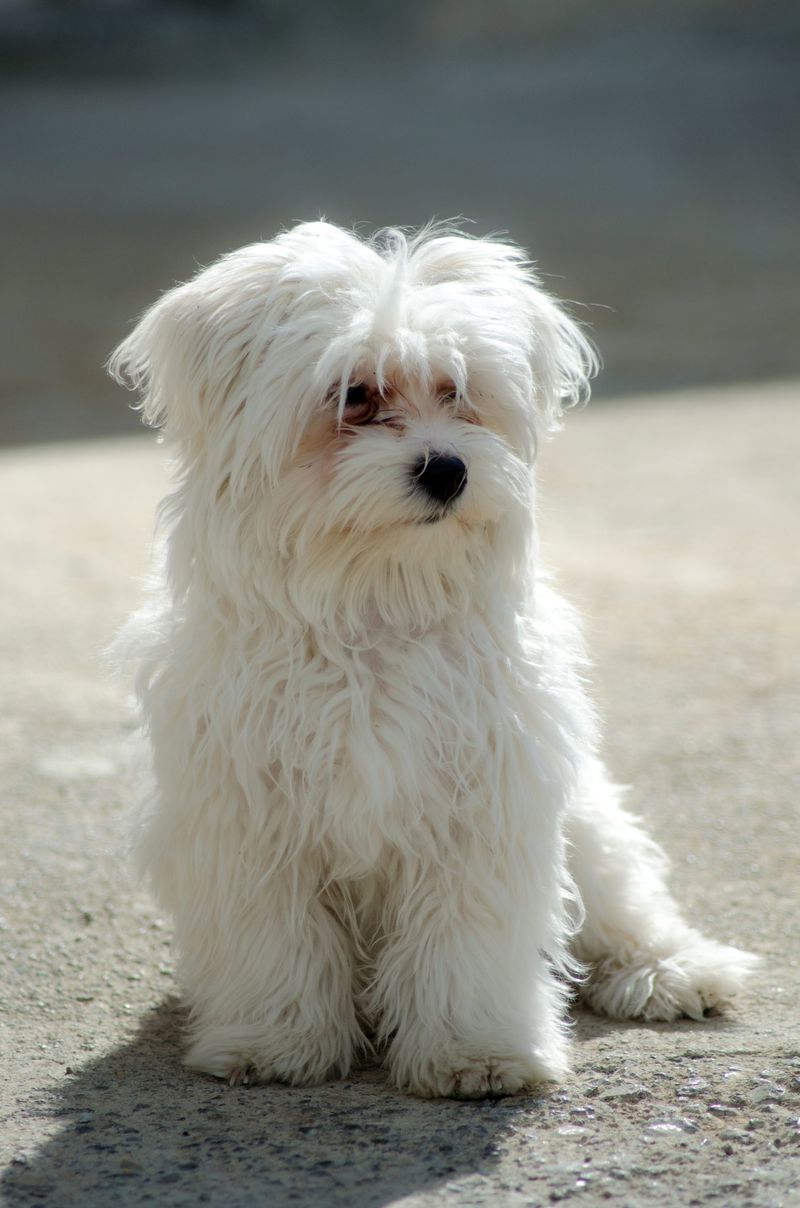
Coton de Tulears are cheerful companions with dense coats that mat easily. Cooperative care starts with a clear cue, like placing a grooming mat.
Present the brush, let them investigate, and reward any forward motion. Keep strokes brief, then pause.
If they reengage, add duration gradually. Focus on armpits and behind ears, areas prone to hidden tangles.
Moisture wicking after walks can be consent based too. Offer the towel first, then let your Coton press in before drying.
Teach a chin rest and paw target for nails. The more choice you provide, the more playful and confident they become.
Soon, grooming transforms from a wrestle into a friendly, cooperative game you both enjoy.
Brussels Griffon
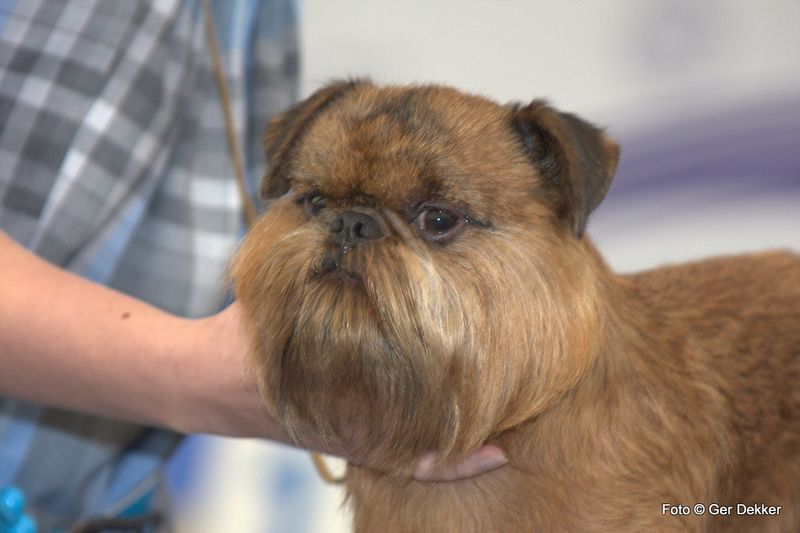
Brussels Griffons have expressive faces that tell you everything. Use a chin rest as the on switch for brushing or hand stripping, and treat the head lift as the off switch.
Present the tool, wait for a tiny lean-in, then start. If ears pin or whiskers tense, pause and reset.
This clarity prevents fussiness and keeps sessions short.
For smooth coats, the same opt-in principle applies with wipes and nail care. Build duration in tiny increments.
Many Griffons thrive on problem solving, so make it a game: approach, touch, treat, break. Over time, your dog will offer the chin rest from across the room, effectively saying yes to care with confidence and charm.
Japanese Chin
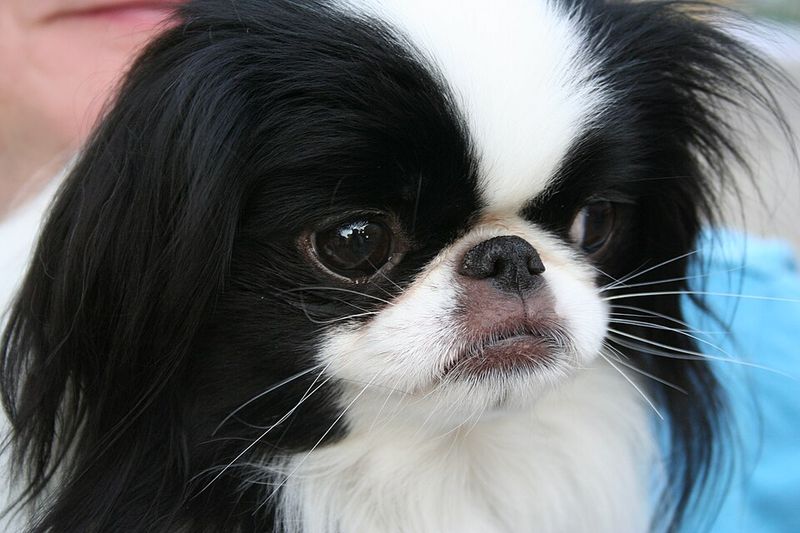
Japanese Chins are sensitive and elegant, responding best to whisper-level handling. Begin with a consent test: tool presented low, body still, eyes soft.
Reward any voluntary approach. Work in short sequences, especially around ears and pantaloons.
If the Chin blinks rapidly or tilts away, pause and let them choose recontact. Soft voices and slow breathing help immensely.
Add a predictable station, like a cushioned bench. Teach a chin rest and brief paw lifts with quick rewards.
Their fine coat stays pristine when grooming feels safe. As trust grows, you will see confident approaches and relaxed posture.
Cooperative care here is not just grooming, it is a calming ritual that honors their delicate temperament.
Chinese Crested
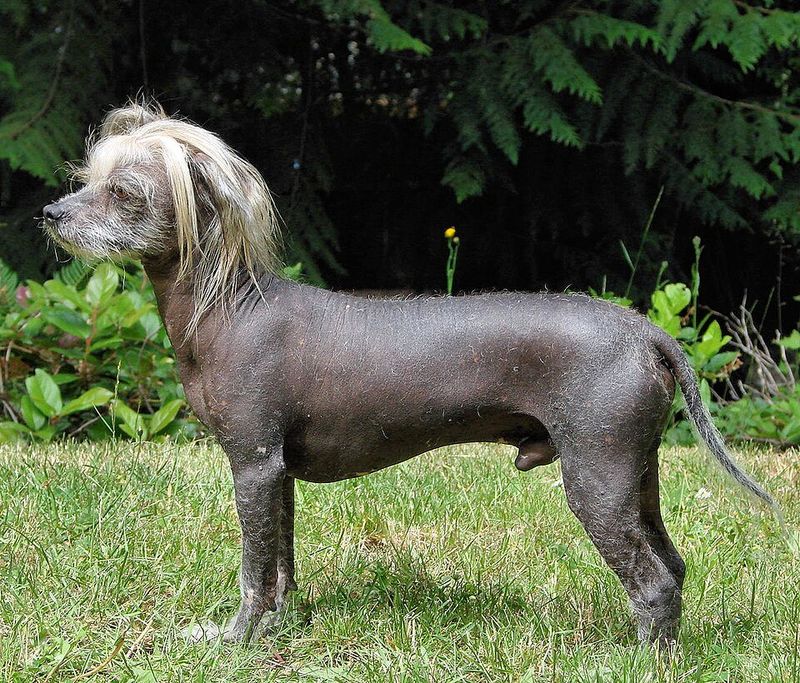
Chinese Cresteds, especially hairless varieties, need skincare as much as grooming. Use opt-in handling for lotion, sunscreen, and gentle wipes.
Present the product, let your dog sniff, then wait for a lean before touching. Apply in short passes and pause frequently.
Watch for relaxed shoulders and soft blinking as consent signals. If they step away, simply invite again.
For powderpuff coats, the same choice framework applies to brushing and drying. Maintain a light touch, low airflow, and frequent breaks.
Cresteds appreciate warmth and predictability. Soon they will offer their side or neck for moisturizer, transforming skincare into a bonding routine.
The result is healthier skin, happier sessions, and a dog that trusts your touch.
Toy Poodle
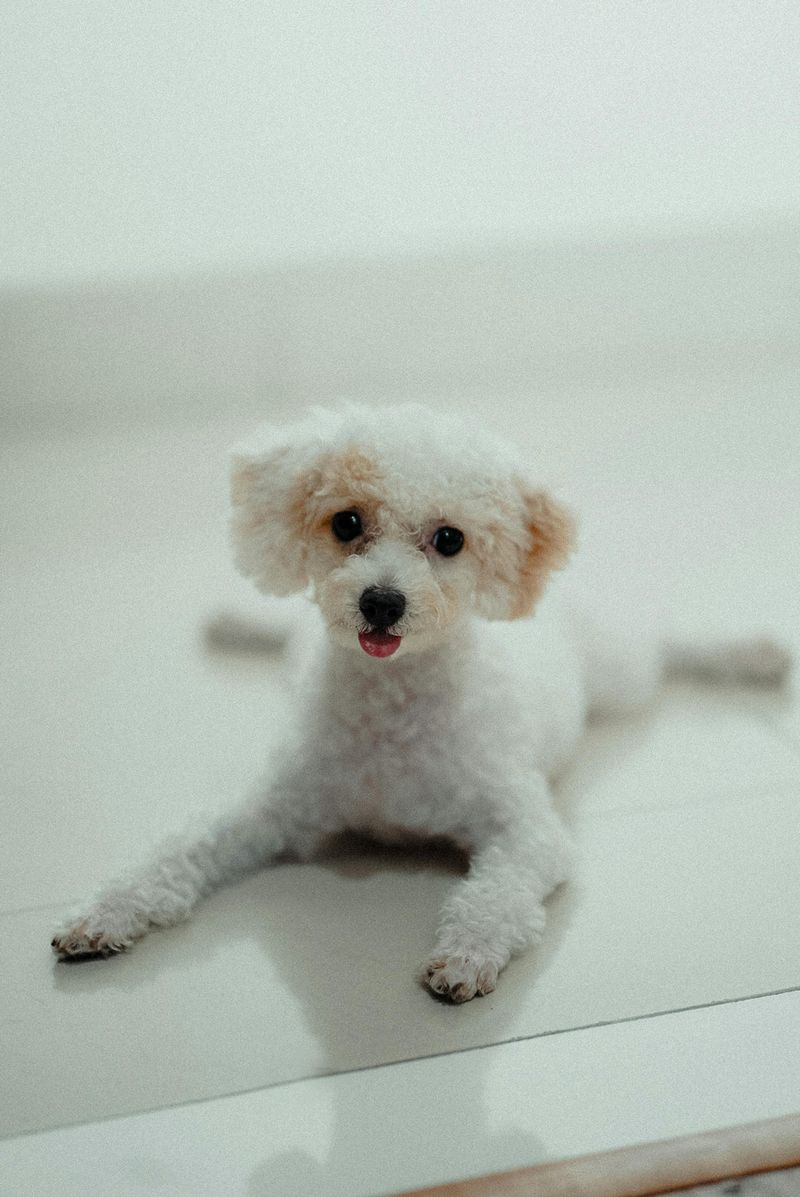
Toy Poodles need regular trims, making cooperative care a lifesaver. Train a chin rest and a stand-stay with clear on and off cues.
Present clippers turned off first, reward approaches, then add brief contact. Gradually introduce vibration while the dog chooses to remain.
If they step off, pause and reset. This preserves trust without sacrificing precision.
Face, feet, and tail work benefit from target platforms and frequent breaks. Use high-value reinforcers and calm breathing to keep arousal low.
Over time, many Poodles proudly offer position like seasoned pros. You will notice steadier posture, smoother lines, and less stress for everyone, turning maintenance into a cooperative, confidence-building performance.
Italian Greyhound
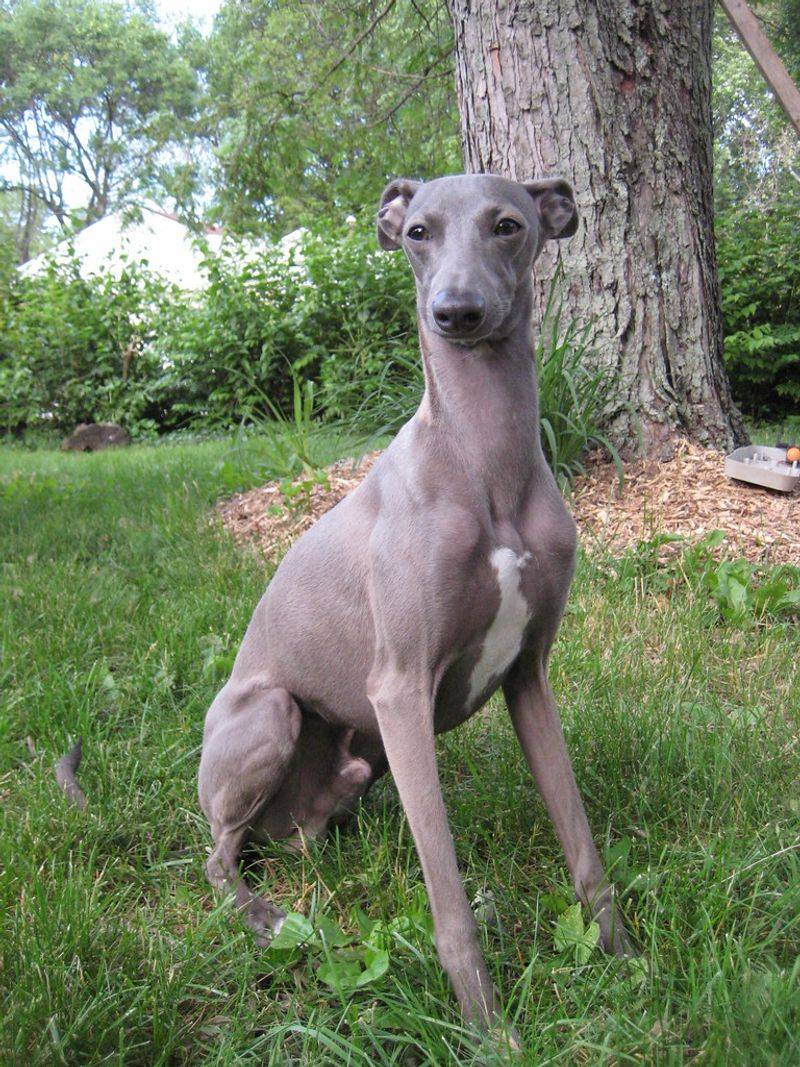
Italian Greyhounds are sensitive souls with delicate skin. Consent tests shine here, especially for nail care and clothing.
Present the grinder or sweater, and wait for a nose touch or step forward before proceeding. Keep contacts short and reinforce generously.
If the dog withdraws, honor it, then invite again. This respectful rhythm prevents overwhelm and builds bravery.
For baths, use warm water, a non-slip mat, and a towel they can opt into. Many IGs appreciate a gentle wrap following their cue.
With consistent practice, they will stretch their neck or lift a paw to say yes. The result is elegant cooperation, safer handling, and a greyhound that trusts every step.