
More dog owners are discovering how life changing cooperative care training can be for grooming and vet visits. If your pup trembles at nail trims or flinches when the stethoscope appears, this approach helps turn fear into calm participation.
Imagine your dog offering a paw for clippers and resting their chin while the vet examines ears. Let’s explore the breeds people say benefit most and how you can make handling stress free.
Poodle (Toy)
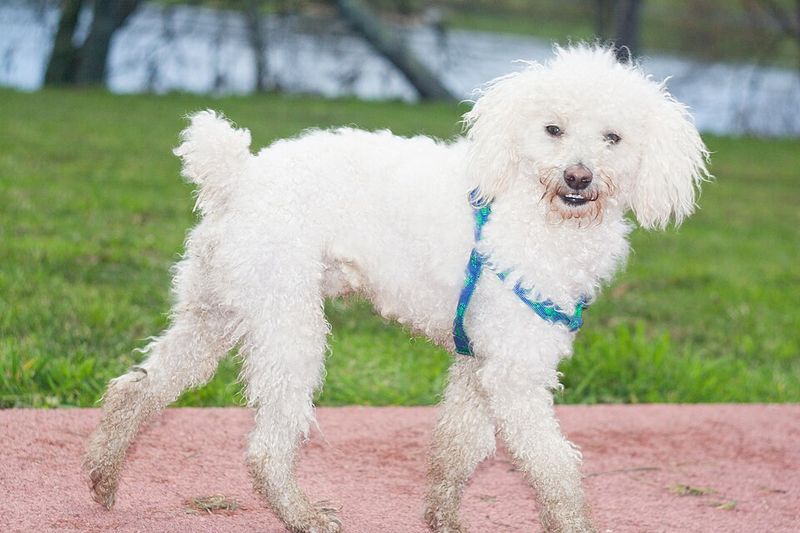
Toy Poodles are bright, sensitive, and quick to link patterns, which is great for cooperative care. They can also become wary of fast hands near their face.
Teach a chin rest on a towel square and pair paw touches with a predictable countdown and treat.
Use a lick mat for duration while brushing curly ear fringes. Condition the sound of nail grinders separately, starting with faint hums and generous rewards.
Keep sessions under three minutes and quit while they are successful.
For vet handling, practice gentle chest holds and brief muzzle touches. Swap positions frequently so different people simulate staff.
Small wins stack fast with Toy Poodles, turning grooming from fussy to friendly.
Poodle (Miniature)
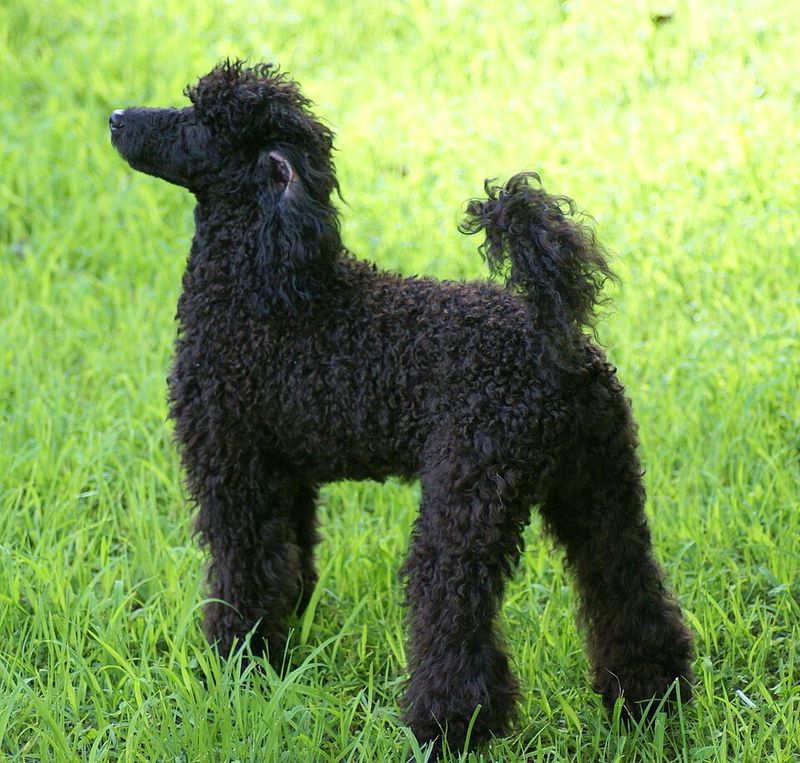
Miniature Poodles often have big opinions and bigger brains. That combo makes consent cues incredibly effective.
Teach an on switch platform behavior, like standing on a mat to signal readiness, and an off switch step off to pause.
Brush their dense coat in small zones, reinforcing after each section. Introduce banding and combing around ears slowly to prevent head dodging.
Nail care works best with a target stick, guiding weight shifts so nails present naturally.
At the vet, rehearse stethoscope touches and tail lifts at home. Use predictable counting and treat stations to move between procedures.
Once they trust the routine, Miniature Poodles perform like pros and stay collected.
Poodle (Standard)
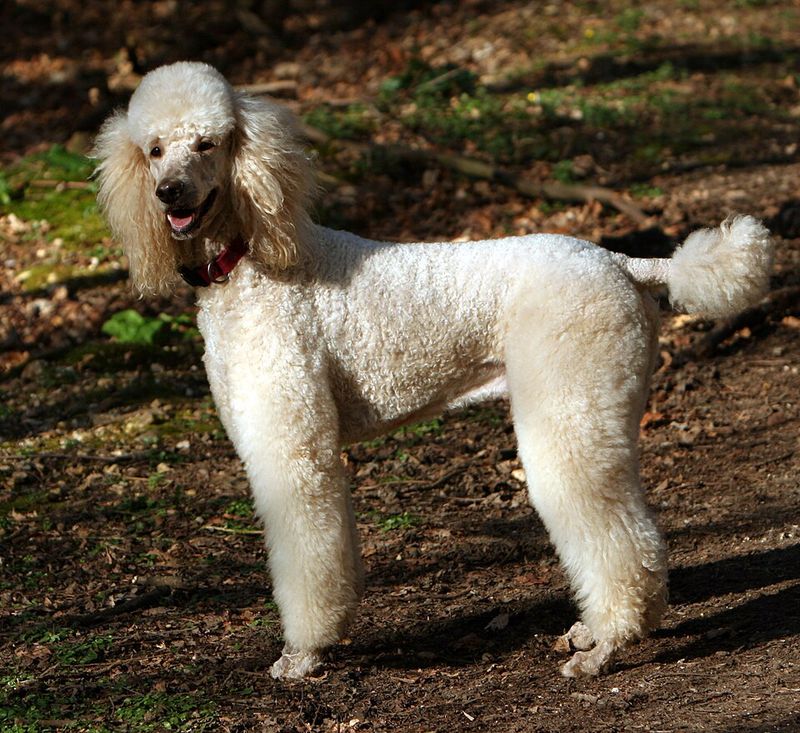
Standard Poodles face high maintenance coat care plus large dog handling at the vet. Cooperative care turns their intelligence into partnership.
Teach a steady stand on a platform, with chin rest for duration while brushing and clipping.
Break tasks into zones: shoulders, ribs, legs, tail. Reinforce after each zone, then chain zones with brief breaks.
For ear cleaning, train a head-in-hand hold as a consent behavior, releasing if they lift their head.
At the clinic, practice gentle restraint alternatives like lateral mat settles. Condition thermometers, cuffs, and clippers separately.
With clear start and stop signals, Standards relax, making big dog procedures feel routine rather than overwhelming.
Bichon Frise
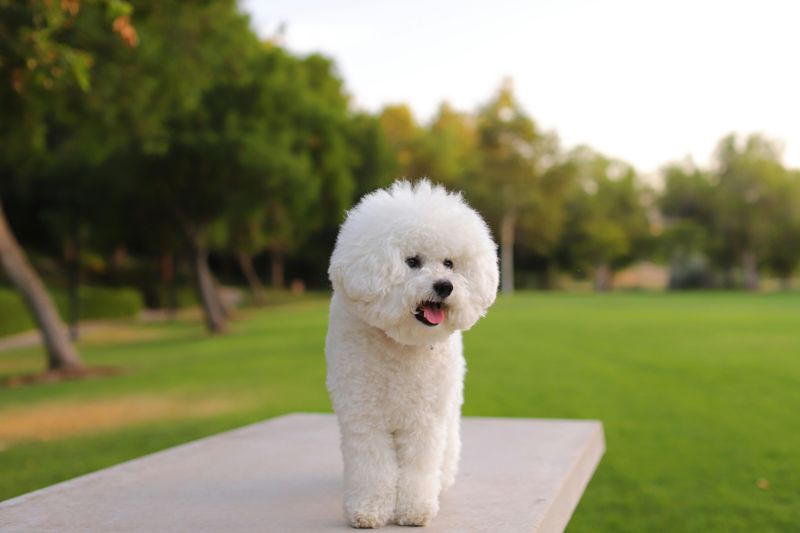
Bichons are cheerful yet sensitive around eye and face trims. Cooperative care makes that tricky area safe.
Train a chin target on a rolled towel, then pair tiny scissor noise far from the face with treats before moving closer.
Use a lick mat during blow drying to build duration calmly. Brush curls in layers with a gentle count system, one-two-treat.
If they turn away, pause instead of pushing through, then invite back with the start cue.
For vet care, rehearse gum lifts, pulse checks, and paw holds. Keep sessions short, frequent, and playful.
Bichons thrive on positive attention, so transparent routines transform fidgeting into friendly cooperation.
Maltese
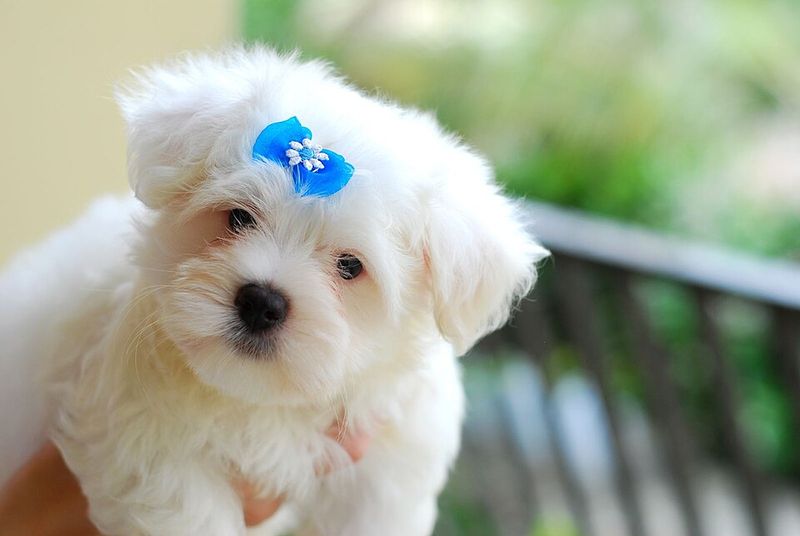
Maltese coats tangle easily, making daily maintenance critical. Cooperative care keeps it peaceful.
Start with a chin rest on a plush pillow, then introduce a soft brush in micro glides paired with steady treats.
Work on gentle tear stain wipes using a predictable routine, touch-count-treat. Train a paw present behavior for nail trims so you avoid wrestling small legs.
For ear care, cue a head-in-hand pose and release on any flinch to protect trust.
At the vet, rehearse weighing on a scale and light body squeezes. Keep everything slow and sweet.
With consistency, Maltese dogs learn that their voice matters and grooming becomes a shared ritual.
Shih Tzu
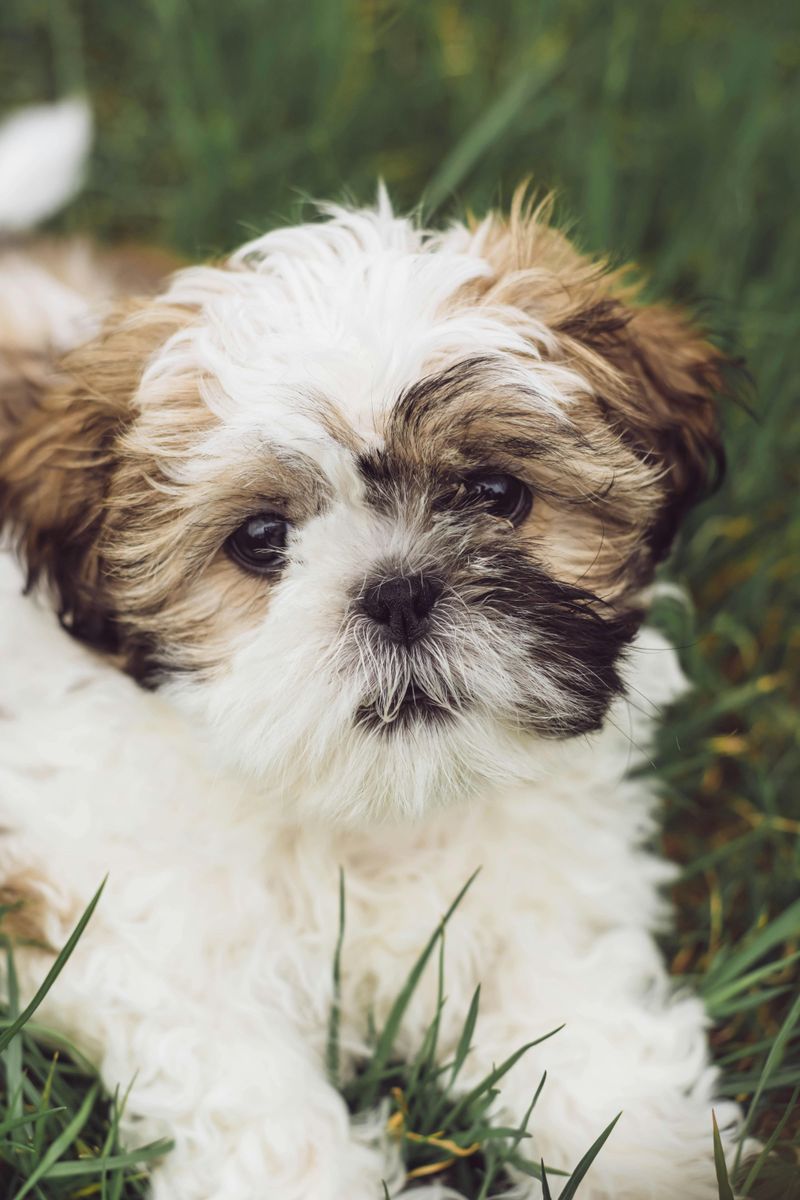
Shih Tzus often resist face handling due to long hair around eyes. Cooperative care lets them opt in.
Teach a chin target and a fixed duration that you build slowly with a metronome or soft counting.
Desensitize to combs near whiskers by starting at the shoulder and inching forward. Use a treat station so your hands stay free.
Pair hair banding with short breaks so the topknot becomes predictable, not rushed.
At vet visits, practice gentle muzzle touches and ear exams in advance. Reward calm tolerance of stethoscope placement under the front leg.
With clear cues, Shih Tzus turn from squirrely to steady partners.
Yorkshire Terrier
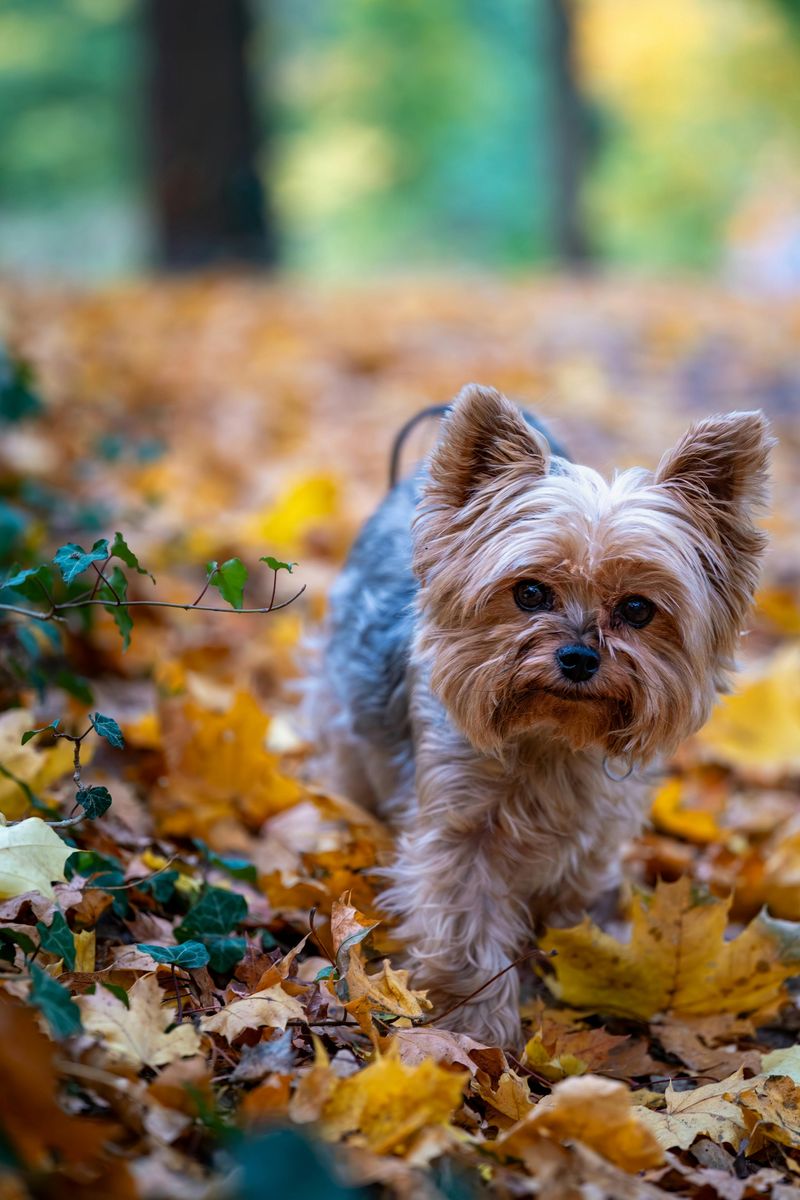
Yorkies are tiny with big feelings, and nail trims can feel huge. Cooperative care gives them control.
Teach a paw target to a small coaster so nails present neatly, then pair one clip with one treat and reset.
Brush from tail to head to avoid snagging long coat, reinforcing each calm breath. Condition the sound of clippers and buzzing trimmers separately, starting behind a door.
Use a chin rest to keep face work still without force.
For the vet, rehearse gentle belly lifts and temperature practice with a safe prop. Keep sessions playful and brief.
Yorkies flourish when asked, not forced, and progress quickly.
Schnauzer (Miniature)
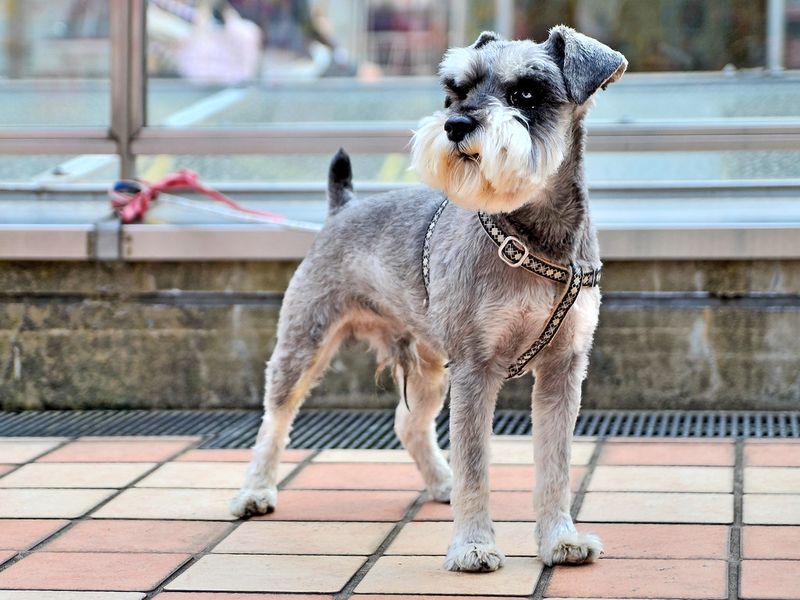
Mini Schnauzers can be opinionated about legs and beards. Cooperative care helps those sensitive areas.
Train a solid stand on a platform with a chin rest target, then reinforce light lifts of each paw before clipping furnishings.
Use a beard combing routine with a countdown and treat, so tangles do not trigger head flicks. Condition clipper vibration on the body before moving to legs.
Ear plucking is controversial, so focus on gentle cleaning and vet guidance.
At the clinic, practice cuff inflation sounds and tail temperature prep at home. Predictable sequences reduce barking and bracing.
With clarity, Mini Schnauzers trade stubbornness for steady teamwork.
Afghan Hound
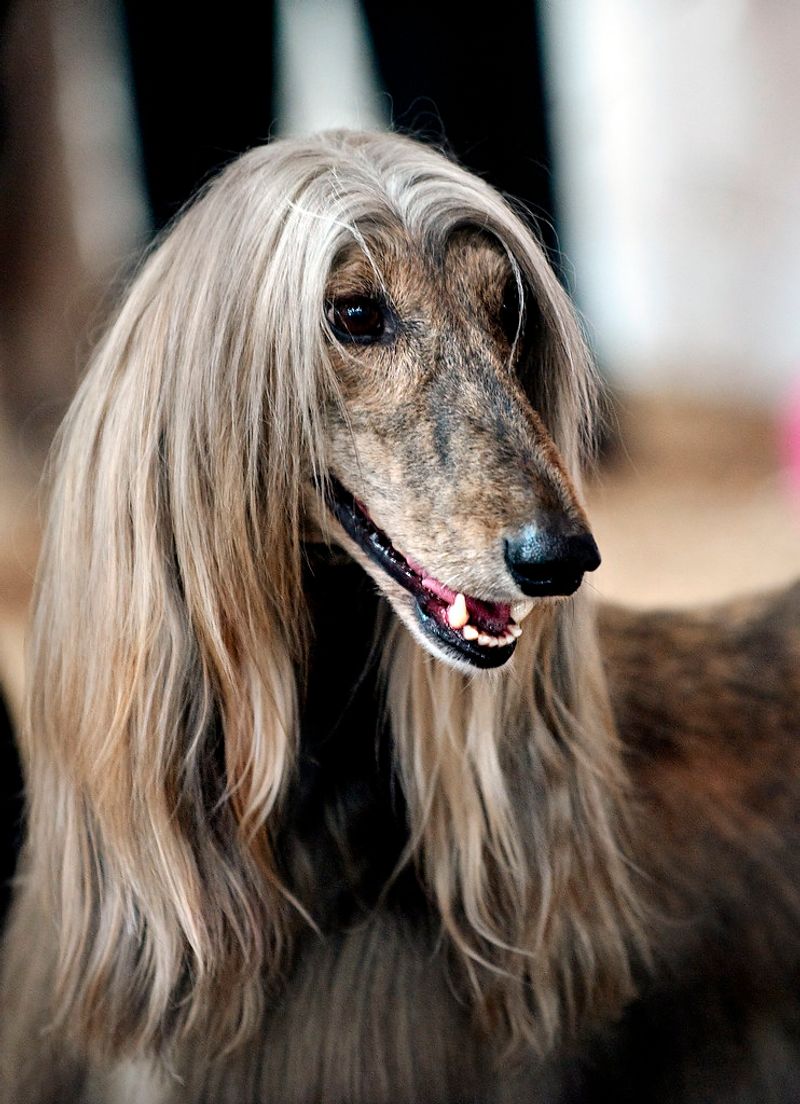
Afghan Hounds are sensitive and dignified, often aloof with strangers. Cooperative care respects their autonomy.
Build a long duration stand on a cushioned mat, rewarding calm breathing while brushing sections of coat with a pin brush.
Introduce blow dryer noise at a distance, gradually closing the gap as they remain relaxed. Use a chin rest and body hand target to reposition without pushing.
Break sessions into short, predictable chapters to match their temperament.
For vet handling, practice muzzle touch, leg lifts, and gentle tail checks at home. Slow approaches and consent cues maintain trust.
With patience, Afghans choose to participate rather than endure.
Old English Sheepdog
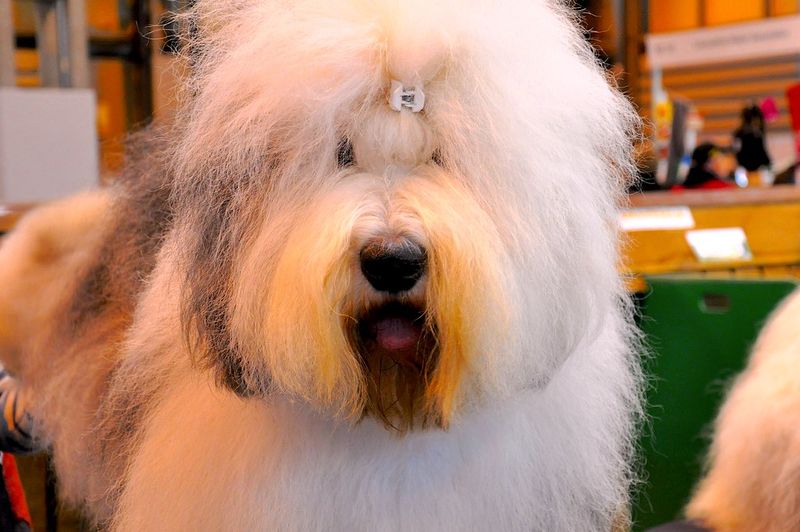
Old English Sheepdogs have dense coats that mat quickly, so proactive training matters. Cooperative care turns marathon grooming into manageable steps.
Teach a platform stand and section the coat with clips, brushing one square at a time with reinforcement between squares.
Condition scissors near eyes with a protective comb and a chin rest to keep bangs tidy. Use a high value scatter between sections to reset.
Nail trims work best with weight shifts forward, presenting rear paws safely.
At the vet, rehearse body handling and blood draw positioning on a mat. Slow, clear sequences prevent overwhelm.
With structure, Sheepdogs stay jolly and cooperative through long sessions.
Newfoundland
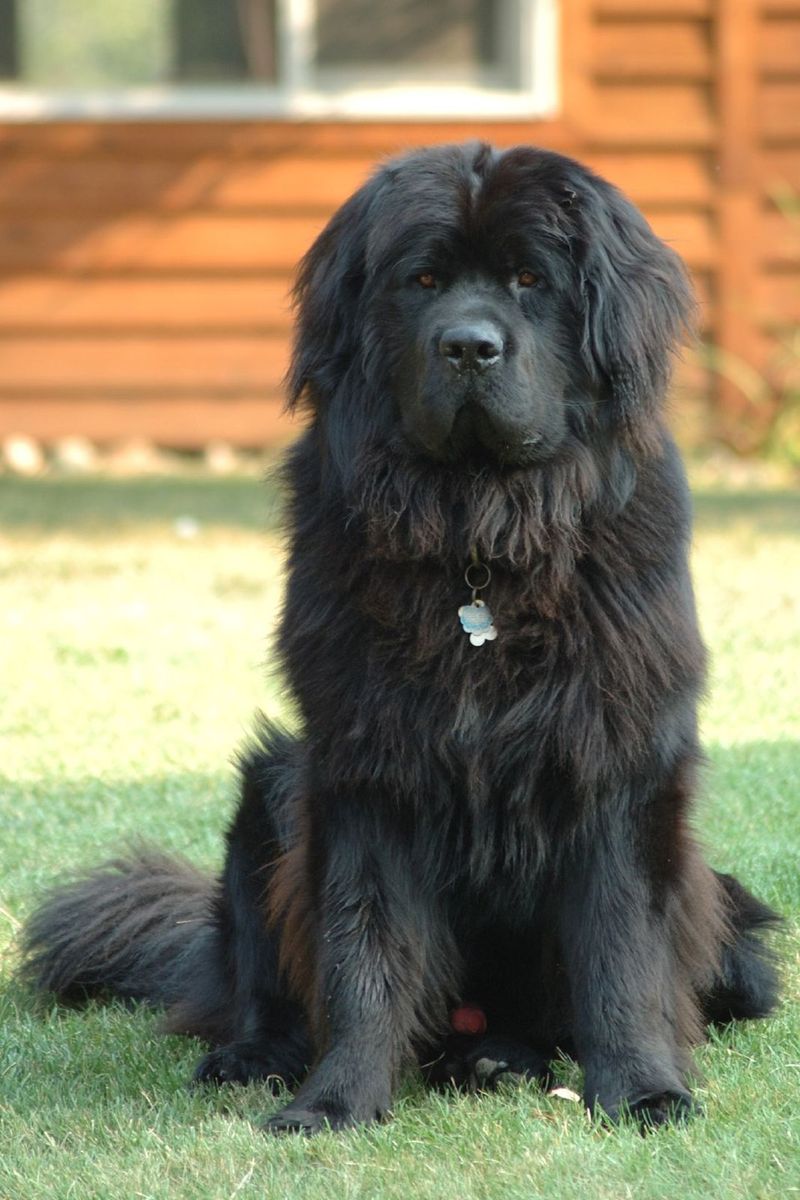
Newfoundlands are gentle giants, but size can complicate handling. Cooperative care makes procedures safe for everyone.
Train a chin rest on a low platform and reinforce leaning into body brushing to shift weight for paw access.
Desensitize to high velocity dryers gradually, pairing low airflow with steady treats. Practice ear cleaning and tail lifts with clear start and stop cues.
For nails, teach a side settle on a mat to reduce strain on joints.
At the clinic, rehearse blood pressure cuffs, stethoscope under the elbow, and scale practice. Predictability keeps this breed serene.
With respectful cues, Newfoundlands become reliable partners during big dog tasks.
Bernese Mountain Dog
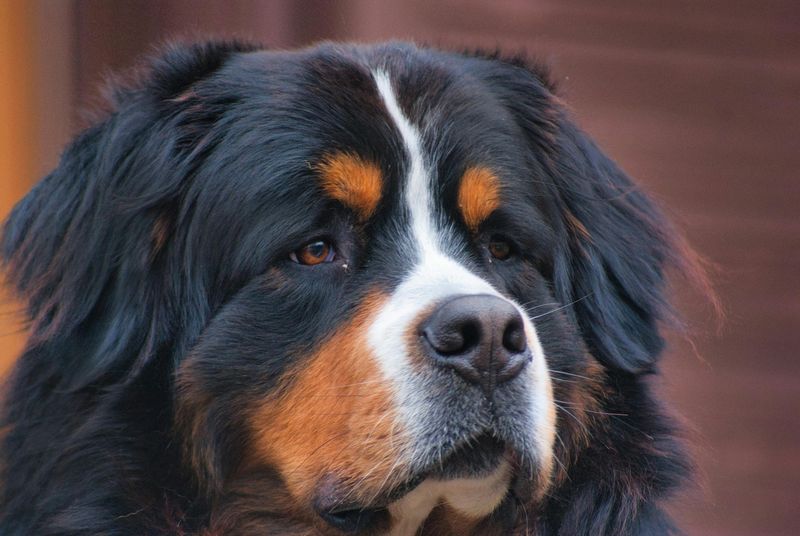
Berners are affectionate and can be sensitive about paws and restraint. Cooperative care empowers them to participate.
Teach a platform stand with a clear start cue and a pause cue, then reinforce paw presentation using a target block.
Brush the thick double coat in layers, rewarding after each section. Condition ear handling and gentle tail checks with brief breaks.
Nail trims go smoother with weight shifts and a side settle trained ahead of time.
At the vet, rehearse stethoscope placements, blood draw holds, and stepping onto scales. Keep sessions upbeat and predictable.
With steady practice, Berners stay confident and cooperative during essential care.