
If your dog coughs after drinking water, you are not imagining things and you are not alone. Some breeds are simply more prone to gulping, snorting, and coughing at the bowl.
The good news is there are simple ways to help, plus signs that tell you when it is time to call the vet. Keep reading to learn which breeds do this a lot and how to make sipping safer and calmer.
Soft Coated Wheaten Terrier
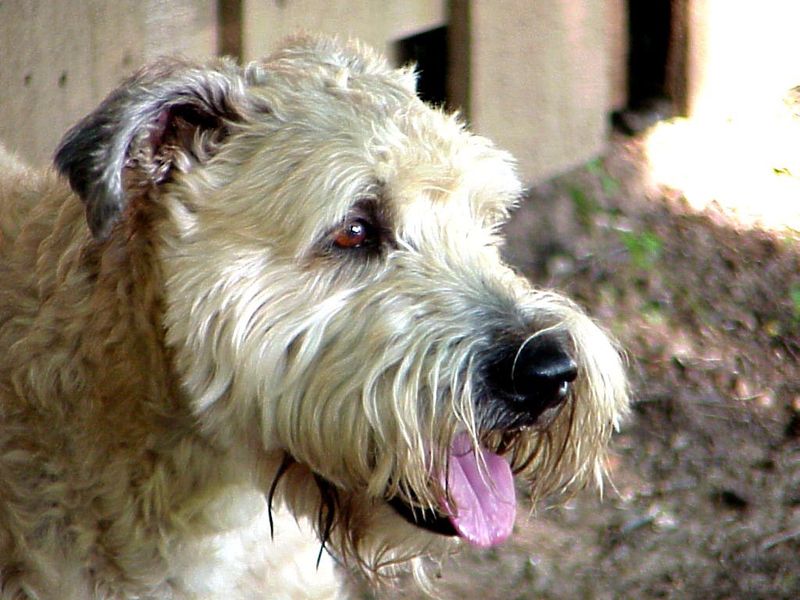
Wheatens are enthusiastic drinkers, and that happy energy can turn into coughs when they gulp too fast. Their beards soak up water, which encourages rapid licking and air swallowing.
You will often hear a brief hack or snort right after they lift their head.
Slow things down with a wide, shallow bowl and room temperature water. Placing the bowl on a stable mat helps reduce splashing that triggers excitement.
Offer smaller amounts more often so they do not arrive at the bowl parched.
Occasional coughs are normal, but watch for repeated gagging, blue gums, or nasal discharge. Those signs warrant a vet visit to rule out collapsing trachea, laryngeal issues, or kennel cough.
Most Wheatens do great with pacing and calm routines.
Kerry Blue Terrier
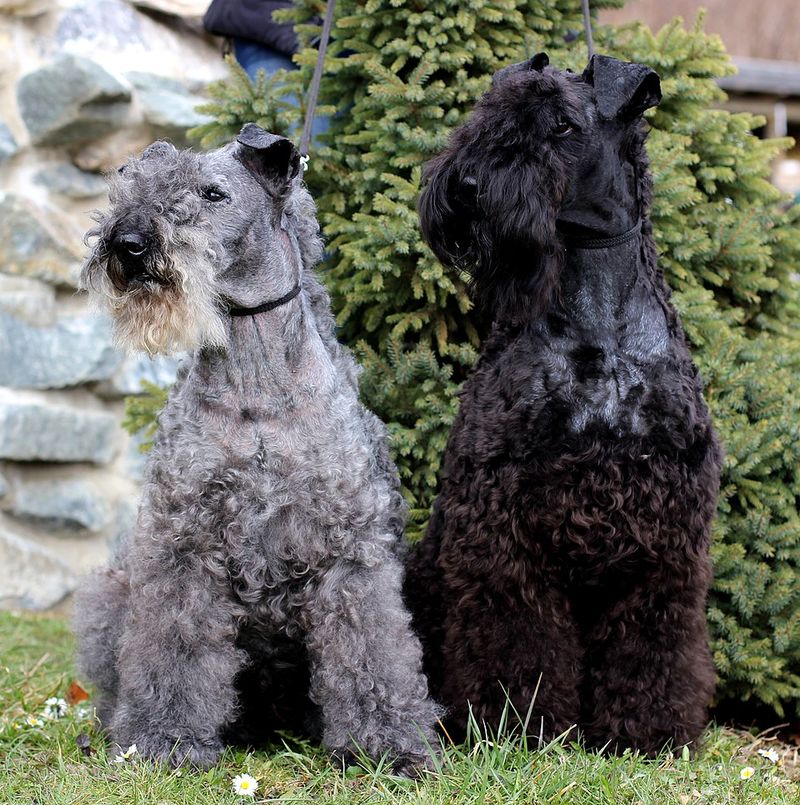
The Kerry Blue’s stylish beard can drip back into the bowl, prompting extra licks and quick swallows that trigger coughing. Their enthusiastic demeanor means they often rush hydration after play.
A brief cough or two right after drinking is common.
Use a slightly elevated stand to encourage a neutral neck position and slower intake. Choose a heavy bowl that does not slide, and keep water at a moderate level so they sip rather than gulp.
Post fetch, walk them calmly before offering water.
Persistent honking or wheezing is not normal. Contact your vet if coughing lasts beyond a minute, brings up foam, or pairs with lethargy.
With pacing and routine, most Kerry Blues settle into quieter, safer drinks.
Irish Terrier
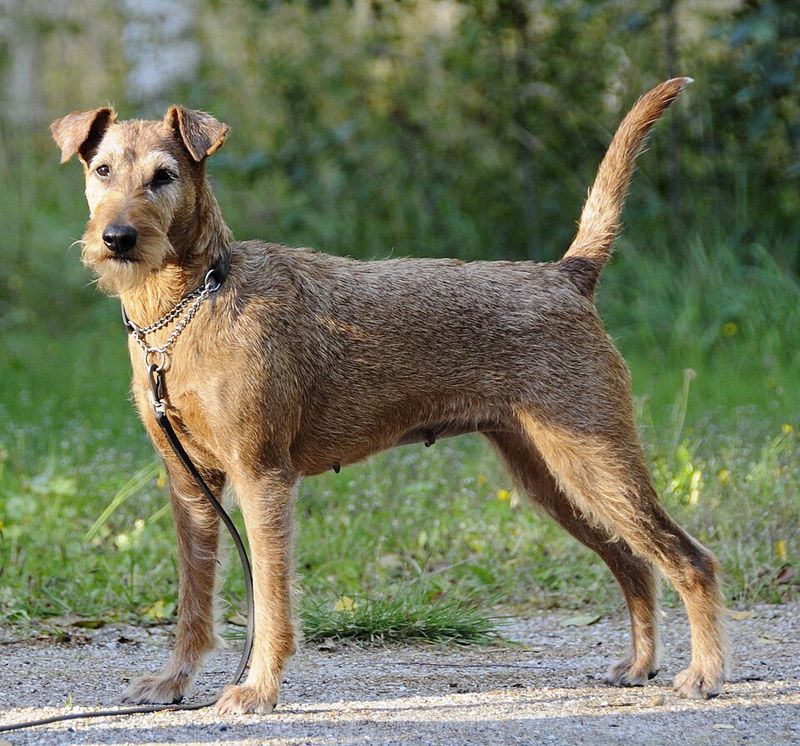
Irish Terriers often charge the bowl after intense play, which leads to gulping air and water and a quick coughing fit. Their lean build and drive can make them impatient drinkers.
A short hack is typical, then they return to business.
Break up play sessions and offer small water breaks rather than one big chug. A slow water fountain or splash guard bowl helps regulate flow.
Keep the area quiet so excitement does not spike as they drink.
If coughing escalates or comes with retching, nasal noise, or fatigue, get a checkup to rule out airway inflammation. Most Irish Terriers improve with training cues like wait and easy.
Calm access to water makes a big difference.
Airedale Terrier
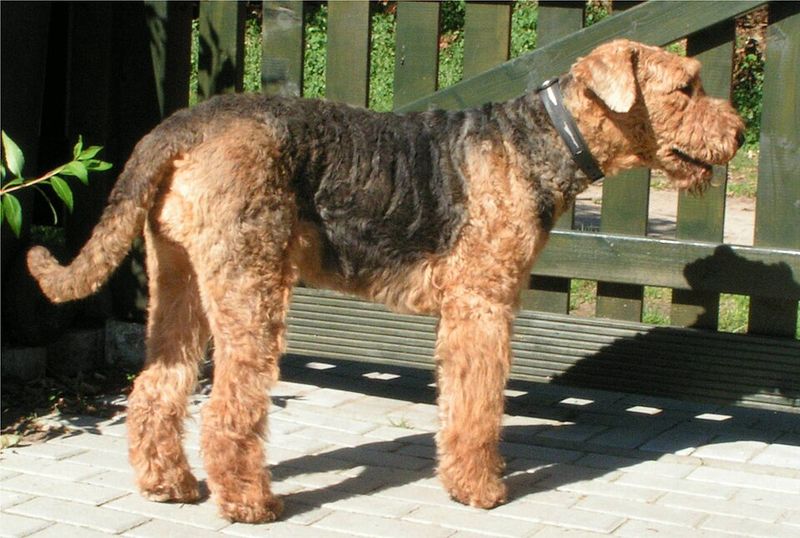
Airedales are big, bold drinkers with impressive beards that trap water and air. After lifting their head, a short cough or snort is fairly routine, especially post exercise.
The size of their mouth can make gulping an easy habit.
Use a broad, weighted bowl and consider a slight elevation to align the neck. Offer water breaks during activity so thirst never peaks.
Toweling the beard lightly after drinking reduces re licking that triggers more swallows.
Watch for repetitive coughing, harsh honks, or exercise intolerance. Those signs deserve veterinary attention to exclude tracheal or laryngeal problems.
Most Airedales respond well to calmer routines, paced hydration, and training cues that encourage steady sipping rather than frantic gulps.
Border Terrier
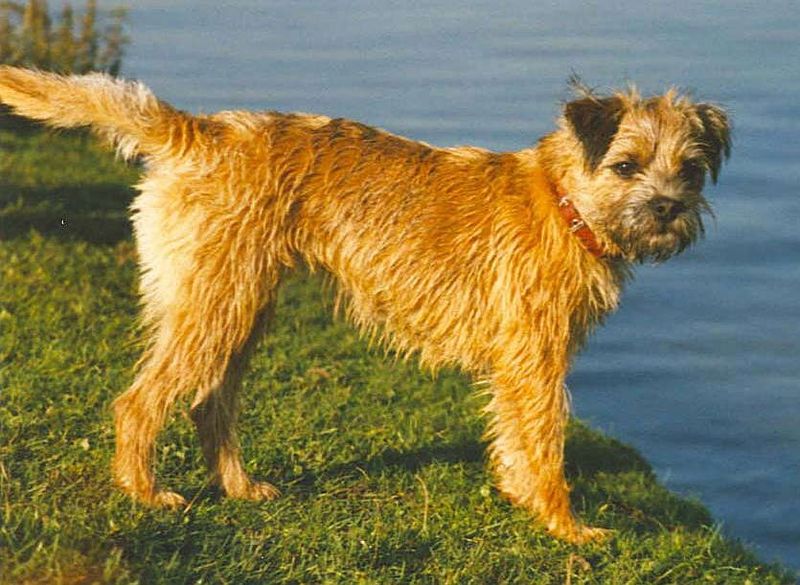
Borders are busy, curious, and often too excited to pause, so they gulp water fast and cough right after. Their compact muzzle can contribute to air intake during frantic lapping.
Typically the cough is brief and resolves on its own.
Offer frequent micro drinks during adventures instead of one big pause. Portable bowls with a shallow lip encourage slower sips.
After a hike, give a minute of calm standing before presenting water.
Call your vet if coughing persists beyond a minute, includes honking, or appears with nasal discharge. Training a sit and wait near the bowl helps a lot.
With steady routines and the right bowl shape, Border Terriers usually drink comfortably and cough less.
Norfolk Terrier
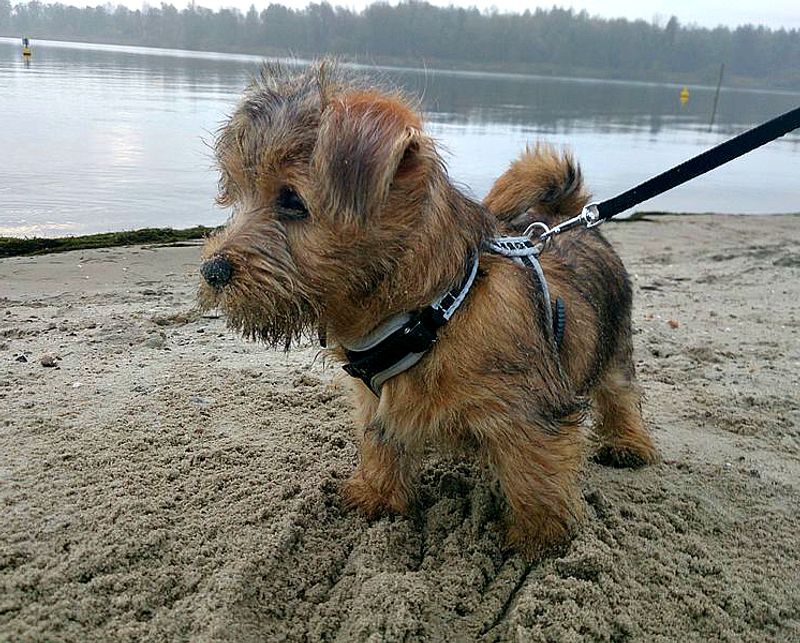
Norfolks pack big energy into small frames, which can mean frantic post play water chugging and quick coughs. The short muzzle and eager licks may pull air along with water.
Most episodes are momentary and harmless.
Use a low, wide bowl that promotes shallow sipping. Keep refills consistent through the day so thirst does not build.
A simple cue like take it slow combined with calm surroundings reduces excitement at the bowl.
See the vet if coughing is frequent, brings up fluid, or accompanies fatigue. Rule out tracheal irritation, dental pain, or respiratory infection.
With patient training and smart bowl choices, Norfolk Terriers typically settle into smoother drinking habits.
Norwich Terrier
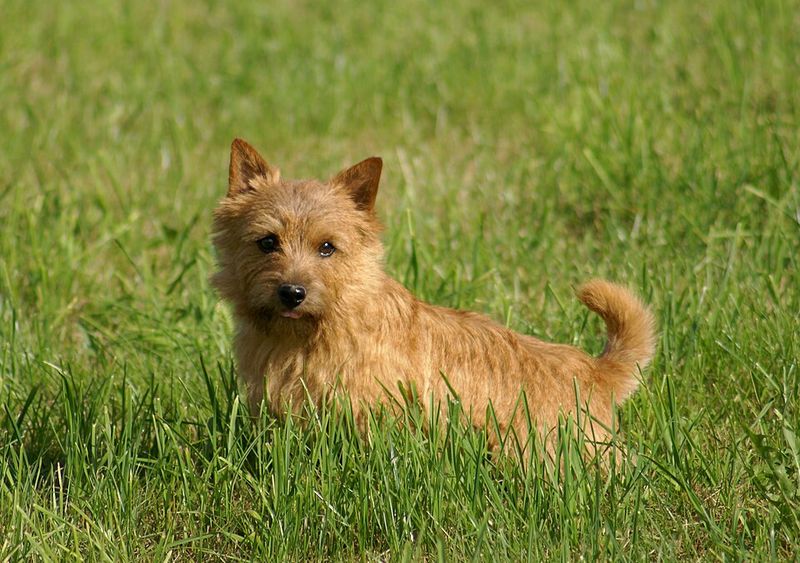
Norwich Terriers love action, and when they finally stop, they drink fast and may cough briefly. Their compact muzzle and enthusiastic tongue can pull in air, causing a short hack.
It usually passes within seconds.
Offer controlled sips after play by spacing water breaks. A weighted bowl prevents sliding and reduces splash excitement.
Keep water cool but not icy, which can trigger throat sensitivity in some dogs.
Persistent honking, repeated gagging, or any breathing struggle needs a vet exam. Ask about tracheal health and upper airway inflammation.
With gentle pacing, training, and a quiet spot for the bowl, most Norwich Terriers handle hydration without ongoing coughing episodes.
Cairn Terrier
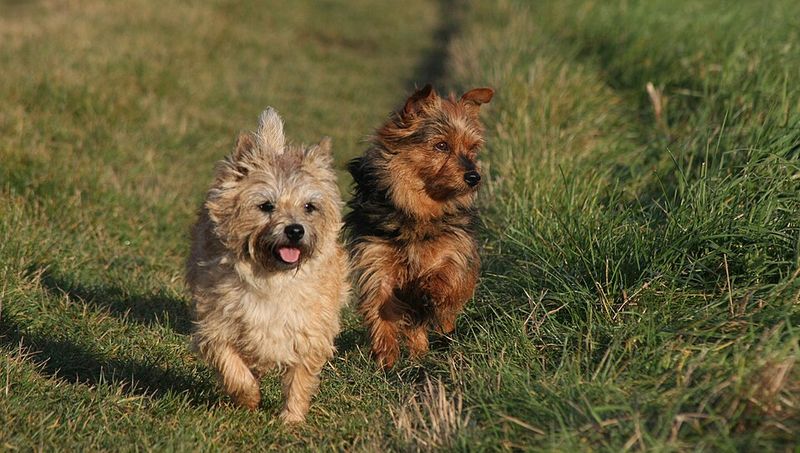
Cairns are spirited and often rush the water bowl after excitement, leading to air gulping and coughs. Their sturdy little frame and quick tongue make fast laps likely.
A few hacks afterward are common and usually harmless.
Offer water in a wide, shallow dish, and try a fountain with gentle flow for paced sipping. Build routine water breaks into walks and play.
A non slip mat keeps the bowl stable and reduces splash induced excitement.
Call your vet if coughing becomes frequent, productive, or paired with lethargy or nasal discharge. Training a pause before drinking helps enormously.
Most Cairn Terriers improve with calmer access, consistent hydration, and small adjustments to bowl type and placement.
Scottish Terrier
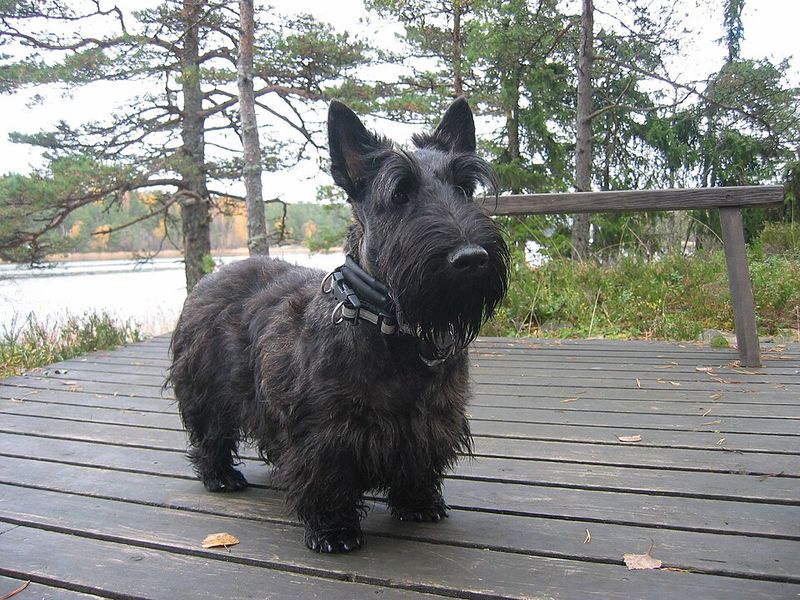
Scotties often cough after drinking because their beards trap water, prompting extra licking and air intake. Their determined personalities can make them power drinkers, especially after activity.
A short, raspy cough right after finishing is not unusual.
Use a heavy, low bowl and consider an absorbent mat to reduce re licking. Keep water fresh and slightly cool.
Encourage a calm approach with a sit and wait routine before drinking.
See your vet for persistent coughs, honks, or breathing effort. Ask about tracheal irritation or laryngeal concerns.
Most Scotties do well with pacing, beard dab drying, and structured water breaks that prevent that big, cough inducing chug at day’s end.
West Highland White Terrier
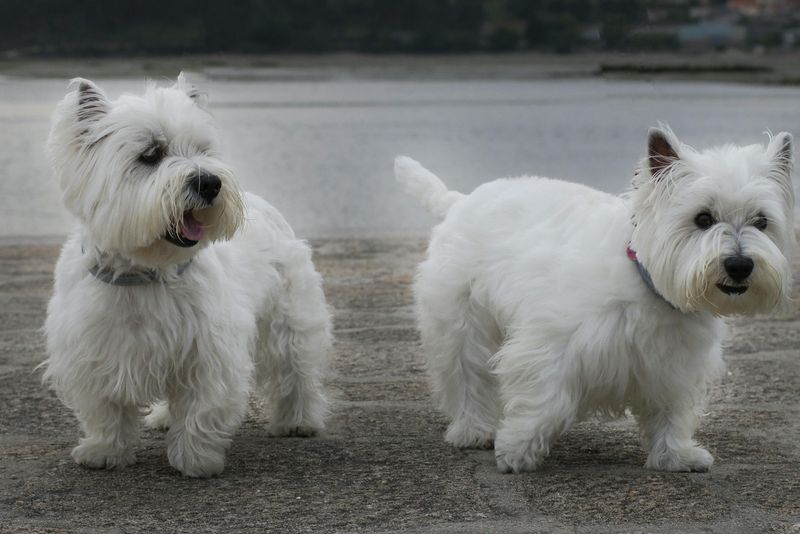
Westies are playful and curious, and they often arrive at the bowl overheated or overexcited, which leads to coughing afterward. Their facial hair catches water and encourages repeated licks that pull in extra air.
Typically the cough is brief and non worrisome.
Offer smaller, frequent water opportunities and keep bowls in calm zones. A shallow, stable dish helps temper the pace.
After walks, let them cool down for a minute before offering a drink.
Contact your vet if the cough persists, sounds like honking, or pairs with nasal discharge or lethargy. Discuss tracheal sensitivity and allergy flare ups.
With steady routines and the right bowl setup, most Westies manage hydration comfortably and cough far less.
Lakeland Terrier
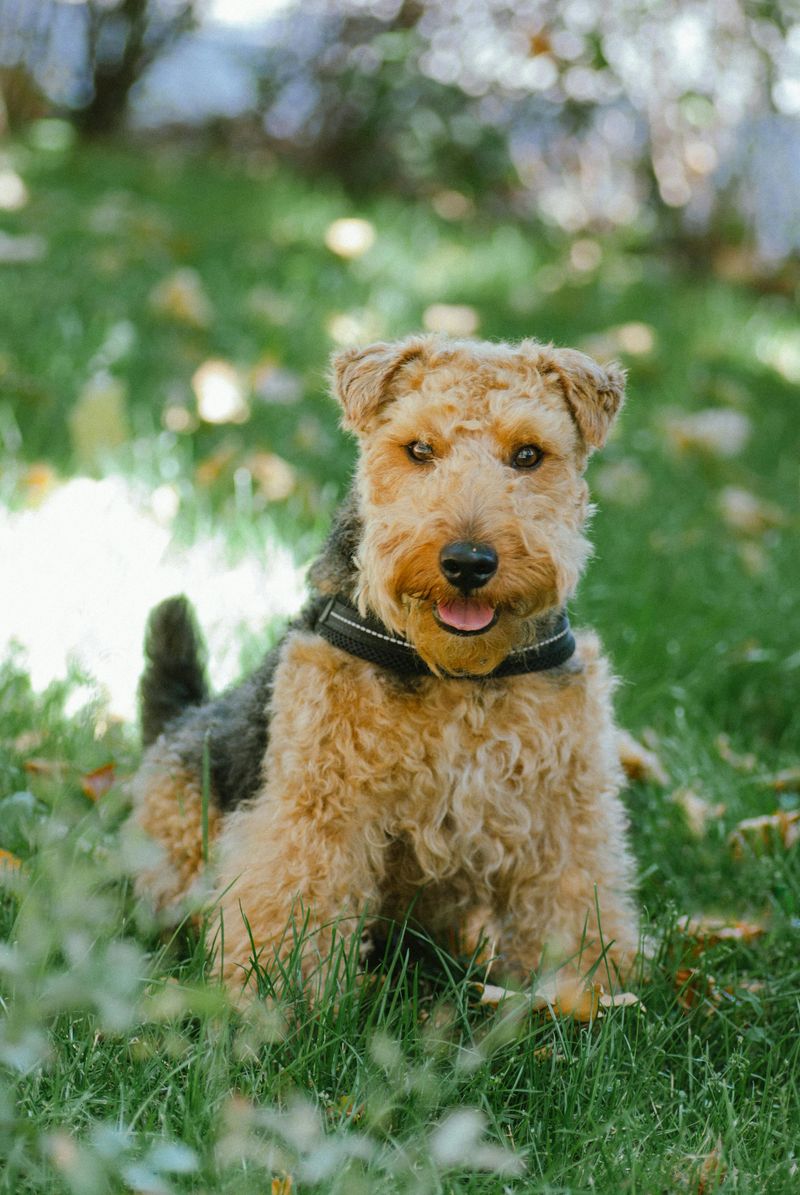
Lakelands are high energy and curious, which can lead to distracted, fast drinking and quick coughs. Their wiry facial hair holds water and prompts extra licking that brings in air.
After a vigorous romp, a short hack is common.
Carry a squeeze bottle with a shallow tray to portion sips on the go. Indoors, use a non skid, wide bowl and refresh water often.
Calm transitions from play to water help the throat relax.
Seek veterinary advice if coughing extends beyond brief episodes, includes gagging, or reduces appetite. Ask about upper airway irritation and dental checks.
With thoughtful pacing and equipment, Lakelands usually sip more smoothly and cough far less after drinks.
Sealyham Terrier
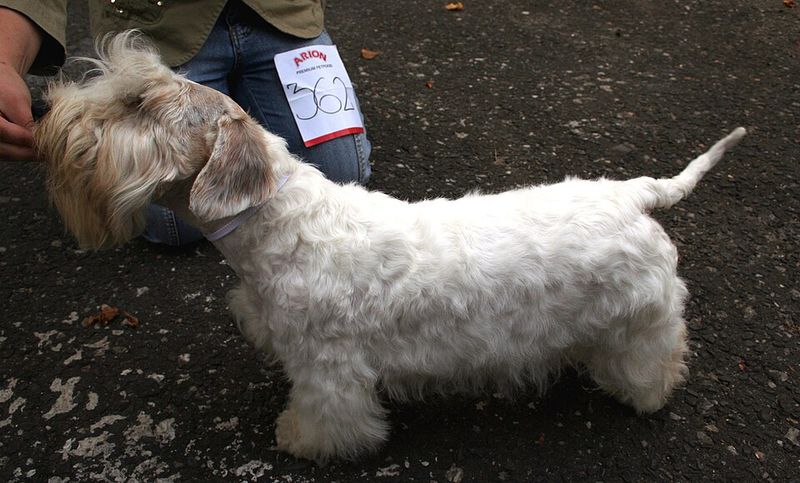
Sealyhams can be enthusiastic drinkers, and their facial furnishings hold water that encourages re licking and air swallowing. A brief cough right after drinking is common, especially after excitement.
Most episodes pass quickly.
Offer water in a broad, heavy bowl with shallow depth. Keep the area calm and consider a light beard dab with a towel to reduce re ingestion of drips.
Present water frequently so thirst never compels a big chug.
Consult your vet if coughing is persistent, harsh, or paired with fatigue or nasal discharge. Discuss tracheal sensitivity or infections as potential contributors.
With measured pacing, smart bowl choices, and calm routines, Sealyhams usually handle hydration comfortably without ongoing coughing fits.