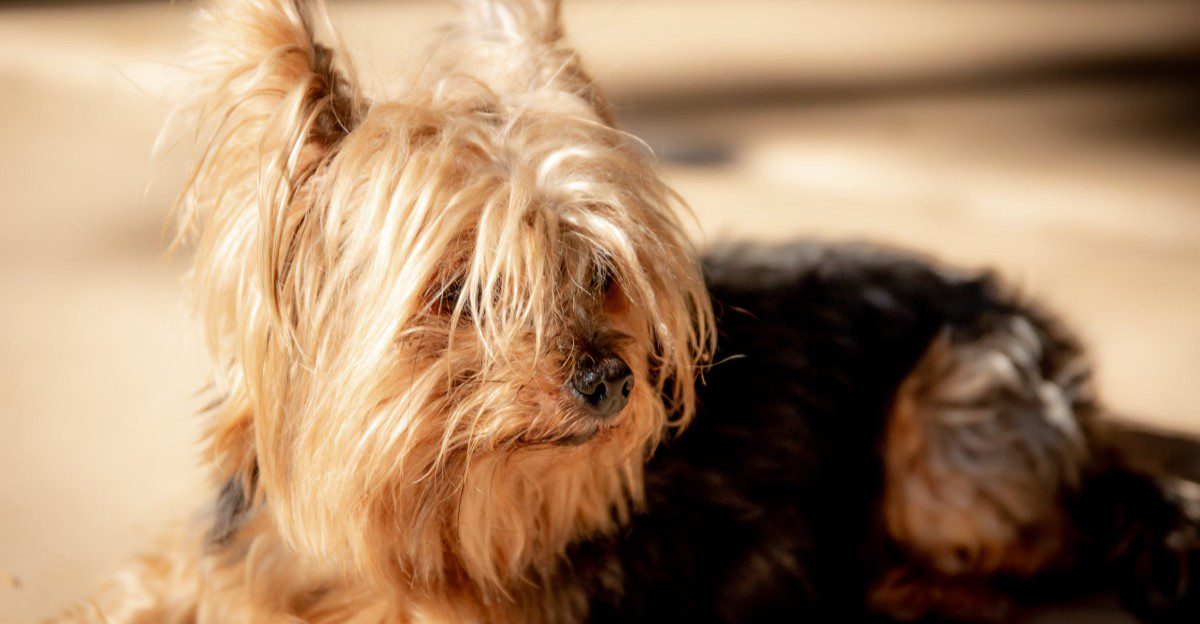
Some dogs love you so much, they act like your furry shadow. If you move, they move, and the idea of closing a door becomes a funny dream.
Knowing which breeds follow closely helps you plan training, routines, and quiet time. Meet the lovable clingers that may cut your solo room count to almost none.
Vizsla
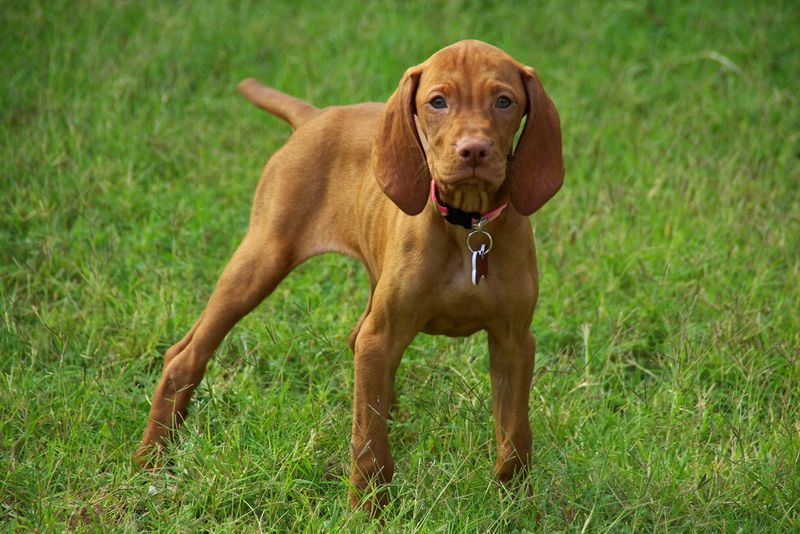
With a heart wired for closeness, the Vizsla often attaches like Velcro. Many owners joke that alone time ends the day this dog arrives.
Sensitive and eager, they thrive when you include them in workouts, hikes, and even quiet reading.
Build calm independence with place training, puzzle feeders, and short exits followed by relaxed returns. Daily exercise matters a lot.
A tired Vizsla rests easier, which means you might actually sneak into a room alone once in a while.
Dachshund
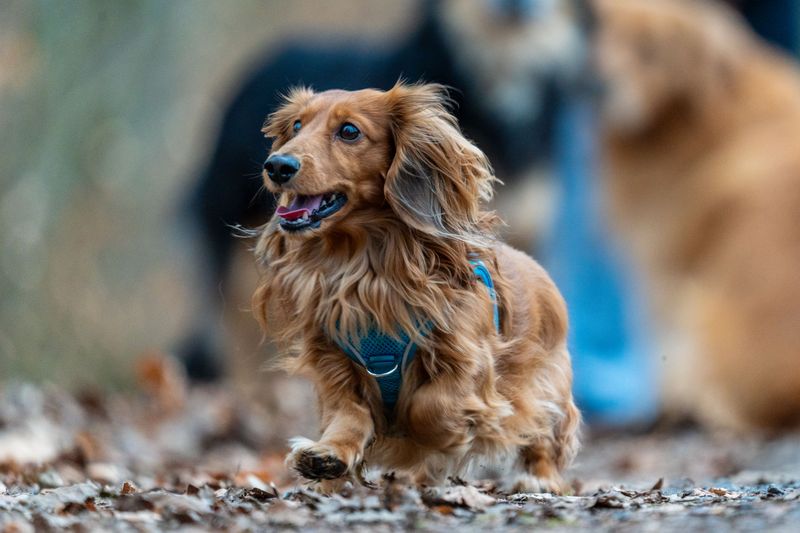
Small body, giant personality. A Dachshund will patrol your feet like a tiny security guard, especially when doors start to close.
Originally bred to hunt badgers, they now hunt for you, room by room, nose down and tail up.
Channel that bold spirit with scent games, snuffle mats, and short training bursts. Reward calm waiting near thresholds.
Ramps for furniture and safe stair habits protect their backs while they trail you less urgently and settle more often.
Chihuahua
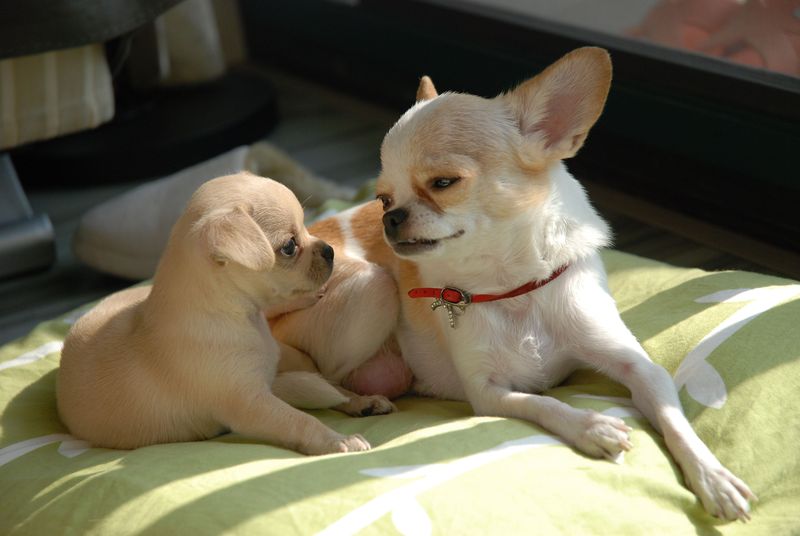
Big bravery in a pocket-sized frame means a Chihuahua can become your personal escort. Many cling for warmth and safety, especially in noisy homes.
Scooping them up feels natural, but thoughtful routines keep confidence growing.
Teach a comfy go-to spot with a warm blanket and occasional treats dropped there. Rotate gentle chew toys and hold short, positive training sessions.
Social time with trusted friends builds resilience, so you might reclaim a few quiet steps alone.
Boxer
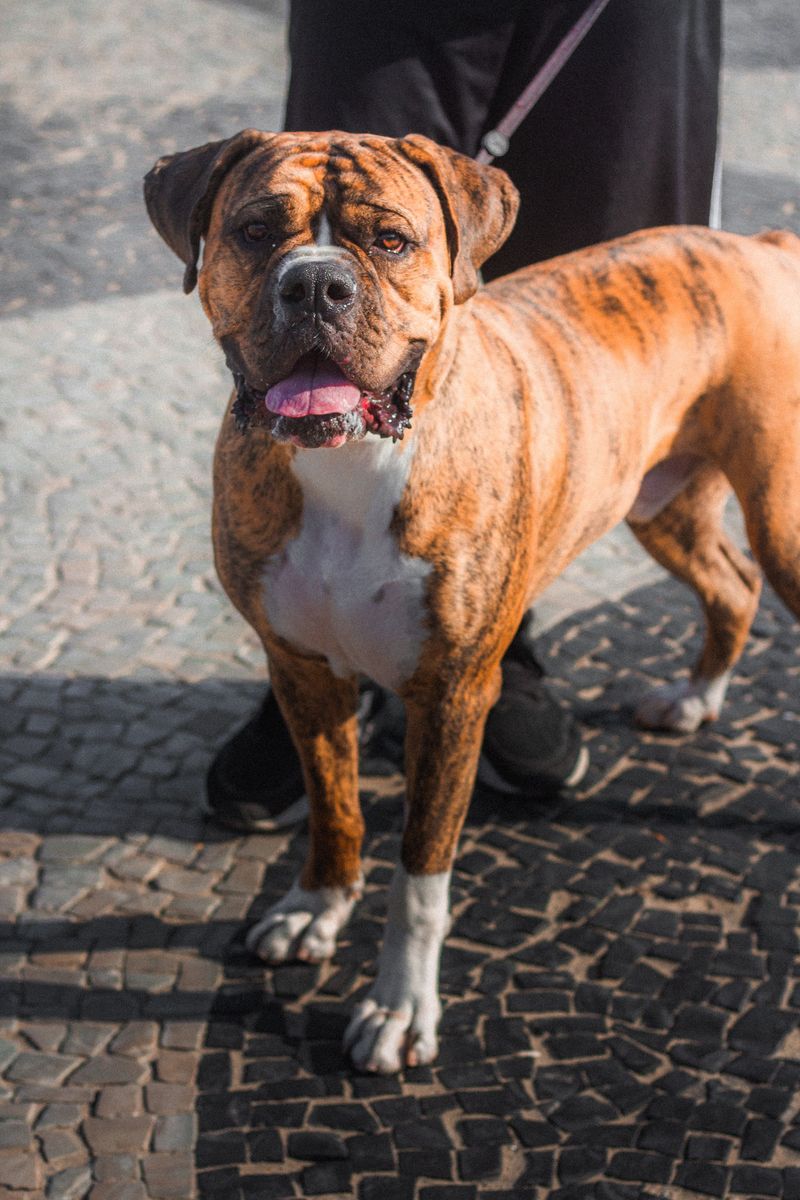
Joyfully nosy and full of bounce, the Boxer hates missing the action. That curious stare appears the minute a door clicks.
They read human moods well and often park themselves nearby, ready for play or a nudge of comfort.
Use structured fetch, tug with rules, and clear start-stop cues. Practice stay near open doors with gradual distance.
A calm cooldown after exercise helps them lounge instead of tailing you into every hallway, closet, and corner.
Italian Greyhound
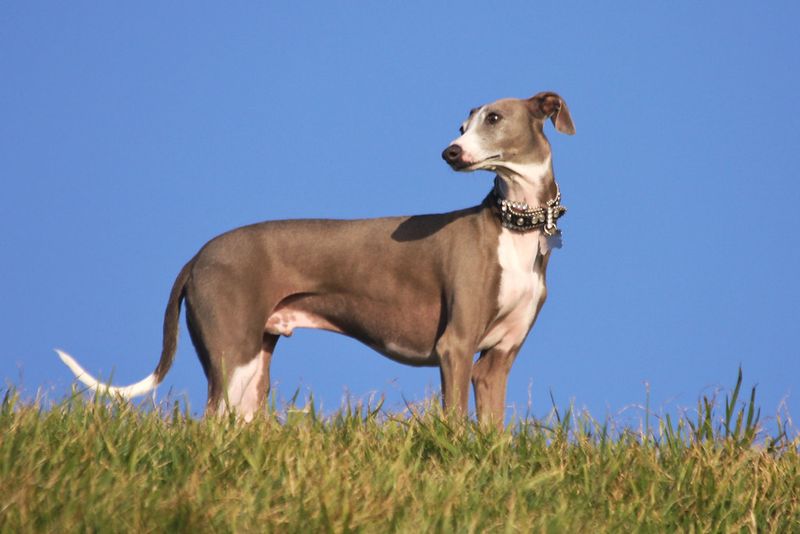
Delicate bones, tender feelings. An Italian Greyhound often glues to the person who keeps them warm.
Drafty rooms and loud noises send them searching for you. Think soft beds, sun patches, and gentle reassurance.
Confidence grows with short agility-style games on rugs, plus positive exposure to new rooms. Keep outings brief on chilly days and use snug sweaters.
A cozy safe spot near, not on, your feet can earn you a few solo doorway moments.
Yorkshire Terrier
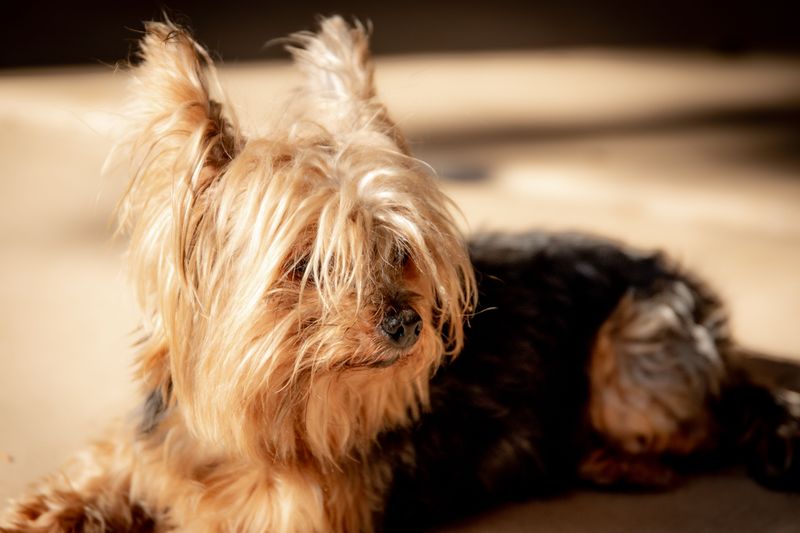
Sassy, sparkly, and surprisingly loyal, the Yorkie shadows like a tiny executive assistant. Wherever the meeting is, they attend.
Trims and bows may be fancy, but daily brains-and-body work is the real secret to calm companionship.
Teach settle on a mat during chores, then reward with quick toy chases. Rotate small training goals each week.
When their sharp mind stays busy, you might slip into one room without a pair of bright eyes following immediately.
Pug
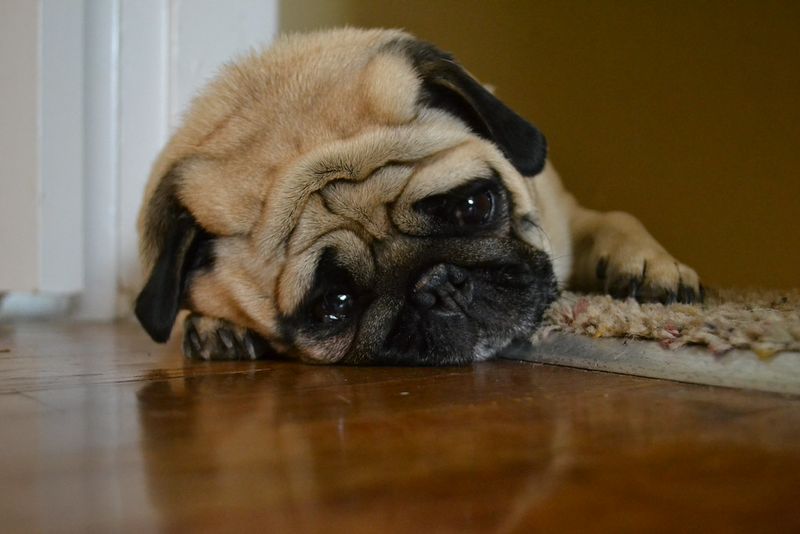
Comedian by day, shadow by night, a Pug loves being included. Expect snorts outside closed doors and a wiggly welcome when they reopen.
Their charm is real, but so is their sensitivity to heat and overexertion.
Keep walks moderate, nails trimmed, and cooling spots ready. Practice brief separations paired with a food puzzle.
A predictable schedule for naps and play helps them relax nearby, which might grant you a few peaceful, solo bathroom breaks.
Maltese
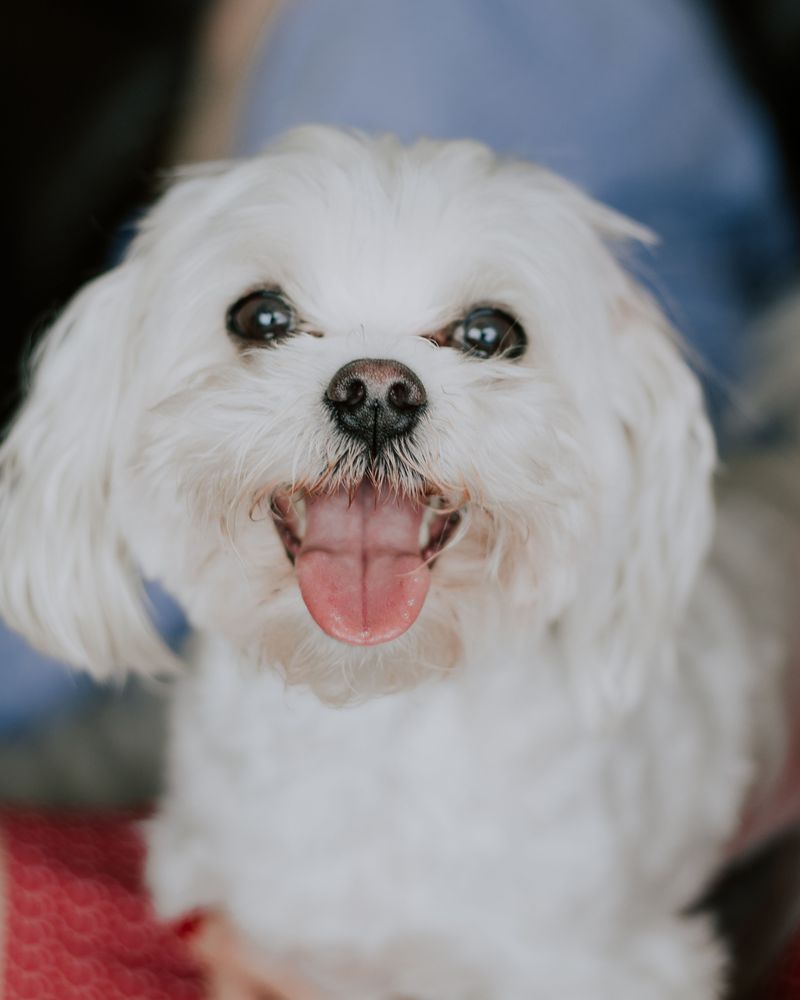
Graceful and people-focused, the Maltese often chooses laps over lone adventures. Grooming time doubles as bonding, which can deepen the shadow routine.
That said, gentle independence grows with smart habits.
Place the bed a few feet from your chair and reward calm settles. Try easy nose-target games and short fetch down a hallway.
Rotate quiet chews during Zoom calls. Over time, your fluffy guardian may wait patiently while you step into another room.
Pomeranian
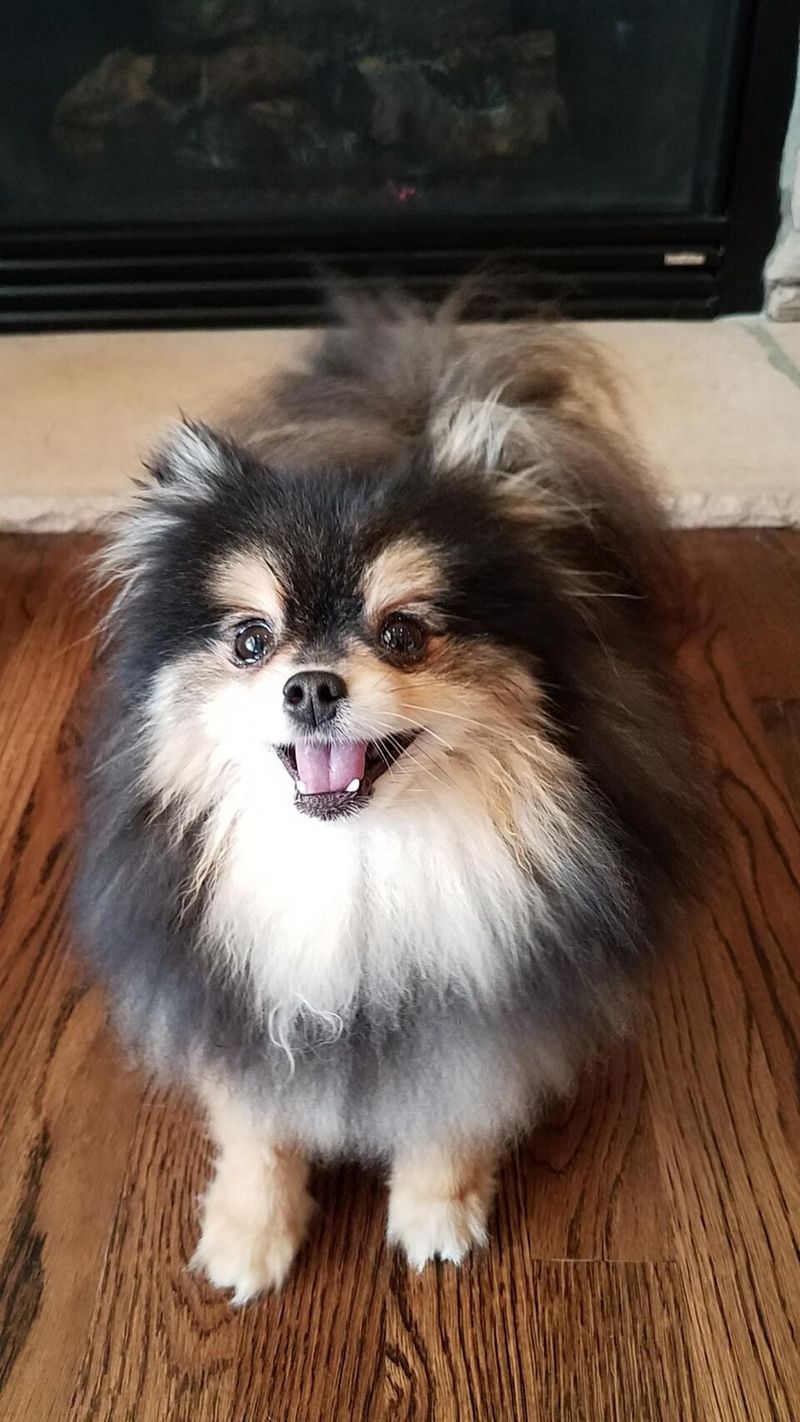
Think tiny lion with a gossip habit. A Pomeranian wants front-row seats to your day and might announce door closings with commentary.
Their alert nature is fun, but it can turn into constant trailing without guidance.
Teach quiet on cue and reward pauses. Use quick trick sessions to burn mental energy.
A high perch or window seat gives a satisfying view. When their curiosity has a job, stepping into a room alone becomes more realistic.
Staffordshire Bull Terrier
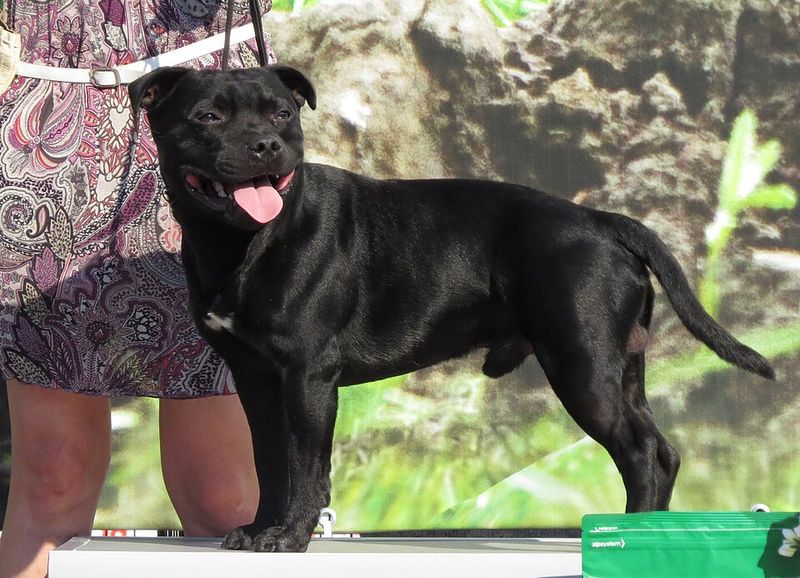
Affectionate to the core, the Staffy wants to be where the people are. Many pick a favorite person and keep close watch.
Their sturdy build and soft eyes make hallway duty look official and sweet.
Practice relaxed stays with doors open, then add brief out-of-sight moments. Provide chew toys with texture variety and regular cardio play like flirt pole sprints.
Balanced activity and structure help them lounge instead of escorting you through every doorway.
Brussels Griffon
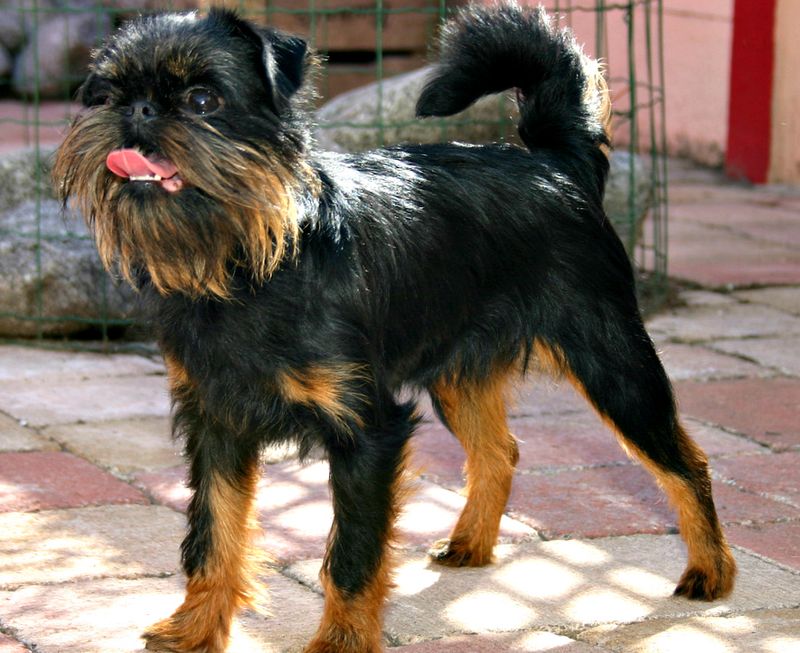
With a face made for movies, the Brussels Griffon often stars in your daily scenes. Many bond intensely and prefer to supervise from inches away.
Their quirky charm shines during quiet indoor games.
Create a cozy lookout with a small bed near a doorway. Teach wait and release, paired with treats for staying put.
Short trick chains, like spin-sit-down, build confidence. Suddenly, they are content to watch, and you recover a sliver of privacy.
Havanese
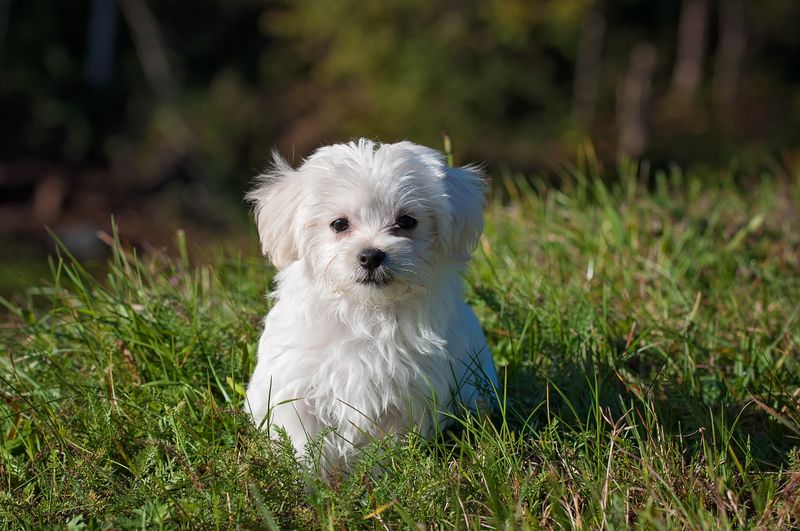
Friendly by design, the Havanese often trails quietly, like a cloud with paws. Originally from Cuba, they were bred as companion dogs, and they take that job seriously.
Closeness feels natural and comforting.
Set up brief alone-time drills with scatter feeding, then return before worry builds. Gentle walks, light obedience, and short play bursts keep spirits steady.
When their needs are met, they happily rest nearby, letting you slip into a room with less fanfare.