
Some dogs seem to read the clock. They know when it is time to eat, play, or go for a walk, and they wait by the door like little timekeepers.
That kind of routine can make life easier for busy families. If your pup loves a schedule, you might spot your favorite breed below.
Border Collie
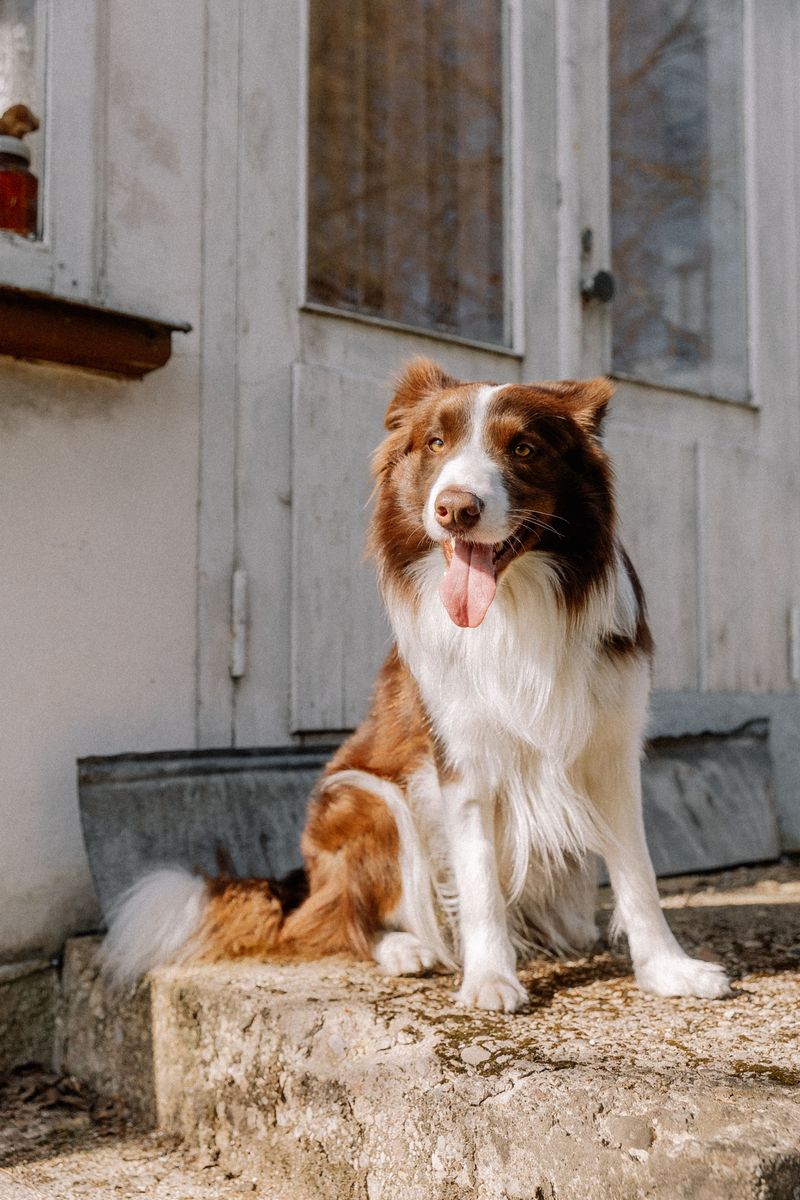
Farm kids tell stories of Border Collies who know the schedule better than anyone. Sharp memory and quick learning make them champions of routine, from walk time to bedtime.
Give clear signals, like a bell before walks, and they will pick it up fast.
Daily brain games keep them happy. Try hide-and-seek with the leash or short training drills before heading out.
A steady plan prevents restlessness and keeps that busy mind working.
German Shepherd
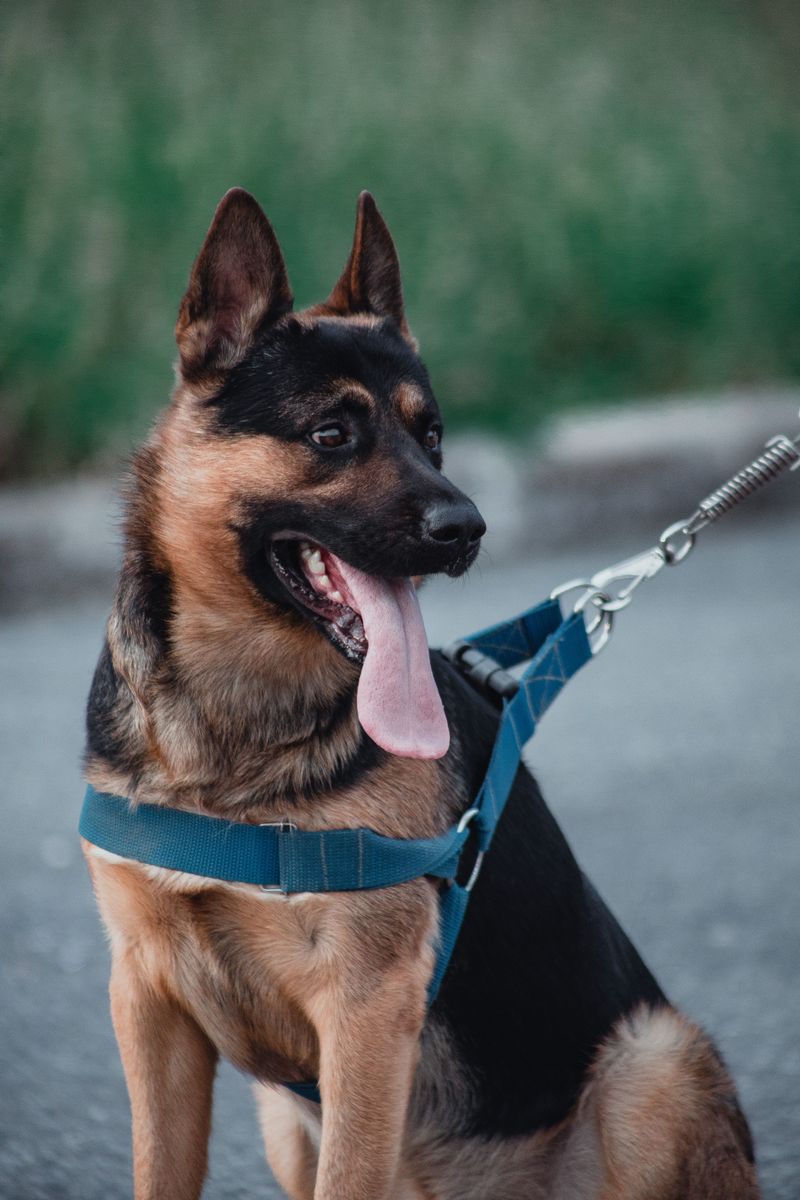
Neighbors often notice how a German Shepherd seems to anticipate every move. Loyalty pairs with pattern recognition, so routines click quickly.
Use consistent words and hand signals, and you will see precise responses, like sitting by the door before the walk.
Structured exercise is key. Mix obedience with short fetch sessions to burn energy and sharpen focus.
Even a quick heel around the block can reinforce timing and calm behavior.
Labrador Retriever
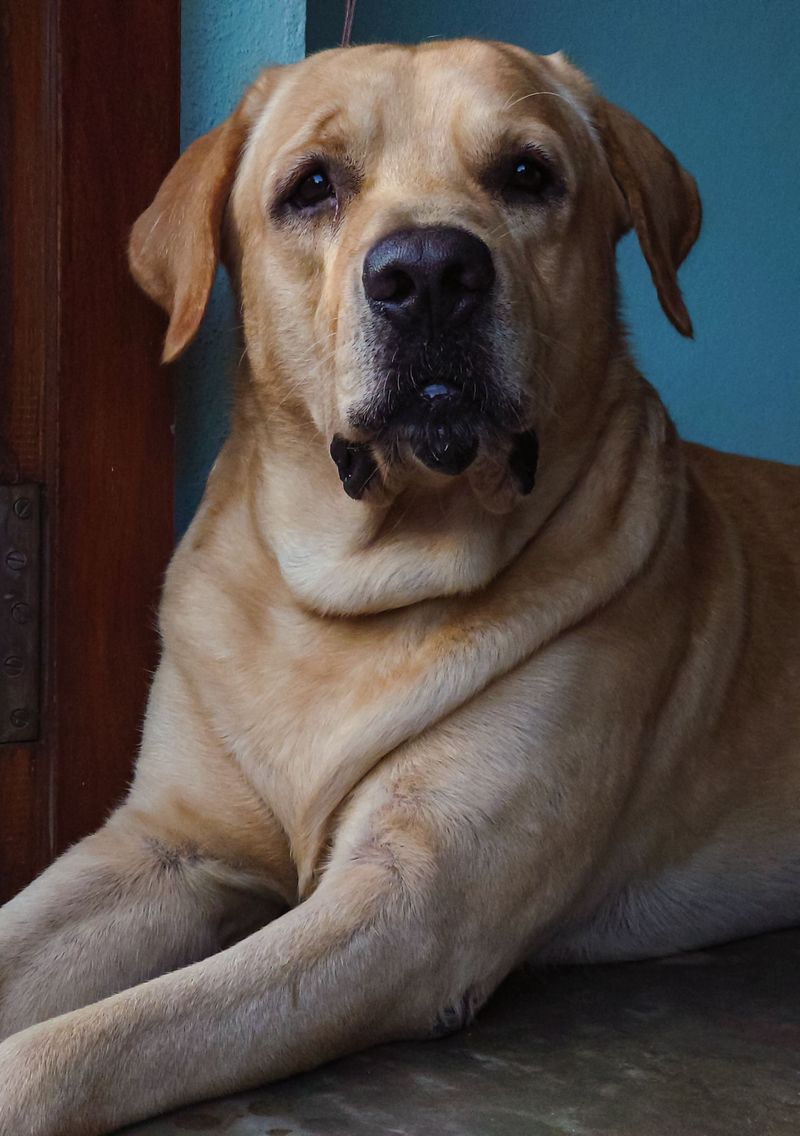
That happy tail often starts thumping five minutes before walk time. Labs love patterns tied to people, like keys jingling or shoes going on.
Set a simple plan, such as sit, leash, then treat, and you will see eager cooperation.
Short practice sessions build great manners. Ask for a calm sit before opening the door.
Rotate routes to keep curiosity satisfied, and your Lab will still master the schedule.
Golden Retriever
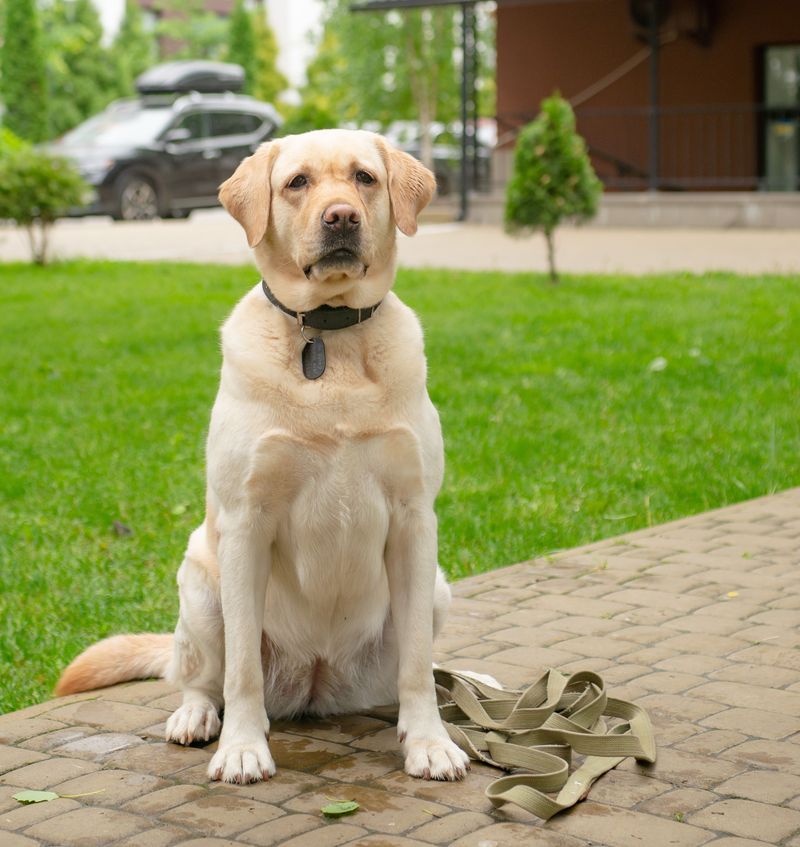
Soft eyes and a hopeful grin often say it all. Goldens link positive moments to routines, so kind guidance works wonders.
Pair walk time with calm cues and gentle praise, and you will see reliable waiting without jumping.
Keep it sunny and steady. Practice a two-minute quiet sit before clipping the leash, then reward with a relaxed start.
A cheerful structure brings out their best manners.
Standard Poodle
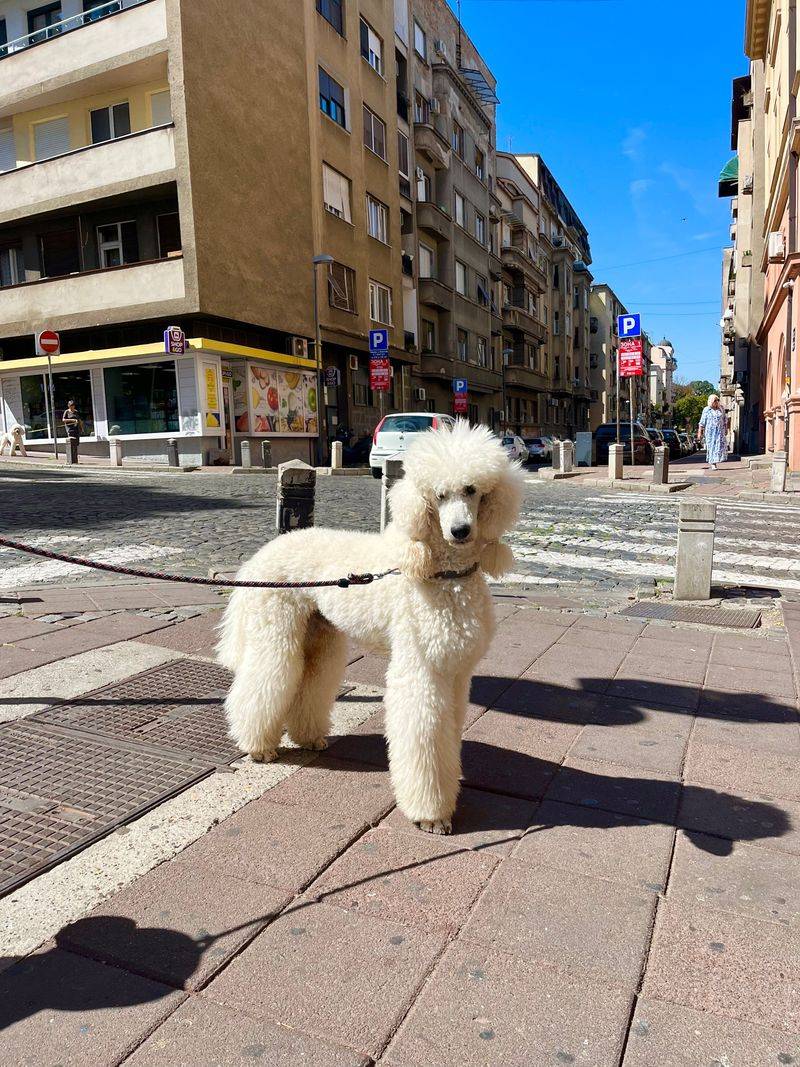
Elegance meets brainpower with the Standard Poodle. They notice tiny patterns, like when you close your laptop or grab your jacket, then glide toward the door.
Teach a few fun signals, and they will predict the next step confidently.
Mix routine with variety. Rotate tricks before walks, such as spin or touch, to engage that bright mind.
Light structure plus creativity keeps them focused and happy.
Australian Shepherd
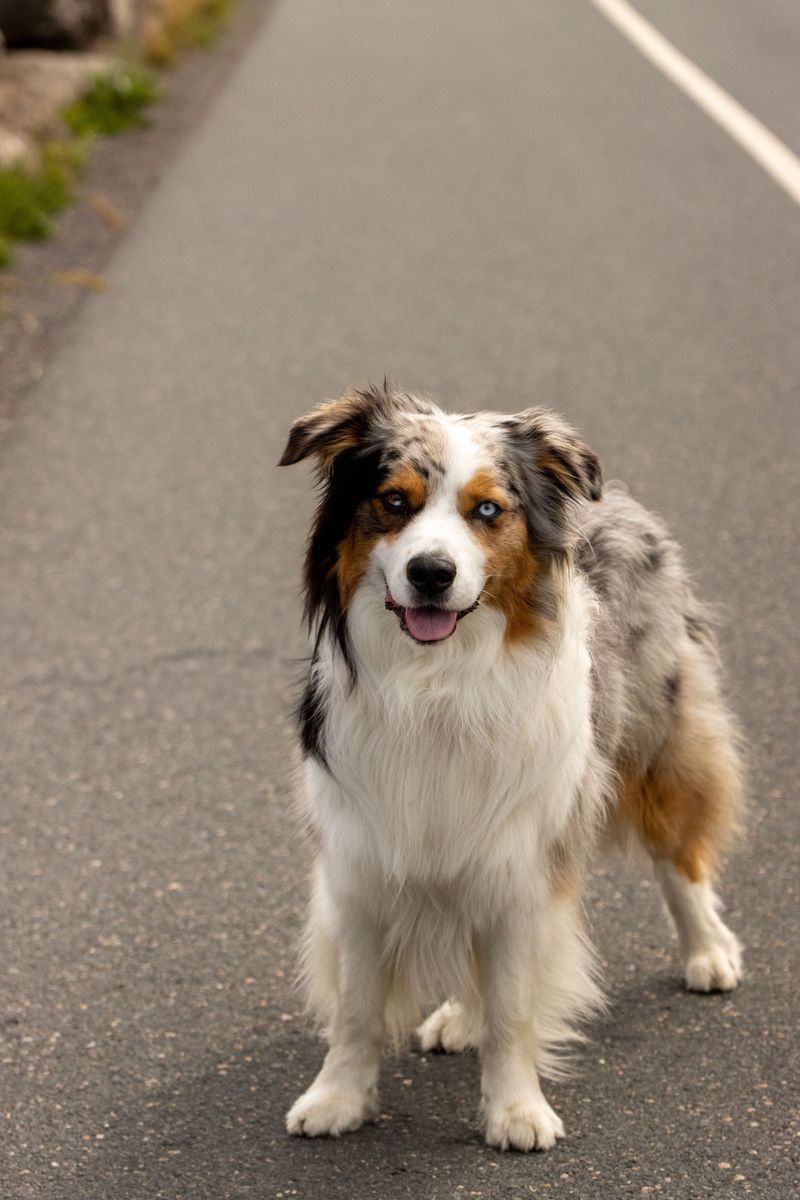
Adventure seems to be on their calendar. Aussies thrive when they know what comes next, especially active plans like trail walks.
Use a countdown cue, such as three calm breaths together, and watch them settle by the door with bright anticipation.
Jobs make them shine. Ask for simple tasks, like bringing the leash, before heading out.
That sense of purpose helps channel energy into great habits.
Shetland Sheepdog
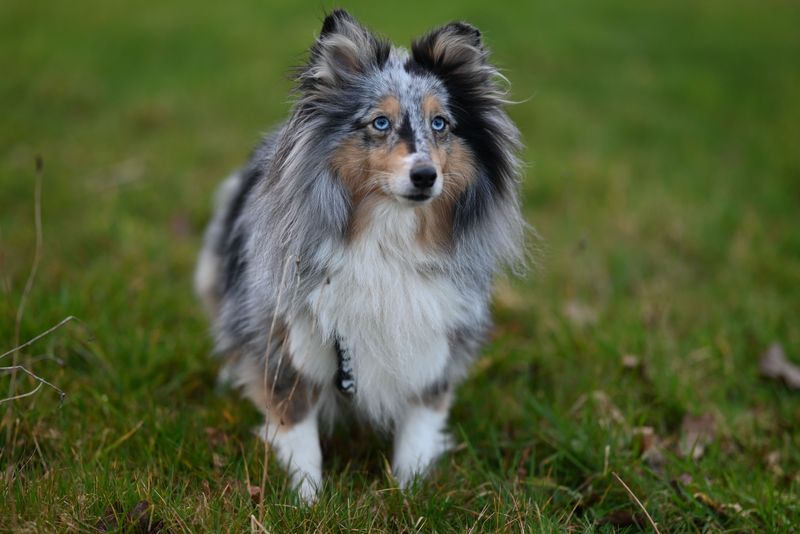
Chiming the bell for walk time is a Sheltie specialty once taught. Sensitive and quick to learn, they notice household rhythms like mealtimes and school runs.
Quiet guidance helps avoid overstimulation before stepping outside.
Short, cheerful training works best. Try a sit-then-bell-then-leash routine and celebrate with a gentle pat.
Mental games, like scent find in the hallway, keep their mind busy while they wait.
Doberman Pinscher
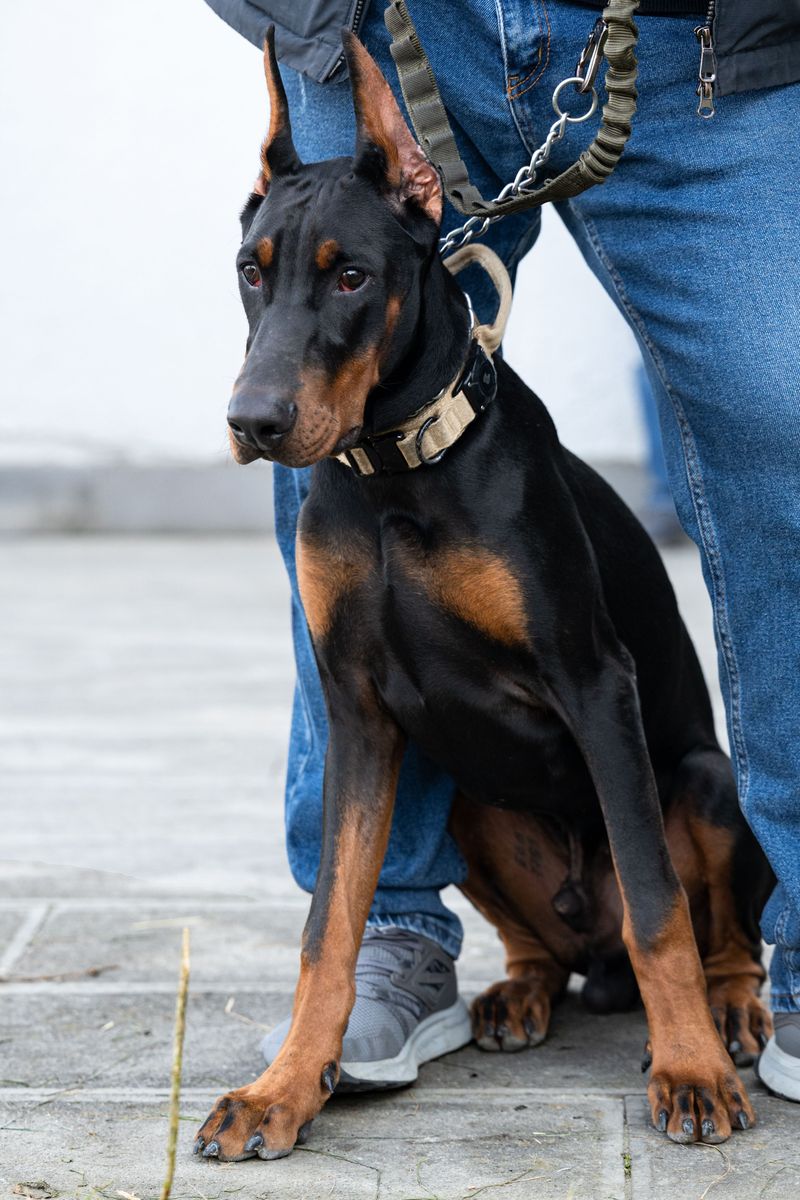
Precision is part of the Doberman style. They respond well to clear rules and timing, often taking a chosen spot near the door before outings.
Keep commands consistent and low-key, which helps maintain that cool, collected energy.
Physical and mental exercise matter. Mix brisk walks with quick impulse-control drills like stay and release.
A predictable routine reduces pacing and brings out their confident calm.
Pembroke Welsh Corgi
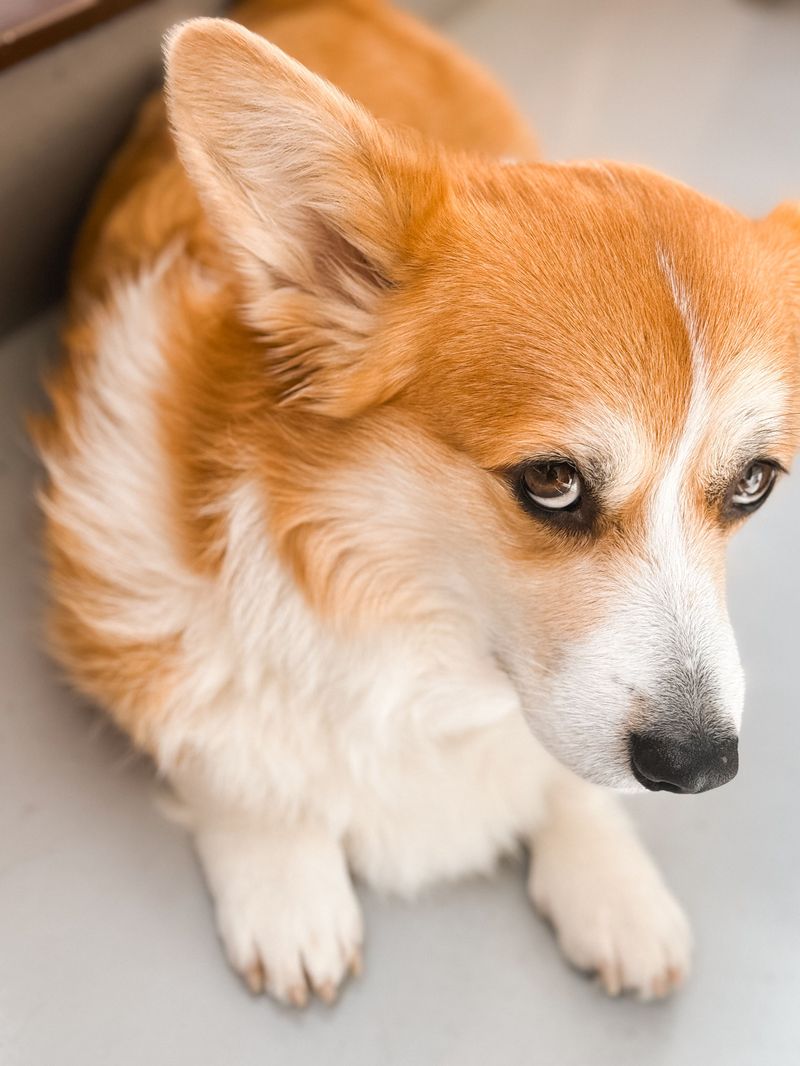
Short legs, big planner energy. Corgis love order and often park themselves by the door as soon as you reach for socks.
Use playful structure, like a quick heel around the living room before the leash, to direct that excitement.
Herding smarts need tasks. Ask for a sit and a paw before opening the door.
Consistent steps create calm starts and fewer hallway zoomies.
Papillon
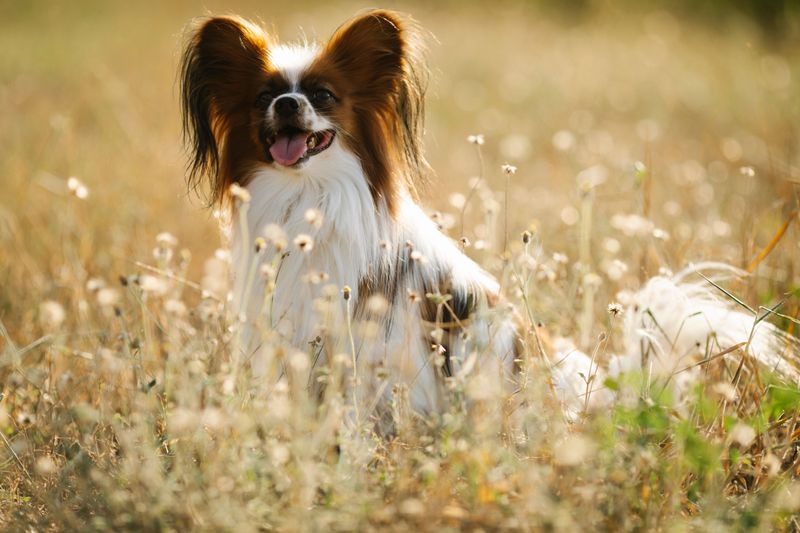
Big ears, bigger attention to detail. Papillons catch on to subtle cues, like the sound of your keys or the fridge closing before you leave.
Gentle repetition teaches them to settle and wait instead of spinning in circles.
Keep sessions short and upbeat. Practice a countdown cue, then reward a quiet sit with quick praise.
Small bodies, sharp minds, and a tidy routine make city walks smooth.