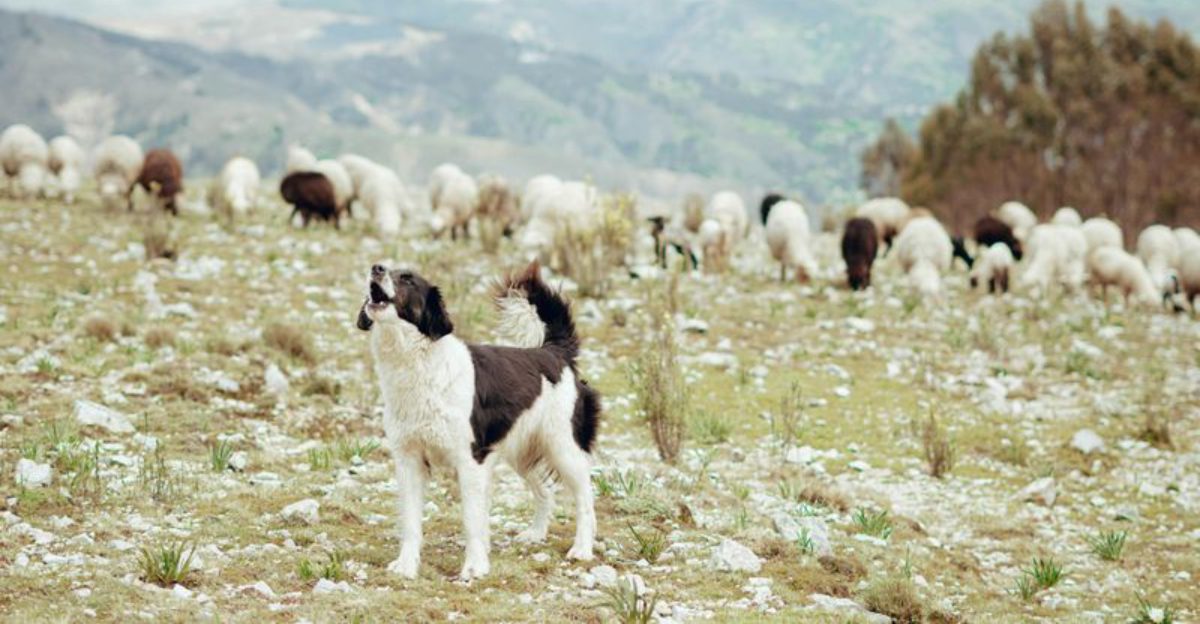
Explore the fascinating ways dog breeds continue to evolve through genetic influences.
Coat Length
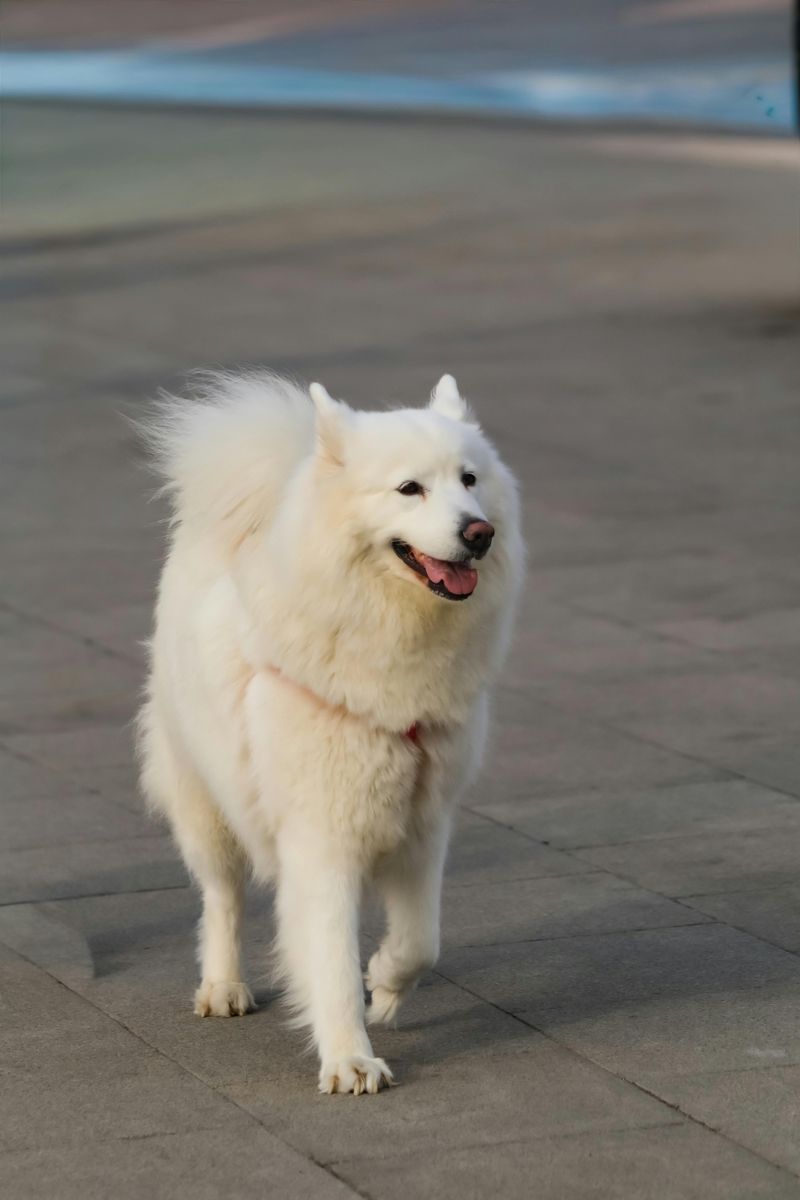
The fluffy Afghan Hound and the sleek Greyhound may seem worlds apart. Yet, their coat length is determined by genetic markers that have evolved over generations. Long coats offer protection in colder climates, while short coats suit warmer environments. These variations are not just aesthetic but functional adaptations.
Genetic studies have identified specific genes responsible for these differences. Understanding these genetic codes helps breeders create healthier pups. Every strand of fur tells a story of adaptation and survival, deeply rooted in the dog’s lineage.
Coat Type
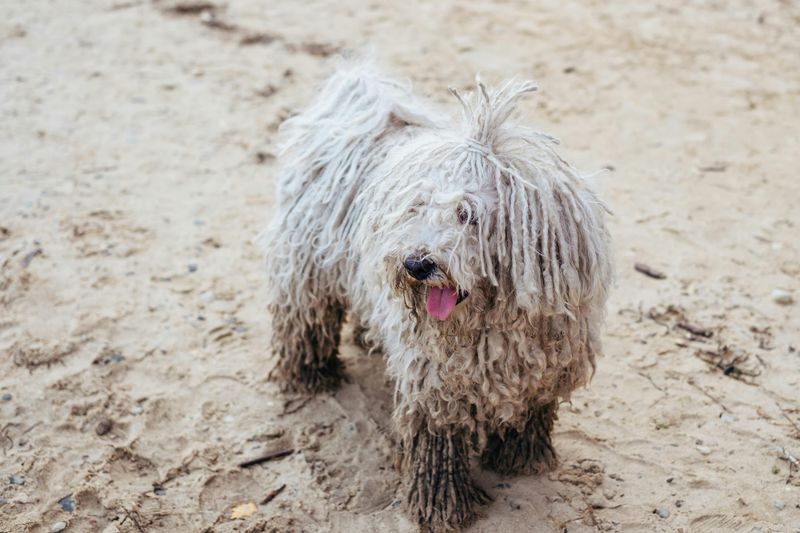
From the wiry coat of a Fox Terrier to the curly locks of a Poodle, coat types are as varied as they are fascinating. Each type evolved for specific environmental or working conditions. Wire coats are rugged for rough terrains, curly coats repel water, and double coats provide insulation.
These variations are controlled by genetic combinations that continue to intrigue scientists. Studying these genes can lead to new insights into breed-specific health issues. The diversity in coat types is a testament to nature’s ingenuity and adaptability.
Shedding Tendency
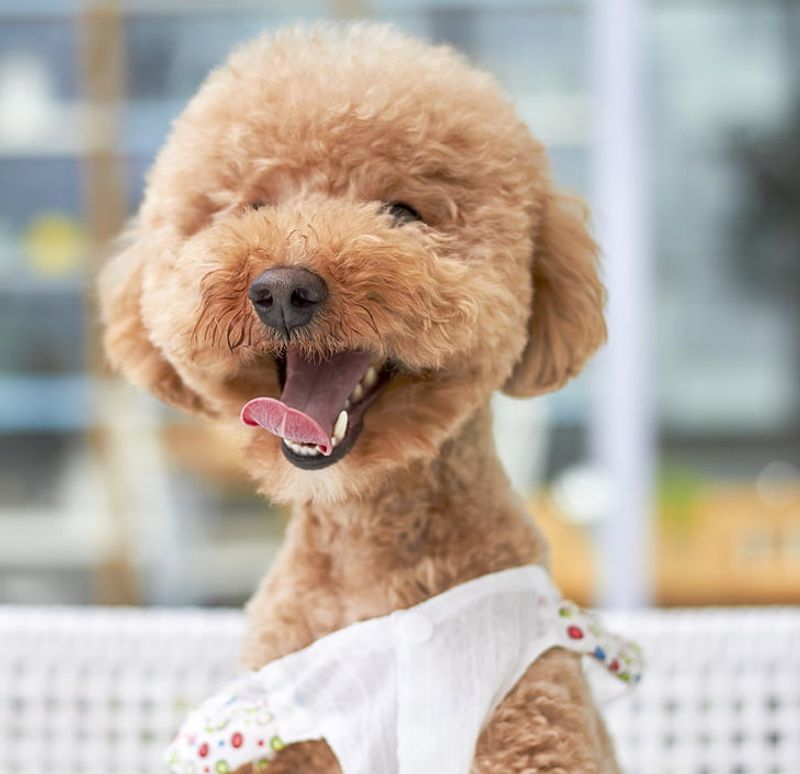
Shedding can be a dog owner’s bane or boon. Breeds like the Labrador Retriever shed copiously, while Poodles are known for their minimal shedding. This trait is more than a cleanup issue; it’s rooted in the dog’s genetics.
Shedding tendencies are linked to hair growth cycles, varying greatly among breeds. Understanding these cycles through genetic research aids in predicting grooming needs. The patterns of shedding are mapped in the DNA, reflecting centuries of natural and selective breeding.
Coat Color and Pattern Genes
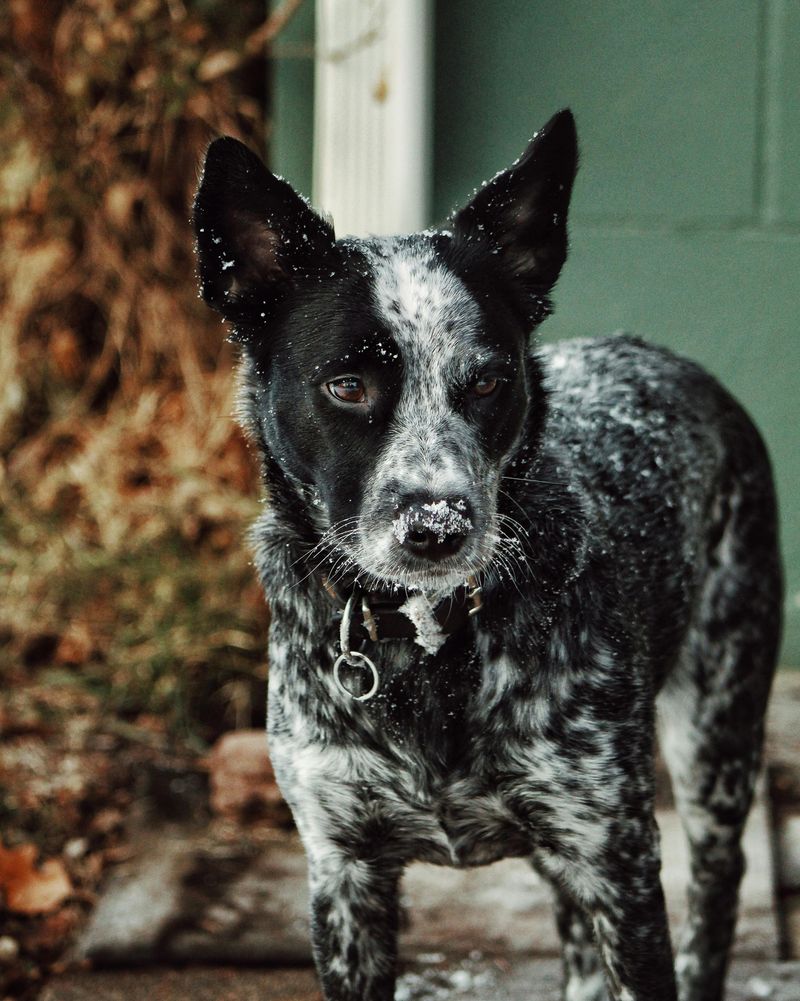
The vibrant coats of dogs like the merle Australian Shepherd or the brindle Boxer are genetic masterpieces. These patterns are not just visually striking but linked to specific genetic markers that dictate color distribution.
Research continues to unravel how these genes interact, leading to some surprising combinations. Sometimes, these patterns may indicate underlying health conditions, making genetic understanding crucial. Each splash of color tells a deeper story of heritage and genetics.
Size and Growth Rate
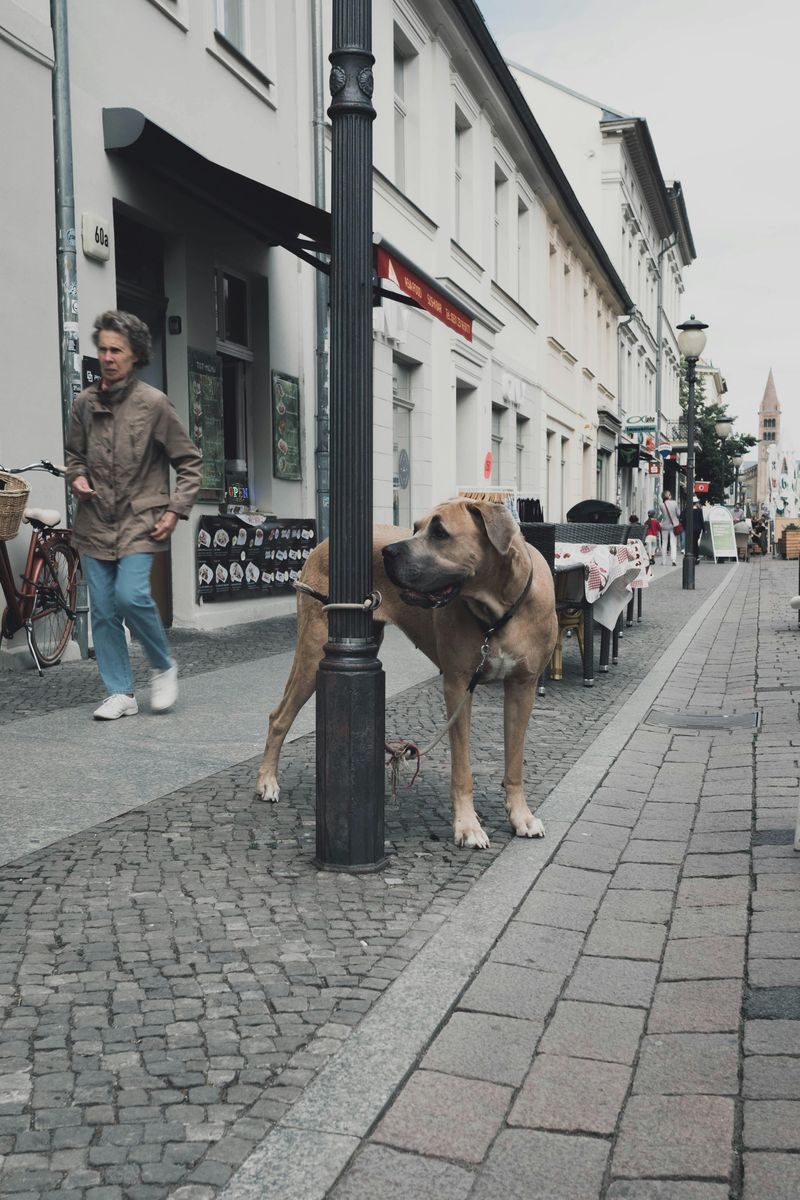
From the tiny Chihuahua to the towering Great Dane, size variations in dogs are a marvel of genetic diversity. Growth rate and final size are influenced by specific genes that have been fine-tuned over generations.
This genetic influence impacts not only size but also related health aspects. Understanding these genes aids in managing growth-related issues. Size and growth rate are evolutionary results of survival needs, reflecting the adaptability of canine species.
Short-Leg/Dwarfism Structure
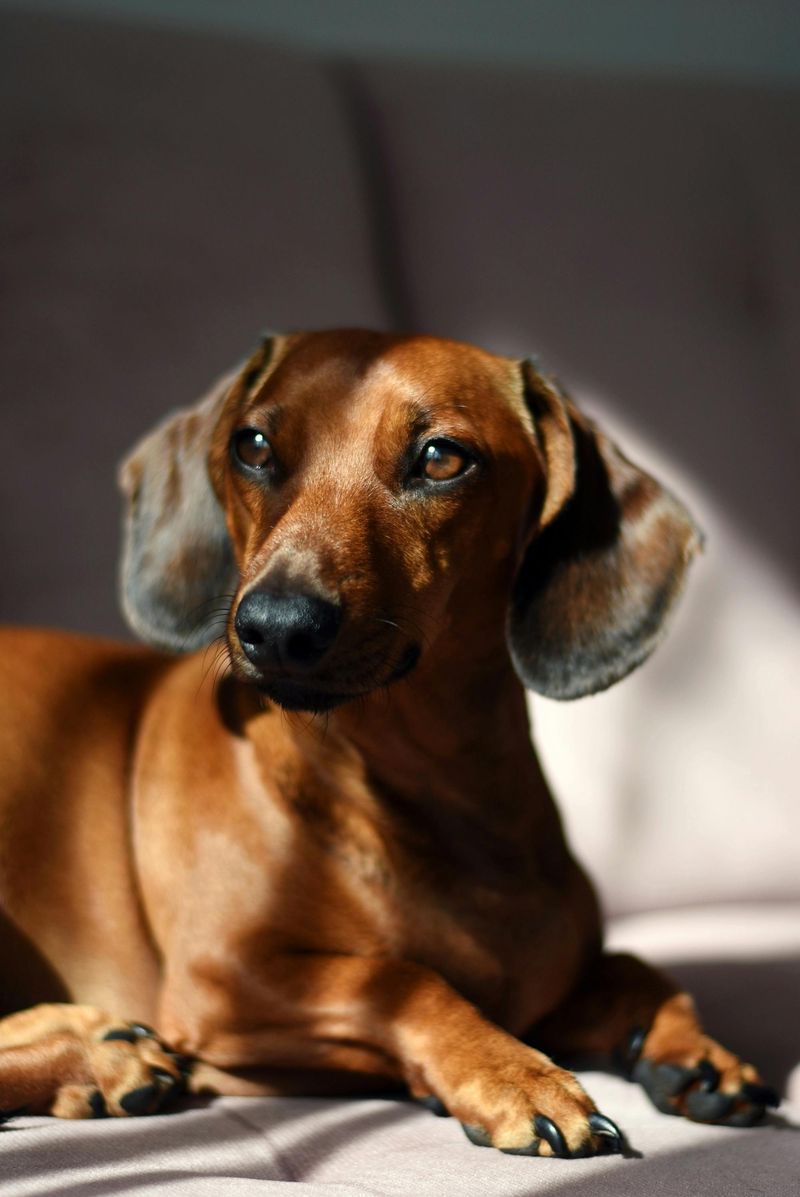
The charming short legs of breeds like the Basset Hound and Dachshund are more than just a cute trait. These structures result from genetic mutations that affect bone growth.
These genes have historical significance, aiding in hunting and burrowing tasks. However, they also come with health considerations. Genetic understanding helps in breeding healthier dogs with these specialized traits. Short legs are a testament to the blend of functionality and genetics.
Head and Muzzle Shape

The flat muzzle of the Bulldog and the elongated snout of the Borzoi are striking examples of genetic diversity. These shapes have evolved for specific purposes, such as aiding in breathing or hunting.
Genetic research reveals the complexity of these features, linked to unique breed histories. Understanding these genes is vital for addressing breed-specific health issues. The diversity in head and muzzle shapes highlights the intricate tapestry of canine evolution.
Ear Shape and Ear Carriage
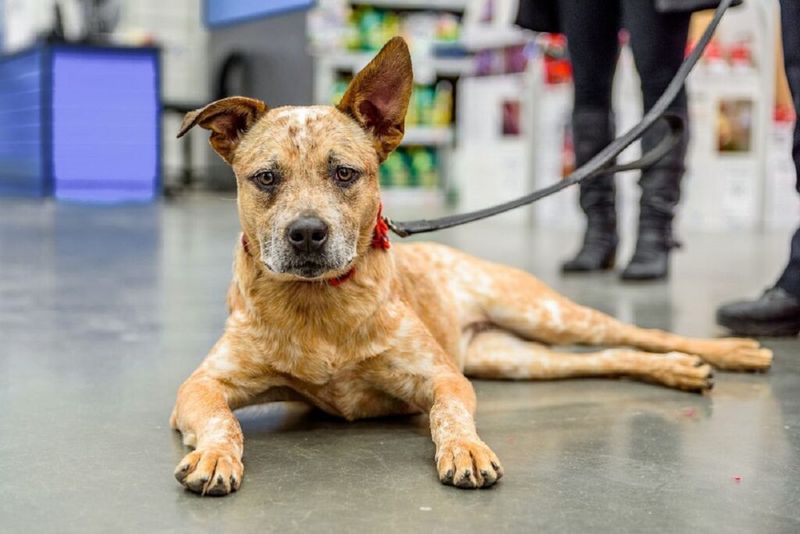
Floppy ears of a Beagle or the upright ears of a German Shepherd are features steeped in genetic coding. These shapes evolved with functional purposes, like enhancing hearing or providing protection.
Genetic mapping of these traits uncovers the relationship between ear structure and behavior. This understanding can influence breeding decisions for healthier pets. Ear shapes and carriage are a fascinating glimpse into canine adaptation and evolution.
Tail Length and Tail Carriage
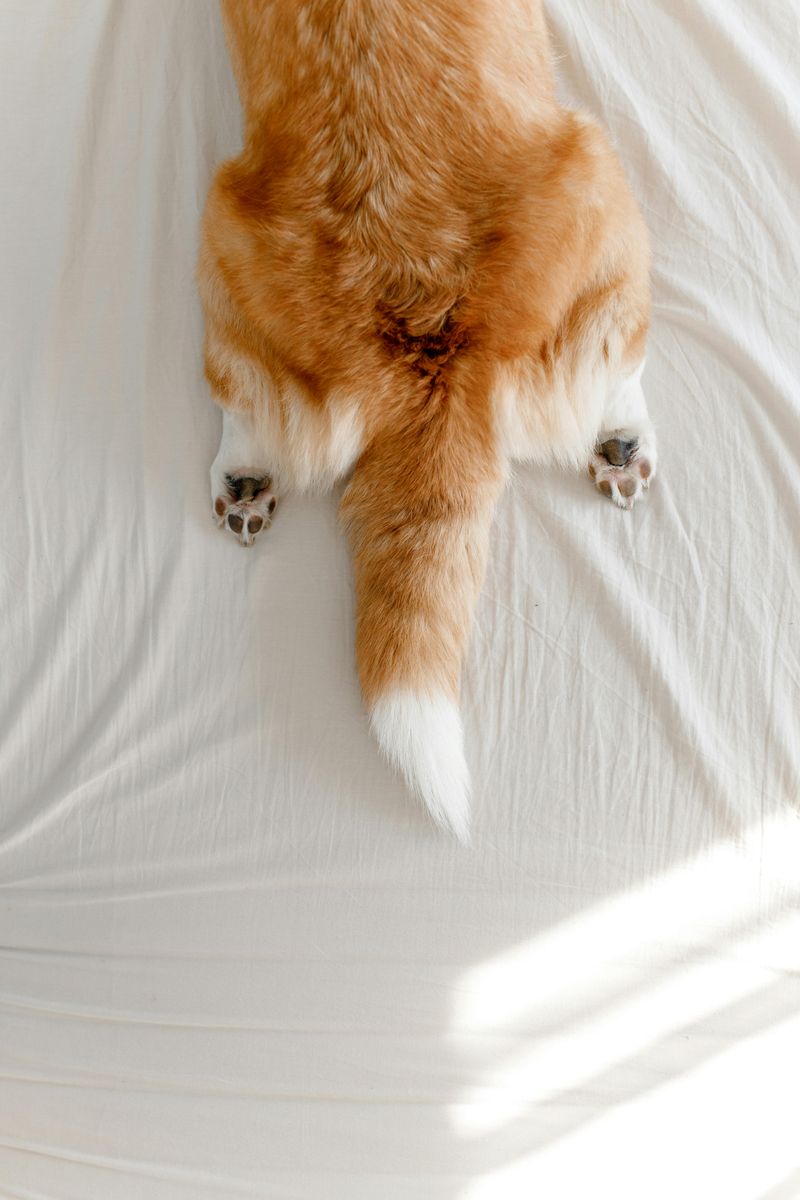
The short tail of a Corgi and the long bushy tail of a Husky reflect genetic adaptations. Tail length and carriage have evolved for communication and balance.
These traits are controlled by intricate genetic pathways, revealing the dog’s ancestry and functionality. Understanding these pathways aids in addressing breed-specific needs. The diversity in tails is a visual symbol of the evolutionary journey dogs have taken with humans.
Scent-Driven vs Sight-Driven Predisposition
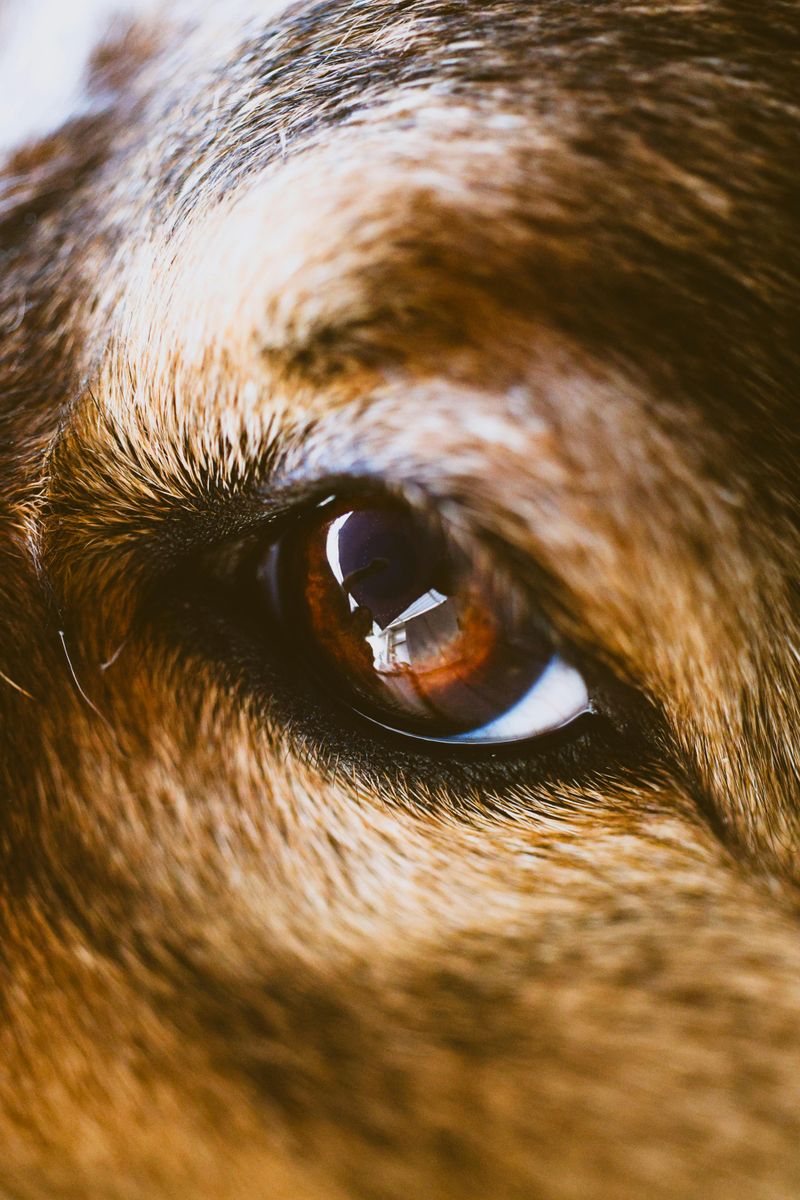
Bloodhounds, with their exceptional scent-tracking abilities, contrast with sight-driven breeds like Greyhounds. These predispositions are genetically encoded, enhancing specific hunting skills.
The evolution of these traits is rooted in survival and adaptation to different environments. Genetic studies help refine training and breeding techniques for working dogs. The sensory prowess of these breeds highlights the nuanced genetic evolution tailored to specific roles.
Herding/Chasing Tendency
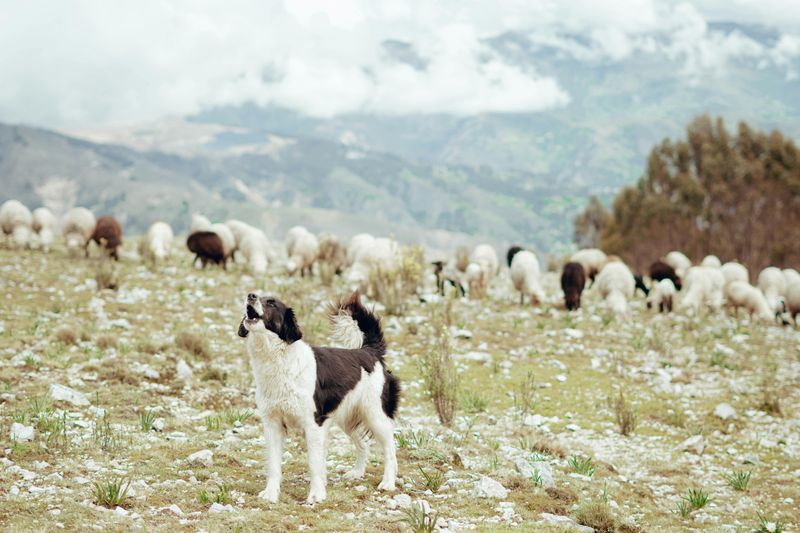
The Border Collie’s herding instincts and the Whippet’s chasing drive are fascinating genetic legacies. These behaviors are not merely trained but ingrained in their DNA.
Genetic research reveals how these instincts are passed down and refined. Understanding these tendencies aids in developing training programs that align with natural instincts. These traits embody the historical roles of dogs as indispensable partners in various human activities.