
Dog food innovation is reshaping the way we nourish our beloved pets. With a plethora of new diets available, certain breeds are reaping significant benefits. These diets cater to specific health needs, energy levels, and even palates, ensuring our furry friends thrive. Let’s explore 10 dog breeds that are particularly well-suited to these trendy nutritional advancements.
German Shepherd

Known for their intelligence and loyalty, German Shepherds require a diet rich in proteins and healthy fats. Their active lifestyle demands nutrition that supports joint health and muscle mass.
Innovative diets with glucosamine and omega-3 fatty acids are ideal for these noble canines. High-quality dog food aids in maintaining their coat’s sheen and overall vitality.
Did you know? German Shepherds were originally bred in Germany in the late 19th century as working dogs for herding sheep. Their adaptability makes them suitable for modern dietary trends.
Border Collie

The energetic Border Collie excels in agility and obedience. Feeding them a balanced diet with complex carbohydrates and lean proteins is key.
These smart dogs thrive on meals that fuel their high energy levels without causing joint strain. Antioxidant-rich foods help keep them sharp and active.
Fun fact: Border Collies are known for their intense herding instinct, often seen “herding” other pets or even children. Their diet must support their quick reflexes and keen intelligence.
Belgian Malinois

The agile and intelligent Belgian Malinois is a working dog’s epitome, thriving on a protein-rich diet. Foods containing omega fatty acids are crucial for their skin and coat health.
These dogs often engage in high-energy activities, requiring diets that support endurance and recovery. Nutrient-dense meals ensure peak performance and mental acuity.
Originating from Belgium, this breed was developed for herding and is now a popular choice for police and military roles due to their fierce loyalty and trainability.
Labrador Retriever

Labrador Retrievers, known for their friendly demeanor, benefit from diets that prevent obesity. High-protein and low-fat foods are essential.
Supplements like glucosamine support their joints, particularly as they age. Labradors enjoy meals with varied textures and flavors, keeping mealtime exciting.
Despite their association with the Canadian region of Labrador, these retrievers were developed in Newfoundland. Their love for water and retrieving make them excellent companions for active families.
Golden Retriever

Golden Retrievers are cherished for their loving nature and striking coats. Diets rich in omega-3 and omega-6 fatty acids enhance their fur’s brilliance.
Protein-rich meals support their muscular build and energetic lifestyle. Innovative dietary options cater to their risk of allergies, ensuring they stay healthy and vibrant.
Did you know? Golden Retrievers were developed in Scotland in the mid-19th century, bred for retrieving game during hunting, with a gentle mouth to avoid damaging the catch.
Boxer

Boxers are known for their playful and exuberant nature. High-protein diets with moderate fat content are necessary to maintain their athletic build.
These dogs benefit from foods that support heart health, given their predisposition to heart conditions. Innovative diets that incorporate taurine are particularly beneficial.
The Boxer originated in Germany during the late 19th century. Their distinctive square jaw and strong build make them uniquely charming companions.
Dalmatian

Dalmatians are iconic for their distinctive spots and high energy levels. Diets low in purines help prevent kidney stones, a common issue for this breed.
Hydration is crucial, so wet food options are often recommended. These elegant dogs thrive on balanced nutrition that supports their active lifestyle.
Fun fact: Dalmatians were once used as carriage dogs, running alongside horse-drawn carriages to protect the horses and riders. Their unique look and history make them fascinating pets.
Irish Setter

The Irish Setter, with its stunning red coat, benefits from a diet rich in omega fatty acids to maintain fur health. These active dogs need high-energy diets with quality proteins.
Their playful nature requires nutrition that supports joint health and stamina. Tailored diets help prevent conditions like bloat, common in deep-chested breeds.
Originating in Ireland, these setters were used for hunting game birds. Their friendly demeanor and elegant appearance make them a favorite among dog enthusiasts.
Siberian Husky
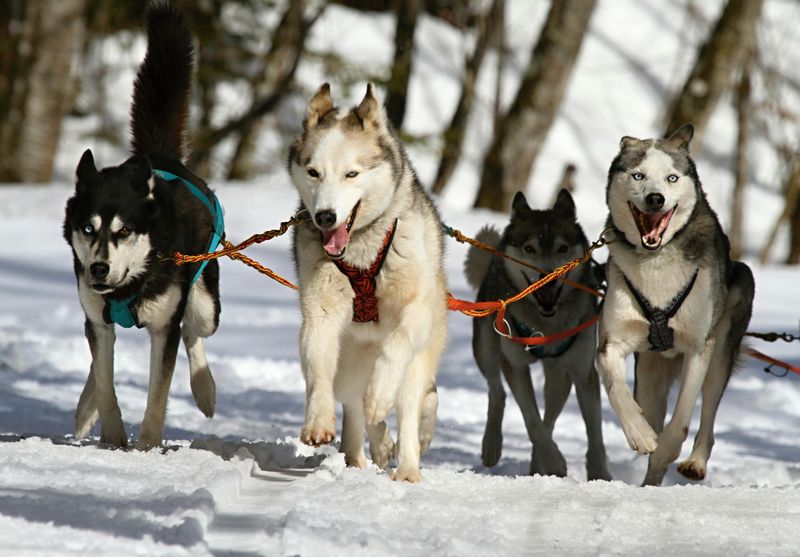
Siberian Huskies are known for their endurance and striking wolf-like appearance. Lean protein diets with moderate fat content match their energetic lifestyle.
Their metabolism is efficient, requiring nutrient-dense foods to fuel their activities. These diets often include fish oils, enhancing their thick coat’s health.
Despite the cold, Huskies were bred by the Chukchi people for sledding, able to handle long distances with little food. Their dietary needs reflect this heritage.
Standard Poodle

Standard Poodles are known for their intelligence and hypoallergenic coats. High-protein and low-carb diets help maintain their muscular build and brain function.
These elegant dogs benefit from foods rich in antioxidants, supporting their immune system and vibrant coat. Tailored diets can also address potential skin issues.
Originally from Germany, Poodles were used as water retrievers. Their distinctive grooming style has become a symbol of elegance and sophistication.