
Dog training debates are loud right now, but your dog’s body whispers the truth. Tiny signals can reveal when a method is piling on pressure, even if the behavior looks compliant.
Learn to read those signals, adjust in the moment, and protect your relationship. If you want progress without fallout, these clues will change how you practice today.
Lip licking during “easy” cues
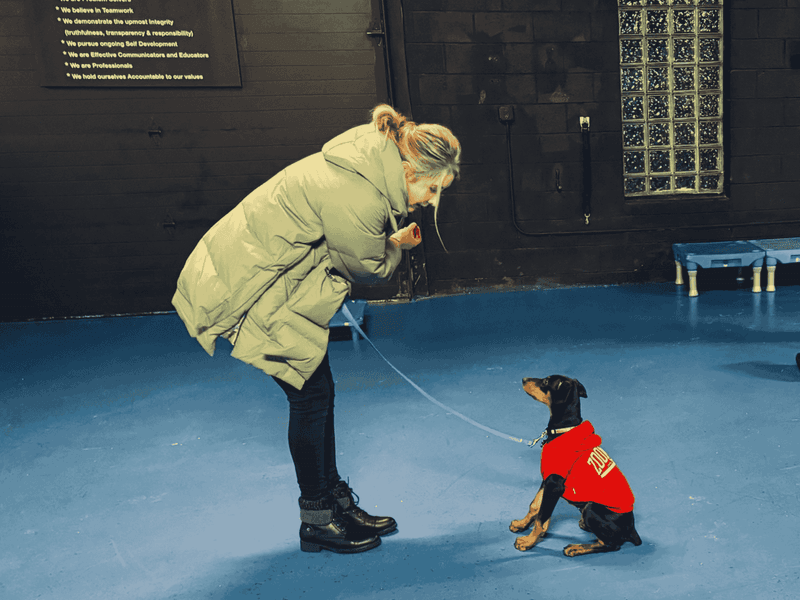
Lip licking during simple cues looks tiny, but it is often a stress tell. If your dog licks when asked to sit or down, they may be saying the pace or pressure feels high.
You might be using a stern tone, tight posture, or rapid repetitions without breaks.
Try softening your voice, slowing your timing, and adding easy wins. Increase distance from distractions and reward calm, not just completion.
Shorten sessions and sprinkle play between reps.
When licking fades, you know the environment and expectations fit better. If it persists, reassess the cue clarity and your body angle.
Your dog should look loose, not braced. Comfort creates reliable behavior.
Yawning when training starts
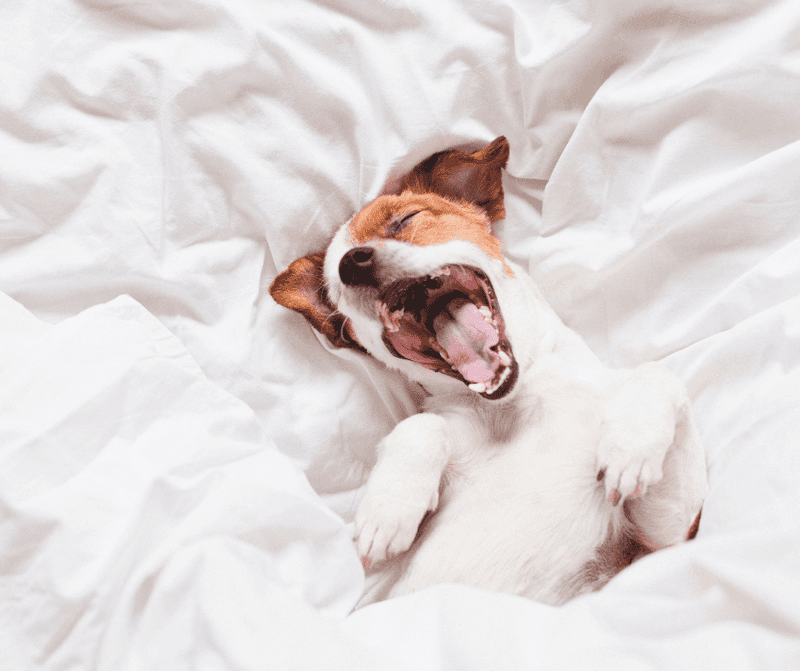
A yawn at the start of training is not always sleepiness. It can be a displacement behavior that says this feels awkward, or the stakes feel high.
If yawns come in clusters, your plan might be too ambitious.
Lower difficulty by splitting steps more finely. Warm up with easy targets and brief reinforcement.
Keep sessions short, then end while energy is still bright.
Watch posture: turn your shoulders slightly and keep movements small. Soft eye contact and a relaxed smile help too.
When yawns diminish, you have matched challenge to skill. That is when learning sticks, and your dog returns eager, not wary.
Whale eye
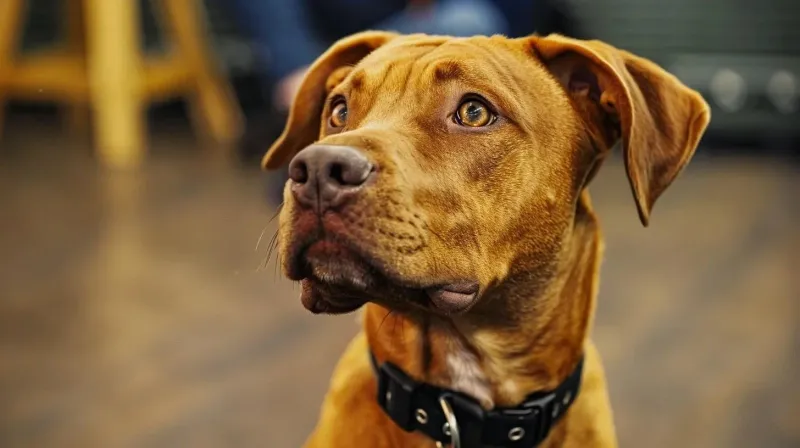
Whale eye appears when the whites of the eyes show as your dog glances sideways. It often means they feel cornered, conflicted, or overfaced.
In training, it can pop up around handling, positioning, or proximity.
Pause immediately and give space. Pivot the plan to a simpler version and reward for calm orientation.
Avoid looming or leaning over the head and neck.
Pair the context with predictable, low-pressure rewards. Let your dog opt in and opt out.
When the eye softens and gaze returns frontally, you are back in the learning zone. Ignore it, and you risk shutdown or an outburst later.
Listening early protects safety and trust.
Ears pinned back
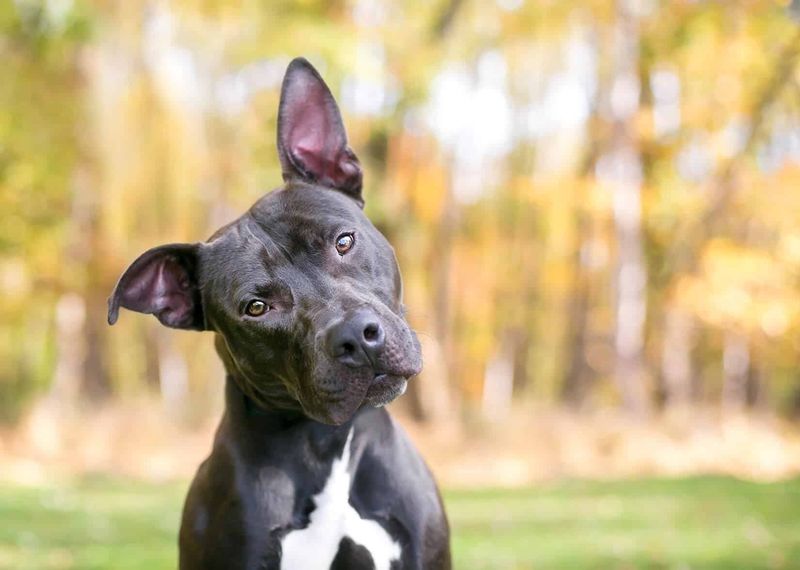
Pinned ears can mean uncertainty or fear, especially if paired with tight mouth and still body. During cues, it may show pressure from your stance, voice, or the environment.
Some dogs default to this when they expect correction.
Shift to a softer, upbeat tone and reduce looming. Turn sideways, bend knees, and breathe.
Remove intense distractions and reward for small, confident attempts.
Track ear position as a progress metric. When ears lift or move freely, you have better emotional buy-in.
If they stay glued back, you are likely over threshold. Dial back criteria, then rebuild with choice and generous reinforcement to bring comfort and consistency.
Tail low while “obeying”
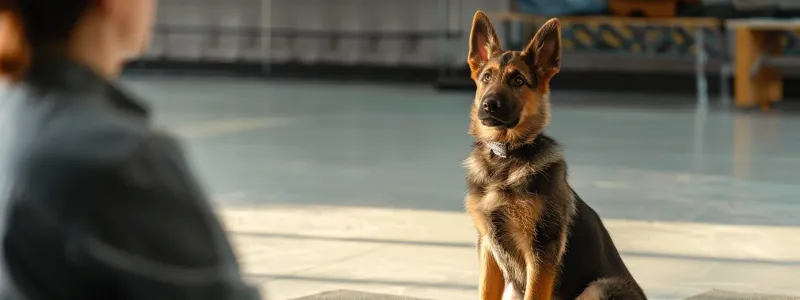
A low or tucked tail during “obedience” can signal conflict. The dog is complying, but the emotional picture is shaky.
That mismatch predicts brittle behavior and delayed fallout.
Drop difficulty and sprinkle engagement games. Reinforce orientation, sniffing breaks, and soft wag moments.
Adjust your timing so the reward meets relaxed body, not just position.
Check your cue history too. If a cue predicts pressure, reteach it with easy steps and high-value reinforcement.
Aim for a neutral to gently wagging tail while working. A happy body learns faster and retains longer.
Build the feeling you want repeated, not just the shape of the behavior.
Sudden sniffing as avoidance
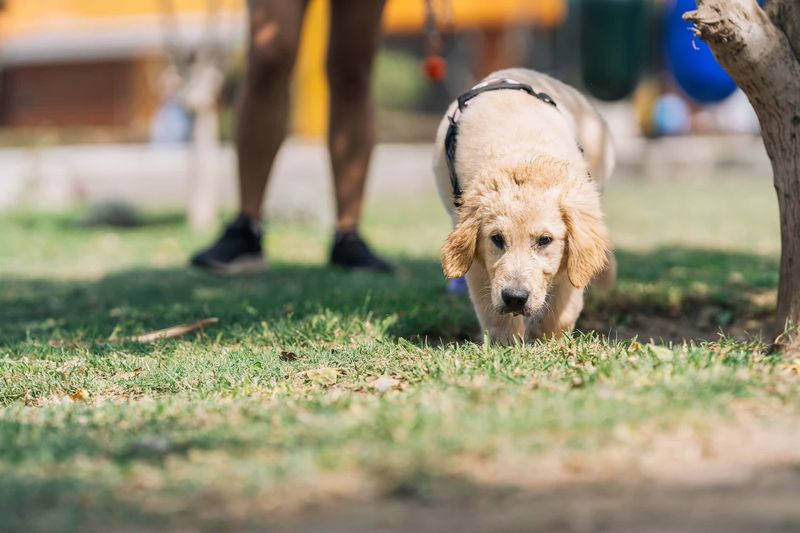
Sudden sniffing mid-rep often signals avoidance, not curiosity. Your dog is buying time when the task feels confusing or tense.
It can appear right after a correction or before a hard step.
Label it as information, not defiance. Give a quick reset: a scatter of treats to the side, or a brief sniff walk.
Then return with a simpler slice of the behavior.
Reduce pressure by offering choices and clear markers. Praise the moment your dog reorients to you.
As confidence rises, the sniffing detours fade. The goal is flow, not forcing.
Invite participation and watch the learning speed up.
Slow-motion compliance
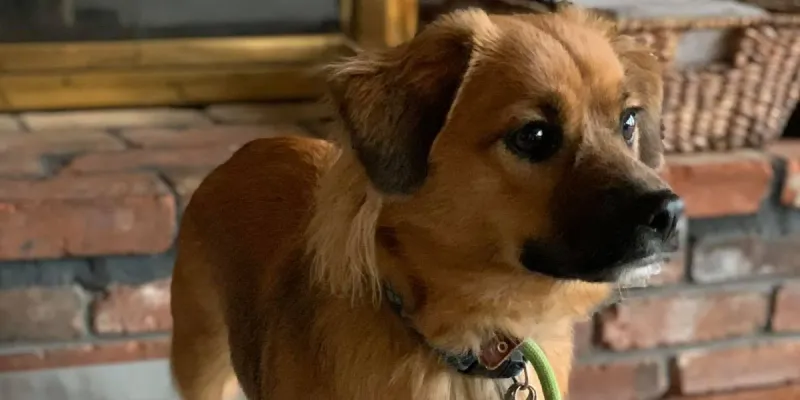
When a dog complies in slow motion, it can look polite, but it often signals internal conflict. The body moves carefully to avoid mistakes or pressure.
This tells you criteria or consequences feel heavy.
Lighten the atmosphere with praise and quick, small reinforcers. Split the behavior into micro-steps and jackpot bold choices.
Keep reps brisk and end early on a win.
Notice changes: does speed increase when you smile, crouch, or back up playfully. If yes, your dog is reading your vibe.
You are building confidence, not just control. Smooth, happy movement is a key progress marker that predicts resilience under distraction.
Refusing food mid-session
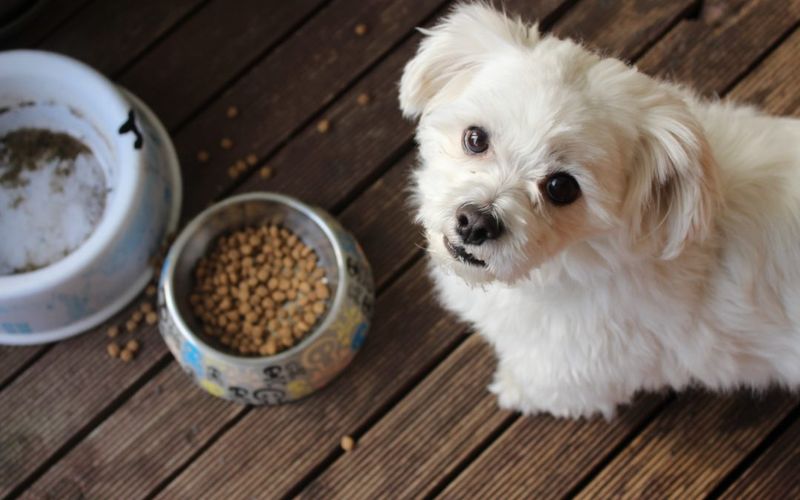
Food refusal in a known context usually means stress, not pickiness. When arousal spikes or pressure climbs, digestion and appetite dip.
Your dog cannot eat and learn when the body is bracing.
First, pause. Offer water, space, and quiet, or switch to easy sniffing.
If appetite returns outside the task, the task was too hard.
Next session, downgrade difficulty and raise value. Reinforce tiny successes and end while your dog is still hungry for more.
Track patterns by location, time, and cue. If food still fails, check health or motivation mismatch.
Listening to appetite protects welfare and performance.
Shaking off repeatedly
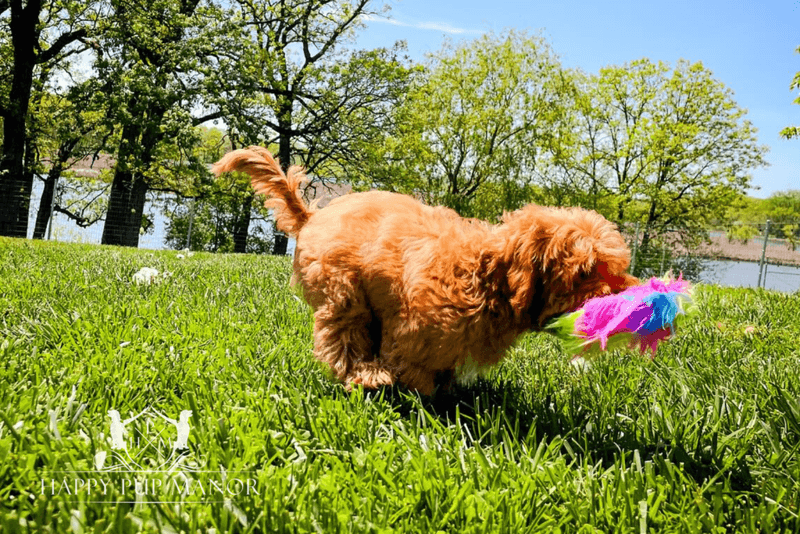
A shake off looks like drying after a bath, but it often resets the nervous system. Repeated shakes in a short session suggest accumulating stress.
Your dog is trying to discharge tension and start fresh.
Use it as your cue to pause. Offer a break, lighten criteria, or switch to decompression.
Reinforce calm re-engagement rather than plowing ahead.
Track frequency. If shakes drop as you soften tone and add play, you are on track.
If they increase, your plan is too tight. Respect the body’s feedback and build a rhythm that keeps arousal in the learning zone.
Creeping instead of moving freely
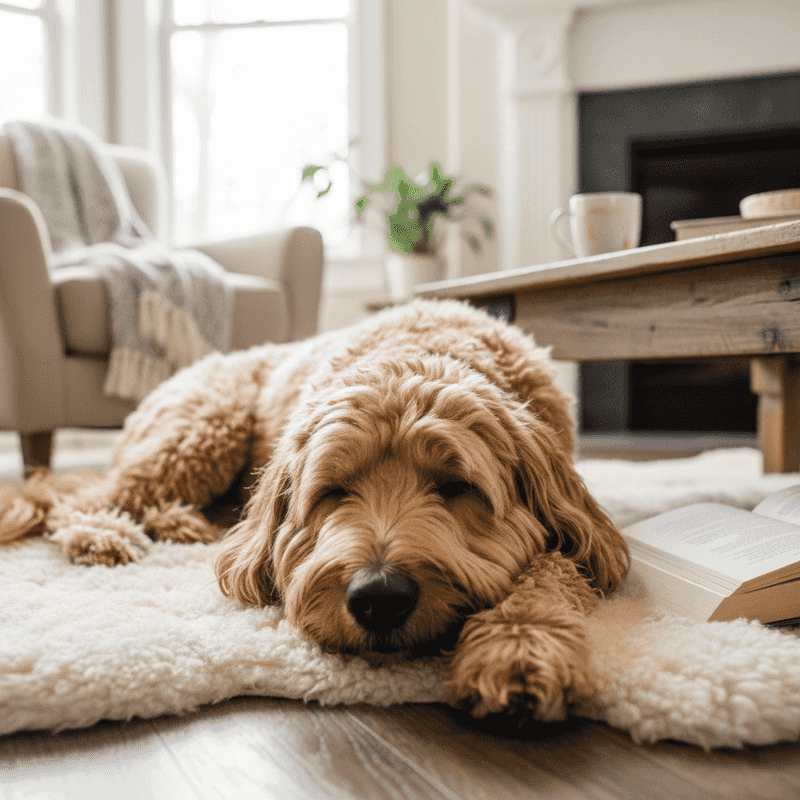
Creeping shows when a dog lowers the body and inches forward. It often means the recall or approach carries social pressure.
Perhaps past reps involved scolding, restraint, or sudden grabs.
Change the picture. Turn sideways, crouch, and toss treats behind you for drive-by returns.
Reinforce arriving with freedom, then release to do more fun.
Build a history of safe proximity. Add gentle touch gradually, with a clear cue and an opt-in.
When the dog moves with springy steps and a loose tail, you know trust is back. Movement quality is your truth meter, more than mechanical success.
Avoiding your hands
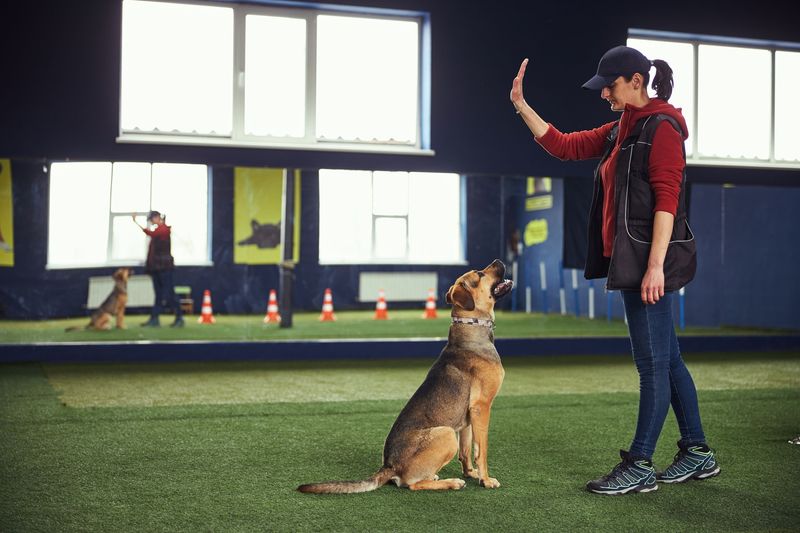
Hand avoidance signals a shaky consent history. If your dog ducks, freezes, or leans back, they expect pressure or restraint.
Reaching over the head amplifies discomfort during training.
Rebuild trust with hand target games and pay for choosing contact. Approach from the side and keep hands low.
Pair brief touches with treats, then release promptly.
Add a consent cue so the dog can opt in. If they turn away, honor it and try again later with lower intensity.
Soon, hands predict safety and reinforcement. Cooperative handling makes cues smoother and keeps arousal steady.
Exploding later (rebound behavior)
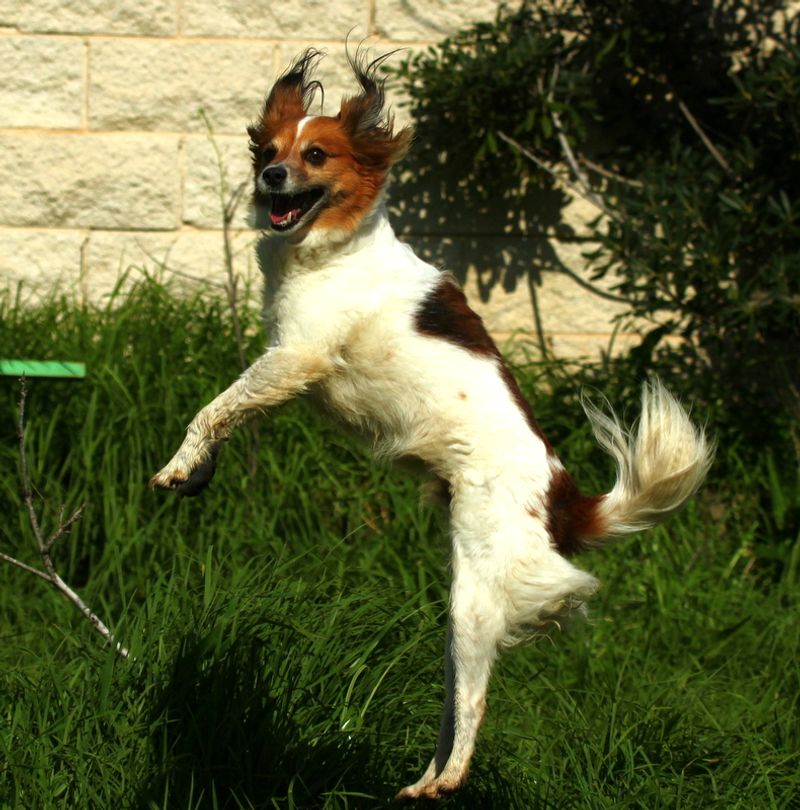
Sometimes stress hides until later. After a “polite” session, your dog may zoom, bark, or raid the trash.
That rebound tells you the bucket overflowed, even if compliance looked great.
Balance your plan with decompression walks, sniff breaks, and play. Keep sessions brief and end on relaxed body language, not just correct behavior.
Reinforce calm transitions after training.
Track patterns by day and intensity. If rebounds shrink as you ease pressure, you have found the dose that fits.
Progress is not only what happens in the session. It is how your dog feels afterward, and tomorrow.