
Every dog has its own needs, strengths, and quirks. A routine that fits one breed might not work for another.
When you match daily plans to your dog’s body and brain, life gets easier and more fun. Here are smart ways to shape routines so different breeds feel confident, calm, and happy.
Border Collie
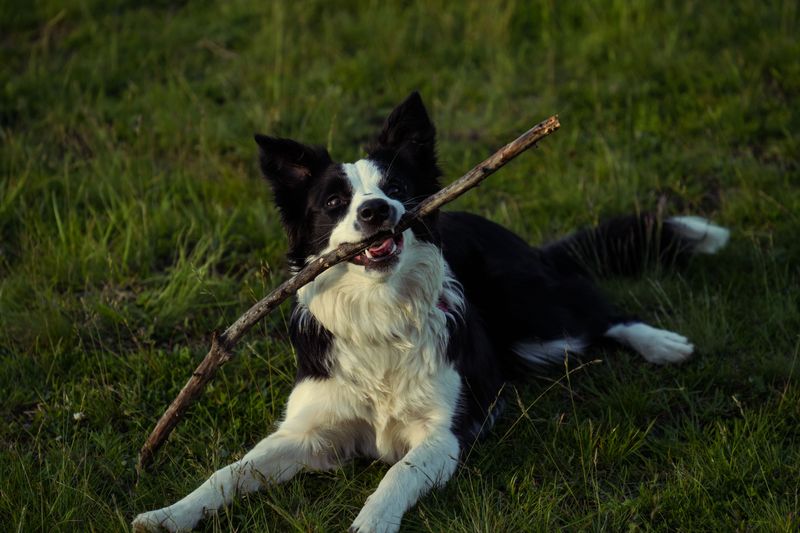
Brains that never clock out make this herder a puzzle lover. Fast drills, scent games, and short skills sessions keep the mind calm instead of frantic.
Without enough work, stress can show up as nipping or obsessive staring behavior.
Plan two brisk walks, then add one focused job like fetching laundry or guiding cones in the yard. Skip long, boring jogs.
Better to rotate brainy tasks so your Collie ends the day tired, not wired.
German Shepherd
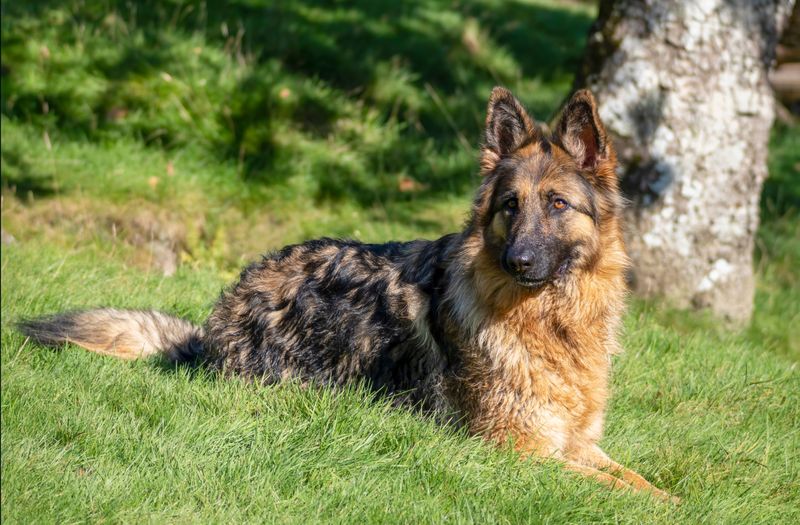
Confidence shines when training feels like a mission. Many Shepherds relax after clear tasks with rules and praise, not chaos.
They appreciate structure at home too. Balanced work builds a trustworthy partner.
Random routines can rattle nerves badly.
Schedule daily obedience, tracking games, and controlled protection-style tug if you know how. Pair that with calm neighborhood walks and place-mat settles.
Skipping structure can invite guarding problems, so teach polite greetings early and reward steady choices.
Siberian Husky
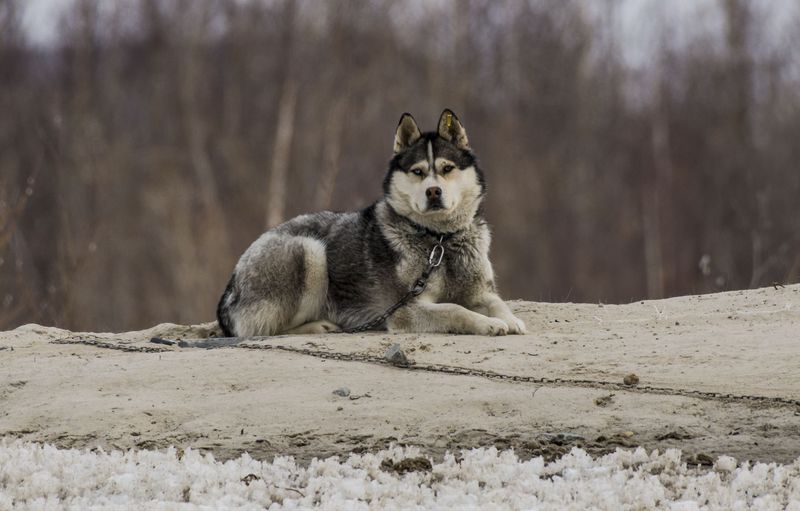
Storytelling eyes and a sledder’s spirit ask for miles, not marathons of fetch. Without outlets, some turn into escape artists and backyard landscapers.
Howling meetups can be fun for social butterflies.
Create a routine with canicross, bikejoring, or long hikes on safe trails. Sprinkle in nose work and short recall drills using long lines.
Cold mornings suit them, and sturdy fences keep adventures planned rather than improvised. Rotate routes to satisfy curiosity.
Bring water always.
Dachshund
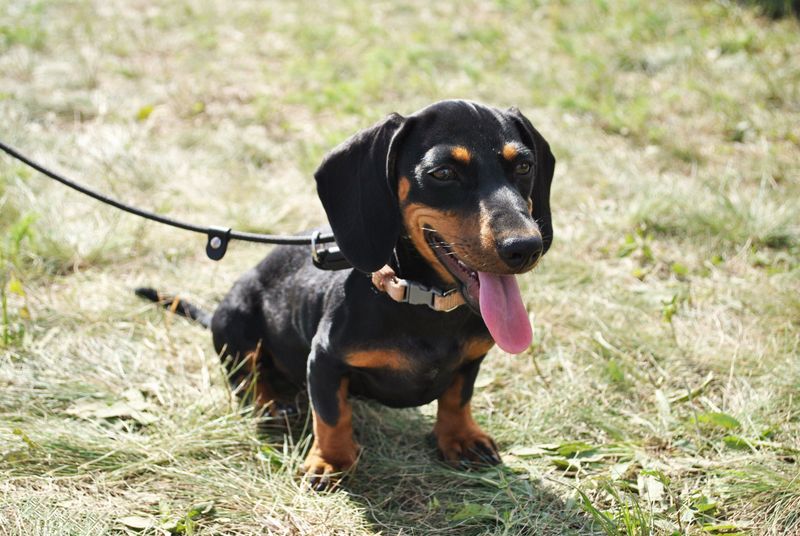
Short legs, long bravery, and a hunter’s heart make this little dog mighty. Digging and scenting are not naughty by default.
Give that drive legal work through fun scent hunts.
Plan nose games in towel rolls, backyard earthboxes, and slow walks where sniffing is the job. Keep jumps limited to protect the back, and use ramps for furniture.
Ten-minute training bursts, followed by cozy rest, create balance without squashing spirit. Chew breaks help focus too.
Belgian Malinois
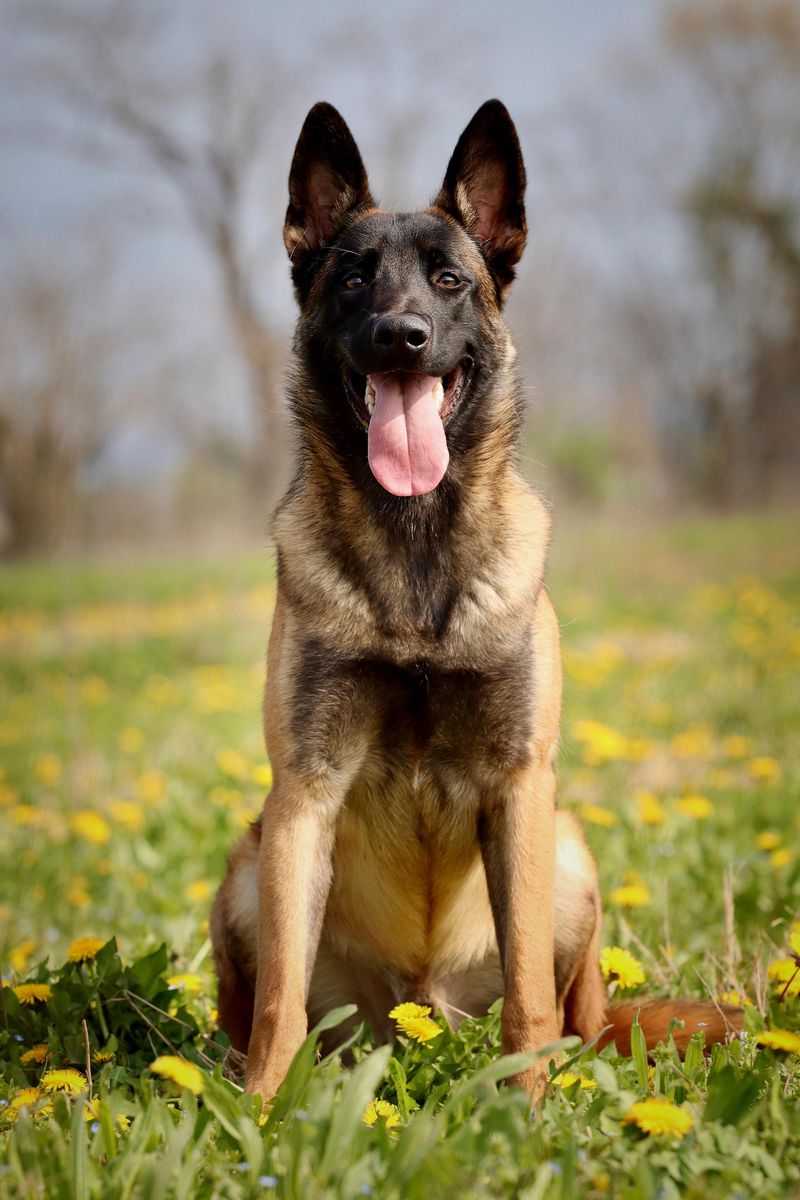
Like a rocket with manners, the Malinois craves challenging tasks and precise direction. Idle time can spark frantic habits.
Many thrive with a skilled coach and clear goals.
Build a schedule around bite-sport clubs, obedience, tracking, and place work that teaches off-switch skills. Use food puzzles and tug with rules.
Keep sessions short, frequent, and purposeful so energy becomes focus instead of chaos. Rest days matter for joints and mood.
Practice calm door manners daily.
Australian Cattle Dog
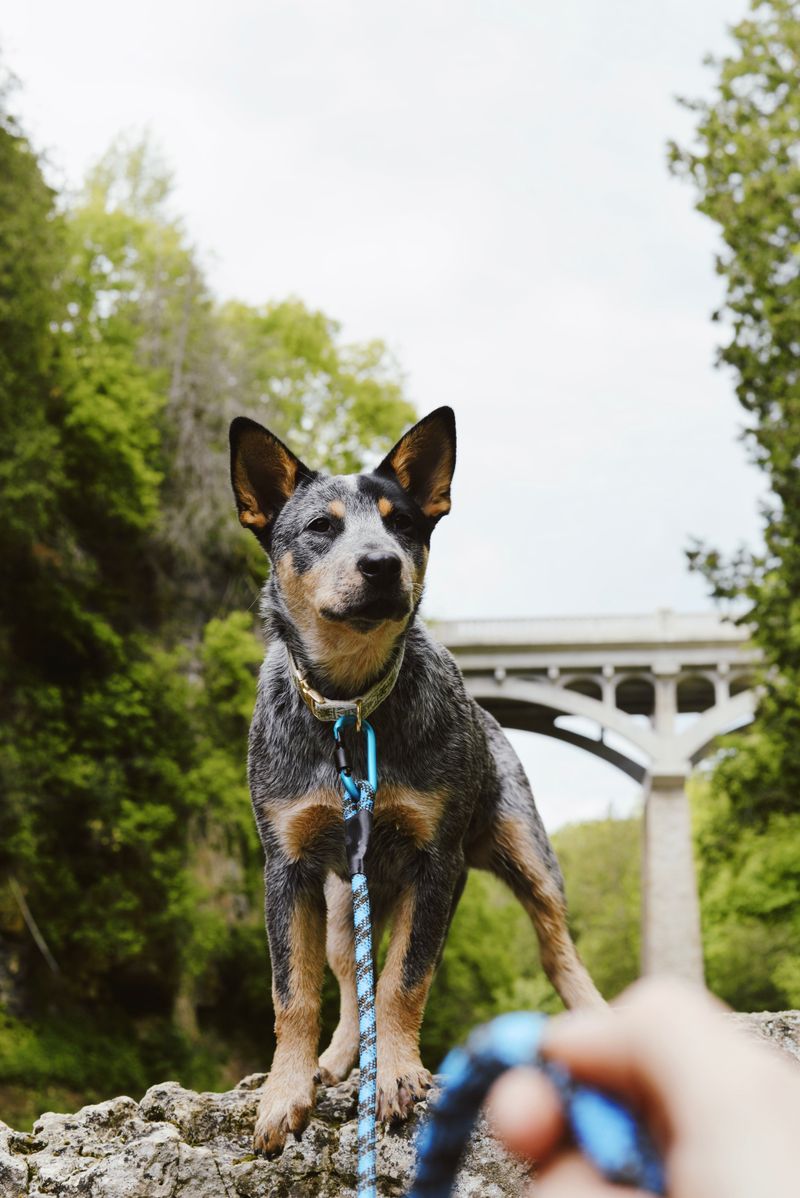
Sturdy, clever, and a bit cheeky, this worker reads the room fast. Without a job, mischief may bloom.
They bond deeply with consistent handlers.
Set up farm-style chores like carrying buckets, herding balls, or pattern walks around the yard. Teach trick chains that mix heel, spin, and back up.
Mental maps calm the mind, while joint-friendly strength work keeps the body ready. Plan rest between sprints to avoid overdoing.
Rotate toys to refresh focus often.
Great Dane
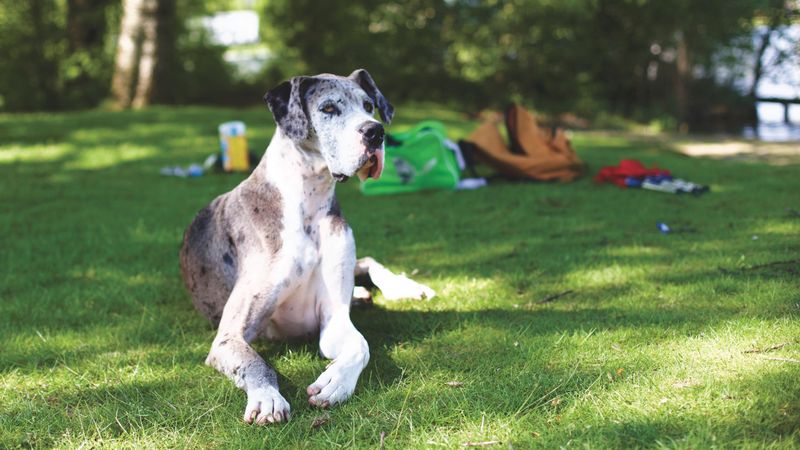
A gentle giant may look lazy, yet growing bones need careful planning. Sharp turns and long stairs are not friendly during youth.
Slow growth supports long healthy lives.
Design a routine of short walks, soft surfaces, and calm playdates with polite dogs. Add low-impact brain games like find-it, shaping, and easy obedience.
Watch weight, time meals, and schedule naps, so joints stay happy and the heart still gets attention. Teach loose-leash skills early every day.
French Bulldog
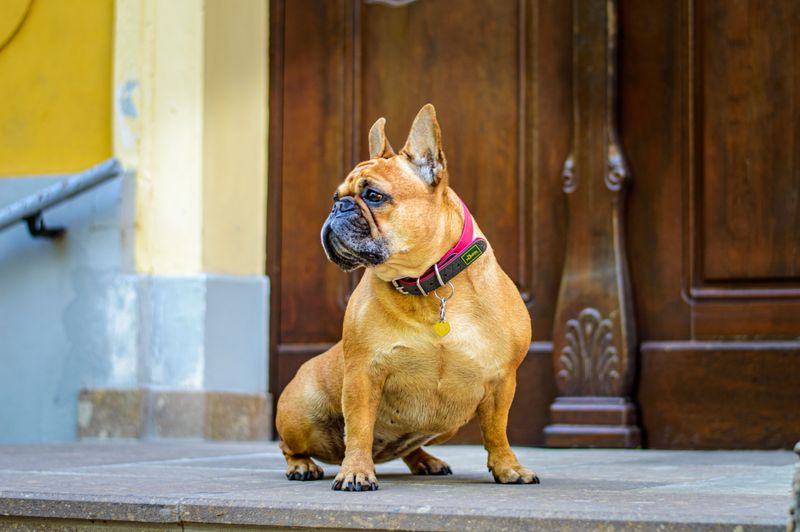
Big clown energy in a compact body makes laughs come easy. Still, breathing limits change exercise plans.
Play windows should be short and fun.
Build routines with short, shady walks, indoor tug with breaks, and puzzle feeders that slow meals. Keep rooms cool, skip heat, and watch for snorts turning into struggle.
Gentle core work and sniffing trails burn energy without pushing the airway. Vet advice helps shape safe goals.
Hydration supports happy outings too.
Jack Russell Terrier
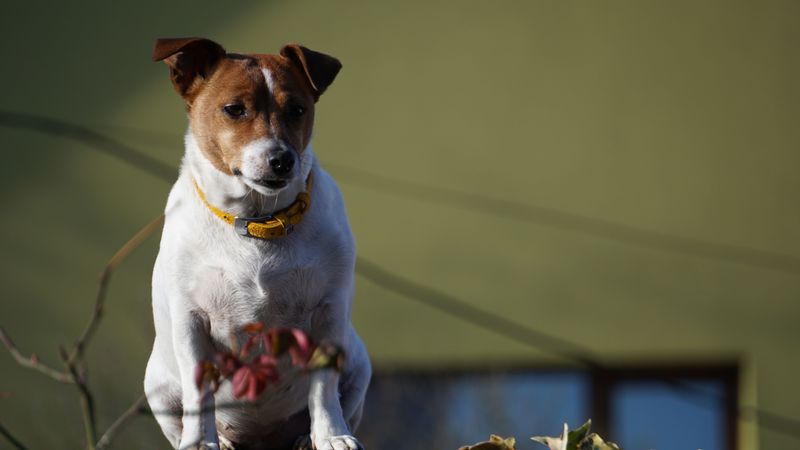
A spring in the step and a nose for trouble make this comedian a busy pal. Stories of couch acrobatics are not myths.
Scent work taps the hunting past.
Channel that spark into agility, dig pits, and trick sequences that end with a jackpot toy. Daily fetch races help, but finish with settle training on a mat.
Quick minds need rules to shine, or they will invent their own. Rotate jobs to prevent boredom creeping.
Cavalier King Charles Spaniel
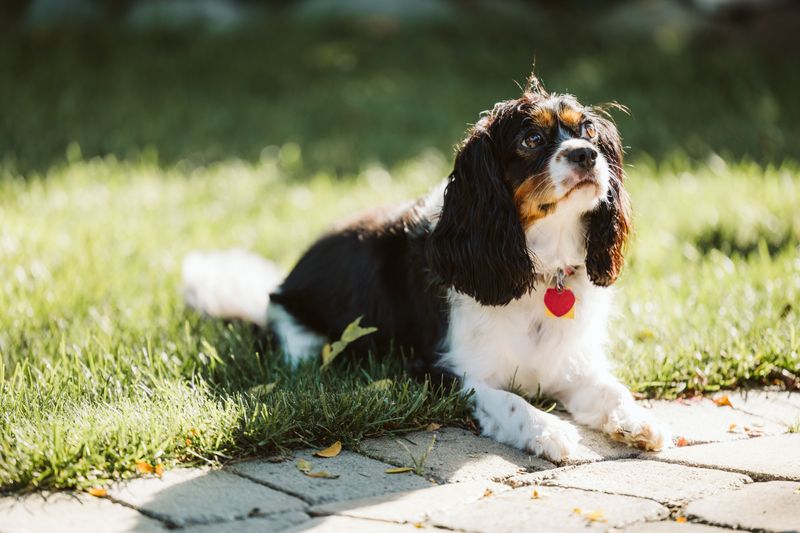
Silky ears and soulful eyes hide a sporty side that enjoys gentle play. Many thrive on routine closeness with their people.
Quiet bonding time restores confidence.
Plan mellow walks, light fetch, and short training sprinkled through the day. Sniffaris and cuddle breaks satisfy body and heart.
Watch weight, brush often, and make grooming part of the schedule, so comfort stays high and tangles stay low. Gentle puzzle toys keep minds bright.
Teach calm door greetings.
Greyhound
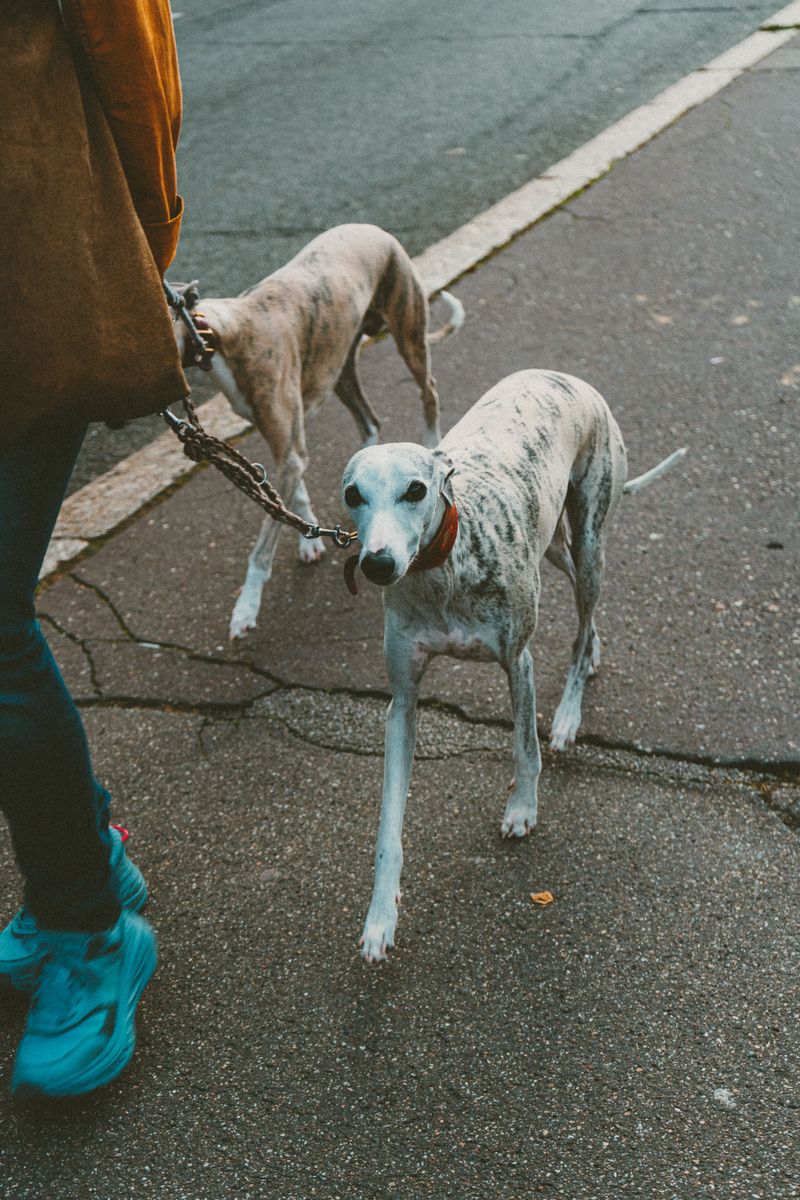
Built for bursts, not marathons of stairs at home, the Greyhound loves comfy couches between sprints. Sensitive souls appreciate soft handling.
Soft bedding keeps pressure points happy.
Shape a routine with short zoomies in fenced fields, then long naps in quiet rooms. Add flirt pole play, warm coats in winter, and careful introductions with small pets.
Many enjoy nose work that trades speed for thought, which smooths busy minds. Teach stairs slowly with support rails.