
When dogs seem to misbehave out of nowhere, there is almost always a human-made reason behind it. Small choices in your routine, tone, and environment can stack stress faster than you realize.
The good news is that with a few calm adjustments, you can help your dog feel safer and think more clearly. Let’s decode the behaviors that quietly ask for your help and show you how to respond with confidence.
Constant schedule changes

Dogs thrive on predictable patterns. When meal times, walks, and bedtime shift constantly, your dog’s nervous system never settles.
You may notice pacing, whining, or clingy behavior as they try to anticipate what comes next. Their body is asking for a steady rhythm.
Choose anchor points you can keep most days. Feed within a consistent window, walk around similar times, and use a simple pre-bed routine.
Even small rituals like a short sniff walk after work help. Predictability lets your dog relax, which reduces reactivity and improves listening.
Inconsistent rules

One day the couch is fine, the next day it is forbidden. Mixed rules force dogs to guess, and guessing is stressful.
Confusion often shows up as stubbornness, zoomies, or selective hearing. It is not defiance, it is uncertainty created by shifting expectations.
Pick simple rules and apply them the same way every time. If couch time is allowed, add a cue like “up” and a release.
If it is not allowed, provide a comfy alternative bed nearby. Consistency makes choices easy, pressure drops, and manners stick naturally.
Overtraining sessions

More reps do not always mean better learning. Long drilling sessions flood dogs with pressure and dull their motivation.
You might see sniffing, disengagement, or sloppy cues as mental fatigue sets in. That is your sign to stop, not to push harder.
Keep sessions short and successful. Five crisp reps, then a break, often beats twenty muddled attempts.
End on an easy win and switch to play or a sniff walk. You will notice faster progress, happier engagement, and skills that hold under real life distractions.
No rest periods
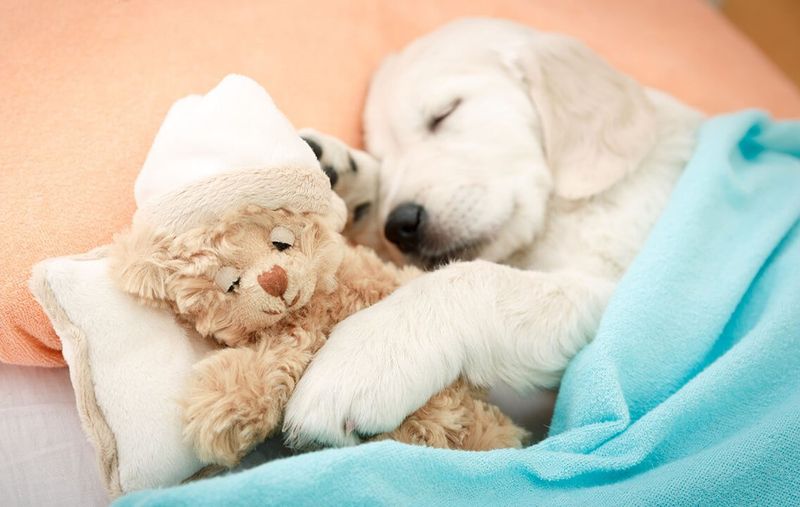
Rest is where learning consolidates and stress hormones settle. Without real downtime, dogs stay wired and touchy.
You may see irritability, jumpiness, or overreacting to small noises. Chronic sleep debt amplifies reactivity and makes simple cues harder to follow.
Build intentional rest breaks into the day. After exercise or training, guide your dog to a quiet bed with a chew or gentle music.
Guard that time like an appointment. You will get a calmer companion who can think clearly and recover faster from daily excitement.
High emotional tone
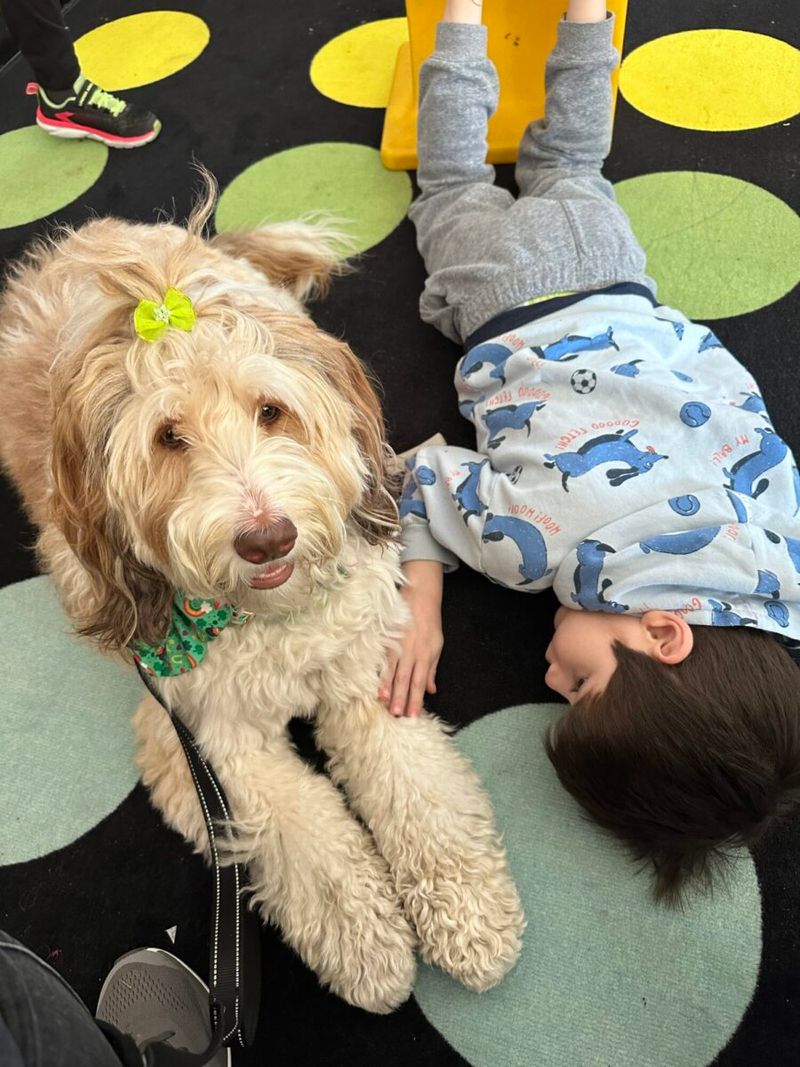
Dogs read your emotional weather like a forecast. Loud voices, rapid movements, or heated arguments raise your dog’s arousal, even if you are not speaking to them.
That tension can spill into barking, mouthing, or frantic zoomies. Your vibe becomes their baseline.
Practice low, warm tones and slower movements. When things escalate, pause, breathe, and reset before asking for cues.
Pair calm voice with simple guidance and predictable outcomes. You will see softer eyes, easier listening, and a dog who trusts your steadiness when life gets noisy.
Tight leash walking
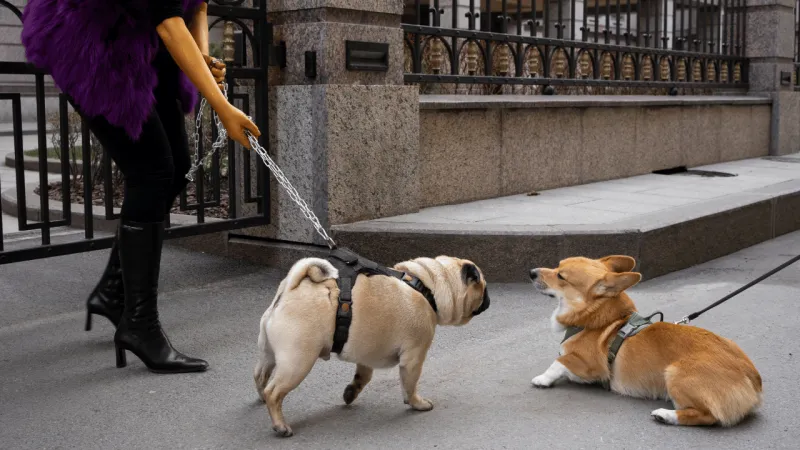
A constantly tight leash tells your dog there is something to pull against. Tension fuels frustration and reactivity, especially near other dogs or traffic.
You might notice heavy panting and scanning because restraint elevates arousal. The harder you brace, the more they brace back.
Teach a loose leash as a conversation, not a tug-of-war. Reward position changes, use wider arcs around triggers, and relax your grip.
A longer line in safe areas allows decompression. When pressure drops, sniffing returns, and your dog chooses you over the environment more often.
Lack of sniff time
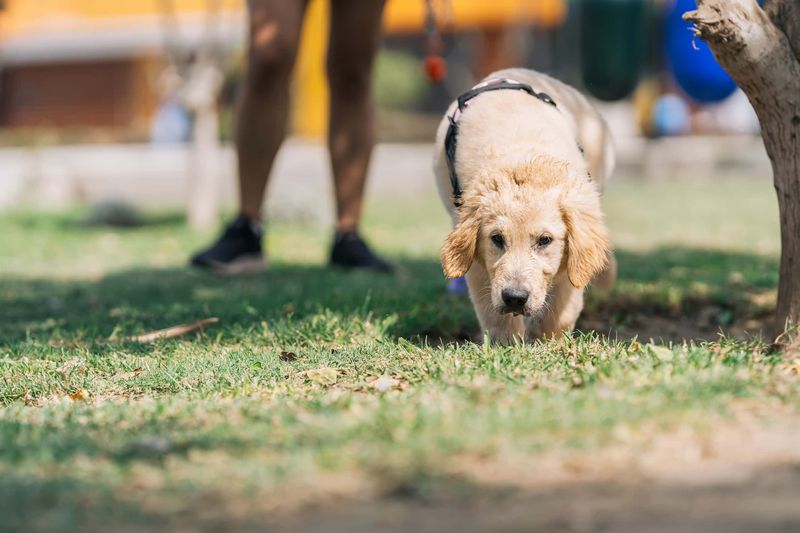
Sniffing is not a luxury, it is a biological need. Blocking scent exploration turns walks into forced marches and leaves dogs mentally underfed.
You may see pulling, vocalizing, or frenetic pacing as they search for stimulation. A tired nose usually equals a calmer brain.
Build sniff breaks into every walk. Use a cue like “go sniff,” loosen the leash, and let your dog choose routes safely.
Five minutes of scent work can reduce reactivity more than twenty minutes of jogging. You will come home with a satisfied companion who settles faster.
Too many commands
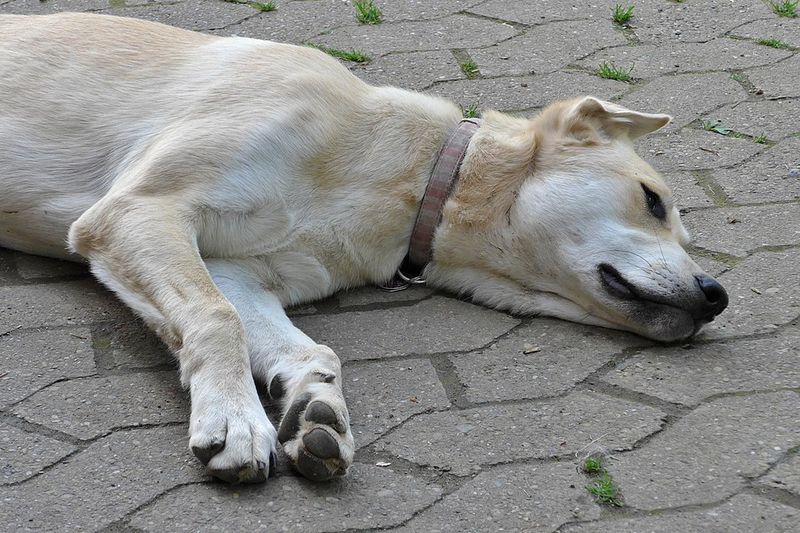
Command stacking turns guidance into noise. When cues fire nonstop, your dog stops processing and tunes out.
That shutdown looks like stubbornness but is actually overload. Repeating louder just adds pressure and frays the relationship.
Say less, mean more. Give one clear cue, pause, then help your dog succeed with positioning or a lure.
Reinforce generously and reset if it falls apart. Space between requests lets thinking catch up, which builds true understanding and reliable responses under distractions.
No quiet zones

Without a protected retreat, your dog never fully powers down. Constant noise and movement keep their system on alert.
That chronic vigilance often shows as startle responses, resource guarding, or irritability with touch. A safe den tells the body it is okay to relax.
Create a quiet zone with a comfy bed or covered crate away from traffic. Add white noise, a chew, and a clear rule that this space is off-limits to guests and kids.
Guide your dog there proactively. Restorative downtime makes daily life smoother for everyone.
Forced greetings

Not every dog wants to meet every person or dog. Pushing contact when they lean away removes consent and spikes stress.
You might see lip licking, head turns, or sudden barking. That is communication, not rudeness.
Advocate kindly. Use distance, curved approaches, and ask for consent cues like soft eyes and loose body language.
If your dog hesitates, you can say “not today” and walk on. Respect builds trust, and trust reduces reactivity over time.
Interrupted sleep
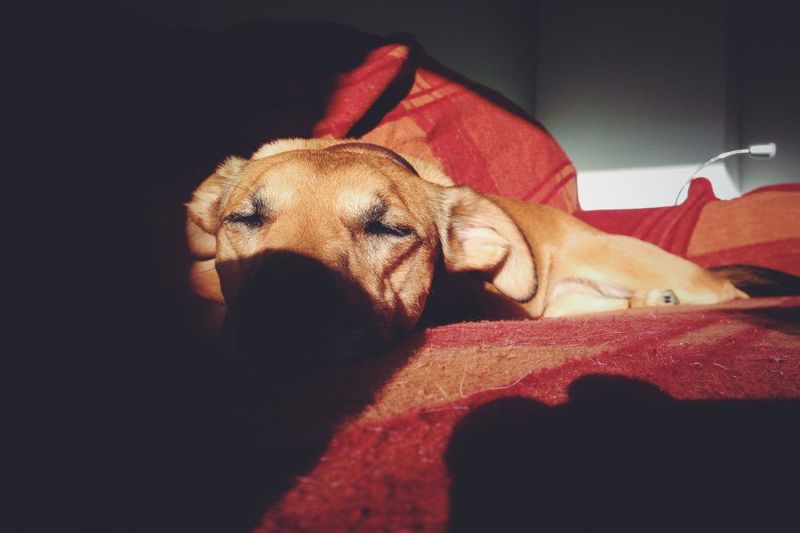
Sleep interruptions keep stress chemicals elevated. Dogs need long, consolidated blocks to reset their brain and body.
When sleep gets chopped by late-night noise or constant movement, you will see crankiness, clinginess, and poor impulse control the next day.
Protect nighttime quiet. Use blackout curtains, white noise, and a set bedtime routine.
Avoid midnight play or snacks that wake the system. After a week of steady sleep, you will notice calmer mornings, smoother training, and better tolerance for everyday surprises.
Overexposure to guests
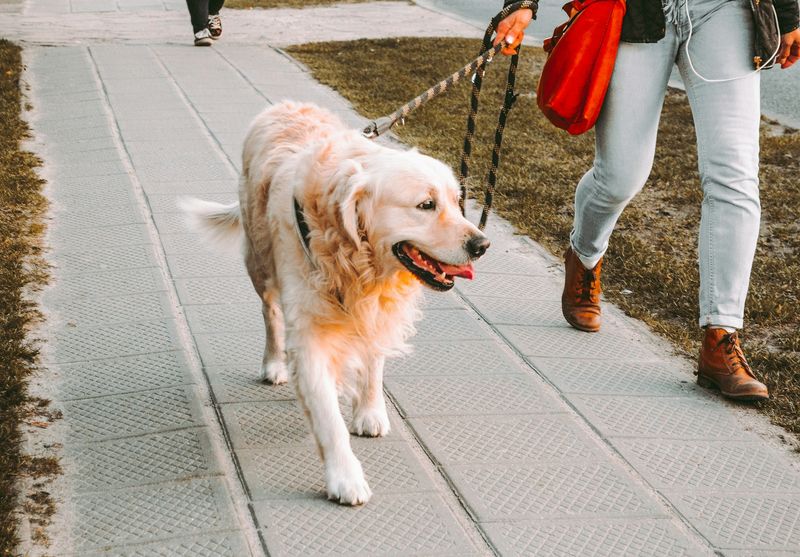
Back-to-back visitors can feel like a parade of unpredictability. Even social dogs reach a limit where novelty becomes pressure.
Watch for hiding, clinginess, or barky door greetings as signs of overload. Flooding does not create friendliness, it creates fatigue.
Set boundaries before guests arrive. Offer a gated area with enrichment, rotate short meet-and-greets, and schedule decompression walks afterward.
Teach guests to ignore your dog until they ask to engage. You will see calmer receptions and better recovery after social events.
Punishing warnings

Growls, lip lifts, and stiffening are safety signals. Punishing those warnings removes the early alarm and forces dogs to skip straight to bigger reactions.
That is how bites happen. Your dog is telling you they feel unsafe.
Thank the warning and change the picture. Increase distance, give a break, and address the trigger with slow, positive desensitization.
Reinforce relaxed body language instead of suppressing communication. When dogs trust their signals are heard, they need them less often.
No predictability
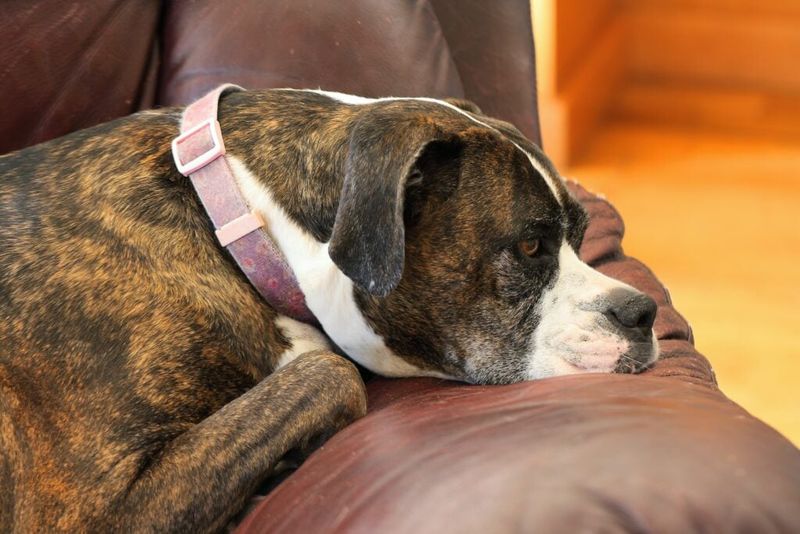
Chaos eats confidence. When routines, handlers, and environments constantly change, your dog burns energy trying to forecast the next move.
That cognitive load shows up as reactivity, clinging, or shutdown. Predictability is the antidote that steadies behavior.
Choose a few daily rhythms and stick to them. Keep cues, gear, and routes consistent, then add variety in small, controlled doses.
Signal transitions with the same words each time. Your dog will relax into structure and bring their best self to new situations.
Excessive stimulation
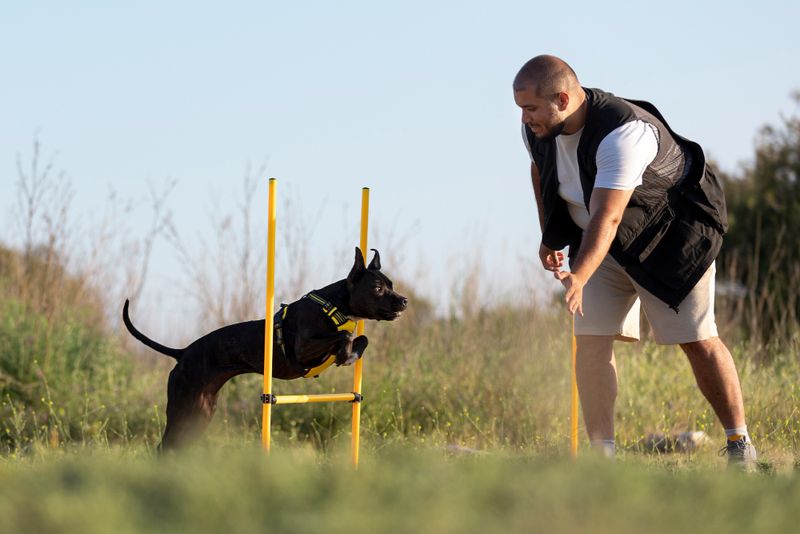
Nonstop sights, sounds, and smells push arousal past the learning zone. In that state, dogs cannot filter information or respond to cues.
Spinning, grabbing the leash, or frantic barking are common overflow behaviors. It is a capacity problem, not disobedience.
Dial down the input. Choose quieter routes, increase distance from triggers, and build tolerance gradually.
Mix in decompression walks and puzzle feeding at home. Balanced arousal creates space for good choices and calmer experiences in busier places later.
Ignoring calm behavior
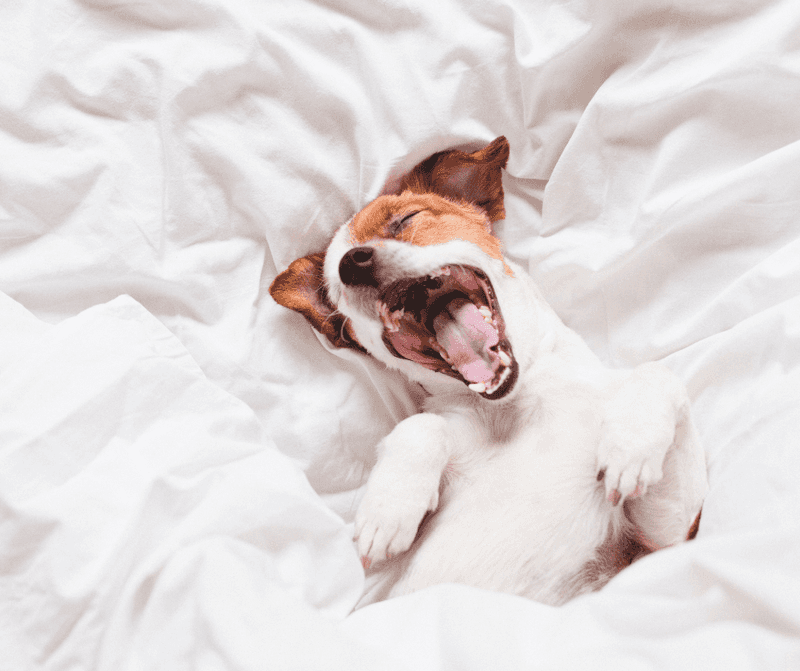
What you reward grows. If calm moments go unnoticed while noisy antics get attention, your dog learns that excitement is the paycheck.
They repeat what works. Calm needs to pay too.
Catch the quiet. Drop a treat by the bed, whisper “good,” and return to your task.
Reinforce soft eyes, settled hips, and slow breathing. Over days, you will see more restful behavior offered on its own because the reinforcement history finally supports it.
No recovery time
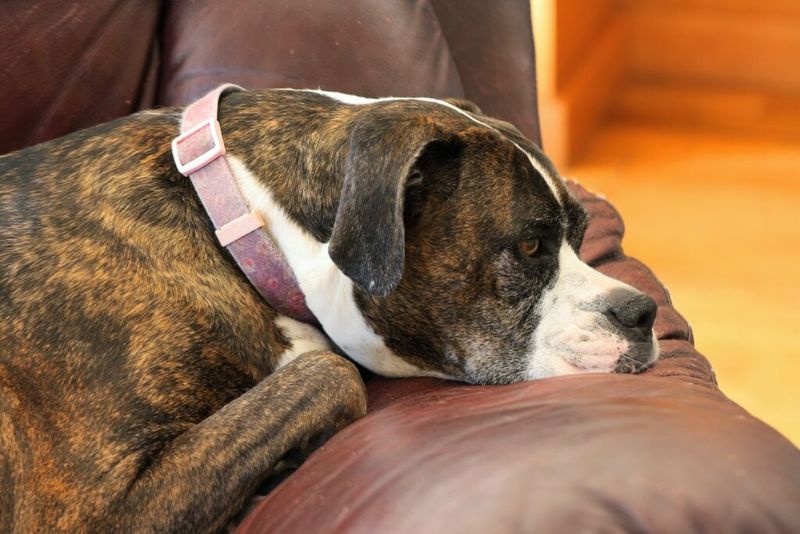
After big days, dogs need decompression to reset. Without recovery, stress stacks and small triggers feel huge.
Signs include slower responses, irritability, and scattered focus. Rest is not laziness, it is part of training.
Plan cool-downs after activity. Offer water, a sniffy stroll, and a quiet space at home with a chew.
Keep the next day lighter to let the system recalibrate. Your dog will bounce back with better resilience and enthusiasm for the next adventure.