
Dogs have unique ways of seeking comfort that often go unnoticed by their owners. Each dog may express distress or seek solace in a manner that is not immediately obvious. By understanding these subtle cues, we can provide better support and companionship to our furry friends.
Moving Closer Without Making Physical Contact
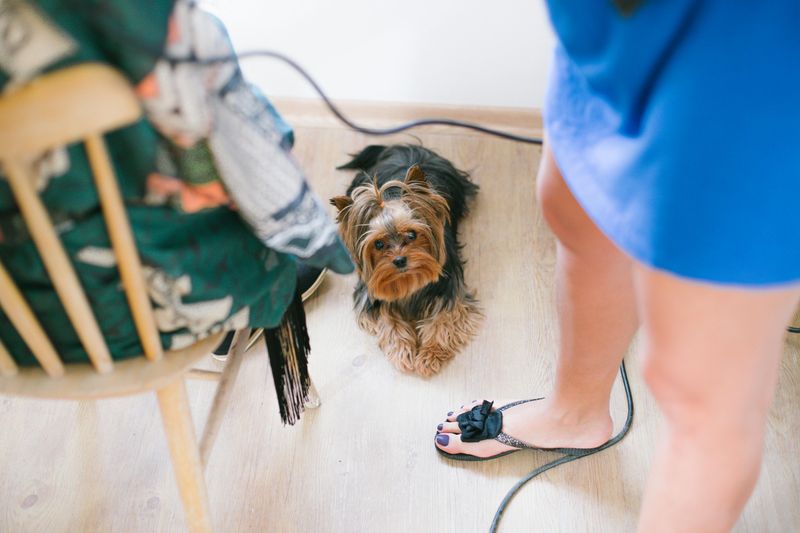
Some dogs prefer proximity over touch. Rather than jumping into a lap, they might inch closer to their owner’s feet. This subtle approach can be a sign of seeking comfort.
It’s a quiet, unobtrusive way for them to feel secure. Owners might miss this if they expect more overt signs like pawing or leaning in.
This behavior suggests a need for companionship without direct interaction, a gentle presence that provides reassurance without overwhelming the dog.
Choosing to Lie Nearby Instead of Being Touched
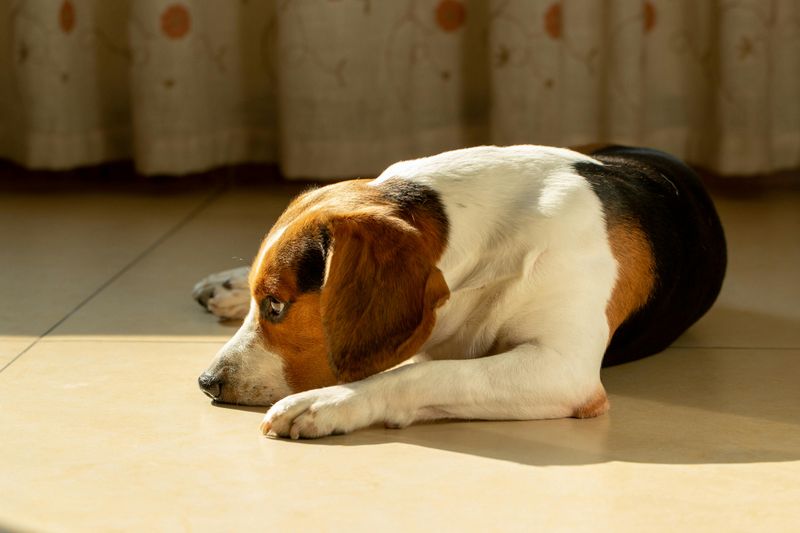
Lying nearby, without snuggling, can be a dog’s way of seeking comfort. This choice allows them to be close without the intensity of physical touch.
It’s a sign that they want to be near their owner, enjoying the shared space quietly. This behavior might be dismissed by those who think dogs always crave physical affection.
Understanding this position can help owners respect their dog’s boundaries while still providing support and presence.
Watching Quietly Rather Than Seeking Reassurance
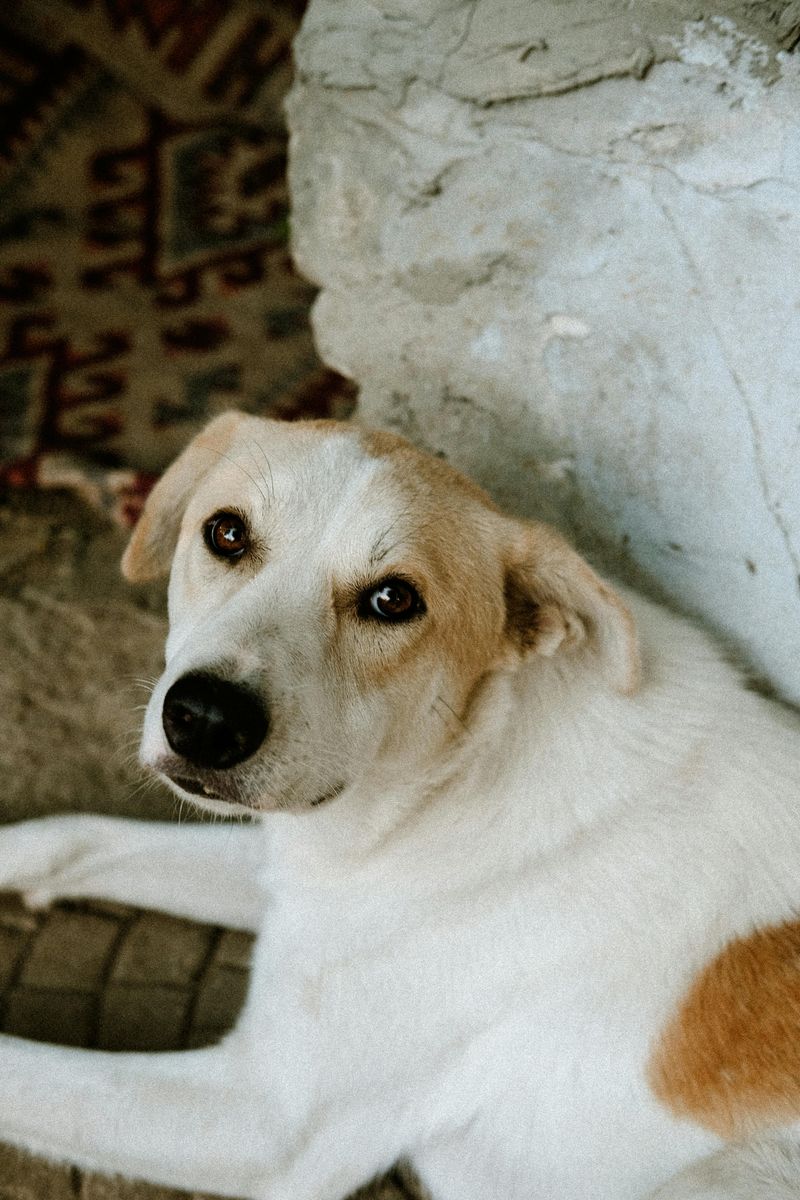
Some dogs prefer to watch their owner from afar, observing rather than engaging. This behavior can be comforting for them, offering a sense of safety and connection.
It’s a testament to their watchful nature, a quiet companionship that’s less intrusive. Owners might overlook this as a need for comfort, mistaking it for disinterest.
Recognizing this can help nurture the bond without forcing interaction.
Leaving the Room When Tension Rises
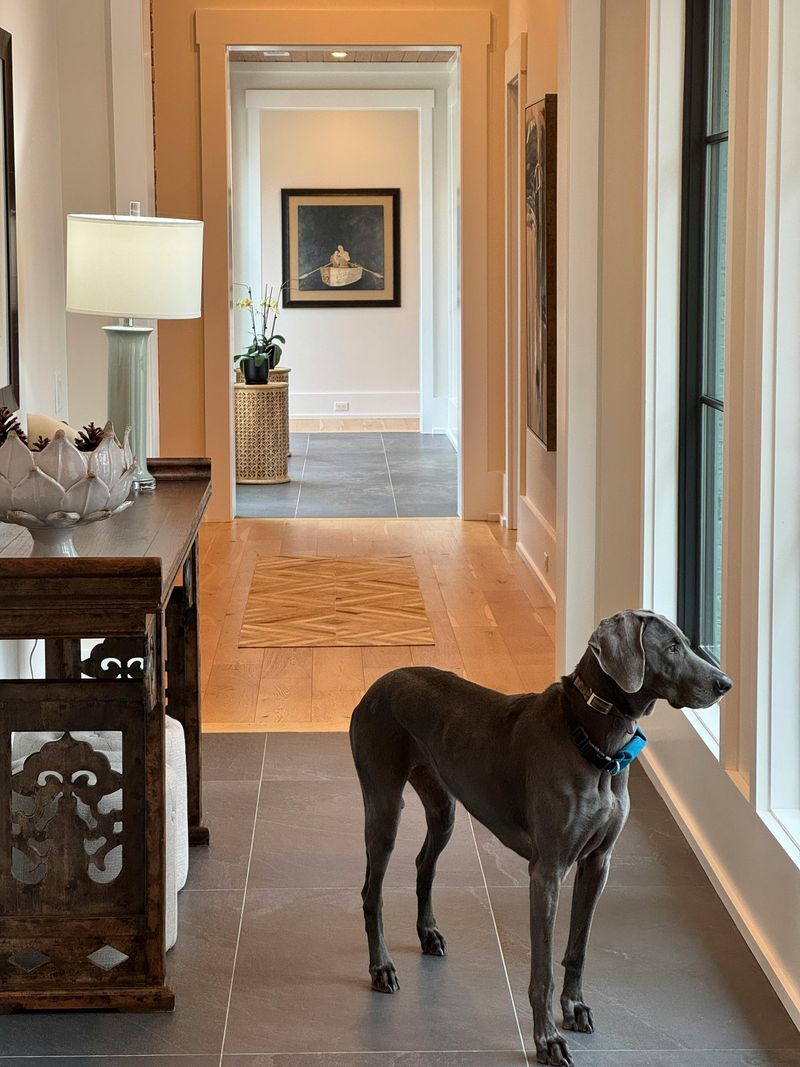
Departing a room when tension builds is a canine way of maintaining peace. This action shows their sensitivity to the emotional atmosphere.
Rather than getting involved, they choose calm over chaos. Some owners might misinterpret this as aloofness, but it’s a comfort-seeking behavior.
Allowing space for this choice respects their need for a tranquil environment.
Sitting With Their Back Turned as a Calming Signal
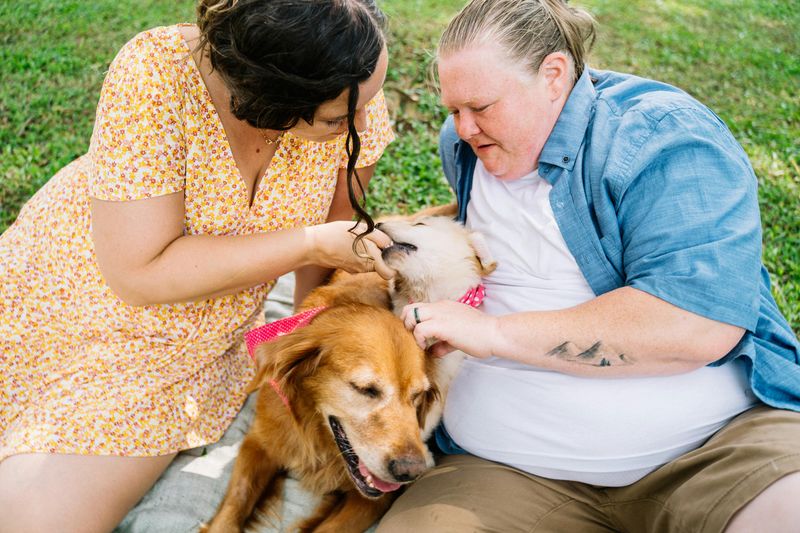
Turning their back can be a calming signal. It’s an ancient gesture, communicating peace and non-aggression.
This behavior signals trust, allowing them to be in the same space without facing direct attention. Owners might assume a turned back means disinterest, yet it’s often the opposite.
Understanding this can lead to greater empathy for their quiet nature.
Seeking Routine Activities Instead of Affection
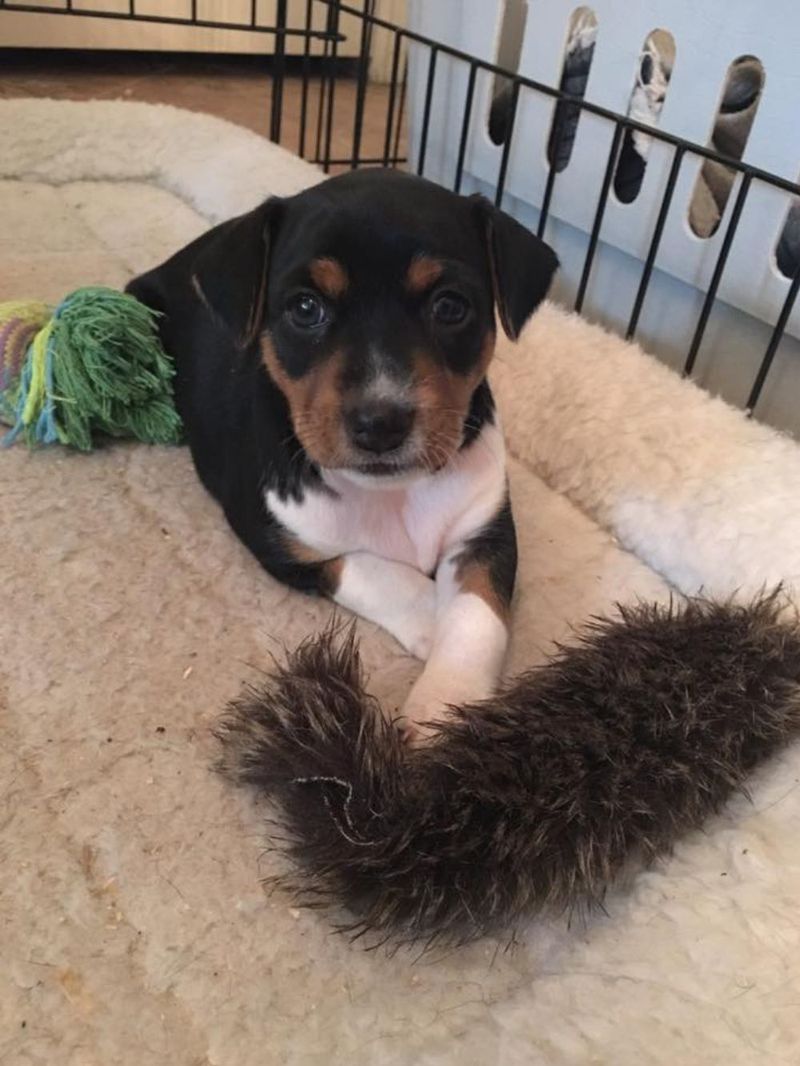
Engaging in routine activities can soothe dogs more than affection at times. Carrying a favorite toy or sticking to familiar paths offers comfort through predictability.
These actions show a preference for consistency over change. Owners might overlook these routines as simple habits, but they often mean more.
Recognizing the comfort found in these actions can deepen understanding of a dog’s needs.
Self-Soothing Through Repetitive Behaviors
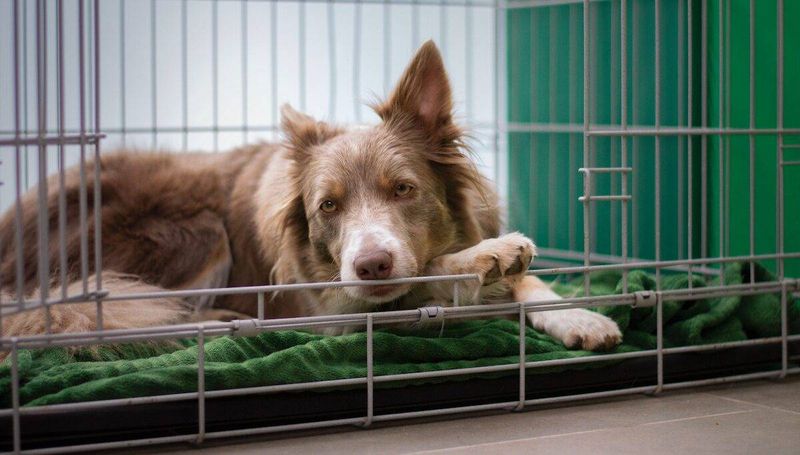
Repetitive actions like paw licking or circling can be a dog’s way to self-soothe. These behaviors often arise during stress, providing them comfort through familiarity.
While some might see this as a nuisance, it’s a coping mechanism. Understanding this can prevent misinterpretation as mere quirks.
Providing alternative calming measures can be beneficial once this is recognized.
Following at a Distance Rather Than Shadowing
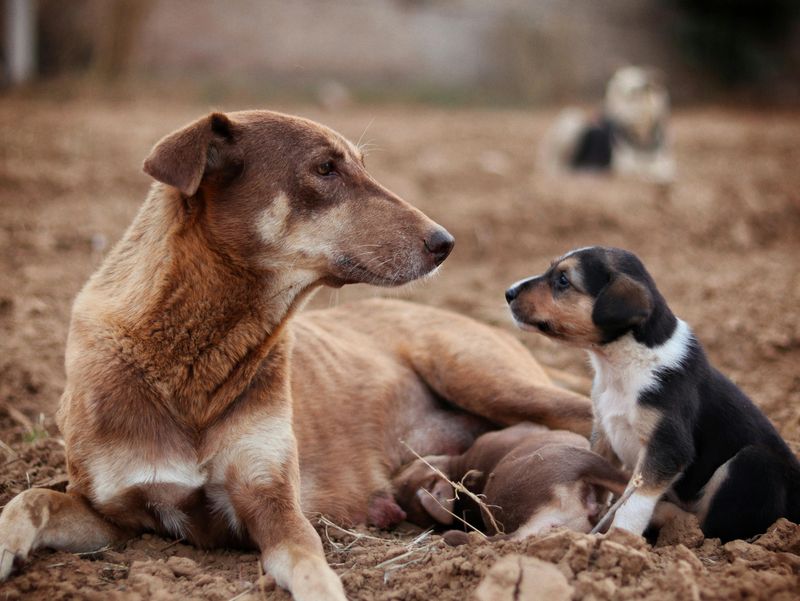
Some dogs follow but keep their distance. This behavior allows them to stay connected without overwhelming their owner.
It’s a balance between independence and companionship. Owners might miss this subtlety, expecting more clingy behavior.
Recognizing this pattern can help respect their comfort zone while maintaining closeness.
Avoiding Eye Contact to Reduce Emotional Pressure
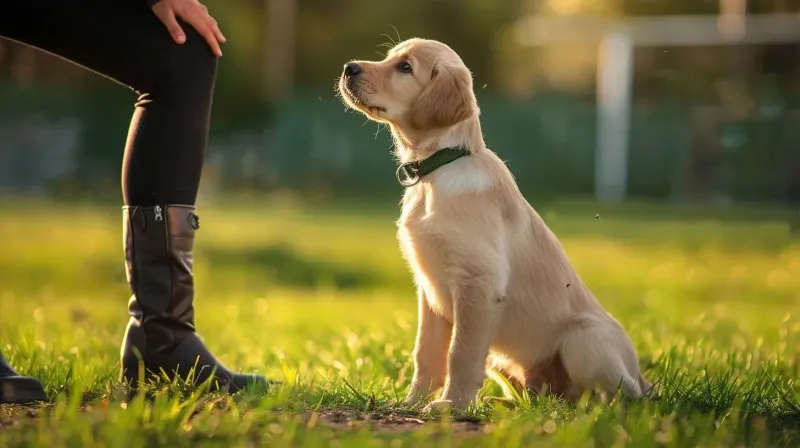
Avoiding direct gaze can be a sign of comfort-seeking, reducing emotional pressure. This behavior helps them feel less threatened and more at ease.
Many interpret lack of eye contact as a disregard, but it’s often about easing tension. Understanding this can foster a more peaceful relationship.
Allowing dogs this space can lead to greater emotional comfort.
Choosing Familiar Objects Over Human Interaction
Dogs often find solace in familiar objects, like a favorite blanket or toy. These items offer a sense of security and continuity.
Their preference for objects over people at times is a sign of comfort found in the familiar. Owners might overlook this as a lack of interest in people.
Recognizing the importance of these objects can enhance a dog’s well-being.
Returning After Stress Has Passed, Not During It

Some dogs retreat during stress and return once it subsides. This behavior allows them to avoid immediate tension, finding comfort in returning to calm.
Owners might view this as avoidance, yet it’s a strategic choice for peace. Understanding their timing can help offer support appropriately.
This pattern reflects a desire for tranquility over confrontation.