
Some dogs simply will not tolerate a crate, and their owners swear open rest keeps everyone calmer. Are these independent personalities misunderstood, or are crates not a one size fits all tool?
You are about to see 12 strong willed breeds that often prefer space, airflow, and a clear view of their world. If you have struggled with crate training, these insights might change your approach tonight.
Mexican Hairless Dog (Standard)
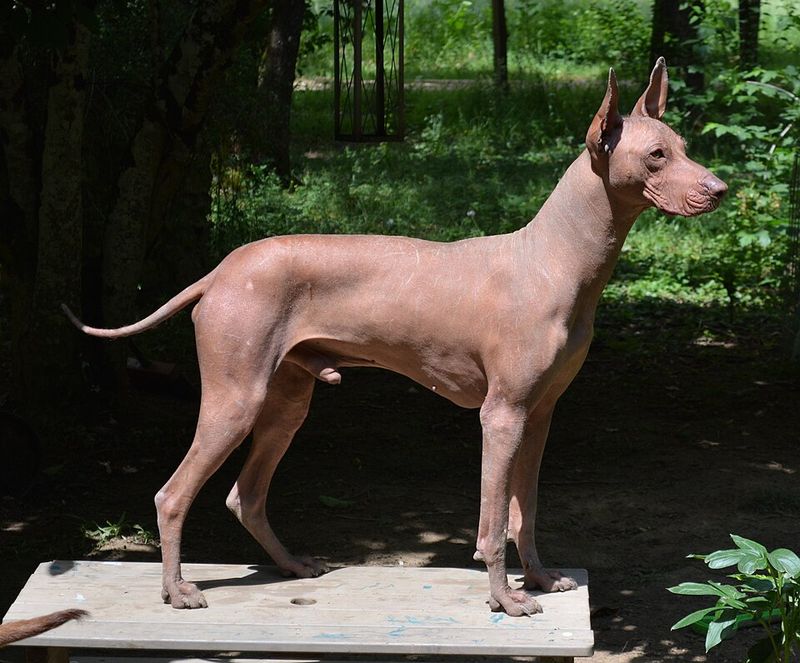
The Standard Mexican Hairless Dog thrives when it can stretch out and breathe. Without fur, heat regulation is everything, and a closed box can feel stuffy and stressful.
Many owners report calmer sleep on open, breathable beds placed away from drafts, with soft blankets for temperature control. You will notice they choose spots with gentle warmth and a good view.
Crates sometimes amplify anxiety if ventilation or sizing is off. Structured routines, cozy corners, and gentle boundaries work better than confinement for this sensitive, alert breed.
Offer chew options and quiet zones to prevent pacing. If you try a crate, keep doors open, add airflow, and let the dog opt in at its own pace, never forcing compliance.
Peruvian Hairless Dog
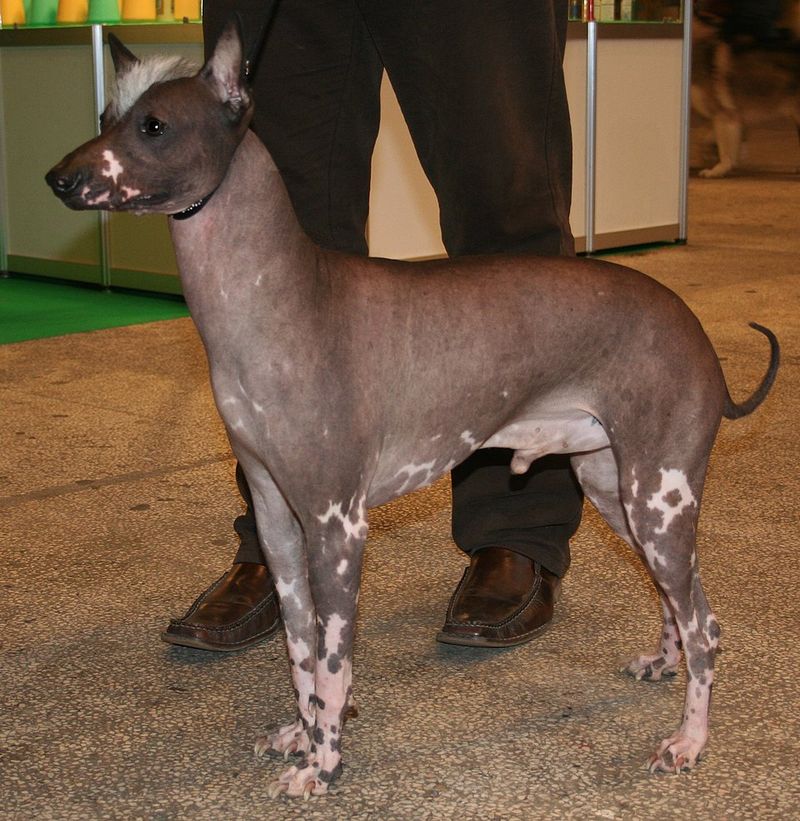
Peruvian Hairless Dogs are heat seekers, often choosing warm, open spots over enclosed crates. Their bare skin benefits from breathable airflow and soft fabrics, especially at night.
Many get restless when the air feels stagnant or the space feels tight. You may find them happiest on a raised cot with a light blanket and easy exit paths.
Owners say predictable bedtime rituals and low light calm them faster than confinement. Gentle guidance beats pressure, and options matter.
Create a den like nook with visibility and temperature control. If introducing a crate, keep doors open, prioritize ventilation, and pair with treats and choice.
Let them vote with their paws, and respect changes as seasons shift.
American Bulldog (Johnson type)
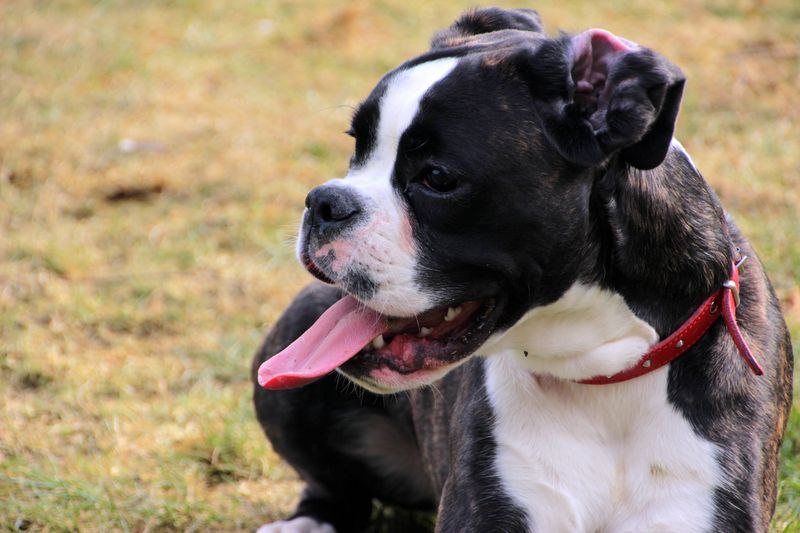
Johnson type American Bulldogs are big, bold, and often dislike cramped quarters. When those shoulders hit crate walls, frustration rises fast.
Many owners report better manners and quieter nights with open rest, baby gates, and tether stations. You can set clear boundaries using place training and sturdy beds that fit the dog’s frame comfortably.
They need structure more than bars. Short exercise bursts, mental games, and chew rotations help them settle.
Offer supervised freedom, gradually expanding space as reliability grows. If a crate is necessary, choose extra wide, add cooling airflow, and condition slowly with positive reinforcement.
Still, many households see fewer protests and less paw banging when these tanks can sprawl without pressure points.
Spanish Bulldog (Alano lineage)
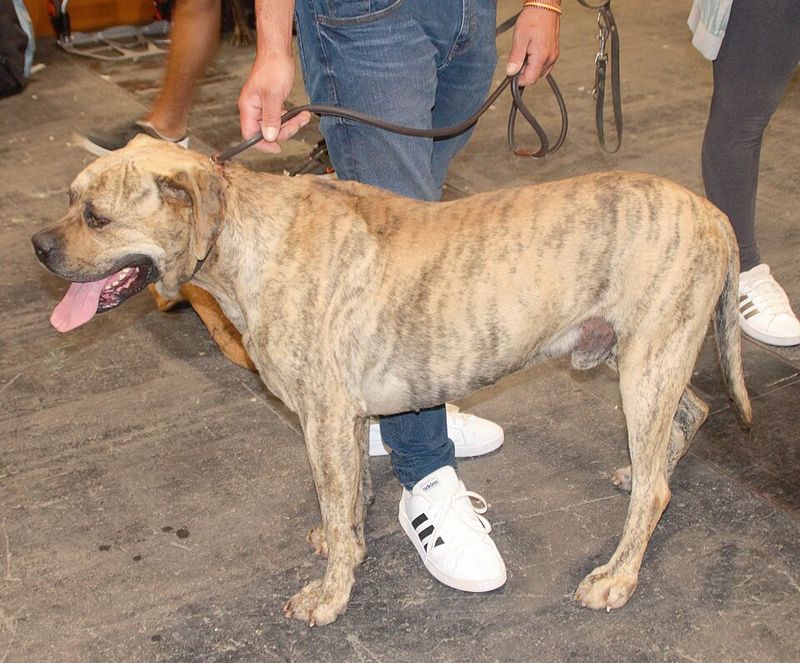
Alano lineage Spanish Bulldogs are purposeful workers with a cool, observant presence. Many prefer open sightlines to monitor the household.
Confinement can heighten arousal, especially if exercise needs go unmet. You will often see better decompression when they have a low traffic corner and a tough, supportive bed that resists flattening.
Daily structure, impulse control games, and quiet handling do more than metal panels. Use gates to shape zones, not as punishment.
Rotate chew items, practice settle cues, and time naps after physical work. If you must crate, select oversized, ventilated designs and reward calm entries.
Nevertheless, plenty relax fastest when they can stretch out, cool their belly on tile, and feel unboxed.
Ca de Bou
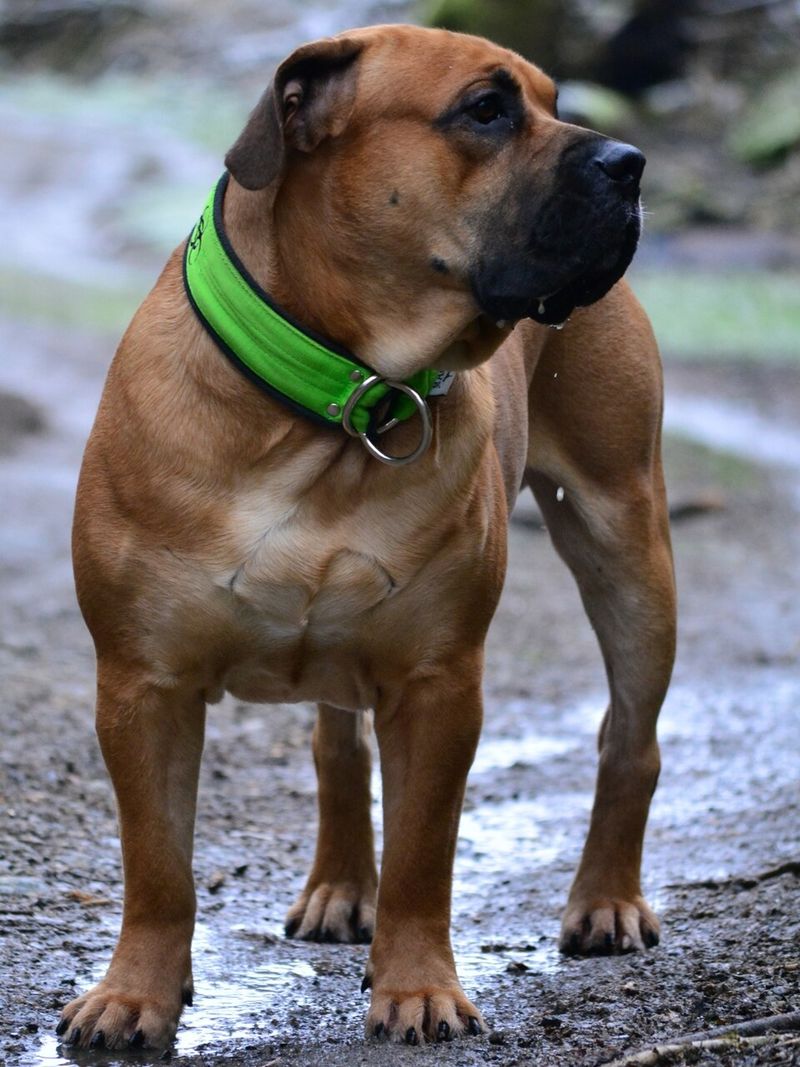
The Ca de Bou carries heft and calm intensity, but tight crates can trigger pushback. These dogs often decompress better with open zones where they can watch doorways without feeling trapped.
Owners report fewer vocal protests when the dog’s bed sits near family traffic yet out of reach of constant touches. You can set rules with place mats and consistent boundaries.
Comfort matters. Choose beds that support joints and keep cool, since bulk heats quickly.
Gates and pens can define space while preserving airflow and choice. If introducing a crate, use slow, reward rich sessions, and never force entry.
Many households find harmony by offering supervision, exercise, and a reliable off switch cue for nightly wind downs.
Bandog
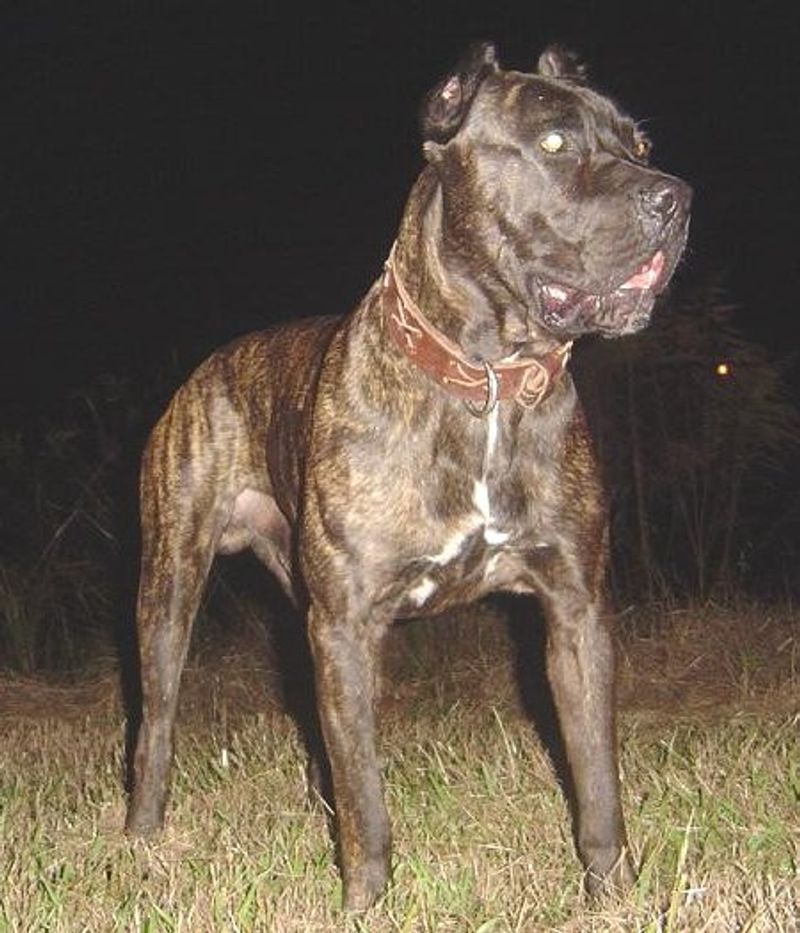
Bandogs combine drive and mass, making undersized crates a recipe for agitation. They decompress faster with space to sprawl after structured work.
Many owners rely on place training, gated rooms, and tether points rather than hard confinement. You will notice calmer breathing and fewer stress signals when airflow and visual access are respected.
Daily outlets are non negotiable. Mix obedience, scent games, and chew sessions to earn rest.
Provide durable beds, rotate textures, and avoid overheating. If you use a crate, go oversized, add fans, and shape calm entries with food and patience.
Still, these hybrids often sleep best in open, defined zones where choice exists, rules are clear, and routines remain consistent.
Boerboel
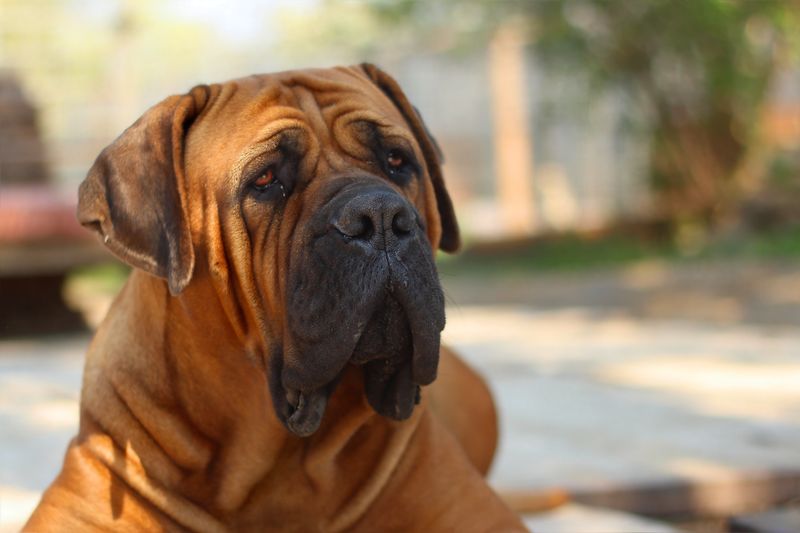
Boerboels are imposing guardians with thoughtful temperaments. Cramped crates can feel insulting to a dog built like a sofa.
Owners frequently report better nights when the bed is oversized, supportive, and placed where the dog can see entry points. You can use baby gates and closed doors to control access without provoking resistance.
Predictability beats confinement. Structured exercise, brief training, and chew time create a pathway to relaxation.
Teach a solid place command, then reward duration and quiet. If you need a crate, pick a giant, well ventilated model and proceed slowly with positive association.
Even then, many Boerboels settle faster when allowed open rest, especially in cool rooms with consistent household rhythms.
Cimarrón Uruguayo
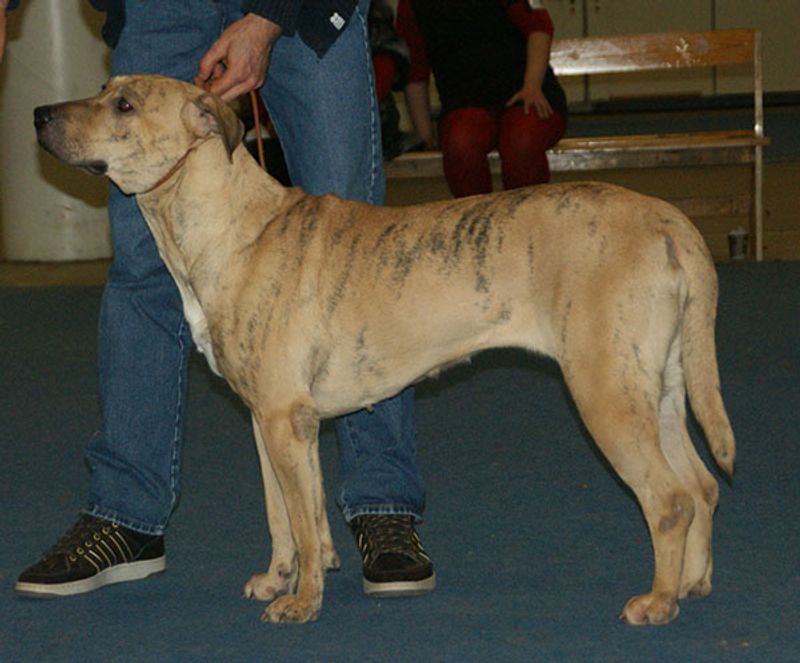
The Cimarron Uruguayo is adaptable yet independent, often preferring breezy porches or open rooms over boxes. Many exhibit alert rest, wanting a clear sightline to activity and exits.
Confinement can spike frustration if mental needs are unmet. You will see better settling after tracking games, tug, and place work.
Use pens and gates to shape space while keeping airflow and choice. Provide tough beds that resist chewing and handle heat.
A consistent routine and calm human energy go far. If a crate is necessary, add ventilation, size up, and build value slowly.
Still, this resilient breed often sleeps deepest when allowed open rest paired with predictable structure and meaningful daily jobs.
Dogo Sardesco

Dogo Sardesco dogs carry rustic guardian instincts and prefer vantage points over tight dens. Many owners find that crates increase vocalization and pacing.
Open rest with defined boundaries often yields quieter nights. You can place a firm bed on stone or tile to help with heat and provide a chew to occupy settling time.
Routine matters more than hardware. Use structured walks, impulse control drills, and place duration to build an off switch.
Gates and closed doors can manage movement without trapping. If you introduce a crate, pick breathable designs and condition with patience.
Nevertheless, plenty of these guardians rest best when free to stretch, observe, and cool their bellies between rooms.
Presa Canario
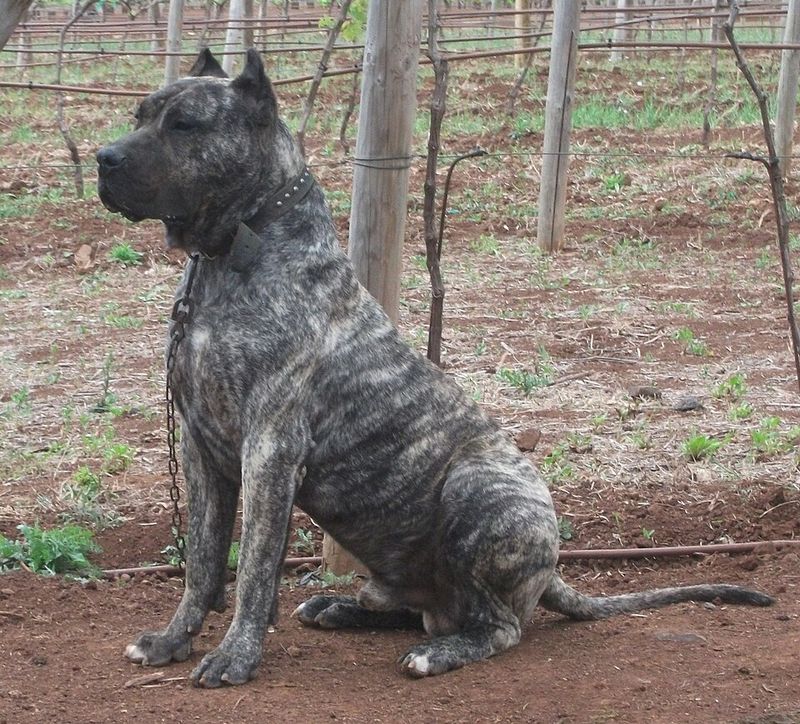
Presa Canarios are substantial, confident dogs that often resist tight crates. Many relax better with open resting zones where they can observe without pressure.
Owners report improved behavior using place training, chew routines, and gated rooms. You will often see less whining and pawing when airflow is generous and bedding supports weight evenly.
Exercise and mental outlets are crucial. Short obedience sessions, scent work, and calm decompression walks set the stage for sleep.
If a crate is required, choose giant sizes, add ventilation, and condition slowly with rewards and choice. Even then, many Presas drift off faster when allowed to sprawl on cool surfaces or thick mats, feeling included yet appropriately managed.
Tornjak
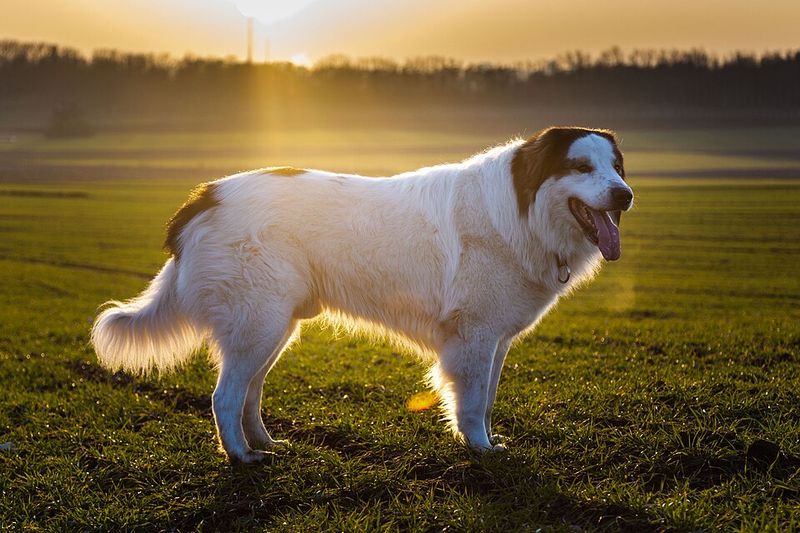
Tornjaks are thoughtful livestock guardians that value oversight and space. Enclosed crates can conflict with their watchful nature, raising stress.
Many prefer open rest near windows or doorways, where airflow and visibility calm their nerves. You can create a defined place using rugs and teach long duration settle with quiet rewards.
Daily patrol like walks, nose games, and chew time help them switch off. Gates manage movement without sparking protest.
If you test a crate, size up, boost ventilation, and leave the door open during conditioning. Still, owners often report the best sleep when these dogs lie freely, feeling responsible yet safe, on supportive beds that respect their coat and size.
Sarplaninac
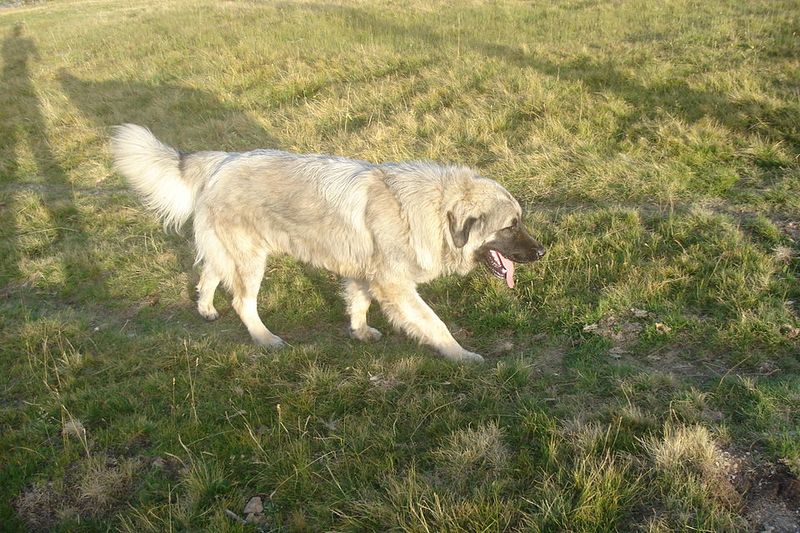
The Sarplaninac is a calm, independent guardian that dislikes cramped spaces. Their heavy coat and steady vigilance make airflow and sightlines essential.
Many owners note resistance or vocal stress in crates compared to open rest near family areas. You will get better results with defined zones, place mats, and patient, quiet routines.
Exercise should be balanced and purposeful. Scent games and short training reps reduce restlessness.
Use gates to shape movement and respect their personal space. If a crate must be used, go extra large and ventilated, and condition slowly with choice and food.
Even then, these dignified dogs usually sleep deepest stretched out, ears half on duty, in cool, open rooms.