
Your dog nails sit on the first try, then stares at you like you have lost your mind by the fifth repeat. That look is not always defiance.
Many dogs labeled stubborn are smart, independent, or bred for work that required thinking on their own, and endless repetition simply bores them. These 11 breeds show how a little variety can turn a so-called hardheaded dog into a surprisingly willing student.
Siberian Husky
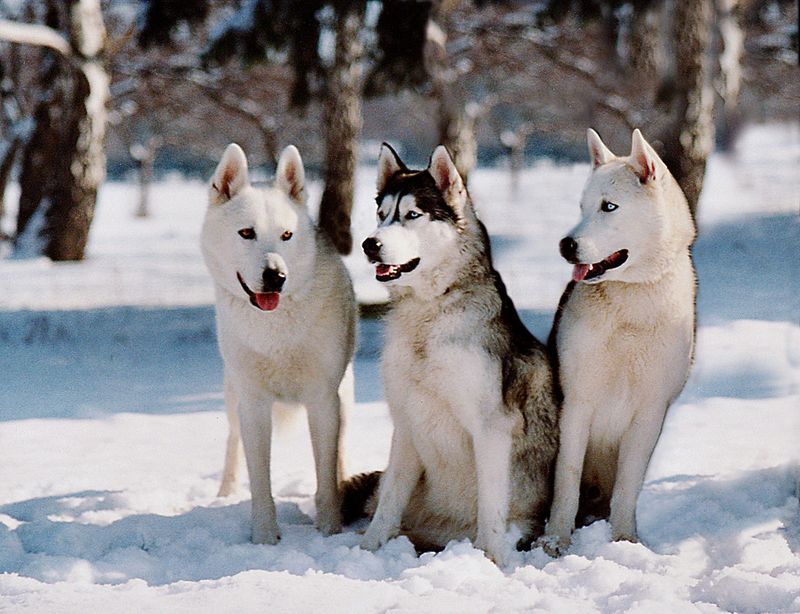
Picture a sled team running hundreds of miles across snow. The dogs had to keep going for hours, and sometimes they had to ignore a bad command to avoid thin ice.
That history still shows up in many Huskies today.
Huskies often learn a cue quickly and then wonder why they should keep doing it. Ten identical sits in a row can feel pointless to a dog built for long-distance travel.
The result looks like stubbornness, but it is often a dog who has already moved on mentally.
Short sessions with plenty of movement tend to work better. Mixing in running games, recall practice with a long line, or even recreational sledding gives that endurance drive somewhere to go.
Basenji
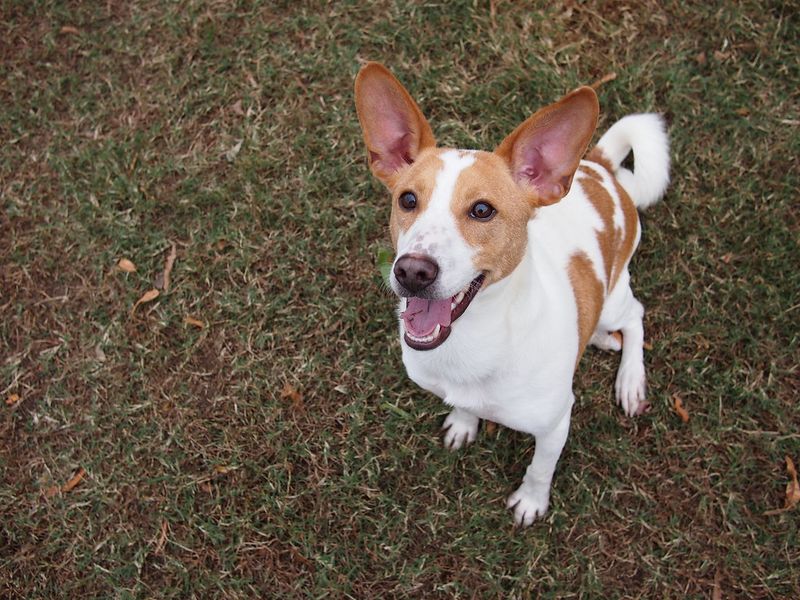
Cat-like is the word people often reach for with the Basenji. This ancient breed from Central Africa hunted by sight and scent, often working ahead of hunters rather than taking constant direction.
The AKC notes that Basenjis are intelligent but independent, and they can get bored with repetitive training. A Basenji that walks away mid-session is not necessarily confused.
It may simply have decided the game is dull.
Fun fact: Basenjis do not bark in the usual way. They make a yodel-like sound sometimes called a baroo, thanks to an unusually shaped larynx.
Owners usually have better luck turning lessons into puzzles. Food-dispensing toys, scent games, and quick trick work keep that clever brain occupied, and they may save your shoes too.
Beagle
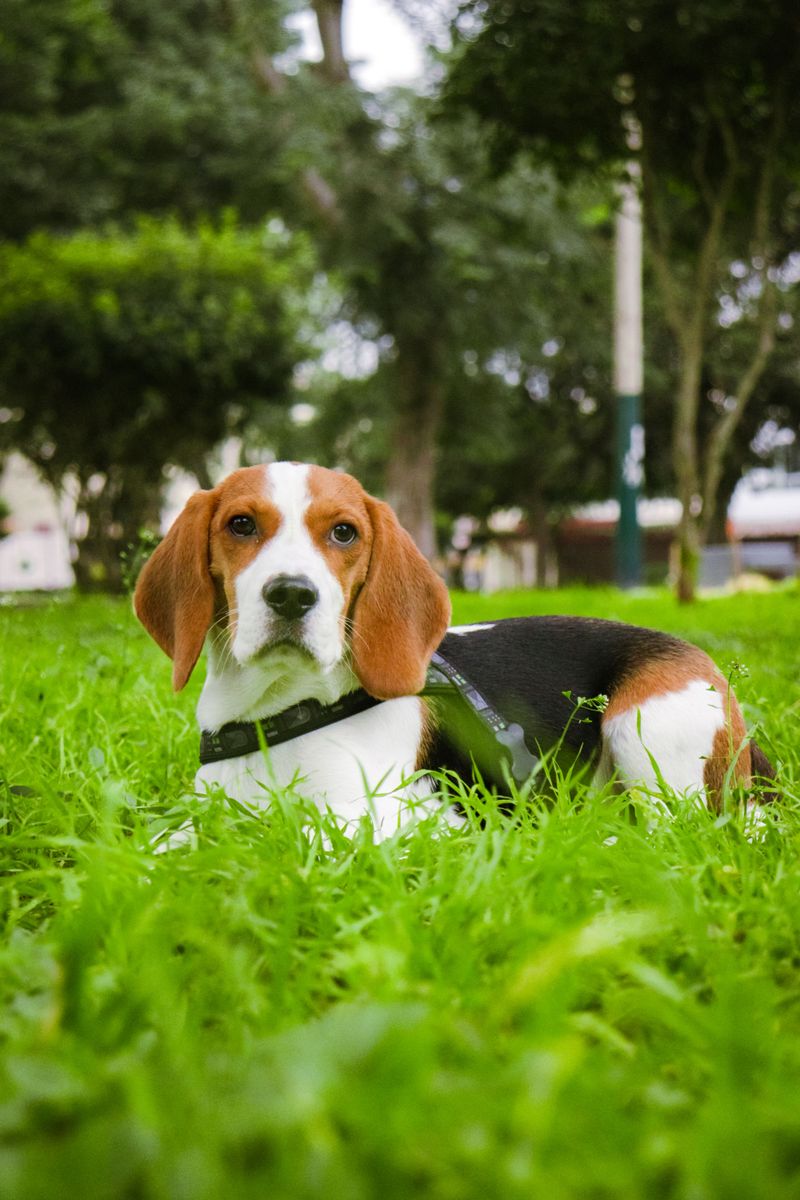
Ask a Beagle to heel while a rabbit trail sits two feet away, and you will learn exactly where its priorities lie. Beagles were developed to follow scent in packs, sometimes for hours.
That nose is the real reason many Beagles seem to ignore their owners. A flat living room drill simply cannot compete with the rich world of smells outside.
It is less about defiance and more about a dull lesson losing to an exciting one.
Scent work changes the whole picture. Hiding treats, starting a beginner nosework class, or rewarding check-ins with a chance to sniff can turn the nose into a training ally instead of a distraction.
Shiba Inu
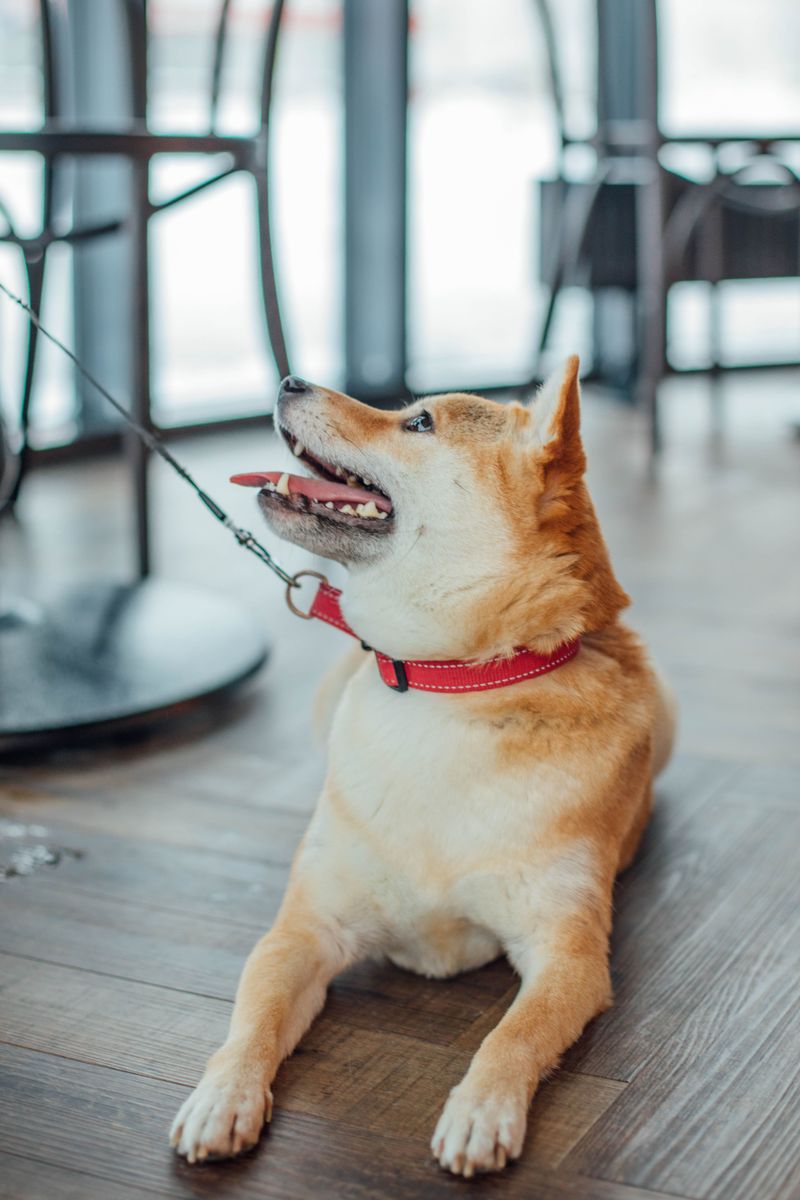
Few dogs can look as unimpressed as a Shiba Inu being asked to repeat something it already knows. This small Japanese breed was used to hunt in rugged mountain terrain, and it kept a strong sense of independence.
Shibas tend to be thoughtful about whether a request is worth their time. Drilling the same cue often leads to slow responses or a dog that simply wanders off.
Many owners mistake that for willfulness.
Variety and high-value rewards help a lot. Keeping sessions to a few minutes and ending while the dog is still interested often produces better results than one long, grinding practice.
Dachshund
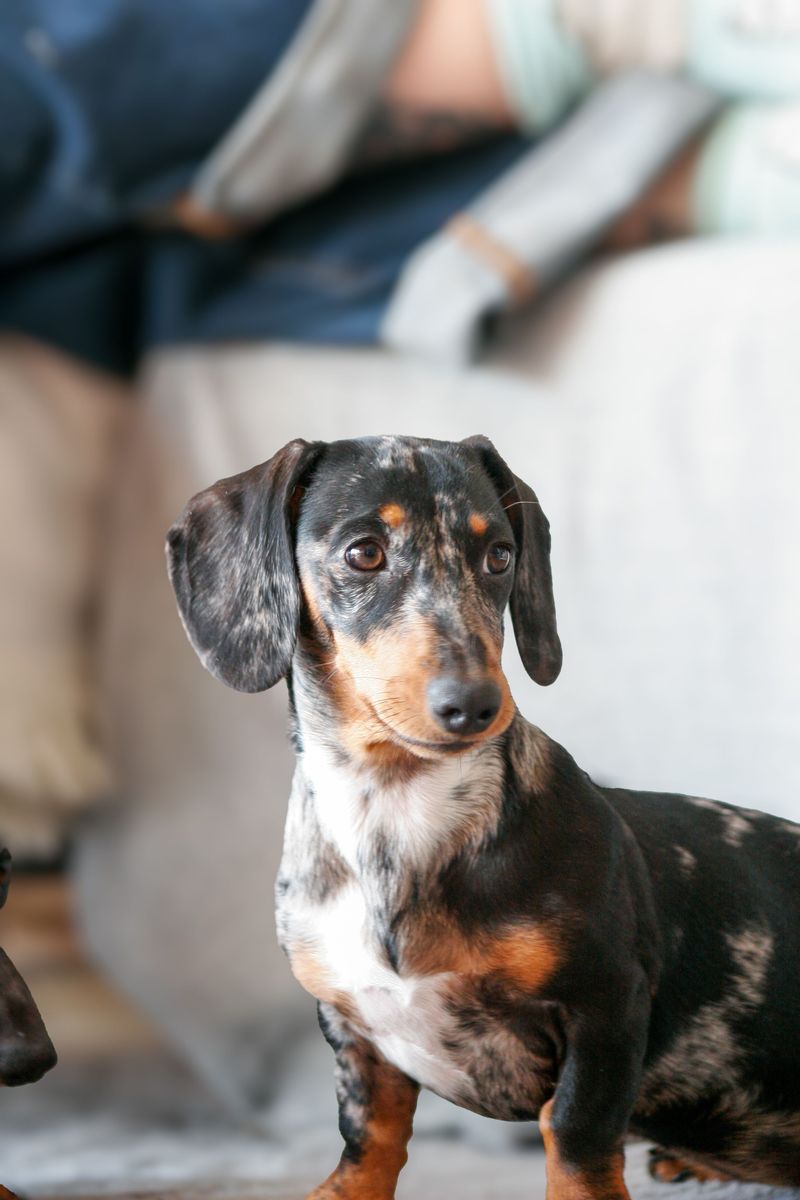
Small legs, big plans. Dachshunds were bred in Germany to pursue badgers into tunnels, a job that required courage and the ability to make decisions underground without a human nearby.
That independent streak can make basic obedience feel like a negotiation. A Dachshund may know a cue perfectly well but choose to dig, bark, or investigate something more interesting instead.
Giving that hunting instinct an outlet tends to improve focus. Earthdog-style tunnel games, a dedicated digging box, or barn hunt classes give the brain a real job.
A dog with a satisfied mind is usually far easier to work with on everyday manners.
Bloodhound
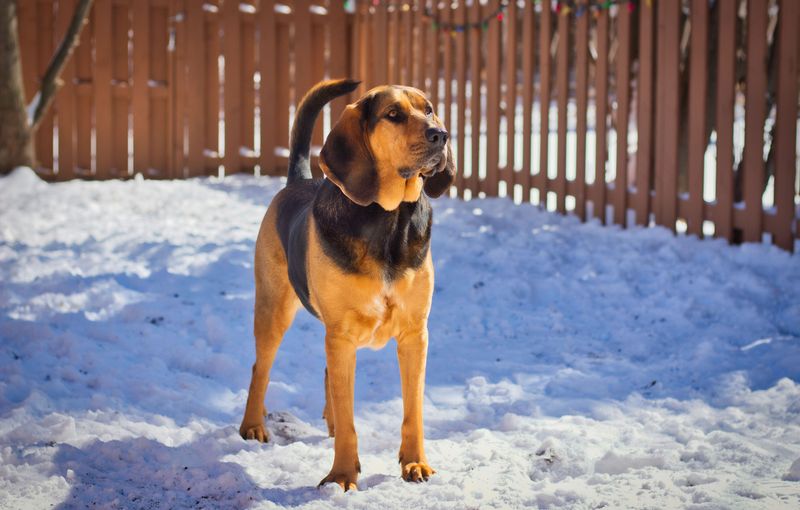
Trailing a single person’s scent for miles is something Bloodhounds have done for law enforcement and search teams for generations. A dog built for that kind of mission can find sit and stay pretty underwhelming.
Bloodhounds are often described as gentle but tenacious. Once a smell takes hold, ordinary commands may barely register.
In a quiet training room with nothing to work for, they may just look sleepy and uninterested.
Mantrailing, a sport where dogs track a hidden person, is one of the best fits for the breed. It channels their remarkable nose into a rewarding activity, and many dogs seem far more engaged afterward.
Australian Cattle Dog
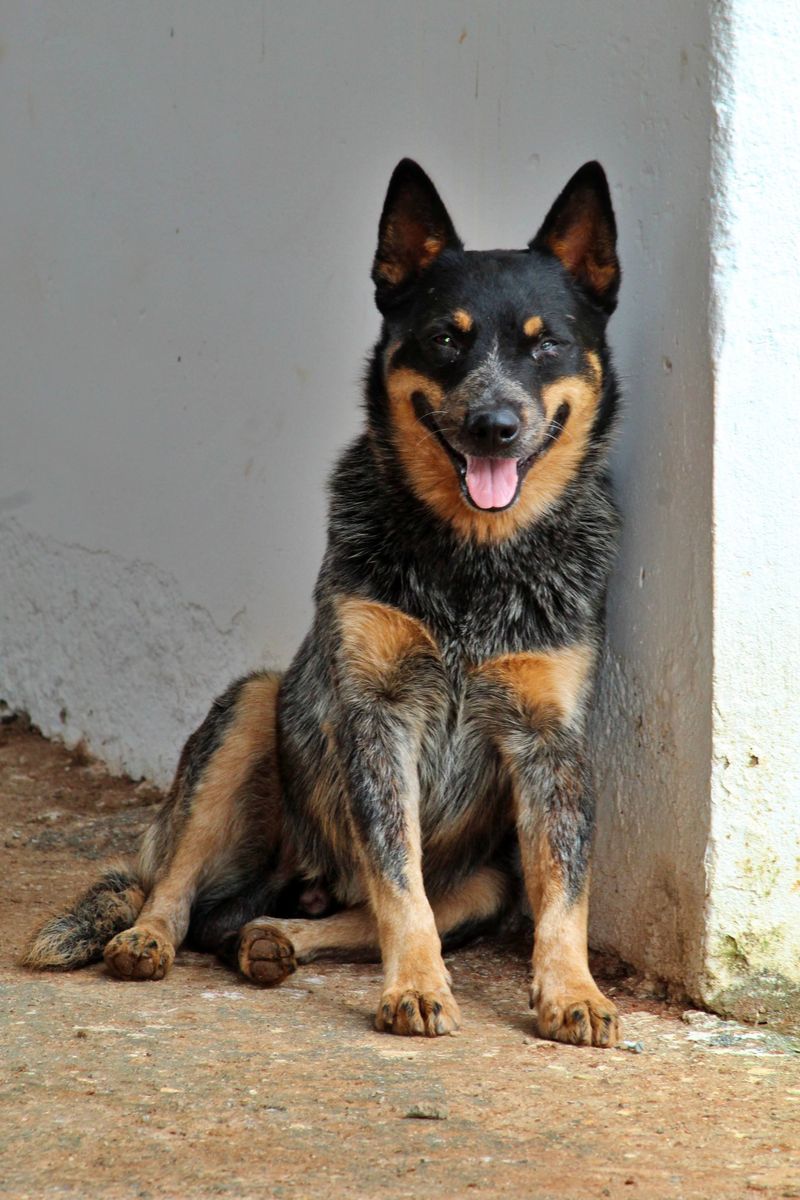
Here is a breed that rarely ignores you because it is lazy. Australian Cattle Dogs were developed to move tough cattle over long distances, and they need serious mental and physical work.
When a Cattle Dog gets too little to do, it may invent its own jobs. Nipping at heels, herding kids, or tuning out repetitive commands can all be signs of an under-challenged dog rather than a defiant one.
These dogs often shine in agility, herding trials, flyball, and advanced trick training. The key is giving them progress.
Once a skill is learned, adding a new twist keeps them hooked, while repeating the basics forever invites trouble.
Afghan Hound
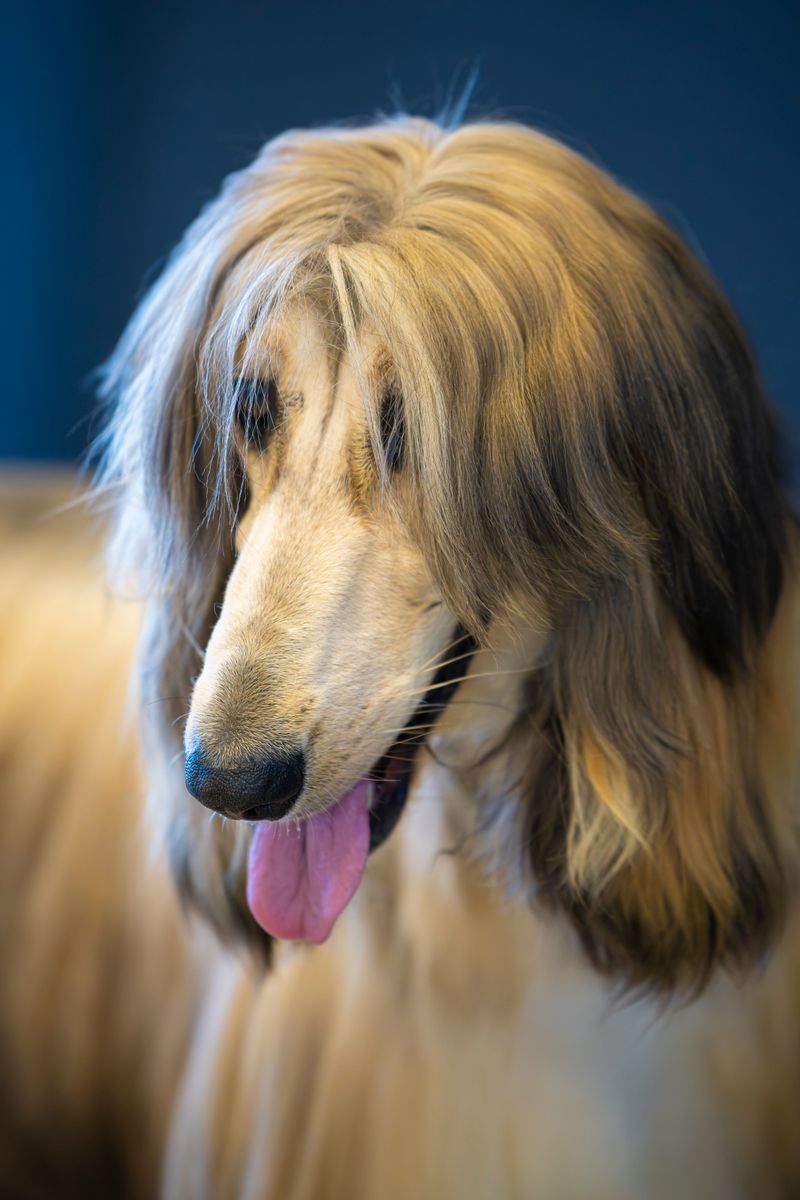
Elegant and aloof, the Afghan Hound is a sighthound that hunted fast prey in the mountains of Afghanistan. It worked by speed and sight, often far from its handler.
The breed has a long reputation for being difficult to train, but much of that comes from independence rather than any lack of ability. Afghans often respond poorly to repetition and harsh methods.
Ask the same thing too many times and many will simply stop participating.
Lure coursing, where dogs chase a mechanical lure, taps directly into their instincts. Pairing that with brief, upbeat training sessions often brings out a more cooperative side than owners expect.
Chow Chow
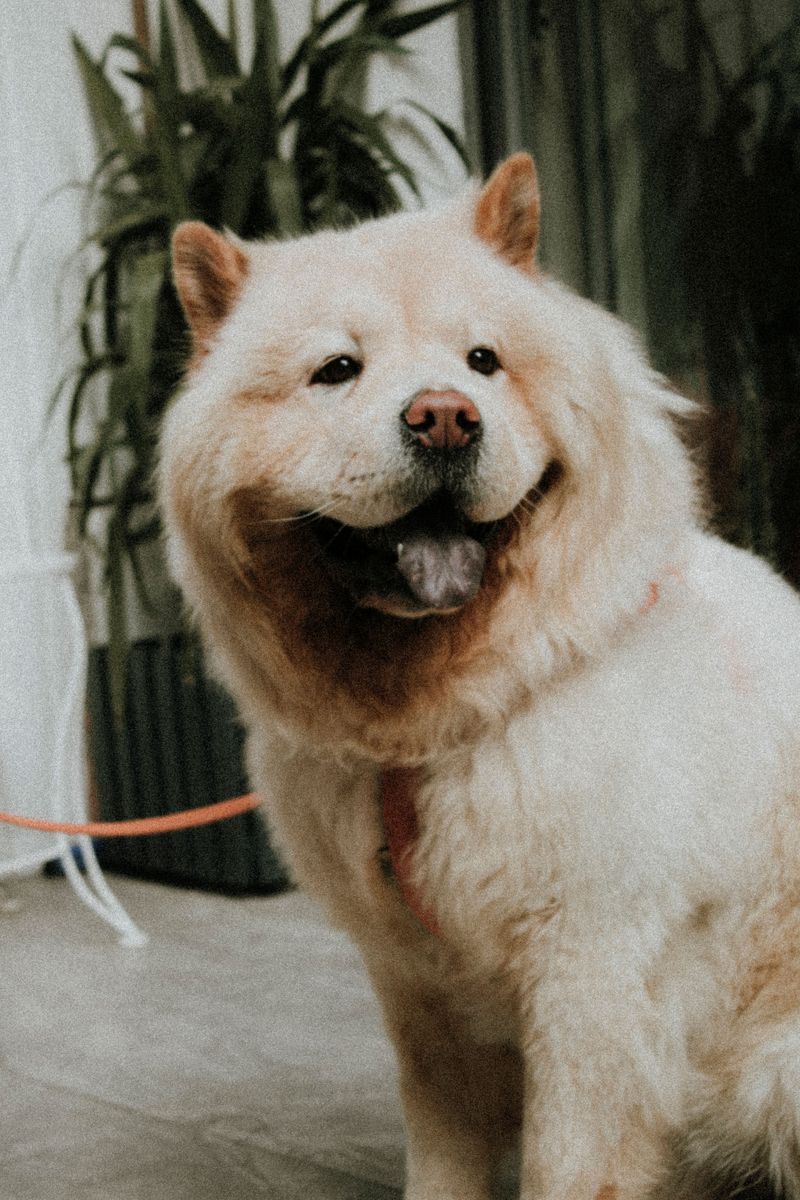
Dignified is the word most breed descriptions use for the Chow Chow. This ancient Chinese breed served as a guardian, hunter, and hauler, and it tends to be reserved with strangers and selective about its attention.
Chows can learn quickly, yet they often lose interest in repetitive drills. A Chow that lies down mid-session might be telling you the lesson stopped being worth it.
Respectful, reward-based training tends to go much further than pushing. Short sessions, early socialization, and calm patience suit this breed.
Because Chows are not built for intense heat or long runs, mental games often make better enrichment than marathon exercise.
Alaskan Malamute
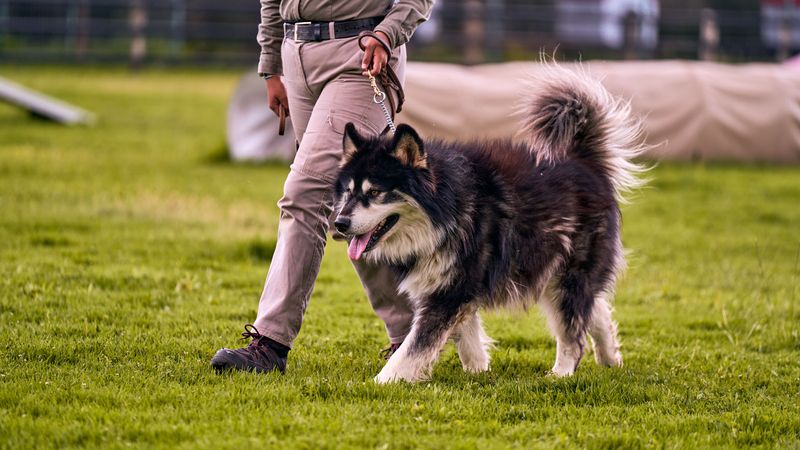
Strength is the Malamute’s calling card. These large Arctic dogs hauled heavy freight rather than racing, and they were expected to keep working with steady determination.
Malamutes are known for testing boundaries and getting bored with routine lessons. Some will vocalize with a woo-woo sound, as if arguing their case.
That talkative push-back is often frustration with dull work, not open rebellion.
Weight pulling, carting, and hiking with a dog backpack give these dogs a purpose. Paired with fun, varied obedience practice, those jobs tend to make a Malamute far more agreeable around the house.
Airedale Terrier
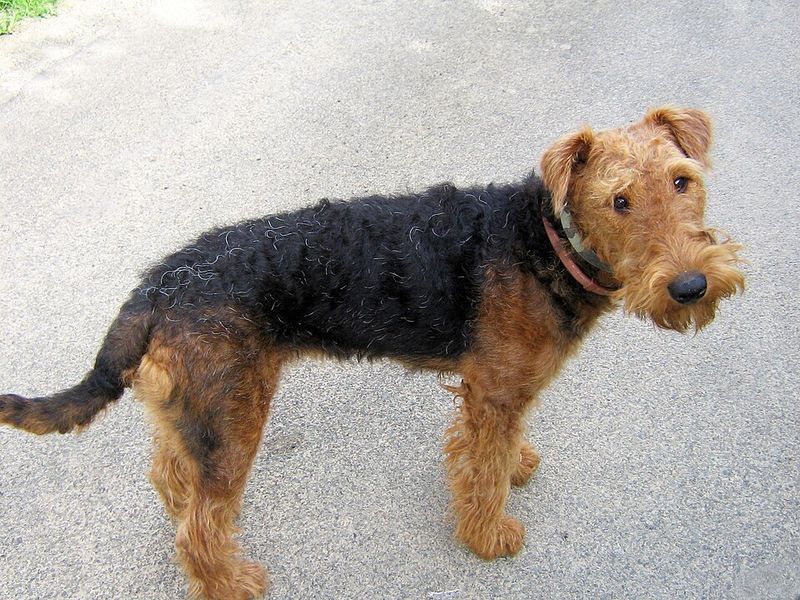
Nicknamed the King of Terriers, the Airedale is the largest terrier breed. It was developed in Yorkshire to hunt otters and rats, and later served as a messenger and guard dog during World War I.
Airedales are clever, and the AKC notes they can become bored with repetition. They are also known for a playful, sometimes clownish streak.
When training gets stale, an Airedale may start making up its own games.
Variety is the secret. Rotating tricks, tug games as rewards, and sports like rally or dock diving keep things fresh.
Treat every session like a new challenge, and this terrier often rises to it.