
Dominance talk is roaring back across social feeds, and tempers are flaring. Some swear the alpha approach fixes chaos fast, while others warn it risks fear and fallout.
You want clarity, not drama, especially if your dog’s breed keeps getting dragged into the debate. Here are the 15 breeds most named in these alpha comeback posts, with balanced context you can actually use.
German Shepherd Dog
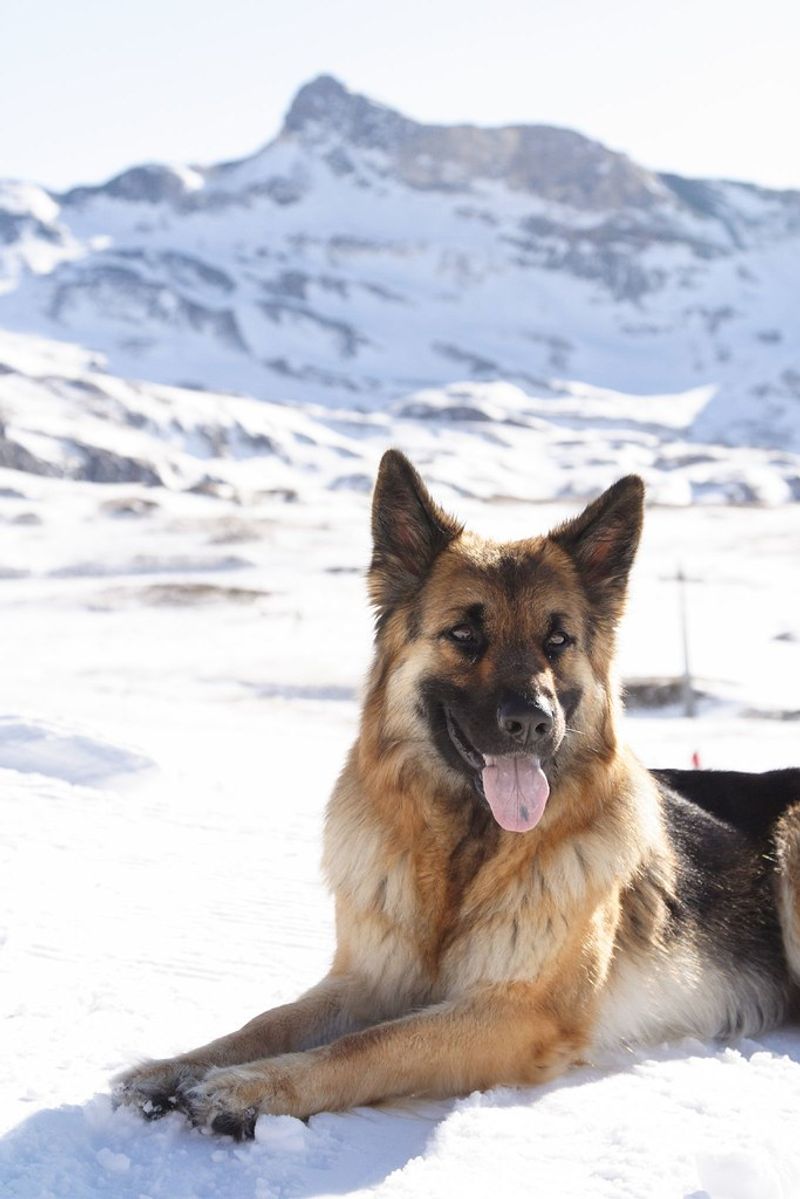
German Shepherds often headline alpha debates because they are smart, sensitive, and intensely biddable. Their eagerness can look like compliance to forceful methods, but stress signals show up fast if pressure is overused.
Balanced training that rewards clarity, impulse control, and confident choices protects their nerve.
You will see fast results when structure is predictable and feedback is fair. Clear leash skills, place training, and play used as reinforcement channel that big brain.
Avoid confrontational tactics that create conflict during transitions, like doorways or recalls.
If leadership means meeting needs and communicating well, a Shepherd thrives. If it means overpowering, fallout appears as reactivity or shutdown.
Choose thoughtful reps, enrichment, and transparent criteria to keep brilliance bright.
Belgian Malinois
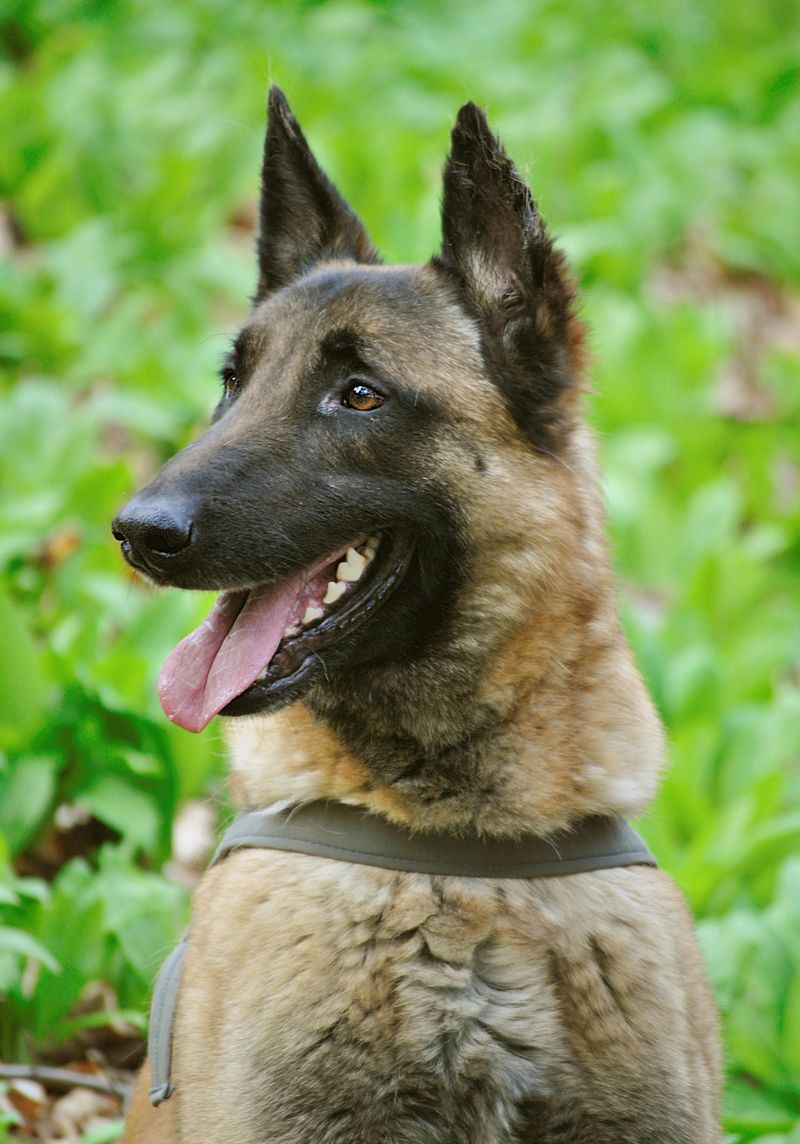
Malinois fuel alpha arguments because their intensity can bulldoze inexperienced handlers. High arousal masks confusion, so harsh corrections may look effective while actually spiking stress.
You will get better outcomes by feeding drive into purposeful work like tugs, scent games, and precise marker timing.
Clarity beats conflict. Teach off switches, neutrality around triggers, and fluent positions that earn access to movement.
Overpowering a Mal often creates frantic rehearsals or redirected bites, which people mislabel dominance.
Fair leadership is structure, reps, and recovery. Cap energy with short drills and predictable rules.
Reward self regulation, not just speed. When communication is tight and outlets are daily, this Ferrari handles beautifully without heavy handed tactics that backfire later.
Rottweiler
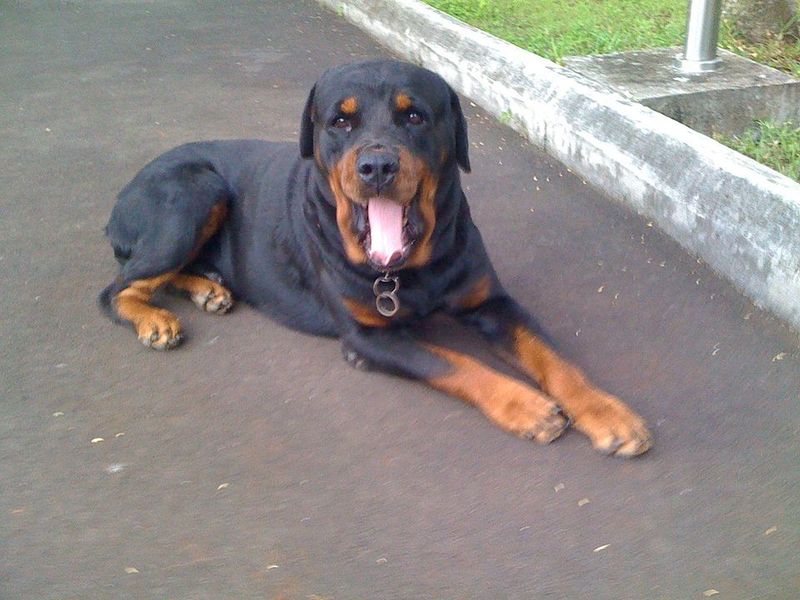
Rottweilers are often cast as dominance heavyweights, yet most problems stem from inconsistent boundaries, weak socialization, and unmet work needs. You will see steadiness bloom when routines, impulse control, and cooperative play become daily habits.
Heavy pressure can provoke pushback or stone faced avoidance.
Focus on neutrality around people and dogs, plus clean leash mechanics. Reinforce calm stationing during visitors and doorways.
Use food and toys to reward patience and fluent obedience under distraction.
Leadership here is predictable access to resources, not power struggles. Build realistic expectations and safe management inside the home.
By teaching what to do rather than punishing what not to do, the Rottweiler’s natural confidence stays trustworthy and polite.
Doberman Pinscher
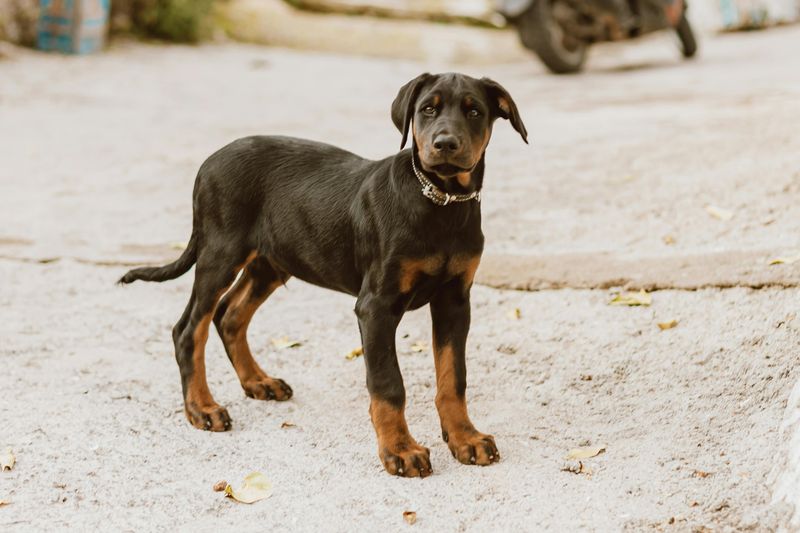
Dobermans read humans like a book, which is why confrontational tactics often sour relationships fast. They crave clarity and closeness, so you will win with crisp markers, short sessions, and reinforcement that matches arousal.
Pushing dominance can trigger defensiveness or anxious compliance.
Social maturity brings boundary testing, so build habits early. Practice place, loose leash, and recalls with purposeful distractions.
Reward neutrality and confident engagement, not frantic obedience.
Good leadership looks like consistent rules and predictable decompression. Teach cooperative care for nails, vet handling, and equipment to reduce conflict.
When guidance stays kind and precise, the Doberman’s elegance shines as steady, responsive partnership rather than brittle obedience rooted in fear.
Cane Corso
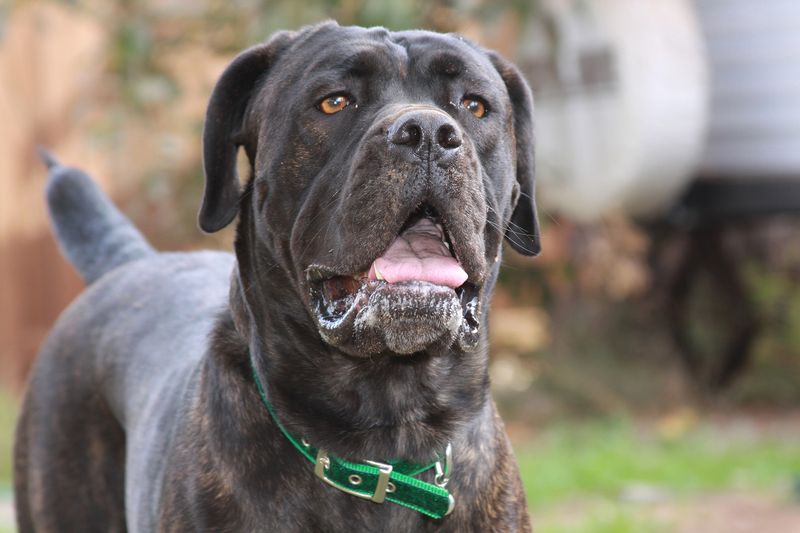
Cane Corsos spark alpha talk because guardianship instincts feel big. Yet most need calm routines, thoughtful socialization, and clear door manners, not confrontation.
You will see predictability lower reactivity faster than force. Pressure without understanding can create defensive rehearsals that look like dominance.
Teach neutral observation and stationing when guests arrive. Reinforce eye contact, loose leash turns, and quiet settles after arousal.
Reward confident investigation, then call back to structure for decompression.
Leadership is boring reliability. Feed brains with tracking, scent work, and problem solving.
Avoid chaotic environments until foundations stick. With fair guidance, the Corso shifts from hyper vigilant to discerning and cooperative, making everyday life safer and far more enjoyable for everyone.
Bullmastiff
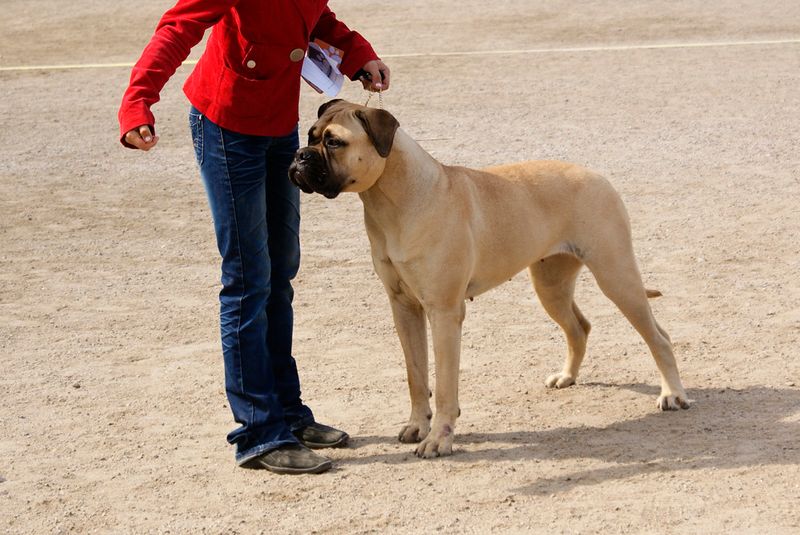
Bullmastiffs are stoic and thoughtful, which some misread as stubborn dominance. In reality, they respond to patient teaching and low drama structure.
You will get success by reinforcing quiet choices, like staying on a mat while life happens. Overly forceful tactics can sink motivation or invite pushback.
Build reliable recalls and cooperative handling for grooming and vet work. Keep sessions short to match their endurance.
Reward generous stillness and slow, clean repetitions.
Leadership here means predictable routines and safe boundaries around food, doors, and visitors. Provide enrichment that suits a heavy body, like nose games and short tracking.
When respect flows both ways, the Bullmastiff becomes a steady, polite roommate instead of a challenge.
Mastiff
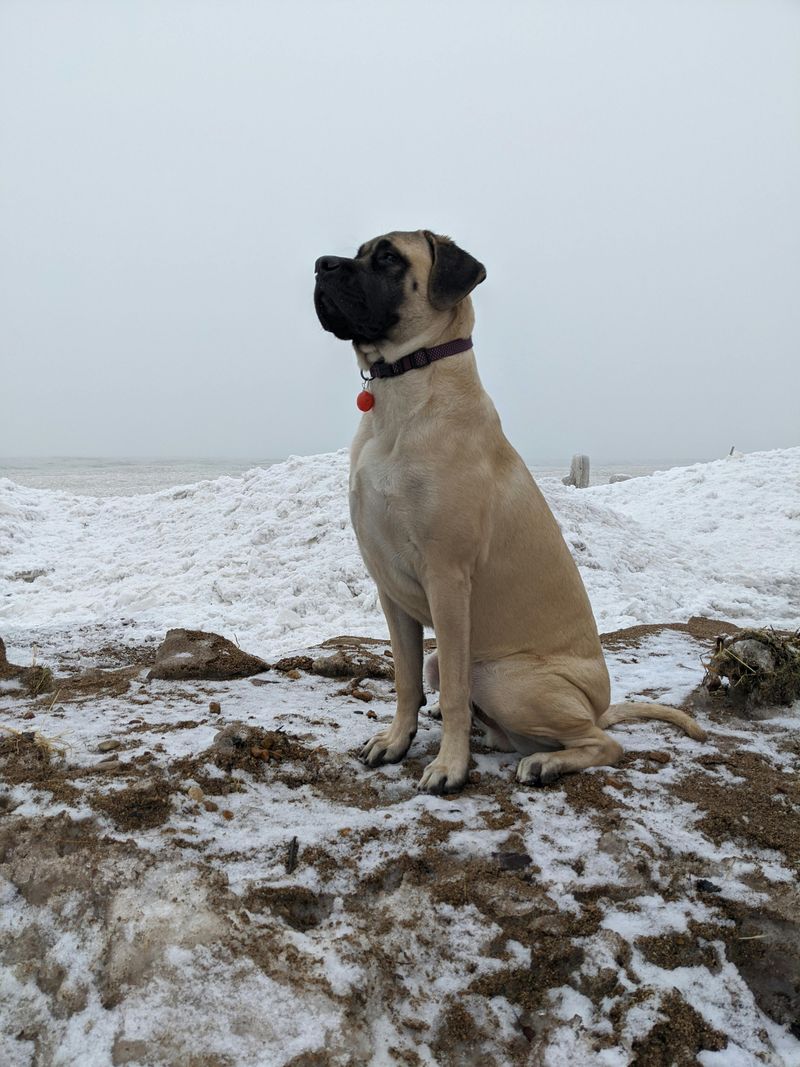
Giant Mastiffs often get labeled dominant when they simply learn that mass moves humans. Instead of power struggles, teach body awareness and manners that earn access to space.
You will progress with simple, consistent cues and generous reinforcement for calm behavior.
Practice loose leash walking, door thresholds, and polite greetings in short sets. Keep surfaces comfortable to protect joints.
Build cooperative care for harnessing and vet handling to avoid wrestling.
Leadership is about making good choices easy. Manage environments, reward stationing, and offer scent games that do not demand sprinting.
By staying patient and predictable, you reduce friction and keep this gentle giant choosing compliance without pressure that could create avoidant or resistant habits.
Dogue de Bordeaux
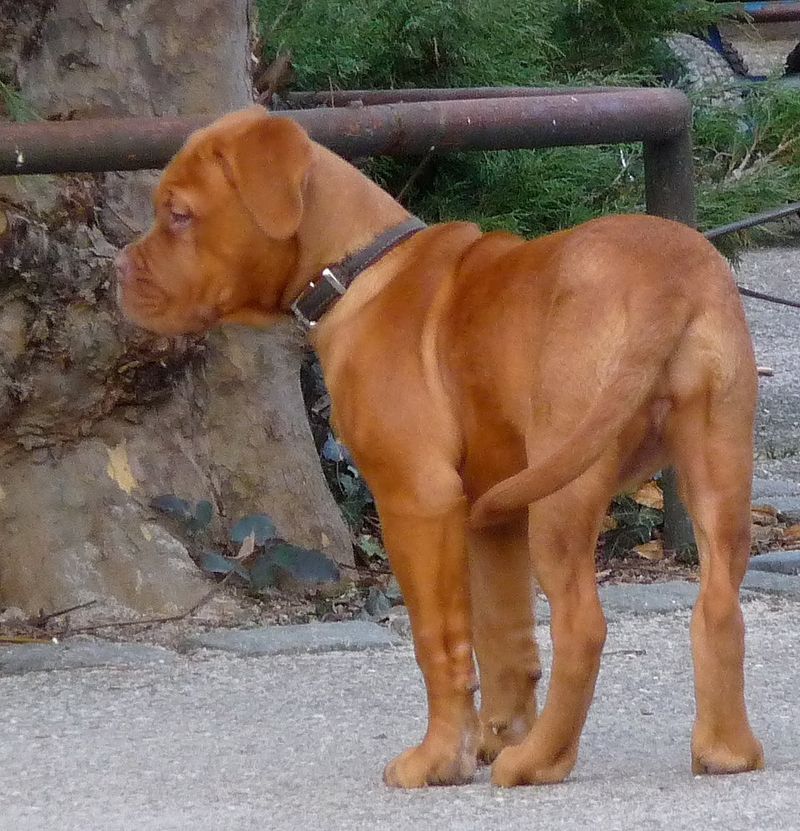
Dogue de Bordeaux dogs are powerful but surprisingly sensitive to tone. Stern posturing can flatten confidence, while fair structure builds willing cooperation.
You will see better outcomes by reinforcing chin rests, harnessing calm, and polite leash turns rather than yanking.
Short, clear sessions prevent frustration. Reward relaxed stationing through household bustle and guest arrivals.
Teach slow, comfortable recalls that respect joints and heat sensitivity.
Leadership is quiet consistency. Predict meals, rest, and low impact enrichment like scent games and puzzle feeders.
Avoid high conflict drills that turn routine care into battles. With patient guidance, this breed becomes affectionate, manageable, and safe, disproving the idea that dominance is required to earn respect.
Boerboel
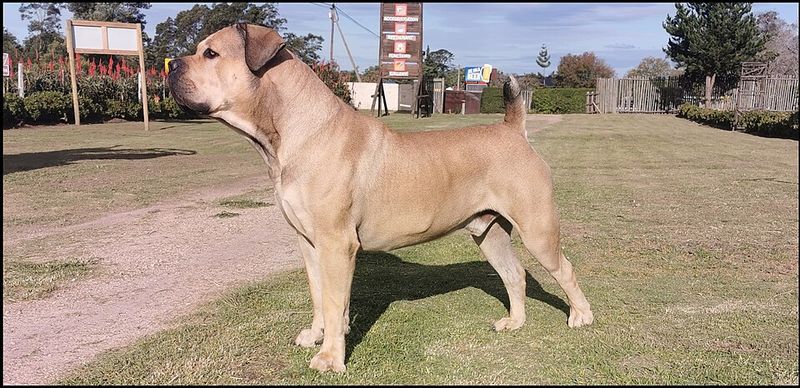
Boerboels bring guardian seriousness that tempts people to use domination. That path often fuels suspicion.
You will achieve safer outcomes by pairing firm boundaries with rich engagement and neutrality drills. Teach observation without interference, then reward check ins and placements away from pressure points like gates.
Socialization should be careful, not chaotic. Build skills in low traffic spaces first.
Reinforce leash responsiveness and calm handling for equipment changes.
Leadership is about controlling the environment and access. Provide jobs such as tracking or obedience that emphasize clarity.
When communication is consistent and humane, the Boerboel partners willingly, showing steadiness rather than blunt force, and daily life becomes predictable and respectful for everyone involved.
Akita
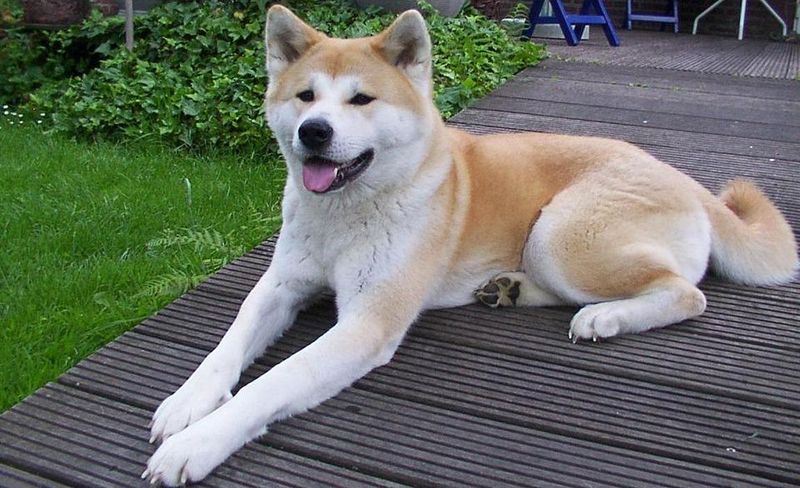
Akitas are famously independent, which people conflate with dominance. Pushing harder often creates dignified resistance.
You will win with thoughtful freedoms paired to reliable cues, plus food and play that feel worth it to the dog. Keep sessions short and clear, honoring their steady pace.
Teach hand targets, neutrality around dogs, and calm handling for grooming. Use long lines for recalls in open areas.
Reinforce quiet observation instead of forcing immediate engagement.
Leadership is respectful partnership. Set non negotiable rules around doors and resources, then keep promises about consistency.
When trust builds, the Akita offers calm cooperation that feels earned, not extracted, and worries about alpha posturing fade fast.
Rhodesian Ridgeback
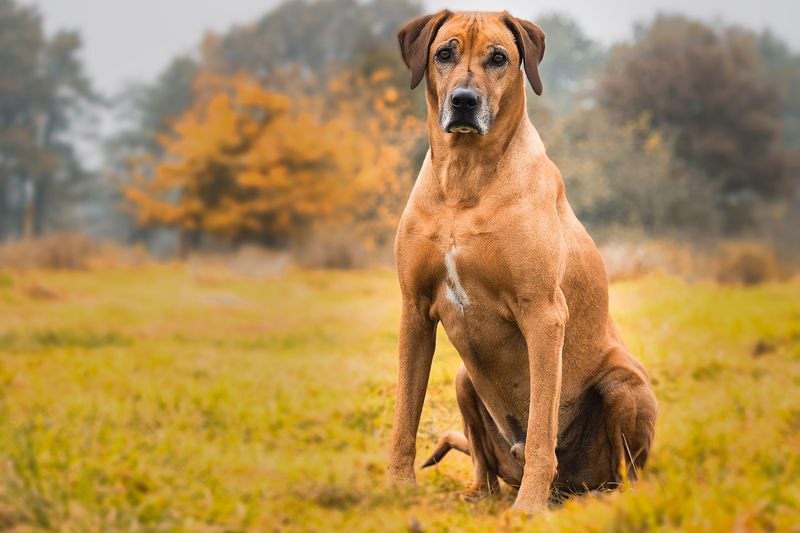
Ridgebacks are athletic hunters with a cool head, so conflict based training can dull their spark or create selective deafness. You will find progress when exercise, scent games, and structured freedom meet clear cues.
Long lines and strategic reinforcement keep recalls honest without fights.
Practice neutrality around wildlife, cyclists, and runners. Reward calm observation before asking for movement.
Build stationing at trailheads and car doors to prevent impulsive bursts.
Leadership here is planning. Give real outlets and predictable recovery time.
By teaching choices that earn freedom, the Ridgeback becomes responsive and thoughtful, not oppositional, which makes dominance debates feel off base in daily life.
American Bulldog
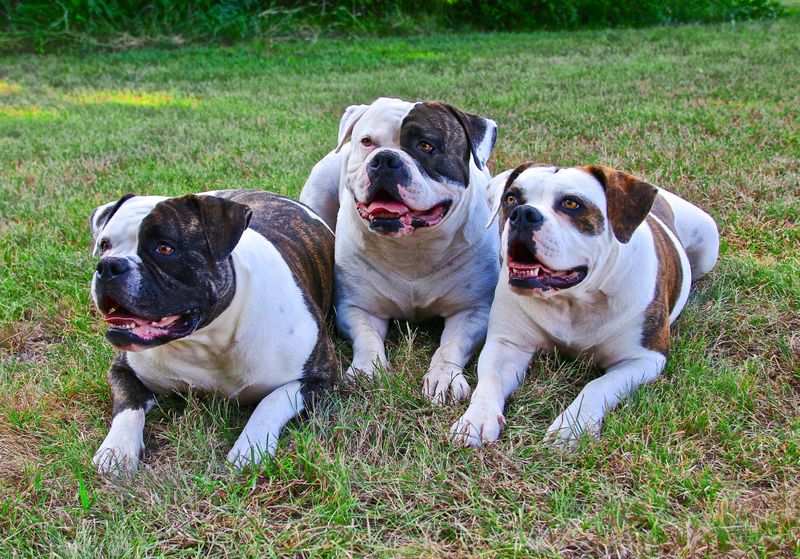
American Bulldogs are powerful comedians with big feelings, which is why forceful methods can flip the fun into conflict. You will see faster success when play, food, and structure team up.
Teach door manners, mat stays, and loose leash skills that earn life rewards like fetch or sniffing.
Direct pressure sometimes triggers body blocking or mouthing. Instead, mark desired choices quickly and reinforce generously.
Keep sessions upbeat and short to prevent frustration.
Leadership means setting lanes and celebrating wins. Manage the environment so good options are the easy ones.
With predictable routines and fair feedback, this breed channels muscle into cooperation, making the alpha narrative feel outdated and unhelpful.
Giant Schnauzer
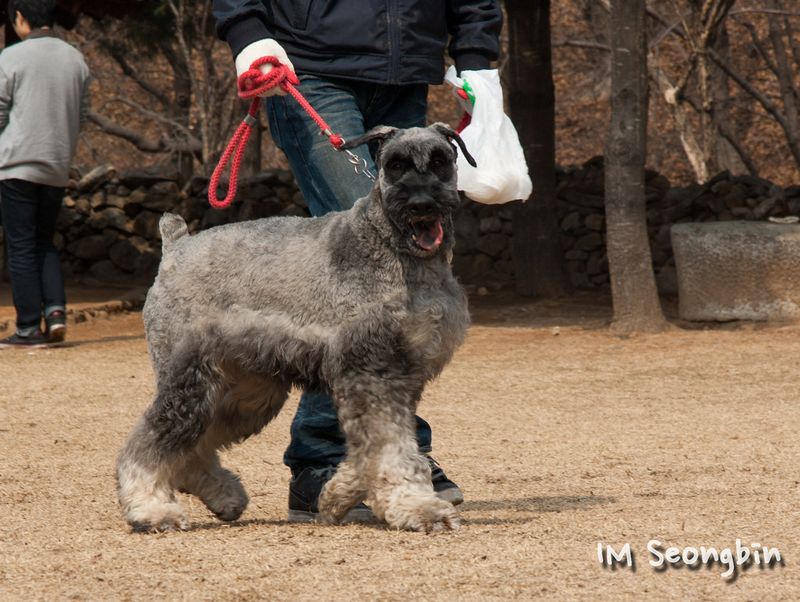
Giant Schnauzers thrive on clarity and work, yet their intensity can be mistaken for dominance. Overly harsh handling often creates frustration vocalizing or conflict at the end of the leash.
You will get farther with purposeful obedience, scent tasks, and predictable decompression.
Teach clean positions, off switches, and neutral observation in busy spaces. Reinforce quiet check ins and pivots.
Keep drills short but sharp, then provide recovery walks.
Leadership is consistent criteria and timely reinforcement. Avoid nagging or flooding.
When skills are layered thoughtfully, the Giant becomes a focused partner who channels drive into precision rather than arguments, reducing the attraction of alpha style narratives.
Dutch Shepherd
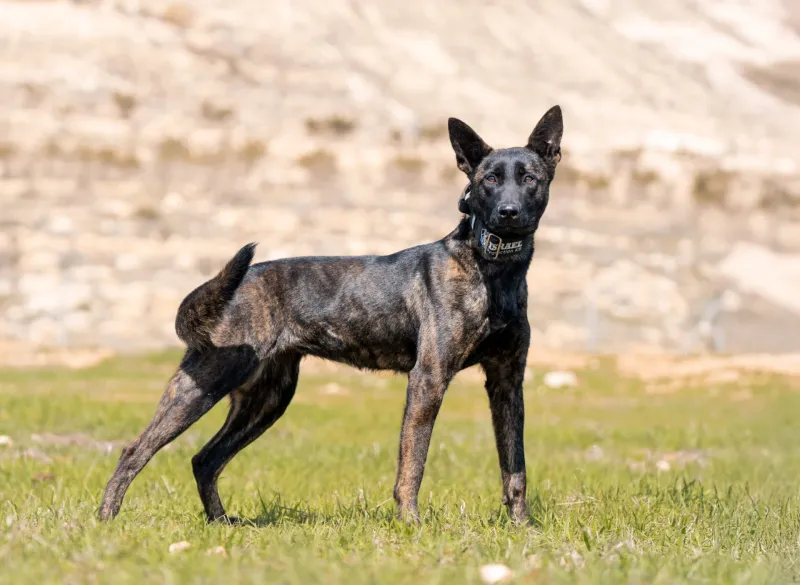
Dutch Shepherds are agile problem solvers with strong work ethic. Under dominance framed pressure, they may go frantic or shut down.
You will see harmony when reinforcement is clear, arousal is capped, and outlets like tug, tracking, and pattern games are daily.
Teach neutrality to motion and novelty. Reward precise engagement, then build duration deliberately.
Use movement as payment to keep brains and bodies satisfied.
Leadership equals structure plus fun. Set rules, protect rest, and avoid chaotic group settings early on.
When communication is fair, the Dutch channels intensity into crisp performance, making heavy handed approaches unnecessary and counterproductive.
Beauceron
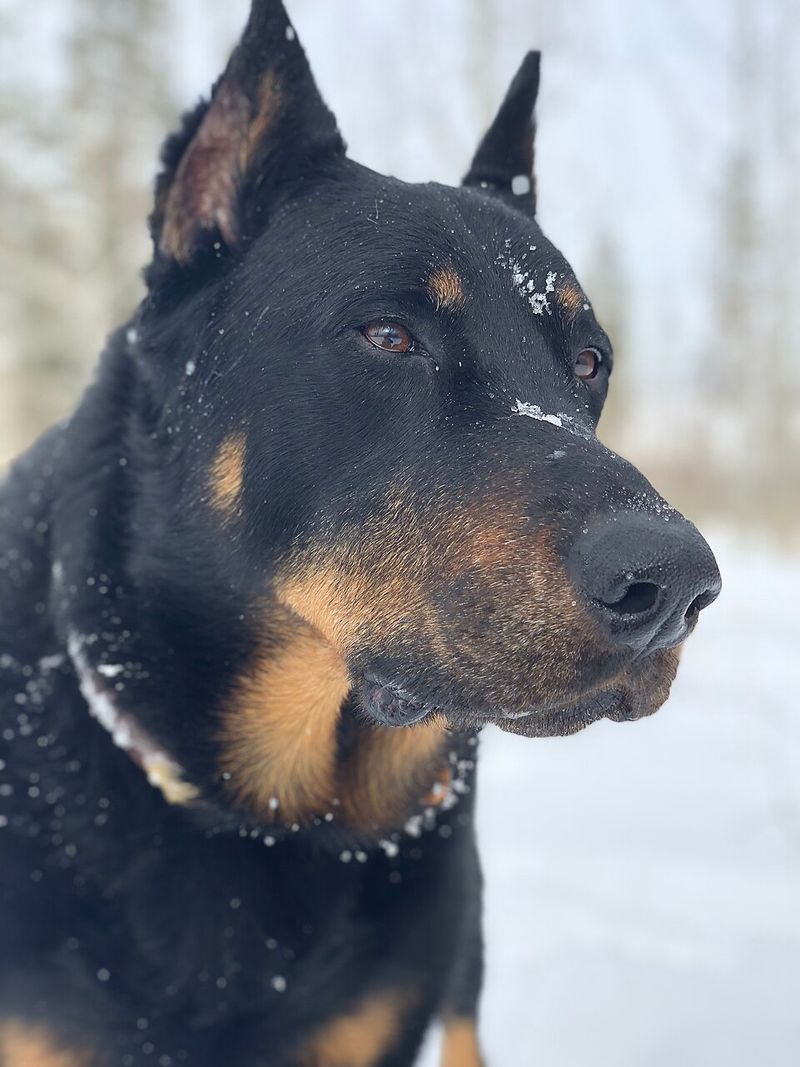
Beaucerons are steady herders who notice everything, which can be mislabeled as dominance. They flourish with thoughtful exposure, clear markers, and fair boundaries.
You will get better outcomes by reinforcing calm assessment before action, then rewarding precise engagement.
Practice polite greetings, loose leash arcs, and stationing when visitors arrive. Keep sessions short and varied to prevent pattern fatigue.
Build cooperative care for paws and dewclaws.
Leadership is consistent expectations and meaningful work. Offer tracking, obedience, or light agility that emphasizes accuracy over speed.
With humane structure and predictable routines, the Beauceron becomes a confident teammate, not a power struggle, and the alpha storyline loses its appeal.