Some dogs look lazy, but that does not mean they are slow thinkers. Many calm breeds learn fast, solve problems, and love training that fits their pace.
Understanding this helps you choose the right games and routines for a happy, confident pet. Meet eleven laid-back dogs that reveal their smarts in quiet, clever ways.
Great Dane
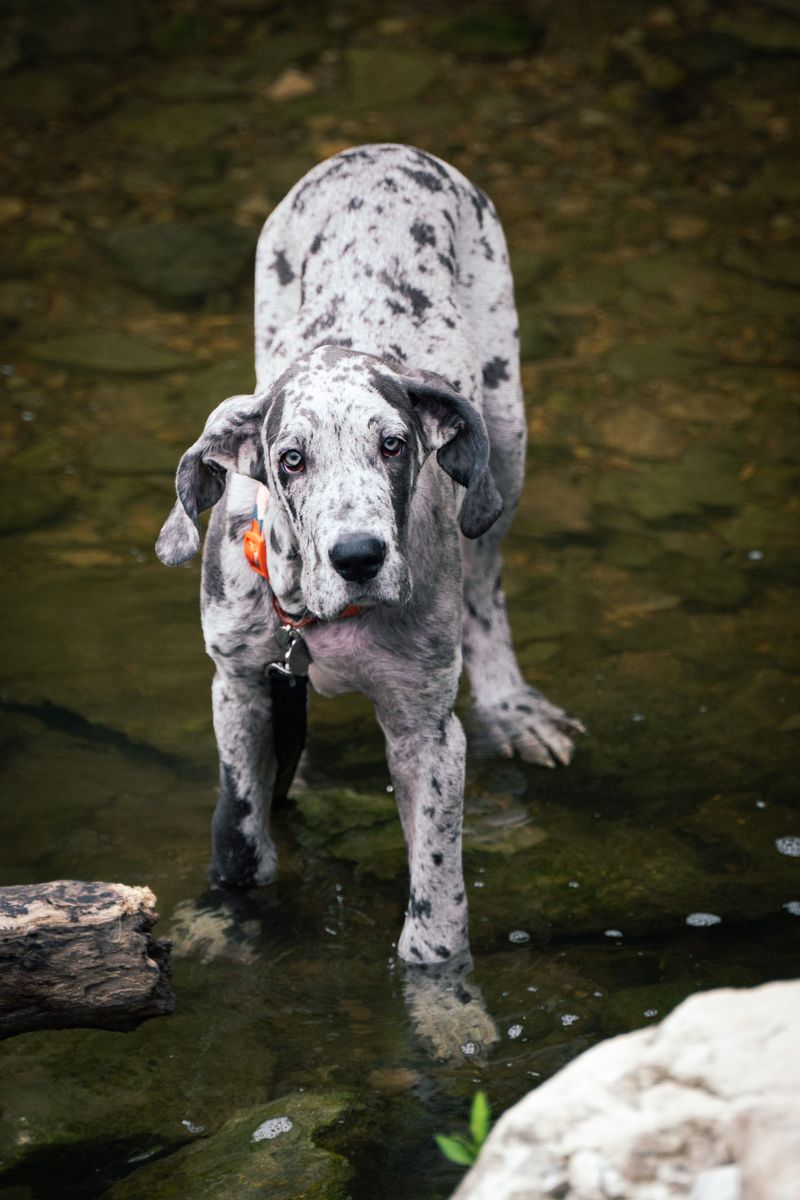
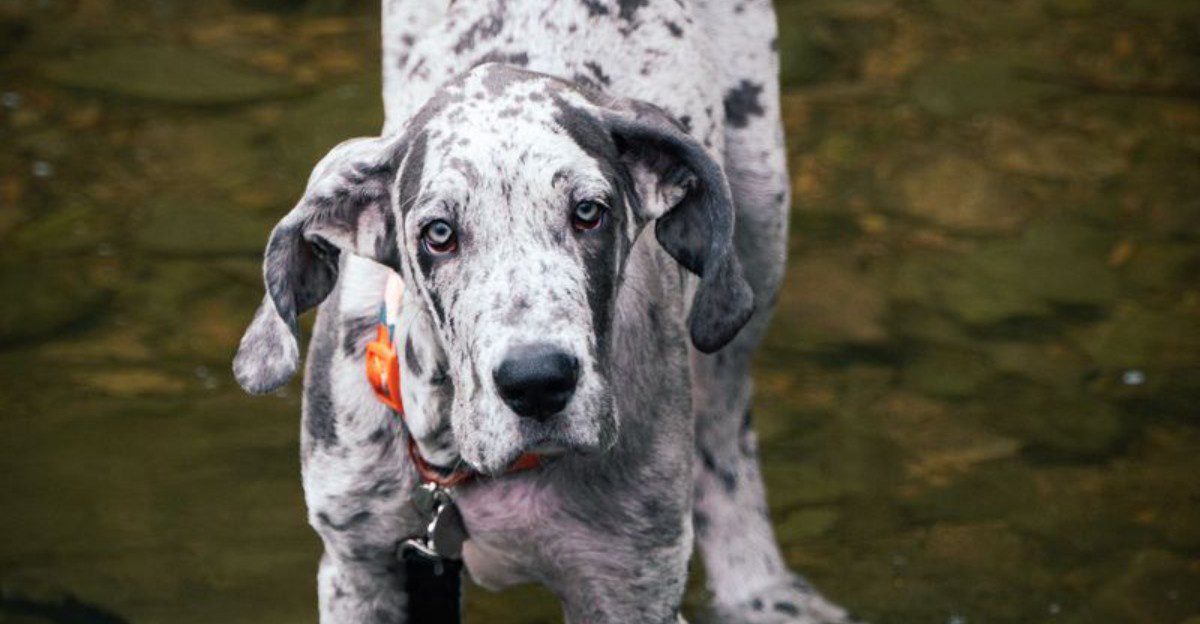
With a head tilt that melts stress, the Great Dane reads the room before you even speak. Calm on the couch, they still solve problems, like opening doors or finding the kids at bedtime.
Smart training works best in short, quiet bursts with clear hand signals and tasty rewards. Teach useful tasks, such as waiting at thresholds, leaning for pressure therapy, and calmly greeting guests.
Greyhound
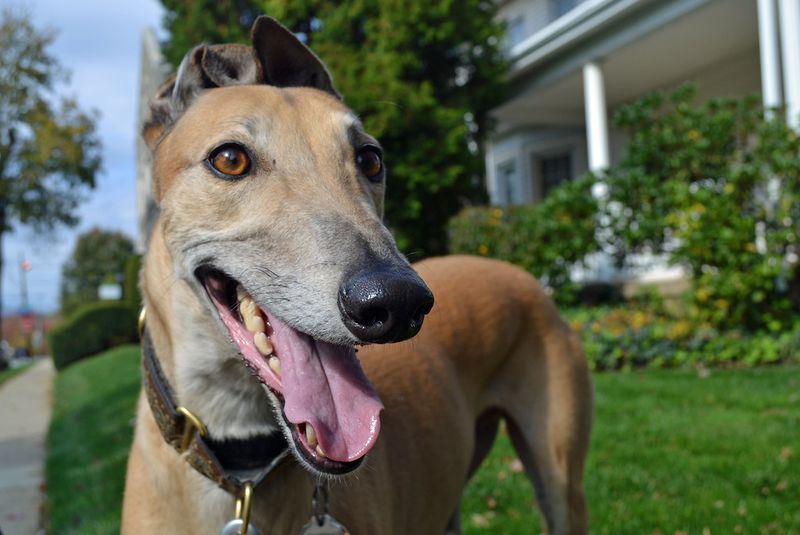
Fresh from the track or rescue, many Greyhounds nap hard yet learn house rules in a snap. They read patterns fast, like when walks happen or which drawer hides the leashes.
Sensitive feet like cushioned beds and non-slip rugs.
Use gentle guidance, soft voices, and puzzle toys to unlock their quiet brains. Short sprints in a fenced area, then nose work indoors, keep them content and focused.
English Bulldog
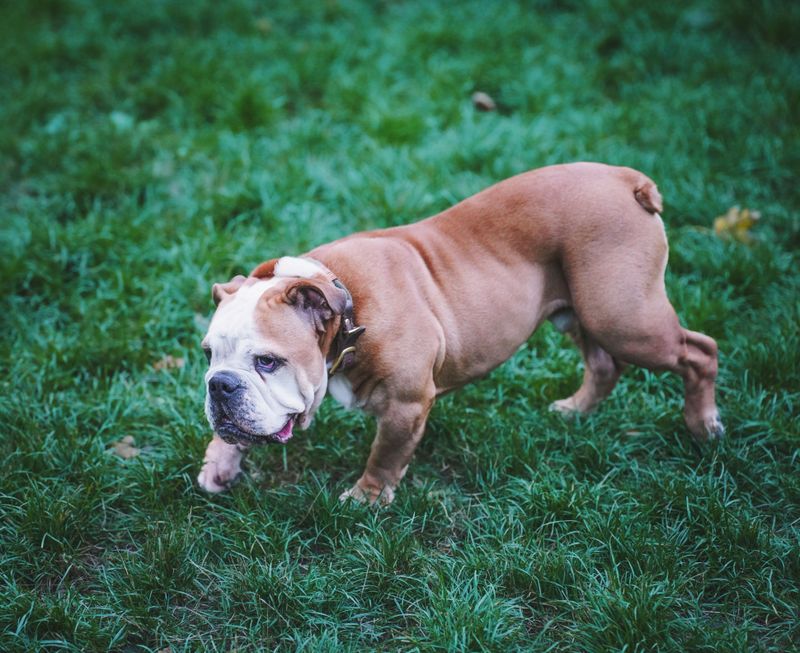
A slow shuffle to the kitchen, yet the Bulldog quickly remembers food puzzles and family routines. Short snouts can overheat, so brain games inside matter more than long jogs outside.
Try clicker sessions, five minutes each, focusing on eye contact and gentle leash manners. Teach useful tricks like pushing a door with a paw, tidying toys, and waiting for meals.
Wipe folds after training to keep skin healthy.
Basset Hound
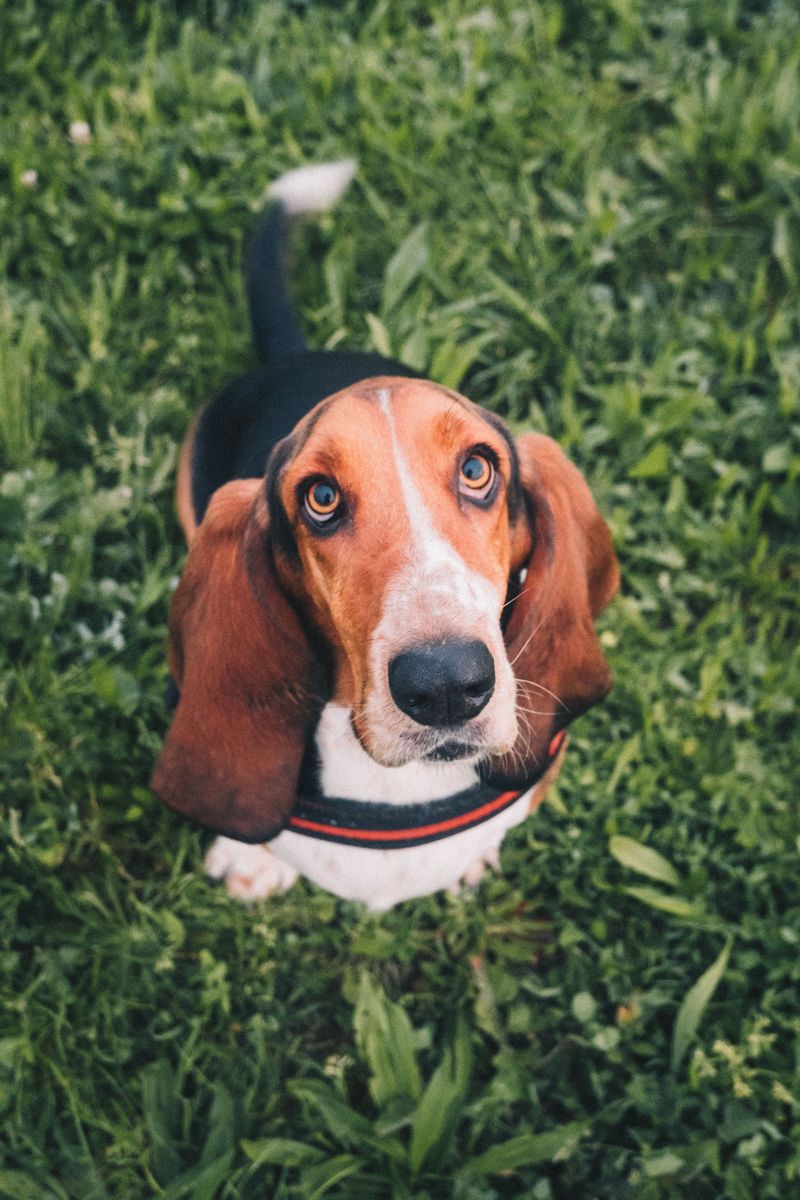
That long nose means detective-level scent skills, perfect for treasure hunts around the house. Bassets move slowly, yet they plan routes and remember where snacks last appeared.
Their ears even help sweep scent toward the nose.
Keep lessons cheerful, with frequent sniff breaks and tasty scents as rewards. Teach a strong nose-target, a steady stay, and a recall that ends in a sniff party.
Use a long line in safe areas to practice choices.
Shih Tzu
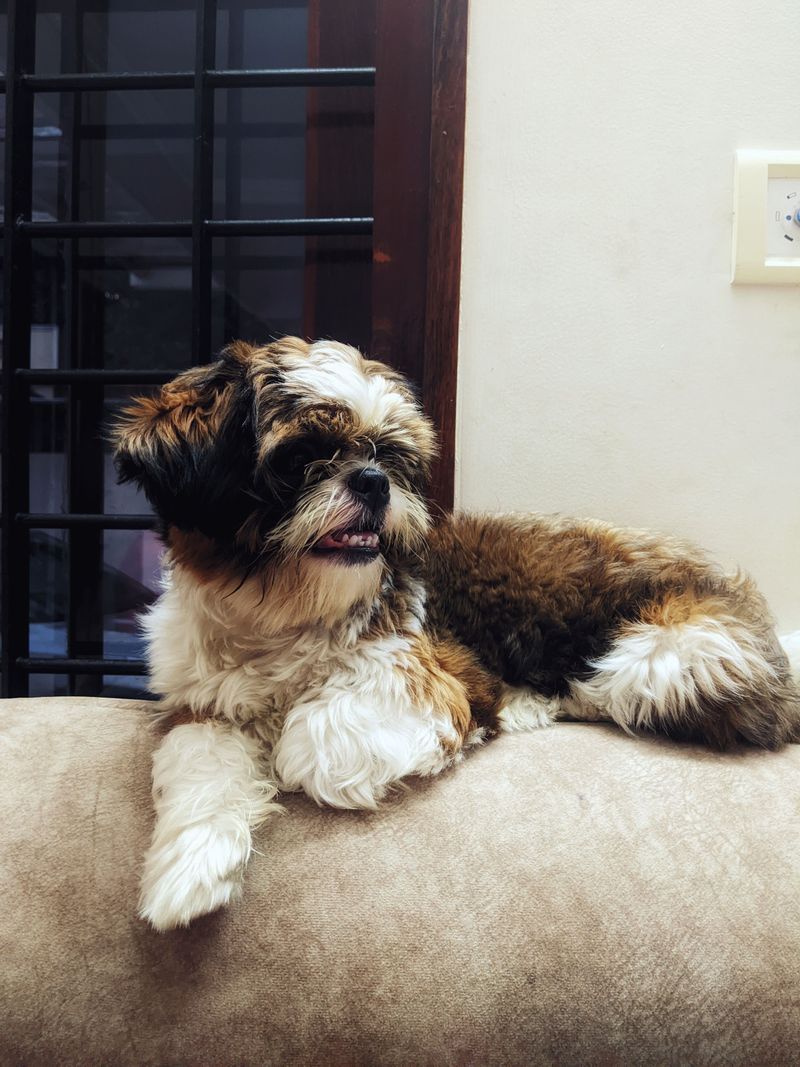
Palace history aside, a Shih Tzu often studies faces and figures out how to please you. They shine at mat training and quiet tricks that fit small spaces.
Big hearts fit in little bodies.
Keep sessions playful with tiny treats, gentle grooming breaks, and soft praise. Teach spin, touch, and go-to-bed, then add polite greetings at the door and relaxed crate time.
Watch heat closely on walks.
Bullmastiff
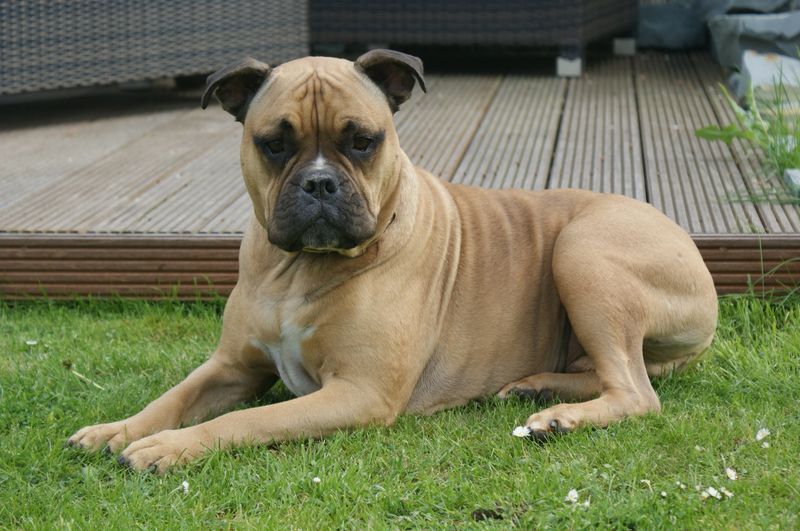
Quiet like a night guard, the Bullmastiff calmly watches, thinks, and decides before acting. That patient style hides a sharp memory for boundaries and family routines.
Short bursts of play beat marathon workouts.
Practice loose-leash walking, door manners, and place training using low-key rewards. Teach nose-targets to guide movement, reinforce calm settles, and rotate durable puzzles for rainy days.
Consistency matters because large bodies need clear rules.
Whippet
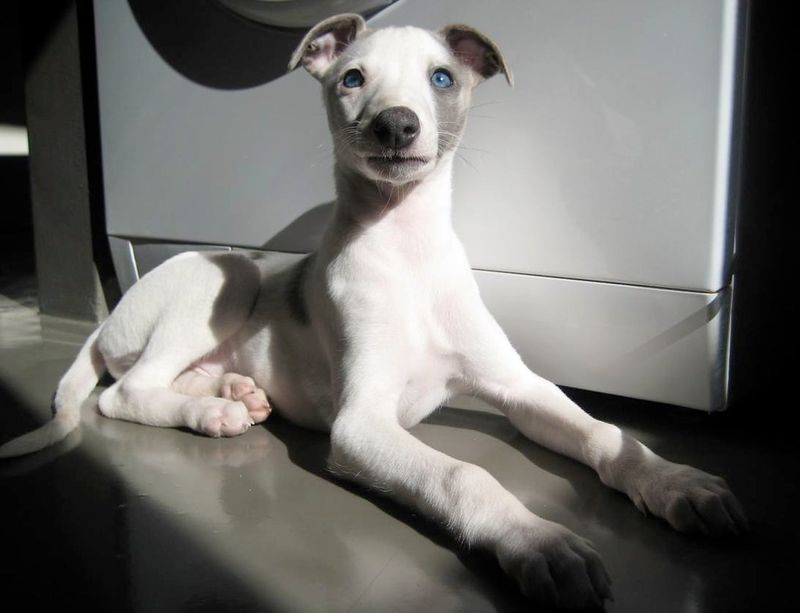
Like a feather on a sofa, the Whippet relaxes hard but thinks quickly when given a puzzle. Many learn household cues from context, such as shoes on means walk time.
Sensitive souls prefer kind voices.
Keep sprints short, then offer scent games, cardboard shredding boxes, and snuffle mats indoors. Teach settle-on-cot, soft recall, and a fun trick like bow or hop over a low bar.
Cavalier King Charles Spaniel

Big, bright eyes watch people closely, and Cavaliers often predict what you want before you ask. They pick up routines fast and excel at focus games on a comfy mat.
Short walks beat long hikes.
Train with gentle luring, light touches, and frequent cuddle breaks to reinforce calm attention. Teach chin rest for grooming, target to move away from doors, and a cheerful recall whistle.
Newfoundland
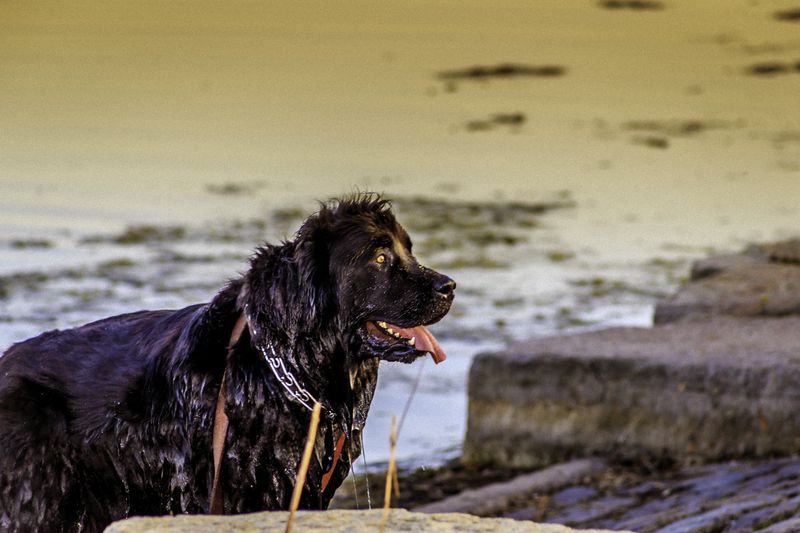
With a heart as big as its paws, the Newfoundland loves steady jobs like carrying a basket. Water history shows in problem solving, from finding the shallow path to gently towing items.
Teach cooperative care, such as ear checks and paw wipes, using treats on a floor target. Short, clear sessions build muscle memory for polite greetings, harness work, and slow, safe turns.
Keep fans and water nearby.
Japanese Chin
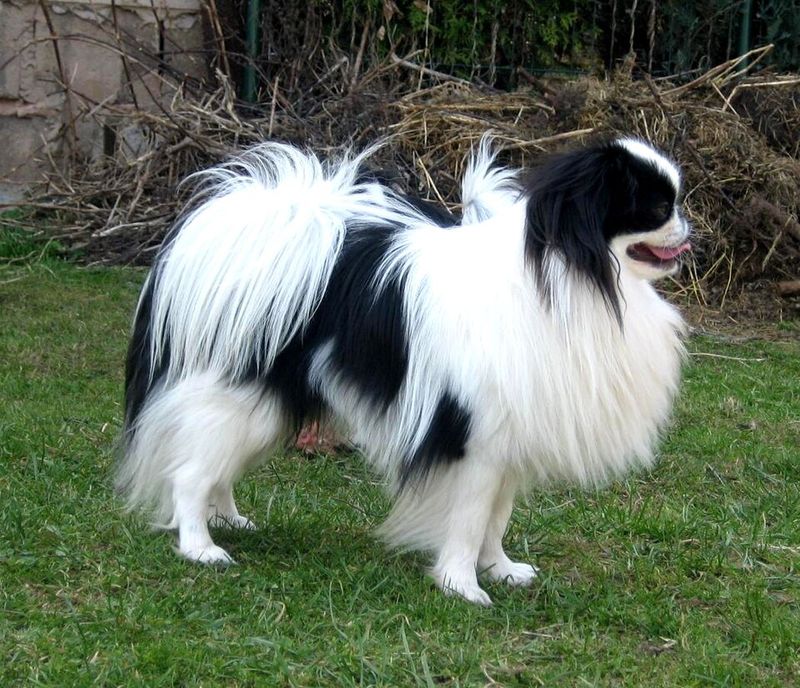
A clever spark hides behind that silky coat, and the Japanese Chin notices every small change. Many like perch spots to survey rooms and track family movement.
They bond closely yet enjoy independence.
Use tiny treats, soft clickers, and platform games to shape spins, bows, and tidy paw lifts. Rotate quiet sniff toys, teach a relaxed crate cue, and reward calm travel in carriers.
Watch for heat and drafts.
Clumber Spaniel
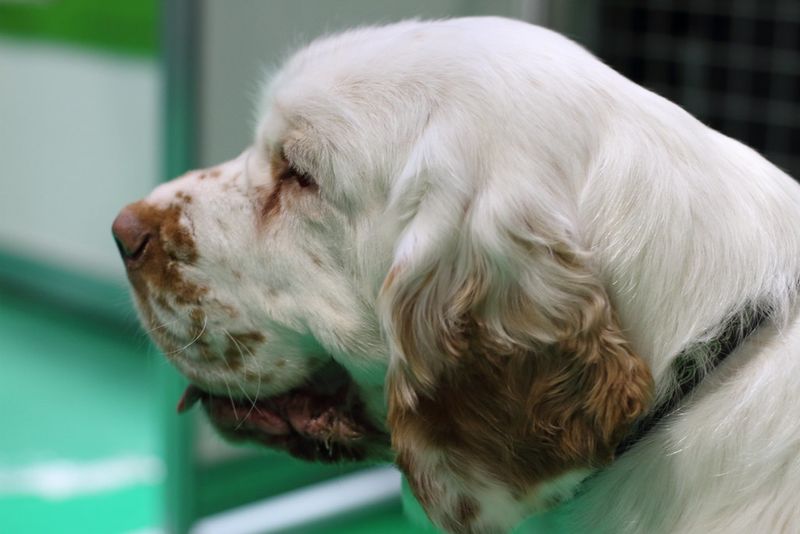
Donkey-strong and tender-hearted, the Clumber thinks carefully before moving those heavy feet. Once motivated by scent and praise, they work steadily and remember tasks for weeks.
A short warm-up loosens joints.
Hide-and-seek with socks, slow heeling in shade, and platform pivots bring out focused effort. Teach polite retrieves, calm door holds, and settling on a rug during dinner.
Keep sessions upbeat, then nap between reps.