
Your dog cannot say my skin hurts, but the clues are right there on the coat and paws. Spotting trouble early can spare your pup from pain, infections, and costly treatments.
This quick guide shows you the red flags that deserve attention and what to do next. Read on so you can act with confidence and keep that tail wagging.
Constant scratching
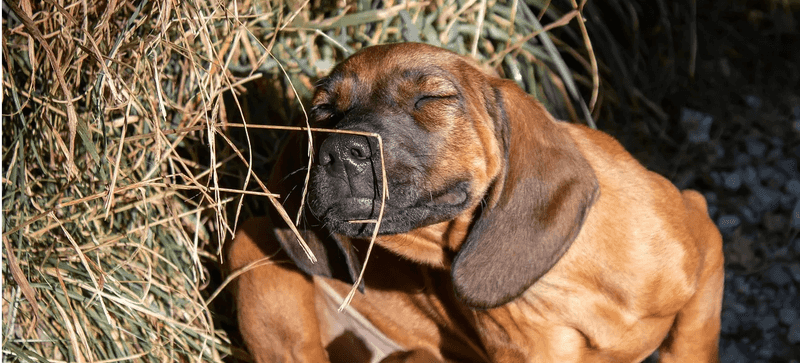
Constant scratching is more than a quirky habit. When your dog itches nonstop, skin is getting irritated and risk of infection climbs quickly.
You might notice restless nights, pawing at ears, or rubbing against furniture to find relief.
Causes range from fleas and mites to food sensitivities and pollen allergies. Look closely for flea dirt, red patches, or ear debris, and track scratching patterns with short notes on your phone.
A vet visit helps identify triggers fast through skin exams or quick cytology. Meanwhile, use a flea preventive, swap to a limited ingredient diet trial under guidance, and clean bedding weekly.
Cool oatmeal baths and soft cotton shirts can reduce scratching while you wait for answers.
Red or inflamed skin
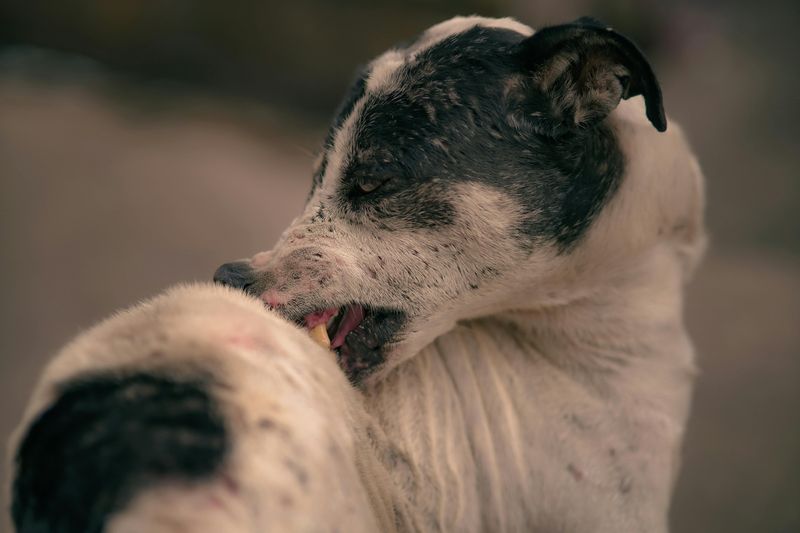
Red or inflamed skin is your dog’s flare signal. It often follows allergens, insect bites, or contact with harsh cleaners on floors and lawns.
You may see warmth, tenderness, or your pup flinching when you touch certain spots.
Do not ignore hot pink ears, irritated bellies, or redness between toes. Document changes with clear photos in daylight, then schedule a timely exam.
Vets can prescribe anti itch relief, treat infections, and guide testing for underlying allergies. At home, rinse paws after walks, switch to fragrance free products, and use a vet approved topical to calm the fire.
Cooling compresses and a cone can protect irritated areas from more damage. Do not wait if fever appears.
Hair loss in patches
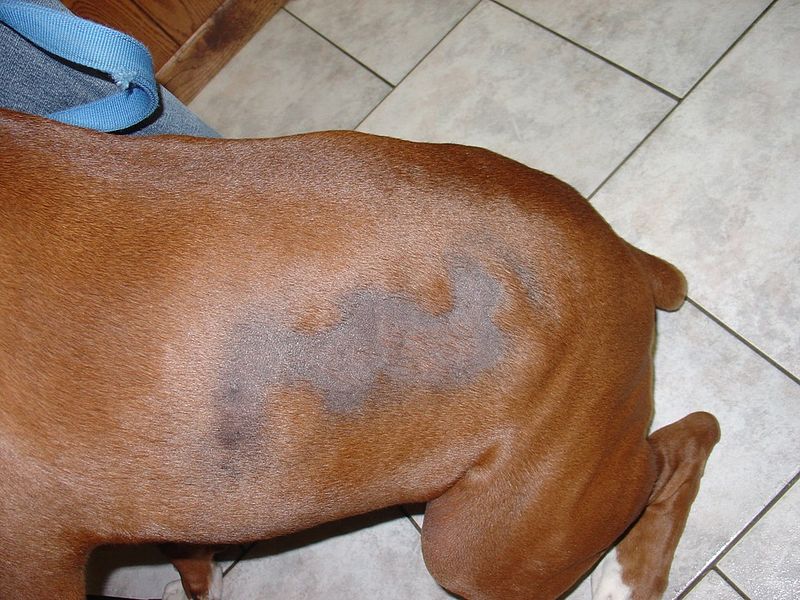
Patchy hair loss grabs attention quickly. You might notice circular bare spots, thinning along the tail base, or tufts coming out during brushing.
These patterns point toward fleas, mange, ringworm, thyroid problems, or stress related over grooming.
Check skin beneath missing fur for redness, scaling, or blackheads. Prepare history for your vet, including new foods, recent stressors, boarding, or neighborhood wildlife exposure.
Diagnostics may include skin scrapings, fungal culture, and bloodwork to rule out hormonal disorders. While waiting, prevent licking with a cone, run a thorough flea control plan, wash soft fabrics hot, and avoid harsh shampoos until a diagnosis is made.
Gentle omega rich diets and stress relief games can support healthier regrowth.
Dry or flaky skin
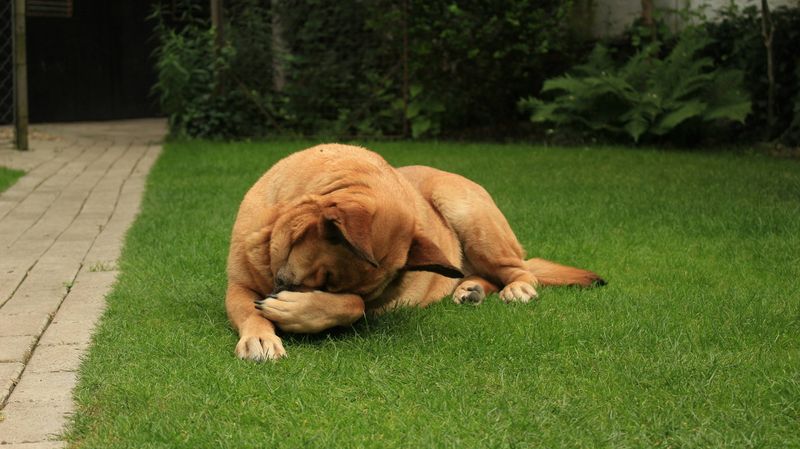
Dry or flaky skin looks like snowy dandruff on dark coats. You may notice dull fur, scratching after baths, or flakes around the collar and rump.
This often links to low humidity, harsh shampoos, parasites, poor nutrition, or underlying endocrine disease.
Start with moisture focused care. Add a vet recommended omega 3 supplement, reduce bath frequency, and switch to a gentle, fragrance free cleanser.
Brush regularly to spread natural oils and stimulate the skin. If flakes persist, ask for skin cytology, fecal screening for mites, and blood testing to spot thyroid or Cushing disease so you can treat causes, not just symptoms.
Humidifiers and balanced hydration support smoother, calmer skin through changing seasons. Ask early.
Unusual odor
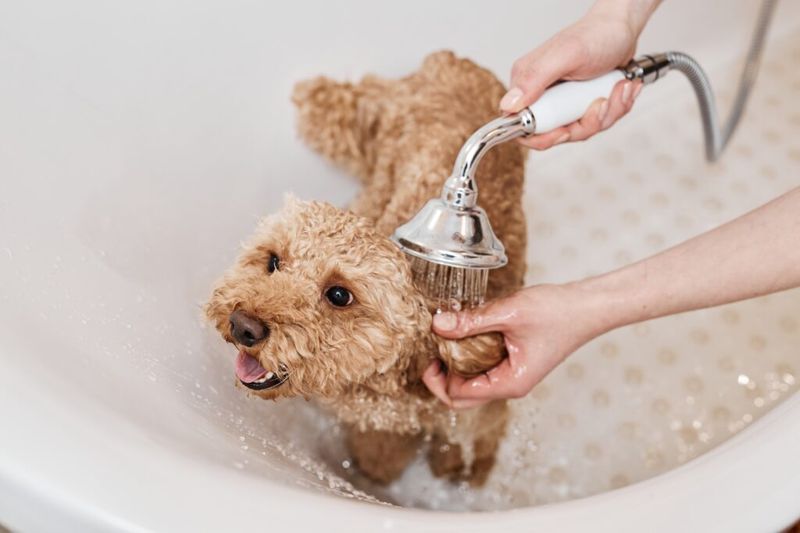
A strange, sour, or yeasty odor often signals skin infection. You might smell it on paws, ears, armpits, or along the groin where moisture hides.
Dogs may scratch more, act uncomfortable, or scoot trying to relieve the itch and pressure.
Causes include bacterial or yeast overgrowth, trapped moisture, and allergies. Wipe damp areas after swims, dry between toes, and keep ears ventilated.
A vet can run cytology, prescribe medicated cleansers, and provide targeted antibiotics or antifungals. While waiting, avoid heavy perfumes, clean bedding, and consider a hypoallergenic diet trial if odors repeatedly return despite treatment and good hygiene.
Probiotics and balanced grooming schedules help many dogs smell normal again. Trust your nose early.
Act fast.
Scabs or sores

Scabs or open sores are your cue to pause and look closer. Repeated trauma from scratching, bites, or skin infections can turn tiny spots into painful wounds.
You may notice bleeding, crusting, or sticky discharge that mats fur and invites more bacteria.
Clip surrounding hair carefully, then clean with vet approved antiseptic as directed. Monitor for fever, swelling, or foul smell, which suggests deeper infection.
Your vet may culture the area, prescribe pain control, and start antibiotics to protect healing tissue. A soft cone, breathable shirts, and calm enrichment can reduce picking while the skin seals and strengthens again.
Do not delay if lethargy or spreading redness appears. Quick care prevents scars.
Follow instructions closely.
Excessive licking or biting
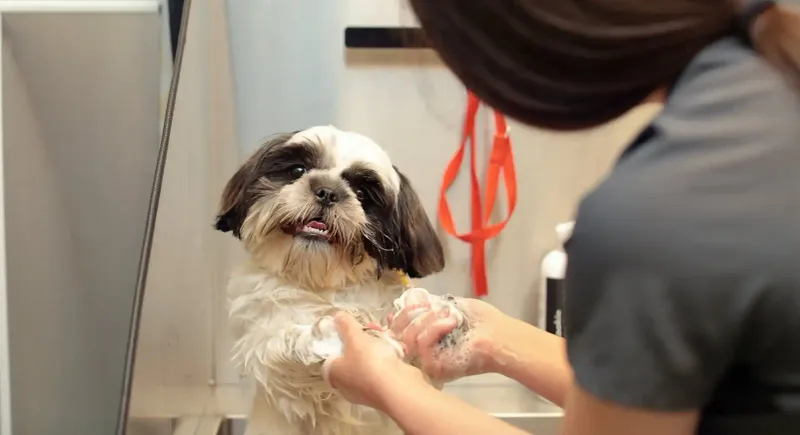
Constant licking or biting often means pain or itch is brewing beneath the fur. Dogs target paws, flanks, and the base of the tail, sometimes creating moist hot spots within hours.
You might spot stained hair, damp patches, and irritated skin that keeps your pup up at night.
Break the cycle quickly. Use a cone or booties, trim hair around wet areas, and blot with vet approved drying solutions.
Your vet will check for foreign bodies, fleas, arthritis pain, and allergies that spark the behavior. Add mental enrichment, longer sniff walks, and calming routines so stress does not push your dog back into biting again.
Bitter sprays can help, but fix the cause. Be patient.
Swelling or bumps

New swelling or bumps deserve attention fast. Sudden hives may follow insect stings, vaccines, or foods, while slow growing lumps can signal infection, cysts, or even tumors.
You might feel soft, firm, or warm areas when you run fingers along the coat.
Measure and map each spot with photos and a coin for scale. Seek urgent care if breathing changes, face swells, or vomiting starts.
Your vet may fine needle aspirate, biopsy, and stage concerning masses to plan treatment. Do not guess at home remedies; keep antihistamines only when instructed, prevent scratching, and schedule follow ups to track response and keep your dog comfortable.
Fast action can be lifesaving. Trust your gut.
Call sooner. Not later.