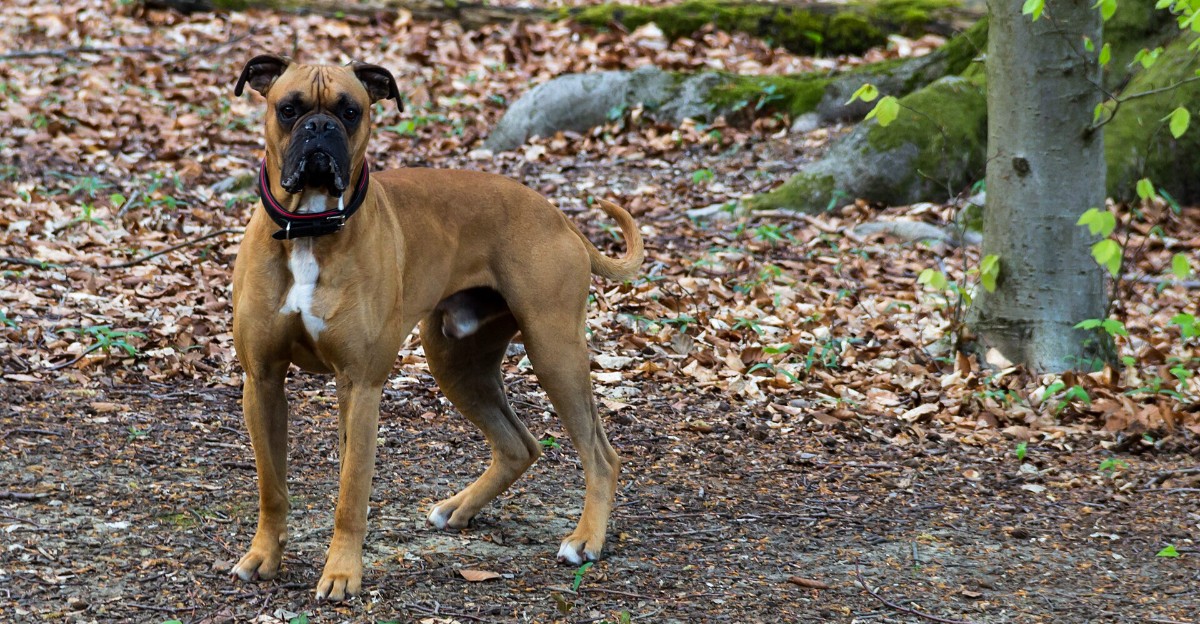
Big paws can hide soft hearts. Some dogs look mighty, yet they relax on the couch and love calm family time.
Learning about these breeds helps you pick a loyal friend who fits home life. Get ready to meet strong pups with surprisingly peaceful manners.
Newfoundland
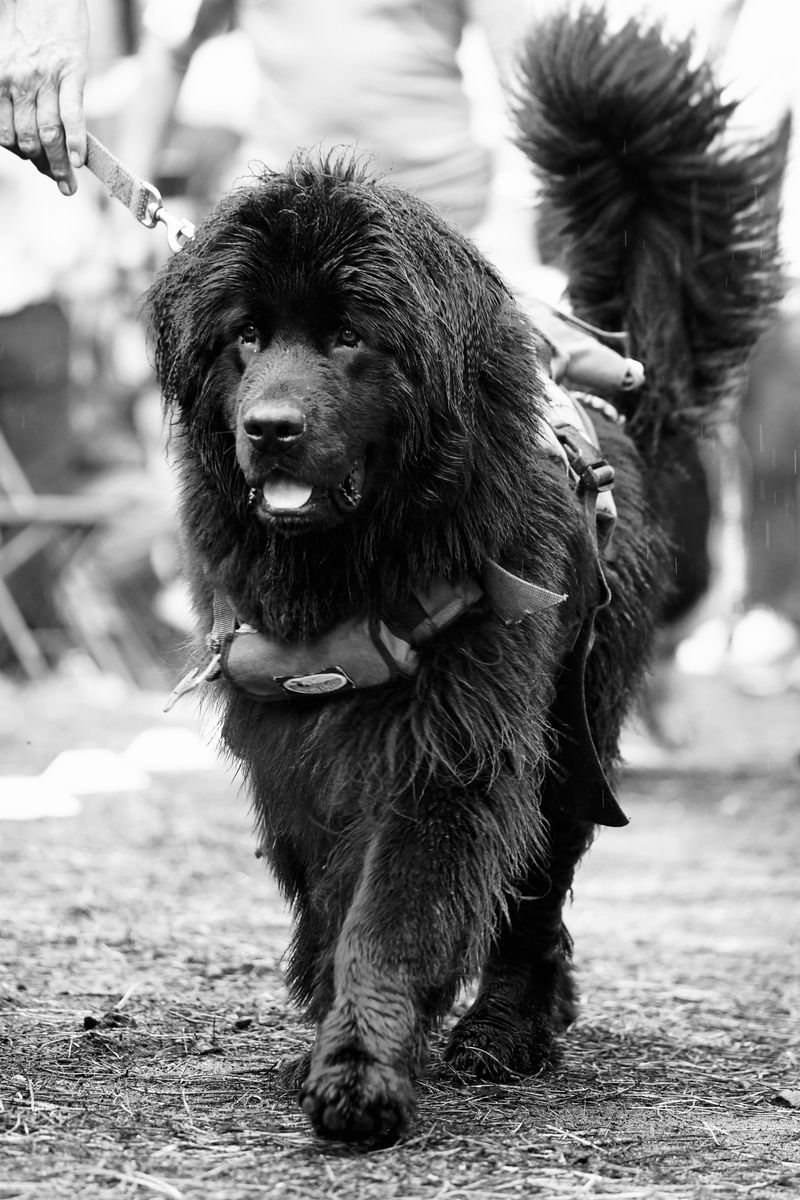
With a heart as big as its paws, the Newfoundland often chooses napping over noise. Many families know this breed for patient cuddles and steady energy.
Even with its size, it usually moves carefully around kids and furniture.
Daily brushing keeps the dense coat clean. Short, relaxed walks plus mental games work better than rough exercise.
Keep a towel for drool, offer cool water, and teach simple cues. Consistency helps this calm giant shine.
Great Dane
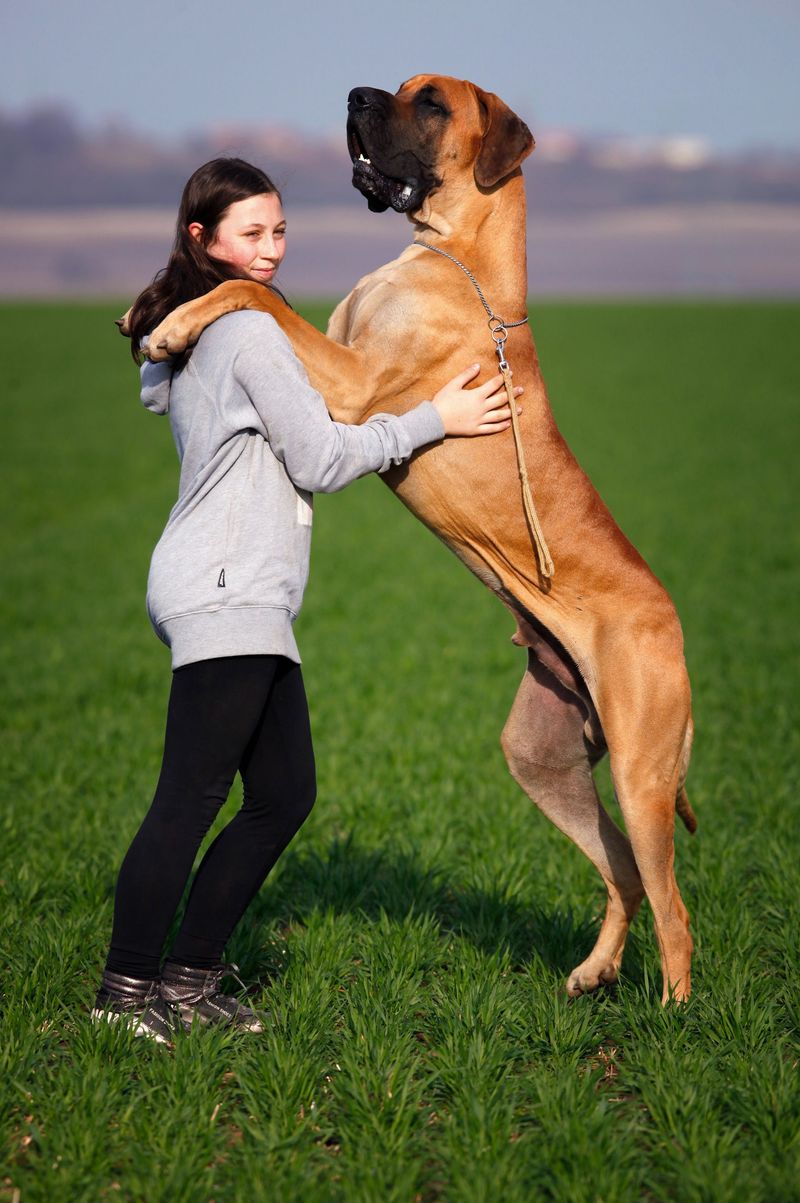
People call the Great Dane a gentle giant for a reason. Despite the towering height, many prefer leaning on their people and quietly following them from room to room.
Apartment life can work with good training and a comfy bed.
Two or three short walks keep joints happy. Use slow, steady leash habits and teach a solid sit to manage excitement.
Soft bedding, raised bowls, and clear house rules turn this big buddy into an easy roommate.
Saint Bernard
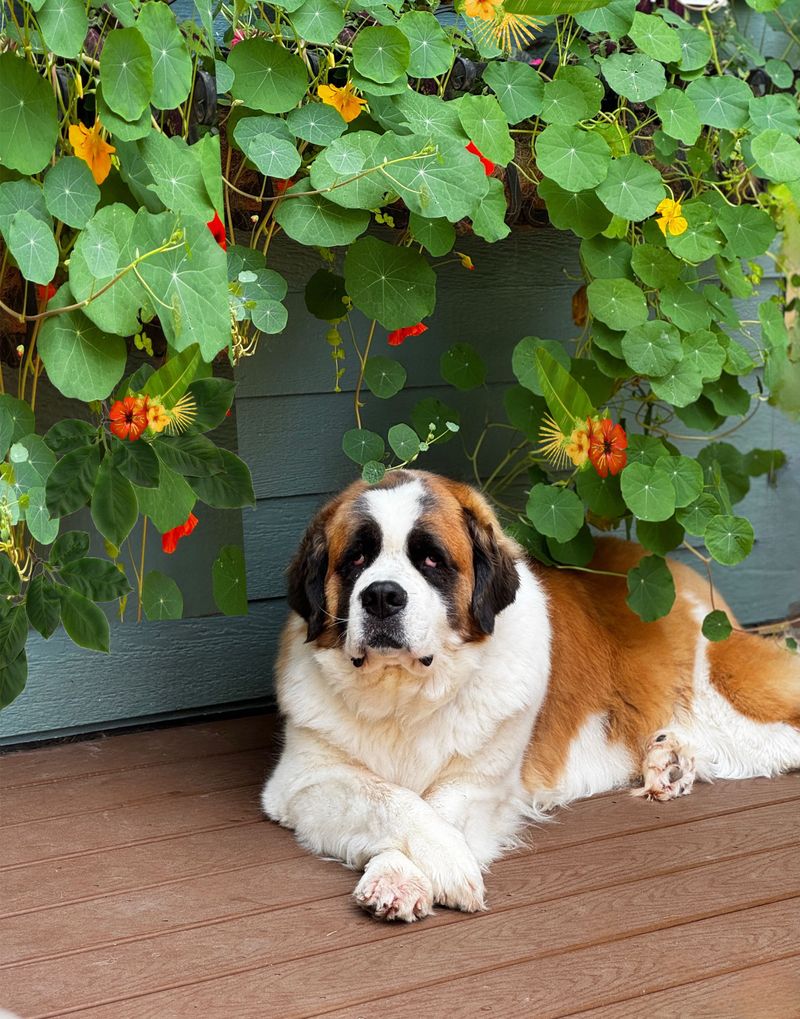
Snow rescuer by legend, sofa snuggler by choice, the Saint Bernard brings a calm vibe to family spaces. Many stroll rather than sprint and love slow mornings.
Their watchful eyes notice everything, yet they rarely make a fuss.
Groom weekly to manage shedding, and keep cool water handy since they can overheat. Short play sessions beat long runs.
Gentle, positive training builds trust. A steady routine, soft mats, and quiet praise help this mellow partner feel secure.
Bernese Mountain Dog
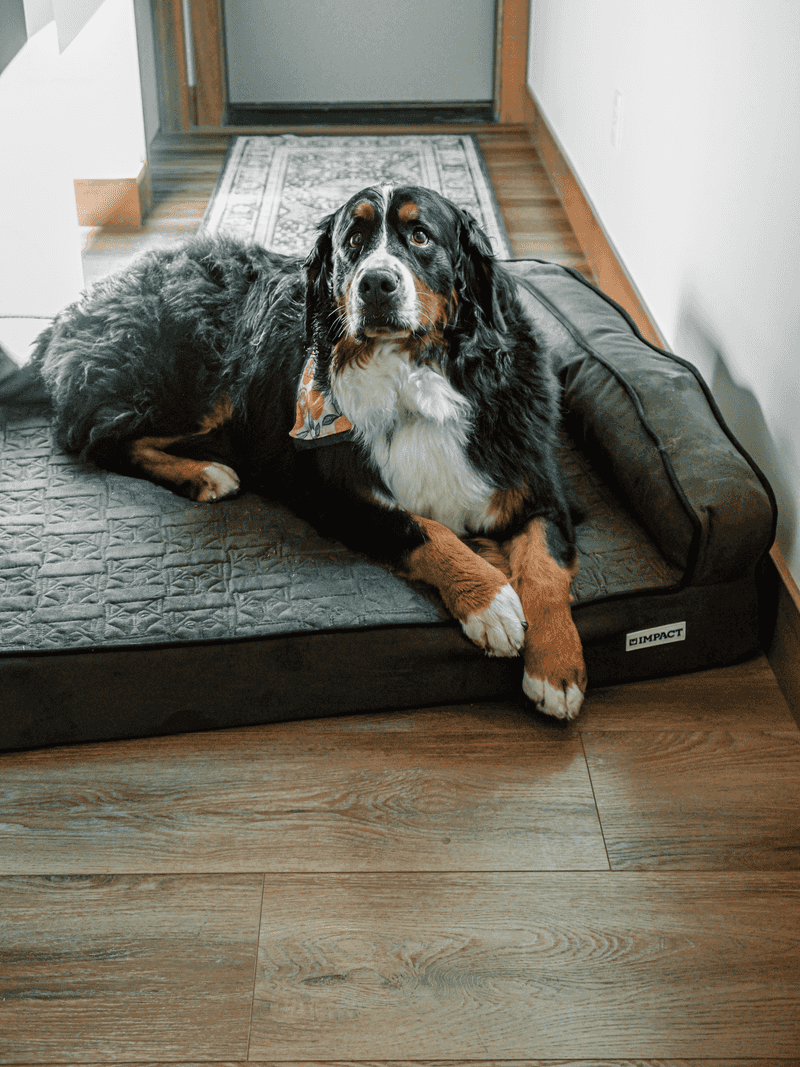
Farm roots, living room manners. The Bernese Mountain Dog often greets life with a soft expression and a wag.
Many prefer being near their people, choosing gentle play and quiet company over chaos.
Because of heavy shedding, regular brushing and a good vacuum plan help a lot. Short hikes and brain games keep them balanced.
Use kind, consistent cues and offer breaks during training. A shaded yard, cool floors, and predictable mealtimes support their calm rhythm.
Irish Wolfhound
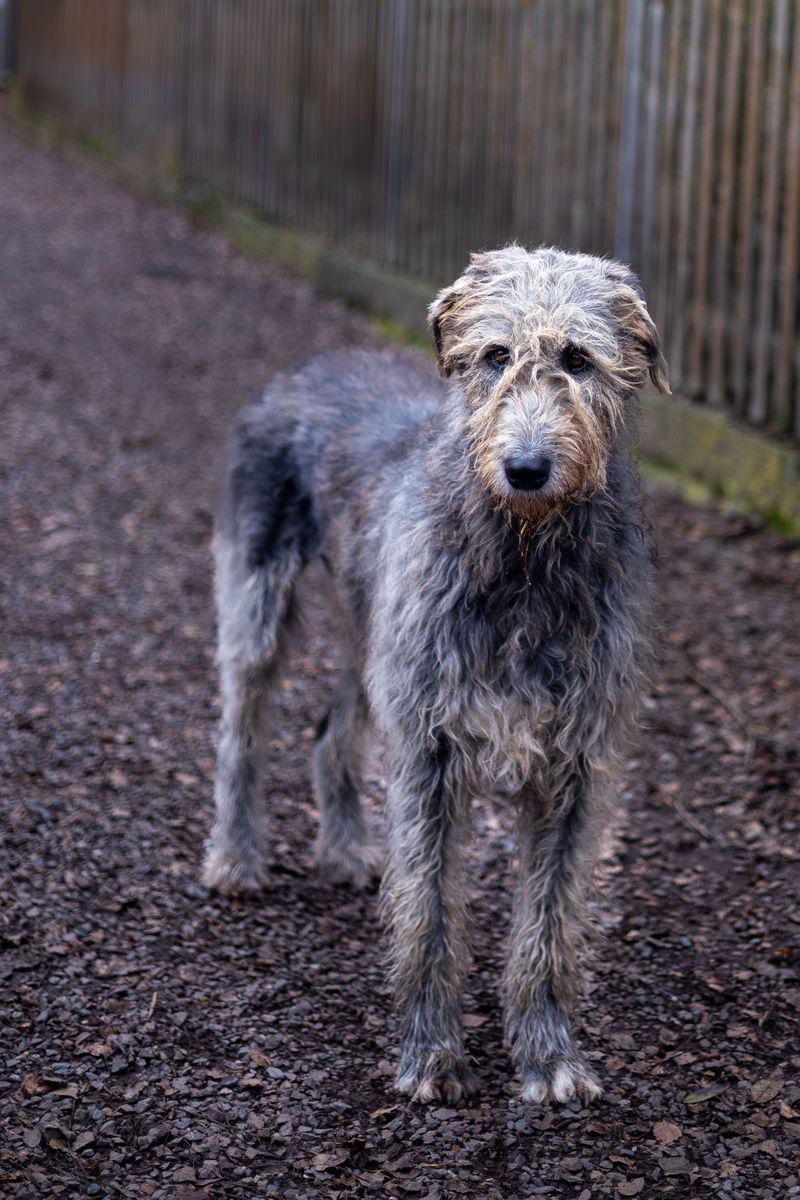
Tall like a storybook guardian, the Irish Wolfhound often moves with quiet grace. Many enjoy brief zooms, then settle fast, choosing floor space over furniture.
Their kind eyes and unhurried steps bring a peaceful feel to the home.
Because of size, teach easy manners early, like wait at doors and gentle leash walking. Provide supportive bedding for joints.
Short, regular outings fit better than intense workouts. Calm greetings and steady routines help this giant feel confident.
Leonberger
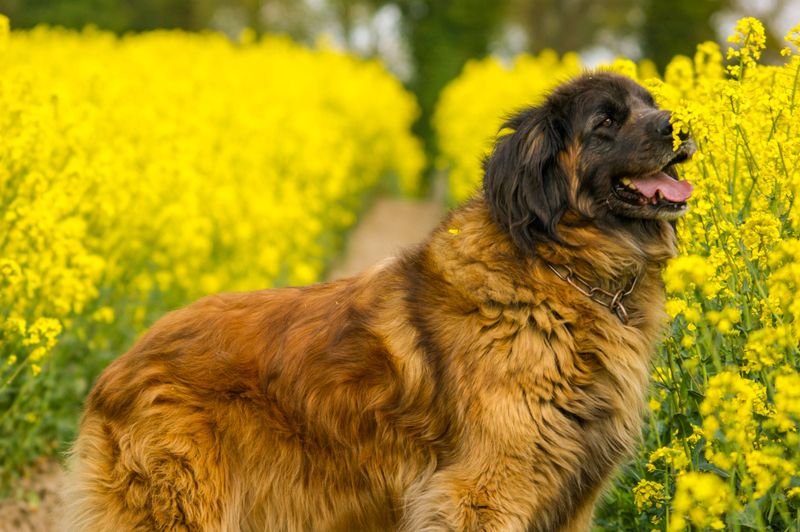
Picture a lion-like coat paired with a thoughtful spirit. The Leonberger often reads the room and relaxes when family time gets busy.
Many are social yet polite, choosing to sit and observe rather than push for attention.
Regular grooming keeps that mane looking great and reduces shedding tumbleweeds. Short training bursts work best, using treats and praise.
Balanced exercise plus cool rest spots prevent overheating. Clear boundaries and consistent schedules keep this big sweetheart composed and easygoing.
Great Pyrenees
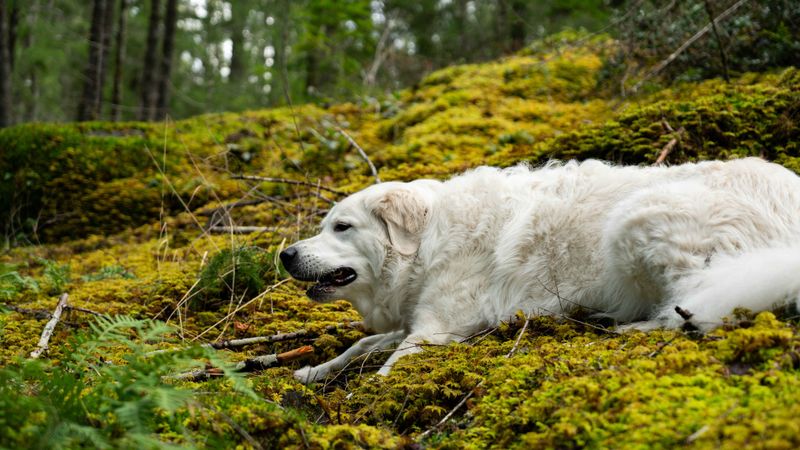
Guardian by night, cloud on the floor by day, the Great Pyrenees often prefers quiet watch duty at home. Many are independent thinkers who enjoy calm spaces and soft praise.
They like to observe, not rush.
Because they guard, early socialization matters. Teach a reliable recall and reward calm choices.
A secure fence, regular brushing, and cool resting spots help. Keep walks steady and avoid harsh corrections.
With patience and routine, their steady presence becomes comforting furniture-level calm.
Bullmastiff
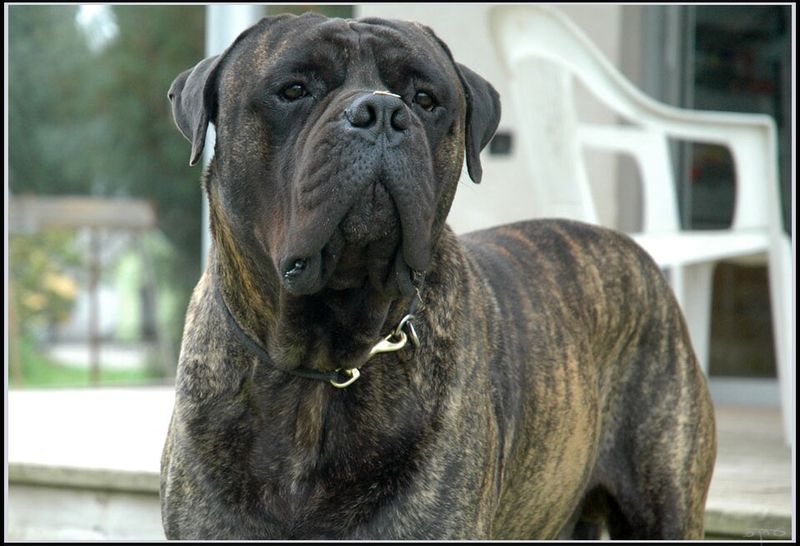
Quiet strength defines the Bullmastiff. Many prefer to nap within sight of their favorite humans, rising only when needed.
Their calm stare and low-key attitude make them easy housemates in smaller spaces.
Short, consistent walks protect joints. Focus training on polite greetings and gentle leash skills.
Use durable chews to satisfy the need to mouth without chaos. Keep sessions brief and positive.
With structure, this solid friend trades bravado for steady, sofa-adjacent loyalty.
English Mastiff
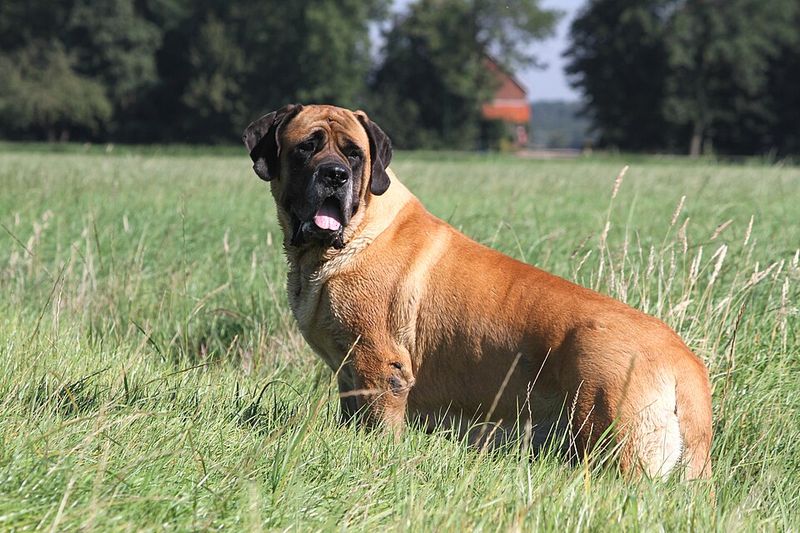
Despite the massive frame, the English Mastiff often acts like a quiet shadow. Many are content to snooze while you work or study.
Their slow movements and soft eyes bring a soothing feel to the house.
Protect joints with soft bedding and non-slip rugs. Keep exercise gentle but daily, like short neighborhood loops.
Training should be calm and clear. Watch portions, since weight adds strain.
Provide chew time, cool air, and routine vet checks to keep that mellow spirit thriving.
Greyhound

Racing past is their past, but resting hard is their hobby. The Greyhound is famous for sprinting, then snoozing.
Many prefer soft beds and quiet rooms, making them surprisingly good indoor companions in urban homes.
Short bursts of play and a few walks meet their needs. Gentle coats mean they love cozy sweaters in winter.
Teach calm doorway manners and reward relaxed leash skills. Puzzle toys and snuggle time round out a surprisingly low-maintenance routine.
Rottweiler

Behind the strong build, many Rottweilers are steady house companions who enjoy structure. They relax when they know the plan, like set walk times and restful evenings.
A confident handler plus clear rules creates a peaceful home rhythm.
Start training early with positive methods. Practice settle-on-mat and quiet greetings.
Offer durable toys and scent games to use their brain. Regular exercise keeps energy balanced.
With leadership that is fair and kind, their loyal side shines indoors.
Doberman Pinscher
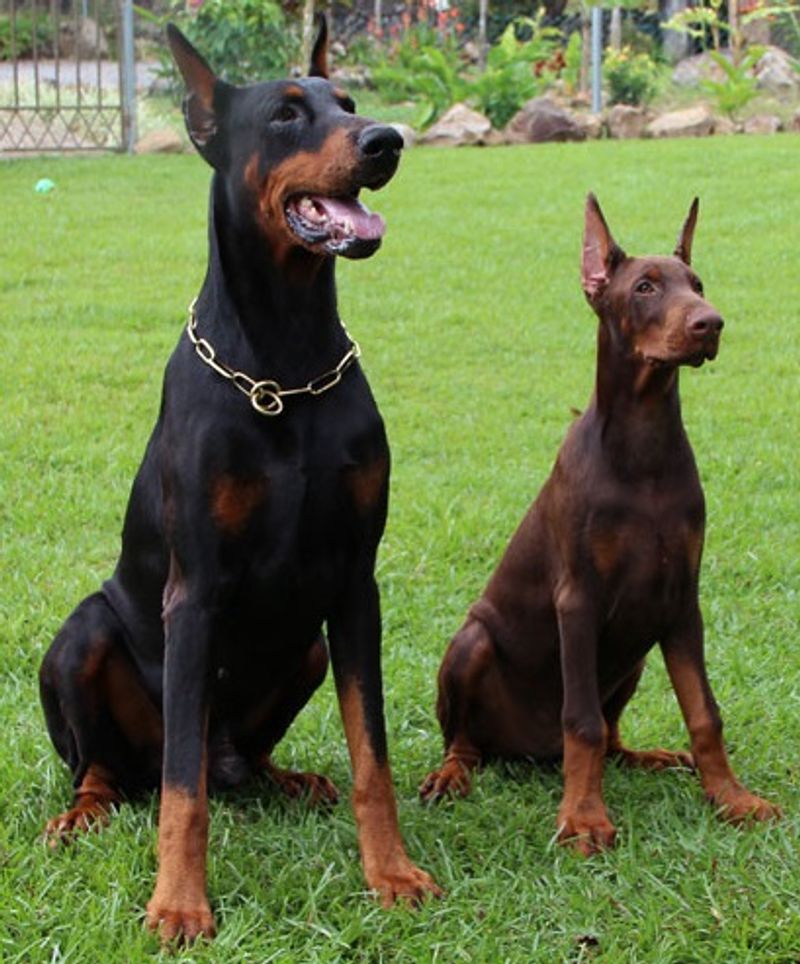
Elegant looks meet living room manners when a Doberman gets good guidance. Many are people-focused and settle nicely once their daily exercise is met.
They like learning, then lounging beside their favorite person.
Teach impulse control games, like waiting for food and walking calmly past distractions. Keep training upbeat and brief.
Provide a job, such as carrying a soft toy or practicing place. After a solid routine, this sharp thinker transforms into a relaxed roommate.
Boxer
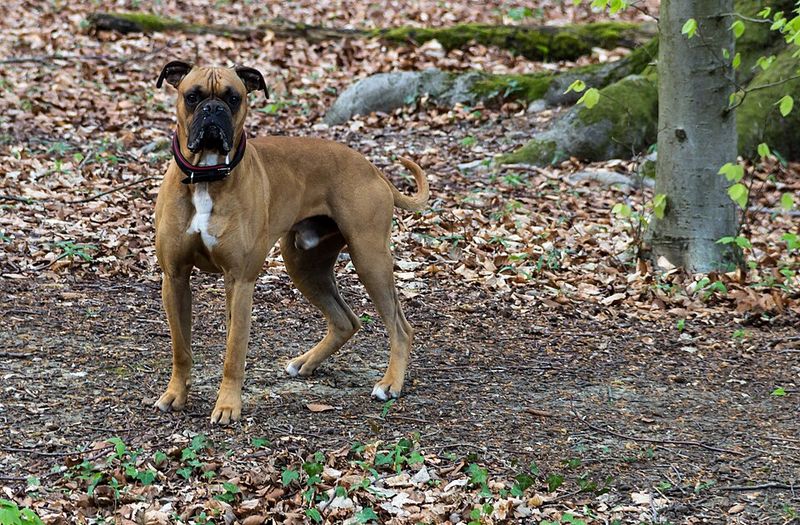
Goofy outside, cuddly inside, the Boxer brings cheerful energy that fades into cozy naps. Many love to clown around, then curl up once the fun is done.
Their expressive faces and wiggle-butts make family time feel bright.
Channel pep with short training games and puzzle feeders. Regular walks and gentle fetch help them unwind.
Use positive cues and reward calm lying down. A routine bedtime and comfy crate create a peaceful close to their playful day.
Cane Corso
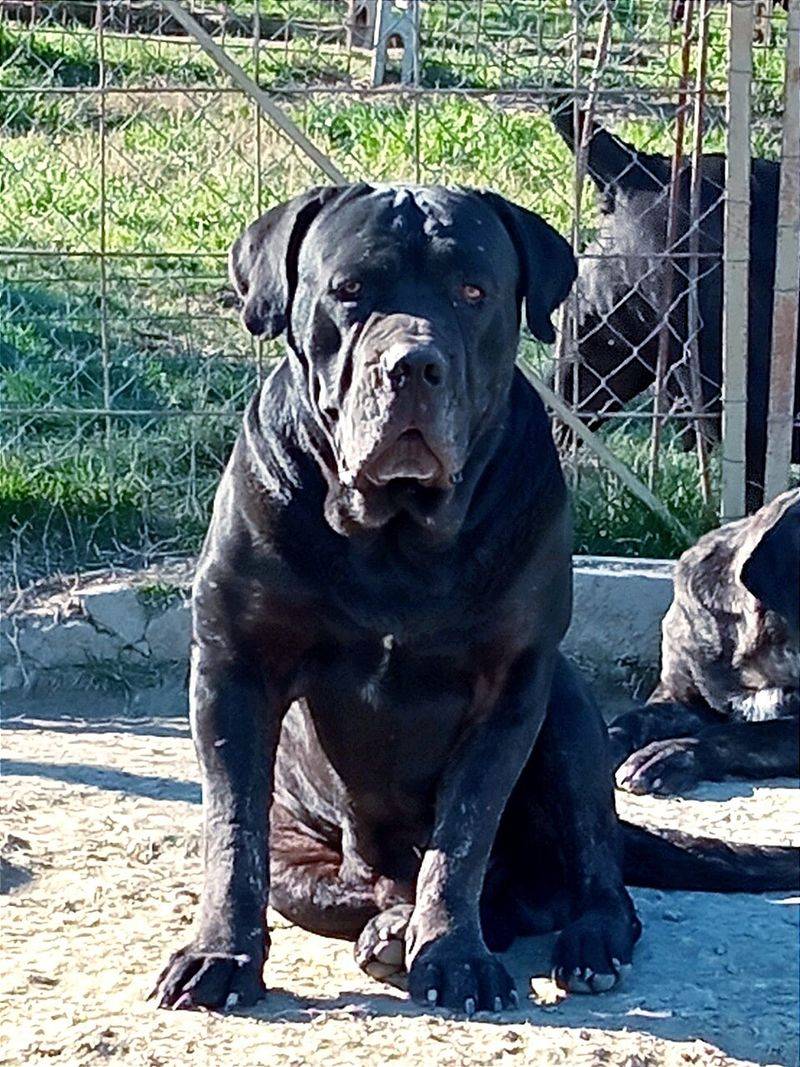
Powerful looks can hide a thoughtful homebody. With training and social time, many Cane Corsos are composed indoors, choosing to watch rather than rush.
Clear boundaries help them relax and trust their routine.
Focus on early manners, like polite door behavior and quiet settles. Keep exercise steady, not frantic.
Mental work, such as scent searches or obedience drills, tires the mind. Support joints with a quality bed and keep sessions positive.
Calm leadership builds a confident, restful companion.