
That little snowfall of white flakes on your couch might not be lint. Once the furnace kicks on and the air turns dry, plenty of dogs start scratching, licking, and shedding dandruff like it’s their new hobby.
The good news is that a few simple changes at home can make a real difference. Here are nine practical ways to keep your dog’s skin calm and comfortable all winter long.
Run a Humidifier Where Your Dog Sleeps

Indoor heating is sneaky. Forced-air furnaces pull moisture out of the air, and many homes drop well below the 30 to 50 percent humidity range often recommended for comfort.
Your dog’s skin feels that dryness just like your lips and hands do.
A cool-mist humidifier placed near your dog’s bed can help put some of that moisture back. Since dogs spend a big chunk of the day sleeping, the spot where they snooze is the smartest place to start.
Clean the tank regularly, as manufacturers recommend, so mold and bacteria don’t build up. Keep cords tucked away from curious chewers, and skip adding essential oils to the water, since some oils can irritate or even be toxic to pets.
Cut Back on Bath Time
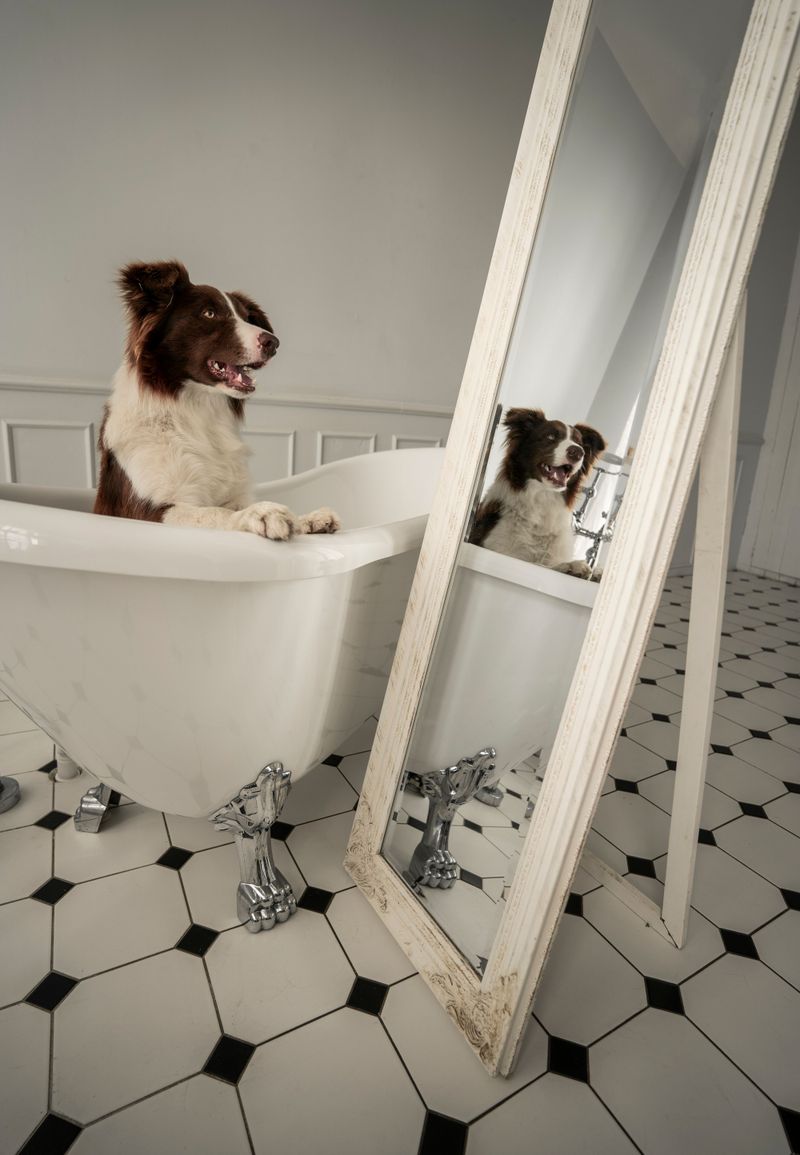
Here’s a twist many owners don’t expect: more baths can mean more flakes. Shampoo washes away dirt, but it also strips the natural oils that keep skin protected.
The ASPCA notes that many dogs only need a bath about once every three months, unless they get dirty or have a skin condition that calls for medicated washing. In winter, stretching the time between baths is often a kind thing to do.
When you do bathe, use lukewarm water rather than hot. Rinse thoroughly, because leftover soap residue is a common culprit behind itchy patches.
Switch to a Moisturizing, Dog-Specific Shampoo
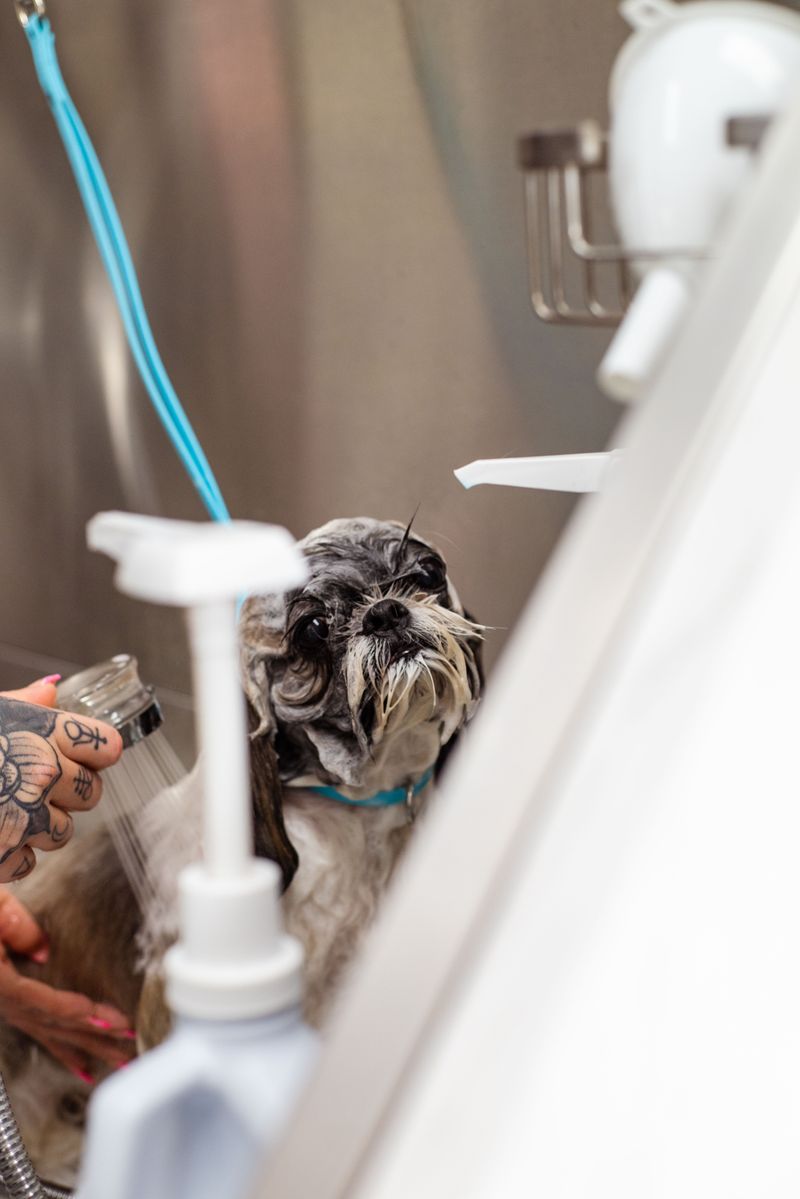
Grabbing your own shampoo off the shelf feels convenient, but it’s not a great idea. Human skin is more acidic than dog skin, so products made for people can disrupt a dog’s skin barrier and leave it drier.
Look for gentle, soap-free formulas made for dogs. Colloidal oatmeal is a popular ingredient for soothing itchy skin, and some formulas include ceramides or aloe to help hold in moisture.
Fragrance-heavy products can bother sensitive dogs, so unscented options are a safe bet. If your dog already has diagnosed skin issues, your vet may suggest a specific medicated shampoo instead.
Brush More Often Than You Think You Need To
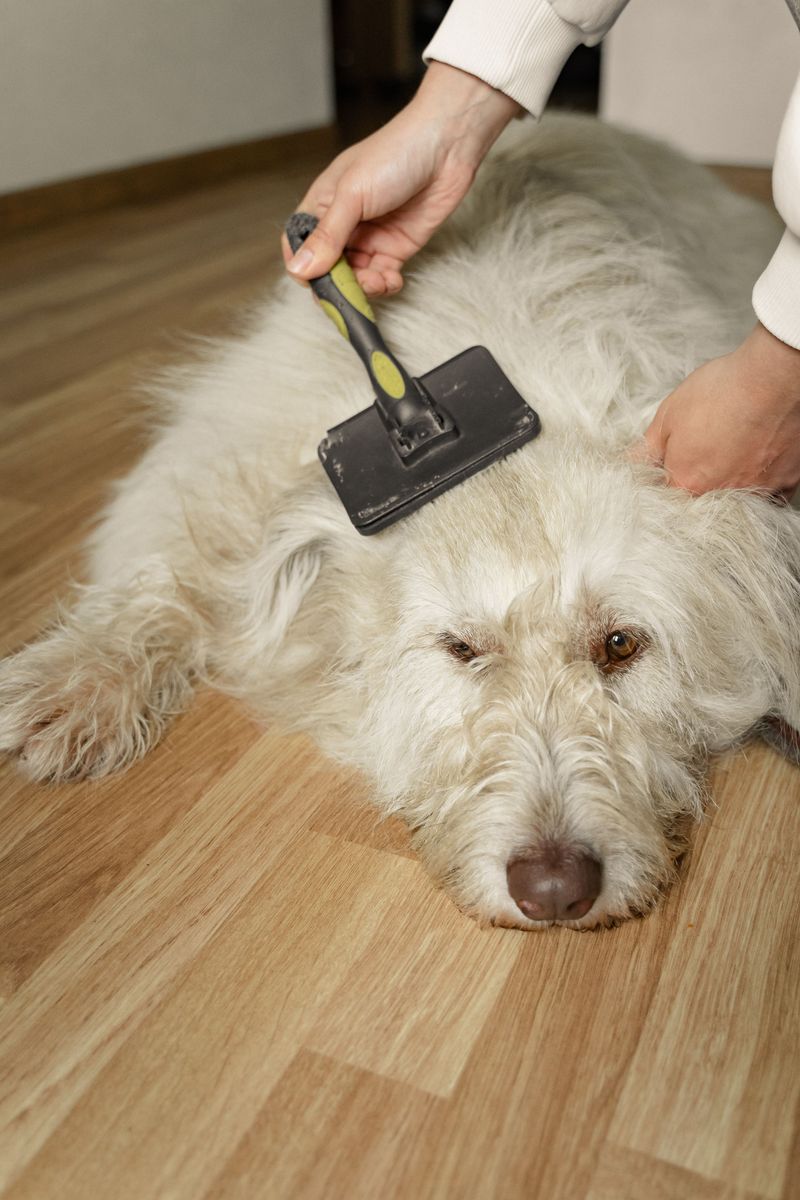
Brushing does far more than tame tangles. Each session helps spread your dog’s natural skin oils along the hair shaft and lifts away dead skin and loose fur before it turns into a flaky mess.
Double-coated breeds such as Siberian Huskies, Shetland Sheepdogs, and Australian Shepherds can trap dead undercoat close to the skin. That trapped fluff holds dander and can make itching worse.
A few minutes several times a week is plenty for most dogs. Choose a brush that suits the coat, and go gently so you don’t scrape already tender skin.
Many dogs come to enjoy it as quiet bonding time.
Add Omega-3 Fatty Acids to the Menu
Healthy skin starts on the inside. Omega-3 fatty acids, especially EPA and DHA from fish oil, help support the skin barrier and have anti-inflammatory effects that veterinary dermatologists commonly use to help dogs with itchy skin.
Results don’t happen overnight. It often takes several weeks of consistent use before you notice a softer coat and less scratching.
Talk with your vet about the right product and dose, since too much fish oil can upset the stomach or affect blood clotting. Supplements made for pets are easier to dose correctly than human capsules.
Keep the Water Bowl Full and Fresh
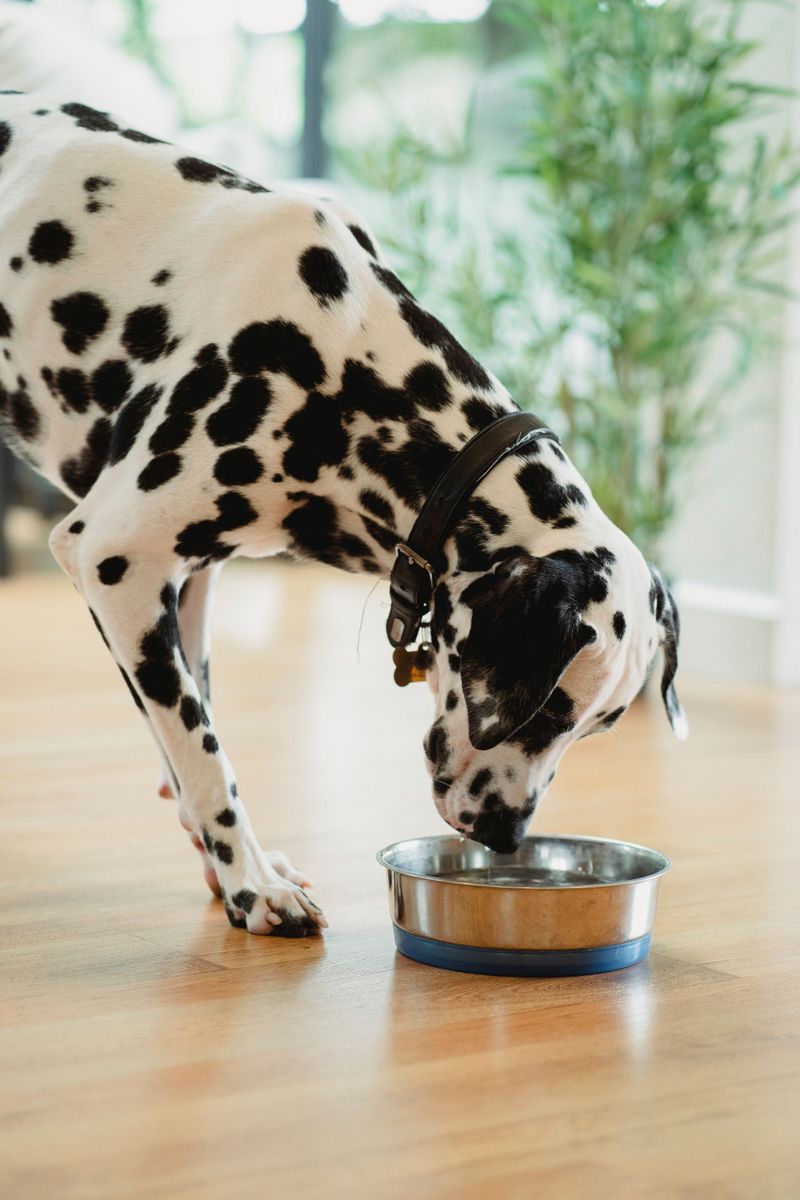
Cold weather can make thirst less obvious, for people and pets alike. Dogs may drink less in winter, especially if their water sits in a chilly corner or near a drafty door.
Hydration plays a role in overall skin health, so make water easy and appealing. Refresh the bowl at least once a day, wash it regularly, and consider adding a second bowl in another room.
Some dogs drink more from a pet fountain because moving water seems to attract them. Adding a bit of wet food to meals is another simple way to sneak in extra moisture.
Protect Paws From Salt and Ice
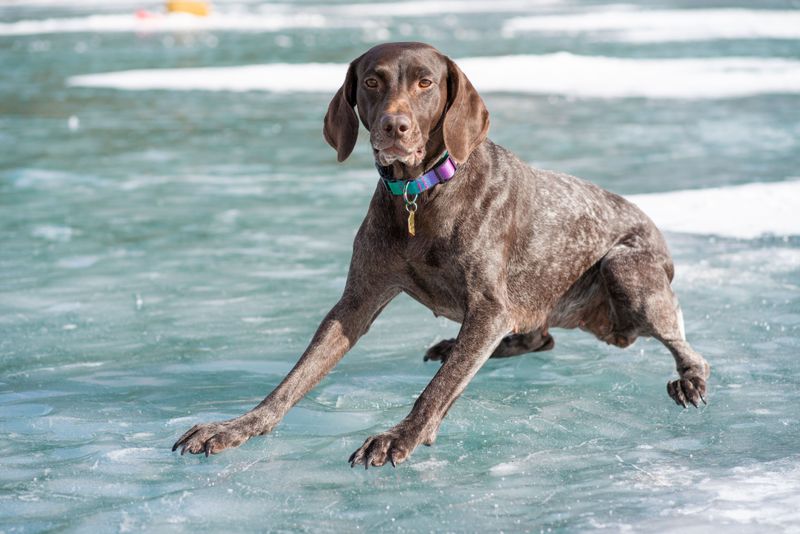
Paw pads take a beating every winter. Rock salt and chemical de-icers can dry out and crack pads, and dogs may lick the residue off their feet later, which can upset the stomach.
Dog booties offer the best protection, though many pups need some patient, treat-filled practice before they’ll walk normally in them. A wax-based paw balm is a good alternative for dogs who refuse boots.
After every walk, wipe paws with a damp cloth and dry them well, including between the toes. Trimming the fur between pads also keeps ice balls from forming.
Give Short-Coated Dogs a Warm Layer
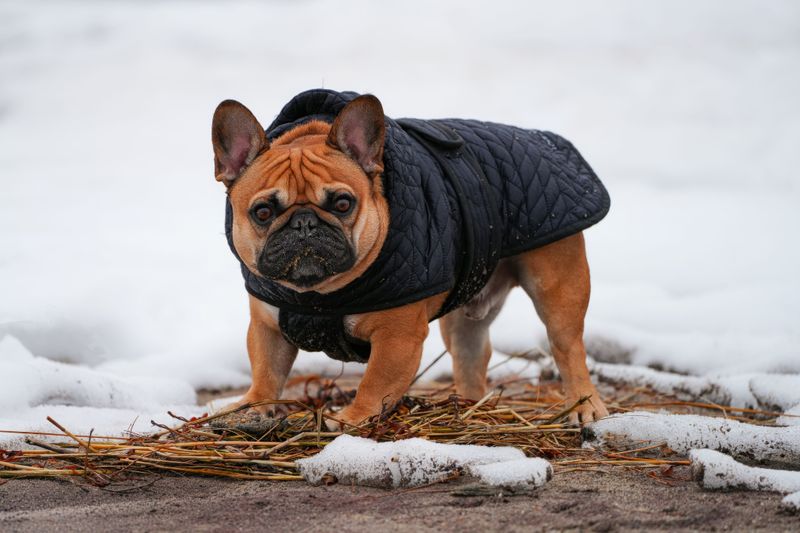
Not every pup is built for frosty mornings. Breeds with thin coats and little body fat, such as Whippets, Greyhounds, Chihuahuas, and Italian Greyhounds, feel the cold quickly.
A well-fitted coat or sweater shields skin from biting wind, which can dry and chap exposed areas. Look for one that covers the belly and chest without rubbing under the legs.
Wash the coat now and then with a mild, fragrance-free detergent. Rough or dirty fabric can irritate skin, which defeats the purpose of bundling up.
Know When to Call the Vet
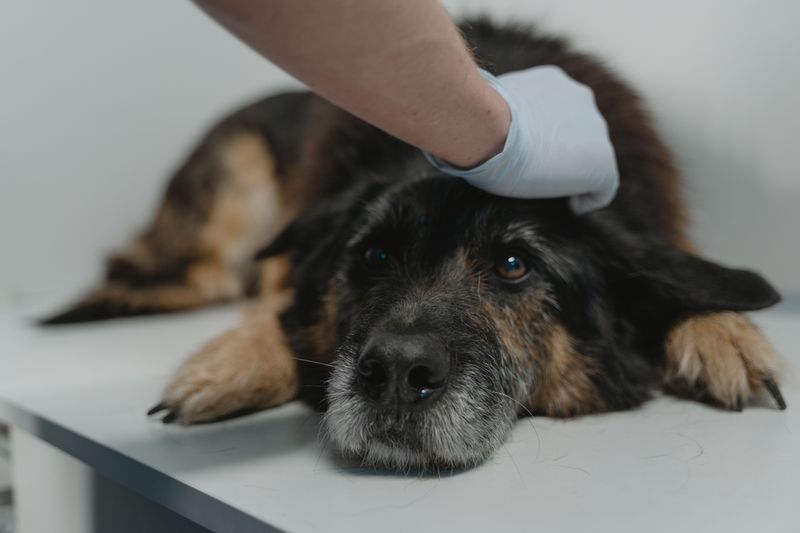
Sometimes the problem isn’t the weather at all. Allergies, fleas, mites, fungal or bacterial infections, and hormone issues like hypothyroidism can all cause itching and flaking that looks a lot like ordinary dry skin.
Watch for red patches, hair loss, scabs, a bad smell, greasy flakes, or nonstop scratching that disturbs sleep. Those signs deserve a professional look rather than more home remedies.
Your vet can run simple tests like skin scrapings or cytology to find the real cause. Catching it early usually means a faster, easier fix and a much happier dog.
Winter doesn’t have to mean months of scratching. With a little moisture, smart grooming, and good nutrition, your dog can stay comfortable until spring.