
Cities and countries keep tightening rules on e-collars, and the arguments are getting louder. If you own a high-drive sporting dog, you have probably seen your breed come up in heated threads asking whether these tools should be allowed.
The nuance gets lost fast, yet training realities differ wildly between living rooms and bird fields. Let’s look at the breeds most often cited so you can parse the noise and make informed, humane choices.
German Shorthaired Pointer

German Shorthaired Pointers are brilliant, intense, and always scanning the horizon. In debates about e-collars, they get cited because their prey drive can overwhelm recalls when birds flush.
You will hear hunters argue for reliable off leash control, while pet owners push for force free alternatives.
Both sides agree this breed needs structure, miles, and clear communication. If restrictions expand, prepare to double down on long lines, whistle cues, and layered reinforcement.
Thoughtful conditioning matters far more than the tool itself, because confusion fuels pressure.
When people ask if it should be allowed, the better question is how to ensure fairness. Train early, proof gradually, and let the dog’s welfare guide each decision.
English Springer Spaniel
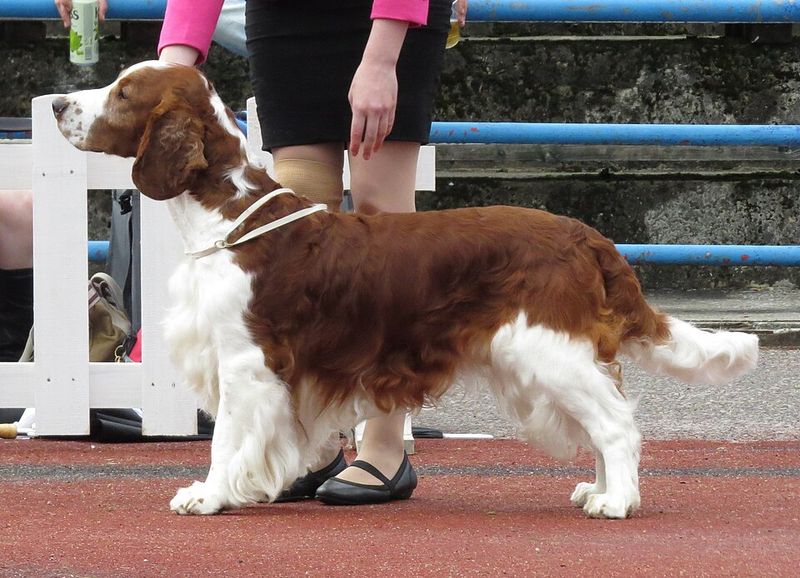
English Springers explode with enthusiasm, which is why they feature in these threads. In heavy cover, a flushed pheasant can make any cue evaporate, and handlers want insurance for safety.
Critics counter that modern spaniel work can be built with patient patterning, clickers, and carefully managed arousal.
Springers thrive when tasks are bite sized and exciting, not punishing. Tightening rules mean handlers should master stop whistles, tactile targets, and long line drills.
That process yields steadiness that holds when adrenaline spikes.
Ask yourself whether your dog understands pressure before introducing any. If laws remove the option, invest in foundations that mimic real hunts.
The goal is calm responsiveness, not suppression of joy or curiosity.
Labrador Retriever

Labs are beloved family dogs and hard charging retrievers, so their inclusion sparks emotion. Waterfowl work demands long swims, blinds, and steadiness under gunfire.
Supporters say an e-collar can translate at distance when whistles fail in wind, while opponents emphasize modern marker training and careful casting drills.
Because Labs live in diverse homes, blanket rules often miss context. If restrictions spread, handlers will rely more on conditioned reinforcers, check cords, and environmental setups that reduce failure.
Consistency, not gadgets, builds reliability.
Before any tool, teach a fluent recall that survives distractions. Practice in water, with decoys and duck calls, gradually raising difficulty.
Your Labrador’s drive is a gift, and humane structure channels it safely.
Golden Retriever

Goldens often get painted as easy, yet field bred lines carry serious intensity. In heated threads, people cite them as proof that kindness alone works, or that distance communication helps when excitement peaks.
The truth is you need clear criteria and proofing, regardless of tools.
If e-collars face bans, double down on impulse control games and rock solid recalls. Use structured retrieves, place training, and calm reinforcement schedules.
Keep arousal under threshold so learning sticks without conflict.
Goldens read emotions, so fairness and timing matter. Reward offered behaviors, interrupt rehearsals of chaos, and practice neutrality around birds and gunfire.
Whether or not tools change, empathy and planning will carry your training further.
Weimaraner

Weimaraners are sensitive, fast, and famously intense in the field. People cite them because sensitivity makes heavy handed corrections risky, yet drive demands real control.
That tension fuels arguments about whether remote tools can be fair when conditioned systematically.
With bans spreading, invest in clarity before distance. Build targeting, heel to off leash transitions, and generous decompression to prevent frantic energy from boiling over.
Balance motivation with thoughtful boundaries so choices become reliable.
If you use any aversive at all, your dog deserves informed timing and minimal pressure. If you cannot, commit to excellent management and stepwise distractions.
Either path requires humility, patience, and daily exercise that meets their mind’s needs.
Vizsla

Vizslas wear their hearts on their sleeves, which makes debate complicated. They bond closely and can shut down if corrections feel unfair.
Yet their hunt mode switches on fast, and handlers worry about safety when wildlife bolts.
As restrictions grow, focus on confidence first, pressure last. Layer recall with jackpots, directional cues, and calm breathing from you.
Build off leash trust in fenced fields, then widen the world very gradually.
In threads asking should it be allowed, nuance matters. Compassionate conditioning can make remote cues gentle, but many succeed without them.
Choose the path you can execute consistently and kindly, honoring the Vizsla’s sensitivity and spark.
Brittany

Brittanys are pocket rockets, joyful and quick to range. They pop up in should it be allowed threads because their speed can outpace novice handling.
Advocates argue for a lightweight safety net at distance, while others champion foundation drills and thoughtful bird exposure.
With rules tightening, use patterning to keep them checking in. Reinforce frequent pivots, teach a hand target, and practice stop cues with light tension on long lines.
Keep sessions short so excitement does not overwhelm thinking.
Good Brittany training feels like a game. If laws remove certain tools, you still have planning, patience, and games that shape choices.
Protect the dog’s joy while building dependable responses in real cover.
Pointer

The Pointer embodies range, intensity, and breathtaking style. That range is exactly why people argue over remote tools.
When a dog is 300 yards out on birds, handlers want a whisper that reaches without shouting or chasing.
As restrictions spread, skilled teams lean on whistles, conditioned vibration, and meticulous bird contact. Start with close in drills before opening the throttle.
Reward cooperation generously so the dog chooses to stay connected.
Whether you use any device or not, clarity beats force. Set criteria for steadiness and release, and be ruthlessly consistent.
The goal is ethical bird work that preserves drive, clarity, and safety for both dog and wildlife.
English Setter

English Setters are artists in motion, light footed and sensitive. They are frequently cited because their coat may hide gear, and their temperament can sour under clumsy corrections.
Supporters of remote cues insist gentle conditioning can be precise, while critics urge purely reinforcement led programs.
With bans looming, practice steady to wing and shot using place boards and quiet repetition. Use long lines until you can bet on compliance.
Keep arousal balanced with calm decompression after fieldwork.
In reality, the setter thrives on fairness and predictability. Choose methods you can execute beautifully, not just theoretically.
You will see confidence bloom when expectations are crystal clear and kindness frames every correction.
Gordon Setter

Gordon Setters bring gravitas and power, often ranging with determination. Debates cite them because their drive can tempt unsafe chases, yet they also feel pressure more than some expect.
A remote cue can be a whisper if taught well, or a hammer if rushed.
With restrictions increasing, invest in thoughtful foundations. Teach a bombproof recall on a long line, then layer whistle stops and directional casts.
Reward generously for voluntary check ins, not just obedience.
Your Gordon will give you everything when trust is intact. Keep criteria steady, avoid anger, and end sessions while the dog wants more.
Whatever the law says, ethical training means clarity, compassion, and careful field setups.
Irish Setter
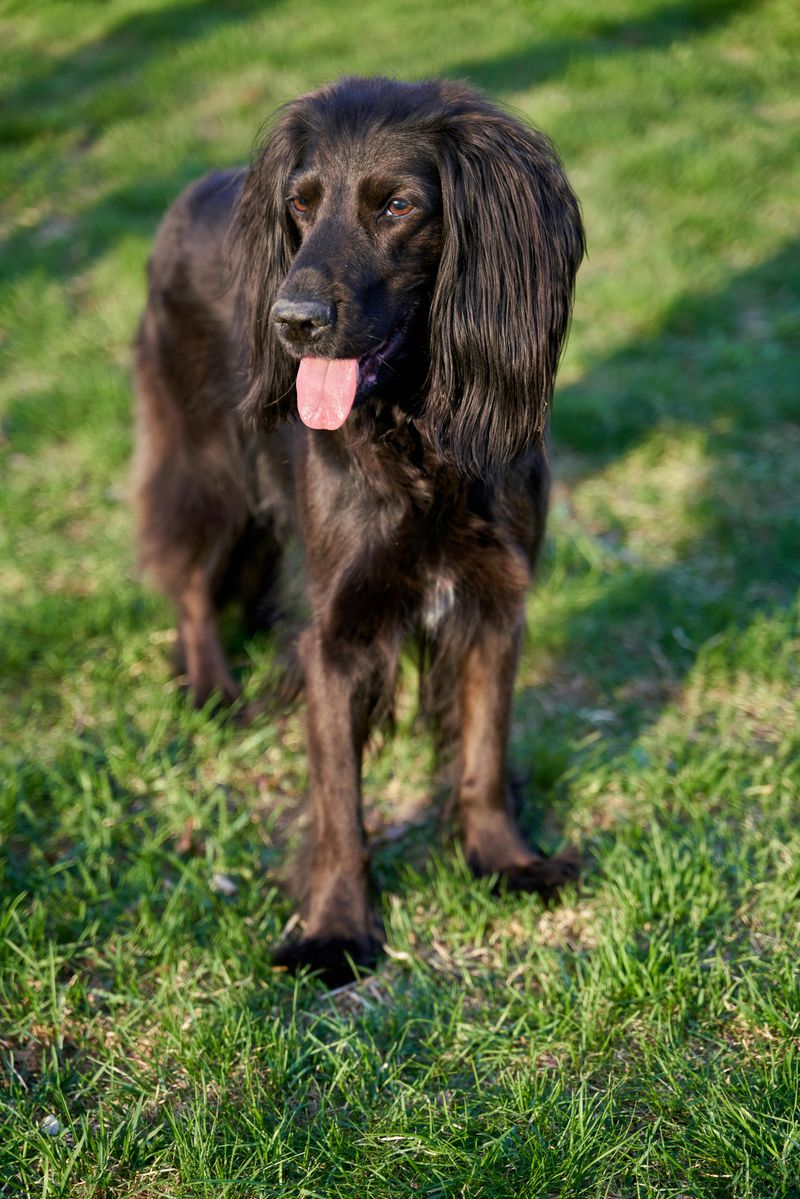
Irish Setters are exuberant, and that exuberance fuels controversy. In sprawling fields, excitement can drown out cues, making handlers crave distance tools.
Opponents argue that harnessing arousal through games and reinforcement builds steadiness without aversives.
As bans spread, you will need layered recalls, stop cues, and strong reward histories. Use scent games to encourage thoughtful pace and engagement.
Rotate rest and work so the brain stays online when birds appear.
Ask whether your dog truly understands the job before raising difficulty. If not, slow down and simplify.
The best training keeps the Setter’s sparkle alive while delivering safe, reliable responses in real terrain.
Nova Scotia Duck Tolling Retriever

Tollers blend clever mischief with serious water drive. They show up in should it be allowed threads because tolling work and blinds demand crisp cues at distance.
Some handlers prefer a conditioned remote cue for safety, while others rely on markers, lines, and careful setups.
If bans extend, double down on lining drills, cast cues, and calm steadiness around gunfire. Reinforce neutrality near decoys and birds before adding water entries.
Keep sessions short so arousal remains workable.
When choosing methods, consider this breed’s sensitivity and smarts. Fair repetition teaches faster than force.
Whatever tools are legal, your standard should be humane, consistent training that protects drive, confidence, and water safety.