Every time a photo of a cropped or docked dog hits your feed, the comments explode. You see tradition going toe to toe with welfare concerns, and nobody backs down.
This guide unpacks the breeds that always get dragged into the debate so you can navigate facts, history, and modern perspectives with clarity. If you love dogs and honest conversation, you are in the right place.
Doberman Pinscher
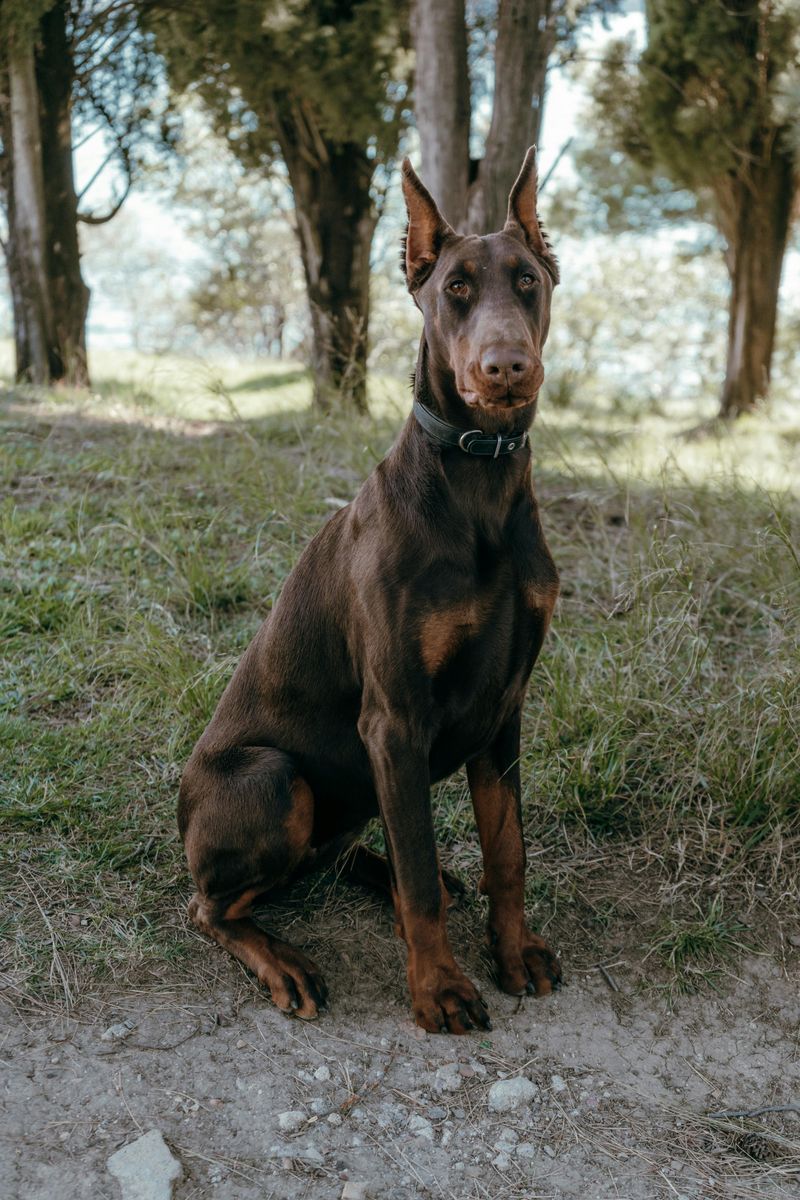
Dobermans stand at the center of cropping and docking debates because their iconic silhouette often includes pointed ears and a short tail. Historically, the look was tied to guard work and perceived practicality.
Today, many countries restrict these procedures, and rescues promote natural ears and tails as equally athletic and expressive.
When you see a Doberman, you might wonder if form should follow function or ethics should lead first. Vets emphasize pain management, complications, and timing.
Ethical breeders discuss owner education, legal compliance, and prioritizing temperament and health above a cosmetic image.
If you are researching this breed, weigh health risks against tradition. Talk to your veterinarian and local breed clubs.
Your choice shapes the example others see.
Boxer
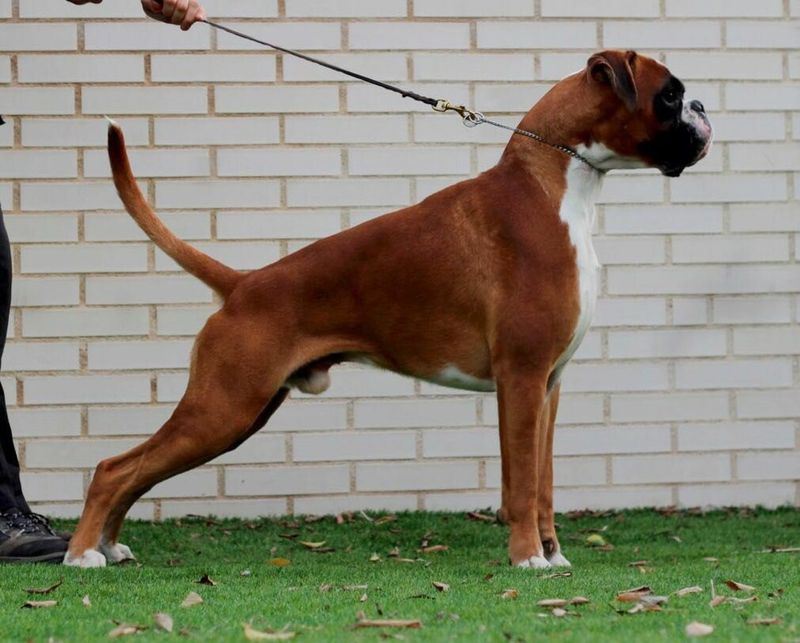
Boxers once wore cropped ears and docked tails as the default in show rings, projecting a tough, tidy outline. The historic rationale referenced working dog traditions and injury prevention.
As regulations and culture shifted, more Boxers keep their natural look, wagging expressive tails and showing off those endearing floppy ears.
When you browse photos, you will notice how much body language the tail adds. Many owners say communication improves, especially around kids and other dogs.
Veterinarians point to discomfort, anesthesia risks, and possible chronic sensitivity after cosmetic procedures.
If you are considering a Boxer, compare breed standards where you live with welfare laws. Ask breeders about socialization, health testing, and temperament.
Let the dog’s personality lead your decision.
Great Dane
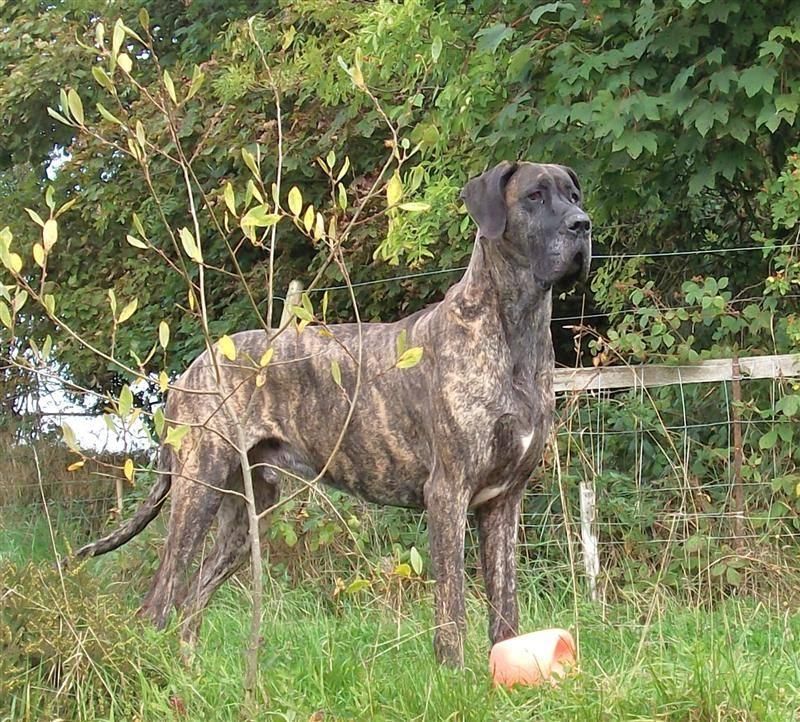
Great Danes used to appear with cropped ears for a refined, statuesque profile. Advocates cited historical boar-hunting roots and reduced ear injuries.
Modern veterinary consensus and legal frameworks in many regions now discourage elective cosmetic procedures, leading to a growing appreciation for the breed’s gentle, natural look.
When you meet a Dane, you sense how body language tells the story: relaxed ears, sweeping tail, and soft eyes. Owners often praise easier communication with other dogs when anatomy remains intact.
Surgical risks, aftercare demands, and potential complications weigh heavily in conversations with vets.
If your dream dog is a Dane, focus on joint health, bloat awareness, and responsible breeding. Whatever ear style you see online, remember empathy matters most.
Choose welfare over trend.
Cane Corso
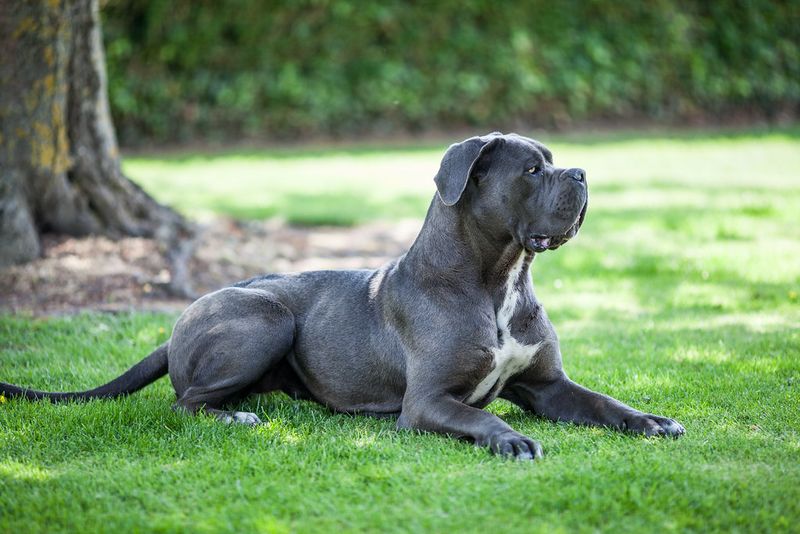
The Cane Corso’s traditional image often includes cropped ears, especially in working-line photos. Supporters argue about historical utility and a clean silhouette.
Yet many modern owners choose natural ears and tails, emphasizing communication, reduced surgical risk, and compliance with regional animal welfare laws.
You will notice how expressive this breed is when left natural: ear flicks, tail carriage, and subtle signals around strangers. Vets warn that cropping requires anesthesia, pain control, and skilled aftercare, all with possible complications.
Ethical breeders educate buyers about legal differences, show expectations, and the impacts on canine behavior.
If you admire the Corso, prioritize temperament testing, early training, and health screenings. Your stance on cropping should never overshadow responsible ownership.
Build confidence and trust first.
Miniature Schnauzer
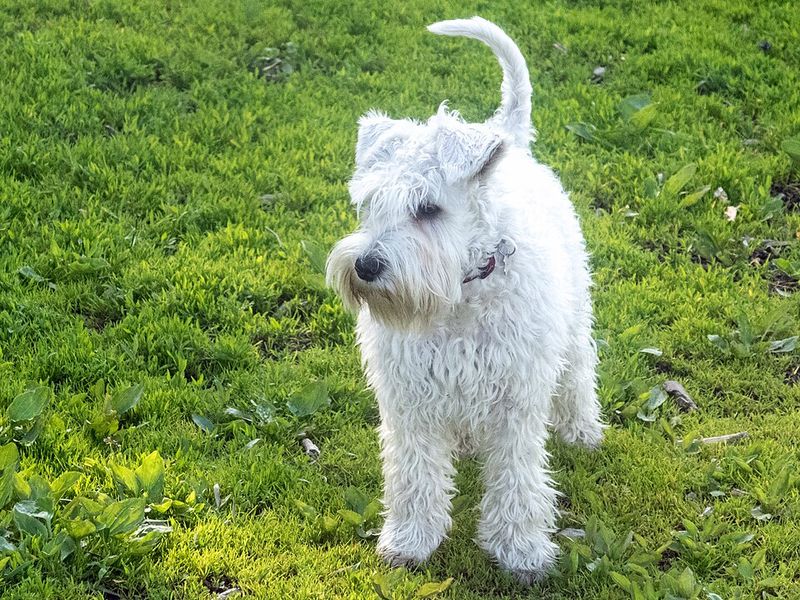
Miniature Schnauzers are frequently pictured with cropped, erect ears and short tails in older breed materials. The look became fashionable in show circles, but it is increasingly optional or illegal depending on where you live.
Natural-eared Mini Schnauzers keep their quirky expressions and lively tail language, which owners say enhances connection.
When you compare grooming guides, you will see bigger conversations about identity versus welfare. Vets caution that cosmetic surgeries carry risks and require committed aftercare.
Trainers add that full tails can improve social signaling, especially around new dogs in busy neighborhoods.
If this breed is on your list, concentrate on grooming needs, health testing, and consistent training. Speak with your vet about local laws and recovery realities.
Choose comfort and clarity for your companion.
Giant Schnauzer
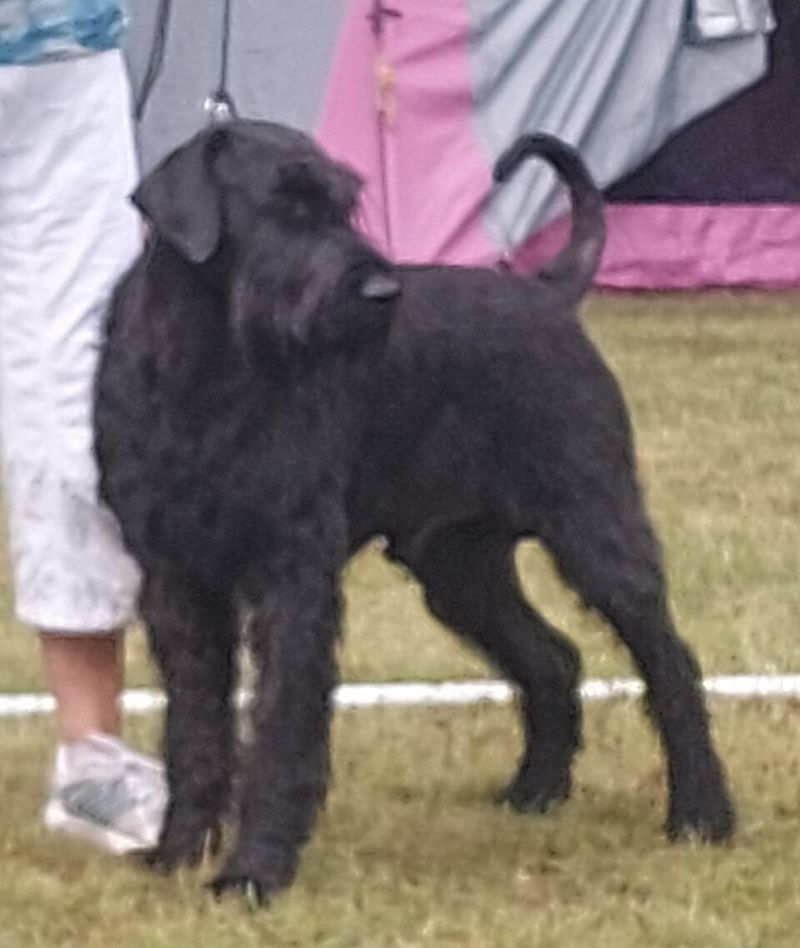
Giant Schnauzers often appear in working photos with cropped ears and docked tails, reflecting tradition and a sharp outline. Many owners now prefer natural anatomy that supports clearer communication and reduces surgical risk.
Regional rules vary, so what you see in shows versus daily life can differ widely.
As you evaluate this breed, consider the athletic lifestyle they require. Clear signals from ears and tail help during training and off-leash work.
Veterinarians highlight pain control, infection risk, and the ethics of non-therapeutic procedures, encouraging informed consent and alternatives.
If you want a Giant, prioritize hip and elbow screening, mental enrichment, and structured exercise. Ask breeders about their policies on cropping.
Let function, welfare, and teamwork guide your decision.
Rottweiler
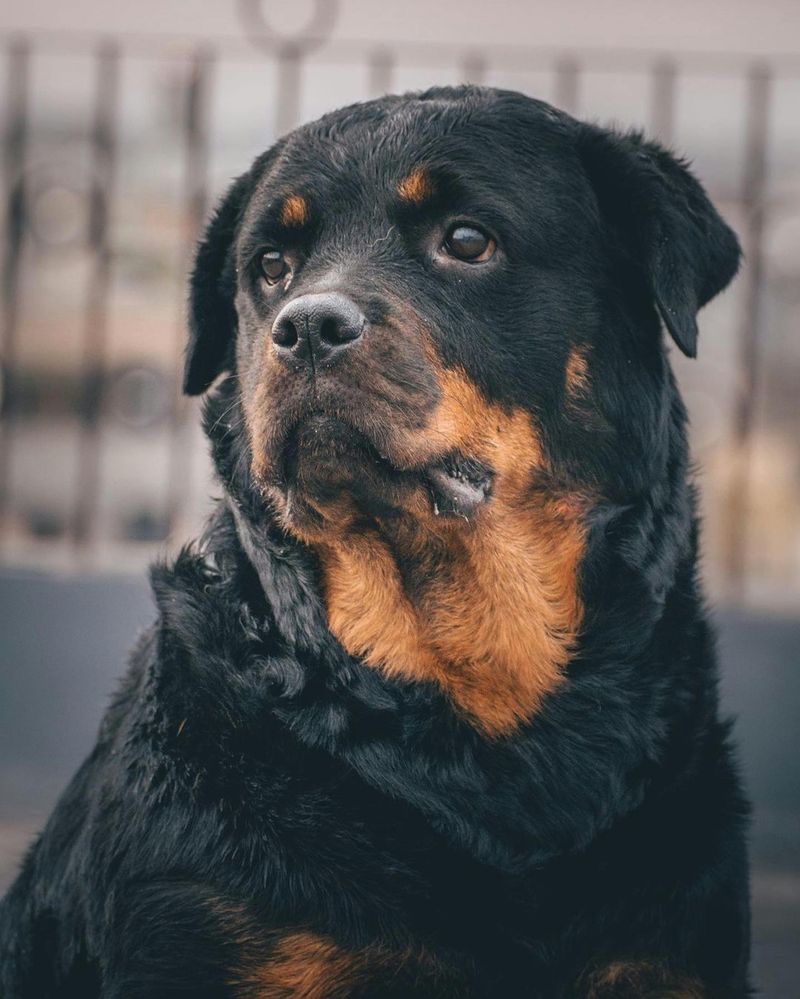
Rottweilers historically were docked to create a compact outline and, some claimed, to prevent tail injuries during work. In many countries docking is restricted, and you will increasingly see full, expressive tails.
The breed’s communication benefits from natural anatomy, especially during play and structured training.
When debates flare, owners weigh tradition against welfare and medical risk. Vets point out that docking is performed on tiny puppies with pain and recovery considerations.
Critics question whether routine injury prevention justifies surgery.
If you are leaning toward a Rottie, prioritize temperament, health screening, and early socialization. Ask your vet about legal status and alternatives like safe work environments.
A confident, well-trained dog says more than a silhouette ever could.
American Pit Bull Terrier
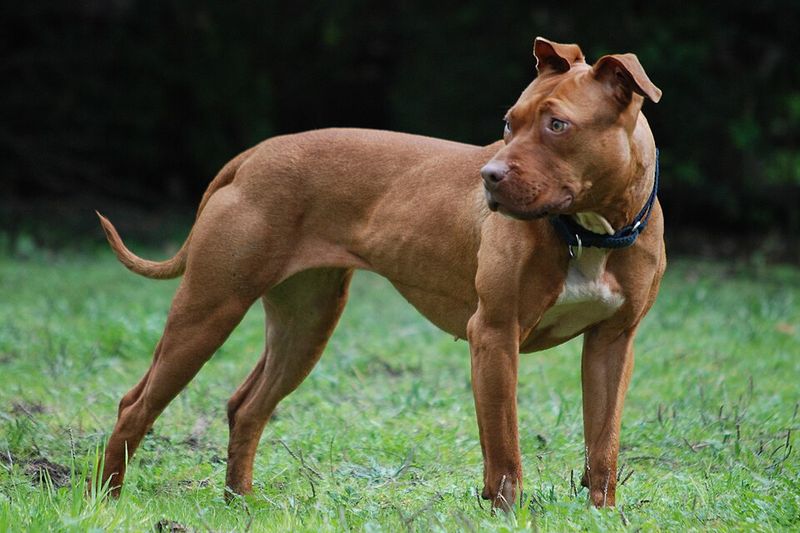
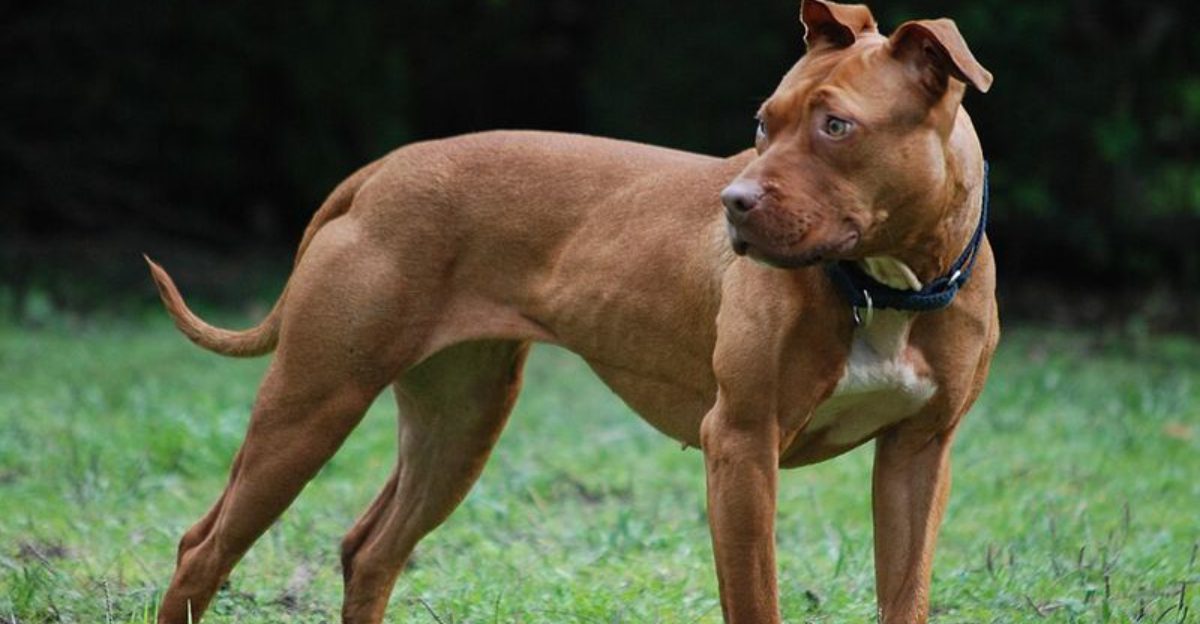
American Pit Bull Terriers rarely require cropping or docking for function, yet images online often show cropped ears for a tougher look. That aesthetic fuels arguments in comment sections about stigma and responsible ownership.
Many advocates stress natural ears to help counter stereotypes and highlight the breed’s affectionate nature.
You will find veterinarians urging caution about cosmetic surgery risks and pain management. Trainers note that ear and tail signals improve canine communication, reducing misunderstandings at the dog park.
Laws differ by region, so always check local regulations.
If this is your pick, focus on training, enrichment, and breed-neutral housing requirements. Lead with kindness and education in conversations.
Your example can shift public perception more than any ear shape ever will.
American Staffordshire Terrier
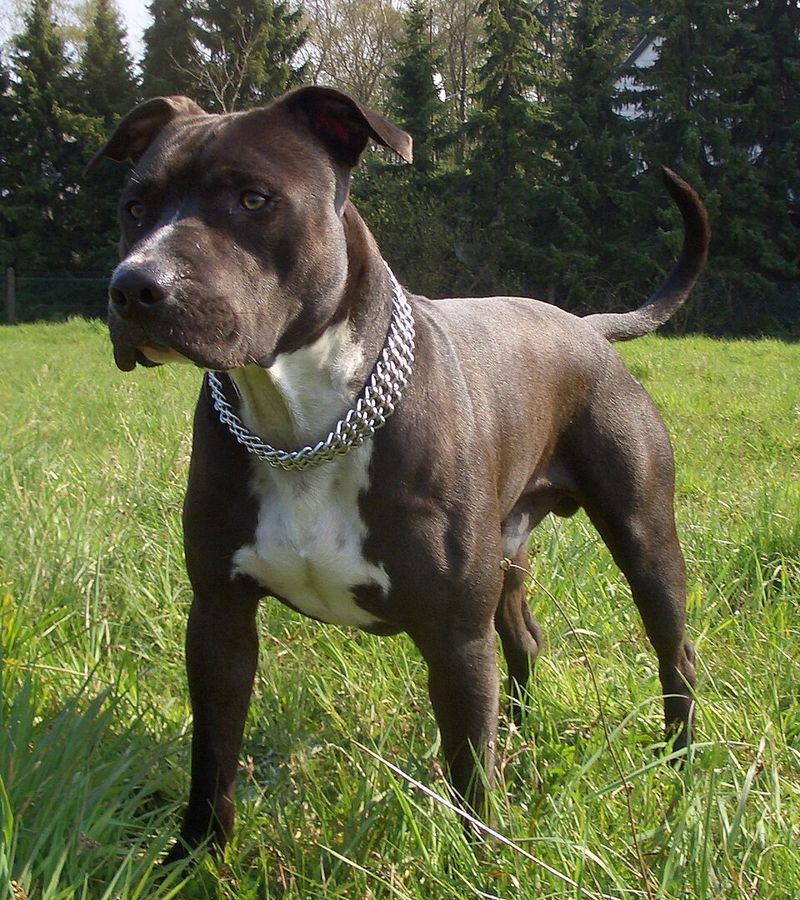
American Staffordshire Terriers often appear in media with cropped ears, aligned with outdated ideas about toughness. The modern conversation asks whether style should trump welfare and communication.
With natural ears and tails, their expressions soften, helping you read mood shifts during training and neighborhood walks.
Veterinarians caution that non-therapeutic procedures involve anesthesia, pain, and possible complications. Ethical breeders explain legal requirements and encourage informed discussions.
Many countries restrict cropping and docking, changing what you will see in show photos versus real life.
If you are considering an AmStaff, prioritize temperament, socialization, and breed-appropriate exercise. Talk openly with your vet about risks and local laws.
A confident, well-mannered companion needs empathy, not cosmetic edits.
Staffordshire Bull Terrier
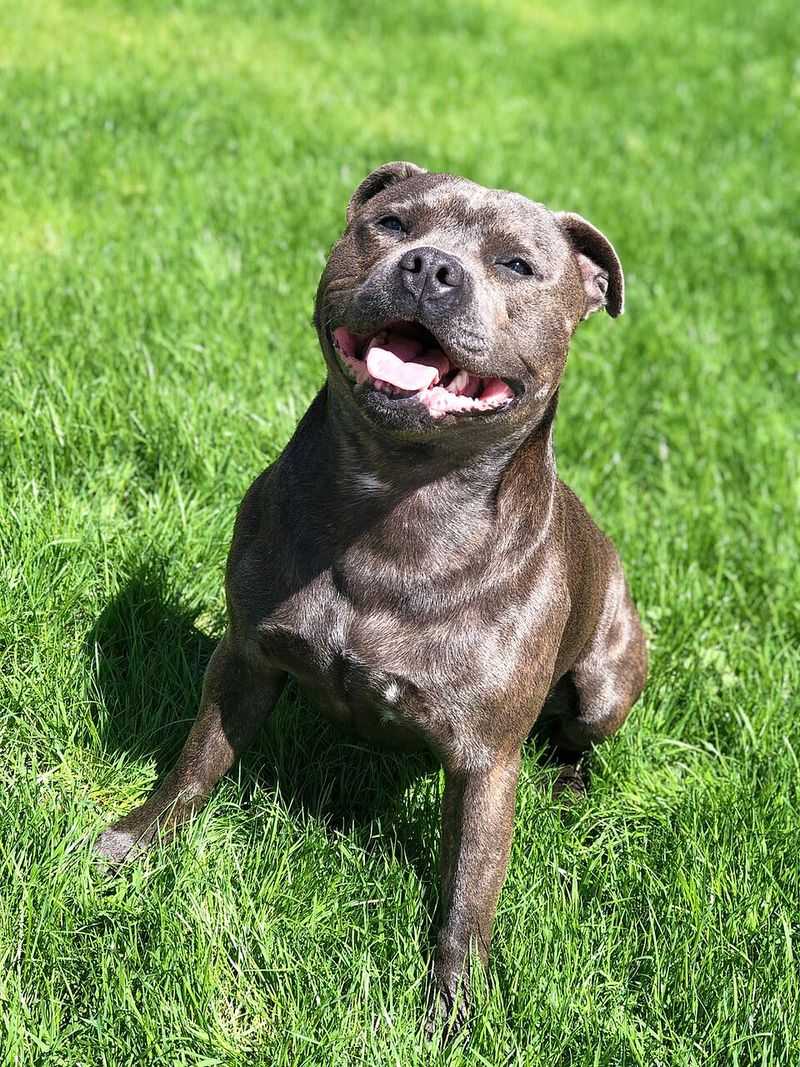
Staffordshire Bull Terriers typically keep natural ears and tails, yet debates still pull them in due to visual similarities with cropped breeds. Online, some images showcase altered ears to project a certain vibe.
Welfare advocates point out that natural anatomy supports clear social cues and reduces surgical risks.
When you are choosing a Staffy, consider how public perception changes with presentation. Trainers emphasize reading ear and tail signals to prevent scuffles and misunderstandings.
Vets remind owners that elective surgeries can cause pain, infections, or scar tissue.
If this breed wins your heart, channel energy into enrichment and positive reinforcement. Verify local regulations, especially when traveling.
Your dog’s comfort, safety, and joyful communication should lead every choice.
Boston Terrier

Boston Terriers often appear with naturally upright ears, but docking discussions still surface due to breed history and mixed information. Some older standards encouraged a particular outline, fueling cosmetic choices.
Today, many regions limit elective procedures, and owners celebrate expressive tails and natural silhouettes.
You will see how their ears twitch and their tails wiggle during play, offering easy-to-read signals. Vets encourage avoiding unnecessary surgeries and highlight anesthesia concerns.
Clear communication benefits urban living, crowded sidewalks, and introductions with new dogs.
If you love Bostons, focus on brachycephalic health considerations, cooling strategies, and gentle training. Discuss any procedure questions with your veterinarian and responsible breeders.
Your goal is comfort, joy, and clarity in every interaction.
German Shorthaired Pointer

German Shorthaired Pointers are versatile hunters historically shown with docked tails, claimed to prevent field injuries. Modern studies and welfare guidelines question routine docking for all dogs, emphasizing case-by-case decisions.
Many GSPs now keep full tails, showcasing balance, agility, and clear communication during training.
As you evaluate evidence, talk with your vet about injury prevalence, pain mitigation, and legal status. Trainers find tail cues invaluable when teaching recalls, steadiness, and water retrieves.
Public sentiment continues to shift toward natural anatomy.
If you are leaning GSP, prioritize health screening, working outlets, and consistent handling. Choose gear that protects tails in dense cover if needed.
Function, empathy, and science should guide every decision you make.