
Floppy or heavy ears can trap moisture and debris, making some beloved breeds total ear infection magnets. If you have a hound or a water loving retriever, you know that funky smells and head shaking can sneak up fast.
The good news is that routine care keeps trouble at bay and your dog comfortable. Let’s break down which breeds need extra attention and exactly how to stay ahead of issues.
Cocker Spaniel
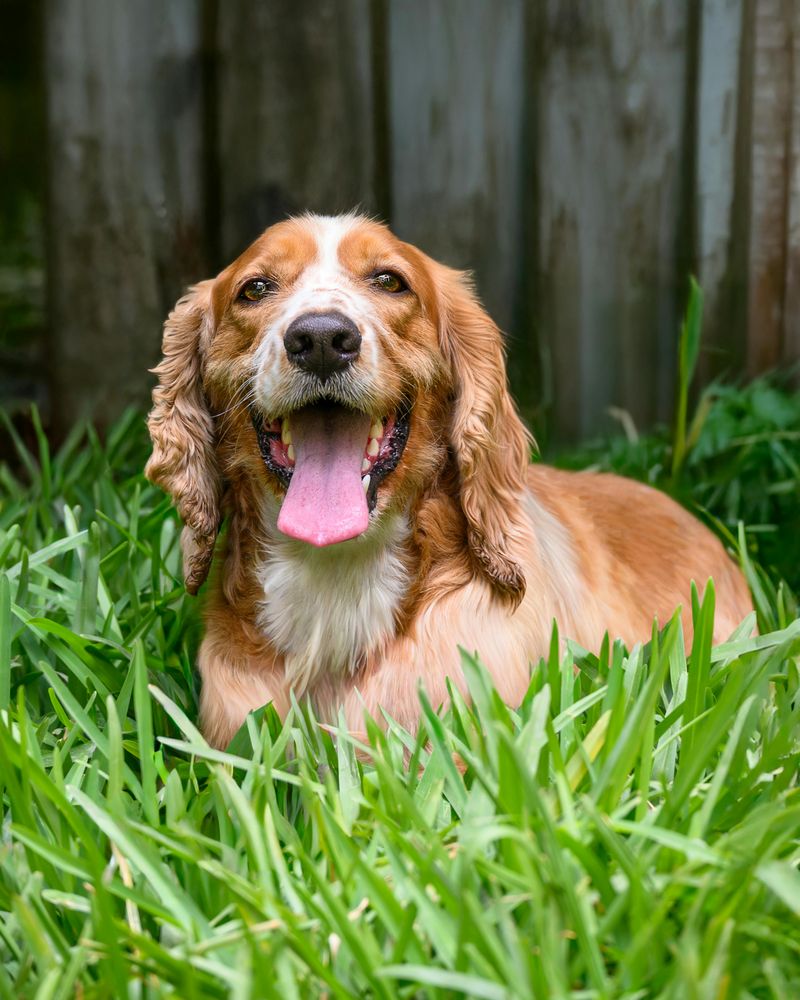
Cocker Spaniels have famously luxurious ears that hang close to the cheeks, creating a warm, moist pocket where yeast and bacteria thrive. Those feathery fringes also sweep up pollen and dirt from grass, which can trigger irritation.
Regular airflow is limited, so a quick sniff test every few days helps you catch problems early.
After baths or rainy walks, gently dry inside the ear flap with a soft towel, then use a vet approved ear cleaner weekly. Lift the ear, fill the canal per directions, massage the base, and let your dog shake.
Trim excess hair around the opening for better ventilation, and schedule routine checks.
Basset Hound
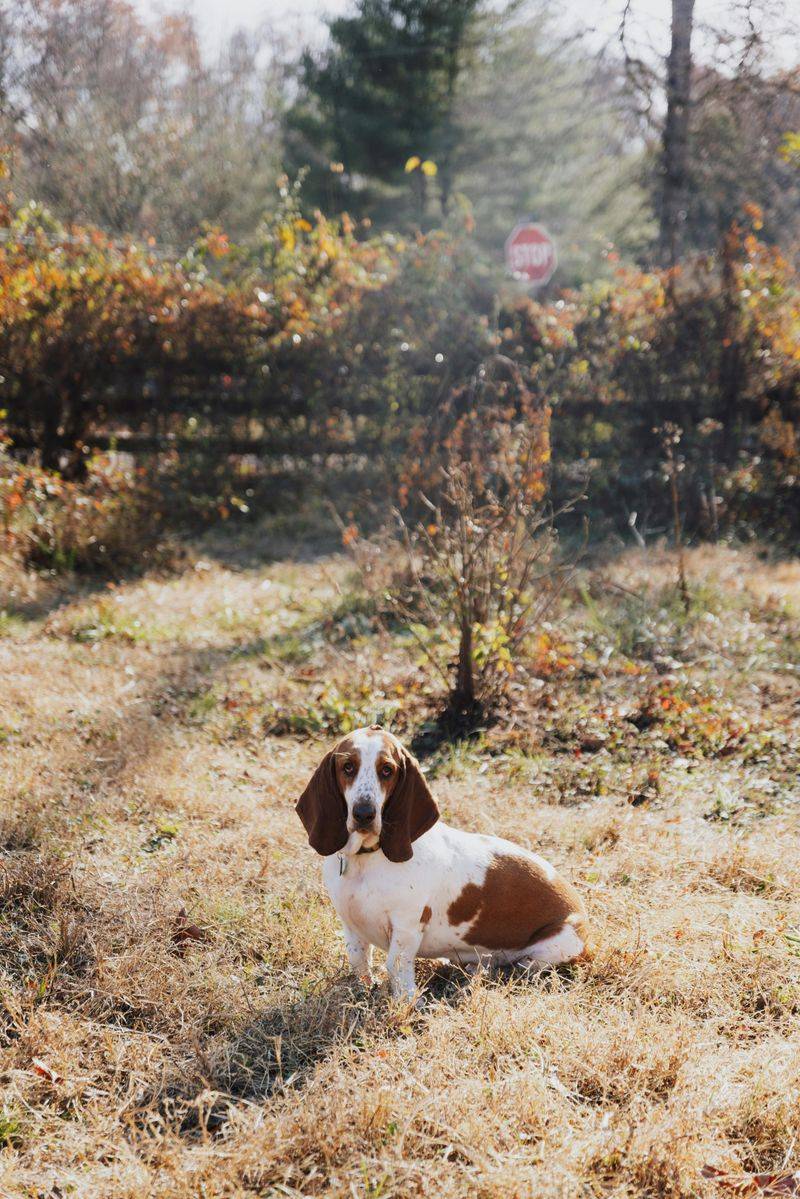
Basset Hounds carry long, pendulous ears that drag close to the ground, scooping up dust, pollen, and moisture. Their heavy ear leather limits airflow, so humidity lingers and microbes flourish.
You will often see head shaking or that telltale yeasty odor when things start brewing.
Clean two to three times weekly with a gentle, drying solution, especially after outdoor adventures. Carefully lift each ear, inspect the underside for redness or sores, and pat dry after cleaning.
Keep fur tidy around the canal, and consider a light ear bonnet during muddy hikes. If you spot thick discharge, pain, or head tilt, contact your vet quickly to prevent chronic changes.
Bloodhound
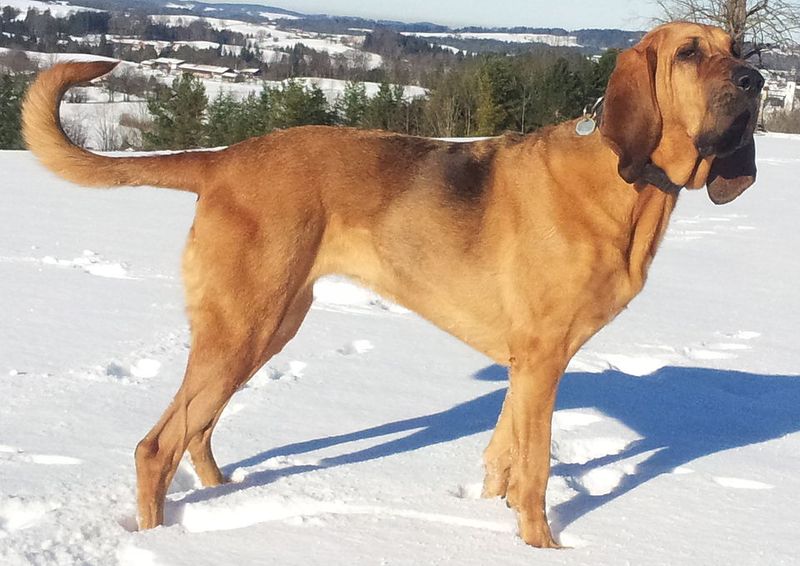
Bloodhounds combine deep facial folds with long droopy ears that sit close to the head, trapping sweat and debris. Their love of tracking leads them through brush and mud, adding to the gunk factor.
You may notice a sour smell, redness, or brown residue if maintenance slips.
Plan consistent cleaning twice weekly and always after wet adventures. Use a drying ear cleanser, massage the base to loosen debris, and let the shake do the rest.
Gently wipe folds around the ear base to reduce moisture. Keep nails short to prevent accidental scratching injuries.
Quick action at first signs keeps costly ear episodes from derailing training or adventures.
Beagle
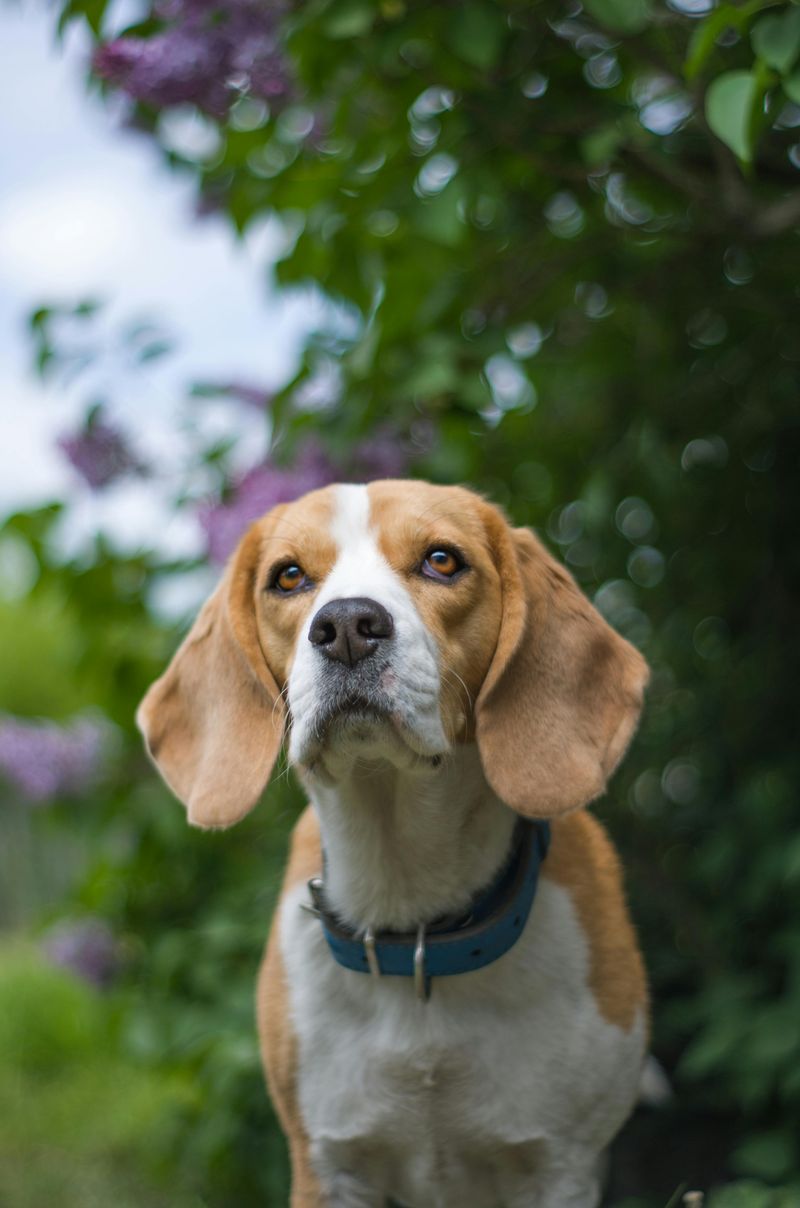
Beagles have medium length, floppy ears that naturally reduce airflow and increase humidity inside the canal. Their noses lead them through tall grass and brush where seeds, foxtails, and pollen hitch a ride.
You might see head shaking, pawing at ears, or a waxy buildup.
Clean weekly and after swims or baths. Choose a vet recommended solution with drying agents, gently fill the canal, massage, and wipe away loosened debris.
Keep fur trimmed around the opening, and check for lodged plant material after hikes. Training your Beagle to accept ear handling with treats makes care quick and stress free.
Early intervention prevents recurring infections that can affect hearing.
Golden Retriever
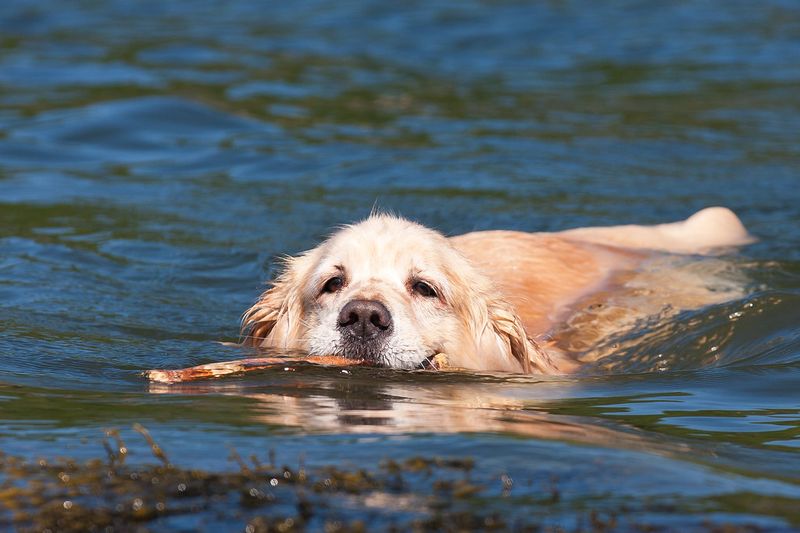
Goldens adore water, and damp ears are a recipe for yeast and bacterial growth. Their soft, floppy ear flaps warm the canal and slow evaporation, especially after lakes or baths.
If you catch a mild sweet or musty odor, act before redness and discharge appear.
Dry thoroughly after every swim, then use a drying ear rinse. Clean weekly in normal seasons and twice weekly during peak swimming months.
Keep the hair around the canal neatly trimmed for better airflow. Teach a calm sit, reward cooperative handling, and make it routine.
If infections recur, ask your vet about culture guided treatment or allergy checks, since underlying sensitivities often fuel Golden ear troubles.
Labrador Retriever
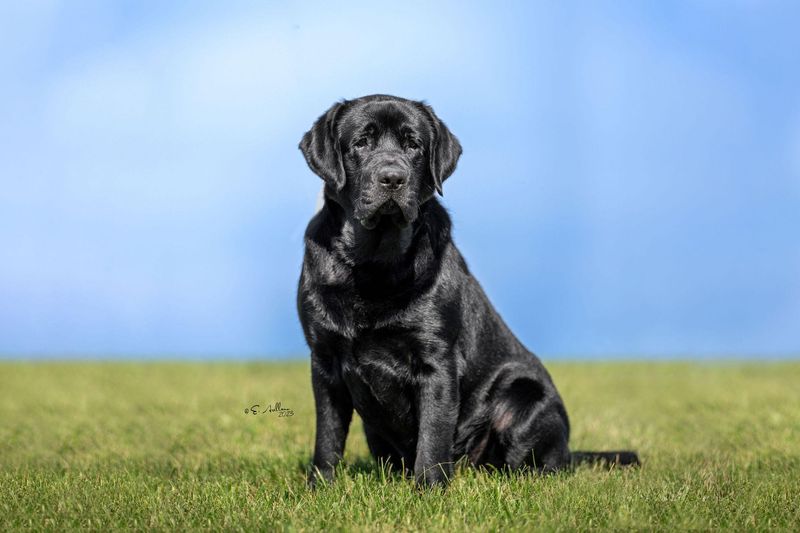
Labs are enthusiastic swimmers and their ear canals can hold onto moisture, especially under those snug flaps. Add pond water, sand, and summer humidity, and you have a perfect environment for microbes.
Early signs include head shaking, redness, or that classic yeasty smell.
Rinse and dry ears after every water session, then follow with a drying cleanser. Establish a once or twice weekly cleaning schedule during active seasons.
Keep the ear opening tidy with careful trimming if needed. Monitor for food or environmental allergies that can inflame the canal lining.
Quick, consistent care helps your Lab keep loving the water without the painful setbacks.
Irish Setter
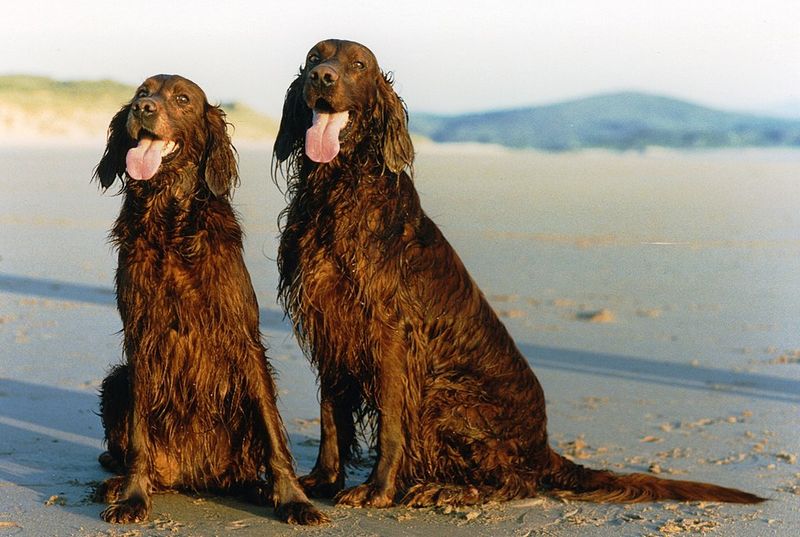
Irish Setters sport long, silky ears that trap heat and limit airflow. Their active lifestyle in fields means burrs, grass seeds, and dust can gather under the flap.
Mild irritation can quickly escalate if moisture and allergens team up inside the canal.
Perform weekly cleanings and always after muddy runs or baths. Use a drying ear solution, massage, then wipe the accessible areas without digging deep.
Comb ear feathering and keep length manageable to improve ventilation. Teach calm handling with treats so maintenance feels like bonding, not a battle.
If you notice repeated flare ups, discuss allergy management and culture tests with your vet to pinpoint the trigger and prevent scarring.
English Springer Spaniel
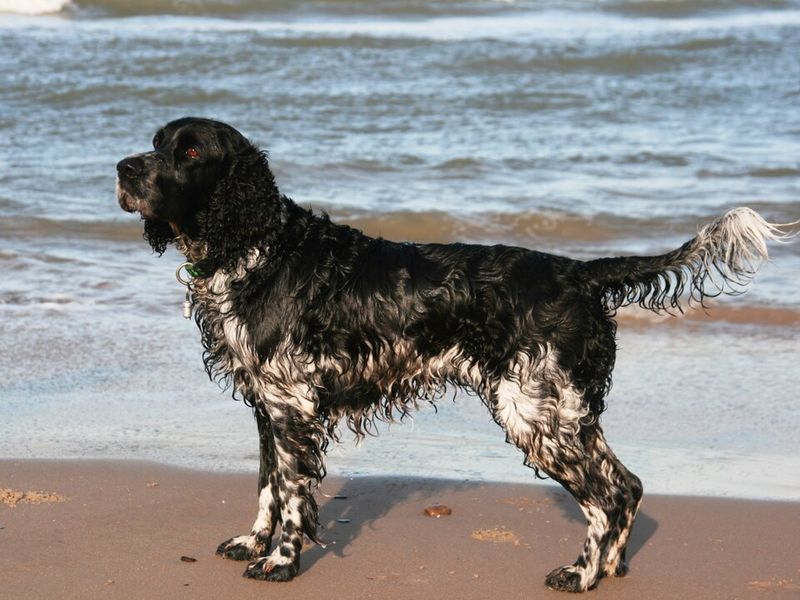
Springers have lush, pendulous ears and love romping through fields and water. That combination traps debris and dampness, encouraging yeast and bacteria to multiply.
Watch for head shaking, scratching, or a sudden increase in wax.
Set a twice weekly cleaning routine during hunting or training season. Dry thoroughly after any swim, and trim the ear fringes to improve airflow.
Inspect for grass awns lodged near the canal, and remove gently with tweezers if superficial. Reward calm behavior to make ear care easy.
Persistent issues deserve a vet check for underlying allergies or resistant microbes that might need prescription drops.
Poodle
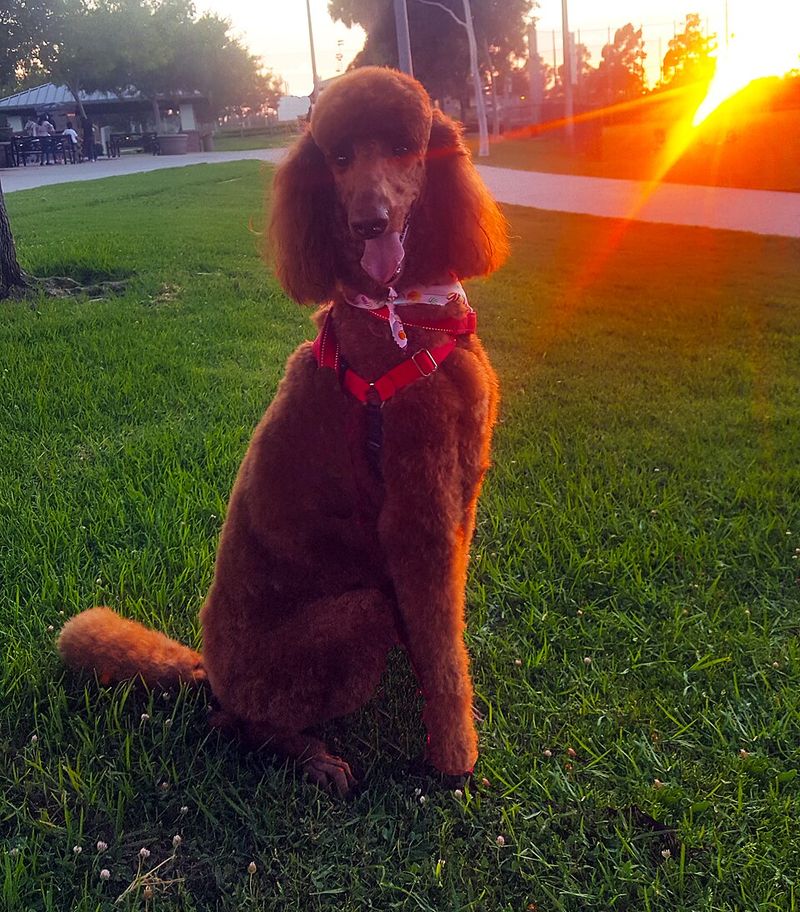
Poodles often grow hair inside the ear canal, which can trap wax and block airflow. Combined with routine baths, moisture lingers and invites infection.
Some dogs tolerate gentle plucking, while others get irritated by it, so approach thoughtfully.
Work with your groomer and vet to decide on plucking versus trimming. Clean weekly with a mild, drying solution and thoroughly dry after grooming appointments.
If hair is dense, consider a scheduled maintenance plan to prevent blockage. Use rewards to build positive associations with ear handling.
At the first signs of redness or odor, intervene early to avoid stubborn infections that can disrupt your grooming schedule and your dog’s comfort.
Portuguese Water Dog
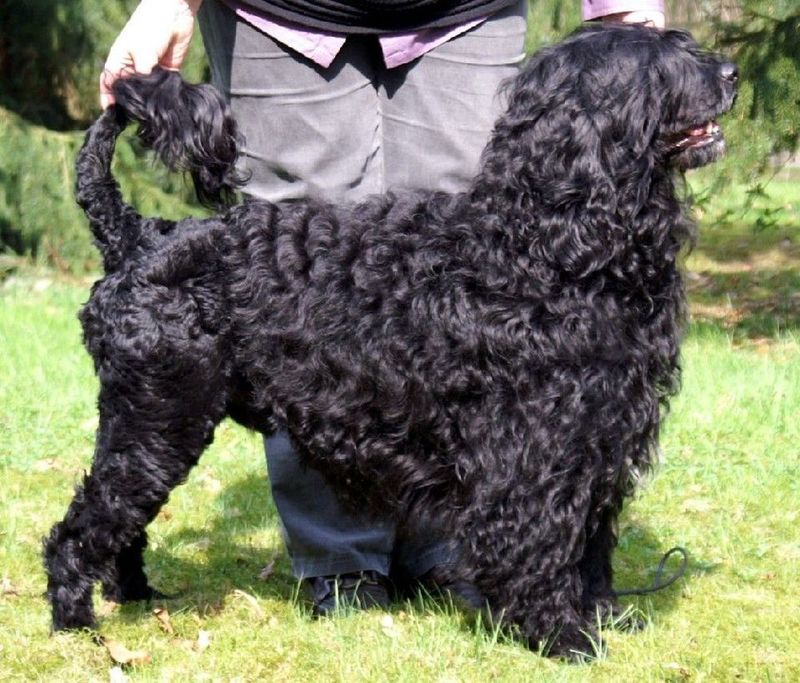
Portuguese Water Dogs were bred for splashy jobs, so wet ears are practically a lifestyle hazard. Their curls can hold moisture near the canal, and repetitive swimming keeps the area damp.
You may notice head shaking after ocean days or a faint odor the next morning.
Dry thoroughly after every swim and use a drying cleanser to restore balance. Keep hair trimmed around the opening and schedule weekly cleanings during peak water seasons.
Rinse away salt or chlorinated water before drying to reduce irritation. Build a quick post swim routine with towels, treats, and patience.
Consistency keeps infections from stealing the joy of your aquatic adventures together.
Shar Pei

Shar Pei ears have narrow canals and surrounding skin folds that limit ventilation. Their unique anatomy plus potential allergies can lead to chronic inflammation if not managed.
You might notice head tilting, scratching, or a strong odor when issues flare.
Schedule regular vet checks to monitor canal health and consider allergy testing if infections recur. Clean as advised, often once weekly, with a solution suited to sensitive skin.
Avoid over cleaning, which can irritate delicate tissue. Keep wrinkles dry and inspect for trapped moisture after baths.
Early treatment prevents thickened canals that make care harder long term and helps your dog stay comfortable.