
Not every dog sounds the alarm at every tiny noise. Some pups stay calm when they hear elevators, hallway footsteps, or a knock on the door.
Choosing a quieter breed can make apartment life easier and bring more peace to your home. Here are twelve breeds known for keeping the volume low while still showing plenty of heart.
Greyhound
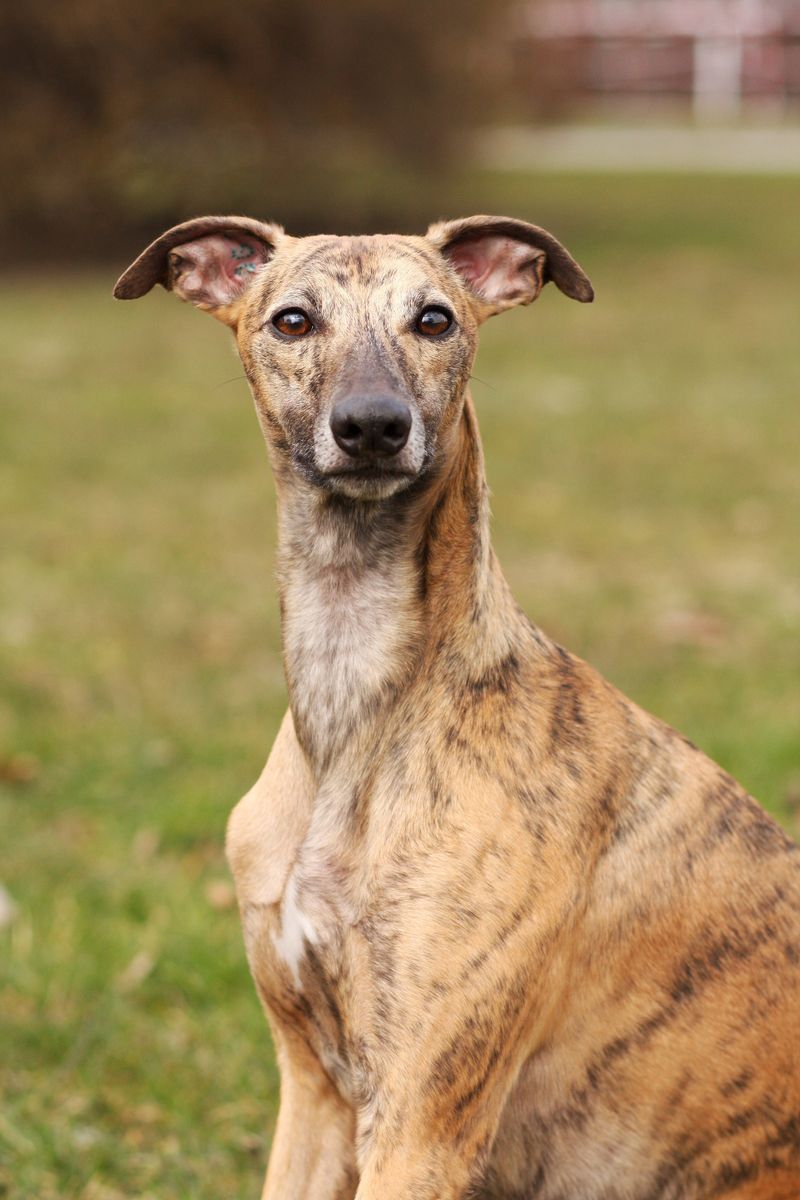
Like a sprinter off the track, a Greyhound rests like a pro. Many people are surprised by how silently they watch the world.
Even when an elevator hums or a neighbor walks past, this breed often saves its energy.
Provide a comfy bed, gentle walks, and puzzle feeders to keep the mind busy. Teach a quiet cue with treats for calm moments.
Regular routines build confidence, which helps keep barking low.
Whippet
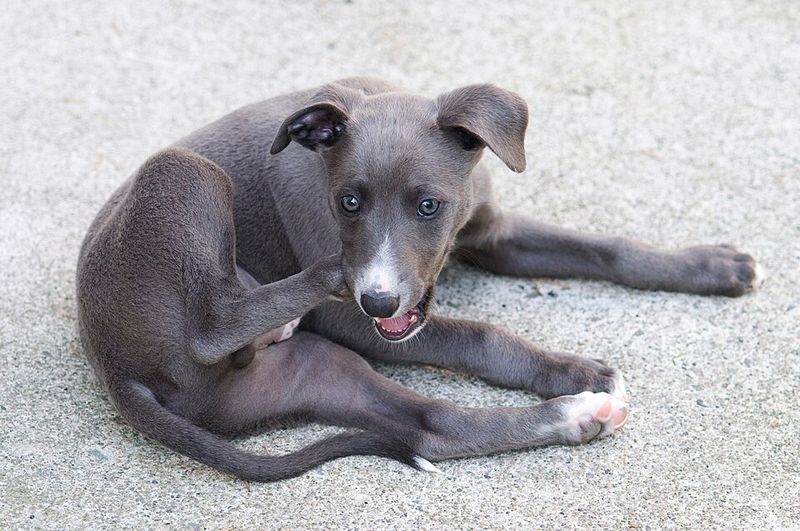
Soft-footed and sensitive, the Whippet often chooses silence over fuss. Sudden hallway clatter may startle, yet they typically settle quickly with reassurance.
Their gentle nature fits small spaces well.
Short sprints in a safe area help release energy, which reduces nervous barking later. Offer a cozy den-like spot away from doors.
Reward calm listening when footsteps pass, so the dog learns that quiet brings praise and snacks.
French Bulldog
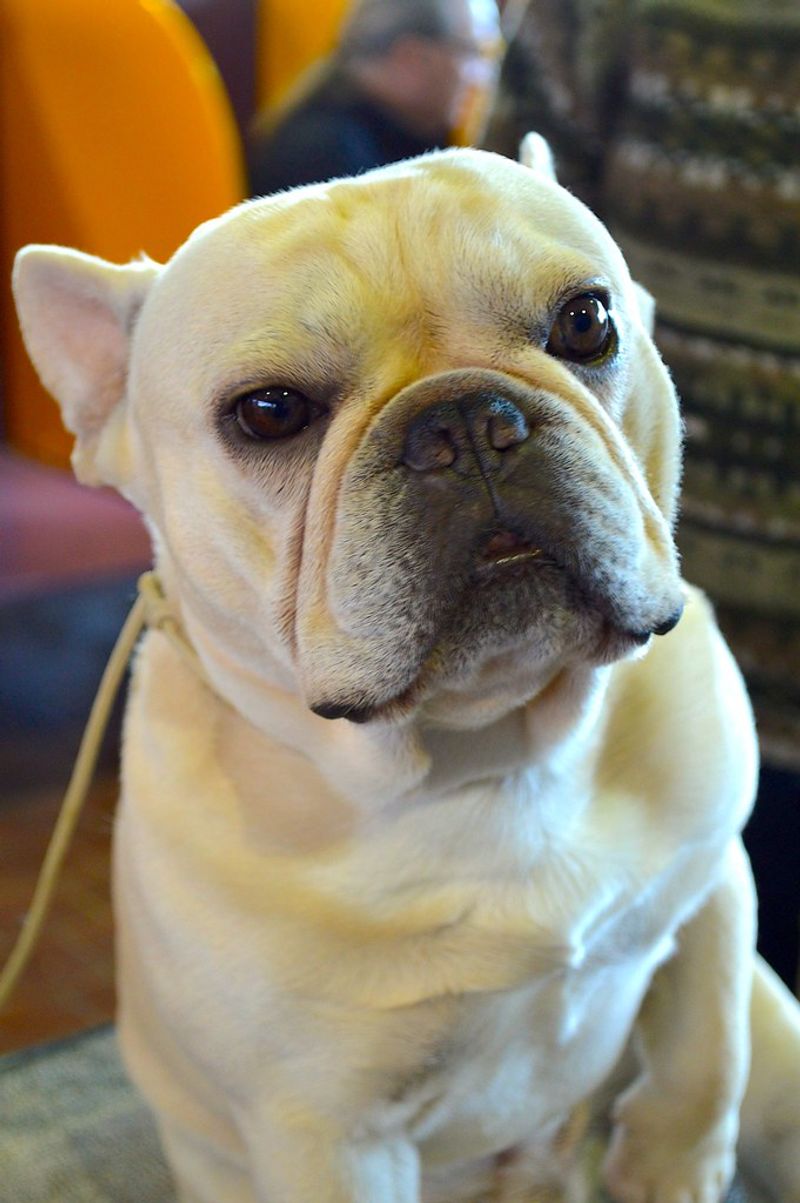
With a snort and a grin, many French Bulldogs prefer lounging to sounding alarms. They notice the door, of course, but often respond with curiosity instead of noise.
Their sturdy frame and mellow mood suit close neighbors.
Keep walks steady and avoid overheating. Use chew toys to ease boredom that might trigger barking.
Praise quiet moments around knocks, pairing them with a treat, so the dog connects calm behavior with good things.
Cavalier King Charles Spaniel

Sweet-eyed and affectionate, Cavaliers often prefer cuddles to calling out every sound. While they can alert briefly, they usually relax when reassured.
Their people-focused nature helps them take cues from calm owners.
Teach a go-to-mat behavior when the door rattles. Soft music or a white-noise machine can mask elevator chimes.
Provide daily play and gentle grooming time to meet emotional needs, which reduces anxious barking and keeps the vibe peaceful.
Great Dane
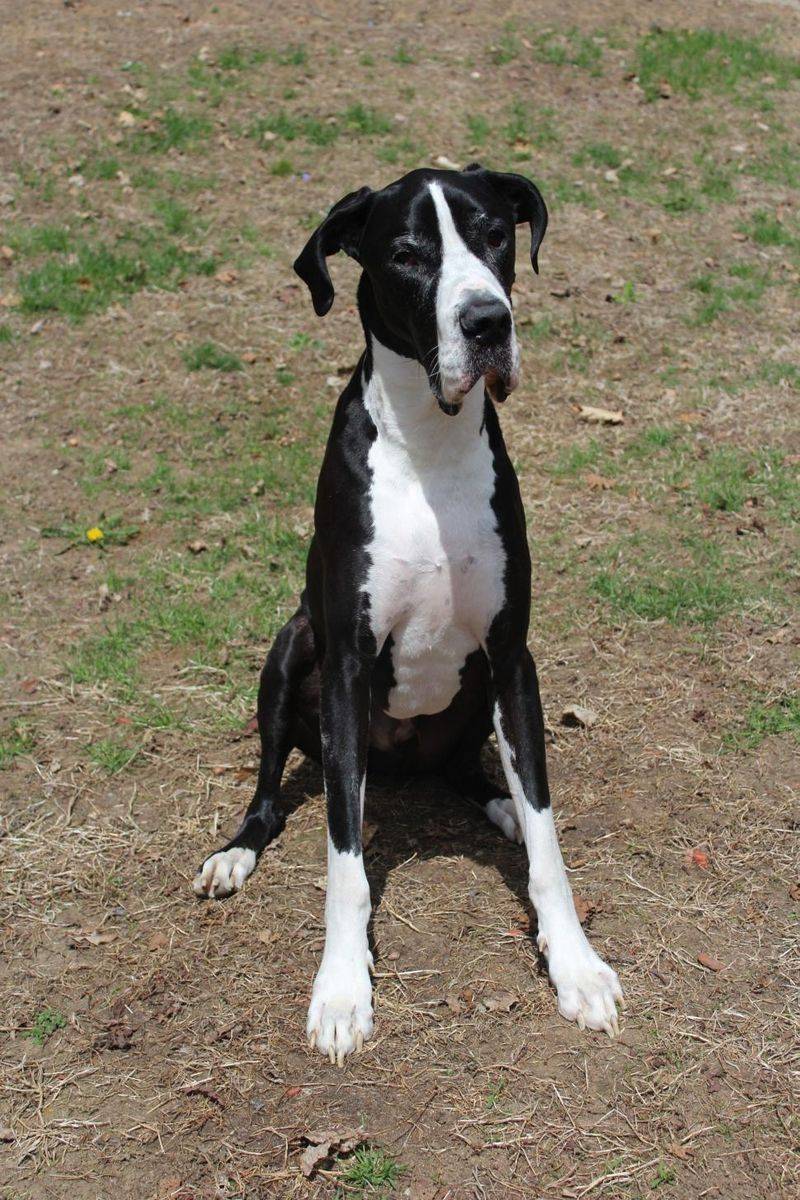
Big frame, soft heart. Many Great Danes act like mellow housemates, preferring a nap over noise.
Their deep voice is rare and usually saved for real surprises, not every hallway shuffle.
Provide sturdy beds and slow, regular walks to support joints. Practice a quiet sit when knocks happen, then reward heavily.
Because confident dogs bark less, socialization in calm lobbies and elevators builds trust and lowers volume over time.
Shih Tzu

In a small body, the Shih Tzu often carries a relaxed outlook. They enjoy being near family and typically prefer comfort to calling out every footstep.
With consistent guidance, they learn to greet sounds with patience.
Keep grooming sessions calm, which teaches tolerance. Offer gentle play and teach a look-at-me cue when noises happen.
Reward the quiet glance, then release to rest. Predictable schedules help this breed stay settled in busy buildings.
English Bulldog

With a laid-back swagger, the English Bulldog tends to let small noises slide. A shuffle in the hall might earn a blink, not a bark.
Their easy tempo fits well in multi-unit homes.
Mind the heat, use short walks, and keep enrichment simple. Teach settle on a mat when the door clicks and reinforce with a chew.
Calm greetings, not hyped ones, reduce arousal and keep the soundtrack quiet.
Japanese Chin
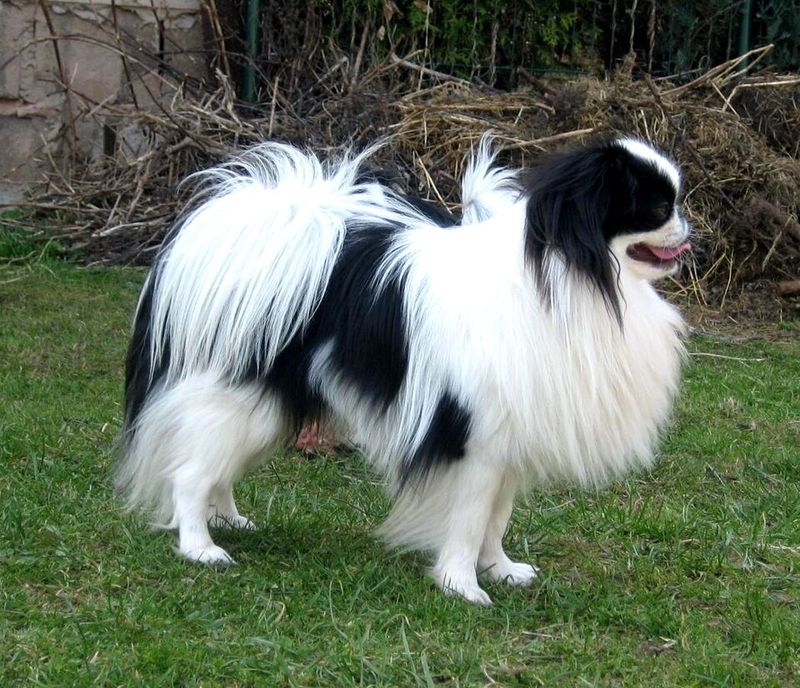
Almost cat-like, the Japanese Chin often watches instead of woofs. They notice details, yet many choose elegant silence after a brief check-in.
Their light step and polite manners suit close quarters.
Short play bursts and food puzzles meet their curious mind. Reward head turns away from sounds to build self-control.
Provide a high perch or window view, which gives them a job and lowers the urge to report every footfall.
Bullmastiff
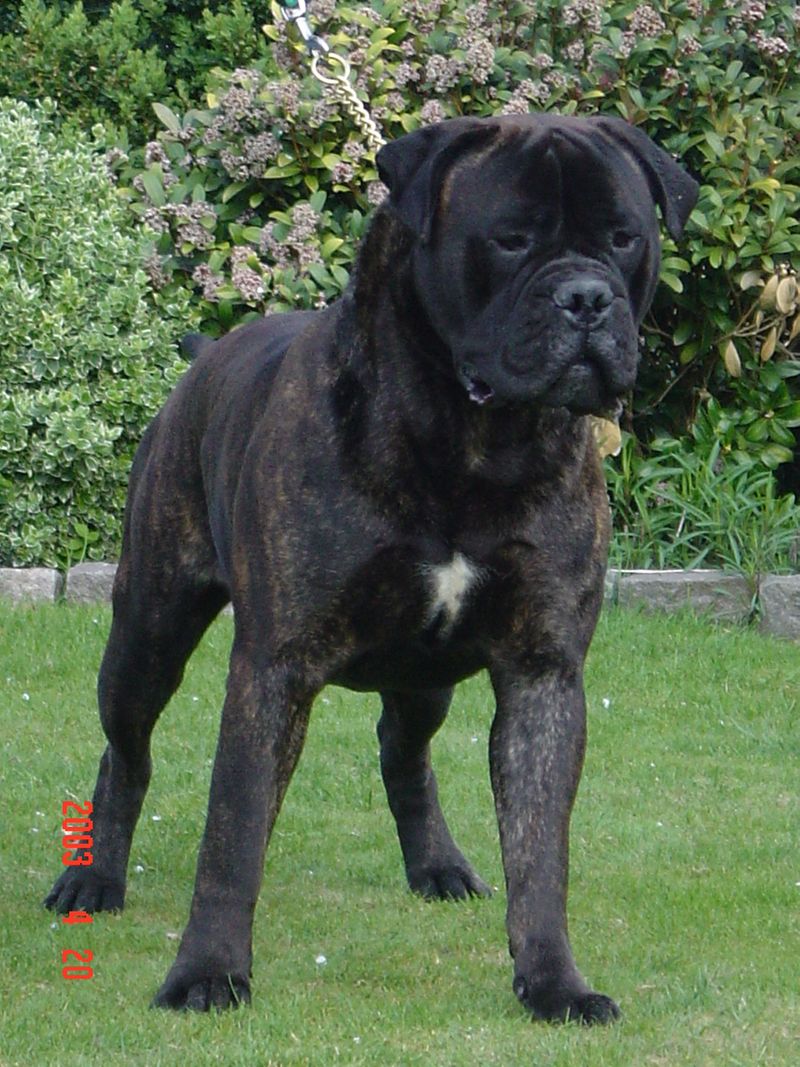
Quiet strength defines many Bullmastiffs. Historically, they worked silently, which often shows up as calm watchfulness rather than constant barking.
They take cues from confident handlers and typically save their voice.
Teach a place command and reinforce relaxed breathing when noises happen. Structured walks and simple obedience keep the mind anchored.
Clear boundaries at the doorway help them understand that not every sound needs a response, which protects the peace at home.
Pug

Comical eyes, calm heart. Many Pugs prefer people time to patrol duty.
While some may briefly alert, they usually settle fast with a smile and a snort. Their social nature shines in friendly buildings.
Keep exercise balanced and watch weight to prevent restless energy. Practice quiet-for-treats games when footsteps pass.
Gentle crate training creates a safe retreat, so noises feel distant and unimportant, turning potential bark moments into nap time.
Basset Hound
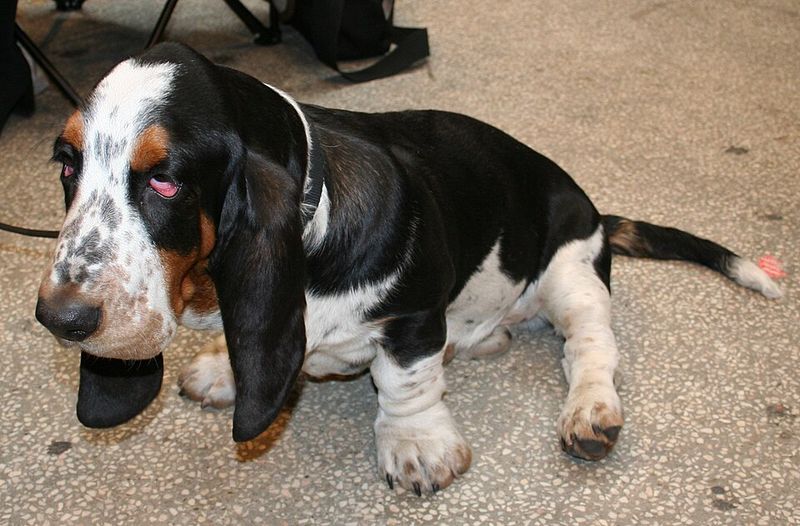
Ears like velvet and a nose for stories, the Basset often prefers sniffing to sounding alarms. Their mellow stride and patient mood can make apartment life surprisingly calm, even with hallway traffic.
Provide scent games, like hiding treats in boxes, to satisfy their tracking mind. Teach a quiet check-in before greeting guests.
Slow, steady walks help prevent boredom howls and keep that signature voice reserved for special occasions.
Irish Wolfhound
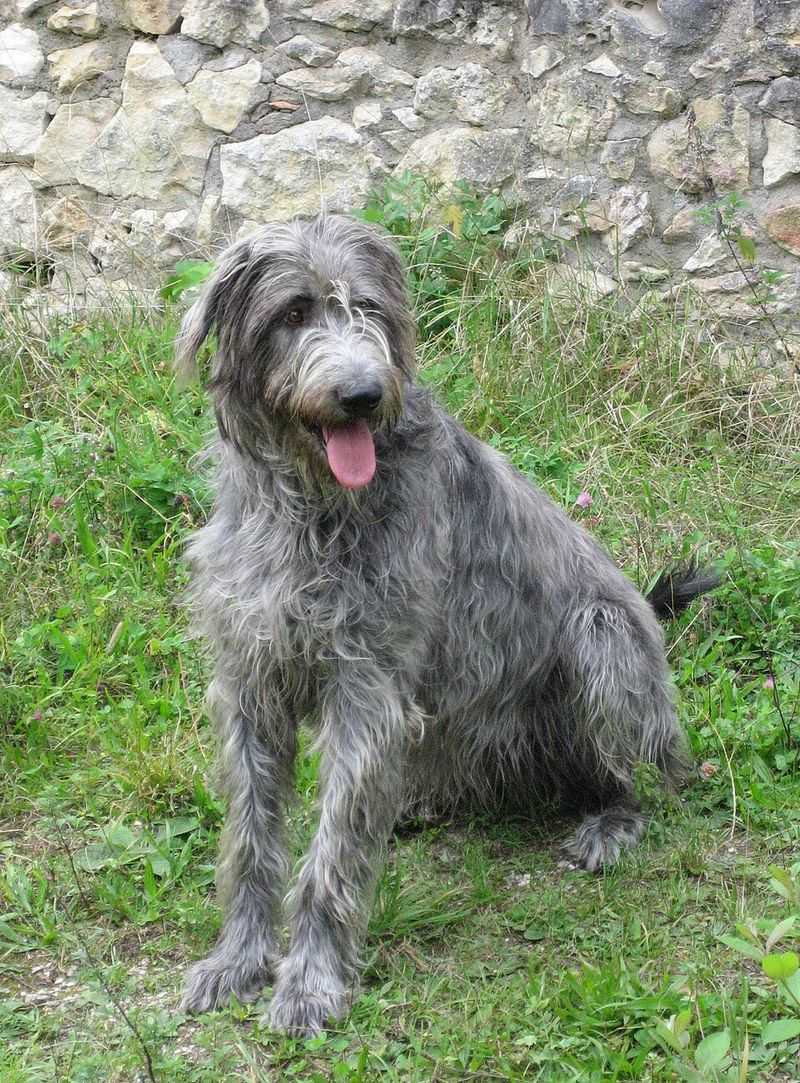
Gentle giant energy flows from many Irish Wolfhounds. Instead of chattering at every sound, they often observe quietly, acting like calm guardians of the room.
Their size might impress, but their temperament is often soft and steady.
Provide roomy naps, moderate walks, and social experiences in lobbies and elevators. Reinforce quiet sits for knocks, then give calm praise.
Structure and kindness keep this breed confident and low volume indoors.