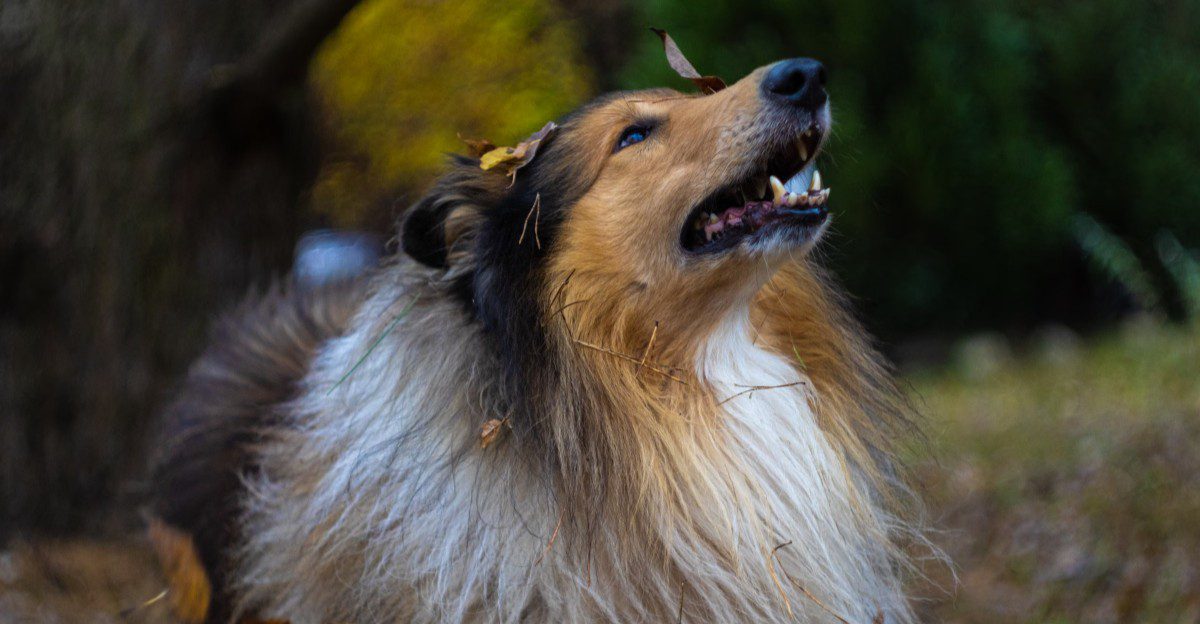
A dog can look calm while keeping track of every small change nearby. A new visitor, an open gate, or a strange sound may catch its attention before anyone else notices.
Learning these quiet signals can help you understand your dog and respond without making it nervous. Here are some breeds that may keep watching even when the room seems peaceful.
Doberman Pinscher: The New Face at the Door
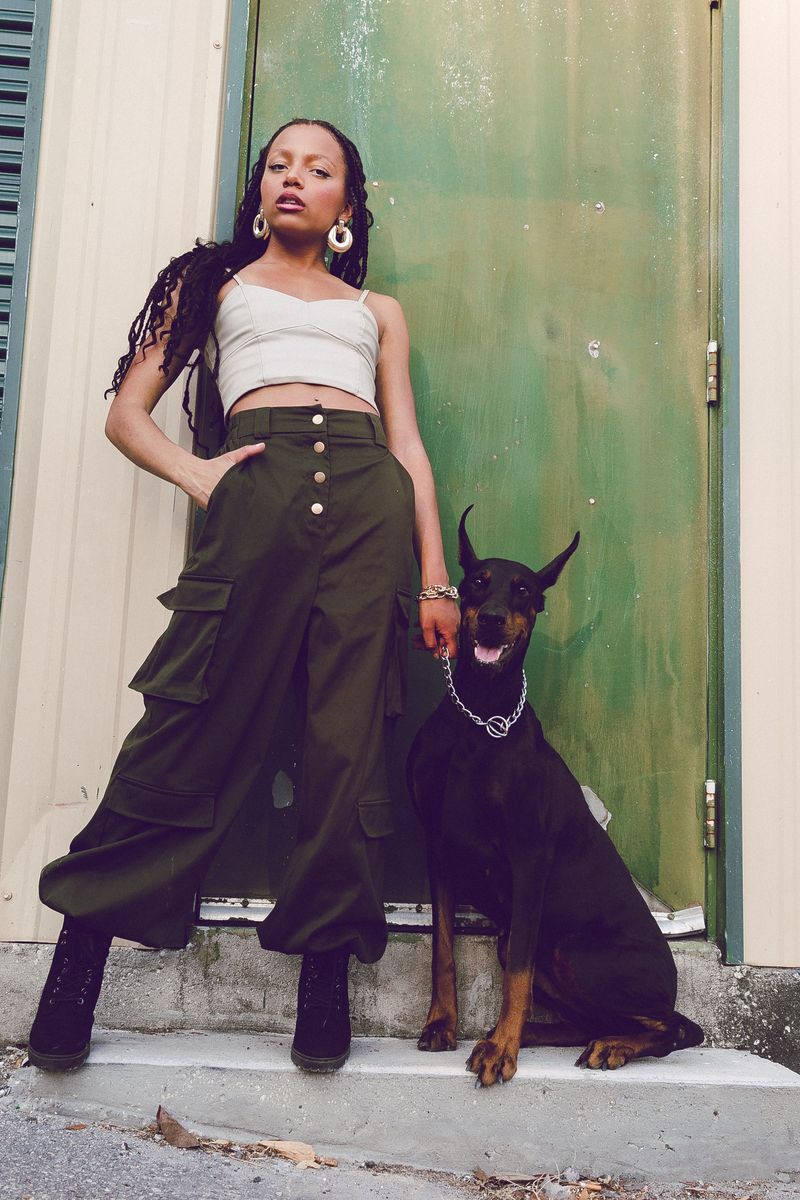
A Doberman may stay stretched out on the rug when a guest arrives, yet its eyes follow every step. That quiet attention makes sense for a breed known for staying close to its people.
Watch for a still body, a raised head, or a shift toward the door. Give your dog room to observe, and ask visitors to let it approach at its own pace.
Reward calm greetings instead of pushing for instant friendship.
German Shepherd: A Sound Beyond the Fence
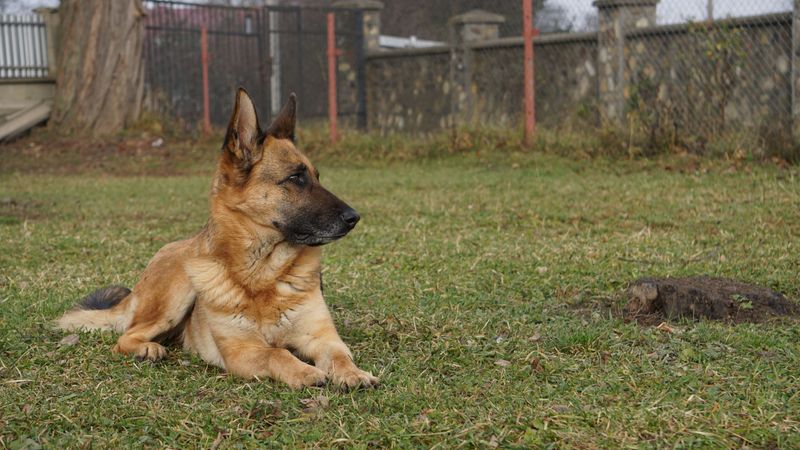
A soft thump beyond the fence can interrupt a German Shepherd’s afternoon nap. Its ears may turn first, followed by a careful look toward the sound.
Resting does not mean it has stopped listening.
If your dog notices a noise, check the area before dismissing its reaction. Keep fences secure and practice a simple cue that calls it back to you.
Praise the return, so curiosity does not turn into frantic barking.
Rottweiler: The Shift in the Family Circle
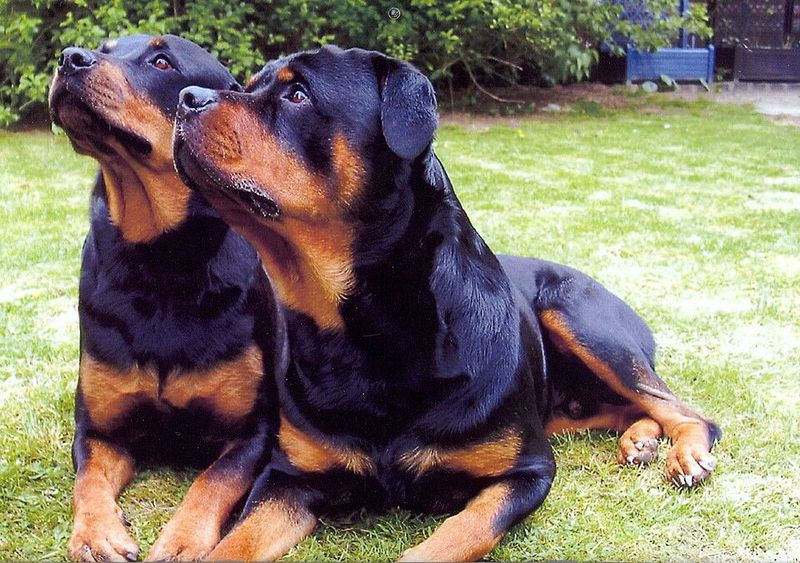
Family movie night looks peaceful, but a Rottweiler may notice when someone gets up and moves across the room. Many dogs track familiar people because their daily routines matter to them.
A glance or a slow head turn is usually just information gathering. If your dog keeps blocking a person’s path, guide it to a comfortable resting spot and reward it for staying there.
Clear routines help everyone move around the house with ease.
Standard Schnauzer: The Bag That Wasn’t There
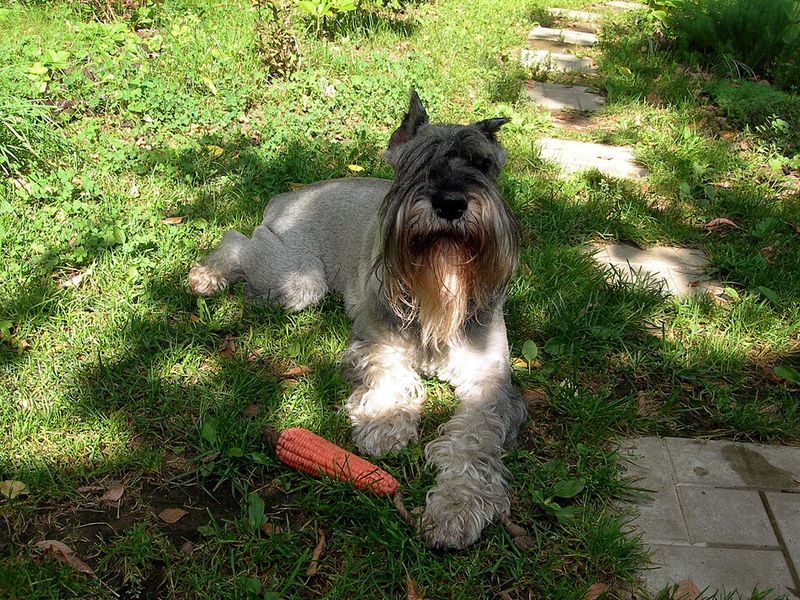
Leave a shopping bag in the hallway, and a Standard Schnauzer might inspect it like a tiny detective. Its curious expression can make a harmless change seem like a major event.
Let your dog sniff safe new objects while you stay nearby. Keep sharp items, food, and loose handles out of reach.
If it seems unsure, toss a treat a short distance away rather than forcing an introduction. Exploring by choice builds confidence over time.
Akita: An Unfamiliar Dog Across the Street
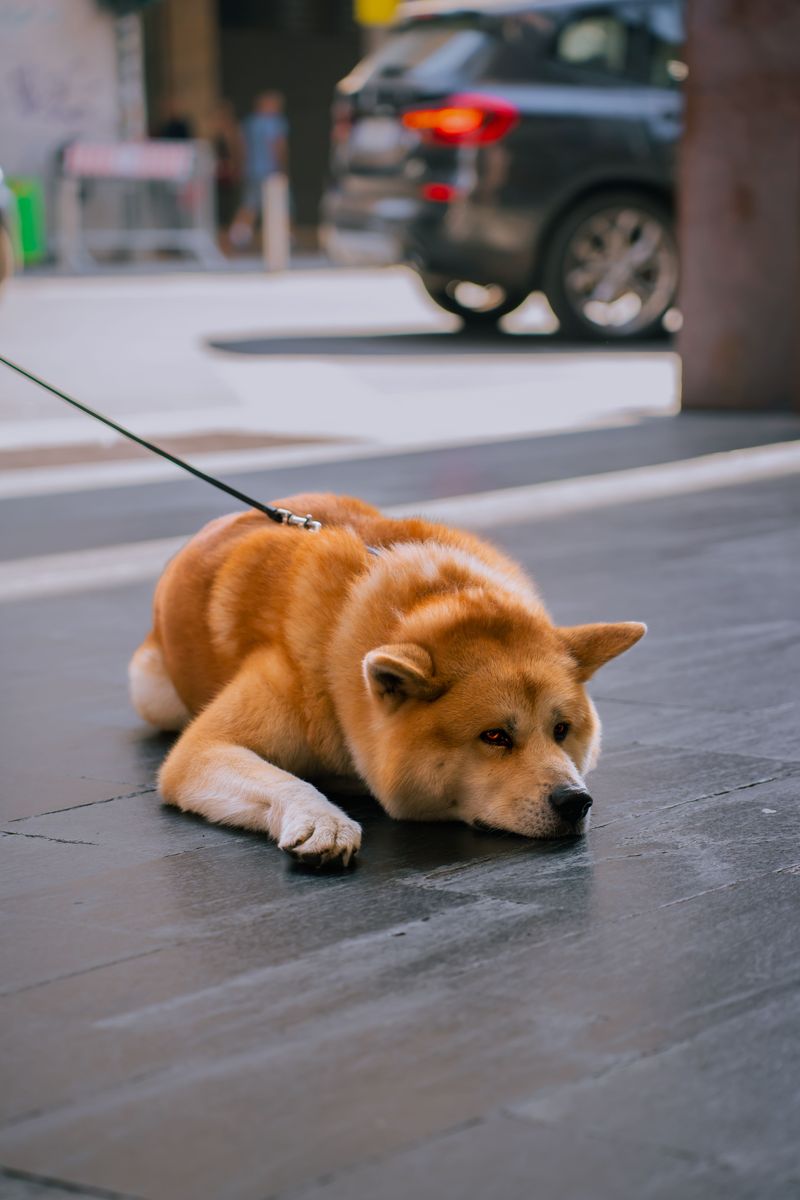
An Akita may sit quietly beside you while watching a dog across the street. The calm pose can hide a lot of careful attention, especially when the other dog is unfamiliar.
Notice whether your dog’s body grows stiff or its gaze becomes fixed. Create more distance before tension builds, and reward it for looking back at you.
Skip forced greetings on walks. A peaceful pass is a success, even when the dogs never meet.
Australian Cattle Dog: One Person Walks Away
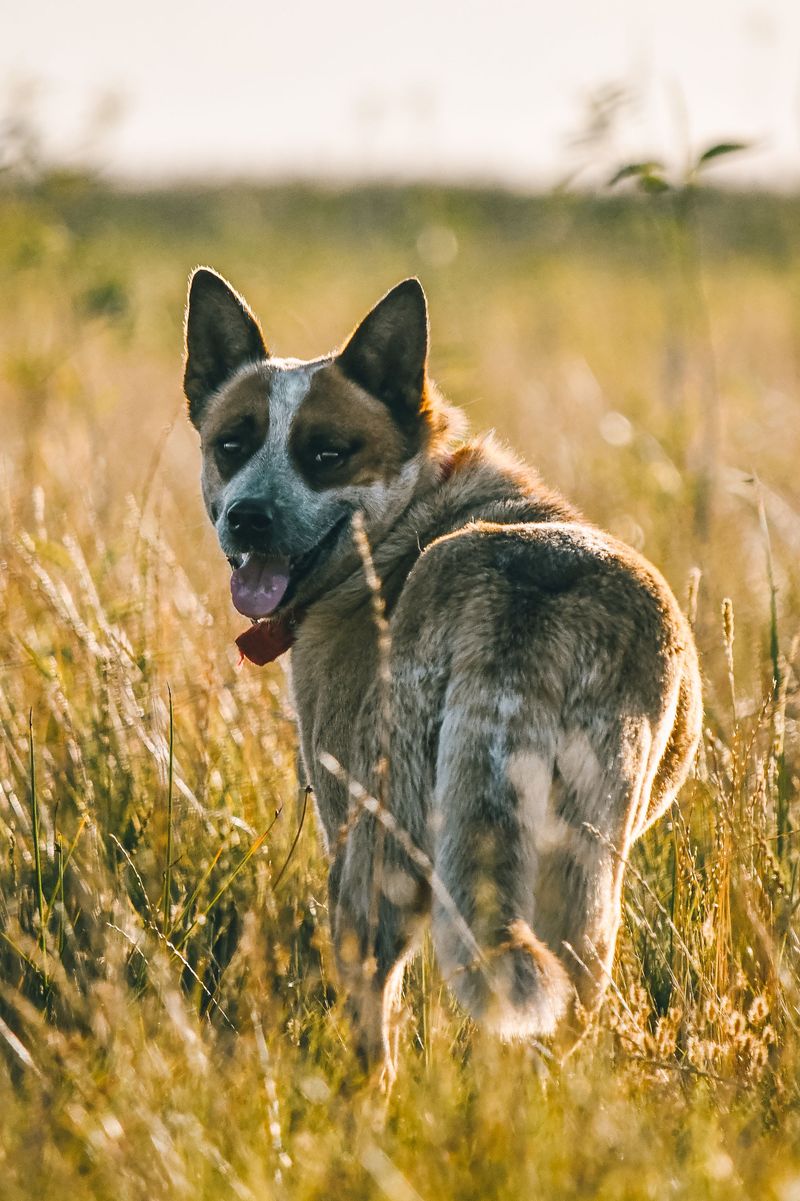
One person heads toward the garden, and an Australian Cattle Dog suddenly has a new project. Bred to help move cattle, this quick thinker may pay close attention when a group spreads out.
If it starts circling people or nipping at heels, calmly redirect it to a toy or a trained task. Give it games that use both its brain and body.
Fetch, scent searches, and short training sessions offer better outlets than chasing family members.
Rough Collie: The Child Who Left the Room
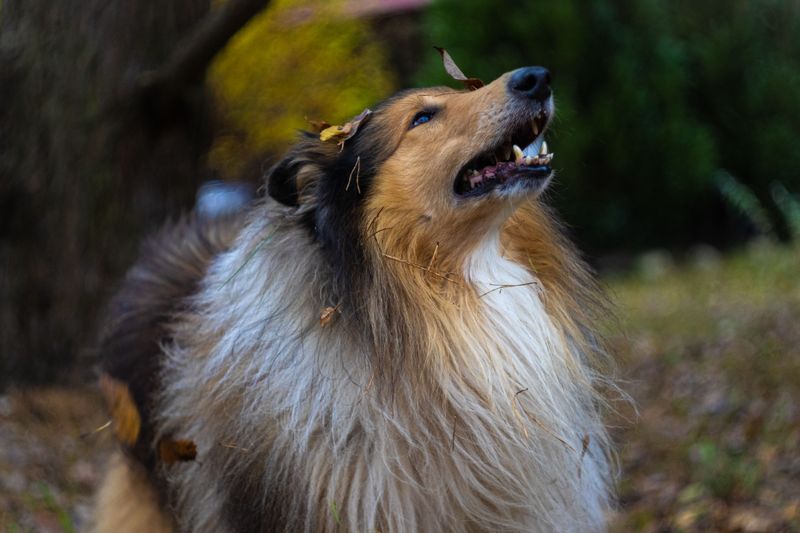
A Rough Collie can look half asleep until a child leaves the room. Then those bright eyes may follow the doorway.
Collies often enjoy knowing where their family members are, even during quiet time.
Make sure your dog has a resting place where it can watch without being stepped over. Teach children to leave sleeping dogs alone, no matter how friendly they seem.
If your collie follows constantly, practice short, rewarding moments apart.
Rhodesian Ridgeback: Movement at the Tree Line
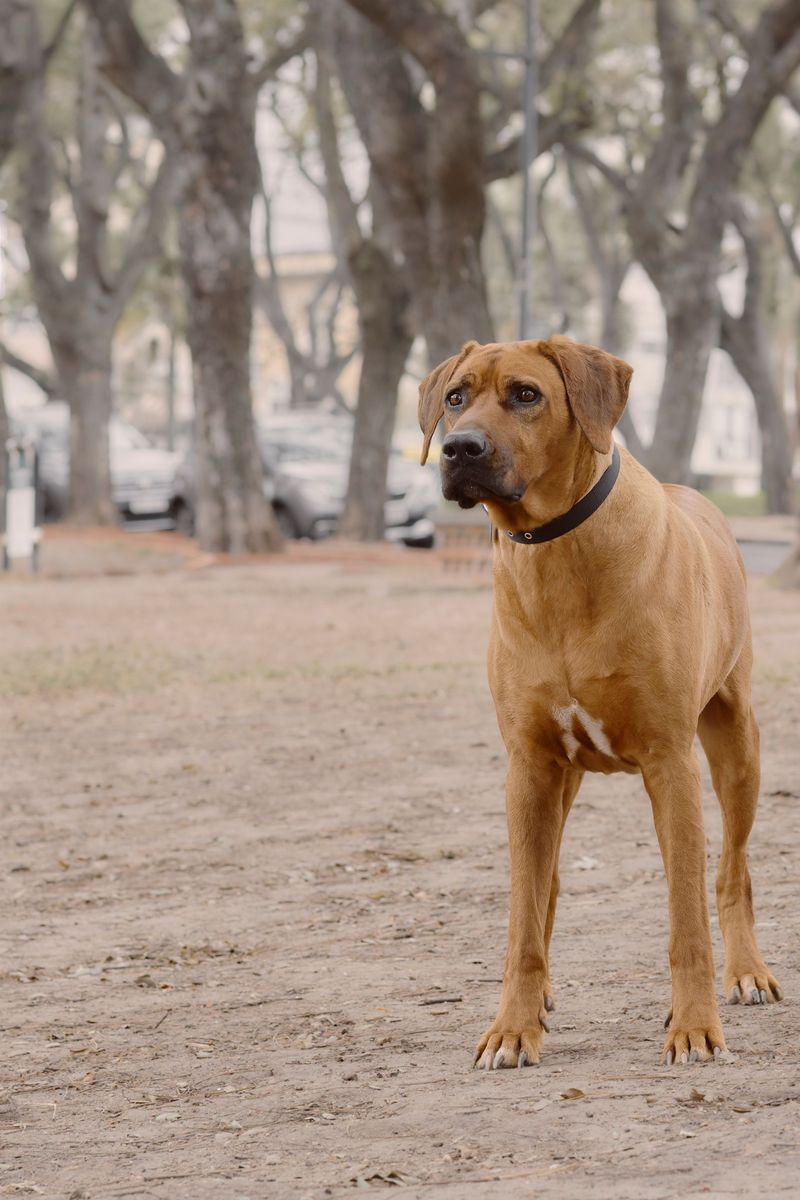
From the porch, a Rhodesian Ridgeback might spot movement near the trees long before you do. A squirrel, blowing branch, or passing neighbor can all earn a second look.
Before opening the door, check what has caught its attention. A leash or secure fence matters when wildlife is nearby, since a sudden chase can begin quickly.
Teach a reliable recall in easy places first, then practice around mild distractions while keeping your dog safe.
Giant Schnauzer: A Gate Left Ajar
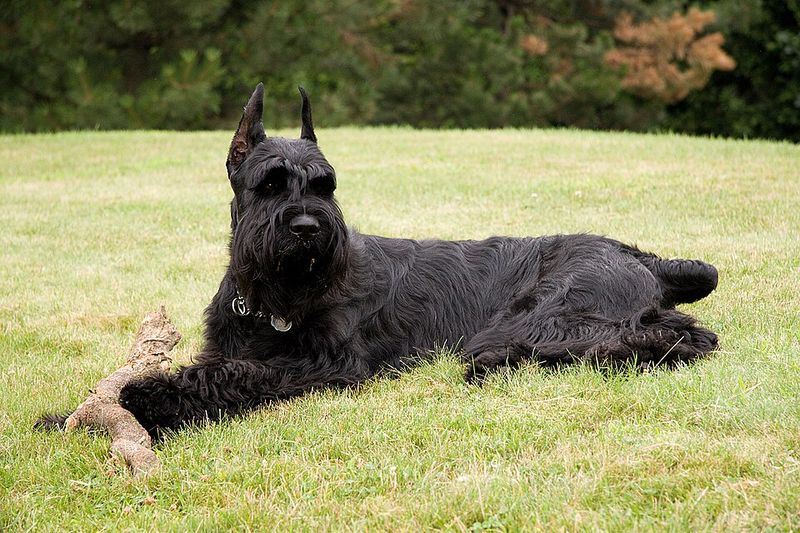
A gate left slightly open may catch a Giant Schnauzer’s eye even while it rests in the yard. Dogs notice changes in familiar spaces, and an open exit can be especially interesting.
Check latches before outdoor time instead of counting on your dog to stay put. If it heads toward the gap, call it away and reward the choice to return.
Practice that cue often, but never use training as a replacement for a secure gate.
Belgian Malinois: A Hand Reaches for the Keys
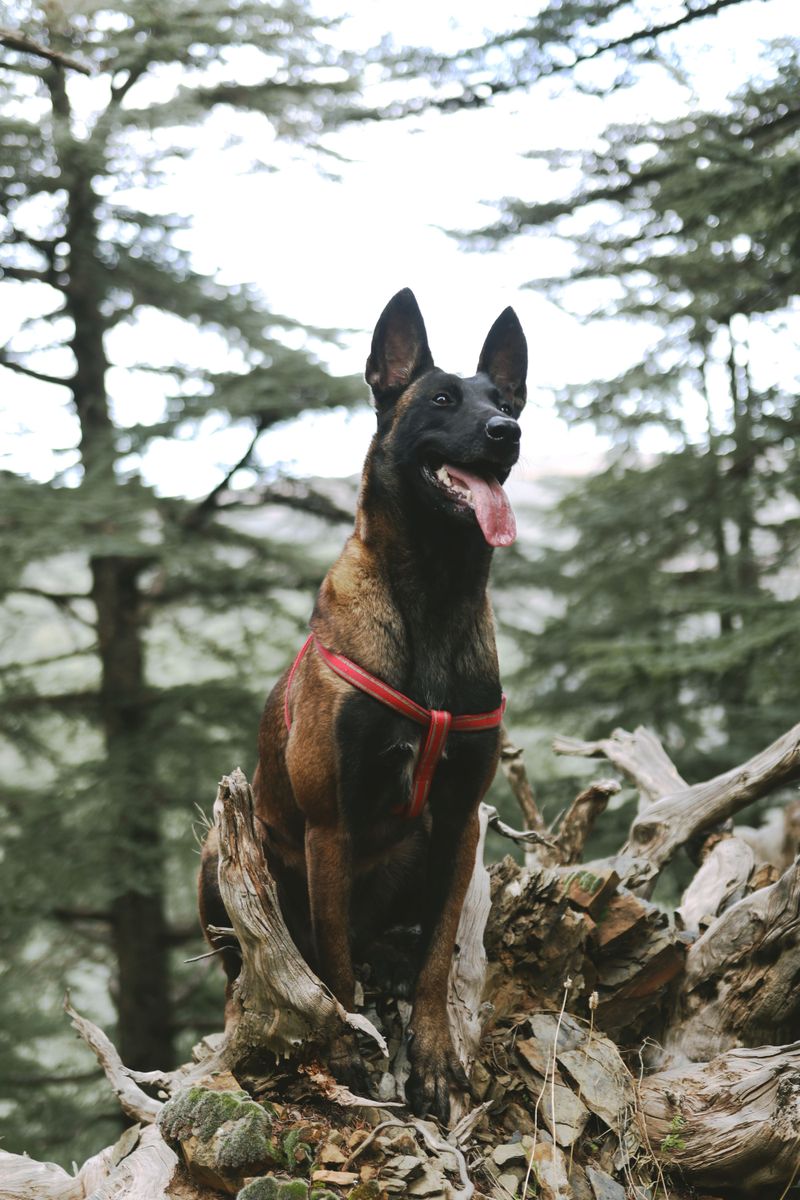
Pick up your keys, and a Belgian Malinois may know something is happening before your shoes are on. Tiny clues in a daily routine can grab this energetic dog’s attention.
If departures make it restless, practice picking up the keys without leaving, then settle back down. Pair quiet behavior with a safe chew or food puzzle.
Build alone time gradually, and seek help from a qualified professional if your dog shows signs of distress.
Cane Corso: A Stranger Near the Driveway
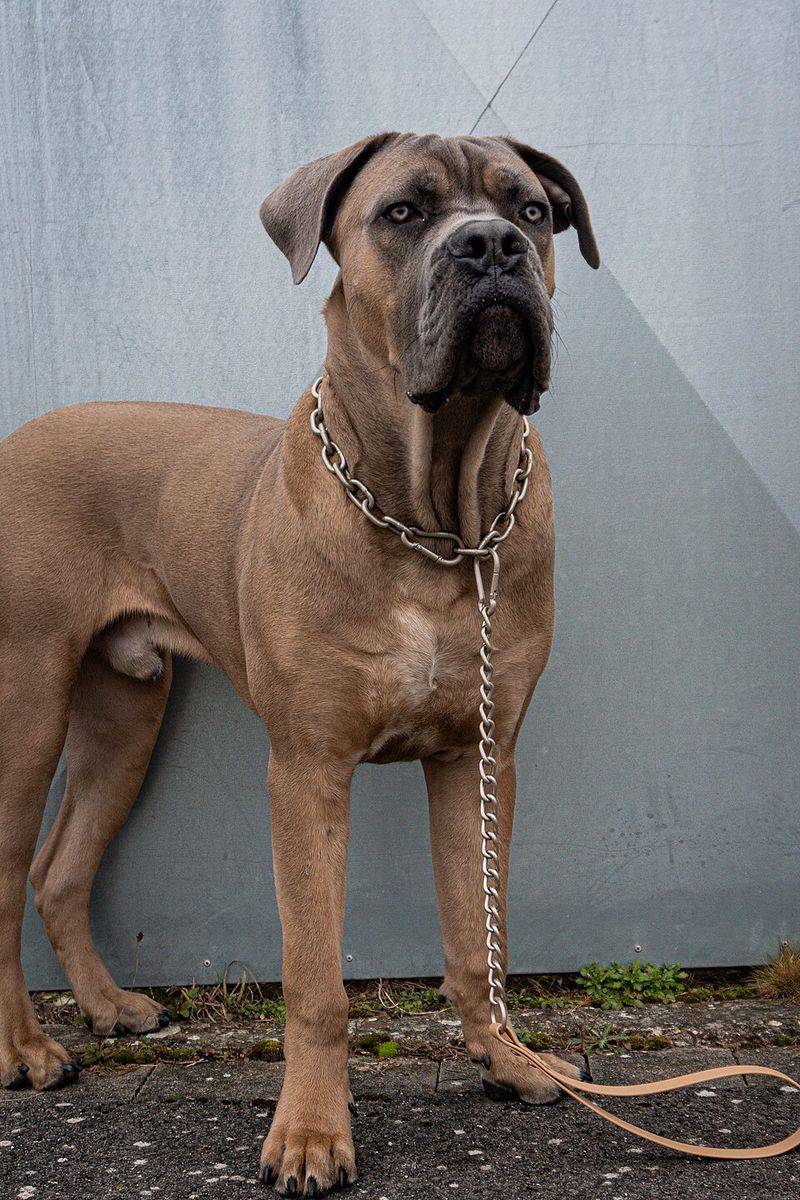
A Cane Corso can appear settled by the window while keeping an eye on someone near the driveway. Its size and watchful manner make calm handling especially valuable when visitors arrive.
Give your dog a cue to move away from the window and settle on a mat. Reward relaxed behavior before opening the door.
Use a leash or barrier for introductions, and let guests ignore the dog at first. Choice and space support safer greetings.
Great Pyrenees: A New Sound After Dark
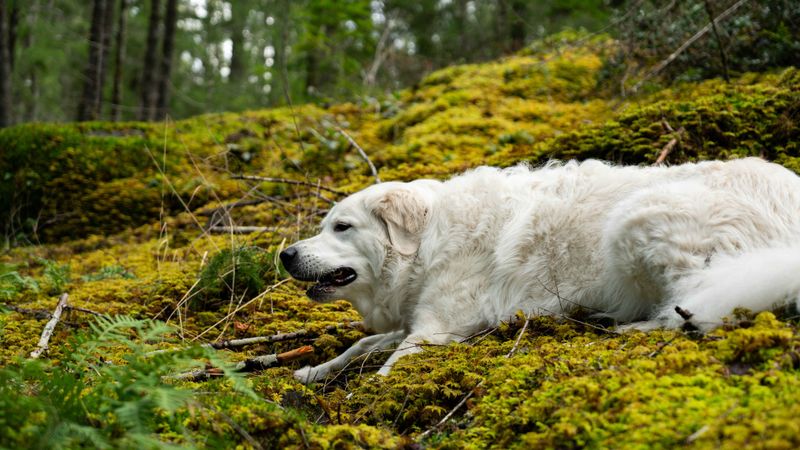
After dark, a Great Pyrenees may raise its head at a sound no one else heard. This breed has a history of guarding livestock, so nighttime noises can deserve a careful listen.
Look outside safely rather than scolding the dog for noticing something. Close curtains if passing lights keep setting it off, and offer a quiet place to sleep.
When it settles after a sound, praise the pause. Consistent routines can make evenings calmer for everyone.