
We love dogs that stick to us like glue. Loyalty feels amazing, until walking out the door turns into a hard goodbye.
Some breeds bond so closely that even a quick errand becomes stressful for everyone. Let’s explore how deep attachment shows up in daily life and how to make leaving home easier for both you and your dog.
Doberman Pinscher
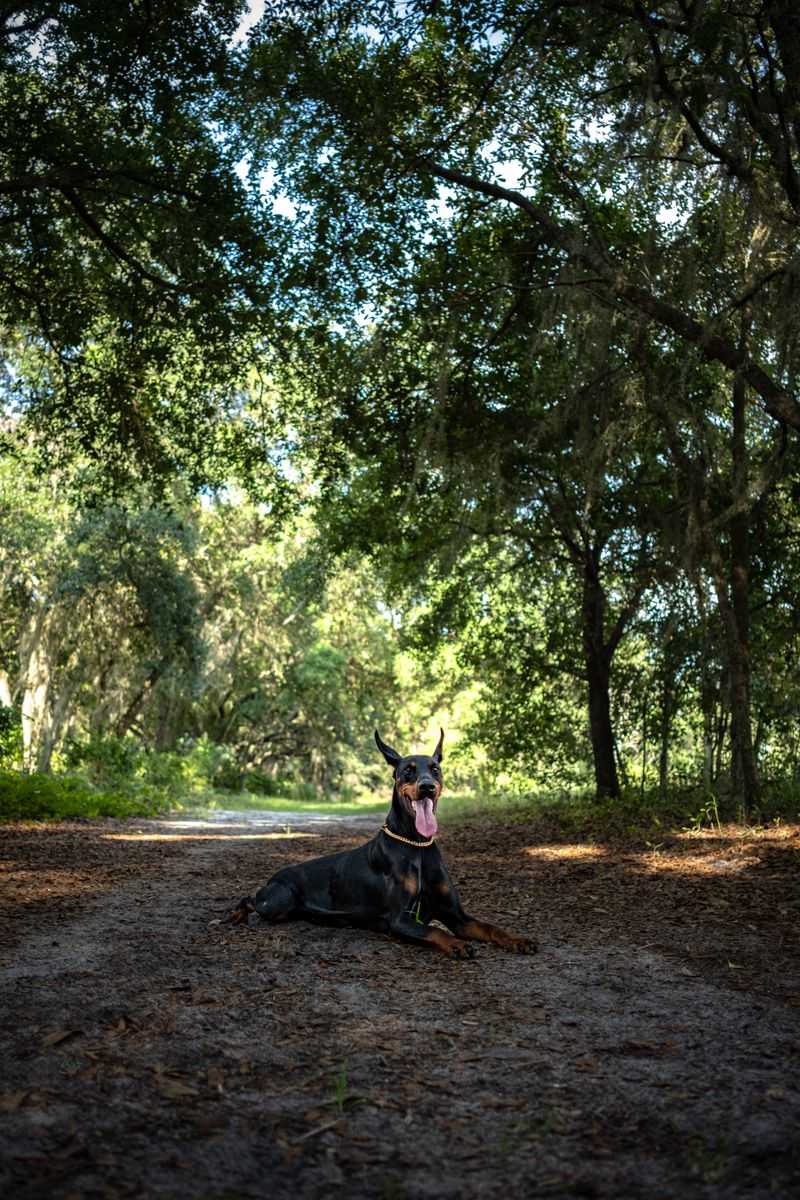
Big presence, bigger heart. Many Dobermans shadow their favorite person from room to room, reading every movement like a headline.
That fierce devotion can turn goodbyes into a tense countdown. Start easing exits with slow practice, like picking up keys without leaving, and rewarding calm.
Daily workouts and brain games work wonders. Try scent searches in the yard or brief obedience drills before you go.
A stuffed frozen chew can help bridge the first 15 minutes, when anxiety usually peaks.
Weimaraner
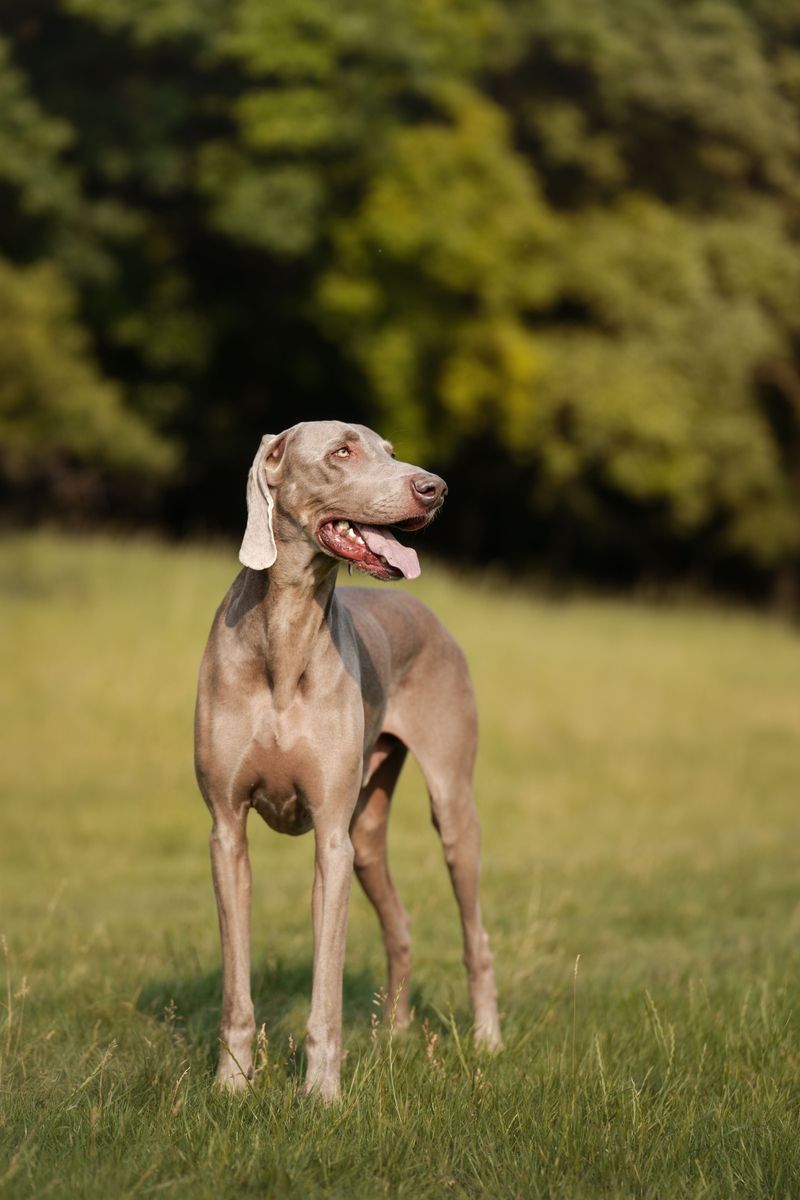
Nicknamed the gray ghost, a Weimaraner often trails you like a friendly shadow. That close bond can feel sweet until errands stack up and whining starts.
Build independence little by little. Practice place training on a mat, reward relaxed body language, and vary your routine so departures feel less predictable.
Long runs or fast fetch help drain fuel. Mix in nose work and food puzzles.
When leaving, keep goodbyes short, steady, and boring to reduce drama.
Italian Greyhound
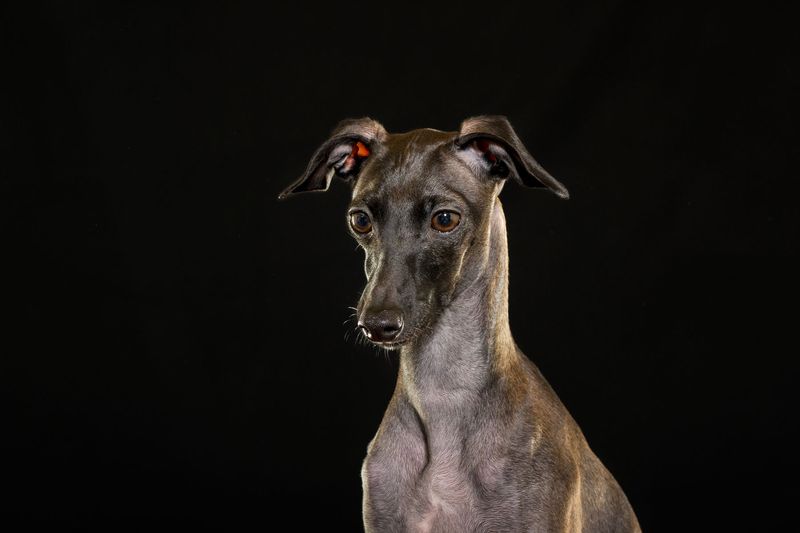
All elegance and ankle hugs, the Italian Greyhound adores warm laps and familiar people. Quiet cuddles are lovely, yet sudden solos can spark trembling or pacing.
Try staged absences that start at 30 seconds, then slowly grow. Pair those moments with a special treat reserved only for departures.
Gentle exercise, like short sprints and tug, takes the edge off. Add vertical perches and window views for enrichment.
Soft background music can soothe sensitive ears and hearts.
Boxer
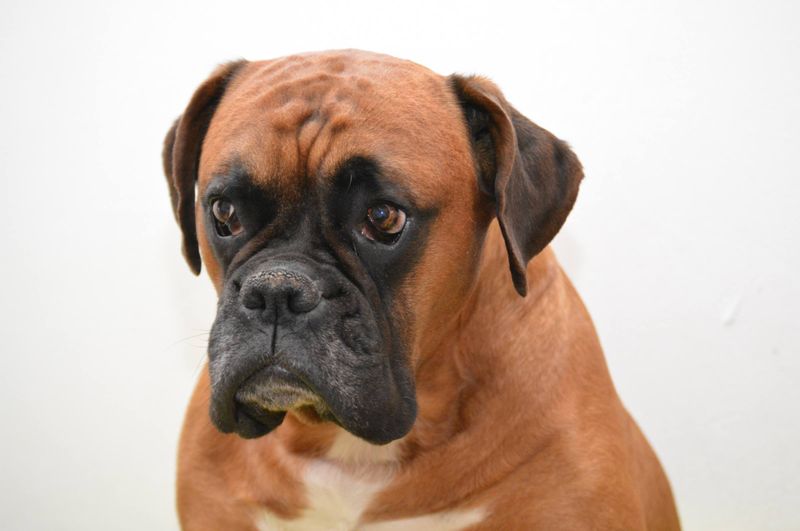
Goofy grins meet serious devotion with the Boxer. Many act like comedians, then worry the moment you grab your bag.
Channel that energy before you leave. Ten minutes of flirt pole play or fast-paced fetch can smooth the transition.
Teach a solid stay and settle on a bed. Rotate durable chews to keep novelty high.
When you return, keep greetings calm. Waiting a minute before big attention tells your Boxer that comings and goings are normal life.
Dachshund
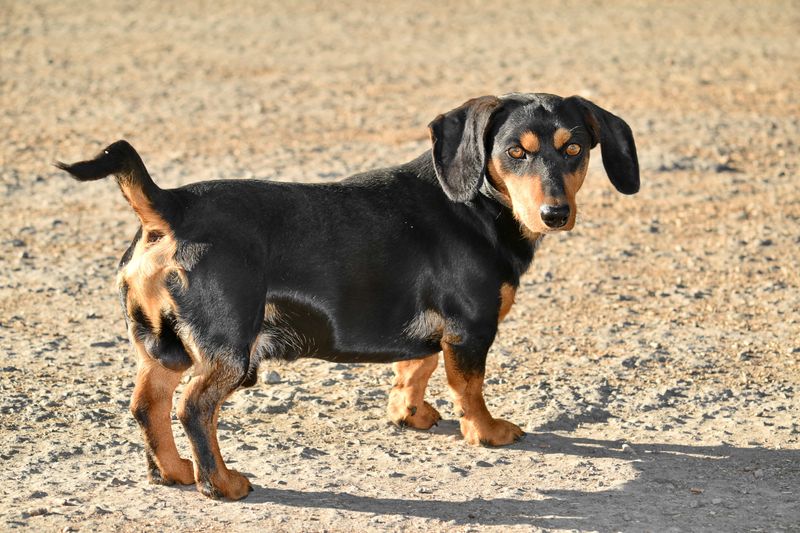
Small frame, giant feelings. A devoted Dachshund may trail you like a train, then complain when the caboose stops.
Give that nose a job. Scatter-feed kibble in a snuffle mat or hide treats in cardboard tubes so curiosity competes with worry.
Short training bursts add confidence. Teach a go-to spot and reward independent choices.
If barking ramps up, cover windows or use white noise. Consistency, not coddling, helps your long-bodied buddy handle alone time.
Chihuahua
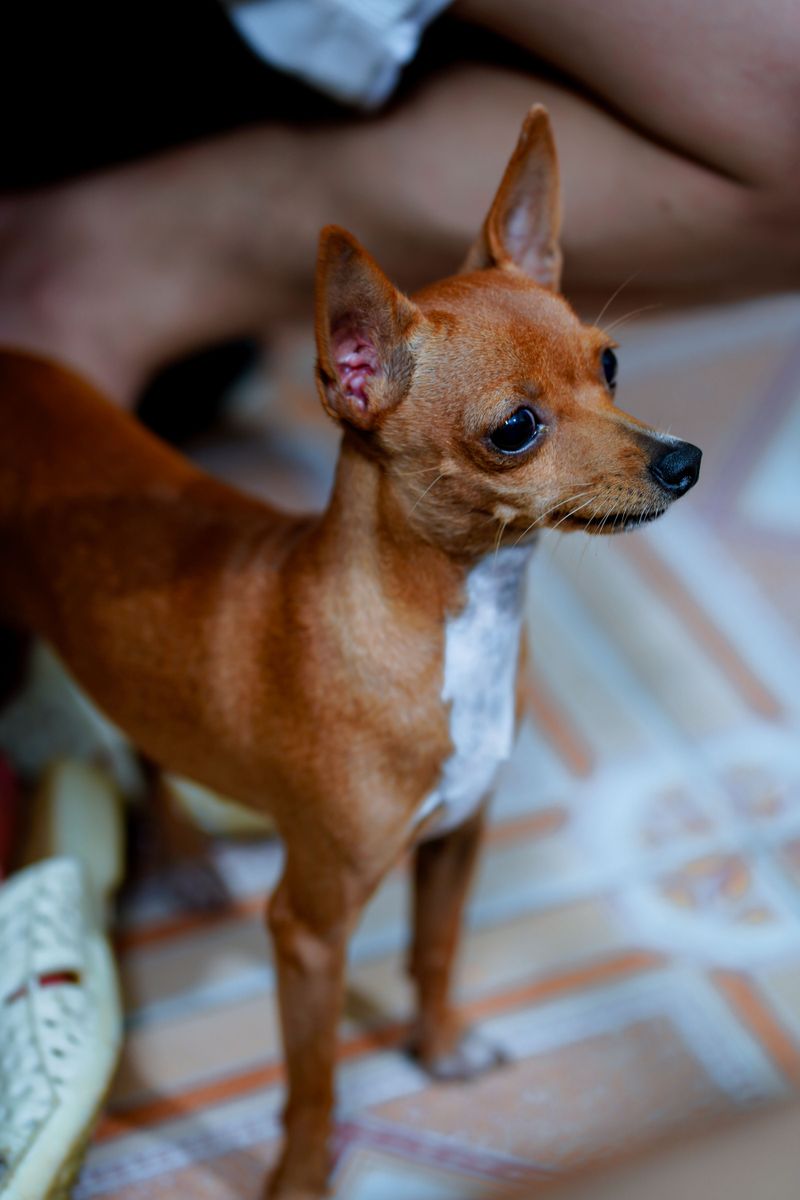
Pocket-sized partner, castle-sized loyalty. Many Chihuahuas guard their person like treasure, then protest departures with squeaks and pacing.
Start with calm touch and structured routines. Offer a small crate or pen that feels like a secure den and reward quiet moments inside.
Training games make confidence grow. Targeting a hand, spinning on cue, or simple scent finds keep the brain busy.
Leave a warmed blanket and a safe chew to anchor comfort while you are out.
German Shorthaired Pointer
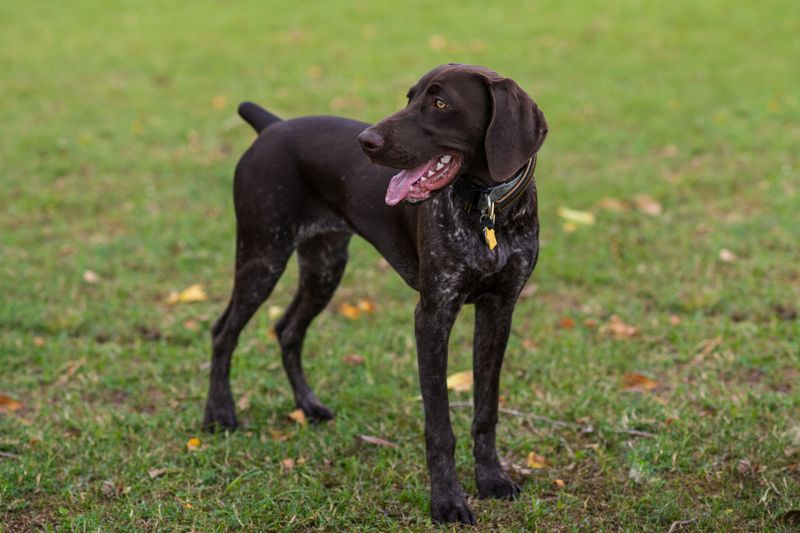
Built to move and eager to please, the German Shorthaired Pointer bonds fast and fierce. Without an outlet, that zeal turns into door-side worry.
Plan structured exercise, not just wandering. Try intervals of fetch, then a cooldown with place training before you leave.
Brain work matters as much as miles. Hide-and-seek, tracking games, and food puzzles tire the mind.
Keep departures neutral, then mark quiet behavior on return so calm becomes the habit.
Australian Shepherd
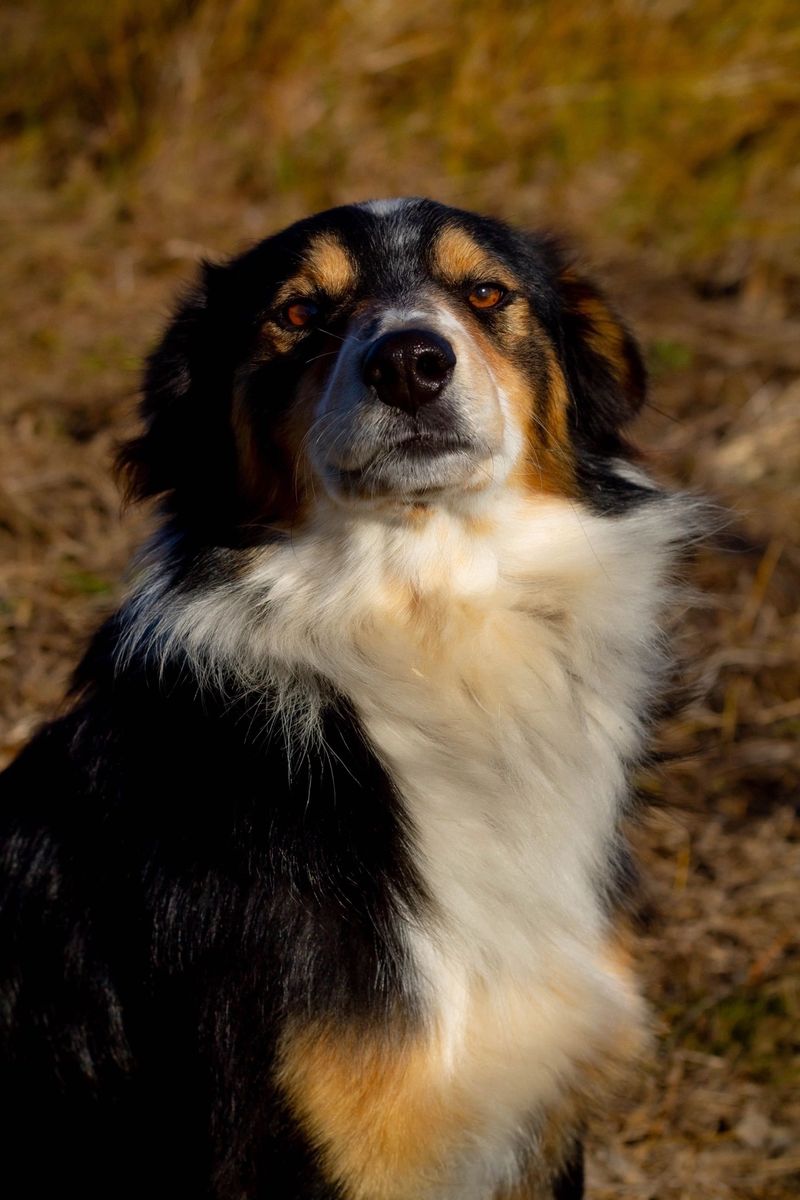
Smart as a coach and twice as watchful, the Australian Shepherd can predict your next move before you make it. That mind needs missions.
Give daily jobs like carrying a soft toy to the door or practicing a settle while you lace shoes.
Agility-style drills in the yard release steam. Rotate puzzle feeders and teach quiet place time.
Short, frequent absences build tolerance. When you return, meet calm with calm to keep emotions level.
Cavalier King Charles Spaniel
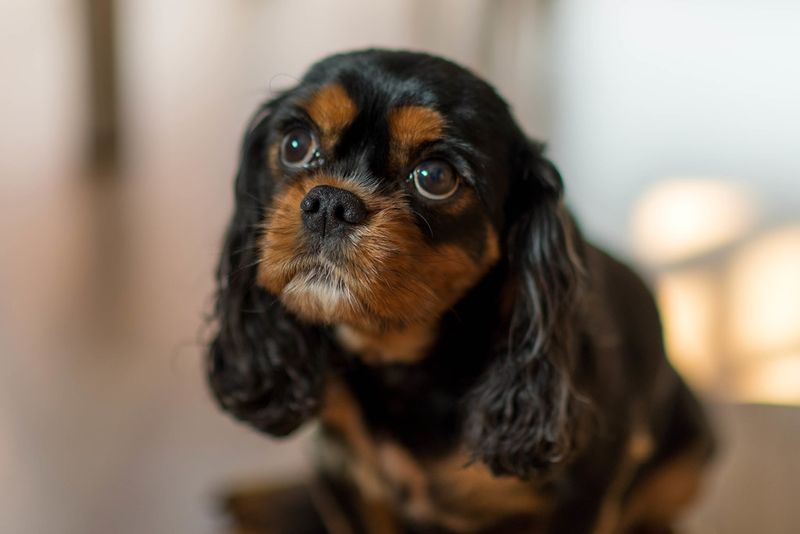
Big eyes, soft soul. Cavaliers bond deeply and often prefer touch to toys.
Without practice, quiet whimpers can grow when you step out. Create comfort rituals.
A gentle massage before a nap spot and a special chew for departures can steady nerves.
Short walks with sniff breaks calm the mind. Teach a relaxed down-stay and reward independence.
Keep exits low-key, and use predictable schedules so your tender-hearted friend knows what comes next.
Maltese
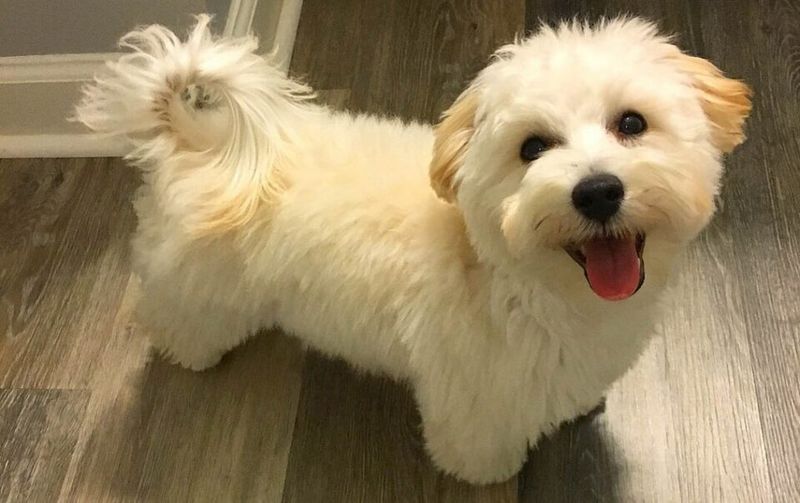
Feather-light body, heavyweight cuddler. The Maltese often prefers laps to long walks, which can make solo time tough.
Build confidence with tiny wins. Ask for a sit, reward, then step away for a breath and return before worry rises.
Stretch the gap slowly.
Calm activities help, like lick mats and gentle foraging. Keep the room cozy and use soothing sounds.
Greet quietly after your return, then play together to close the loop on a positive note.