
Some dogs love their family so much that they naturally keep an eye on everyone around them. They may be sweet at home but careful when a stranger walks up.
That watchful side can be helpful, but it also needs training, patience, and smart social time. Here are loyal breeds known for putting family first.
Rottweiler
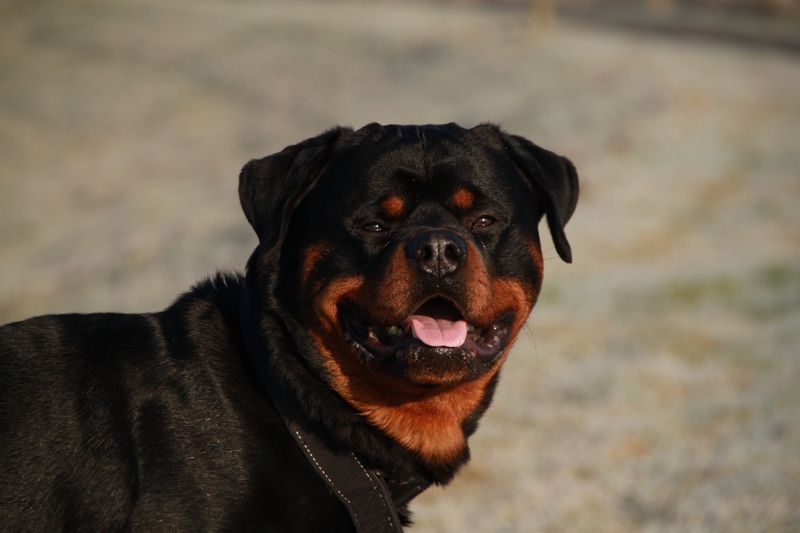
A Rottweiler often acts like the quiet security guard of the house, watching first and reacting only when needed. With family, many are goofy, loving, and eager to lean against their favorite people.
Early training matters because this powerful breed needs clear rules and polite greetings. Invite trusted visitors over, reward calm behavior, and teach a solid place command.
A well-raised Rottweiler can be steady, confident, and deeply devoted without being pushy or overly suspicious.
Akita
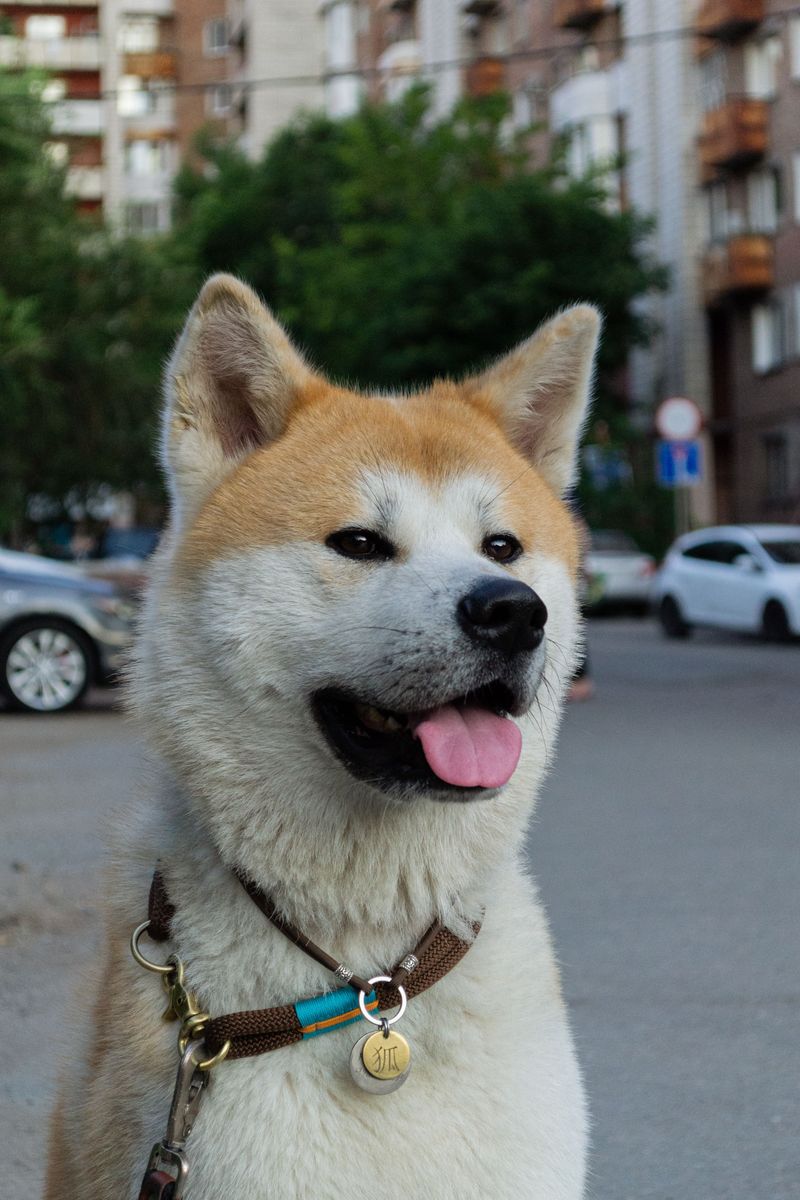
An Akita may greet family with soft eyes, then turn into a serious observer when someone new appears. Bred in Japan for hunting and guarding, this bold dog often chooses its inner circle carefully.
Social lessons should start young and continue for life. Keep introductions calm, short, and positive, especially around guests or other dogs.
Akitas do best with owners who respect their independent mind while still setting fair limits every single day.
German Shepherd
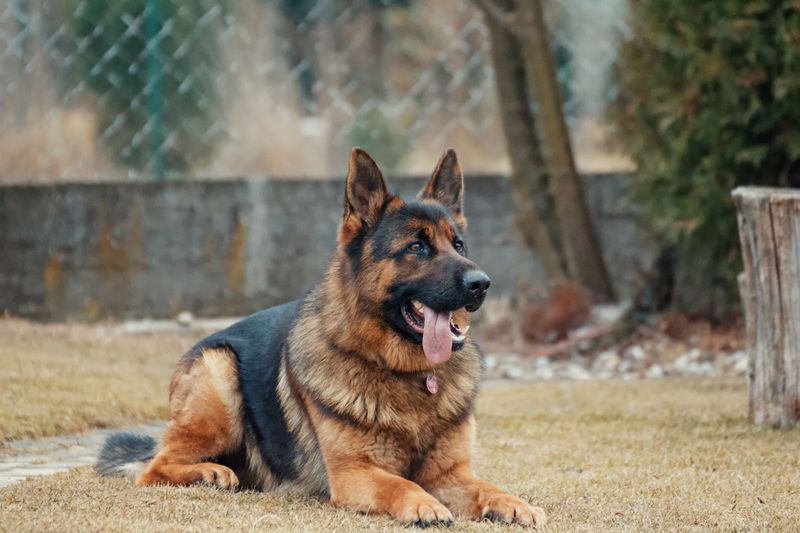
Few breeds read a room like a German Shepherd. One minute, it is chasing a ball with the kids; the next, it is standing tall because the gate clicked open.
This smart worker needs both exercise and brain games, or that sharp mind may invent its own jobs. Practice obedience in busy places, reward relaxed behavior, and give it a clear routine.
With guidance, a German Shepherd becomes loyal, useful, and wonderfully tuned in to family life.
Cane Corso
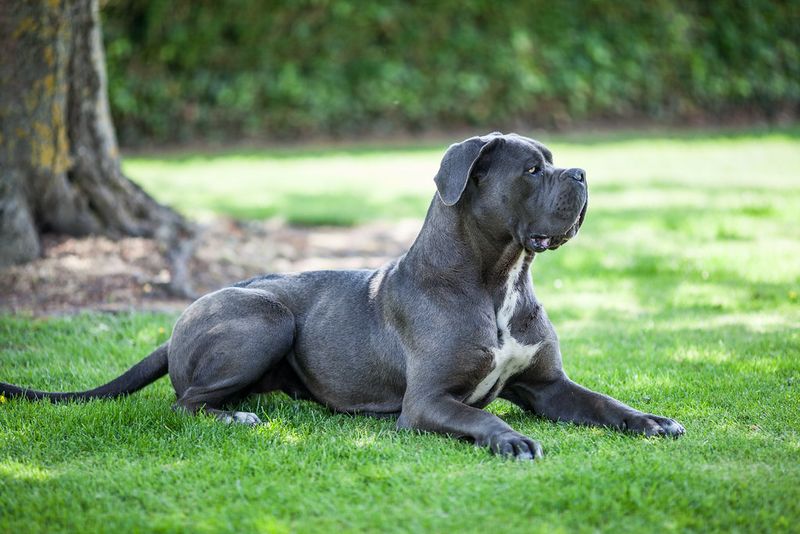
A Cane Corso can look like a statue until its family moves, then it follows with quiet purpose. This Italian mastiff was built for farm work and protection, so awareness comes naturally.
Because of its size and strength, polite manners are not optional. Teach leash skills, door manners, and friendly handling from puppyhood.
Guests should never rush up or crowd its space. With steady leadership, the Corso can be affectionate at home and sensible in public.
Doberman Pinscher
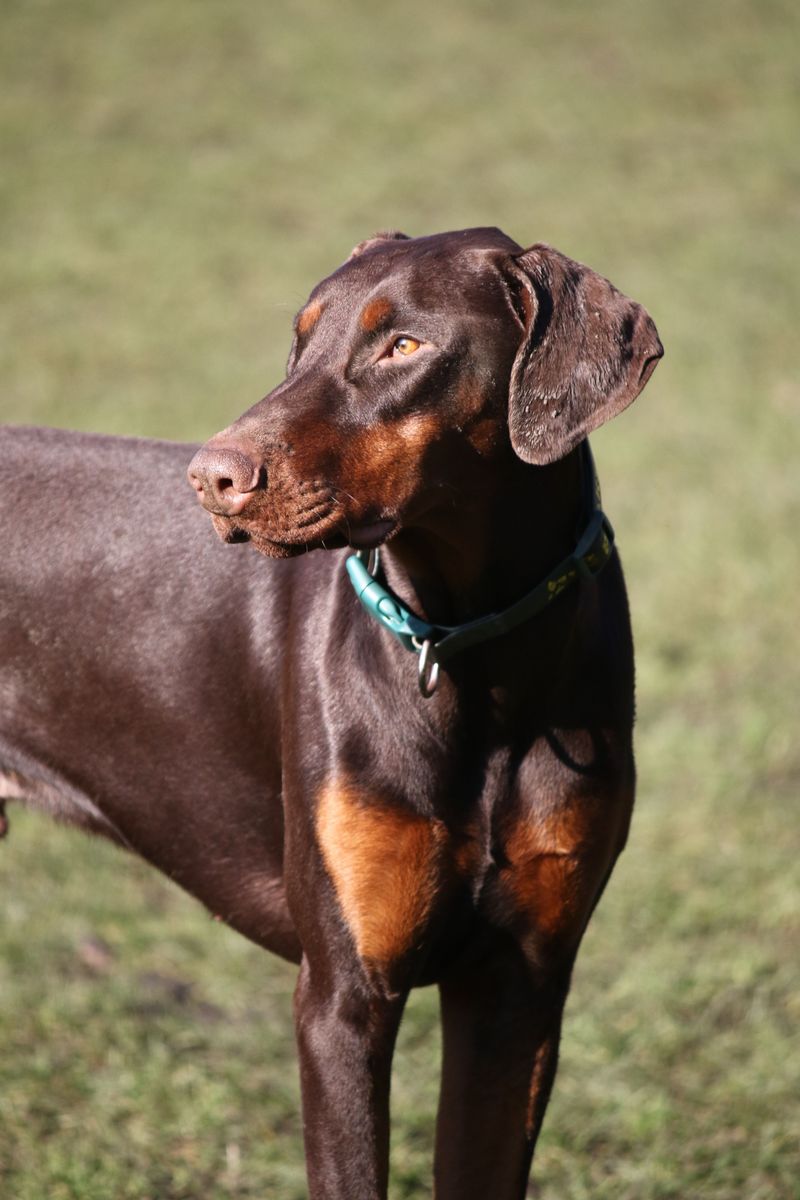
Like a fast-thinking athlete in a shiny coat, the Doberman Pinscher is quick to notice changes. A delivery truck, a new voice, or an open side gate will rarely escape its attention.
Behind that sharp look is a people-focused dog that often wants to be right beside its family. Give plenty of exercise, puzzle toys, and reward-based training.
When well socialized, a Doberman can be polite with strangers while still staying proudly alert.
Great Pyrenees
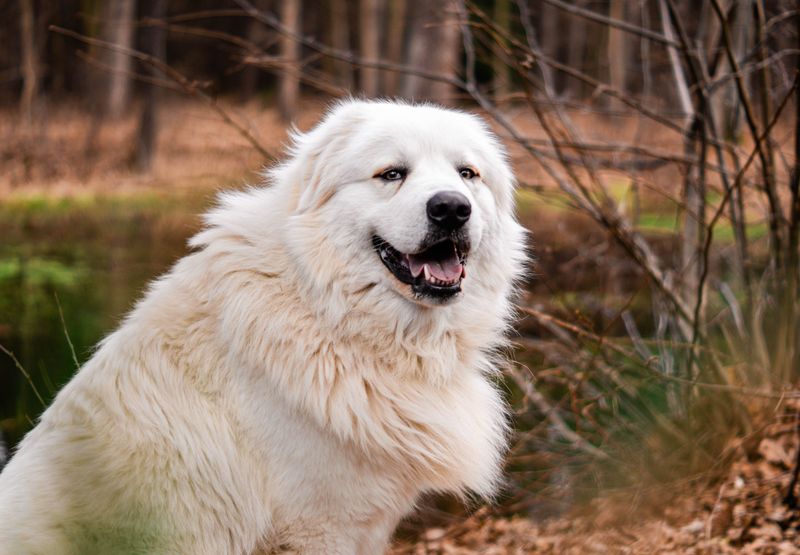
A Great Pyrenees may seem dreamy, but do not be fooled by the fluffy cloud look. For centuries, this mountain dog guarded sheep, often making choices without a human nearby.
At home, that means it may bark at night sounds or patrol the yard like it owns the moon. Teach a quiet cue, secure fences, and reward calm checking-in.
Patient families often love its slow, thoughtful way of protecting the people and animals it trusts.
Giant Schnauzer
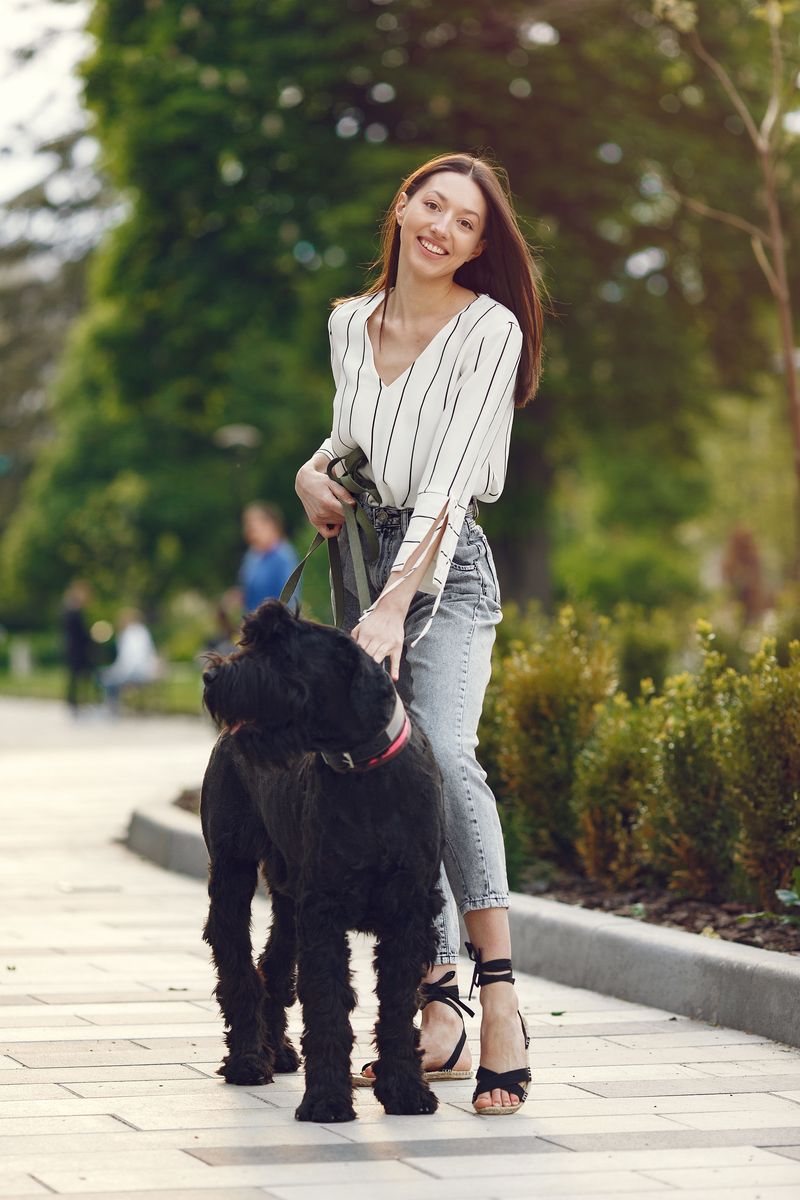
A Giant Schnauzer brings the energy of a bossy coach and the loyalty of a best friend. Its bold beard and bright eyes make it look ready to run the household meeting.
This breed needs a job, whether that is advanced training, long walks, or scent games in the yard. Without structure, it can become noisy or pushy.
Teach guests to offer space first, then reward friendly curiosity. A busy Giant Schnauzer is often a happier, steadier guardian.
Rhodesian Ridgeback
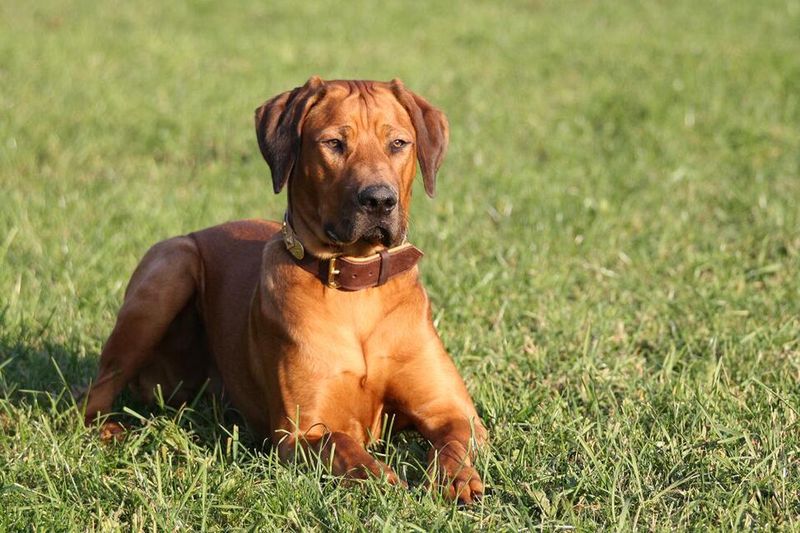
A Rhodesian Ridgeback has a calm confidence that can feel almost catlike. Originally developed in southern Africa, it helped hunters track lions, so bravery is part of its story.
Many Ridgebacks are loving at home but reserved when strangers try too hard, too fast. Keep meetings relaxed and let the dog choose when to approach.
Daily exercise is key, but so is practicing calm rest. A respectful routine helps this athletic dog become a steady family lookout.
Bullmastiff
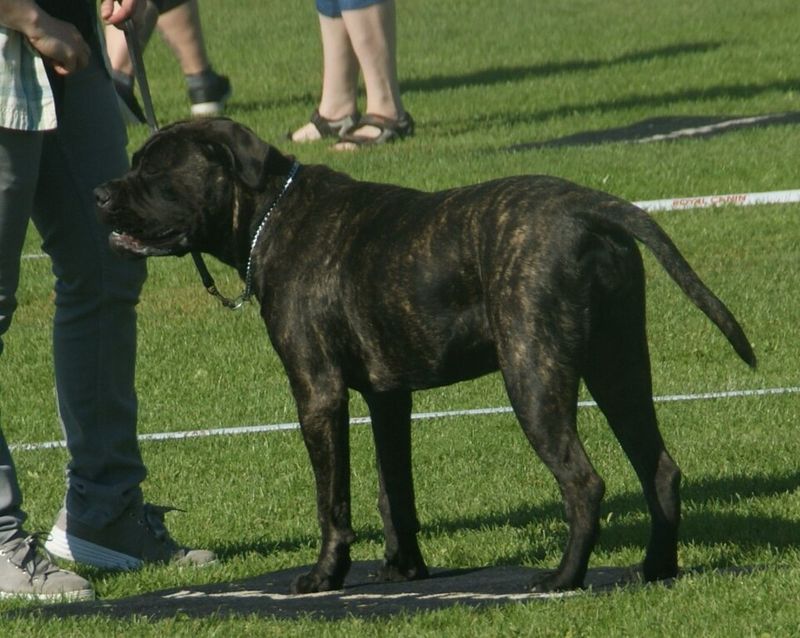
A Bullmastiff is the kind of dog that may not bark much, but everyone notices when it stands up. Gamekeepers in Britain used the breed to help guard estates, and quiet courage remains a hallmark.
Inside the home, many are mellow, snuggly, and happy with moderate exercise. Still, their weight makes training important.
Practice loose-leash walking and gentle greetings early. Strangers should avoid loud, sudden moves.
With calm handling, this sturdy dog can be a peaceful family protector.
Beauceron
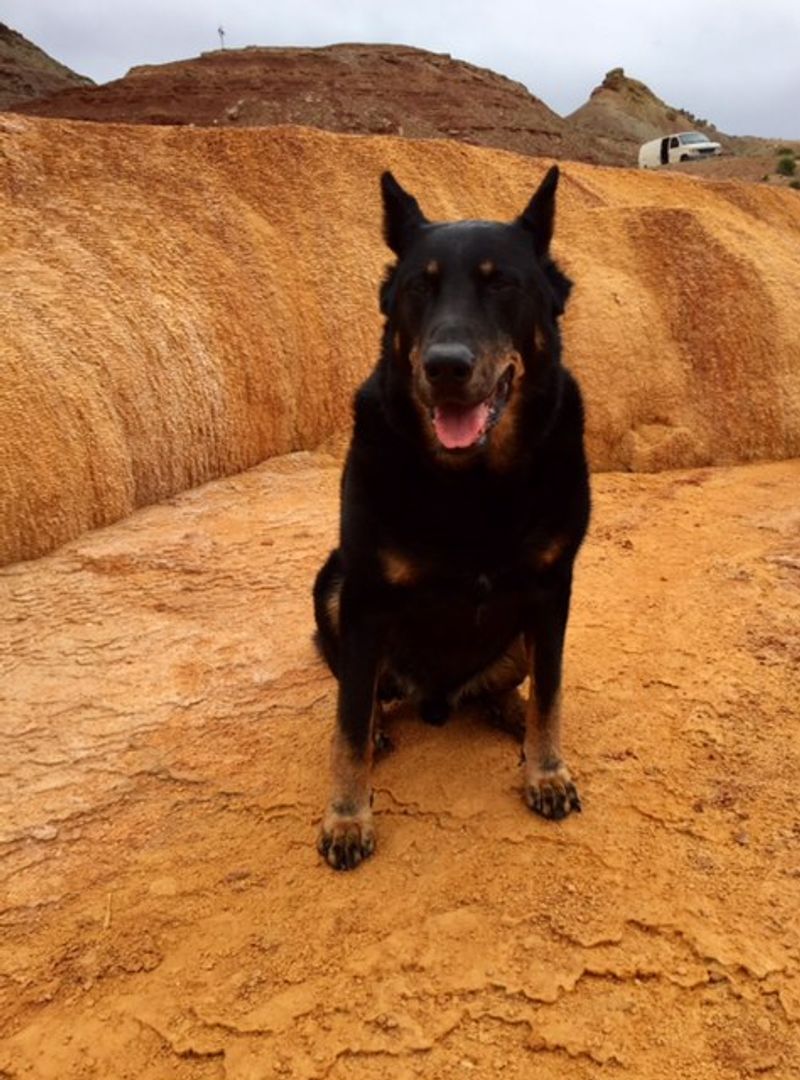
A Beauceron moves with the serious focus of a dog that already made a plan. This French herding breed was trusted with livestock, property, and long days of problem-solving.
Families who enjoy training often find it exciting, but beginners may feel outmatched. Use clear cues, daily practice, and plenty of mental work.
Introduce visitors with confidence and patience, not pressure. When its needs are met, the Beauceron can be affectionate, sharp, and strongly bonded to its household.
Anatolian Shepherd Dog
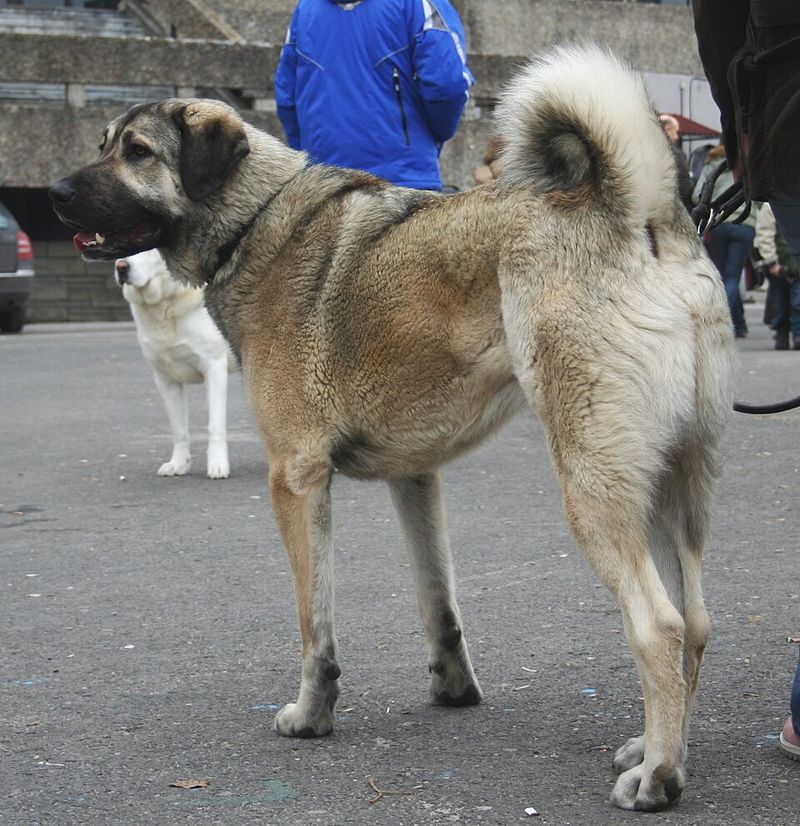
An Anatolian Shepherd Dog looks at the world like a quiet ranch manager. It was shaped to guard livestock across wide Turkish landscapes, often deciding on its own what seemed safe.
That independent streak can surprise owners who expect instant obedience. Build trust through consistent rules, secure fencing, and careful social outings.
Do not encourage extra suspicion, since the breed already has plenty of watchfulness. With experienced care, it can be deeply loyal and calm around its chosen family.
Chow Chow
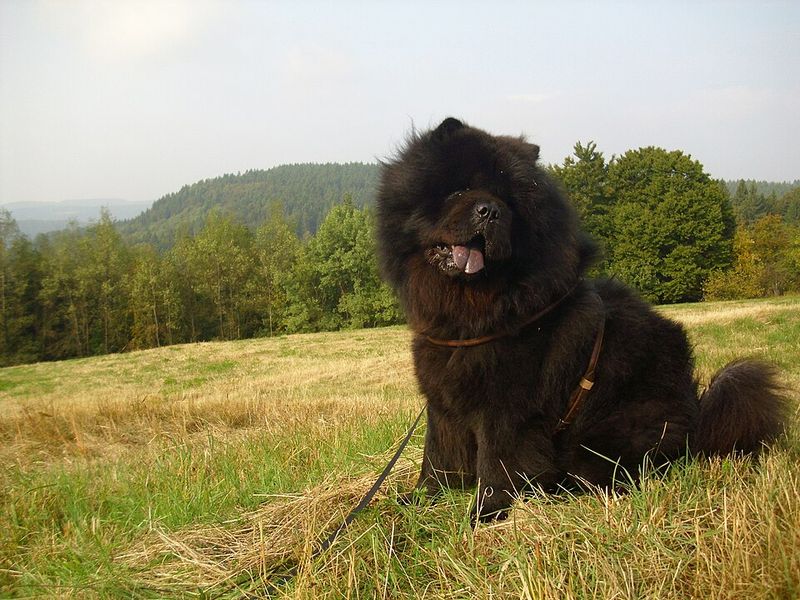
A Chow Chow may love its people deeply while acting like strangers forgot to make an appointment. With its lion-like coat and proud walk, this ancient Chinese breed has a strong sense of personal space.
Do not mistake its quiet style for laziness or weakness. Chows need respectful handling, grooming practice, and early exposure to normal sights and sounds.
Forced cuddles can backfire. Give choices, reward calm behavior, and let trust grow at the dog’s own pace.