
Sudden jitters, spooky stares, and odd new worries are popping up in dogs that were confident yesterday. If your pup seems startled by doorways, strangers, or even the trash can, you are not alone.
Fear periods can arrive fast and make the calmest companion act brand new. Here is how owners describe it across 12 beloved breeds and what to watch for next.
German Shepherd Dog
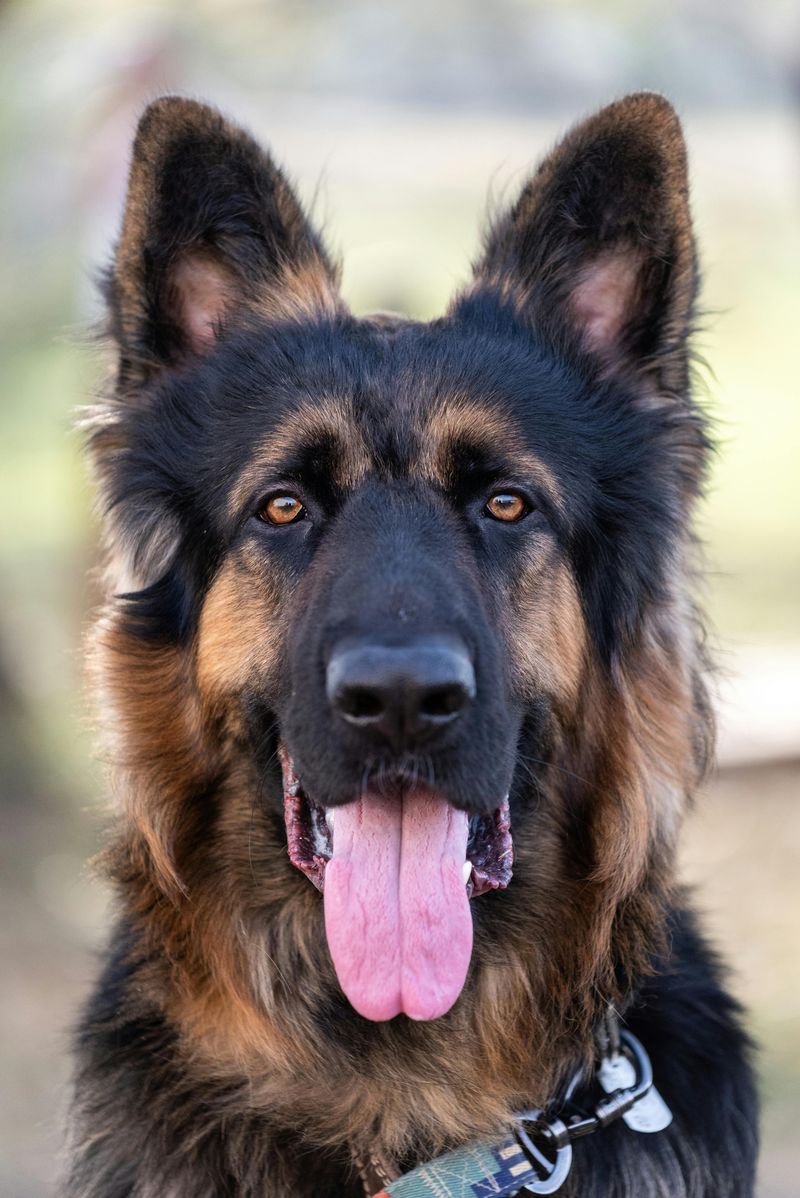
Many German Shepherds breeze through puppyhood, then suddenly act wary overnight. You might notice stiff posture, scanning eyes, and a bark at familiar shadows.
Routine hallway walks feel spooky, and metal bowls clatter louder than usual.
Keep training short, upbeat, and predictable. Pair the scary thing with an easy cue and a tasty treat, then retreat before stress spikes.
Gentle exposure, never flooding, helps them recover confidence without feeling trapped.
Protect sleep and reduce adrenaline with calm sniffy walks. Let them observe at a distance where they choose engagement.
Your steadiness matters most, so move normally, reward curiosity, and celebrate tiny steps forward.
Border Collie
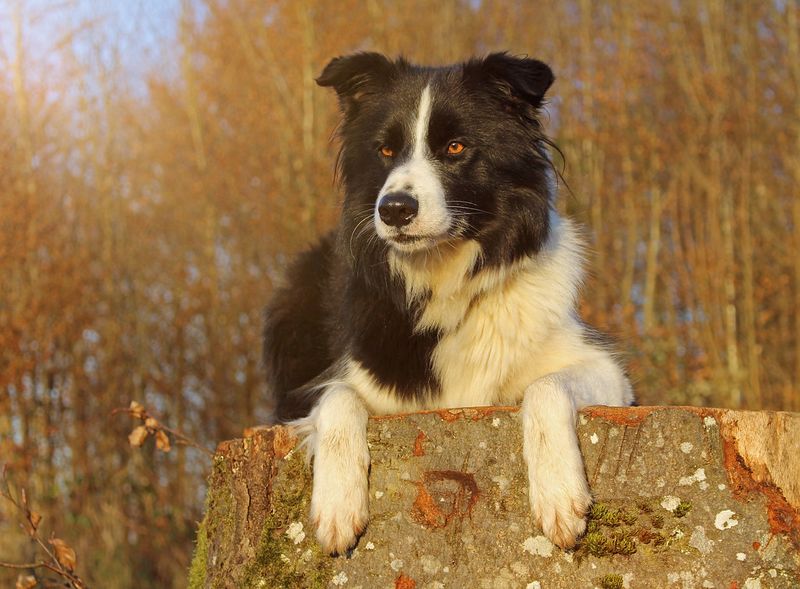
Border Collies notice everything, which makes fear periods feel extra intense. A flapping sign or skateboard can short circuit their confidence.
You may see crouching, side glances, or sudden refusal to pass a familiar gate.
Channel their brain with simple pattern games: touch, spin, then treat. Keep distances generous so they choose to reapproach.
Trick training builds optimism since success comes fast and frequent.
Swap high arousal fetch with decompression walks. Teach a settle mat and reward any voluntary check ins.
With patience, predictable routines, and gentle novelty, curiosity returns and that famous focus locks back in.
Australian Shepherd
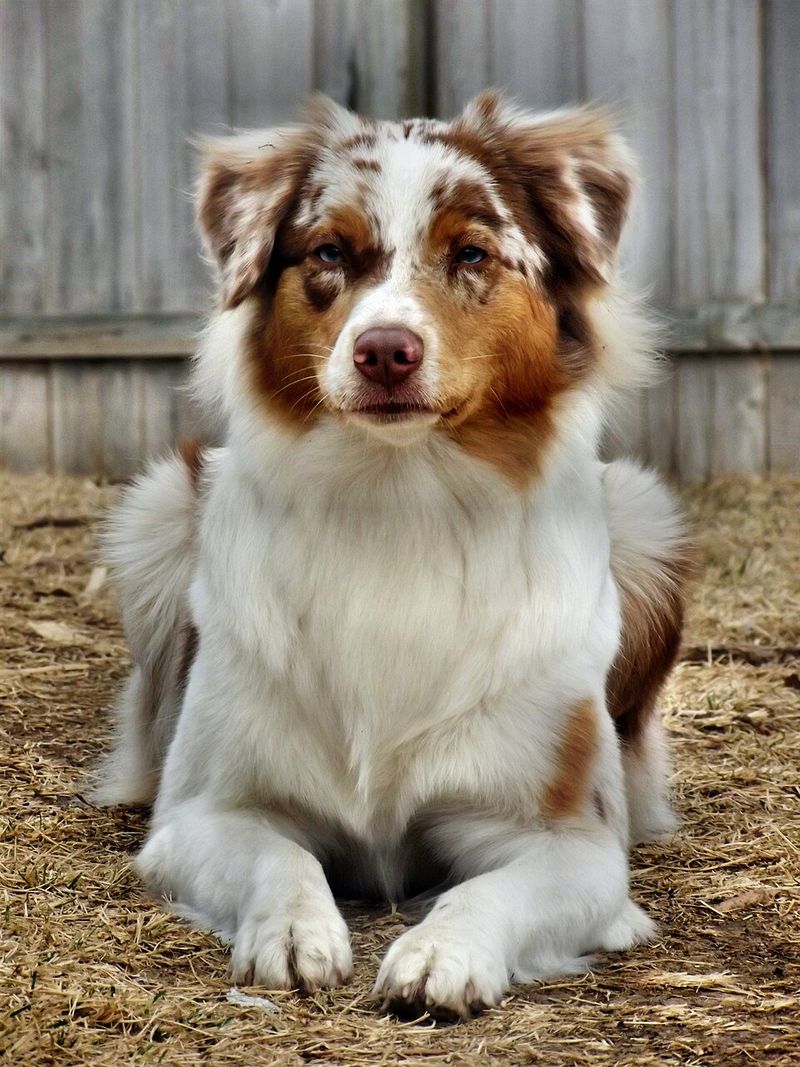
Australian Shepherds can flip from bold to bashful during fear windows. You might catch them cringing at sliding doors or barking at people wearing hats.
Their herding brain wants control, so unpredictable movement feels overwhelming.
Give structure: short walk routes, known cues, and calm meet ups. Work at the edge of comfort zones, rewarding a glance toward the trigger, then relaxation.
Keep greetings optional while they rebuild confidence.
Sniff mats and slow feeders relieve tension. Choose low traffic hours for practice laps.
When you model chill behavior and celebrate tiny bravery, your Aussie typically rebounds stronger, with better resilience to everyday surprises.
Doberman Pinscher
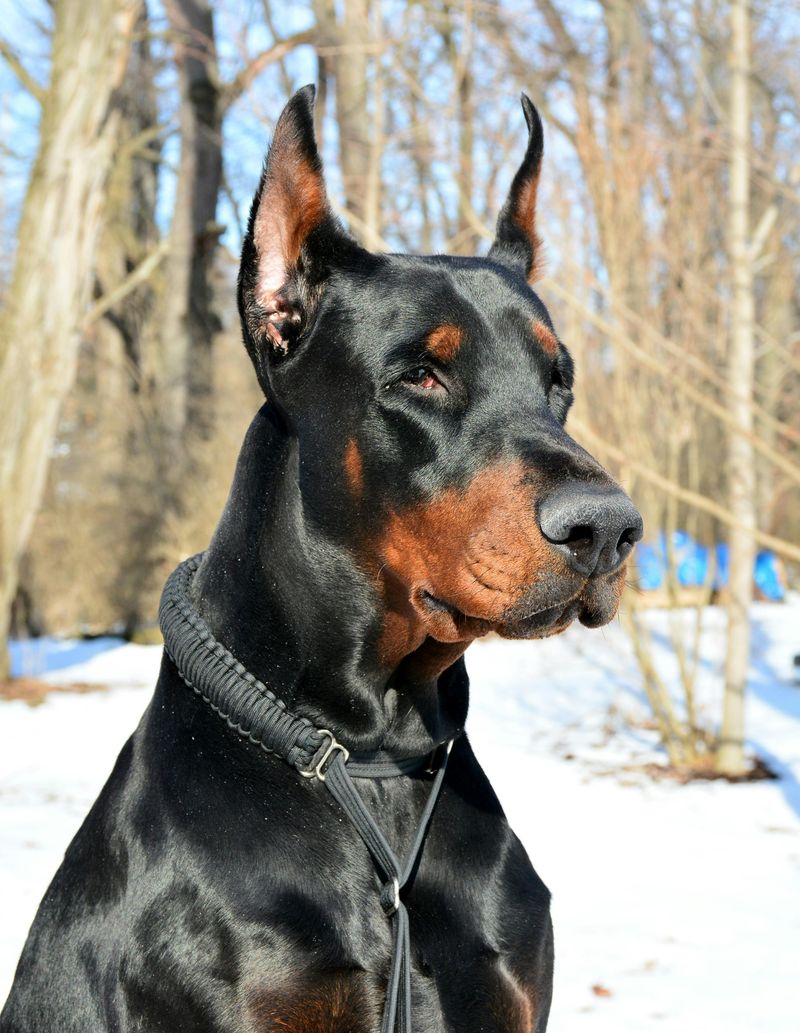
Dobermans often look fearless, yet fear periods can turn confidence into caution. Sudden startles at clanks or reflections are common.
You may see a tight mouth, weight shifted back, and a suspicious stare at shiny surfaces.
Support with calm leadership, not pressure. Practice choice based approaches: head turn, treat, then step away.
Build a predictable routine around elevators, stairs, and lobby noises.
Use warm, steady praise and moderate value rewards. Avoid stacking stress by limiting chaotic environments on tough days.
With consistent wins and measured exposure, your Doberman reconnects with composure and resumes that elegant, curious stride.
Rottweiler
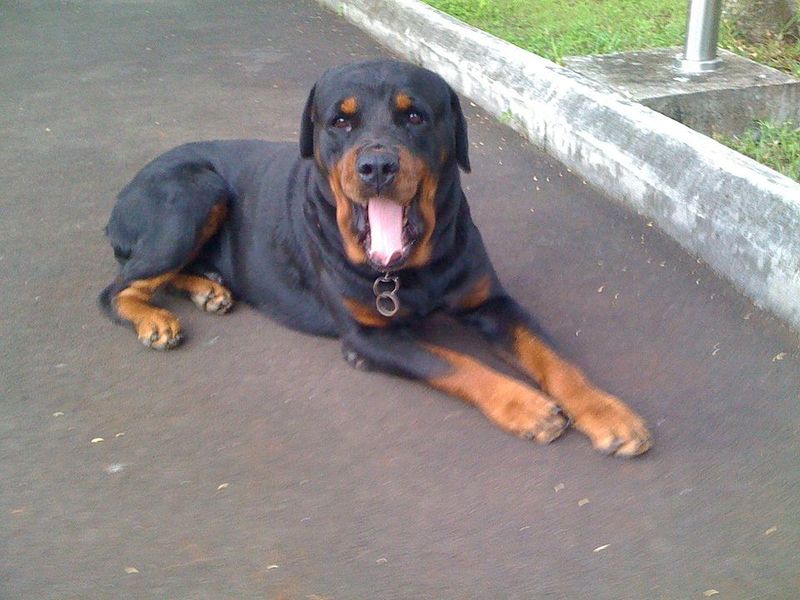
Rottweilers can shift from grounded to uncertain quickly during fear stages. Odd wheeled objects or jangling chains may draw low rumbles or avoidance.
Watch for slower approaches, head tilts, and a planted stance.
Keep sessions brief and positive. Mark curious glances toward the scary object, then offer distance.
Practice calm breathing yourself, because your energy travels right down the leash.
Balance bodywork like massage with sniffy exploration. Reinforce loose leash walks and quiet check ins.
When progress stalls, back up the distance and succeed smaller. Soon, that solid confidence returns and routine sounds fade into the background.
Shetland Sheepdog
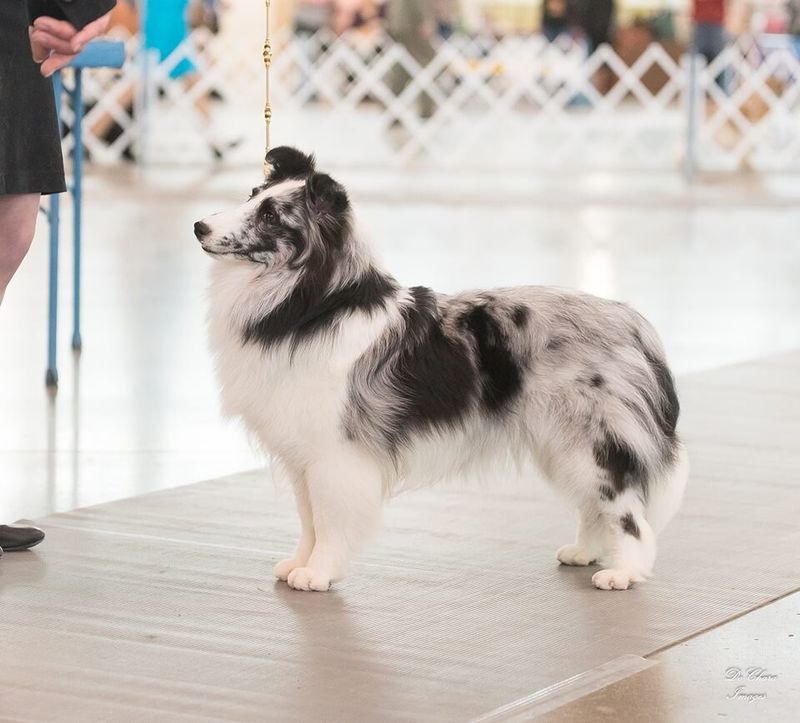
Shetland Sheepdogs can become extra sensitive to motion and sound. Ceiling fans, clattering dishes, or shifting shadows may prompt a sudden halt.
Expect a worried expression, paw lifts, and a preference to observe from afar.
Lower intensity with distance and gentle floor games. Let them choose to approach, marking each brave step.
Keep voices soft and predictable to keep arousal from spiking.
Interactive toys that encourage sniffing help reset their mood. Short, familiar routes build trust again.
With consistent reassurance and small victories, your Sheltie typically reclaims that bright, bouncy confidence without forcing uncomfortable encounters.
Cocker Spaniel
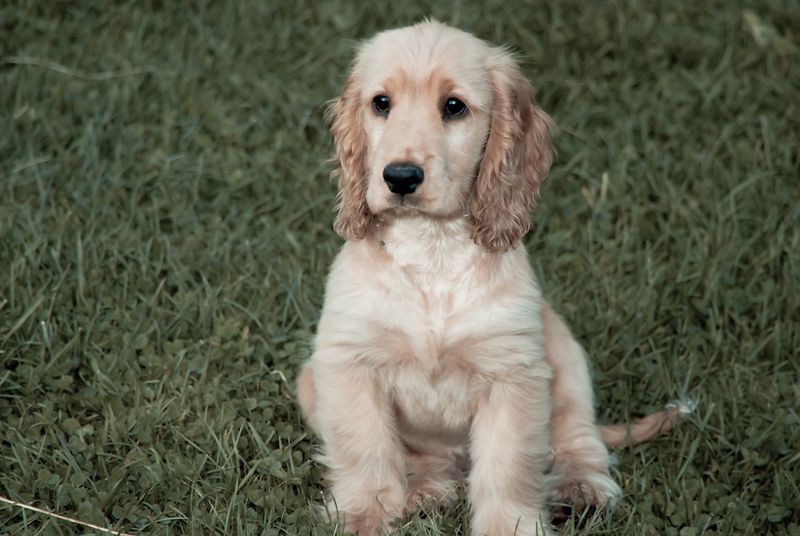
Cocker Spaniels can suddenly balk at shiny floors or neon reflections. You might see gentle whining, tail tucked low, or a paw hover as they assess.
Affection helps, but structure keeps progress steady.
Try treat scatter to encourage forward momentum. Pair novel sights with simple cues they love.
Keep sessions short and end with an easy win, like a sit for a cookie.
Grooming sensations can also spike worries. Practice low stakes handling and reward calm stillness.
With a little patience and friendly repetition, your Cocker learns that strange surfaces and lights predict comfort, not concern.
Labrador Retriever
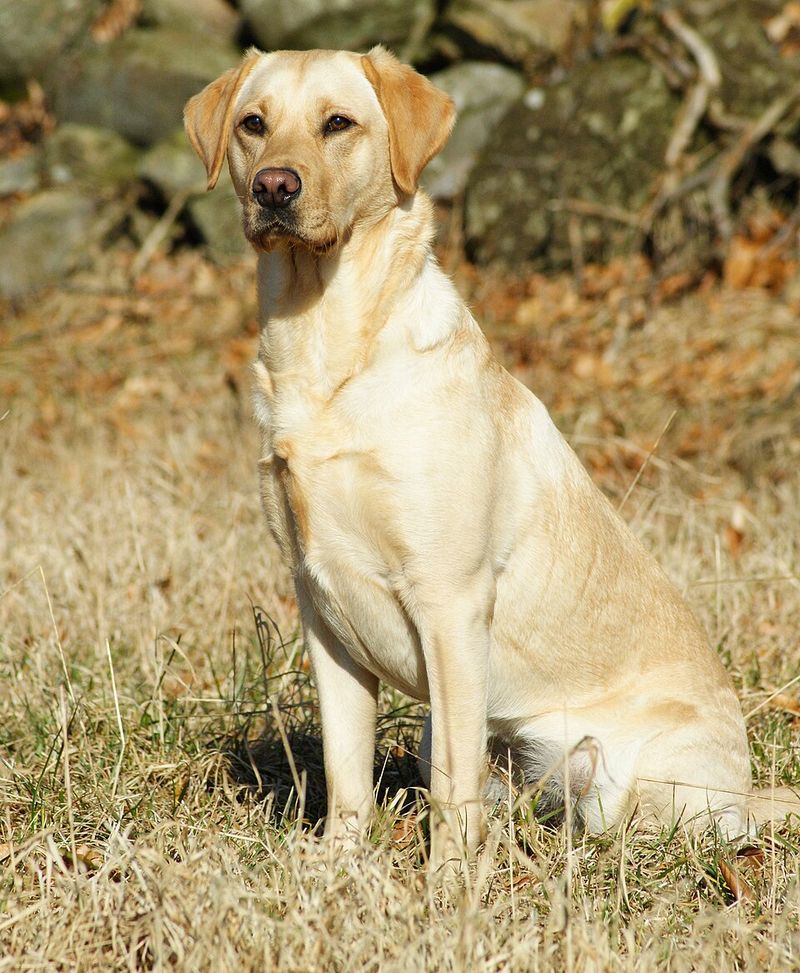
Even Labs can hit a fear window where they hesitate and second guess. A fluttering kite or stroller may trigger a stop and stare.
Expect slower tail wags, sniffing detours, and occasional backing away.
Keep it fun: toss a few treats behind you to reset. Play a quick touch game near but not inside the worry zone.
Gradual exposure paired with upbeat praise keeps optimism alive.
Maintain sleep, nutrition, and predictable routines. If setbacks happen, shrink the challenge, then rebuild.
With supportive handling and plenty of wins, your Lab usually bounces back to an easygoing, curious groove.
Golden Retriever
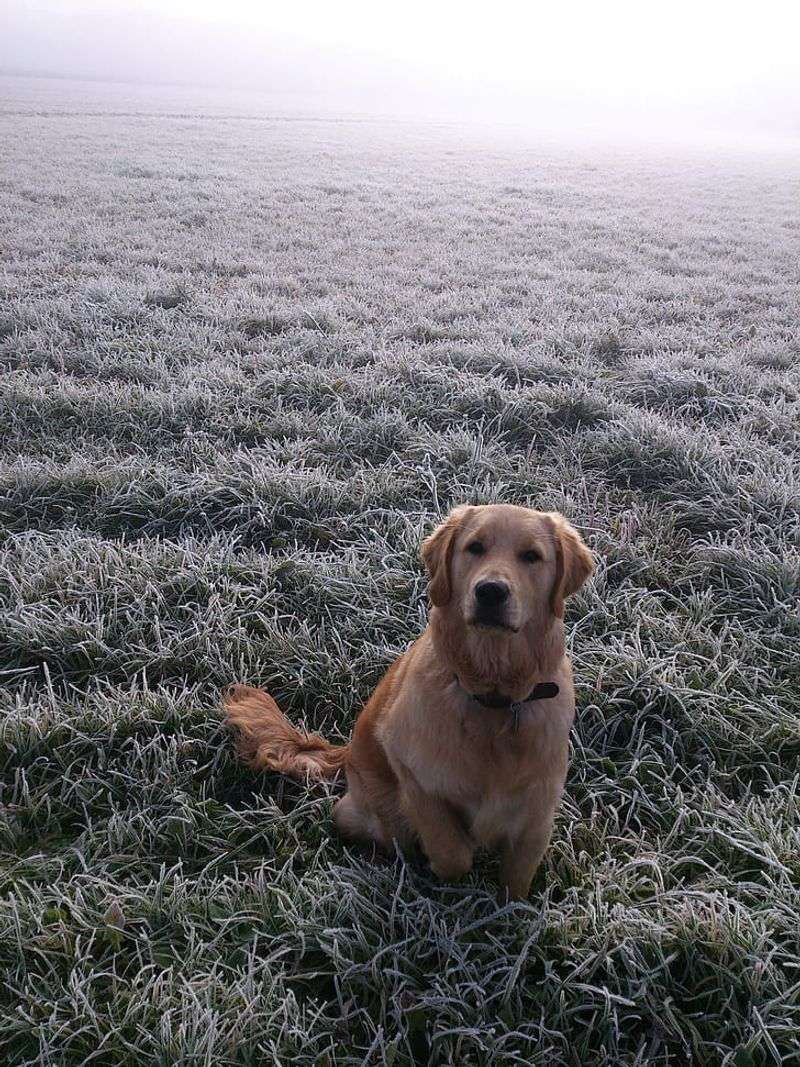
Golden Retrievers are social, yet fear periods can make trucks or strangers seem suspicious. You might notice a frozen stance, lowered ears, and gentle backing off.
They still want to connect, but uncertainty wins.
Make choices easy: step to a comfortable distance and reward eye contact. Use brief training games to shift from worry to play.
Keep greetings short, allowing opt outs.
Calm repetition builds confidence fast. Practice seeing trucks from far away, then closer on good days.
With steady encouragement and predictable patterns, your Golden rediscovers that soft, friendly bravery.
Whippet
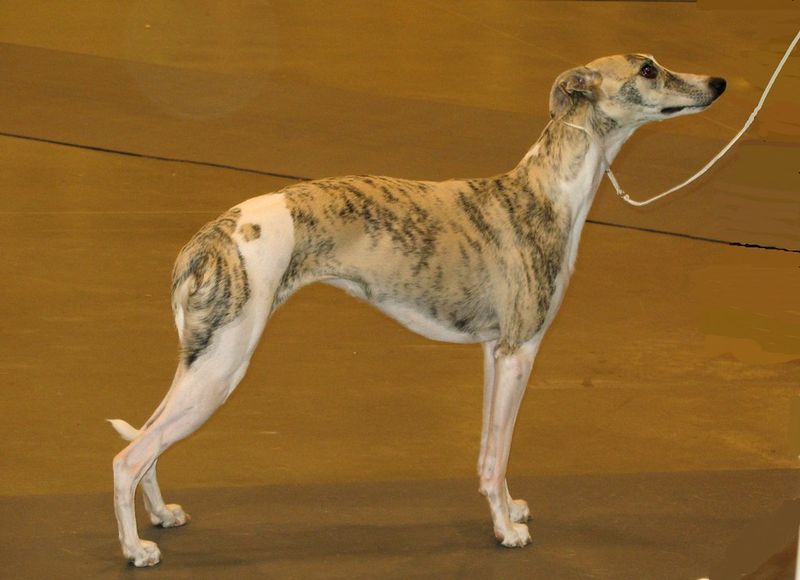
Whippets can become extra startle prone during fear phases. Sudden flaps, clinks, or gull calls may freeze them mid step.
Their sensitive nature needs gentle pacing and warm reassurance.
Use distance like a dimmer switch, not an on off toggle. Reward soft body language and tiny forward shifts.
Avoid forcing interactions, especially with windy, flappy objects.
Cozy layers and calm routines help them decompress. Short sniff walks, then rest, beat marathon outings.
Soon you will notice looser movement and curious glances replacing that statuesque pause.
Italian Greyhound
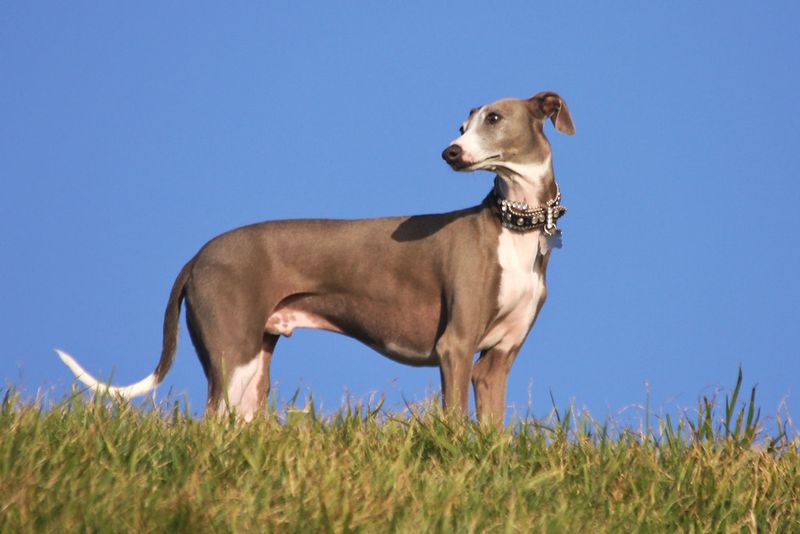
Italian Greyhounds feel everything deeply, including fear windows. A swaying plant or jangling keys can look suspicious.
You might see slow steps, tucked tail, and a quick retreat to a favorite blanket.
Lower stakes by reducing drafts and sound clutter. Mark any brave glance, then offer space.
Use scatter feeding to encourage exploration at their pace.
Gentle handling and warm clothing support relaxation. Keep outings short and predictable while confidence rebuilds.
Over time, curiosity peeks through and those dainty paws venture forward again.
Saluki
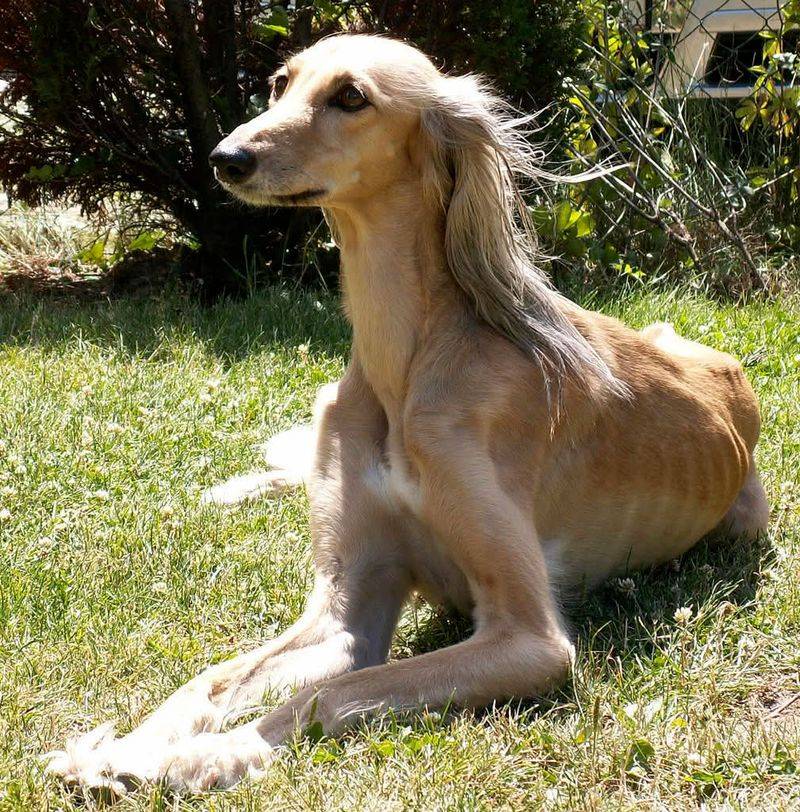
Salukis carry quiet sensitivity, so fear periods can look subtle yet strong. Rotating art, fluttering curtains, or echoing corridors may prompt distant observation.
Expect graceful stillness, slight head turns, and measured avoidance.
Respect their independent style with choice filled sessions. Reward orientation toward the trigger, then retreat together.
Keep environments sparse, supporting focus without cluttered noise.
Allow long line freedom for controlled distance. Use calm voice, light rewards, and short practices.
With thoughtful pacing, your Saluki regains poise, trading caution for elegant curiosity and confident, floating strides.