
Strong opinions seem to follow certain dogs everywhere they go. You hear rescue success stories, scary headlines, and passionate defenses, often in the same breath.
The truth usually sits in the middle, where breeding, training, and daily choices shape outcomes far more than myths. If you want clarity and confidence, let’s walk through the most talked-about breeds together.
American Pit Bull Terrier
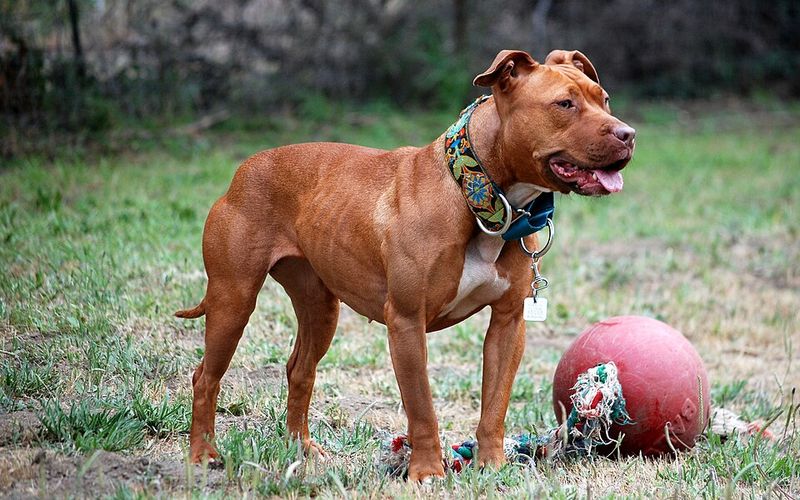
Few breeds spark arguments like the American Pit Bull Terrier. You will hear rescue stories, athletic triumphs, and heartbreaking headlines side by side.
The truth lives in the messy middle, where genetics, early socialization, and daily structure shape temperament far more than labels.
If you want one, commit to training that is calm, consistent, and reward based. Provide clear rules, leashed introductions, and controlled outlets for energy like flirt poles or agility.
I always tell friends to advocate politely in public, carry insurance, and know local laws, because responsible ownership protects both the dog and community. Choose sturdy equipment, supervise play with other dogs, and prioritize impulse control games so everyday life stays predictable, safe, and genuinely enjoyable for everyone.
Cane Corso
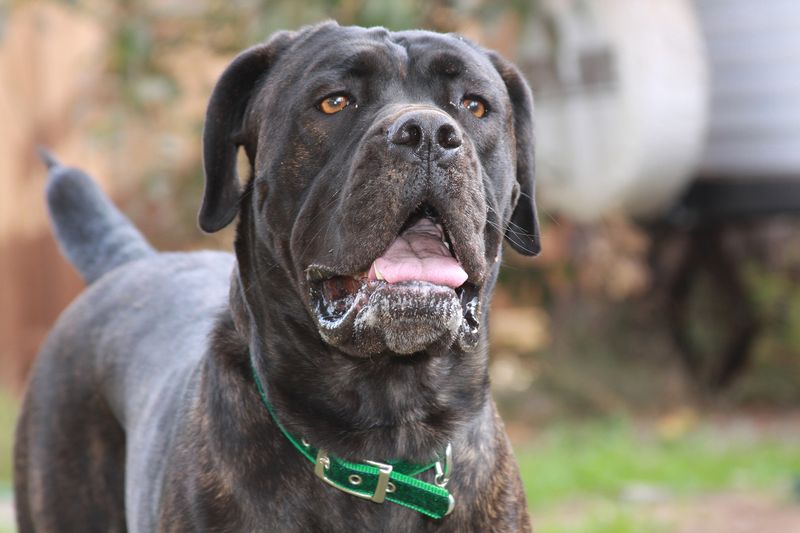
The Cane Corso looks like a statue come to life, which impresses strangers and worries neighbors. Guardian instincts run deep, so you cannot skip early socialization or thoughtful boundaries.
What you reward, you get more of, and a confident handler teaches neutrality to people, dogs, doorbells, and deliveries.
If you choose this breed, build skills slowly and prevent rehearsing bad habits. Use food, play, and clear markers to teach focus under distraction.
I recommend structured walks, place training, and calm crate time so arousal does not run the household. Muzzle train proactively, practice vet handling, and hire a balanced trainer if needed.
Done right, the Corso becomes steady, watchful, and deeply bonded without tipping into needless conflict at home daily.
Rottweiler
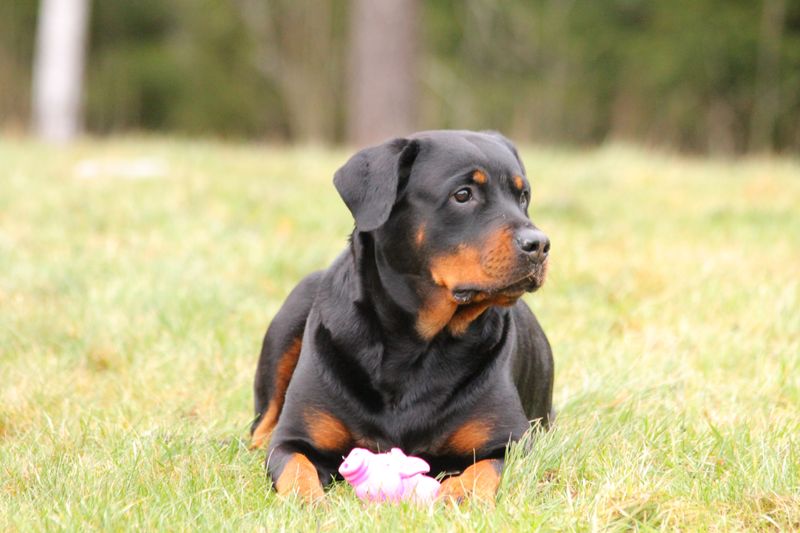
Rottweilers are powerful, intelligent working dogs that thrive when you give them a job. Without structure, they invent their own security patrols and neighborhood management.
Early exposure to friendly people, novel surfaces, and polite dogs keeps confidence high and reactivity low.
You will want rock solid obedience before adolescence, because teenage Rotts push boundaries with gusto. Pay the dog with food and play, then practice neutrality in parking lots, hardware stores, and busy parks.
I like engagement games, carting, and tracking to channel purpose. Keep guests calm, manage entrances, and install reliable out and leave it.
With fair leadership and routine, the Rottweiler becomes a steady companion, not a headline. Invest in insurance and understand local rules to avoid preventable conflicts.
Doberman Pinscher
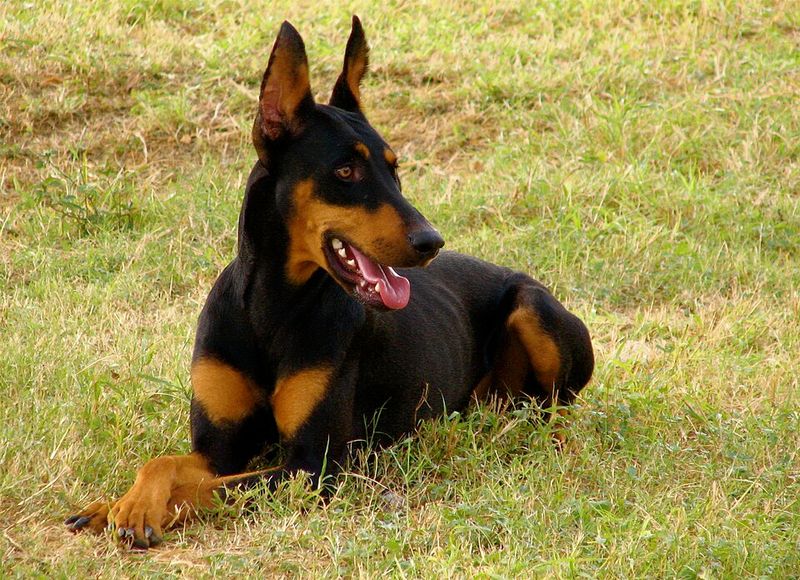
The Doberman Pinscher reads you like a book, which is thrilling and exhausting. These dogs often glue themselves to their person, then worry about strangers approaching fast.
Socialize thoughtfully, avoid chaotic dog parks, and reward confident engagement without forcing interactions.
Training thrives on clarity, timing, and variety. Use short sessions, marker words, and play to build speed without stress.
I coach owners to practice obedience around joggers, bikes, and doorways, teaching neutrality while keeping the dog mentally busy. Health testing and ethical breeding matter, as modern lines can vary widely in stability.
Done well, you get a sleek, responsive partner who guards appropriately but keeps life friendly and manageable. Consider a trainer early to set routines before adolescent pushiness surprises you.
German Shepherd
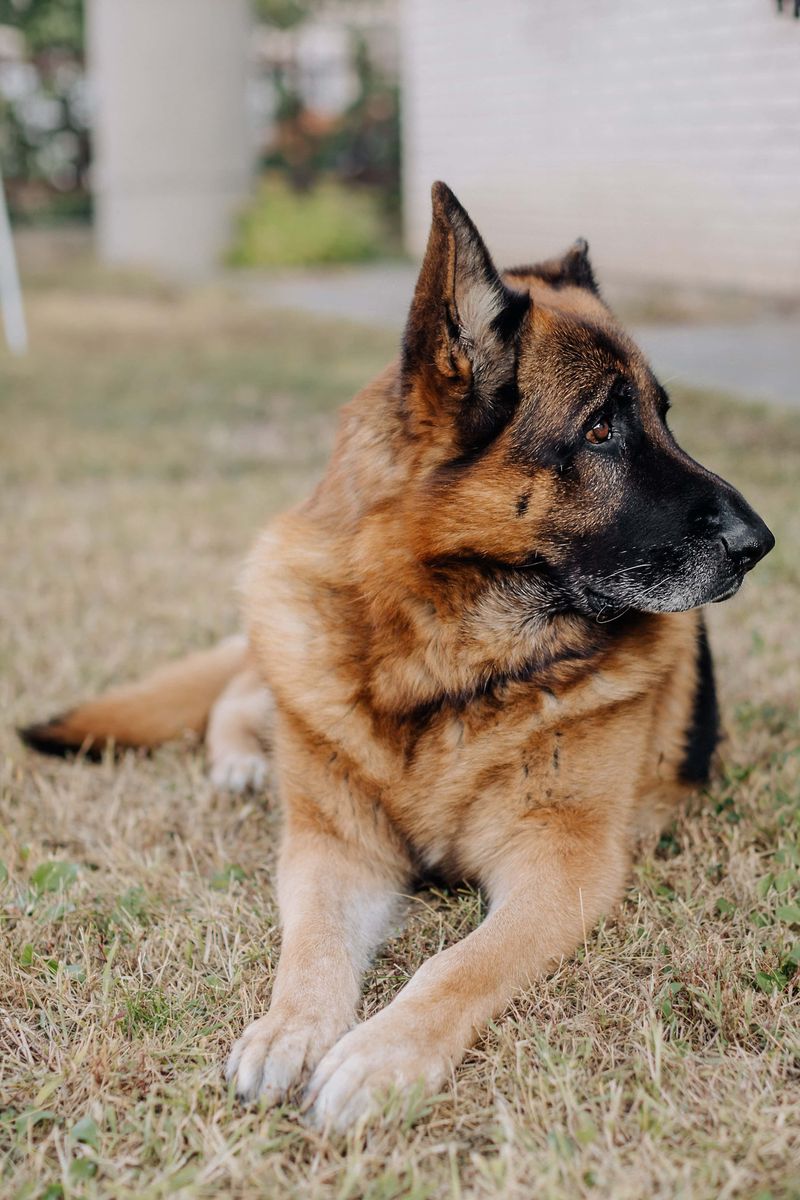
German Shepherds carry a reputation for courage and service, but not every line suits every home. Some are nervy, some are mellow, and some are working rockets.
Honest assessment matters, along with socialization that builds curiosity without encouraging chaos.
You will want outlets for nose work, obedience, and structured play. Use engagement games to teach focus near kids, scooters, and deliveries.
I suggest neutrality drills at fences, plus place training to avoid constant patrolling. Shed management, hip screening, and enrichment puzzles keep life smoother.
With fair expectations and daily practice, a German Shepherd becomes a steadfast partner who protects when needed and relaxes when nothing is wrong. Invest in quality food, insurance, and professional guidance to prevent stressful mistakes early.
American Bulldog
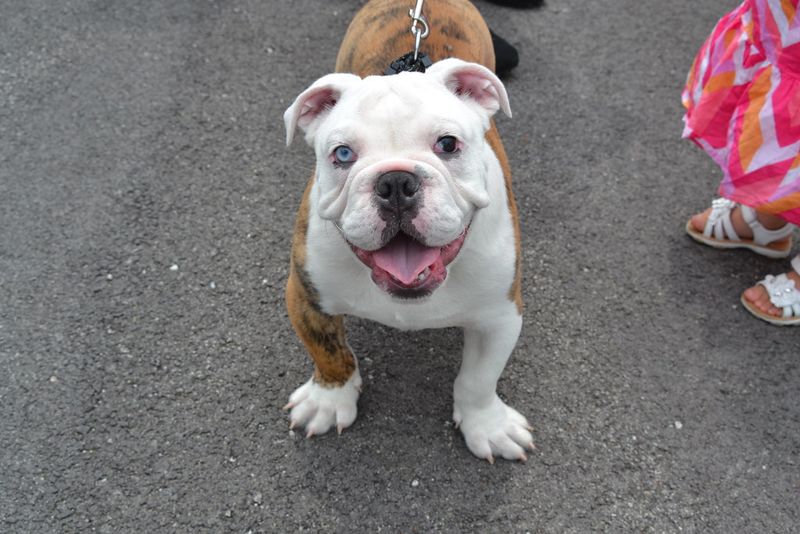
The American Bulldog brings farm dog grit with a goofy, affectionate core. That mix can be amazing in the right hands and chaotic in the wrong ones.
Expect strength, stubbornness, and bursts of athletic energy that demand clear channels.
If you bring one home, set rules on day one and keep them. Use rewards generously, but do not negotiate on manners, leashes, and thresholds.
I advise flirt pole games, controlled fetch, and steady obedience to tire brain and body. Socialize to friendly people, but manage dog interactions carefully.
With structure, this clownish powerhouse becomes a loving guardian that naps at your feet and makes everyday life feel secure. Budget for training, durable gear, and insurance because surprises can get expensive.
Presa Canario
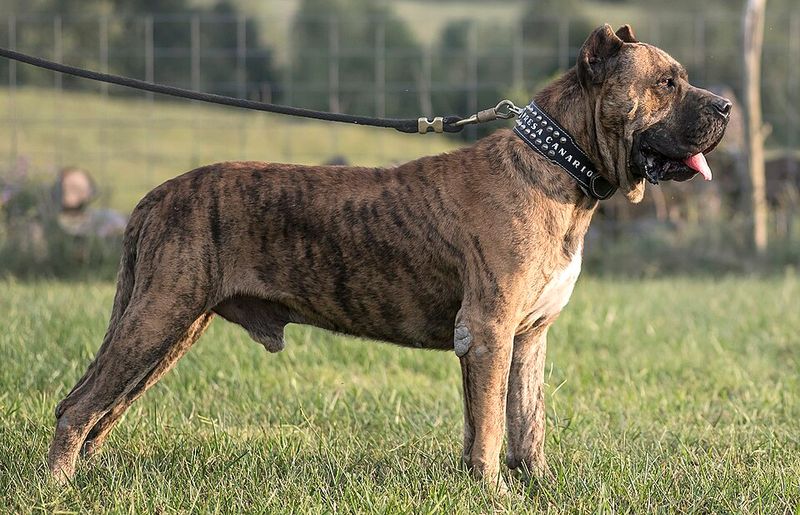
The Presa Canario is formidable, confident, and naturally territorial. That presence can calm you and unsettle everyone else.
Honest self assessment matters here more than with most breeds, because management mistakes have real consequences.
If you commit, choose a breeder who proves stable temperaments and provides guidance. Start early with muzzle conditioning, handling drills, and neutrality around strangers.
I emphasize rock solid obedience, quiet crating, and structured exercise to keep arousal low. Keep greetings controlled, supervise all play, and avoid chaotic environments.
With consistent leadership and realistic boundaries, the Presa becomes a steady guardian who reads the room and keeps your home peaceful. Invest in quality fencing, liability coverage, and professional help to prevent small problems snowballing during early adolescence.
Dogo Argentino
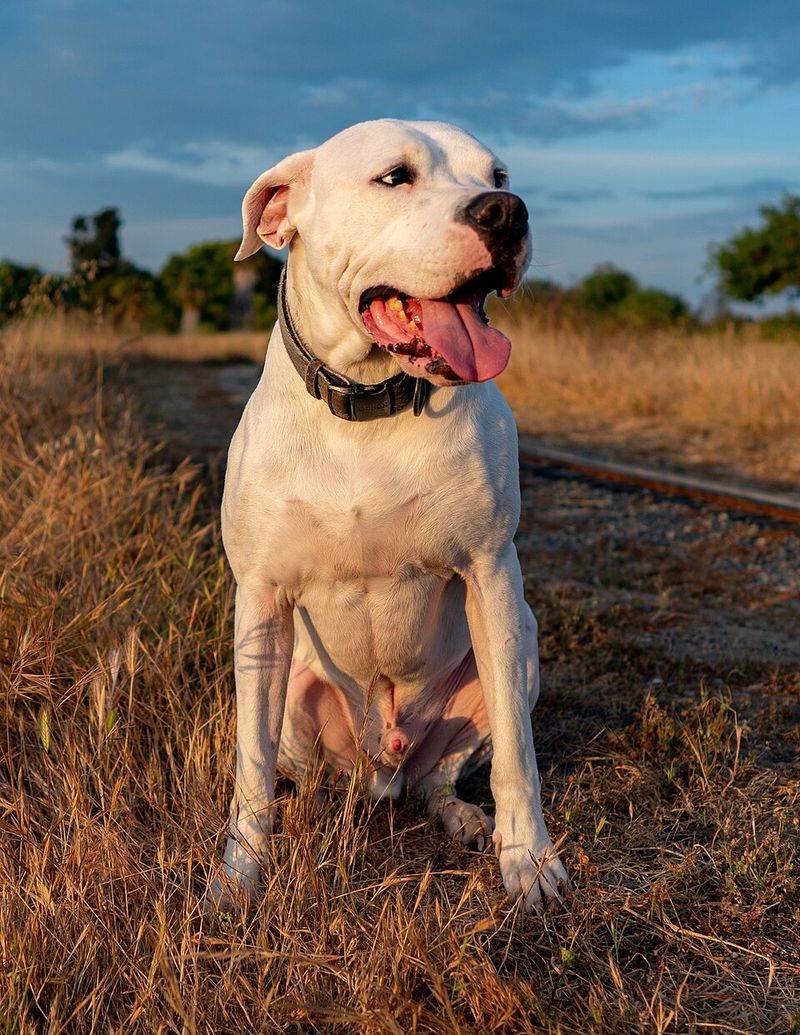
The Dogo Argentino was bred for big game, so drive and stamina come standard. That engine needs thoughtful outlets or it turns into trouble.
Socialization that builds calm curiosity and obedience that works under pressure are non negotiable.
If you love athletic adventures, this breed can shine with tracking, trail running, and scent work. Use rewards generously while insisting on impulse control and clean leash skills.
I advise muzzle training, recall proofing, and cooperative care for vet visits. Keep dog interactions selective and short, focusing on neutrality over play.
With time, structure, and daily work, the Dogo becomes an affectionate teammate who lives peacefully in modern neighborhoods. Budget for secure fencing, durable gear, and guidance from an experienced trainer early.
Chow Chow
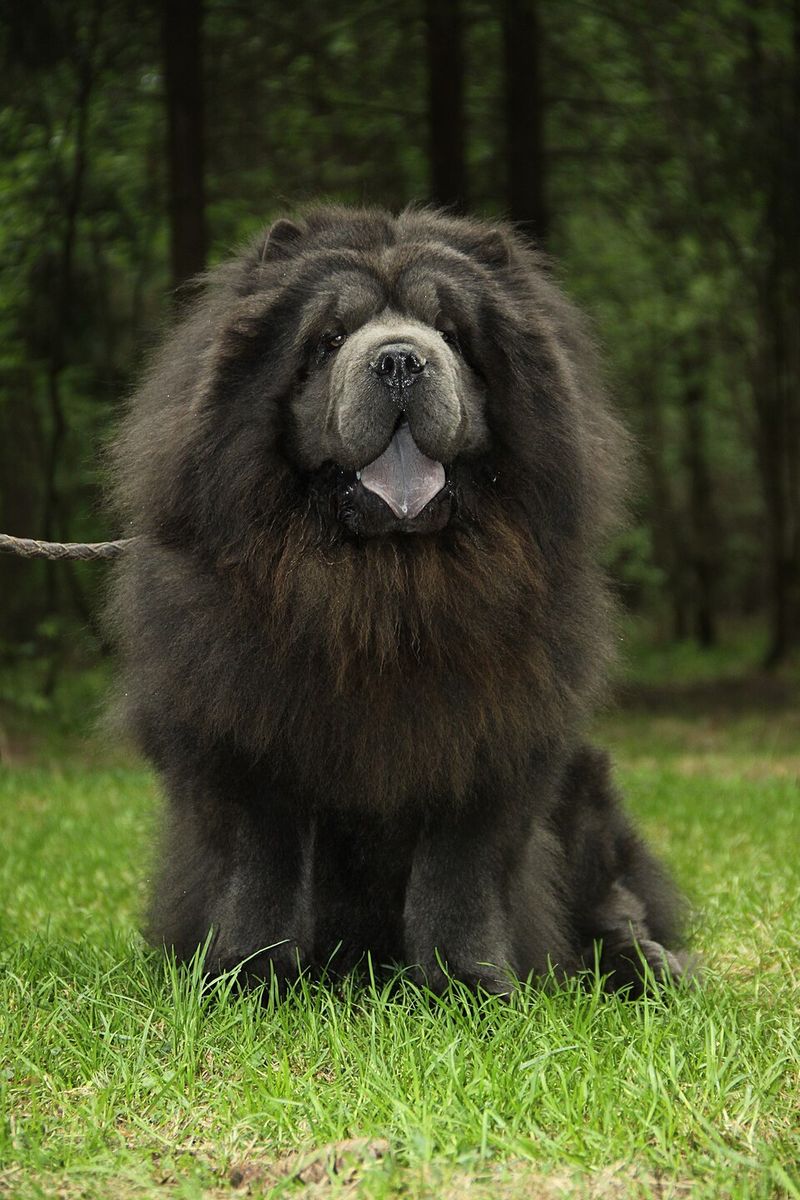
The Chow Chow looks like living royalty and often acts like it. Independent tendencies run strong, which can frustrate first time owners.
Socialization should feel like calm sightseeing, not a petting zoo.
Training works best with clear routines and rewards, not nagging. Teach grooming cooperation early, because that coat needs regular, respectful care.
I like place training, quiet neighborhood walks, and polite greetings that keep pressure low. Pay attention to heat, space, and choice, since these dogs dislike chaos.
With patience, fair boundaries, and a little humor, a Chow becomes a tidy roommate who shows affection on their own schedule. Choose breeders who prioritize stable temperaments, and hire a groomer who understands sensitive, stoic personalities to keep experiences consistently positive.
Akita
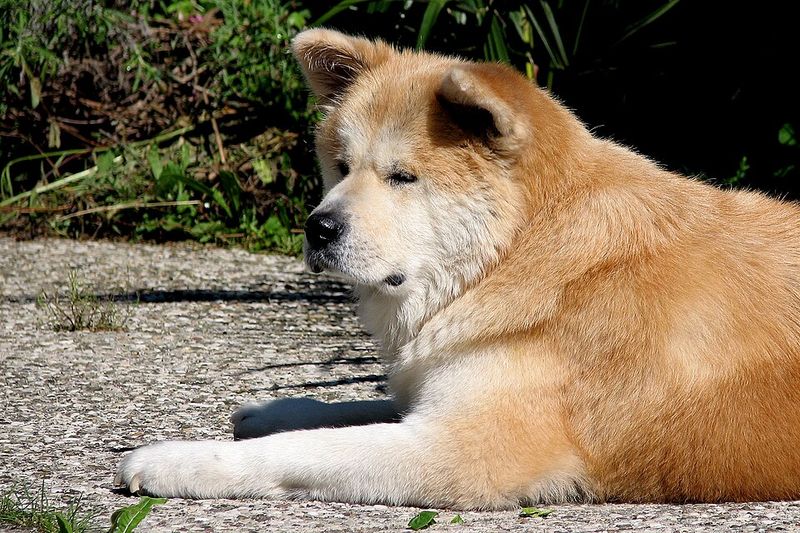
Akitas project calm strength and a certain solemn dignity. They bond deeply with family while staying skeptical of pushy strangers.
That combination demands respectful handling, steady routines, and proactive management of greetings.
If you bring one home, teach rock solid recall, leave it, and out. Use food and play, but keep sessions brief and purposeful.
I suggest early muzzle conditioning, supervised dog interactions, and careful introductions in neutral spaces. Expect shedding seasons and invest in cooperative grooming skills.
With consistent leadership and realistic expectations, the Akita becomes a devoted companion who protects appropriately and relaxes gracefully inside the home. Budget for insurance, sturdy fencing, enrichment toys, and a trainer who understands independent, guardian oriented breeds from early puppyhood onward consistently.
French Bulldog
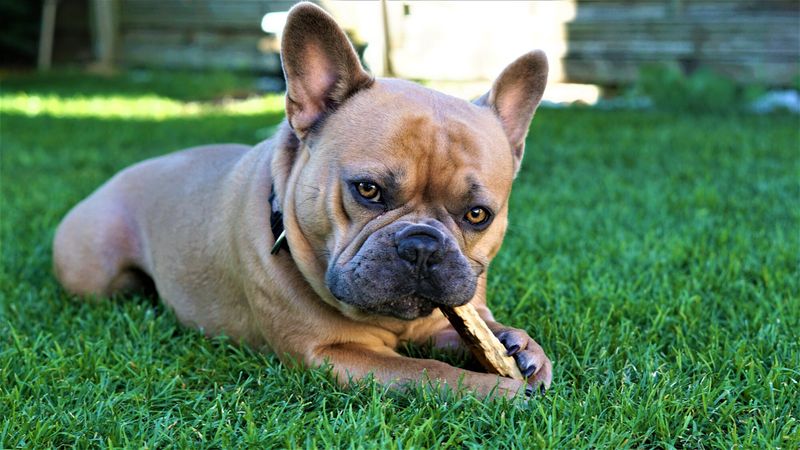
The French Bulldog ignites debate for totally different reasons. It is adorable, funny, and full of personality, yet health controversies follow the breed.
Choosing responsibly becomes the most important training decision you make.
If you are set on a Frenchie, prioritize breathing, spine, and skin health in your research. Skip extreme features and chase function over fashion.
I recommend short, thoughtful exercise, careful heat management, and enrichment games that do not strain joints. Teach cooperative care for nail trims and vet visits.
With ethical breeding, sensible care, and realistic expectations, the French Bulldog can be a delightful companion who charms everyone without sacrificing wellbeing. Work with vets experienced in brachycephalic care and secure pet insurance before emergencies strike, just in case.