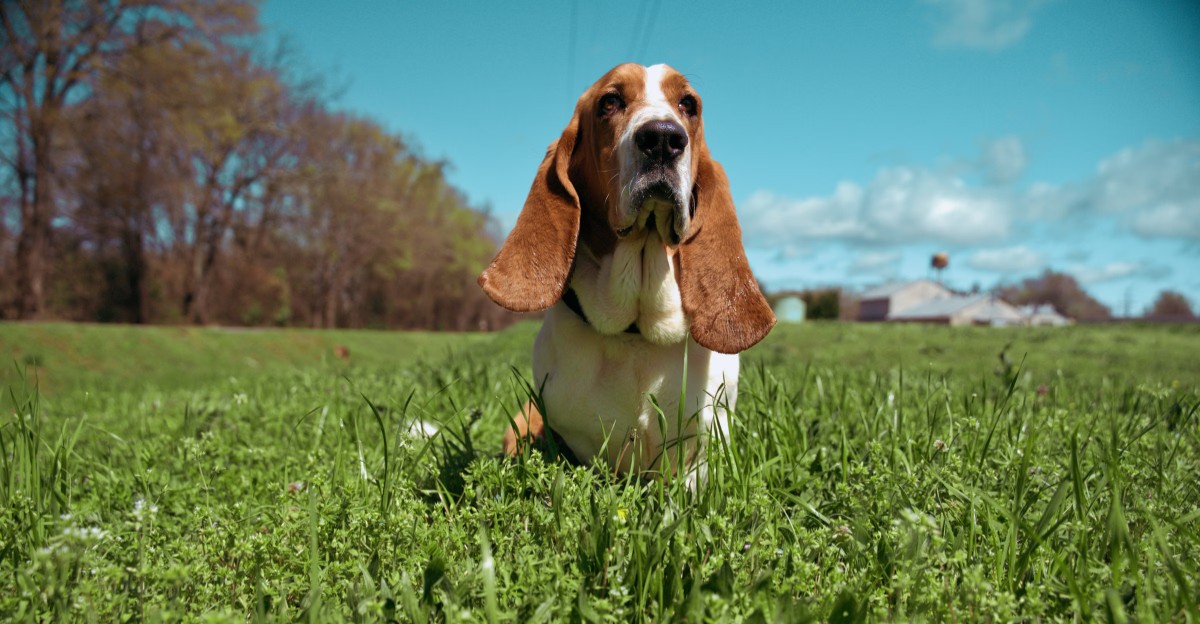
Loud booms can make many dogs shake or hide. Some breeds, though, tend to stay calmer when noise surprises them.
Knowing which dogs handle sudden sounds better can help families plan for holidays and busy neighborhoods. Here are breeds that often keep their cool when the sky gets noisy.
Greyhound: the quiet sprinter
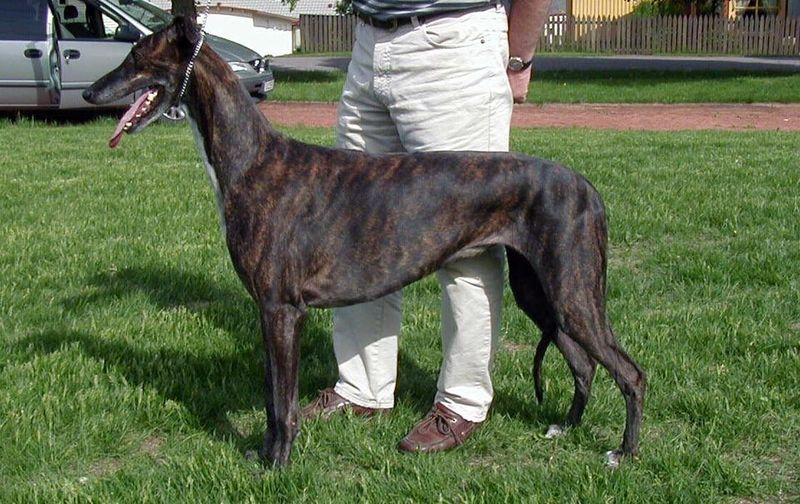
A hush falls over the room, and the greyhound simply sighs. Built for speed, they often act like lazy house cats once indoors, choosing comfort over chaos.
Many retired racers are used to new environments, which can help them roll with household sounds.
Help them feel secure by offering a cozy den or covered crate. Short walks before night events burn energy.
A white-noise machine or fan can add steady background sound during fireworks.
Whippet: gentle, cozy, and chill
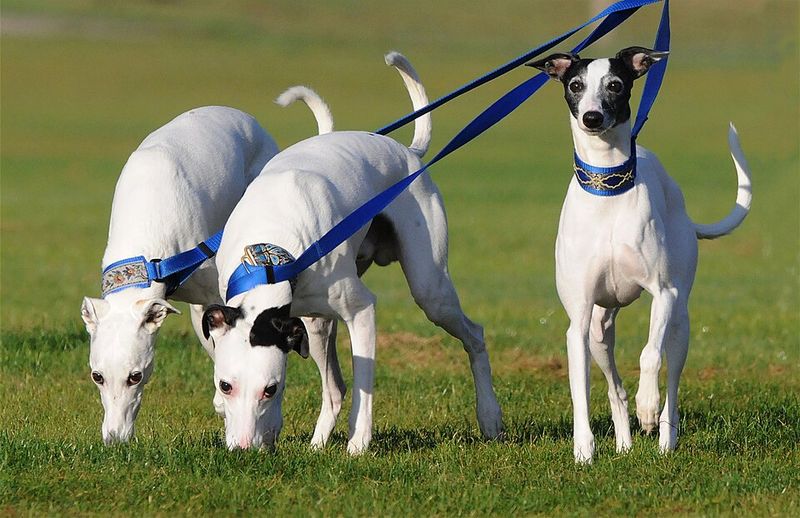
Curled like a cinnamon roll, the whippet often snoozes through clatter. They share greyhound roots but fit well in smaller spaces, which makes apartment life easier.
Their sensitive, affectionate style pairs nicely with calm households.
Prepare a quiet corner with soft bedding and a favorite toy. Keep evening play mellow and offer treats for relaxed behavior when pops happen.
A snug t-shirt or fitted wrap can add gentle pressure that many whippets find reassuring.
Newfoundland: big heart, steady nerves
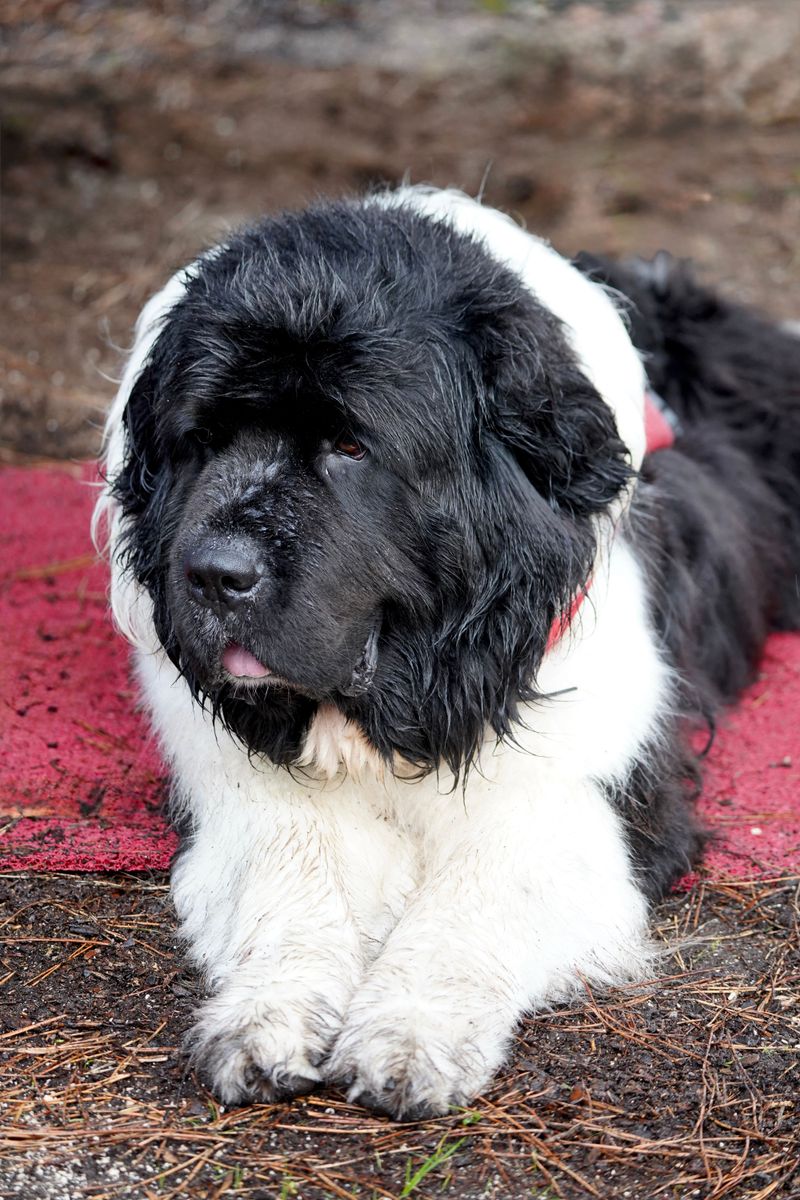
When the night crackles, the Newfoundland often just leans in for a cuddle. Bred as water rescue partners, they tend to stay thoughtful and steady under pressure.
Their slow, deliberate movements can soothe a nervous home.
Give clear paths around furniture, since big bodies like space. Keep cool water and a mat ready, because thick coats warm up fast.
During fireworks, pair calm praise with slow petting, and offer a frozen lick mat for steady, relaxing focus.
Great Pyrenees: calm guardian at night
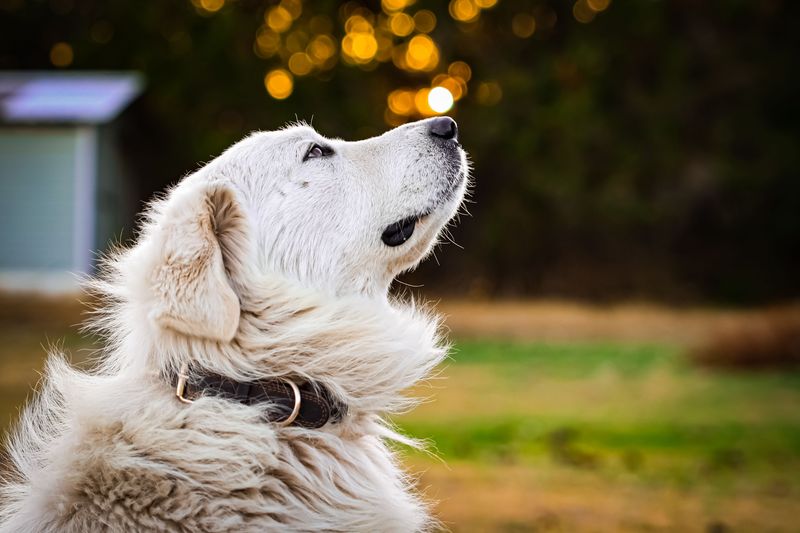
Neighbors cheer, a pop echoes, and the Pyrenees just watches the horizon. Livestock guardians were bred to think before reacting, which can mean fewer startle jumps indoors.
Their confident presence often comforts other pets too.
Because they are independent, set a routine that includes a quiet zone and a chew they love. Close curtains near dark to limit flashes.
If sound sensitivity shows up, practice low-volume noise sessions with treats to build easy, steady confidence.
Bernese Mountain Dog: warm, unhurried company
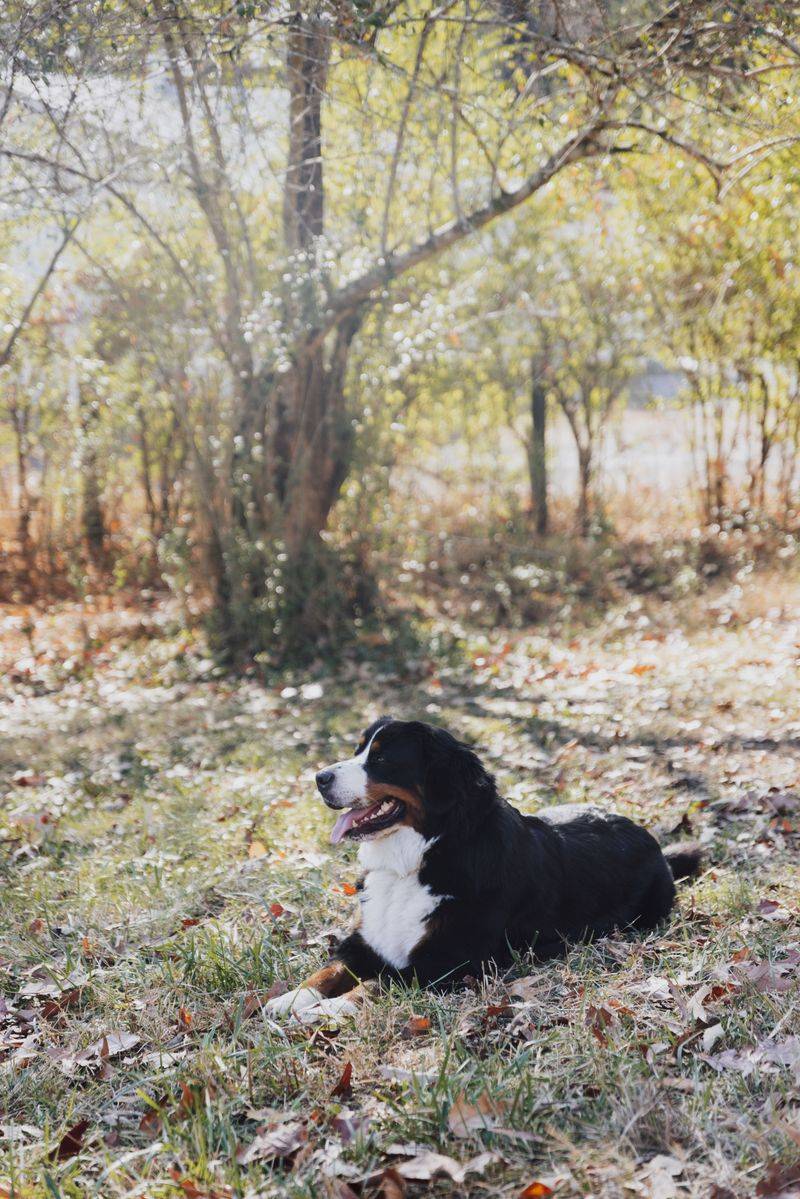
The Bernese often takes life at a friendly, unhurried pace. That steady attitude can carry through when sharp bangs occur.
Many enjoy staying close to their people, so simple together time can lower stress for everyone.
Plan a chilled evening with puzzle feeders before the show. Keep commands short and kind, and reward calm sits and downs.
A snug corner with familiar scents, like a worn T-shirt, can make fireworks night feel safe and predictable.
Basset Hound: low to the ground, low-key
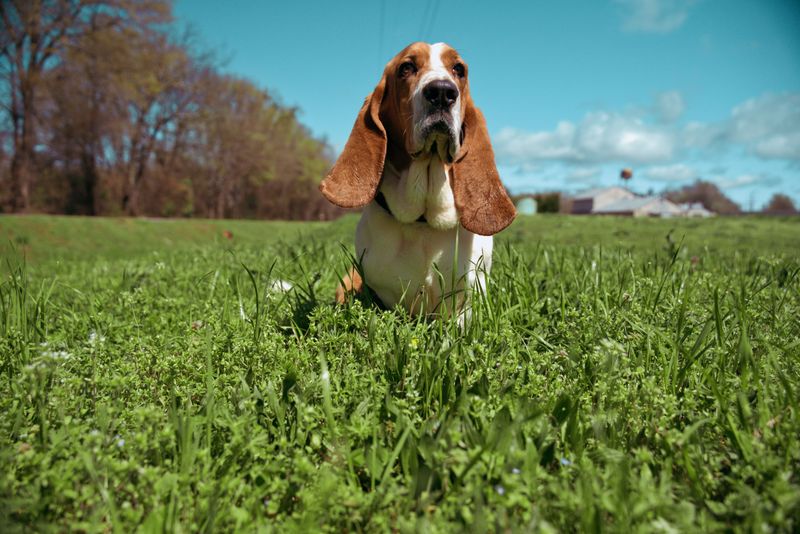
With ears that almost sweep the floor, the Basset often saves energy for sniffing, not panicking. Their mellow style can help them shrug off a sudden pop.
Slow walks that let them smell the world add balance to their day.
Before fireworks, offer a long sniffari around the block. Back home, provide a chew that lasts and soft background music.
Keep greetings calm, and praise relaxed posture so they learn that quiet choices earn rewards.
Cavalier King Charles Spaniel: sweet and steady
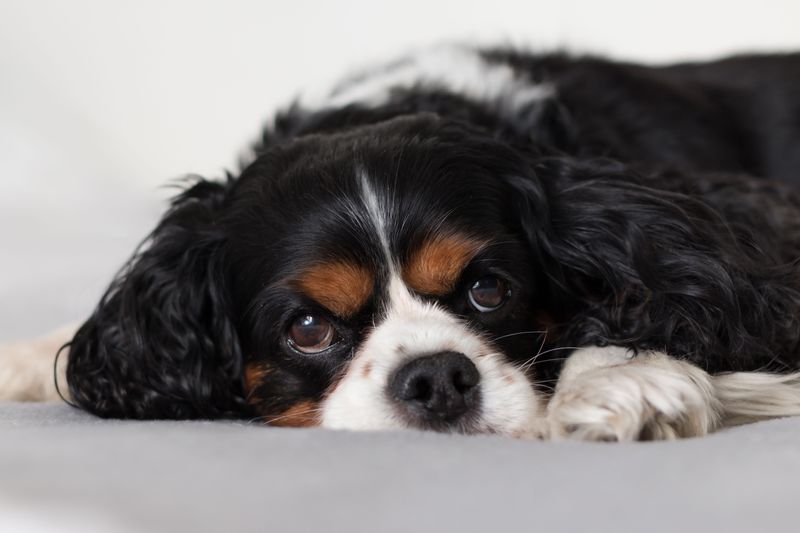
A soft face and soft reactions often go together in the Cavalier. Many prefer human laps over drama, which can make loud surprises less troubling when trust is strong.
Gentle grooming sessions also double as calming time.
Keep a predictable routine, then add treats during distant fireworks sounds on TV. Practice name recognition followed by a tasty reward.
On the big night, close windows, play soothing music, and offer a lick mat to keep nerves smooth.
Labrador Retriever: steady helper energy
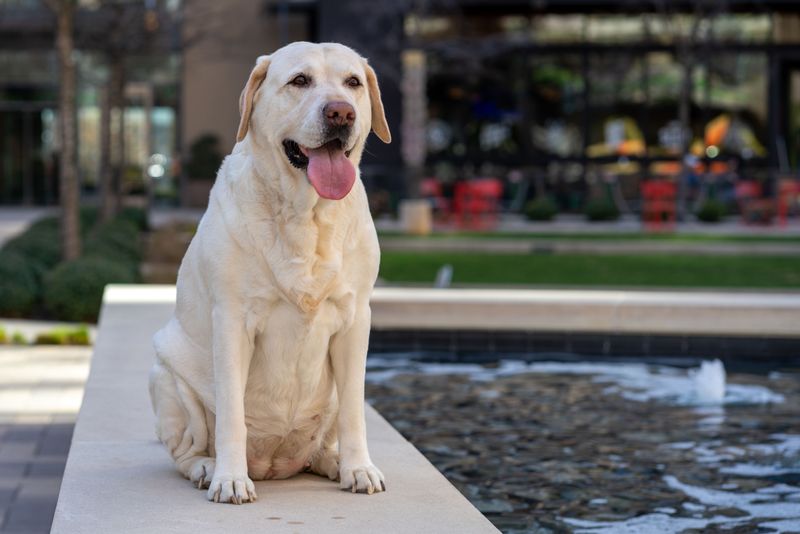
Known for working alongside people, many Labs tackle surprises with a can-do spirit. They often channel energy into tasks, which helps them focus when noises pop.
A quick game before dusk can take the edge off.
Teach an easy job like go to mat or hold a soft toy during booms. Use high-value treats for calm sits.
For sound practice, start very low volume and pair with snacks, then increase slowly across days for confidence.
Golden Retriever: sunshine and composure
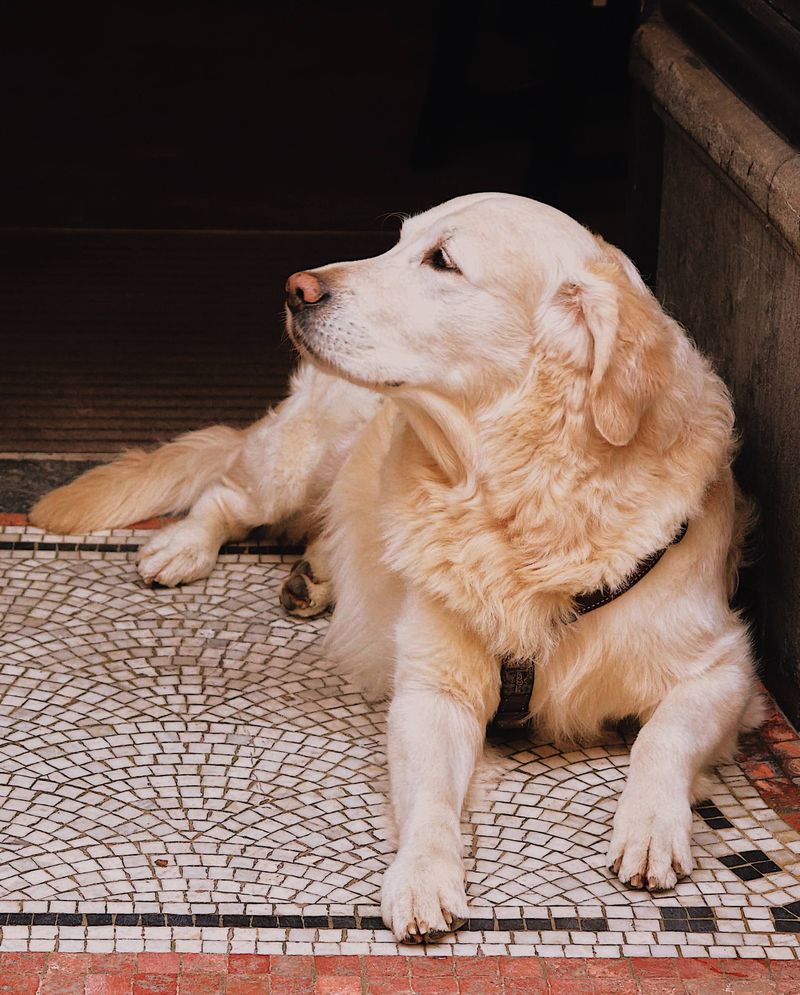
Friendly, biddable, and eager to please, many Goldens read the room and settle when asked. Their love of people can make fireworks easier if they have a job like relaxing beside you.
A short swim or fetch session earlier helps.
Set up a calm zone with soft music and a favorite blanket. Mark relaxed breathing with praise and tiny treats.
Practice down-stays before the holiday so the skill feels automatic when the sky starts popping.
Standard Poodle: bright mind, cool head
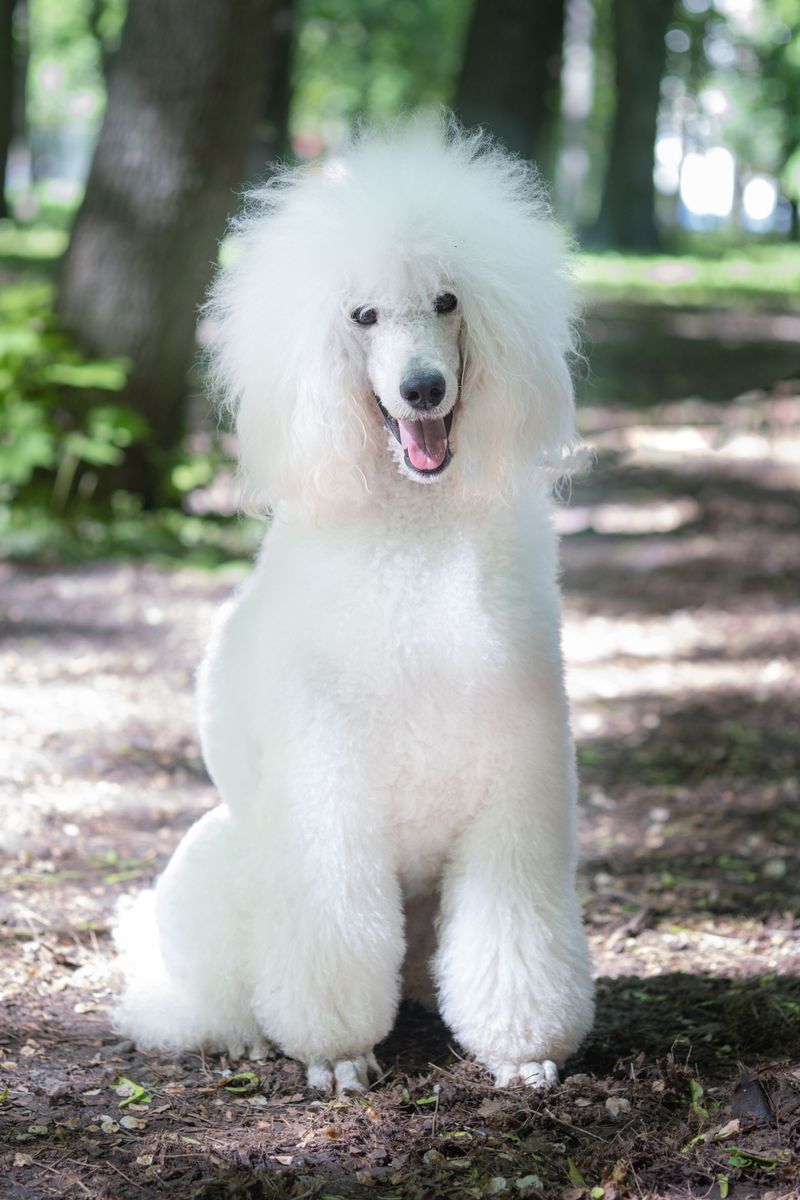
Sharp minds can stay calm when given clear direction, and the Standard Poodle often thrives on that. Many respond well to cue-based games that redirect attention from sudden sounds.
Mental work can be as tiring as a fast run.
Before the big night, teach nose-targets and mat settles. Offer food puzzles as the sky lights up.
Keep your voice upbeat and even. Short bathroom breaks between bursts help them reset and return to that easy groove.
Great Dane: gentle giant with poise
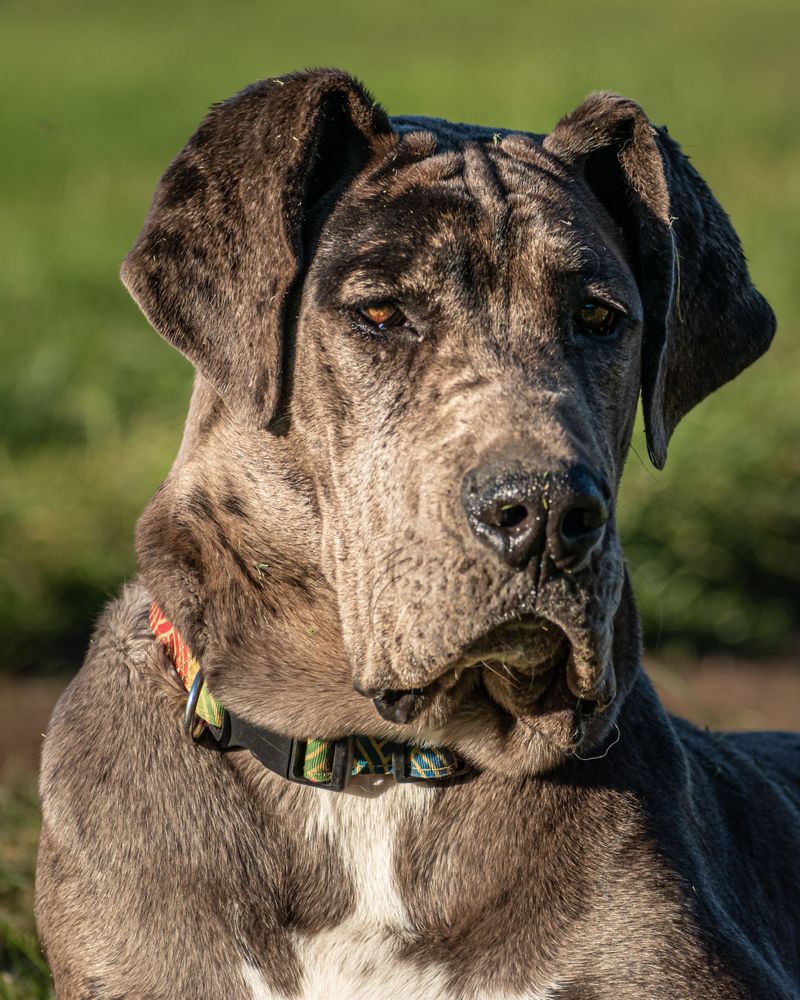
Despite their size, many Danes move like careful ballerinas. That measured style can translate into calm during unpredictable sounds, especially when routines feel safe.
They often like to be near their person when unsure.
Create a roomy rest spot away from bright flashes. Keep water accessible and avoid crowding them during loud moments.
Reward quiet choices with slow, steady petting. A brief loose-leash stroll before dusk can take the fizz out of extra energy.