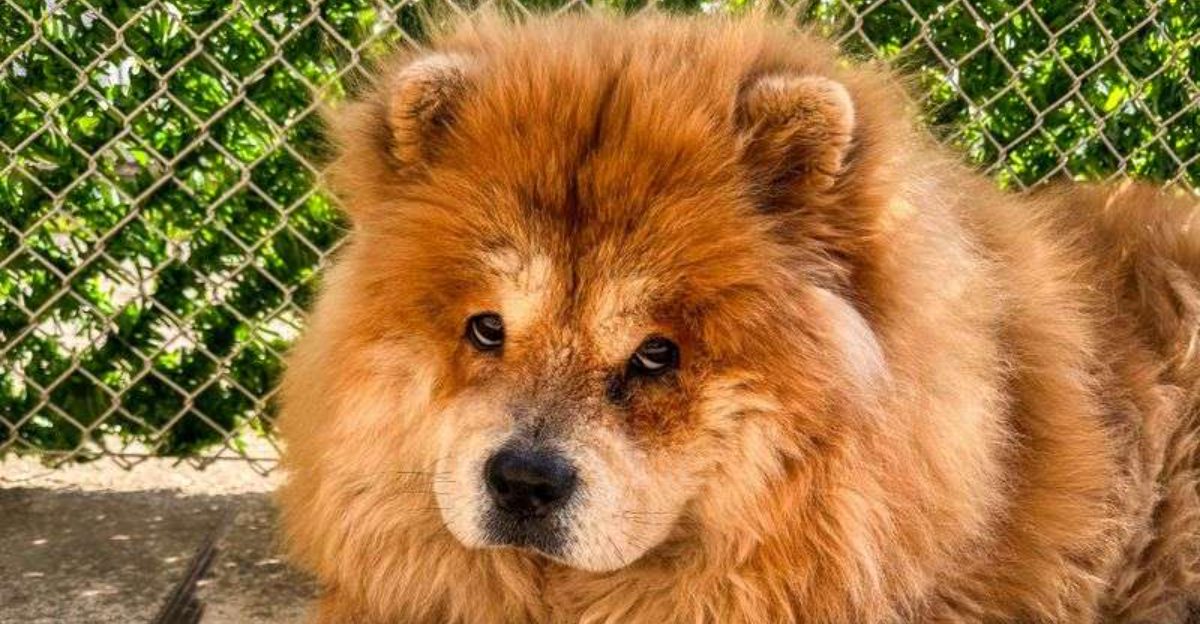
At first glance, some dogs look tough or wild. But looks can fool us.
Many breeds that seem scary or super active are actually calm, kind, or just need the right kind of play. Learning what they are really like helps families choose wisely and treat dogs fairly.
Greyhound
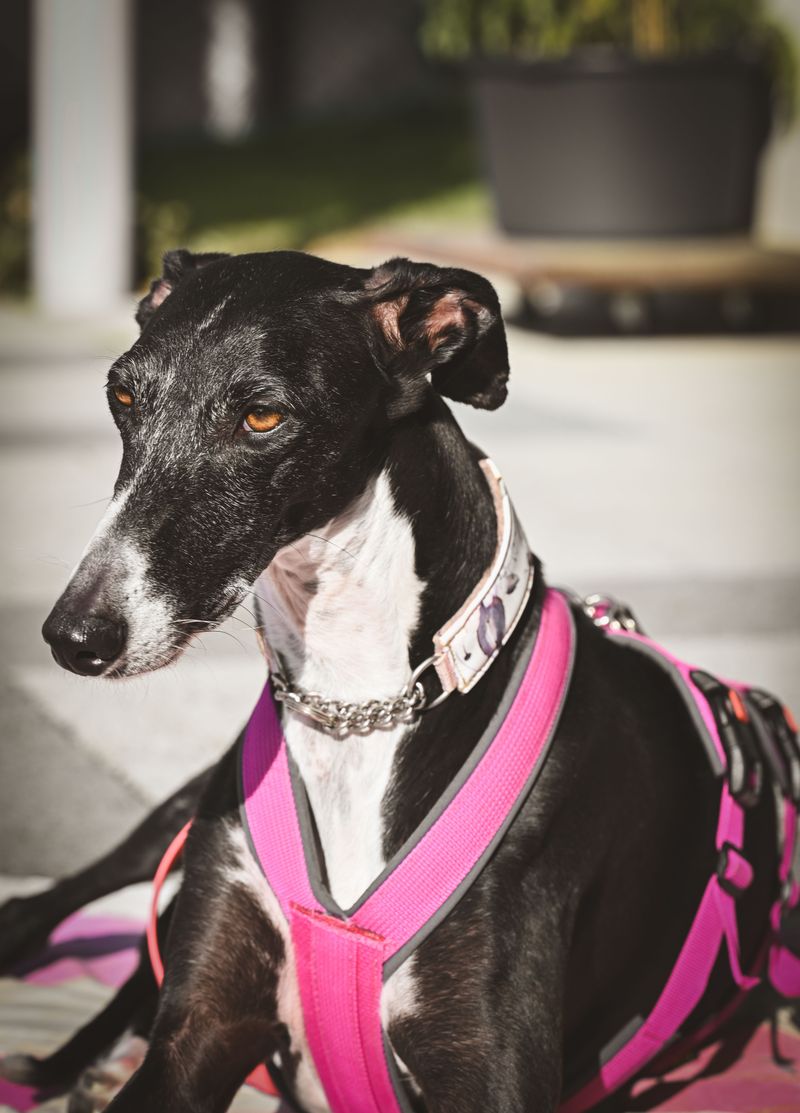
Built like a rocket, the Greyhound looks like a nonstop runner, yet the secret is couch potato charm. Many nap 18 hours a day and prefer soft blankets to marathons.
Short bursts satisfy exercise needs, plus calm manners fit apartments. Use snug coats in cold, keep a martingale collar for that slim neck, and expect a gentle soul with shy moments.
Social walks with treats build confidence.
Rottweiler
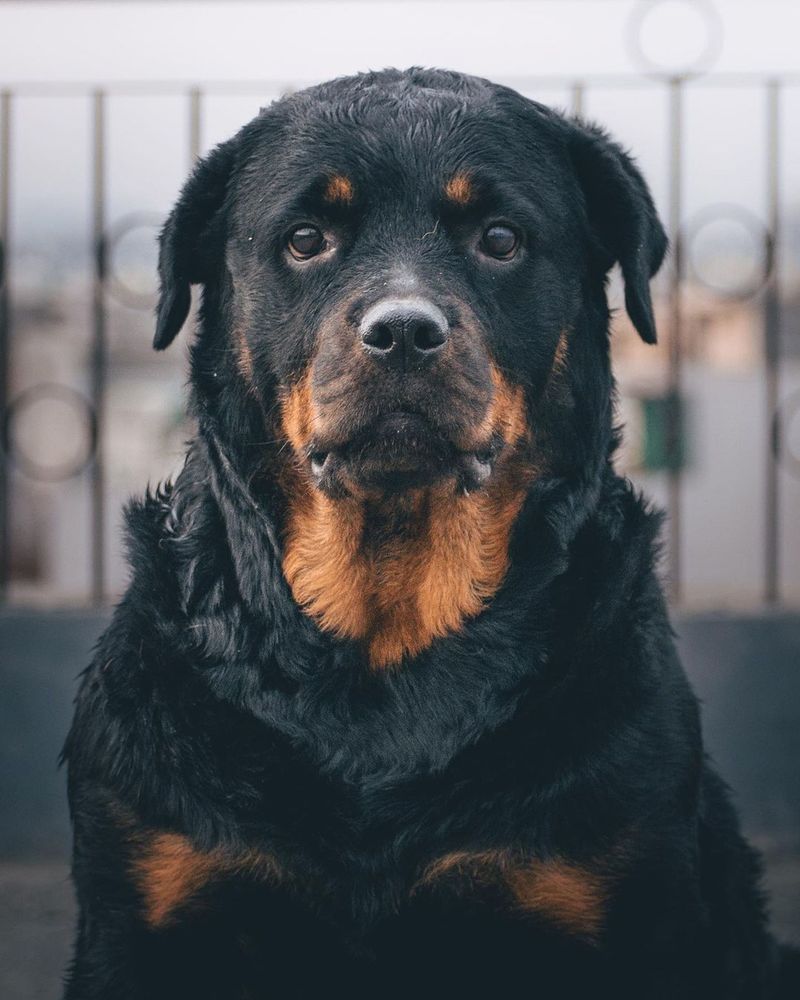
The broad head can scare strangers, yet family members often see a steady shadow at their heels. Rottweilers were driving cattle, not picking fights, which shaped their watchful habits.
Clear rules, kind training, and daily jobs like scent games keep minds busy. Host polite meetups, reward calm greetings, and maintain rock solid leash skills so strength stays helpful rather than pushy.
Health checks for hips and hearts support long, happy years.
Bull Terrier
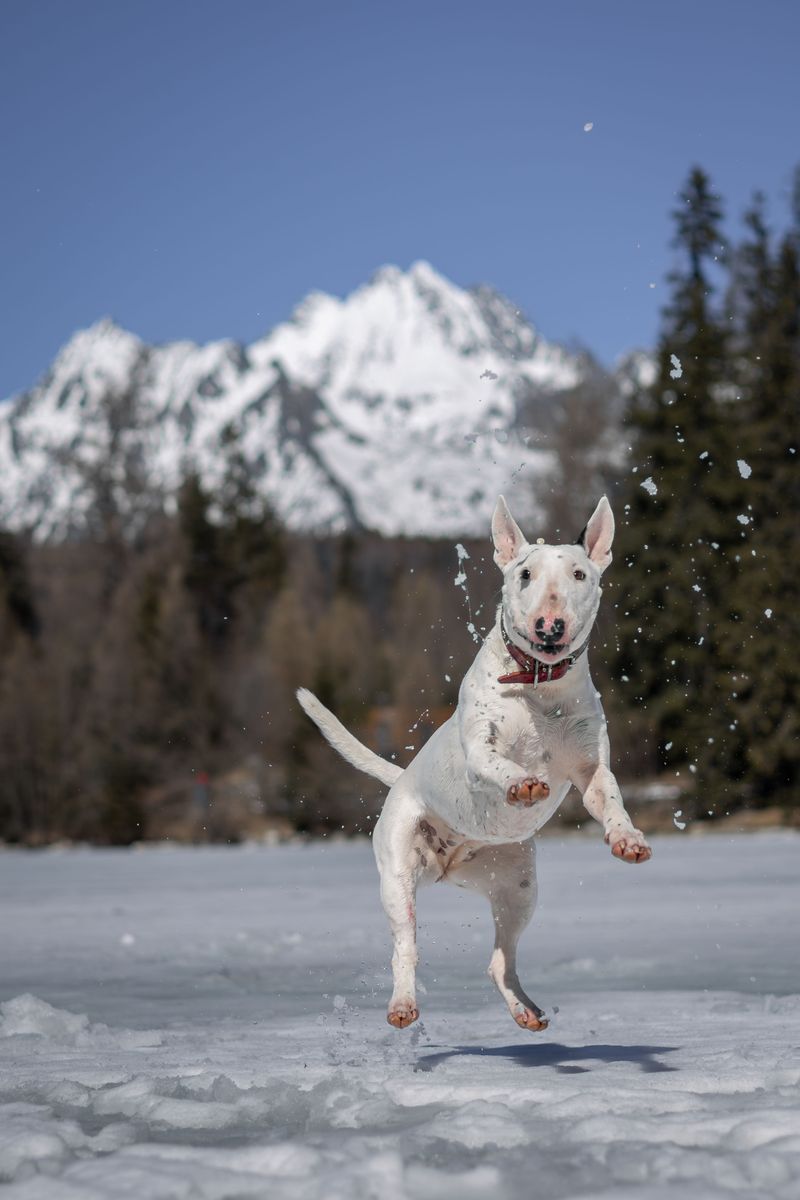
Egg shaped heads turn heads, and the clown inside steals socks and laughs. Bull Terriers brim with goofy energy that needs direction, not scolding.
Plan short training sprints, puzzle feeders, and sturdy toys to guide that drive. Early social time, impulse control games, and calm owners prevent rowdy moments from becoming habits, while regular naps recharge the sweet side.
A balanced routine turns mischief into charm.
Boxer
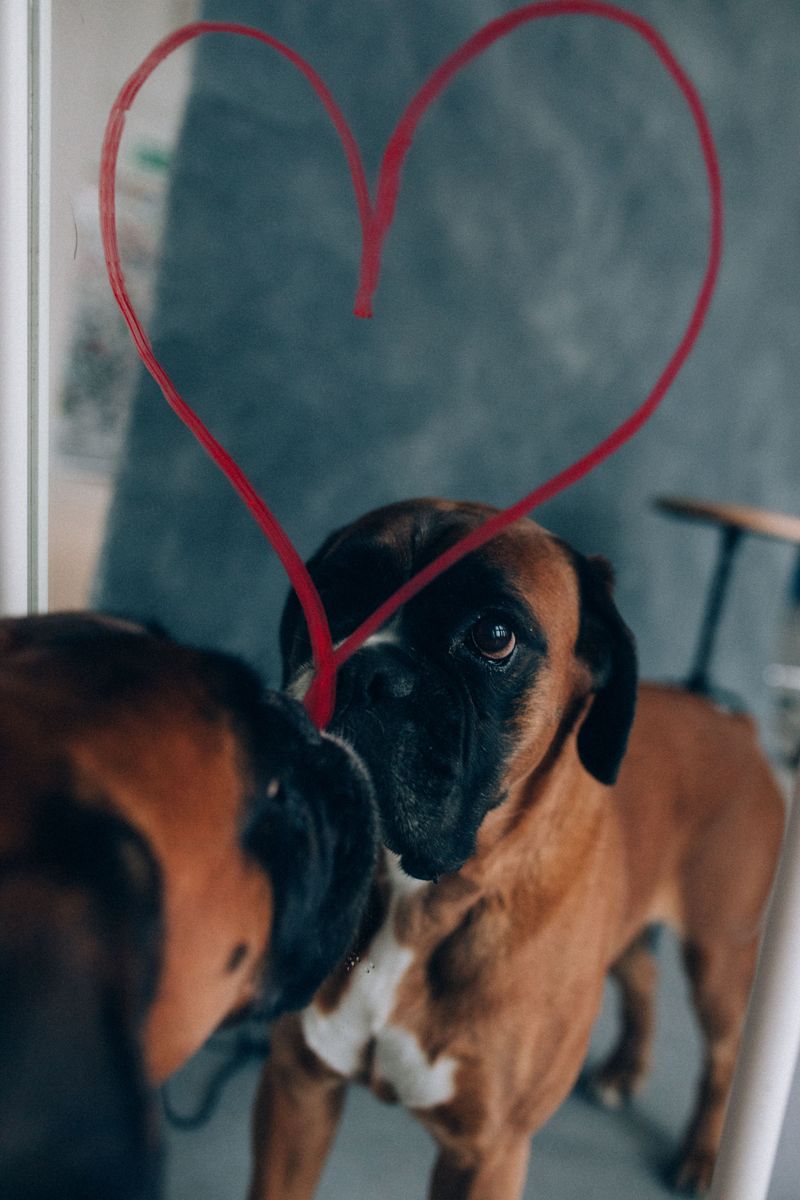
Wiggly greetings may seem wild, yet the Boxer is a people focused athlete with a comic streak. Many stay playful well into adulthood.
Channel bounce with fetch, agility, or long sniffy walks, then practice stillness after fun. Teach gentle four on the floor hellos, supervise around toddlers, and watch heat since short muzzles can overheat during summer workouts.
Health screening for hearts and hips helps active bodies stay strong.
Doberman Pinscher
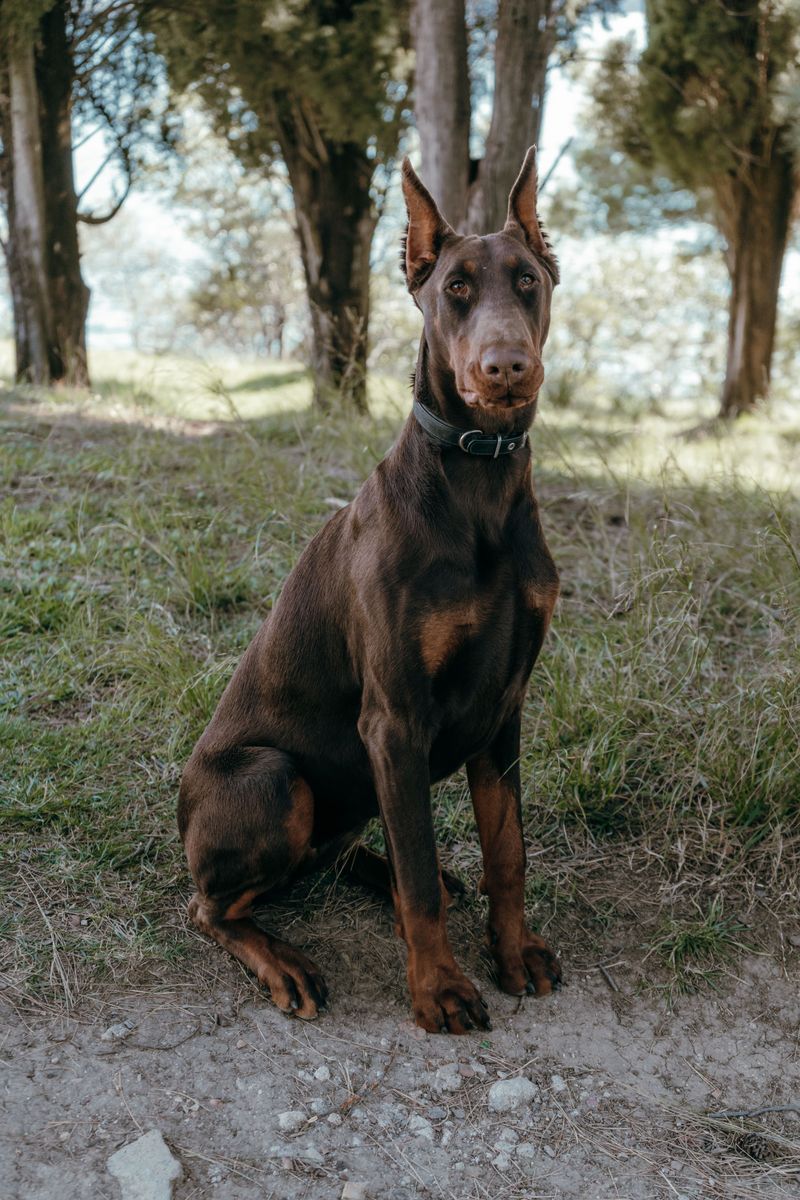
Sleek lines read intense, but many Dobermans are velcro snug with their people. Bred as personal guardians, they love being part of every moment.
Confidence grows through obedience games, nose work, and calm exposure to busy places. Keep brains and bodies busy, use firm yet friendly boundaries, and build rock solid recall so protective instincts stay polite and under control.
Routine health checks for cardiomyopathy are wise.
Great Dane – gentle giant roommate
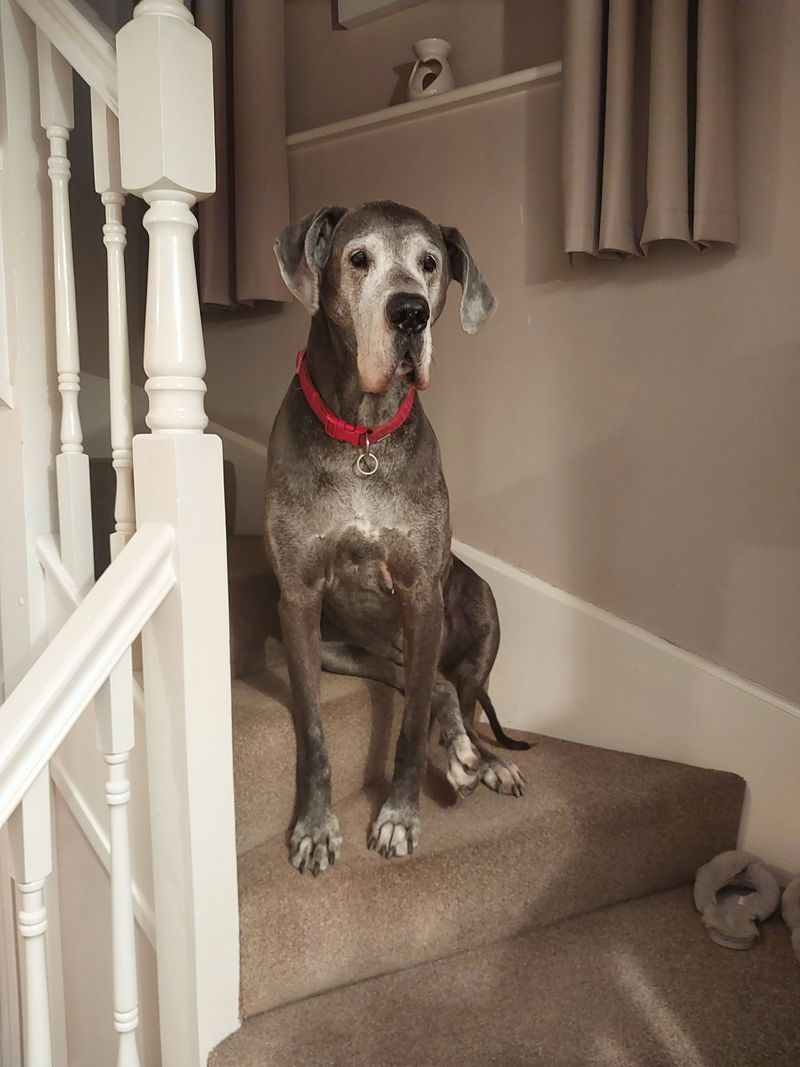
First glance screams giant, but the heart often whispers gentle roommate. Great Danes prefer soft beds, careful steps, and friendly company.
Because joints grow fast, use measured exercise, slow feeding, and non slip floors to protect legs. Teach polite leaning, raise bowls to a comfy height, and plan car space, then enjoy a calm buddy who thinks they are lap sized.
Bloat awareness and insurance planning reduce worries.
Staffordshire Bull Terrier
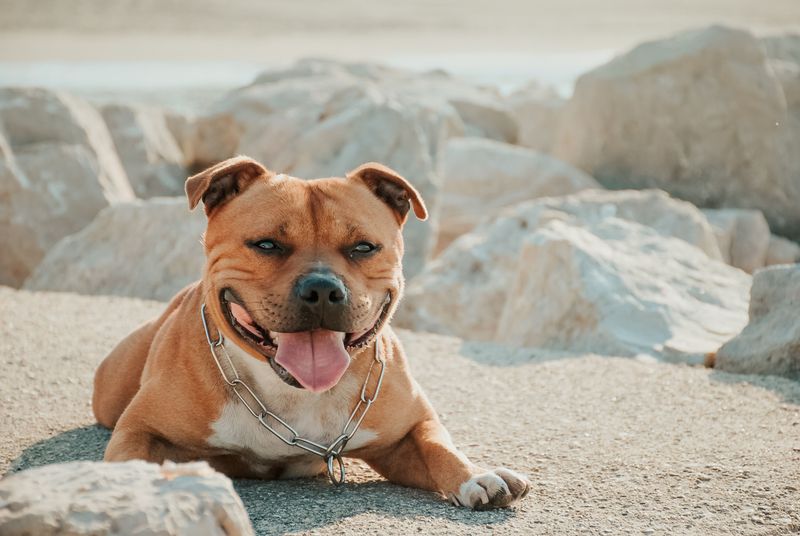
Smiles so wide they squint tell the real story of the Stafford. Nicknamed nanny dog in history, this compact athlete adores close contact.
Avoid rough hype, steer energy into tug rules, trick training, and calm cuddle breaks. Early social skills, sturdy leashes, and patient introductions help others see the sweet temperament, while regular enrichment stops boredom chewing before it starts.
Health checks for skin and knees are helpful.
Miniature Schnauzer
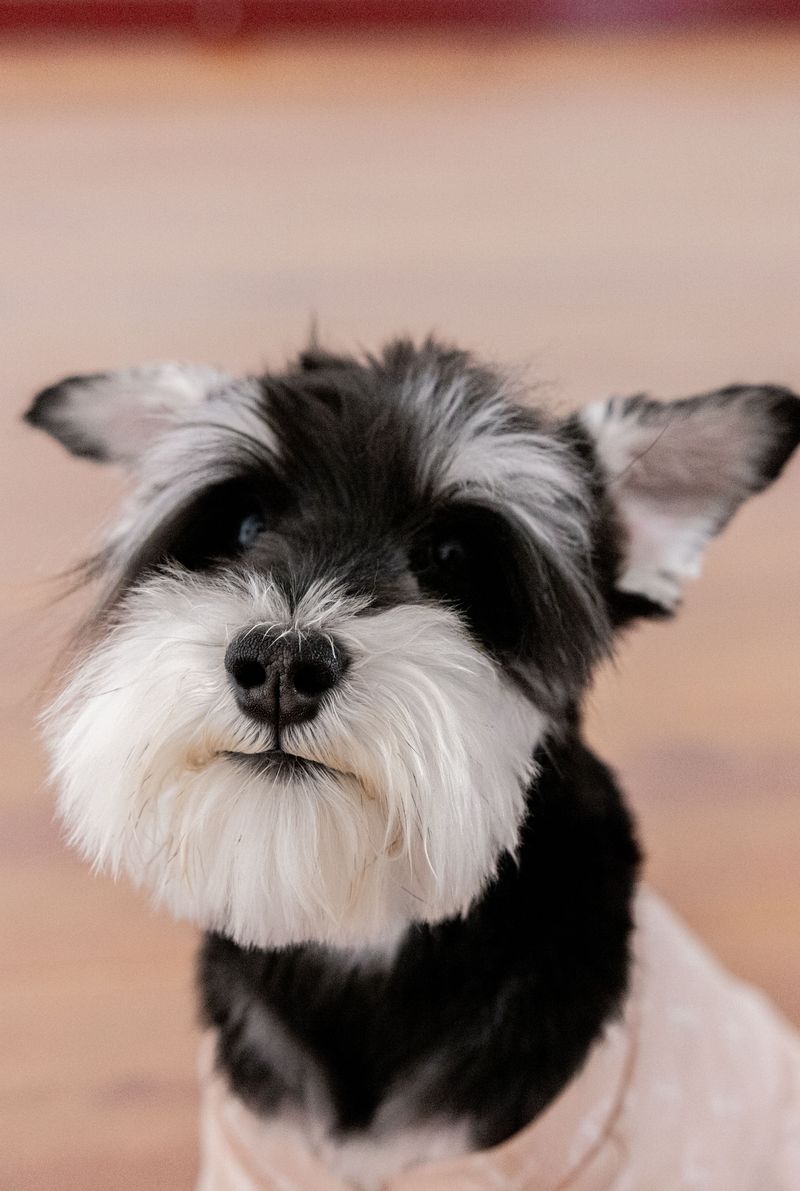
Eyebrows look serious, but the spirit is cheerful and busy. Mini Schnauzers love being in the mix and announcing every delivery truck.
Grooming needs are real, so learn to brush, comb, and schedule tidy clips. Puzzle toys, nose games, and polite quiet cues shape manners, while daily walks and quick training bursts help channel that terrier spark into neighbor friendly habits.
Screen for pancreatitis risks if treats are rich.
Chow Chow
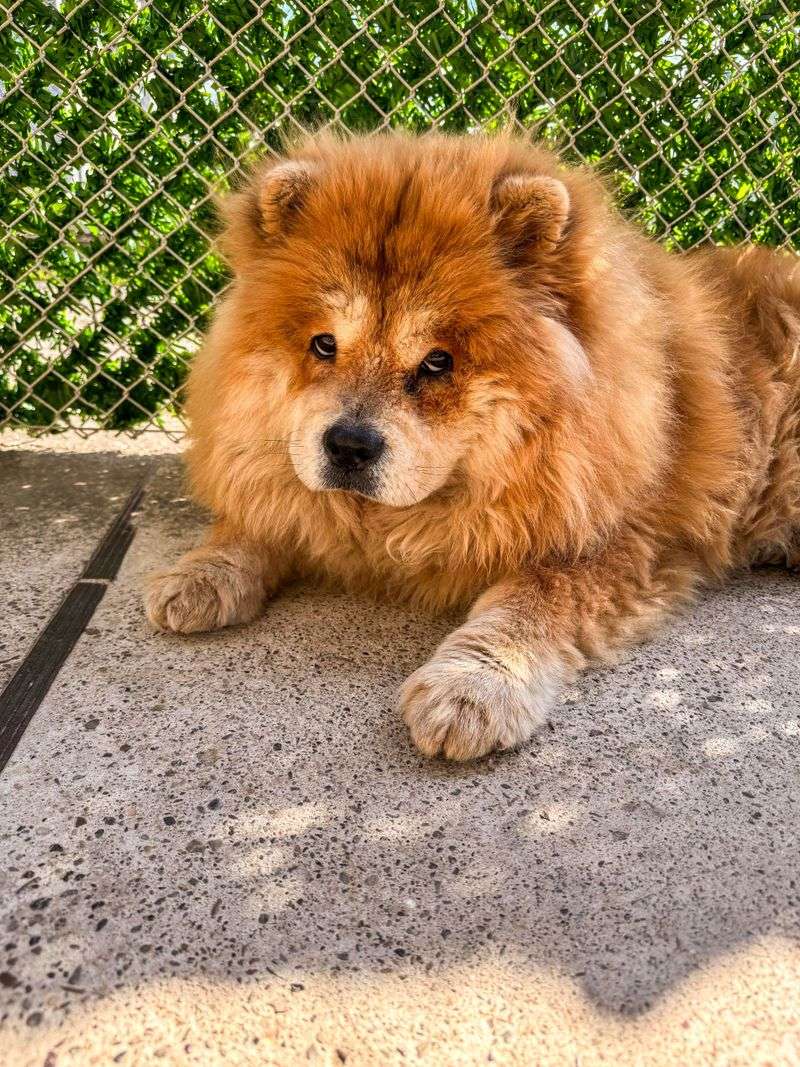
Lion manes and a blue tongue suggest royalty, yet many Chows prefer quiet routines and small circles of trust. Aloof does not mean mean.
Respect personal space, use slow introductions, and reward calm looks away. Early socialization, careful grooming of dense coats, and positive handling of feet and tail build comfort, while cool weather walks suit them better than heat.
Teach visitors to ignore at first contact.
Siberian Husky
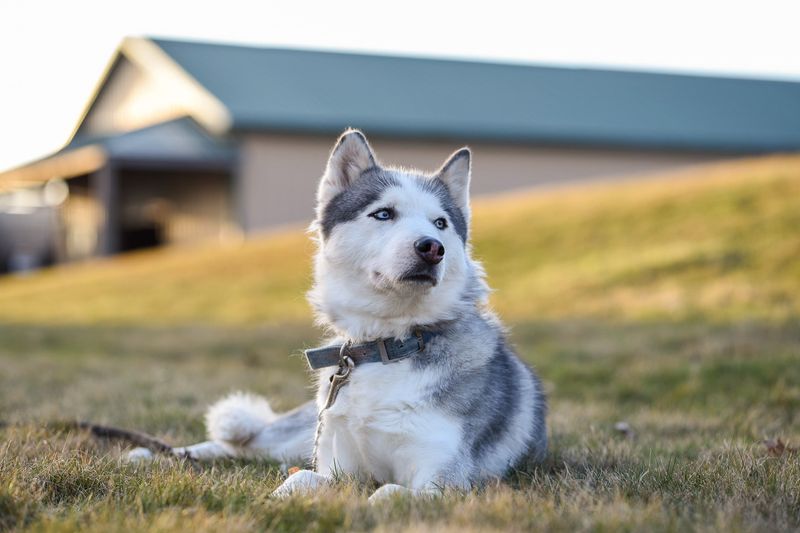
Blue eyes and a grin sell mischief, which is accurate. Huskies are friendly endurance pros who plan escapes like engineers.
Secure fences, long runs, and sled or canicross style workouts tame the zoom. Practice drop it, strengthen recall with lines, and use chew jobs to spare furniture, while grooming helps manage heavy seasonal sheds.
Heat safety matters, so schedule efforts at dawn or dusk. Hydration breaks keep runs happy.
English Bulldog
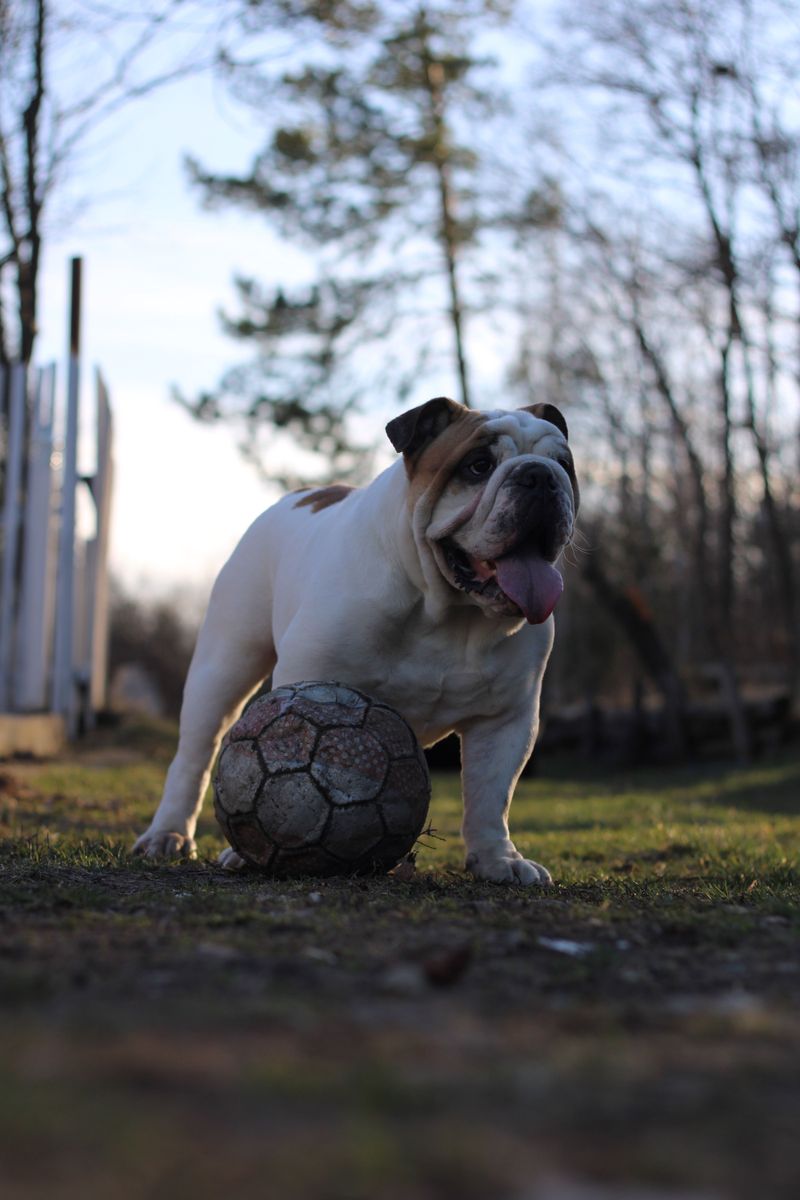
Wrinkles and a waddle look lazy, yet Bulldogs can be brave, loyal, and surprisingly playful in short bursts. They bond hard with their humans.
Because breathing can be tricky, choose gentle exercise, cool rooms, and a healthy weight. Clean skin folds, pick harnesses over collars, and keep vet checks regular to catch issues early, while short training games build confidence without tiring them out.
Snore friendly bedding supports restful sleep.