Your first dog teaches you a lot, and some breeds make those lessons much easier to learn. The right match can turn a nervous new owner into a confident one within a few months.
The wrong match can mean chewed shoes, sleepless nights, and a lot of second-guessing. Here are 10 breeds that tend to forgive beginner mistakes, settle into daily routines, and win over first-timers fast.
Cavalier King Charles Spaniel
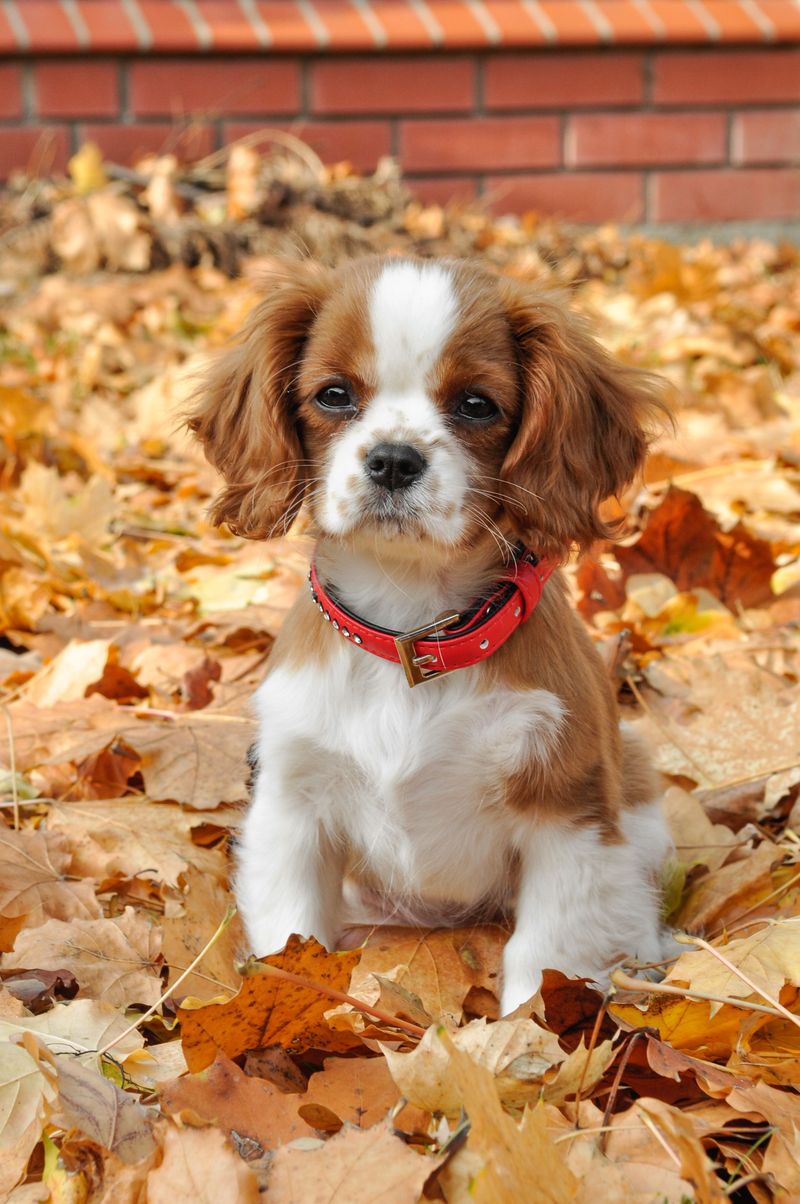
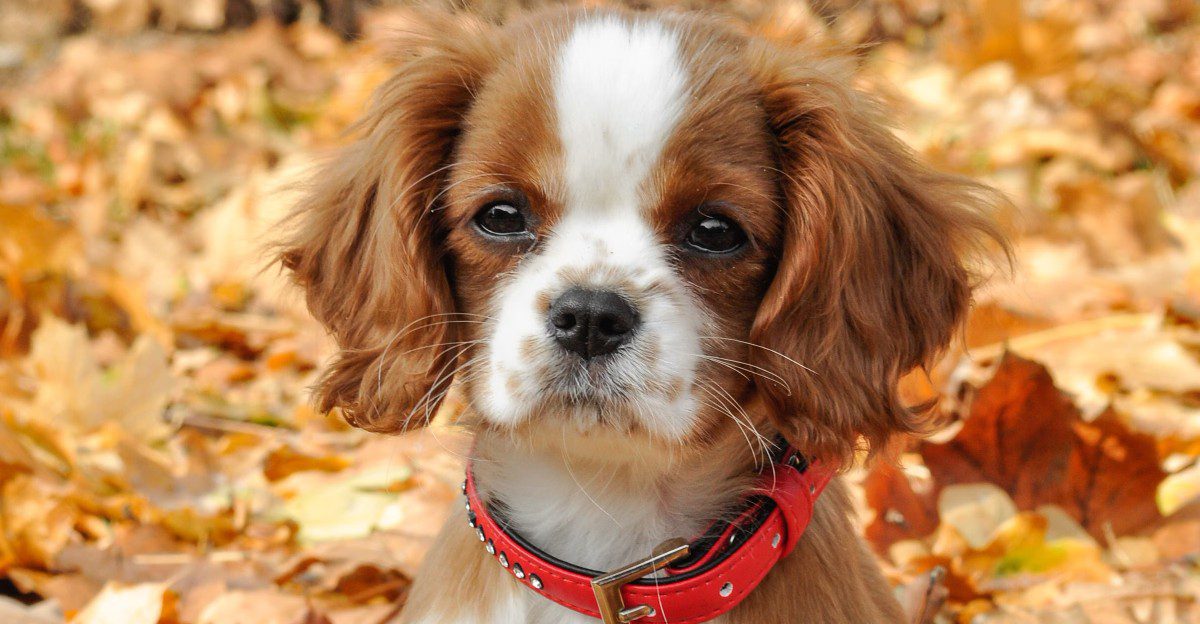
Few breeds were shaped so deliberately for companionship. Cavaliers descend from the toy spaniels kept by British royalty, and the modern breed was rebuilt in the 1920s to recapture the look of dogs in old paintings.
That long history as lap dogs shows up today. Most Cavaliers adjust their energy to the household, happily joining a neighborhood walk and then napping for the afternoon.
New owners should know one real health issue. The breed has a well-documented predisposition to mitral valve disease, so choosing a breeder who screens hearts and keeping regular vet checkups matters more than any training tip.
Bichon Frise
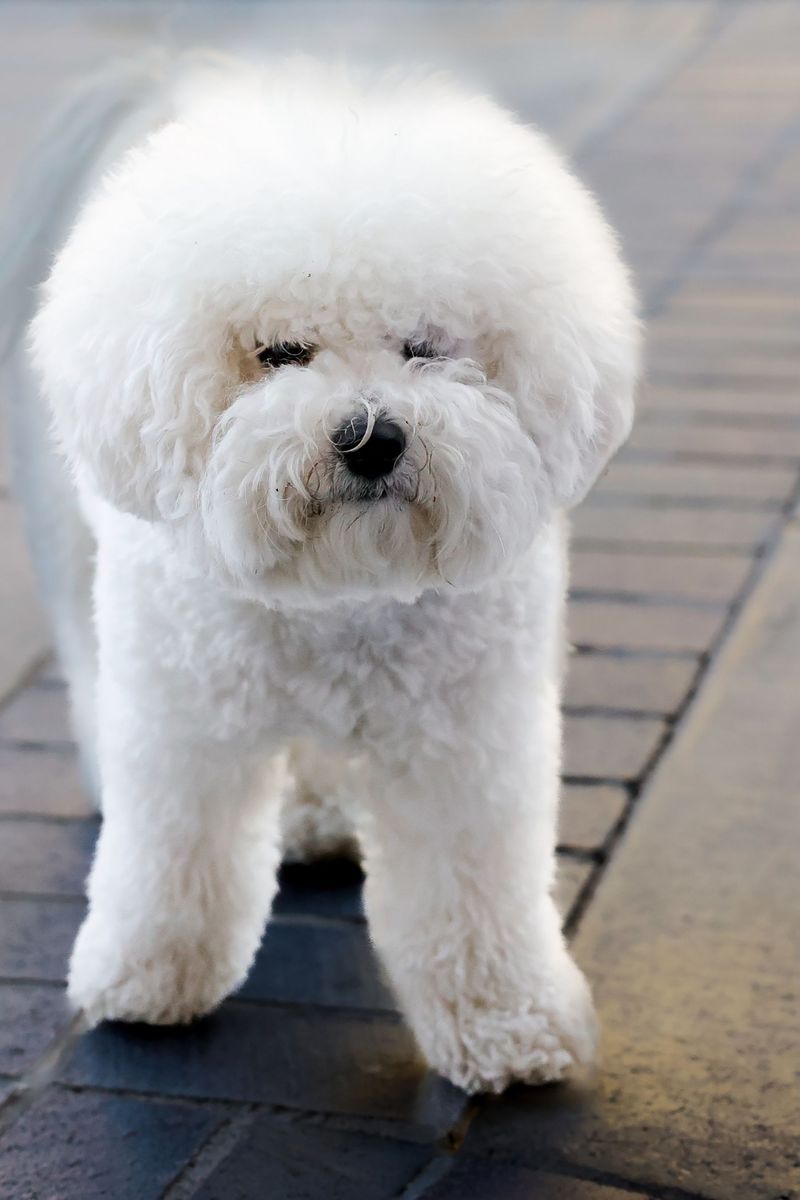
Picture a cotton ball with a sense of humor. The Bichon Frise once performed tricks alongside street entertainers in Europe, and that crowd-pleasing streak still makes training feel like a game.
Short sessions with treats usually work well, and many Bichons pick up simple tricks quickly. Their low-shedding coat appeals to tidy households, though it is not truly allergy-free.
The tradeoff is grooming. That curly coat mats easily, so plan on brushing several times a week and a professional trim every month or so.
Pug
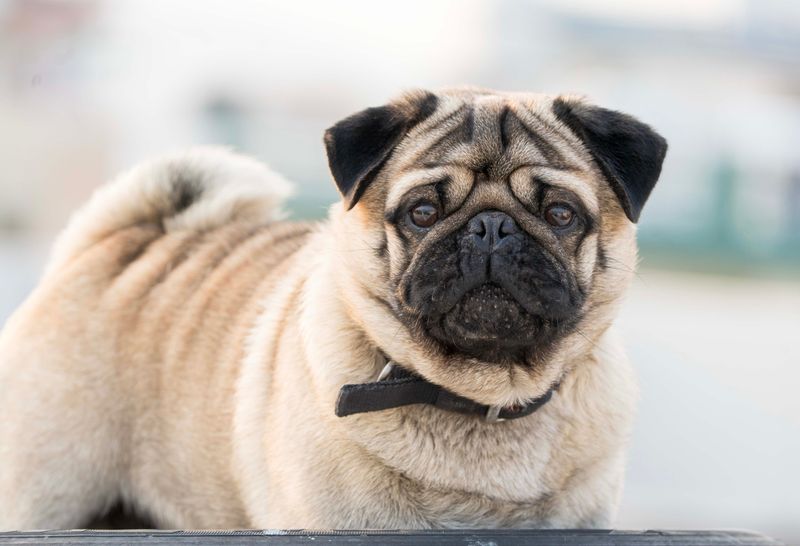
Pugs ask very little in the exercise department. A couple of relaxed walks and some indoor play often cover their needs, which suits apartment dwellers and busy schedules.
Bred in ancient China as companions for emperors, they tend to follow their people from room to room and treat strangers as potential new fans. That sociable attitude helps beginners who want a dog that fits into visits and gatherings.
Their flat faces come with a catch. Pugs can struggle in heat and humidity, so summer walks belong in the early morning, and a harness is gentler on the airway than a collar.
Greyhound
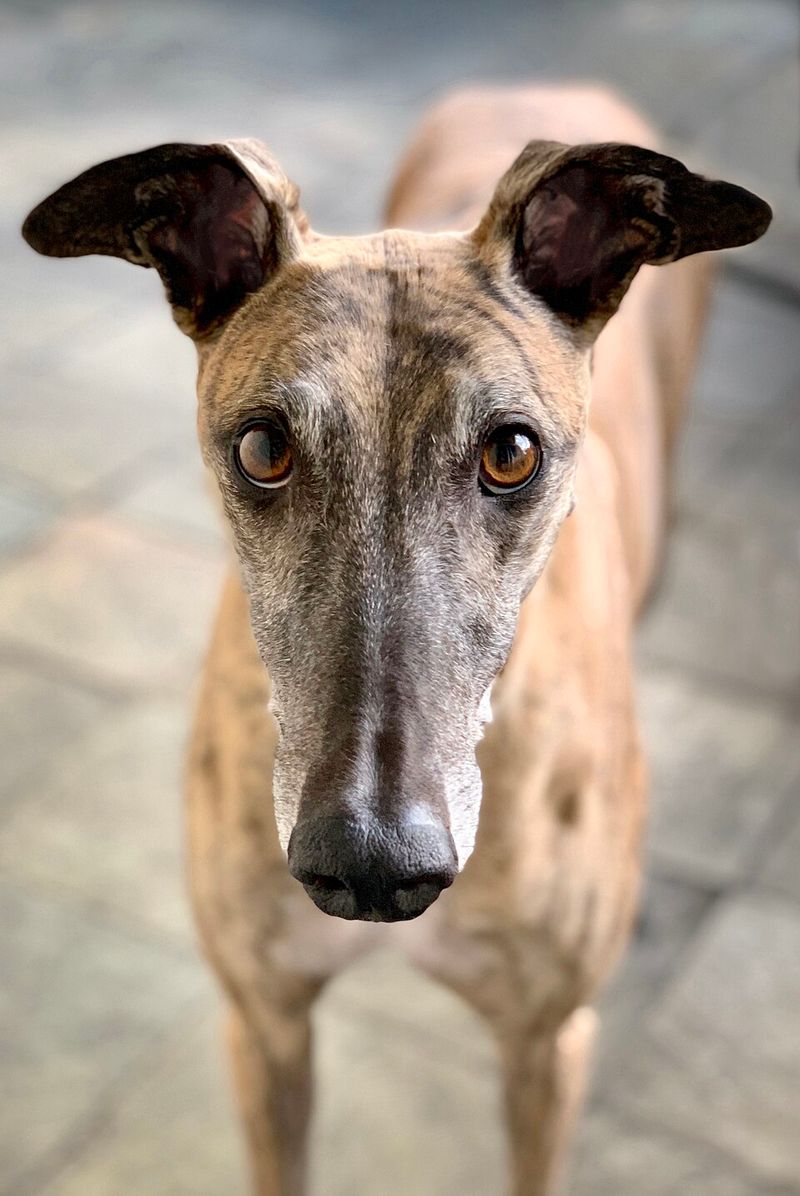
Here is a twist many people never expect. The fastest dog breed, capable of sprinting around 40 miles per hour, is famously nicknamed the 45-mph couch potato.
Greyhounds are sprinters, not marathoners. Many retired racers are content with daily walks and a chance to run in a safely fenced area, then spend much of the day sleeping.
Adoption groups often place adult Greyhounds whose personalities are already known, which takes guesswork out of the process. Their strong chase instinct means a leash outdoors is non-negotiable, and some individuals are not safe around cats.
Shih Tzu
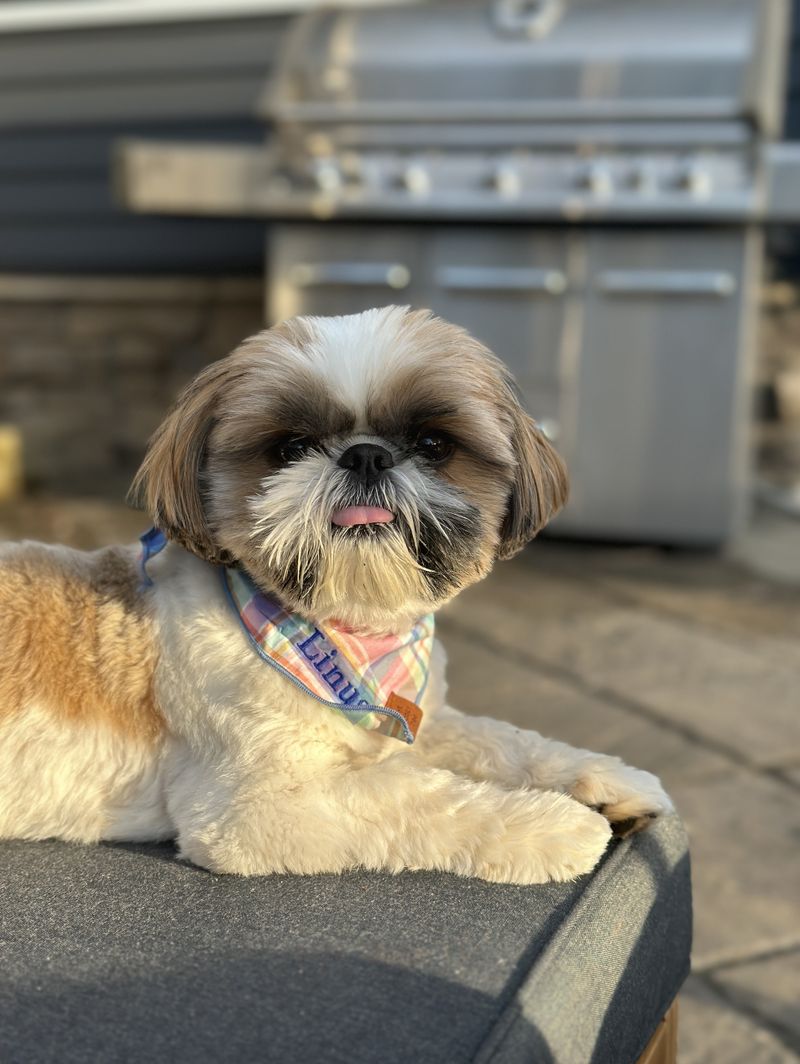
Bred to be indoor companions in Chinese palaces, the Shih Tzu never had a farm job to miss. That background means most are satisfied with short walks and a comfy spot near their people.
They tend to be friendly with visitors and adaptable to small homes. Many owners skip the long flowing coat and keep a short puppy cut, which makes upkeep far simpler.
Housetraining can take patience with some individuals, as with many small breeds. A consistent schedule and quick rewards usually get things on track.
Boston Terrier
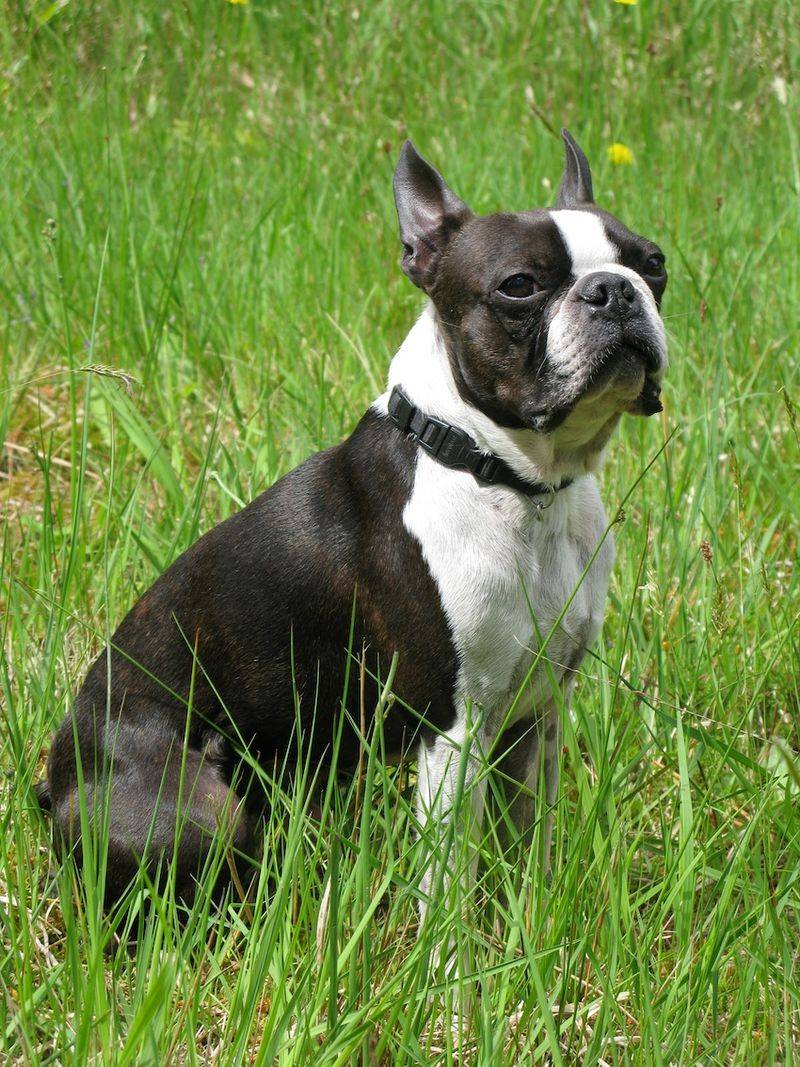
Nicknamed the American Gentleman for its tuxedo markings, the Boston Terrier was developed in Massachusetts in the late 1800s. It sits in a sweet spot for beginners, lively enough to play but compact enough for city life.
Bostons are usually quick learners when lessons stay upbeat. Their short, smooth coat needs little more than an occasional wipe-down.
Like other short-muzzled breeds, they can overheat, and some snort or snore. Their prominent eyes also deserve a gentle watch for scratches during rough play.
Bernese Mountain Dog
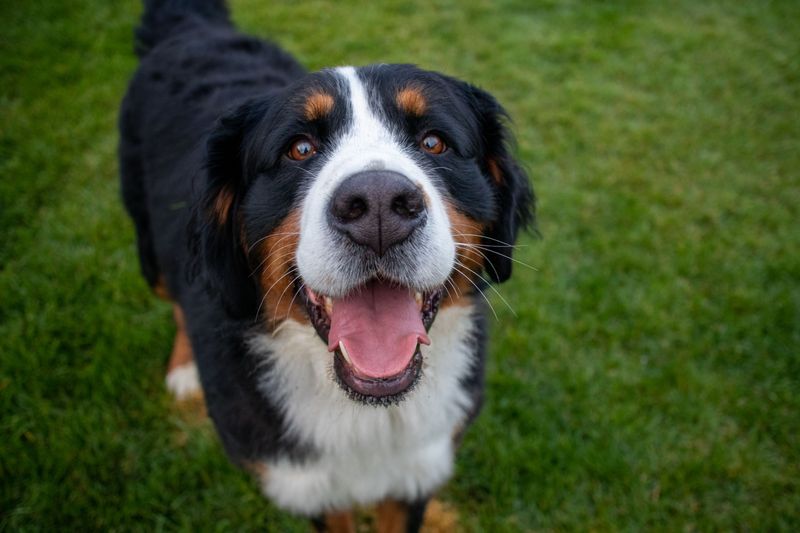
Size intimidates a lot of new owners, but the Bernese often proves that big does not have to mean difficult. These Swiss farm dogs pulled carts and watched livestock, and they are typically calm, good-natured, and responsive to gentle training.
Plan for the realities, though. The thick coat sheds heavily, especially seasonally, and an adult can weigh over 100 pounds, so early leash manners are worth the effort.
Their lifespan is shorter than many breeds, often around 7 to 10 years, and cancer rates are notably high. Going in with that knowledge helps owners make the most of the time together.
Papillon
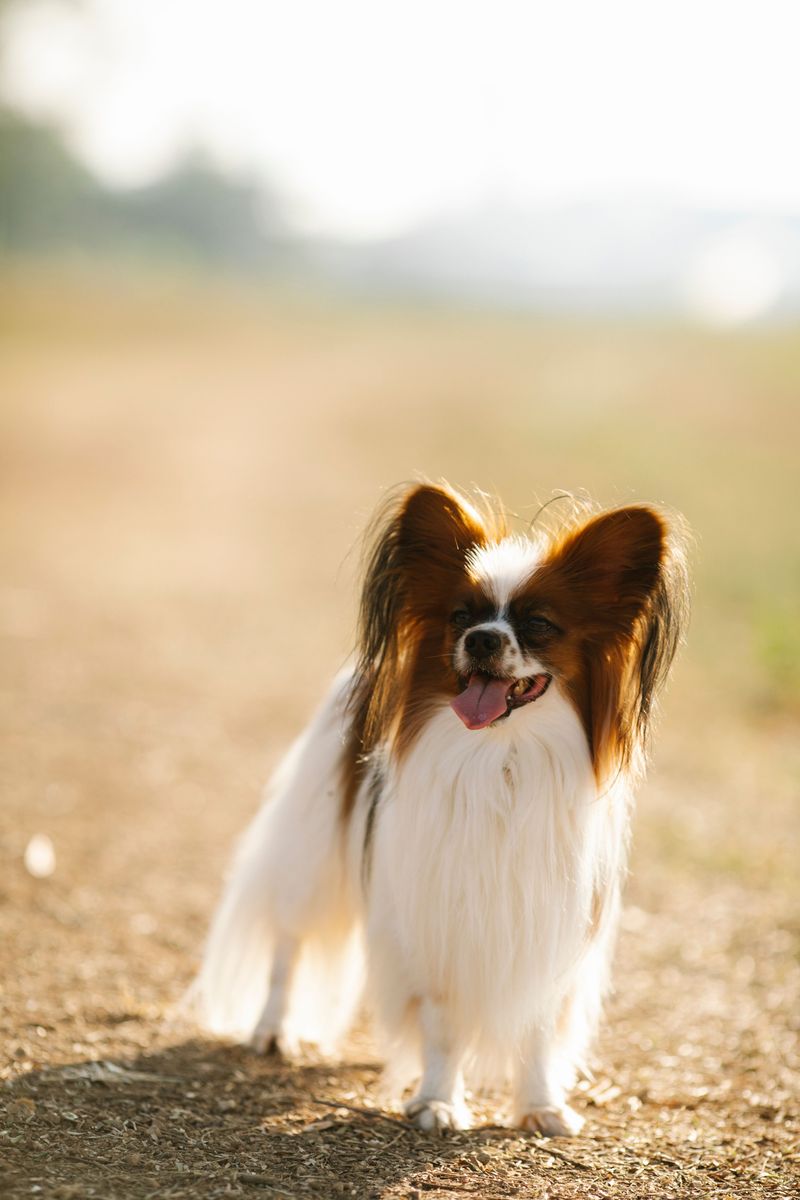
Those big fringed ears earned the Papillon its name, which is French for butterfly. Underneath the elegant look is a sharp little learner that regularly shows up at agility competitions.
For a first-time owner who wants to try training beyond sit and stay, a Papillon can be a rewarding partner. They tend to enjoy puzzle toys and trick work, and they adapt well to apartments.
Their single coat is surprisingly easy to brush. Fragile legs are the real concern, so jumping off high furniture should be discouraged.
Basset Hound
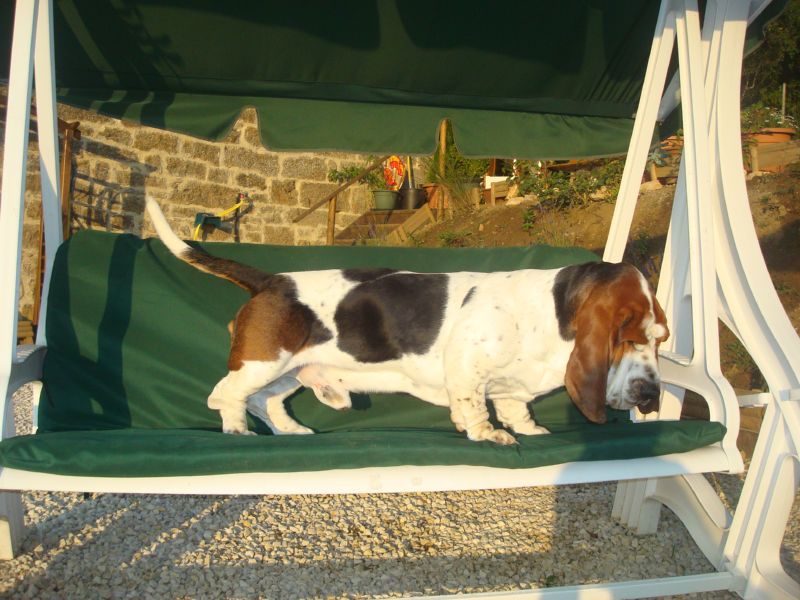
Patience practically walks on short legs with this breed. Basset Hounds are generally mellow and tolerant, the kind of dog that shrugs off a noisy household.
Their nose is second only to the Bloodhound’s in scenting fame, and that shapes daily life. Walks become sniffing tours, and recall may fail the moment an interesting smell appears, so a leash or fence is essential.
Watch the food bowl, since Bassets gain weight easily and extra pounds strain their long backs. Those famous ears also need regular cleaning to prevent infections.
Havanese
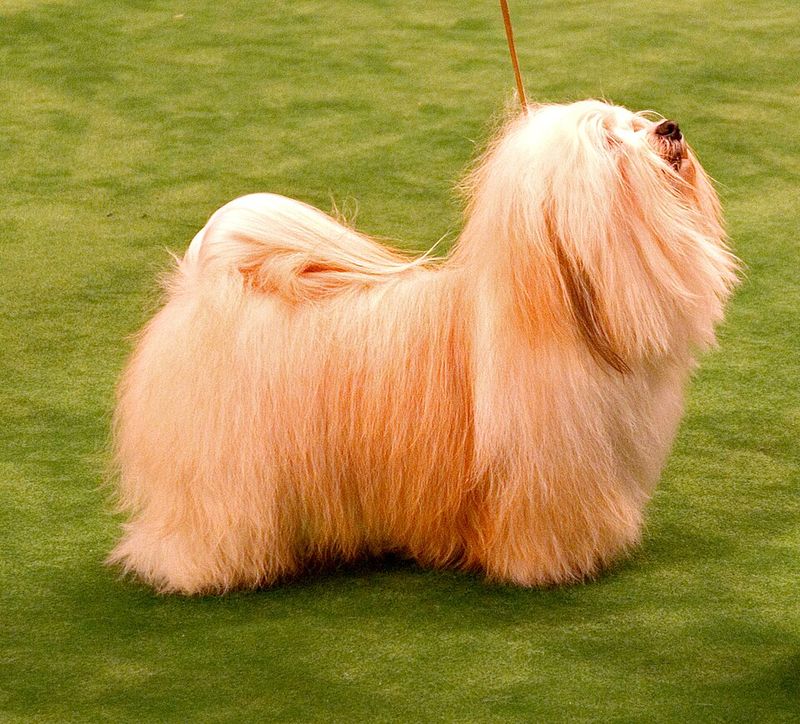
As the national dog of Cuba, the Havanese has a sunny reputation to match its homeland. Expect a sturdy toy dog that generally likes people of all ages and enjoys learning simple tricks.
They tend to be people-focused, which helps training but can mean some dislike long stretches alone. Working up to alone time gradually can make a big difference.
A shorter trim keeps that silky coat manageable. For many first-time owners, the Havanese ends up feeling like the easy dog everyone hoped for.