
You spot your dog obsessively licking the floor and wonder if it is quirky or concerning. Here is the truth: floor licking can be a red flag for nausea, anxiety, pain, or even a hidden environmental trigger.
Some breeds are more prone to this behavior and knowing why they do it helps you act fast. Let us walk through the most common culprits and what those licks might be trying to tell you.
Boxer

Boxers are energetic clowns, but repetitive floor licking can mean something is off. This breed is prone to sensitive stomachs, so nausea from dietary indiscretion or rapid eating may trigger compulsive licking.
Watch for drooling, lip smacking, grass eating, or swallowing air as additional clues.
Stress can also spark the behavior. Loud environments, boredom, or inconsistent routines make Boxers restless and mouthy.
Offer structured exercise, puzzle feeders, and slow feeder bowls to reduce gulping and stomach upset. Keep meals predictable.
If licking continues, schedule a vet exam to rule out gastritis, pancreatitis, or foreign body concerns. Ask about anti-nausea options, probiotics, or diet adjustments.
Address environmental triggers alongside medical care.
Doberman Pinscher
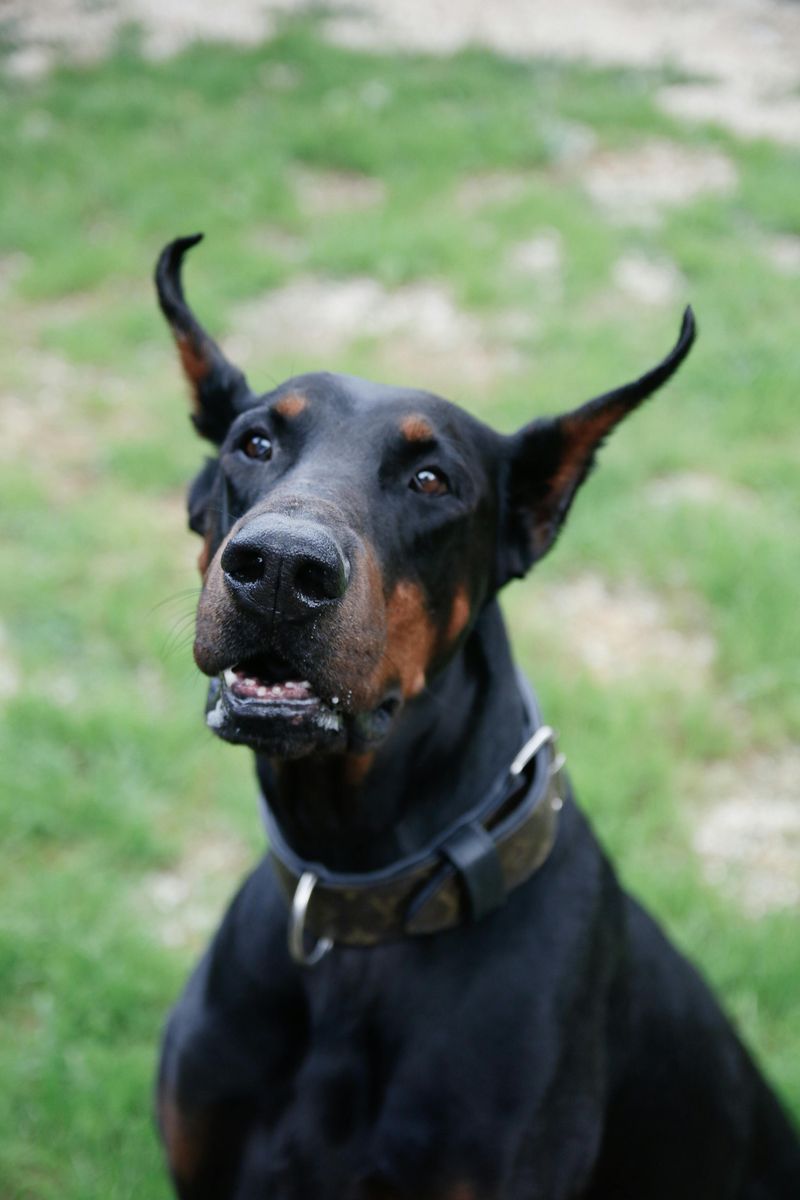
Dobermans are sensitive, high-drive dogs that often internalize stress. When a Doberman starts licking floors, think stomach discomfort, anxiety, or an obsessive outlet for pent-up energy.
Look for pacing, whining, or licking surfaces after meals as key patterns.
This breed benefits from clear routines and mental outlets. Use scent games, structured obedience, and scatter feeding to slow ingestion and reduce gas.
Monitor for food sensitivities causing reflux or nausea.
If licking escalates, consult your vet about gastric issues, dental pain, or medication side effects. A behaviorist can help with anxiety-focused plans, including desensitization and calming strategies.
Balanced exercise, consistent training, and a gentle environment often curb the compulsion.
Weimaraner
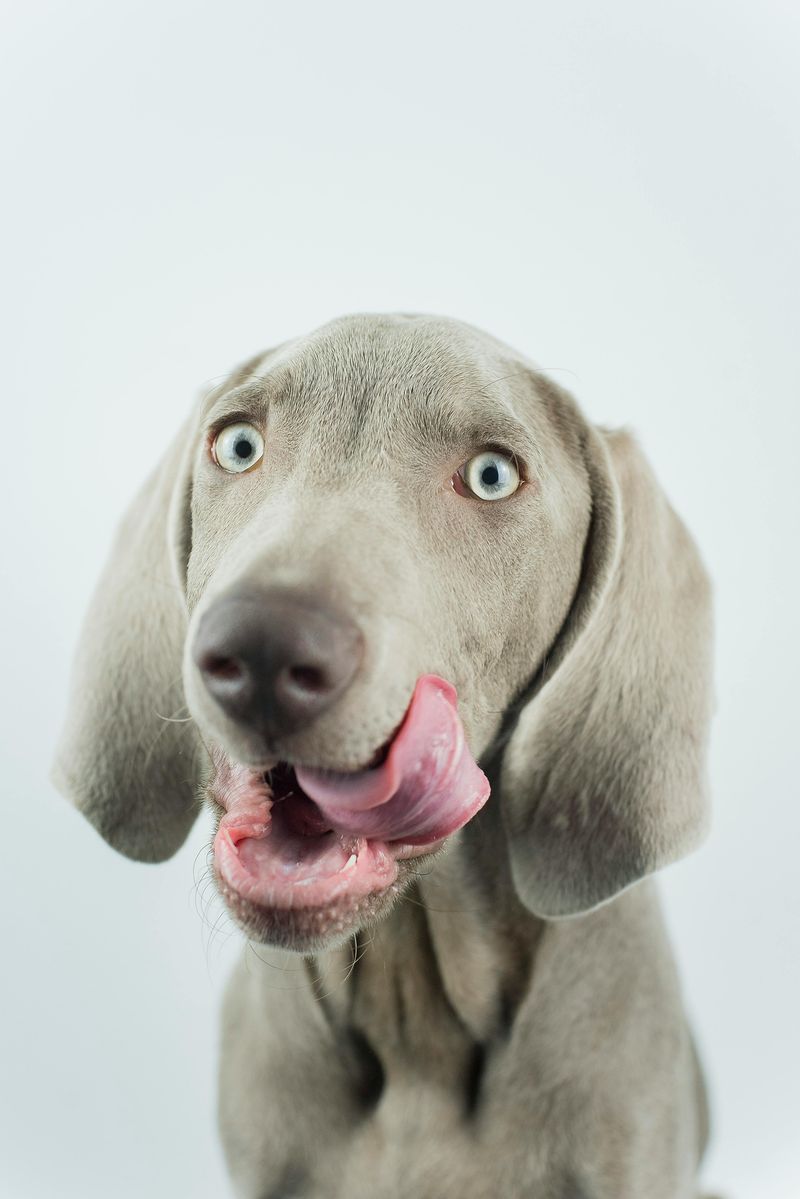
Weimaraners are smart, sensitive, and notorious for gastrointestinal quirks. Floor licking often pairs with gulping, grass eating, and swallowing air, hinting at nausea or reflux.
Rapid eating or fatty snacks can make things worse.
Keep meals smaller and more frequent, use a slow feeder, and introduce a vet-approved probiotic. Enrichment is essential because boredom heightens compulsions in this breed.
Scent work and controlled off-leash runs help discharge energy.
Persistent licking warrants a medical workup for gastritis, pancreatitis, or food allergies. Track timing around meals to identify triggers.
If anxiety is involved, add predictable schedules, calming chew routines, and teach a mat settle behavior to redirect the urge.
Vizsla

Vizslas are affectionate velcro dogs, so subtle stress quickly becomes visible. Floor licking can signal anxiety, motion sickness, or an upset stomach.
If it follows excitement or car rides, consider nausea first.
Provide daily aerobic exercise and calm decompression time afterward. Use enrichment feeders to slow eating and reduce gulping.
Teach a relaxed place cue to redirect early licking and reward stillness.
Keep a journal: time of day, food, activity, and any cleaning products on the floor. Some Vizslas react to residues, fragrances, or salt from winter sidewalks tracked indoors.
If symptoms persist, ask your vet about anti-nausea support, diet trials, and checking for gastritis or mild pancreatitis.
German Shorthaired Pointer
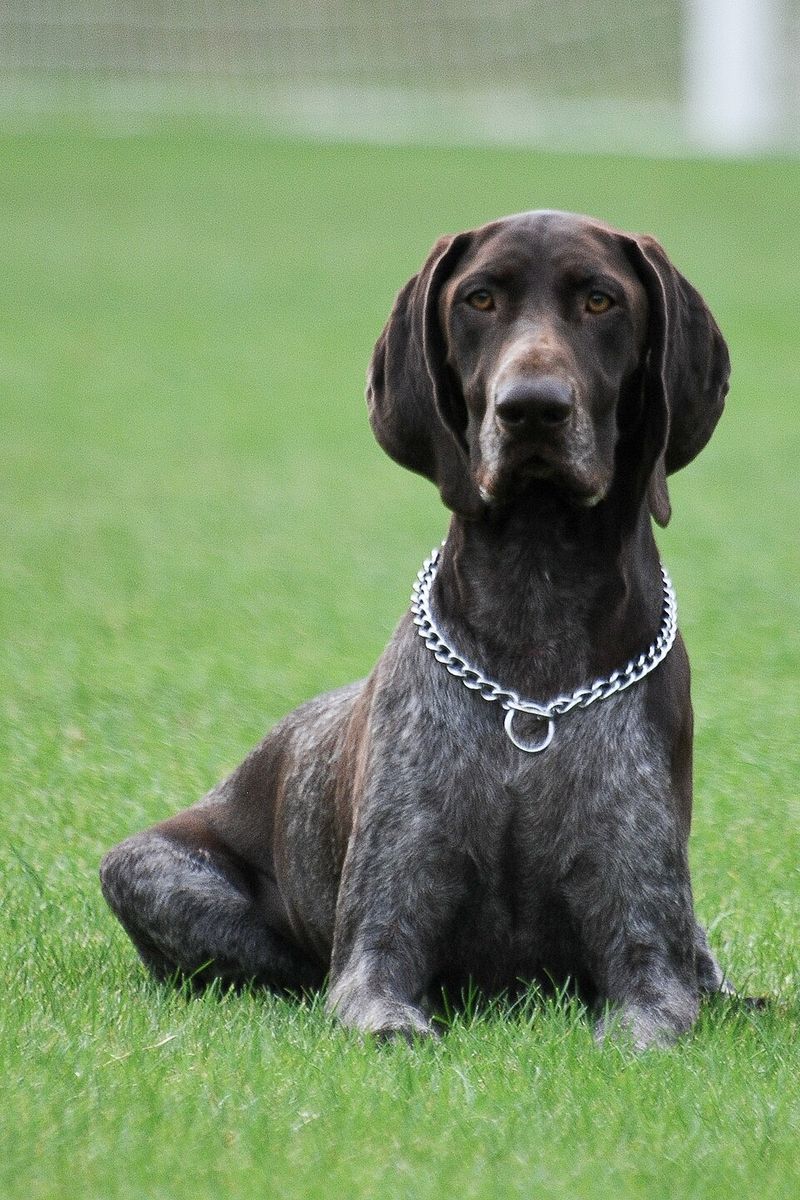
German Shorthaired Pointers run hot on energy and curiosity. When they start licking floors, think over-arousal, GI irritation, or attention seeking that accidentally got reinforced.
Watch for lip licking and yawns when overstimulated.
Structure matters: exercise first, brain work second, rest third. Use sniffaris, tracking games, and long-line hikes to tire the mind.
Feed smaller meals with a slow bowl, and avoid table scraps that trigger reflux.
Consider environmental residues like cleaners or spilled food scents that keep them scanning surfaces. If licking continues or comes with vomiting or diarrhea, call your vet to rule out dietary intolerance, parasites, or pancreatitis.
Consistent routines and enrichment usually settle this behavior.
Brittany
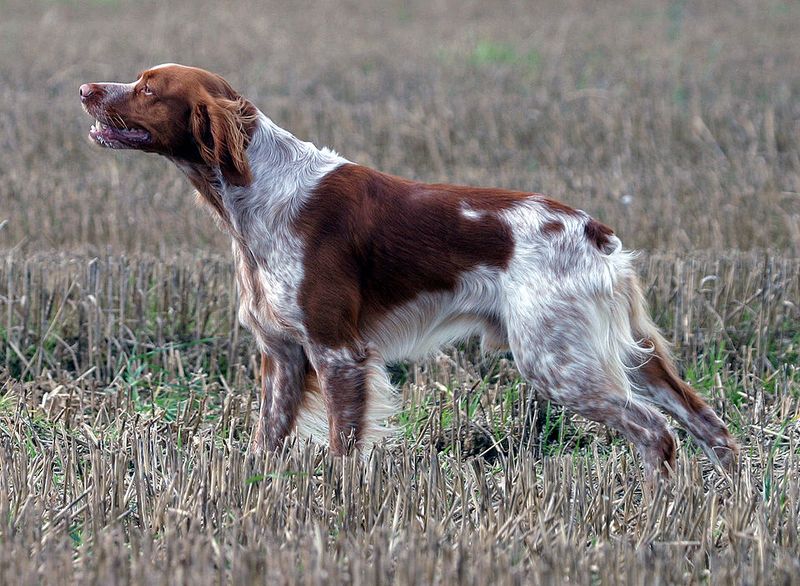
Brittanys are quick, alert bird dogs that thrive on action. Floor licking in this breed often connects to nervous energy, mild nausea, or searching for dropped crumbs.
If it appears after training or guests, stress may be involved.
Provide structured sniffing tasks and gentle decompression after activity. Break meals into smaller portions and consider a low-fat, easily digestible diet with your vet’s guidance.
A lick mat with soothing ingredients can redirect the urge productively.
Track cleaning products and fragrances that might irritate sensitive noses. If you see drooling, grass eating, or restlessness, schedule a check for gastritis or early pancreatitis.
Pair medical care with calm routines, predictable sleep, and consistent reinforcement of relaxed behaviors.
Dalmatian
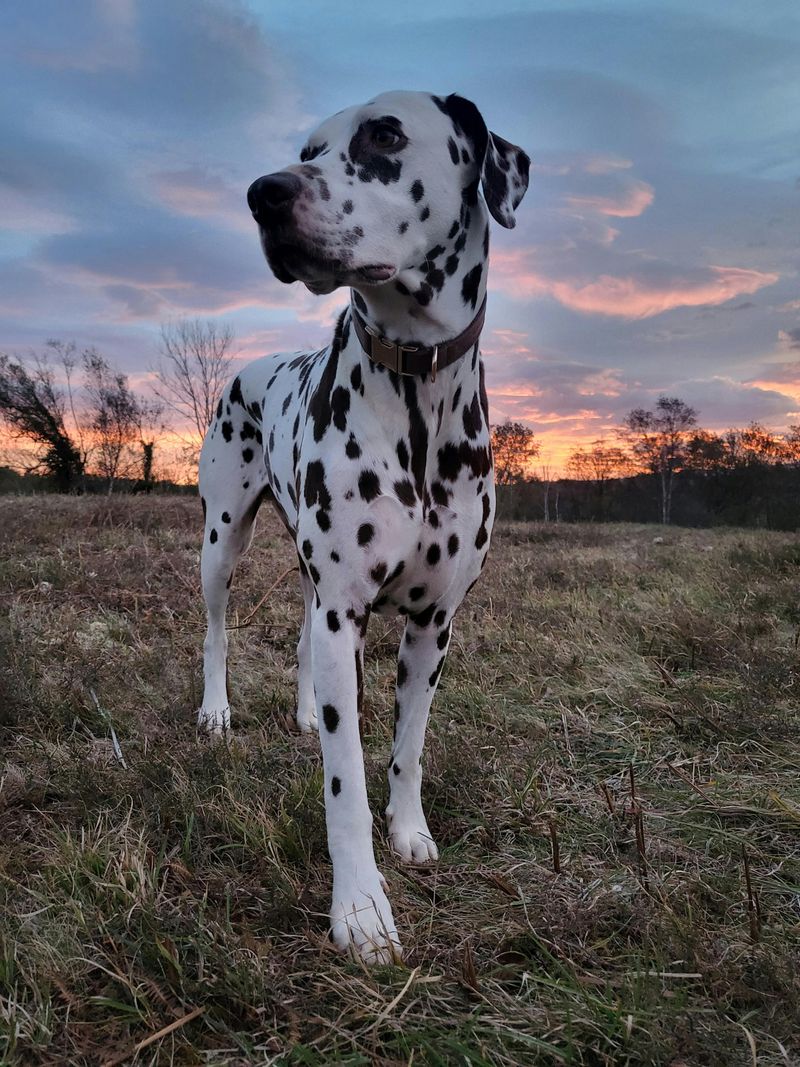
Dalmatians can be intense and food motivated, which sometimes leads to obsessive floor scanning. Licking may signal stomach upset from rich treats or purine-heavy diets that do not suit the breed.
Monitor for drooling or swallowing hard between licks.
Work with your vet on a Dalmatian-appropriate diet and hydration plan. Use slow feeders, frequent smaller meals, and limit table scraps.
Provide brain games that satisfy their problem-solving drive without overstimulating.
Check floors for residues or lingering food smells that keep the behavior going. If licking pairs with vomiting, lethargy, or pacing, seek veterinary care for GI concerns or urinary discomfort.
Calm routines, enrichment, and careful diet management typically settle this habit.
Rhodesian Ridgeback
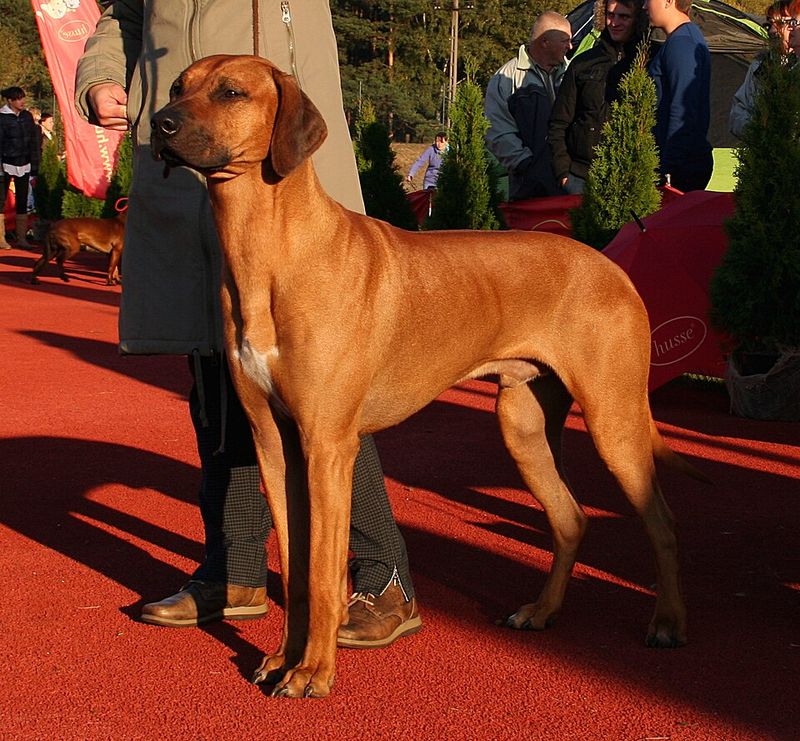
Rhodesian Ridgebacks can be stoic, so subtle signs matter. Floor licking may be one of the earliest flags for nausea, stress, or discomfort.
Look for restlessness after heavy exercise or fatty meals that could upset their stomach.
Balance high-intensity workouts with calm sniffing and structured recovery. Feed measured, lower-fat meals, using slow bowls to reduce gulping.
Teach a place command and reward relaxed breathing to interrupt early licking.
Environmental triggers like strong cleaners or seasonings spillovers can entice repetitive licking. If symptoms persist, consult your vet about gastritis, reflux, or joint pain that changes posture and comfort.
A combined plan of diet, enrichment, and predictable routines usually helps quickly.
Plott Hound
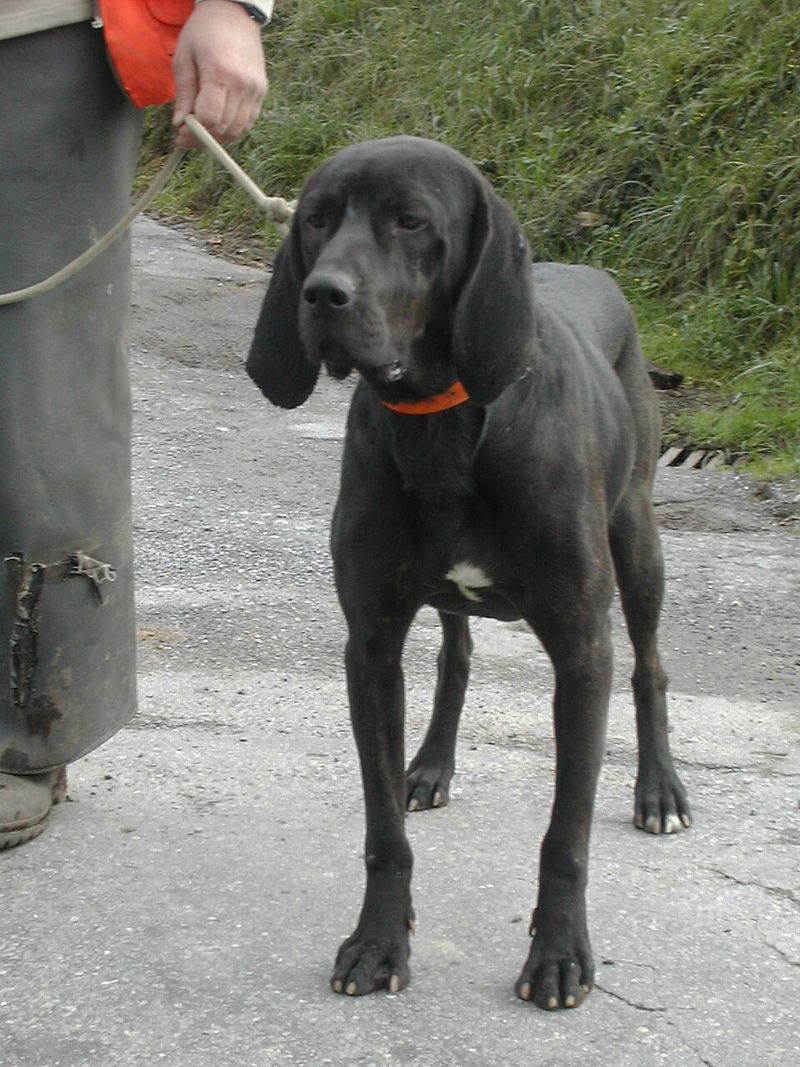
Plott Hounds are scent-driven and determined. When a Plott licks floors, it might be tracking spills, managing anxiety, or coping with a mild stomach upset after scavenging outdoors.
Note whether the behavior happens after hunts or high-arousal walks.
Channel the nose with indoor scent games, scatter feeding, and chew sessions that soothe. Offer smaller meals and a bland diet temporarily if nausea seems likely.
Keep garbage secured and wipe floors to remove tempting residues.
Persistent licking deserves a veterinary check for parasites, dietary intolerance, or pancreatitis. A behavior plan with structured rest periods and calming routines supports recovery.
With clear boundaries and enrichment, most Plotts drop the floor-licking habit.
Redbone Coonhound

Redbone Coonhounds love to follow their noses, which can morph into surface licking when scents linger. If your dog licks floors after meals or car rides, consider nausea or reflux.
Look for licking lips, drooling, or swallowing repeatedly.
Use slow feeders and split meals to reduce stomach load. Provide sniff-based games and quiet downtime after intense activity.
Keep floors free of residues, especially flavored cleaners or cooking spills.
If the habit continues, schedule a vet visit to evaluate GI irritation, parasites, or food sensitivities. A gentle diet trial and probiotics may help.
Pair medical steps with routine, calm spaces, and rewarding alternative behaviors like a place command or chew time.
Bluetick Coonhound
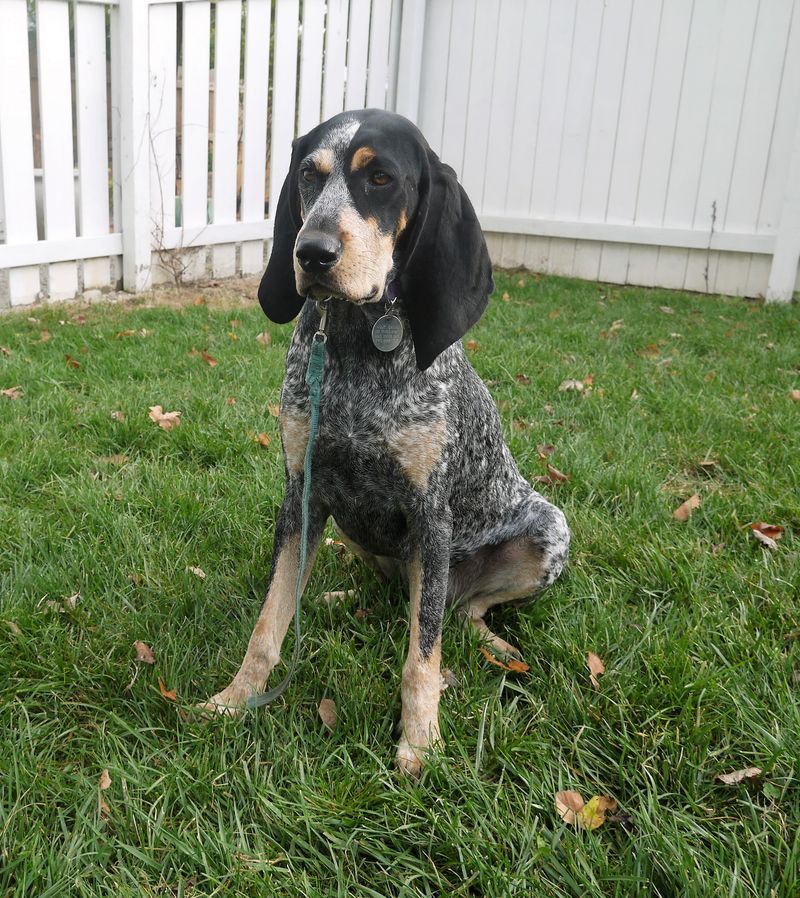
Bluetick Coonhounds are persistent trackers that fixate on interesting scents. Floor licking may simply start with aroma exploration but can escalate if nausea or stress layers on top.
Note if it intensifies after rich foods or loud events.
Offer scent puzzles and quiet decompression after exciting outings. Use slow feeding and consider a lower-fat diet guided by your vet.
Clean floors with unscented products to reduce triggers.
Keep an eye out for drooling, grass eating, or pacing. If you notice these alongside licking, book a veterinary check for GI upset or pancreatitis.
Consistent routines, enrichment, and medical support as needed usually resolve the pattern within weeks.
Treeing Walker Coonhound
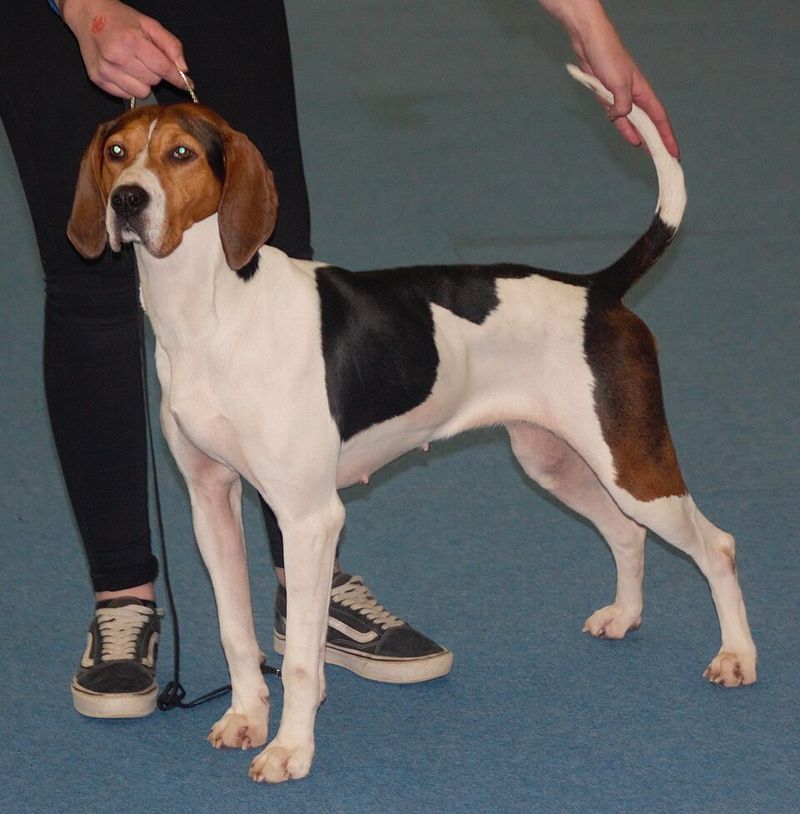
Treeing Walker Coonhounds are energetic scent hounds with strong foraging instincts. Floor licking can begin as smell-driven scanning but indicate nausea or anxiety when it becomes repetitive.
Consider whether it appears after excitement or diet changes.
Redirect with targeted scent games, long sniffs on walks, and restorative rest. Slow meals and avoid greasy treats that may trigger reflux.
Use a place mat to teach relaxation and reinforce quiet behavior.
Persistent licking deserves a vet visit to rule out gastritis, parasites, or dietary intolerance. Track timing, food, and environment to spot patterns.
Combine medical guidance with enrichment and predictable routines to help your hound feel settled.