
Some dogs do more than walk into a room. They seem to float in on clouds of fur.
Big coats can be beautiful, but they also need care, time, and the right home. These breeds show how amazing dog coats can be, from snowy white fluff to thick mountain layers.
Samoyed
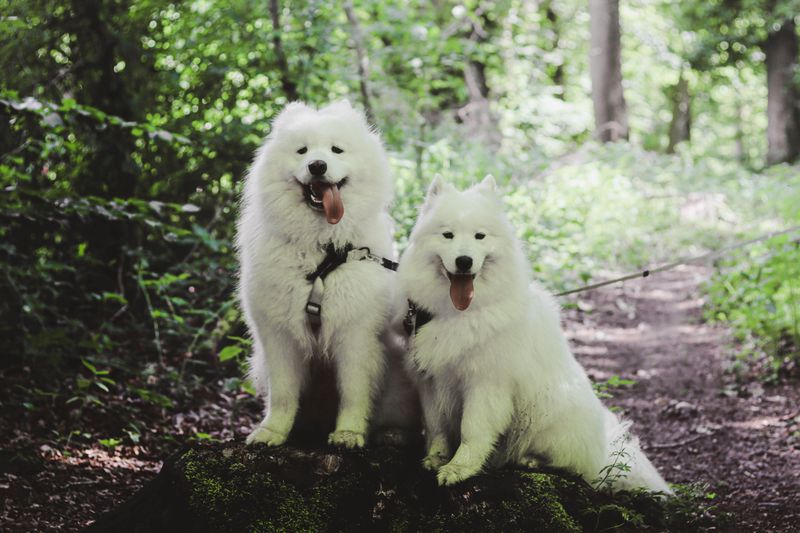
A Samoyed smile can brighten a whole room before the dog even sits down. That snowy coat was built for cold Siberian weather, so it is thick, soft, and always ready to shed.
Regular brushing keeps mats away and helps control loose fur. A slicker brush and metal comb work well.
Samoyeds love people, so grooming can become a happy bonding time if you start early and keep sessions calm.
Pomeranian
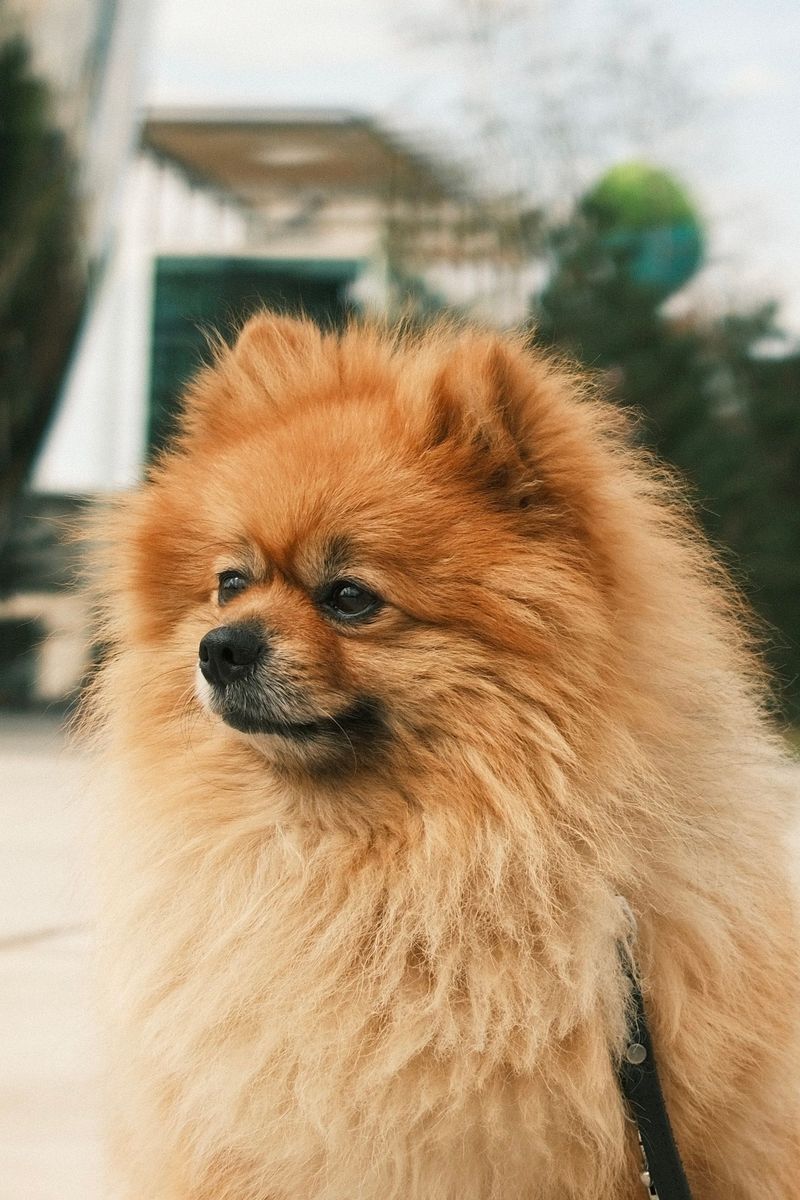
Small dog, huge coat, giant attitude. The Pomeranian looks like a little fox wrapped in a puffball, and its double coat gives it that famous round shape.
Behind the cute look is real upkeep. Brush several times a week, especially behind the ears and around the legs.
Poms can overheat more easily than they show, so keep walks short in hot weather and never shave the coat too closely.
Chow Chow
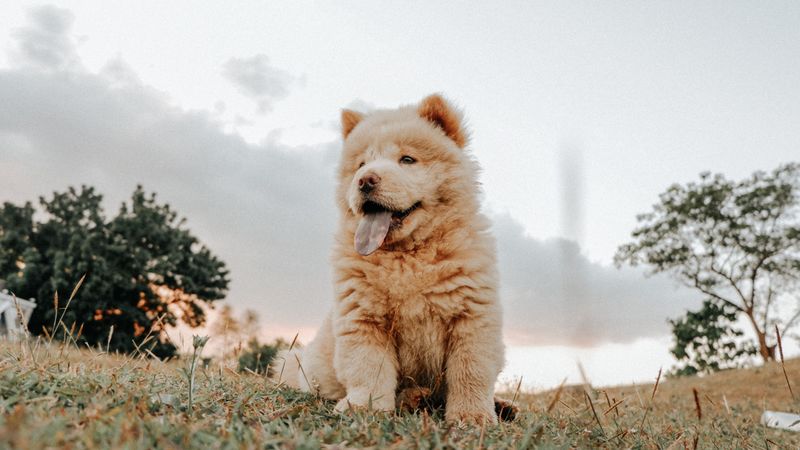
Few dogs enter like royalty quite the way a Chow Chow does. Its thick mane, broad head, and serious face make it look almost like a tiny lion from an old storybook.
That plush coat needs steady care, not quick fixes. Brush down to the skin to stop hidden tangles.
Chows are often independent, so gentle handling matters. Short, positive grooming practice helps them accept baths, combing, and paw checks without drama.
Alaskan Malamute
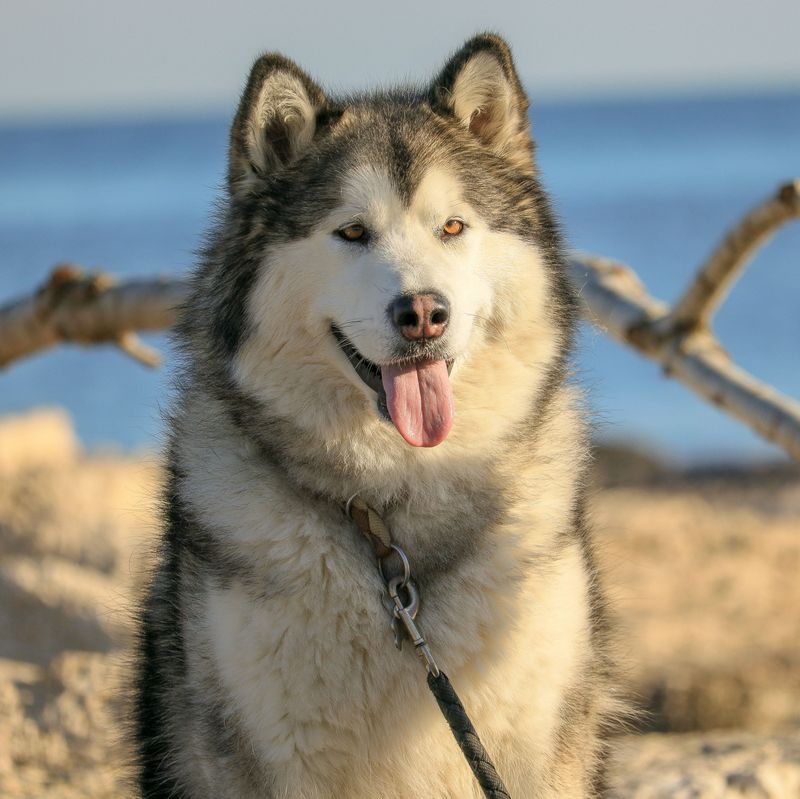
Built like a snow-loving athlete, the Alaskan Malamute wears a coat made for hard work in freezing places. Its dense fur helped protect it while pulling heavy sleds across rough land.
Expect big shedding seasons, sometimes called blowing coat. During those times, daily brushing can save your floors and furniture.
Malamutes also need exercise and training, because a bored one may dig, pull, or sing loudly to share its opinions.
Old English Sheepdog
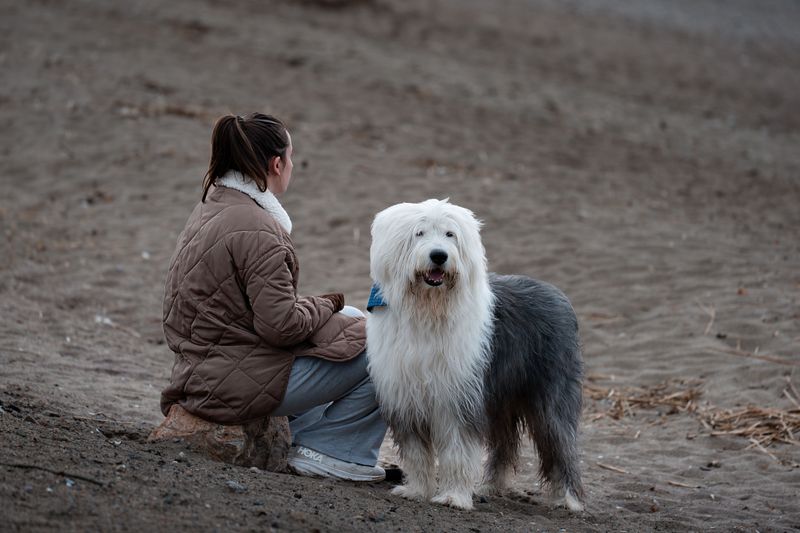
Peek under that shaggy curtain and you will find a bright, bouncy dog with a clownish side. The Old English Sheepdog’s coat can cover its eyes and swing as it trots.
Long hair like this tangles quickly, so many families choose a shorter pet trim. If kept full, brushing must be deep and patient.
Check the feet, belly, and collar area often, since mats love to hide there after play.
Bernese Mountain Dog
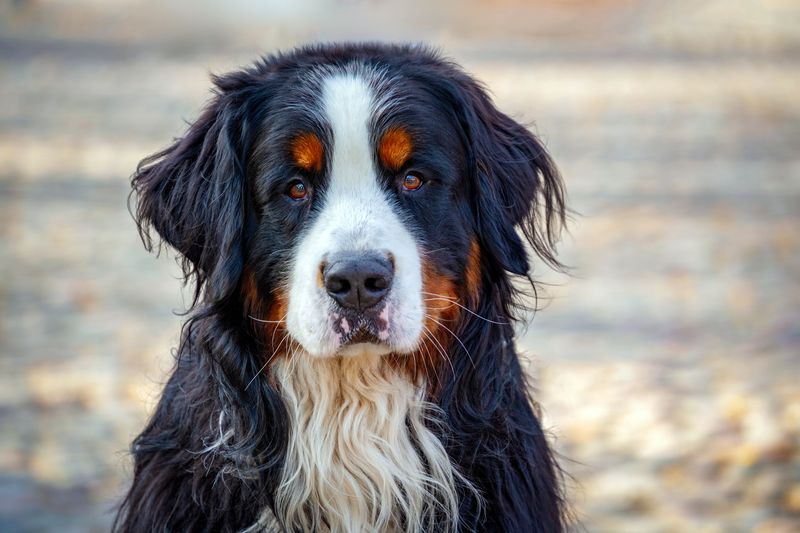
A Bernese Mountain Dog brings the feeling of a mountain lodge into the house. Its black, white, and rust coat is thick enough for chilly Swiss farm work and pretty enough for photographs.
Weekly brushing usually helps, but shedding can become heavy during seasonal changes. Pay attention to feathering on the legs and tail.
Because Berners grow large, teach calm grooming manners early, before that fluffy puppy becomes a very big lap visitor.
Newfoundland
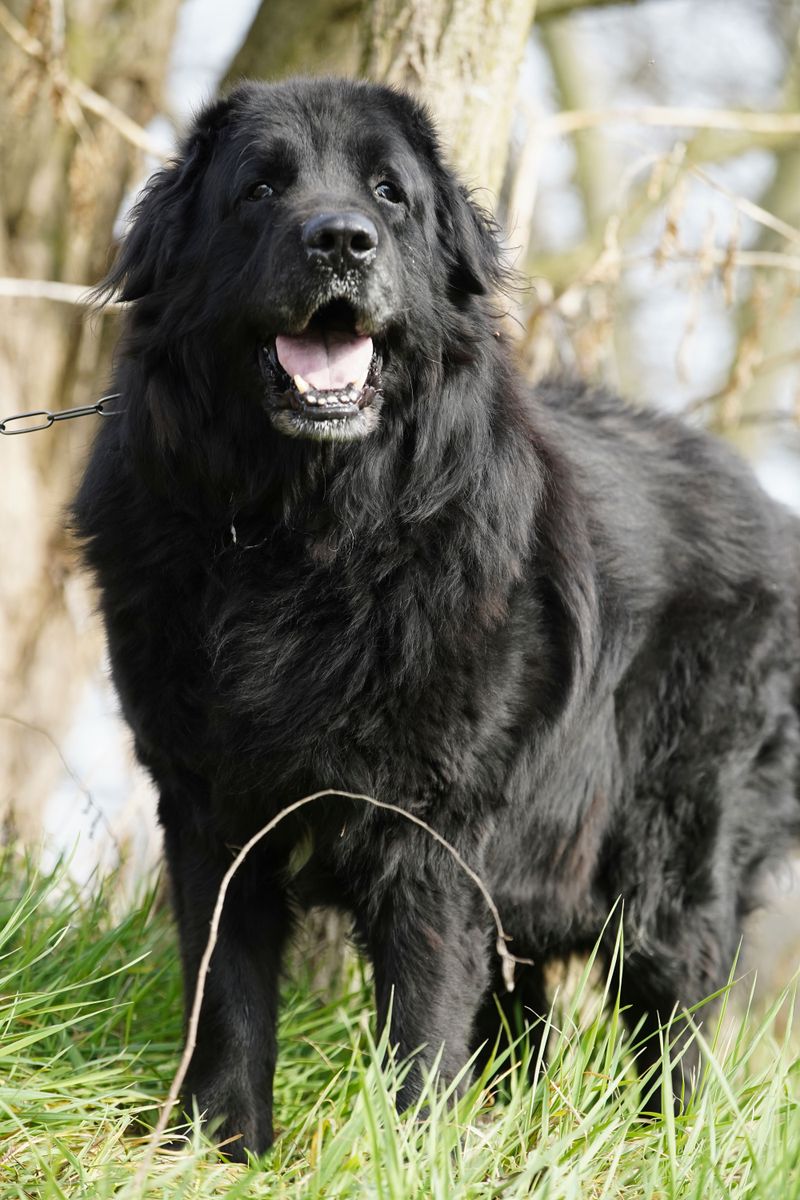
Imagine a bear-shaped lifeguard, and you are close to the Newfoundland. This giant breed has a heavy, water-resistant coat that helped it work beside fishermen and rescue people from cold water.
The fur is beautiful, but it brings drool, mud, and serious brushing needs. Dry the coat well after swimming to protect the skin.
Newfoundlands need space, steady training, and owners who do not mind carrying towels everywhere.
Rough Collie
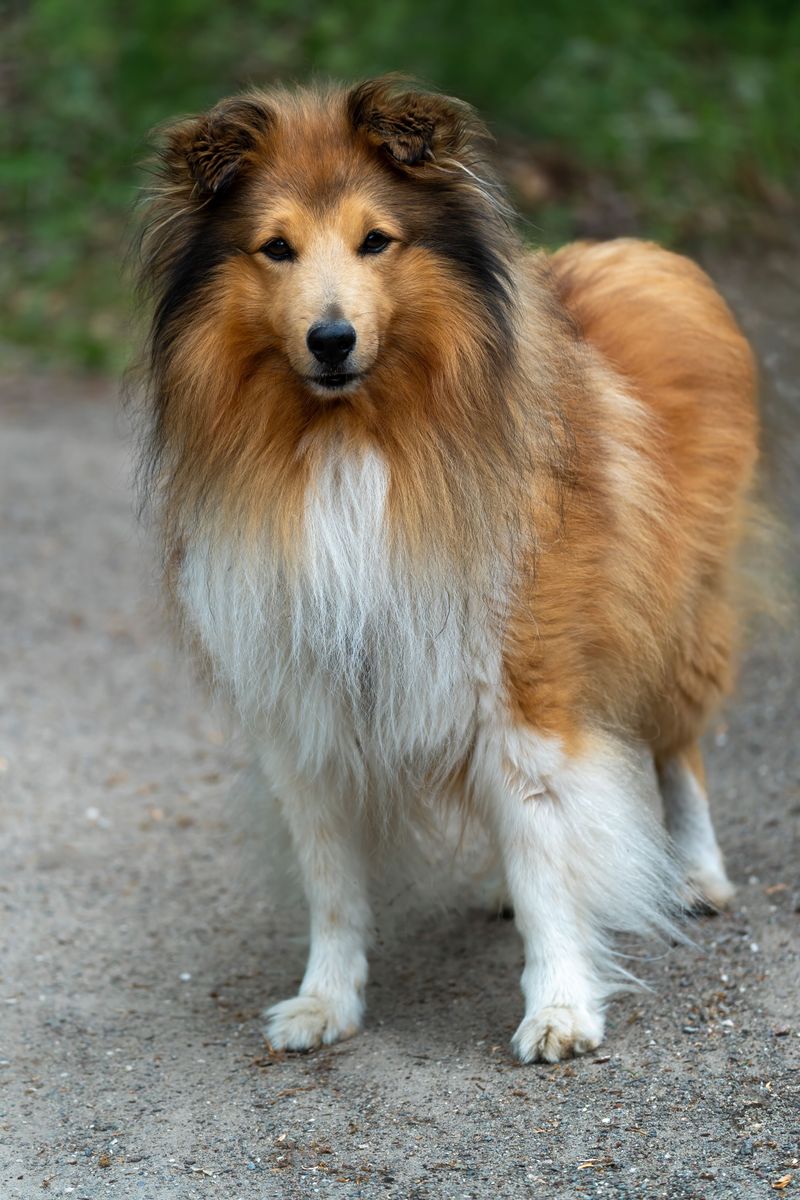
Fans of classic dog stories often picture a Rough Collie racing across a field, coat flowing like a flag. That long outer coat and soft undercoat give the breed its graceful shape.
Brushing once or twice a week keeps the mane, chest, and tail looking neat. During shedding season, add extra sessions.
Collies are sensitive dogs, so calm praise works better than rushing. Their coat rewards steady care with storybook charm.
Shetland Sheepdog
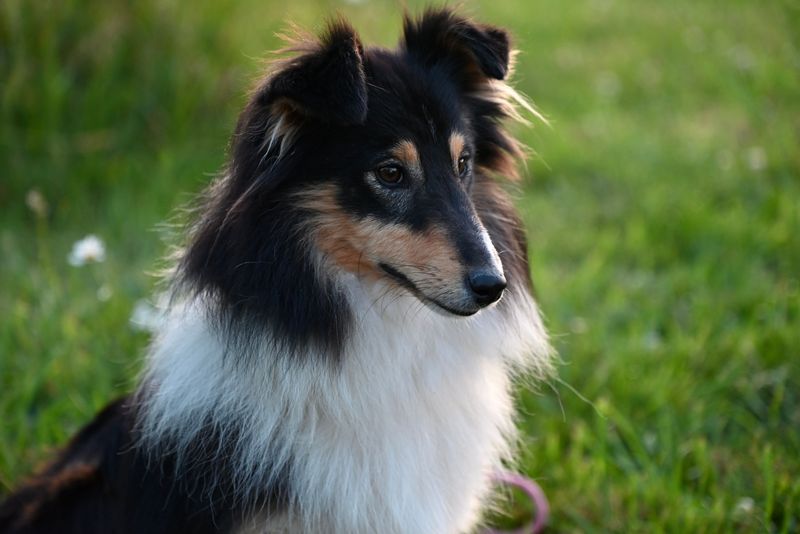
The Shetland Sheepdog may be small, but its coat makes a grand entrance. Often called a Sheltie, this clever herder carries a thick ruff around the neck and feathering on the legs.
A pin brush, comb, and steady routine are your best friends. Focus on spots behind the ears and under the tail.
Shelties enjoy learning, so turn grooming into a simple job with treats, praise, and clear steps.
Siberian Husky
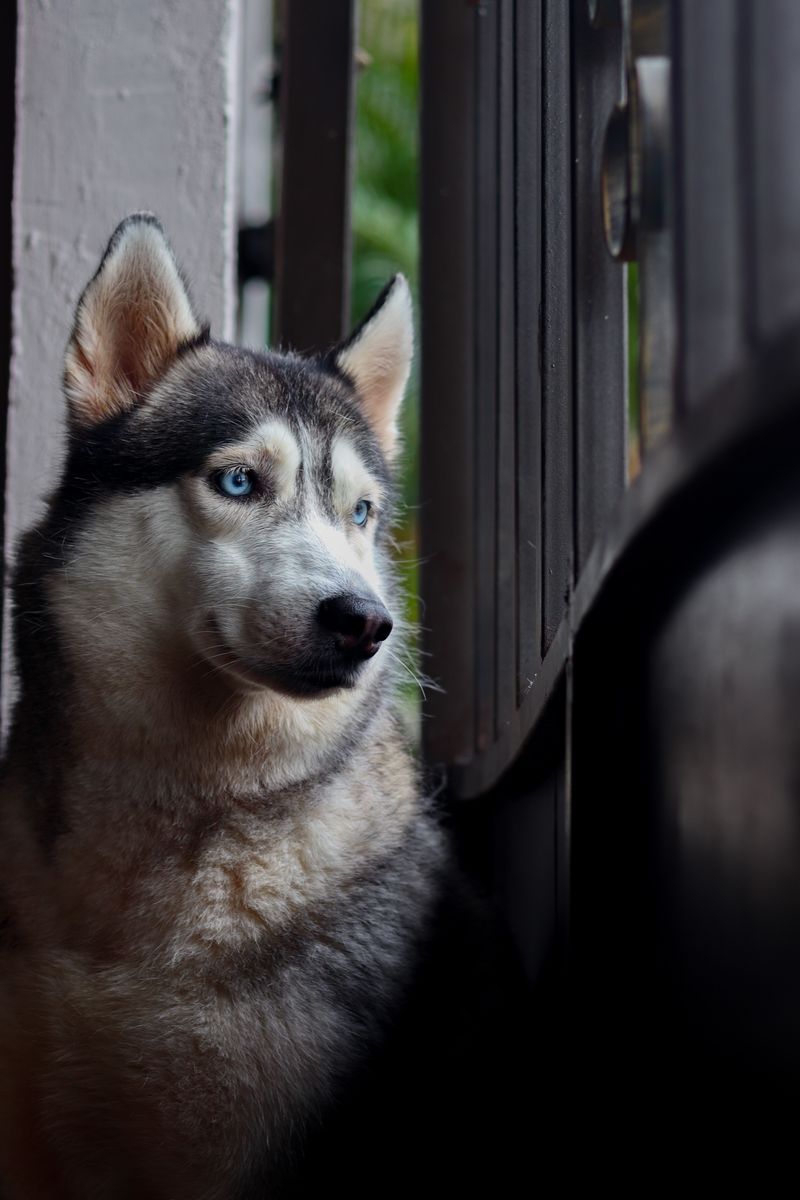
Those bright eyes get attention first, but the Siberian Husky’s coat steals the show once shedding starts. Made for cold northern travel, its double coat traps warmth while staying surprisingly clean.
Huskies blow coat heavily, so a good undercoat rake is helpful. Skip close shaving, because the fur also protects against sun and heat.
Offer exercise before grooming if your husky is wiggly. A tired husky is often easier to brush.