
If you have a fetch-obsessed pup, you already know one toss is just the warmup. Some breeds were built for retrieving, chasing, and repeating the game with endless enthusiasm.
These dogs thrive when you match their energy and give them a job to do. Get ready to meet the canine athletes who will keep you reaching for the ball again and again.
Labrador Retriever
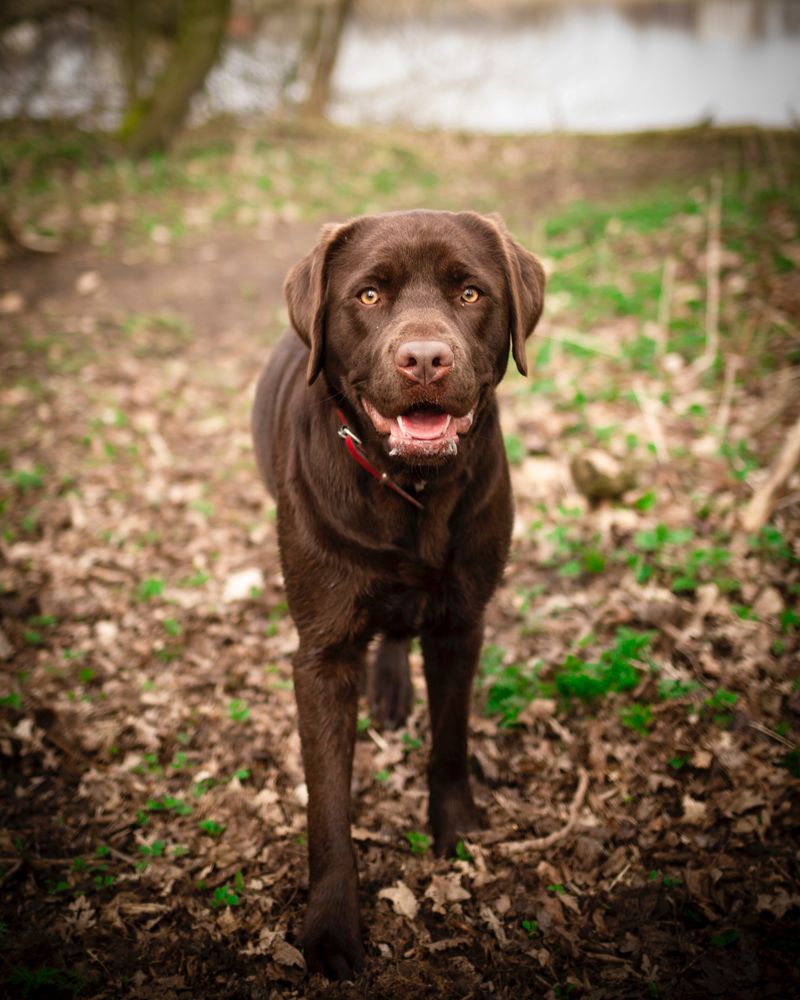
Labradors live for the next throw, and you can feel their anticipation vibrate through the leash. Bred to retrieve from water, they charge after tennis balls like they are on a mission.
Give them structure with quick recall drills and varied distances, and they will shine. Rotate balls and add floating bumpers for safe water work.
You will see their eyes light up every single time.
Keep sessions short and upbeat to protect joints and keep that enthusiasm burning. Mix in impulse control games so fetch does not become frantic.
A calm sit before release helps. If you want reliable returns, trade the ball for a treat or a second toy.
With Labs, your arm gets tired long before their spirit does.
Golden Retriever
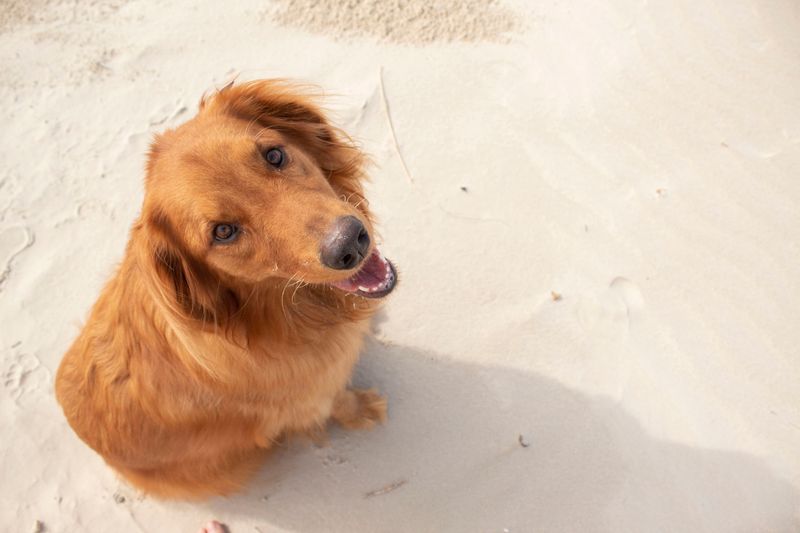
Goldens bring a soft mouth and an even softer heart to every game. Their silky coats may look showy, but under the fluff is a true athlete.
You will notice they watch your shoulder and hand for the release cue, reading body language like pros. Use that attention to layer in sits, stays, and directional sends.
A double retrieve challenges their brain and satisfies the work drive.
To keep fetch safe, warm up with light trots and finish with calm sniffing. Goldens can be sensitive, so praise generously and keep corrections light.
Soft frisbees and rubber balls protect teeth. When you build trust, they deliver perfect retrieves and adorable prances.
Keep the ball bag ready, because one victory lap just starts the loop.
Border Collie
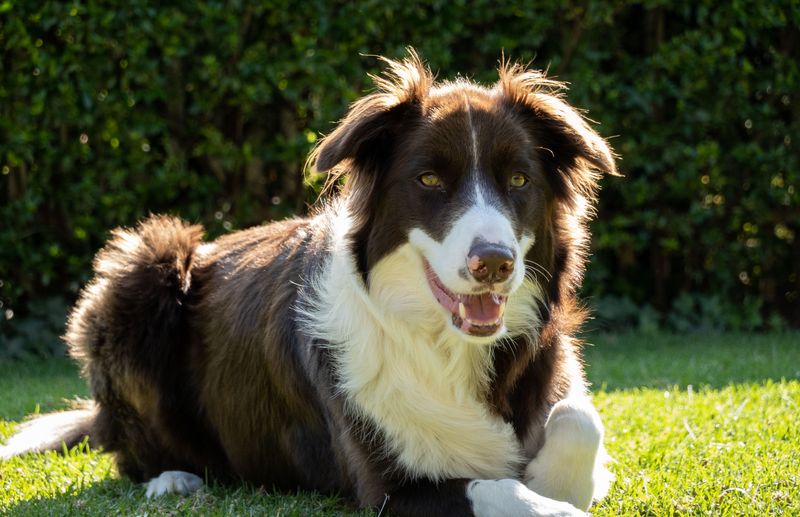
Border Collies channel rocket fuel into laser focus. Fetch is never just fetch to them.
It is a precision drill where angles, speed, and timing matter. Use that obsession to teach left and right flanks around a cone, then send to the ball.
You will get cleaner lines and a calmer mind. Reward with the throw to leverage their toy drive.
Because they run hot mentally, keep intervals short with built-in decompression. Sprinkle in nose work or scatter feeding between reps.
This helps balance their intensity so arousal does not spike. A release word prevents self-launching.
If you like strategy, this breed will meet you there. Border Collies turn a simple toss into a thoughtful, thrilling exercise circuit.
Australian Shepherd
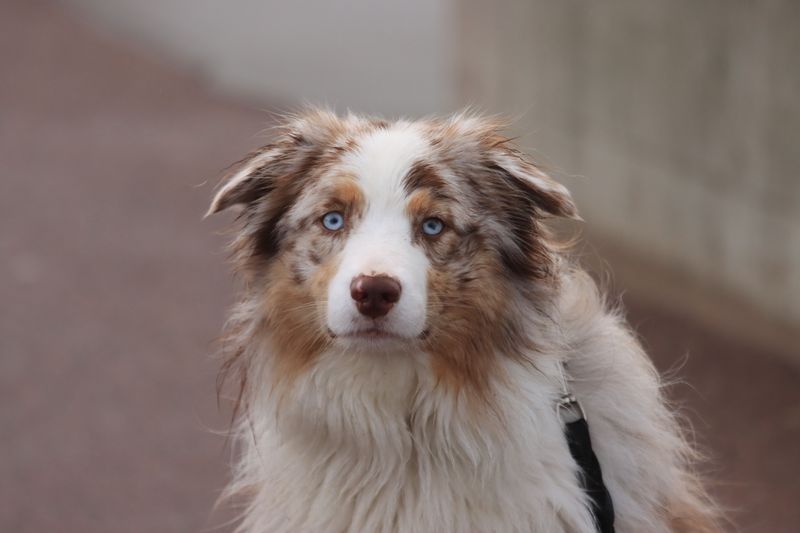
Australian Shepherds mix play with purpose. They want a job, and fetch becomes one fast.
Try pattern games like send around a tree, return to heel, then release to the ball. You will notice calmer starts and sharper stops.
Their herding brain loves predictable routines with small twists. Add hurdles or low platforms for safe variety and confidence building.
These dogs are social, so make fetch a teamwork ritual. Use eye contact before throws and short hand targets on the return.
If excitement spikes, pause for a chin rest or brief settle. Durable rubber balls resist chompers and keep retrieves tidy.
With consistent structure, Aussies bring their best every session. Expect a joyful, bouncy partner who never calls it quits.
Belgian Malinois
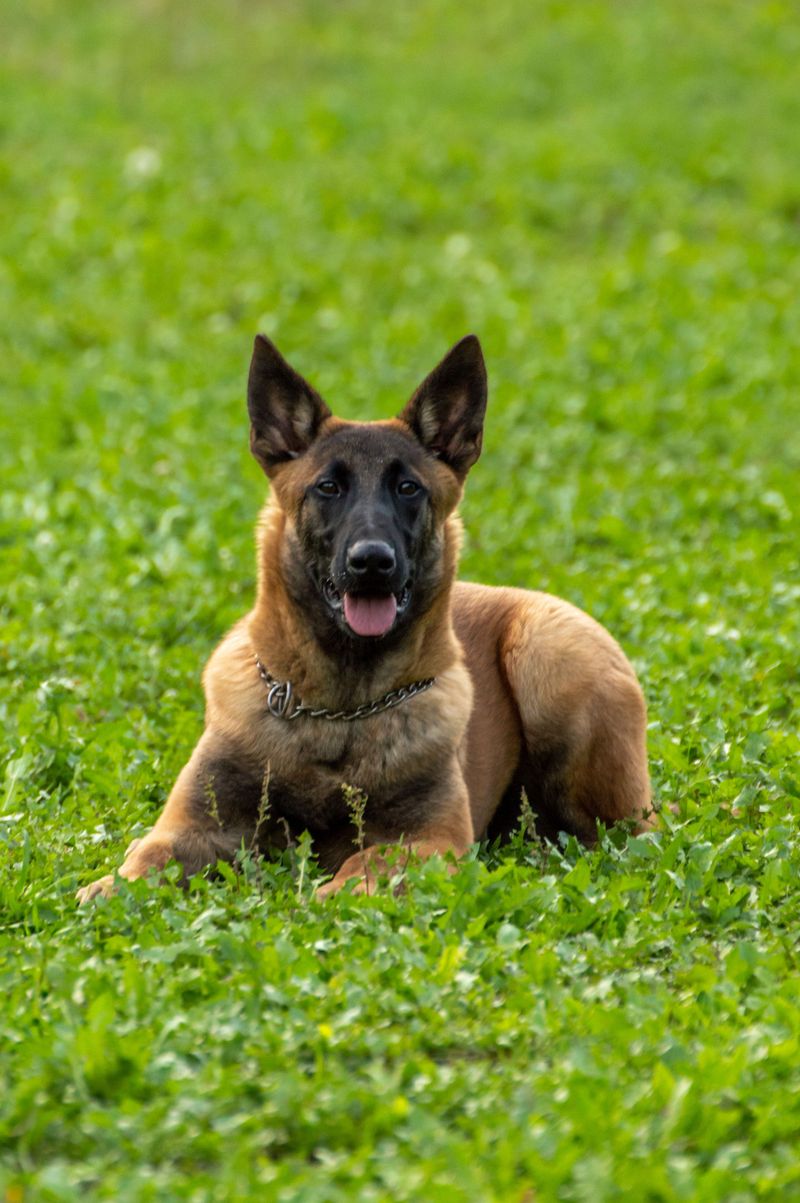
Belgian Malinois approach fetch like a high-stakes assignment. Their drive is immense, so channel it with clear structure and safety rules.
Use a tug as a secondary reward to keep returns fast and motivated. Teach out on cue, then mark and throw.
You will notice cleaner releases and more control. Keep arousal in check with calm starts and deliberate breathing.
Short, powerful reps suit this athlete. Warm muscles before explosive jumps, and avoid excessive vertical leaping.
Use a chuck-it sparingly and favor straight-line sprints over twisting catches. Mals thrive on precision and praise.
If you bring consistency, they bring everything else. Expect a working partner who treats one ball like a mission, then immediately asks for the next.
English Springer Spaniel
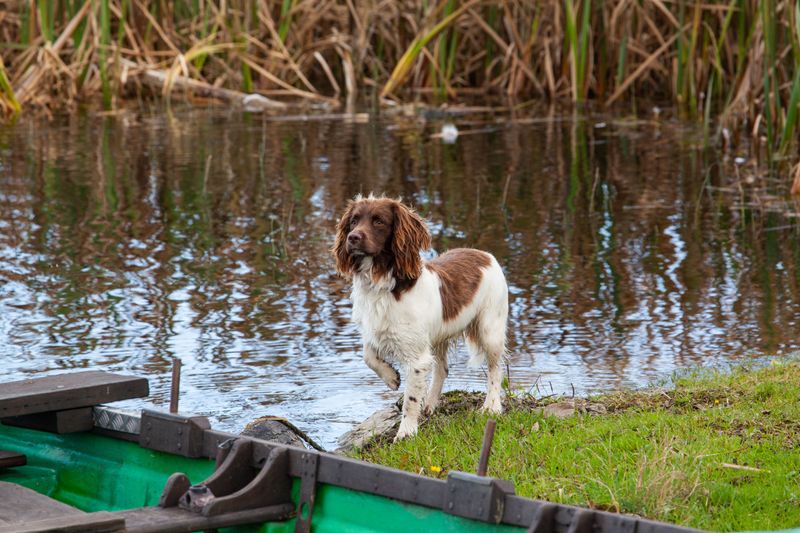
Springers are birdy, bouncy, and absolutely ready for another throw. Their heritage in the field shows up as wide casts and eager returns.
Use that natural quartering by tossing the ball into light cover, then recalling to hand. You will see nose and eyes working together beautifully.
Keep cues upbeat. A cheerful tone pairs perfectly with their happy-go-lucky nature.
To prevent overexertion, intersperse hunt-the-ball searches with quick water breaks. Soft fetch toys protect delicate mouths.
Teach a front sit delivery for tidy handoffs. Springers like variety, so rotate locations and add gentle hills for fitness.
They rarely tire of praise or play. When you tap into their field instincts, fetch becomes an elegant dance between curiosity and control.
Flat-Coated Retriever

Flat-Coats are the Peter Pans of the retriever world, forever young at heart. Their zest makes every throw feel like the first.
Use upbeat markers and playful restraint to build explosive yet polite starts. You will get that signature joyful sprint without chaos.
Water retrieves are a natural fit, so keep a floating bumper handy. They love the splash almost as much as the catch.
Because enthusiasm can override form, emphasize controlled deliveries to hand. Trade for a second toy to keep momentum.
Keep sessions varied but not frantic. Gentle hills and soft ground protect joints while feeding their love of speed.
With the right rhythm, a Flat-Coat will chase, return, and grin up at you, begging for just one more.
Chesapeake Bay Retriever
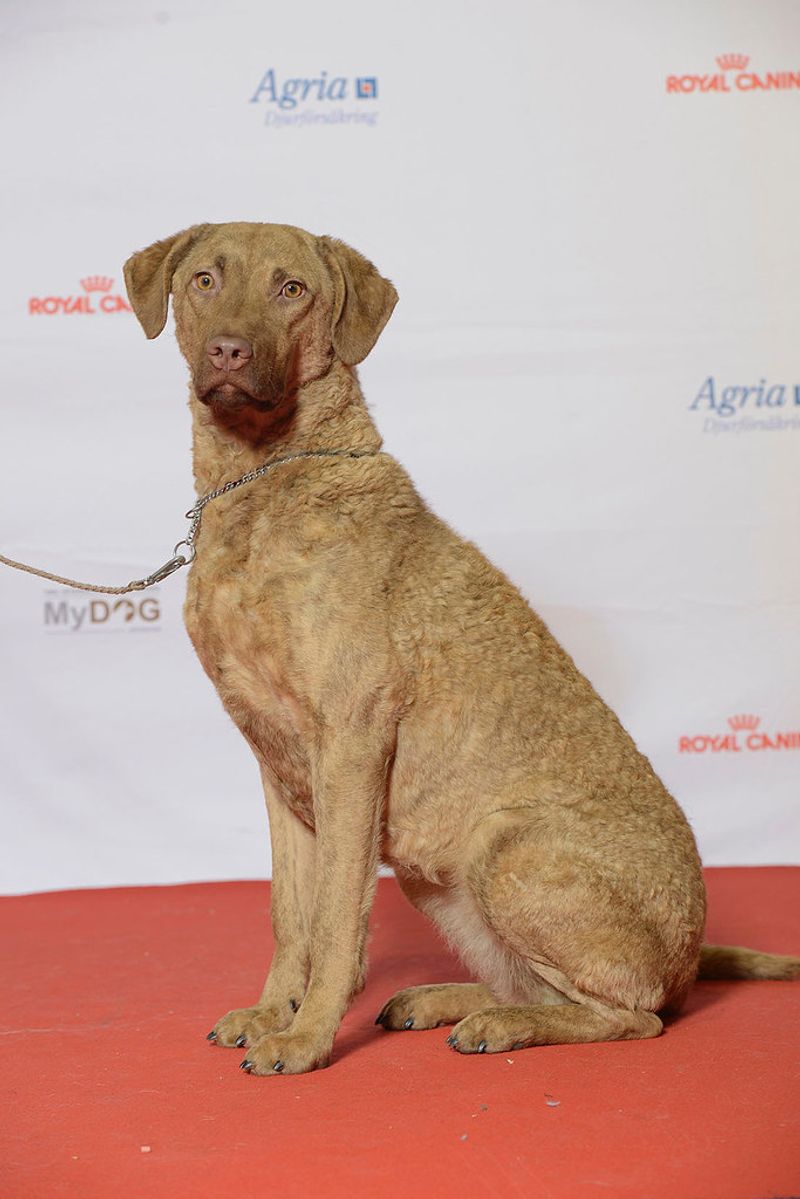
Chessies are built for tough water and tougher jobs. When a ball flies, they dig in and deliver, no matter the chop.
Lean into their grit with structured water retrieves and clear lines. Use a stable entry, a marked send, and a clean return to hand.
You will see confidence bloom. Reward with warm praise rather than fuss.
Chessies appreciate straightforward teamwork.
Because they are strong, manage arousal with steady pacing and defined breaks. Rotate between water and land to keep muscles balanced.
Choose textured, buoyant toys for a secure grip. Keep training fair and consistent.
They respect reliability more than hype. With patience, a Chesapeake becomes an unstoppable partner who crashes waves, climbs out, and stares at you for the next throw.
Nova Scotia Duck Tolling Retriever
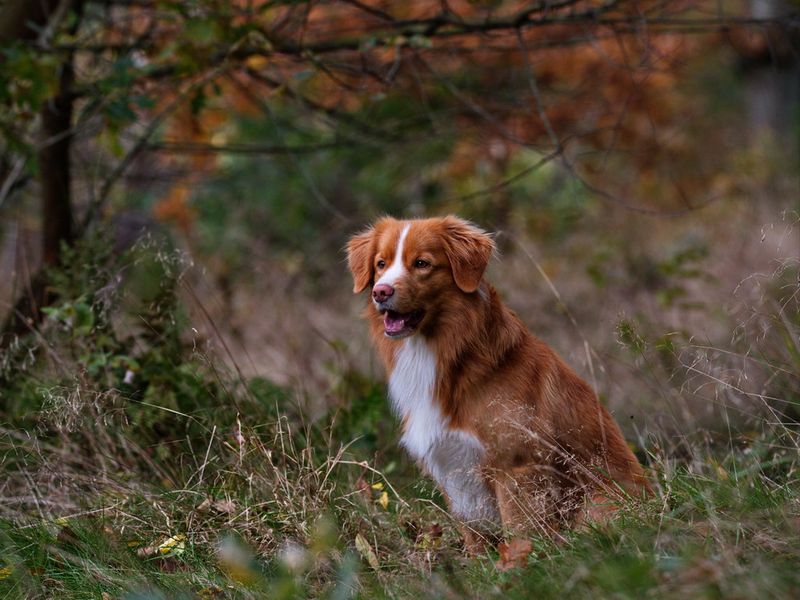
Tollers bring clever mischief and serious retrieve instincts. Their foxlike energy turns fetch into a flirty game of now you see it, now you do not.
Use that spark by mixing short tosses with tolling-style motion near water. You will notice sharper focus as patterns emerge.
Mark calm sits before release to balance the bounce. Reward enthusiasm while reinforcing manners.
They thrive on novelty, so change locations, targets, and cues often. Soft, smaller balls fit their mouths well.
Sprinkle in hand targets and platform sends for tidy returns. If arousal spikes into barking, pause, reset, and lower intensity.
Tollers love partnership and play equally. Nail that blend, and you will have a spirited teammate who always asks for one more go.
Standard Poodle
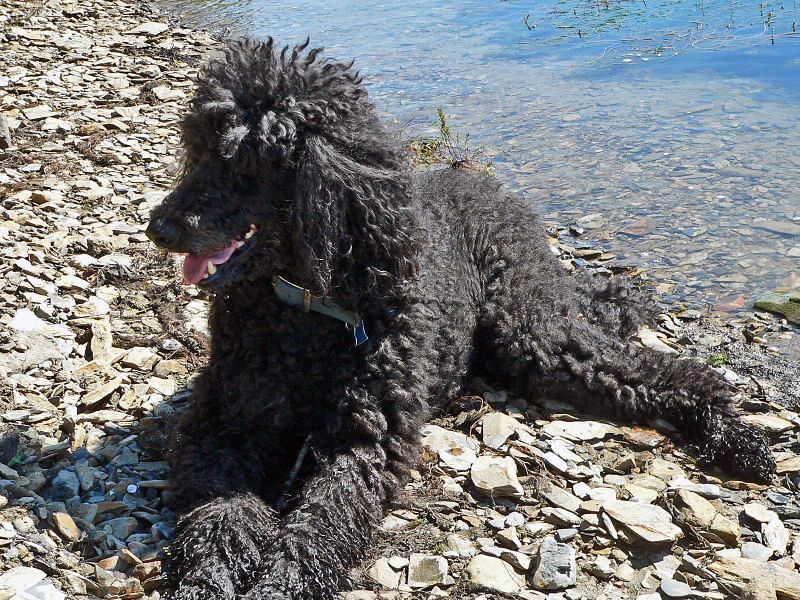
Standard Poodles pair brains with bounce. Behind the fancy clip is a serious athlete who thrives on thoughtful games.
Make fetch a puzzle by adding directionals, place boards, and delayed releases. You will see sharp decision making and graceful movement.
Use soft-textured balls to protect teeth. Poodles often appreciate precision, so keep cues clean and rewards intentional.
To avoid repetitive stress, vary surfaces and distances. Alternate quick sprints with quiet sniff breaks and easy obedience.
A calm pre-throw check-in keeps arousal smooth. If you like tidy deliveries, train a chin-to-hand finish.
Poodles love being right, and you can harness that for brilliant retrieves. Expect a partner who brings the ball and a proud little sparkle in the eye.
Vizsla
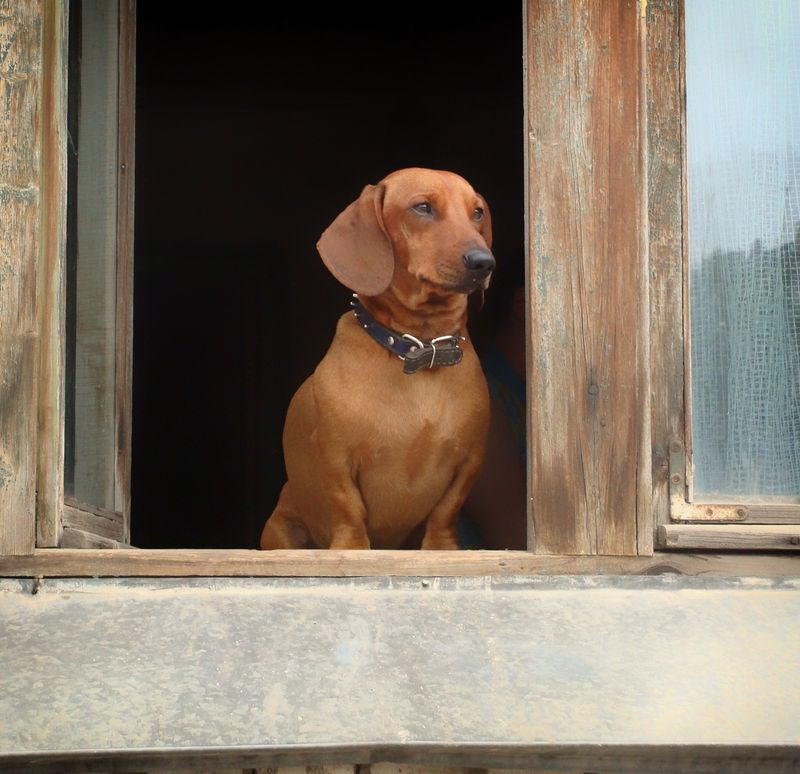
Vizslas pour affection and speed into everything, especially fetch. They sprint like arrows and return with a gentle nudge, asking for your next move.
Use that clingy sweetness to build responsive recalls and quick sits. You will get crisp focus even at distance.
Keep equipment light and breathable, since this breed runs hot. Early morning or dusk sessions help manage heat.
Balance their zest with structured rest and water breaks. Rotate in short tracking games to engage the nose.
Soft rubber balls and low arcs protect joints. A consistent release word prevents self-launching.
With kind guidance, a Vizsla becomes a graceful, tireless retriever. You will finish smiling while they stand ready, tail painting the air, pleading for another beautiful throw.
German Shorthaired Pointer
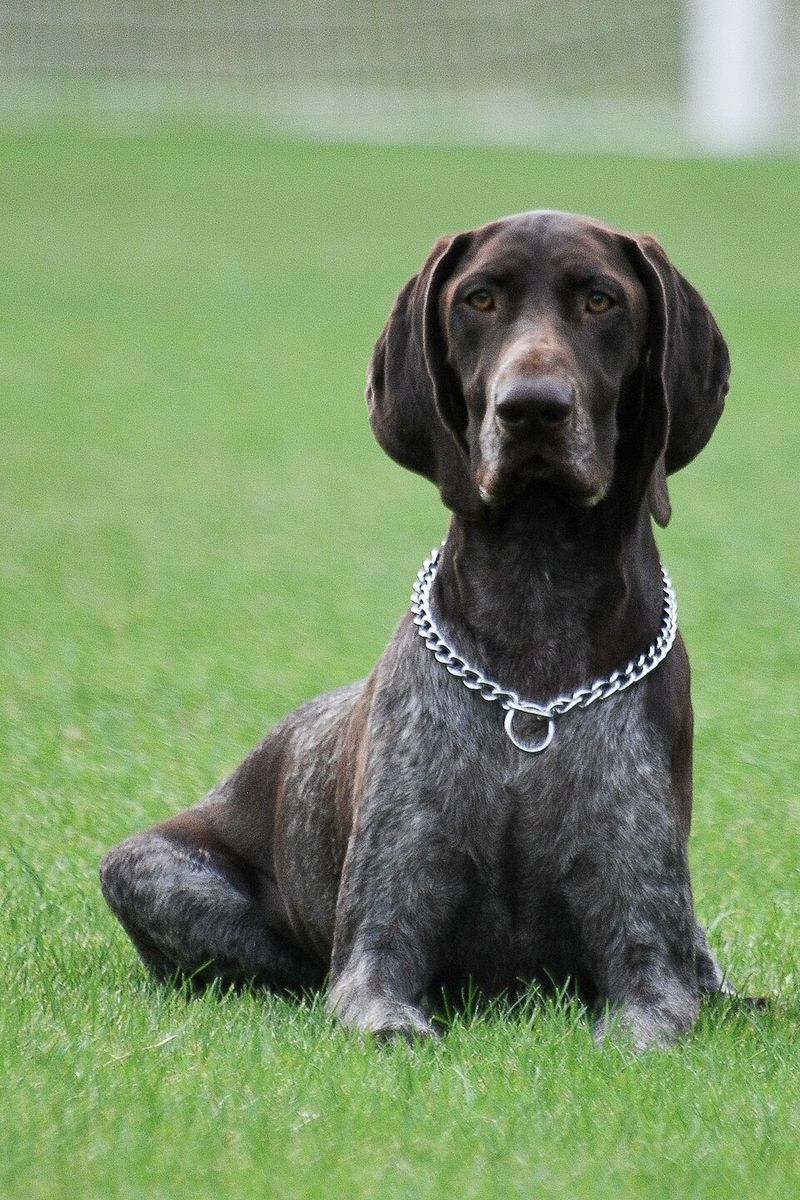
GSPs run like the wind and think like hunters. Fetch taps into that prey drive while giving structure.
Start with controlled heel, eye contact, and a steady release to a clearly marked ball. You will see crisp lines and rocket returns.
Add directional cues to channel their natural quartering. Use a second toy trade to speed up delivery.
Because they are high-octane, manage arousal with planned pauses and cool-down walks. Keep throws mostly straight to reduce joint strain.
Choose durable, slightly textured balls for reliable grip. Mix in short scent searches to satisfy their nose.
With clear rules, a German Shorthaired Pointer becomes a polished athlete who flies out, locks on target, and happily presents the ball for round two.